 NCU News
 Campus life
The Nobel Peace Prize for the Fight for Human Rights


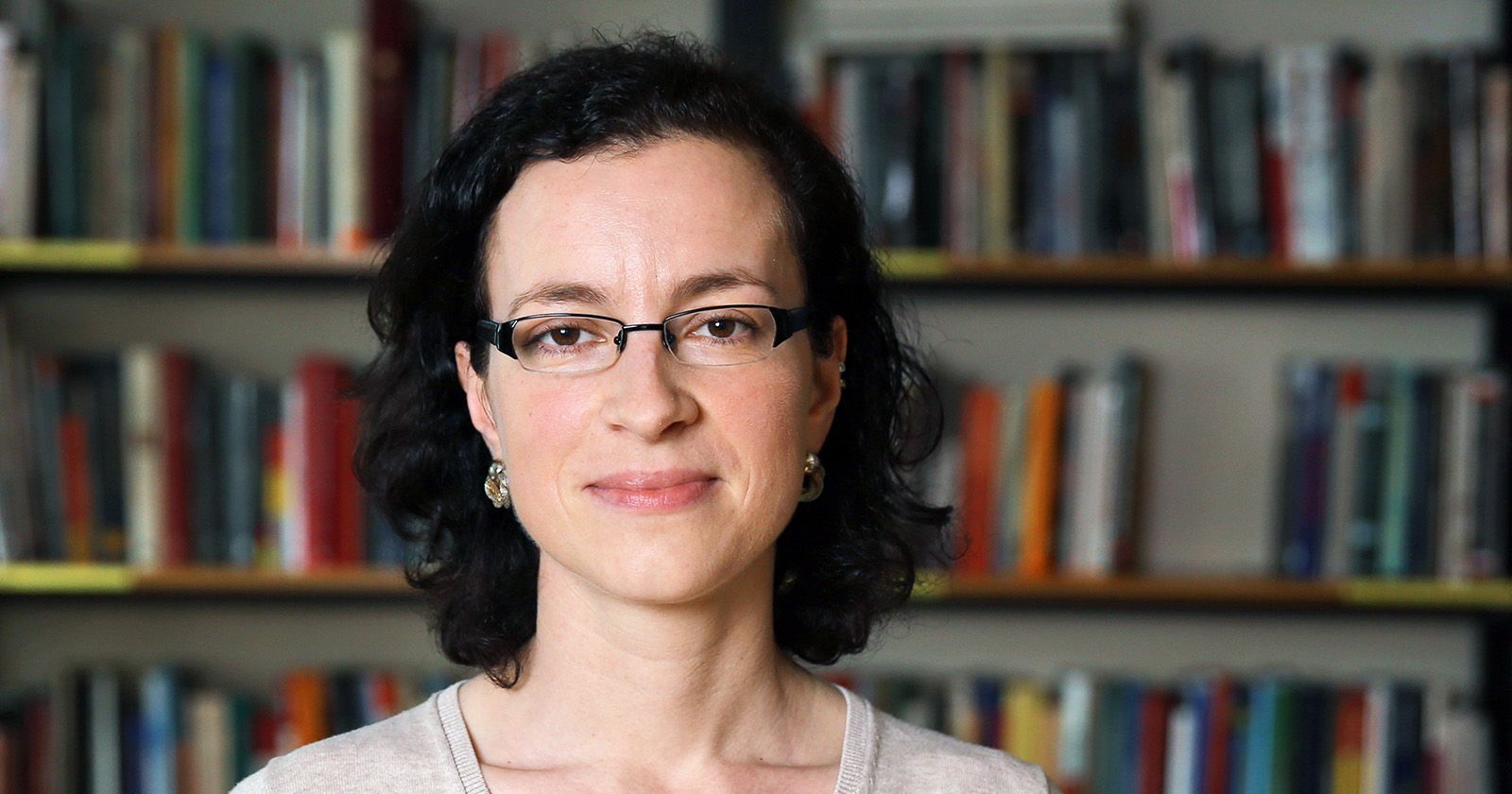
Navanethem "Navi" Pillay was awarded the Nobel Peace Prize in recognition of her work for peace and international law. Dr hab. Agnieszka Szpak, NCU Prof. Szpak from the Faculty of Political Science and Security Studies is talking about the Nobel Committee's decision.
The Norwegian Nobel Committee awarded the Nobel Peace Prize to Navanethem "Navi" Pillay, a former judge at, amongst others, the International Criminal Tribunal for Rwanda and the International Criminal Court, for "her efforts to promote peace and international law". The Committee points out that "Navi" Pillay's commitment to universal principles of law and her unwavering moral compass have been constant features of her long career. […] Navi Pillay has held states and political leaders to account and offered hope to victims of violence and conflict. In all the posts she has held, she has emphasised the responsibility of individuals and states to uphold the rule of law".

International law in the defence of peace
This award is of particular significance at the present time, when armed conflicts are occurring on a scale and of a nature not seen for a long time. In the course of these conflicts, human rights are being violated, the norms of international humanitarian law are being breached, and the fundamental principles of the international order are being disregarded. At the very time when international law and institutions are crucial to ensuring peace, security and order in the world, the major powers are launching a frontal assault on the foundations of the international order. Examples include Russia's ongoing aggression against Ukraine and US actions in Venezuela and Iran. Under President Trump, the US is imposing sanctions on the President of the International Criminal Court for purely political reasons.
In this context, the recognition given to Navi Pillay confirms the fundamental importance of international justice for lasting peace. The prize takes on particular significance in light of the current challenges to the international legal order. As the Nobel Committee rightly pointed out, 'international law is no longer merely a complement to efforts for peace and security. It is an absolute necessity'. It may be argued that, although the prize was awarded to an individual, she embodies international law and the institutions of international justice of which she has been a part, such as the International Criminal Tribunal for Rwanda, the International Criminal Court and the International Court of Justice.
From Rwanda to the international courts
Navi Pillay's judicial career spanned both the domestic judiciary and the most important international tribunals. In 1995, she was appointed to the South African High Court, and subsequently sat as a judge at the International Criminal Tribunal for the Crimes in Rwanda, which she presided over from 1999. Her work helped to establish the legal basis for the prosecution of sexual violence, including rape, as international crimes. She later became a judge at the International Criminal Court, and from 2008 to 2014 served as the UN High Commissioner for Human Rights. In 2019, she was appointed as an ad hoc judge at the International Court of Justice in proceedings concerning allegations of genocide against Myanmar. From 2021 to 2025, she chaired the UN Independent International Commission of Inquiry on the Occupied Palestinian Territory. In the context of the Nobel Peace Prize laureate's work as a judge, it is worth noting that international courts and tribunals, despite jurisdictional limitations and often protracted proceedings, deliver justice and enable victims to assert their rights, obtain recognition for the harm they have suffered, and demand that perpetrators be held to account.
At a time often described as a crisis in international law, the award of the Nobel Peace Prize to Navi Pillay serves as a reminder that without respect for international law, without holding the perpetrators of the most serious international crimes to account, and without ensuring that victims have the right to redress, there will be no peace or security in the world.