 NCU News
 Campus life
Connecting Cultures through YUFE


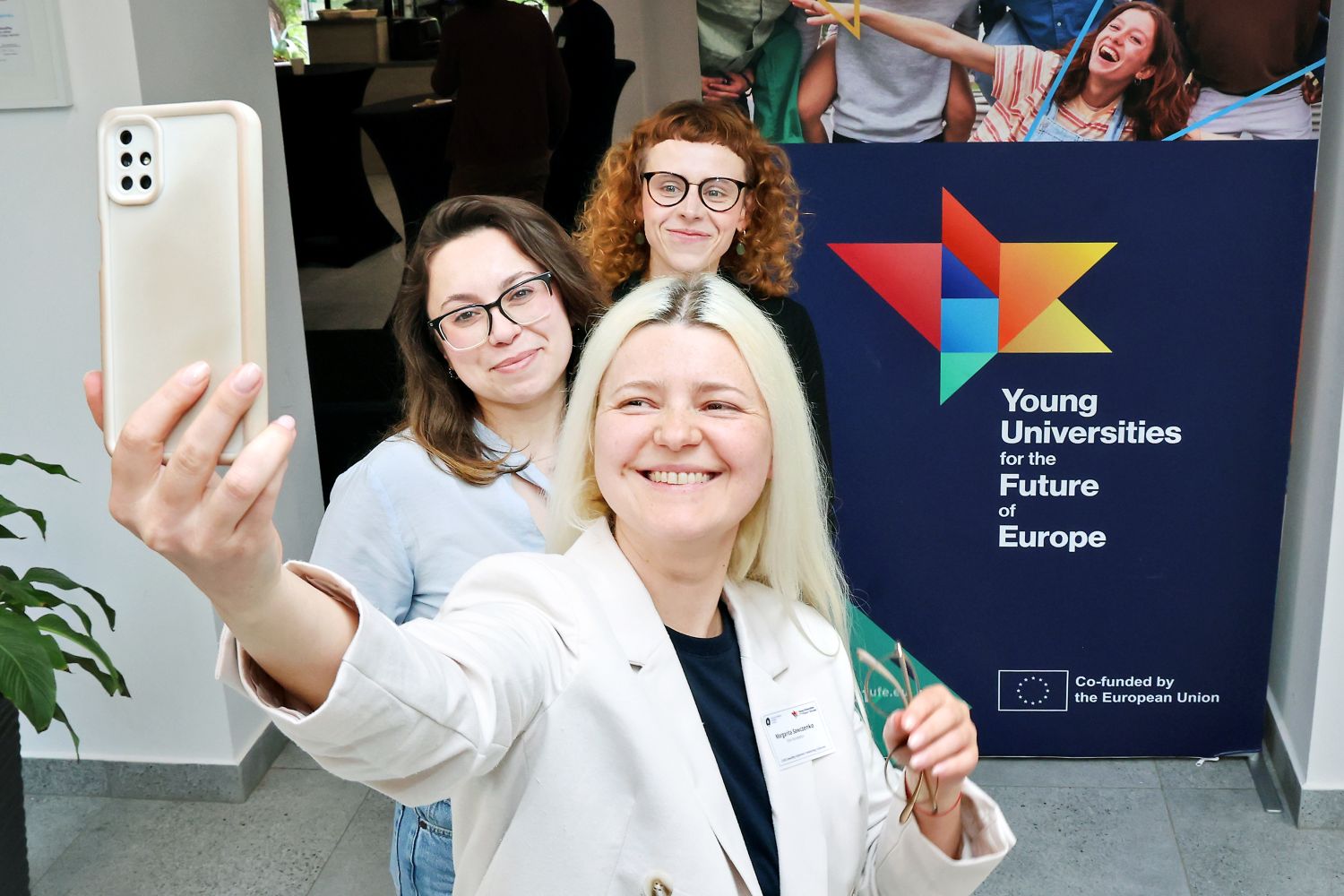
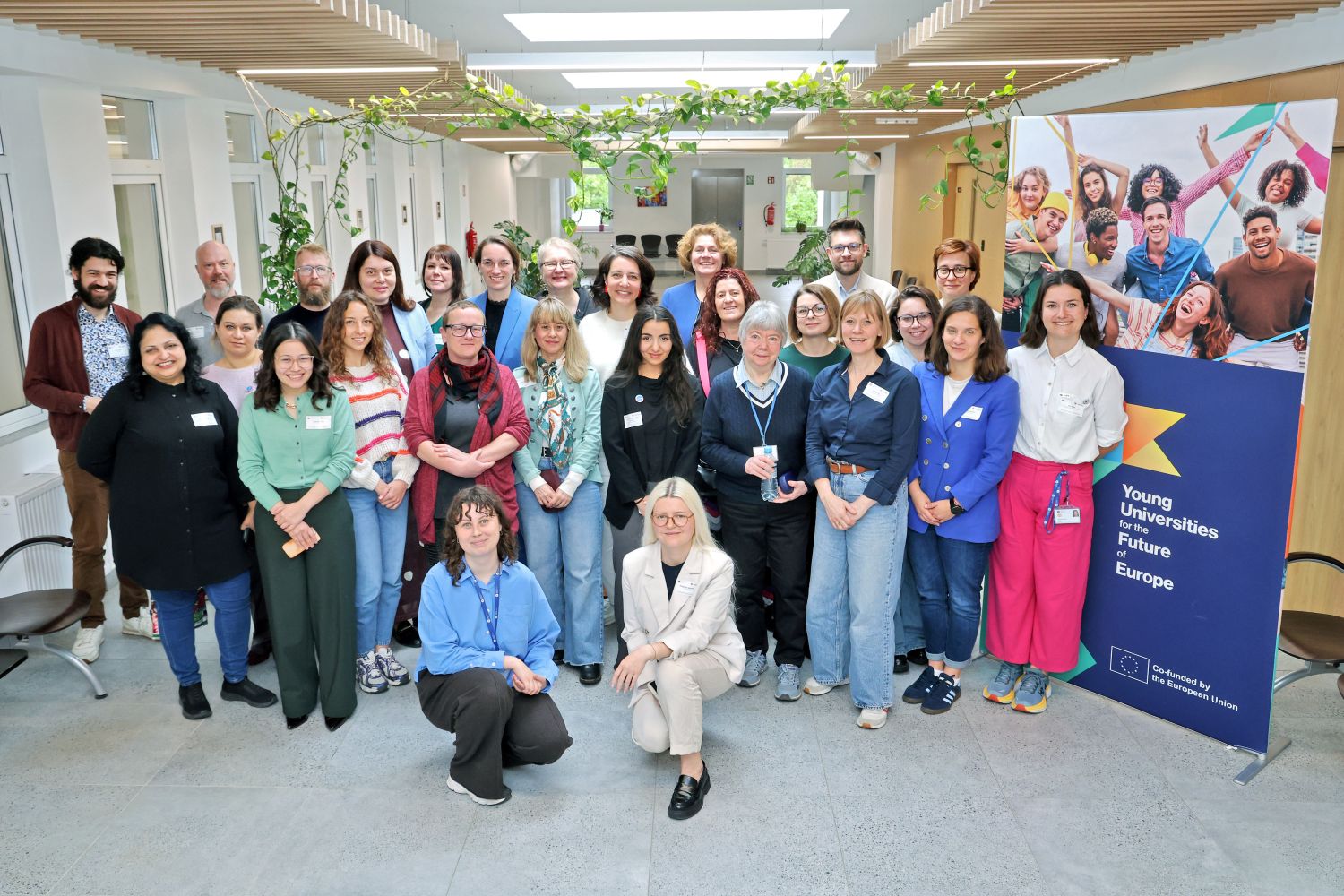
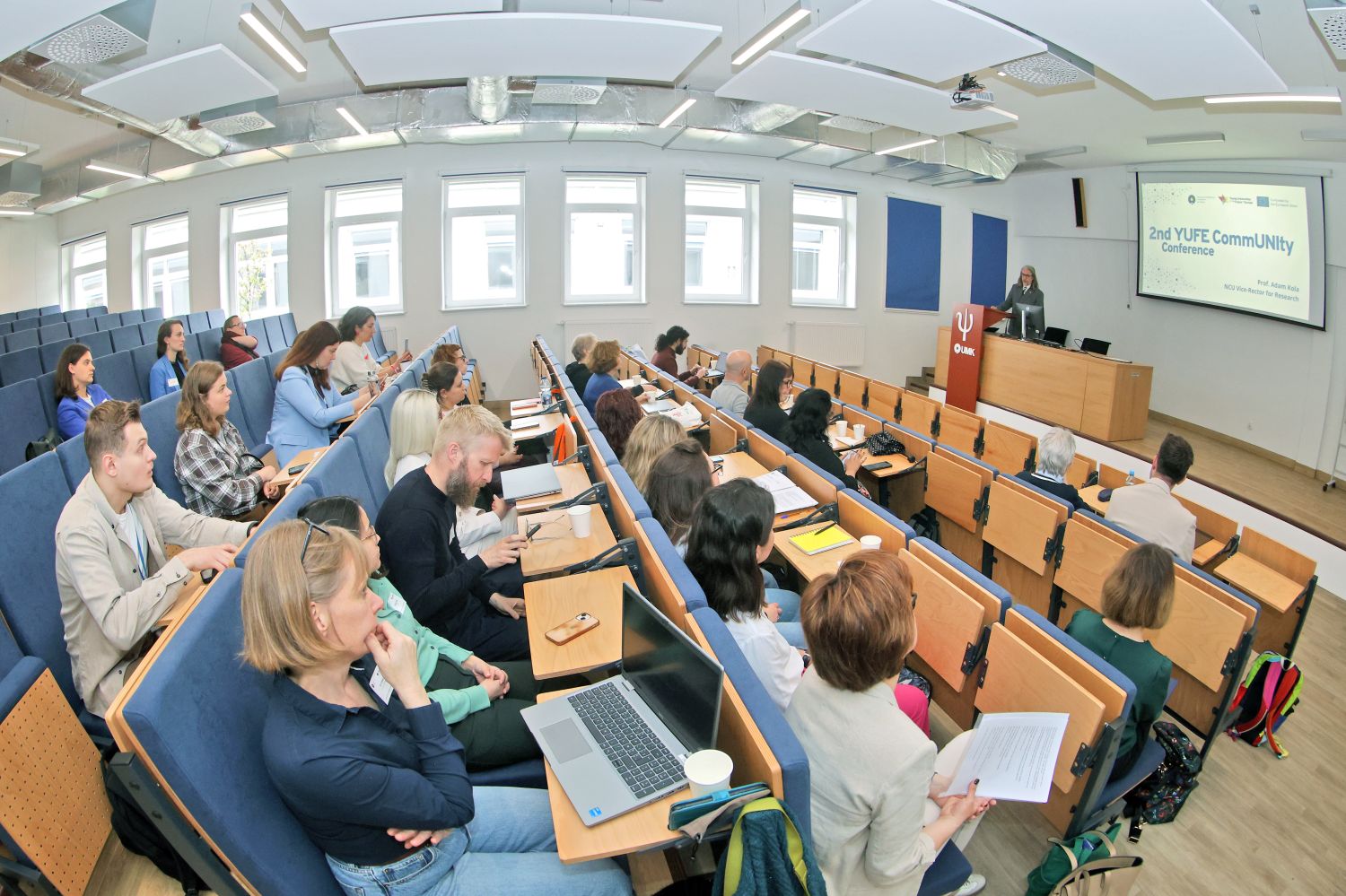
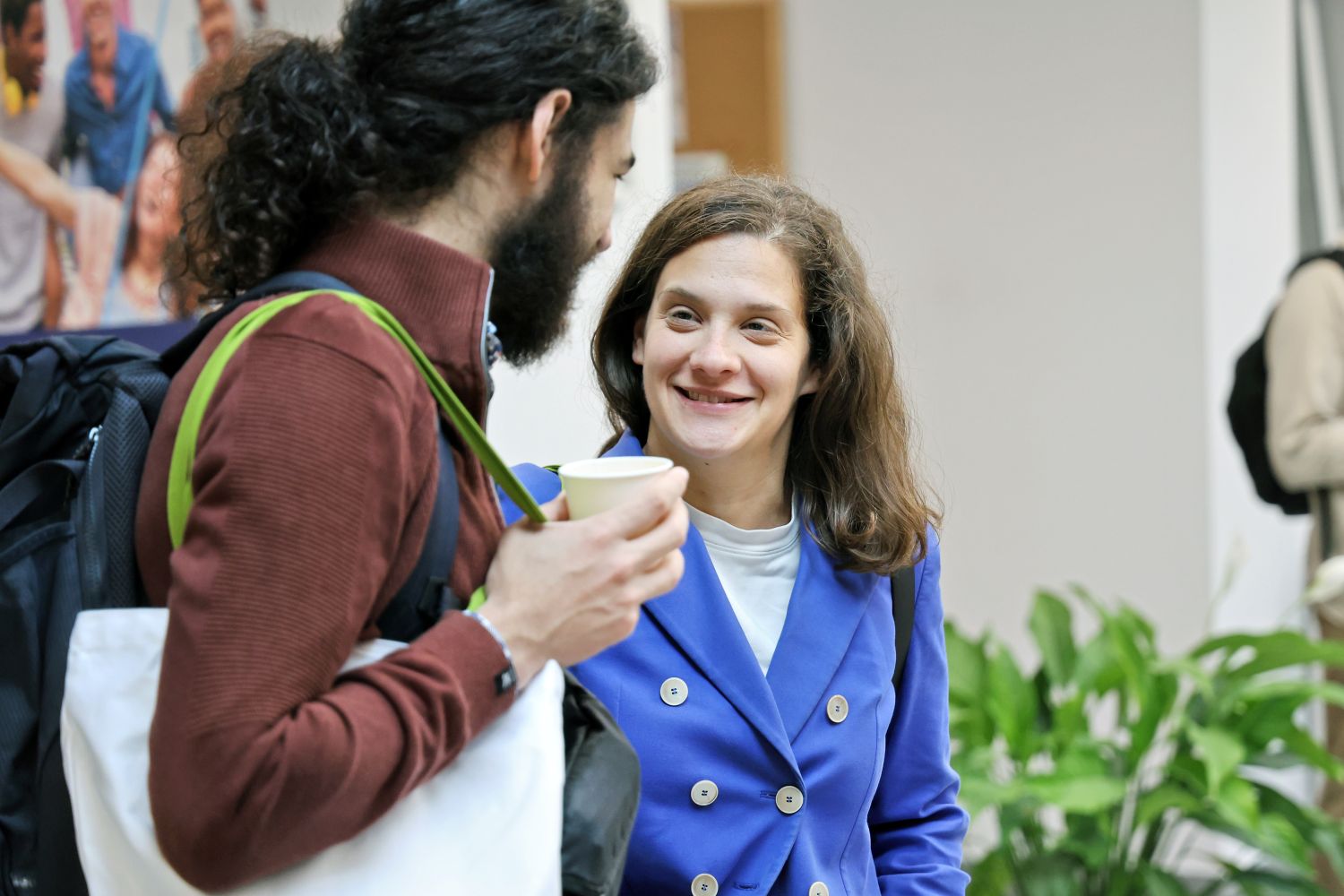
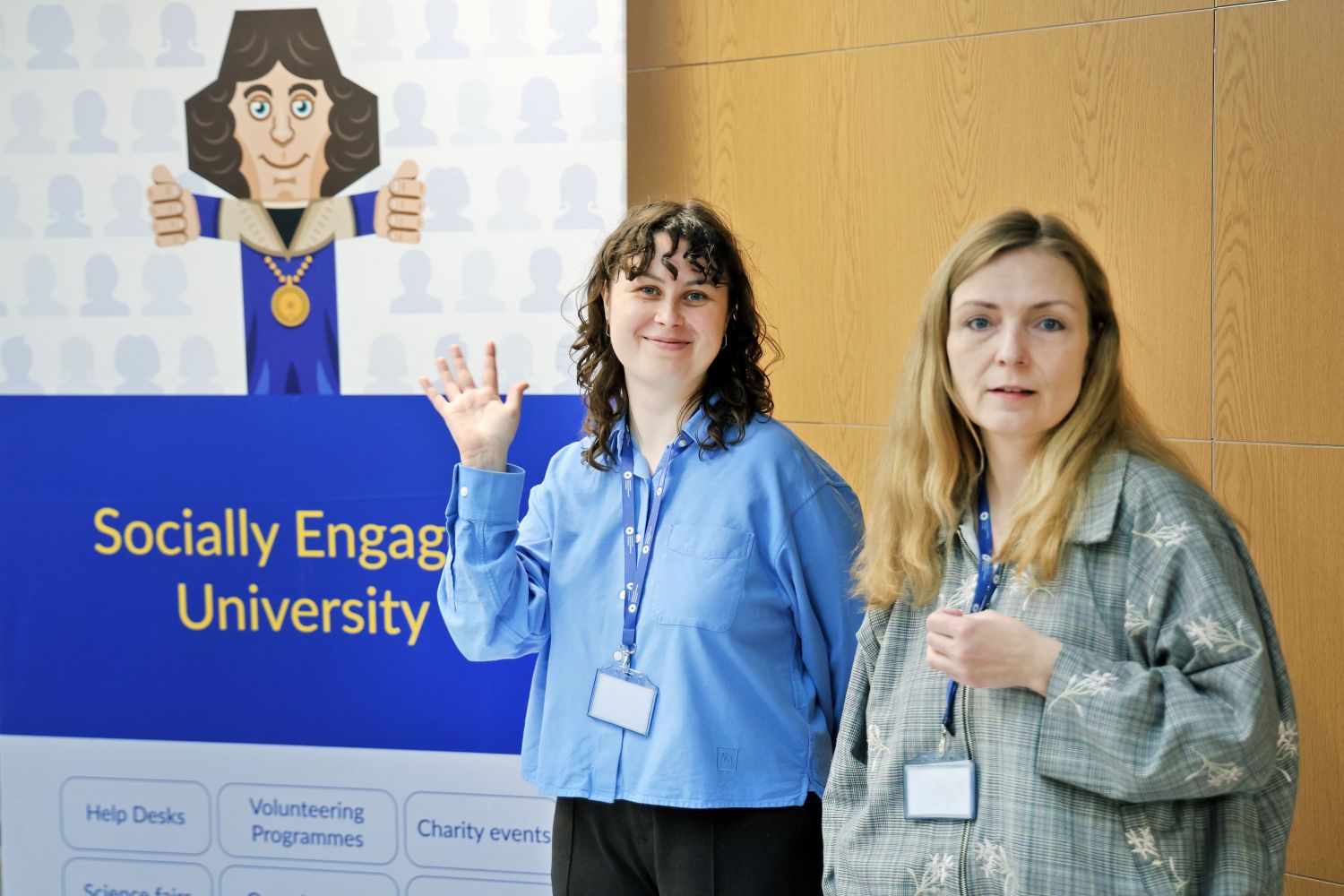
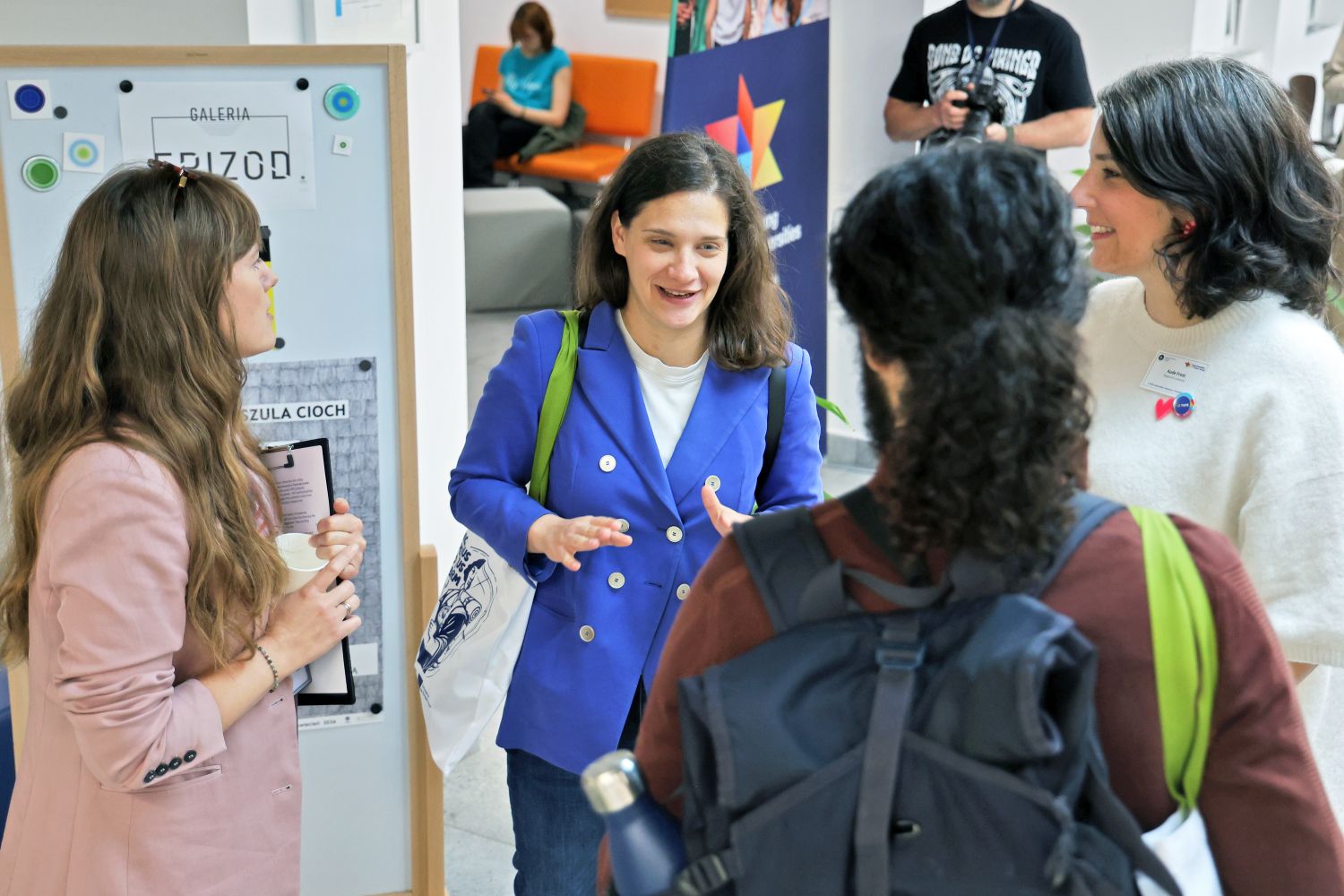
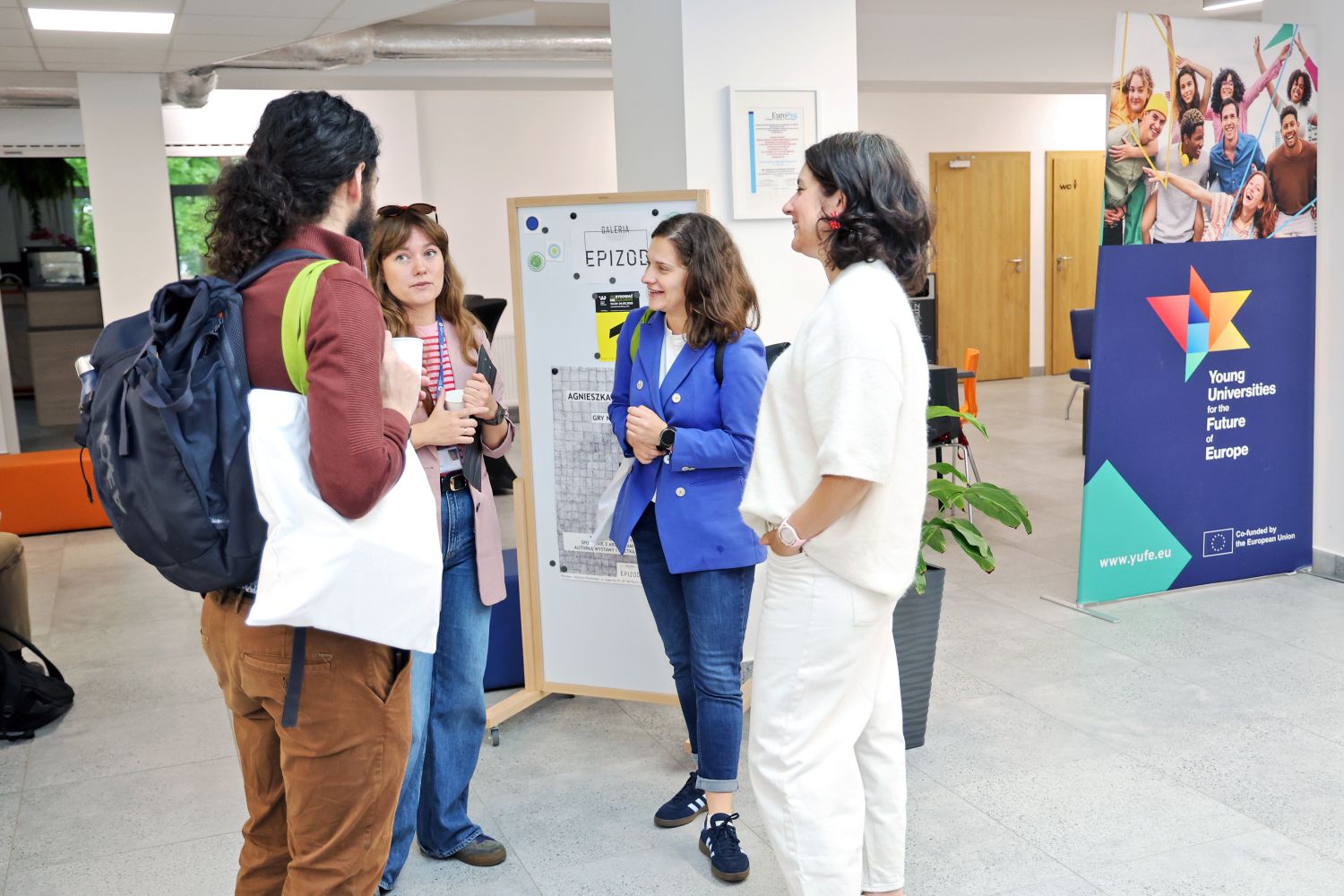
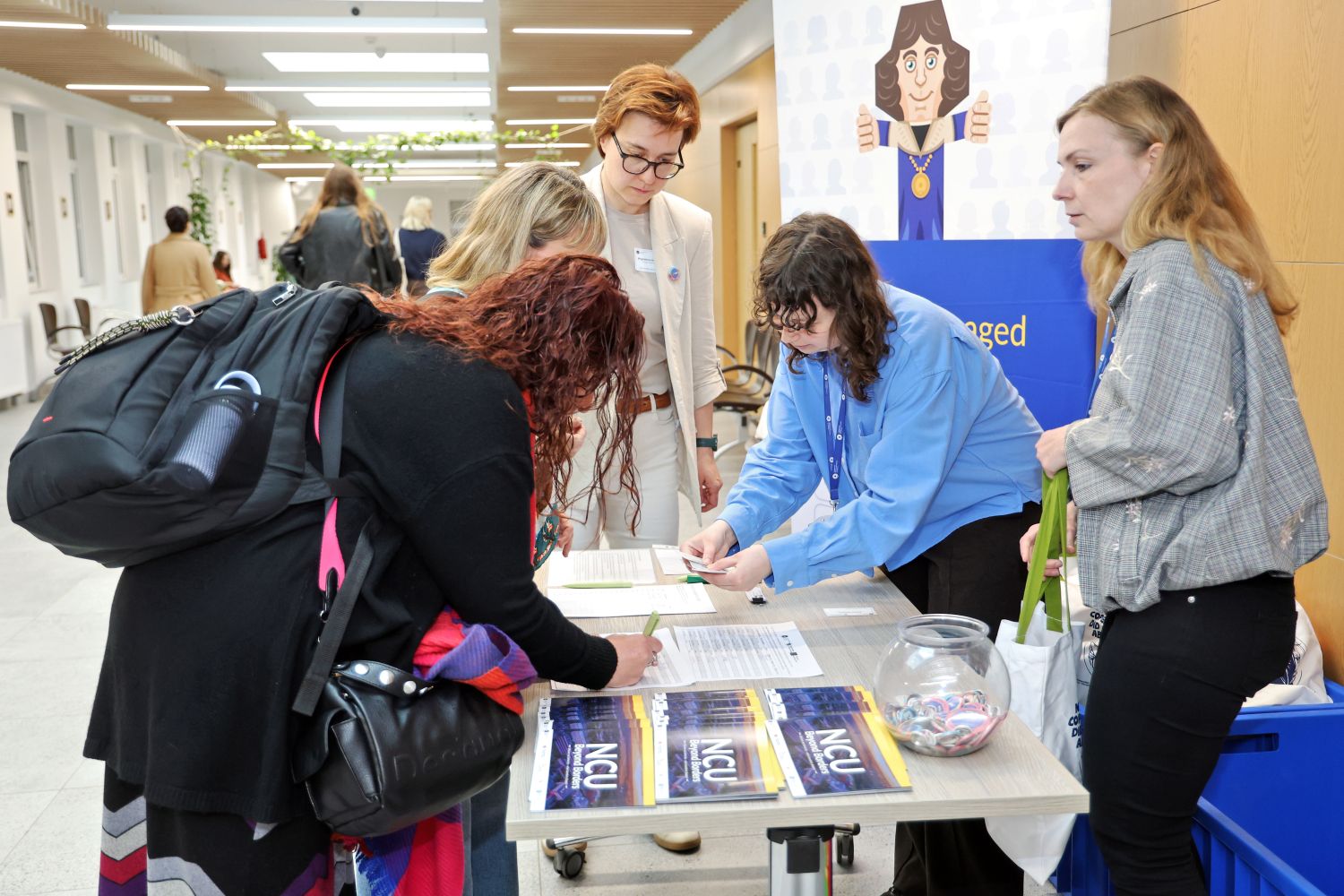
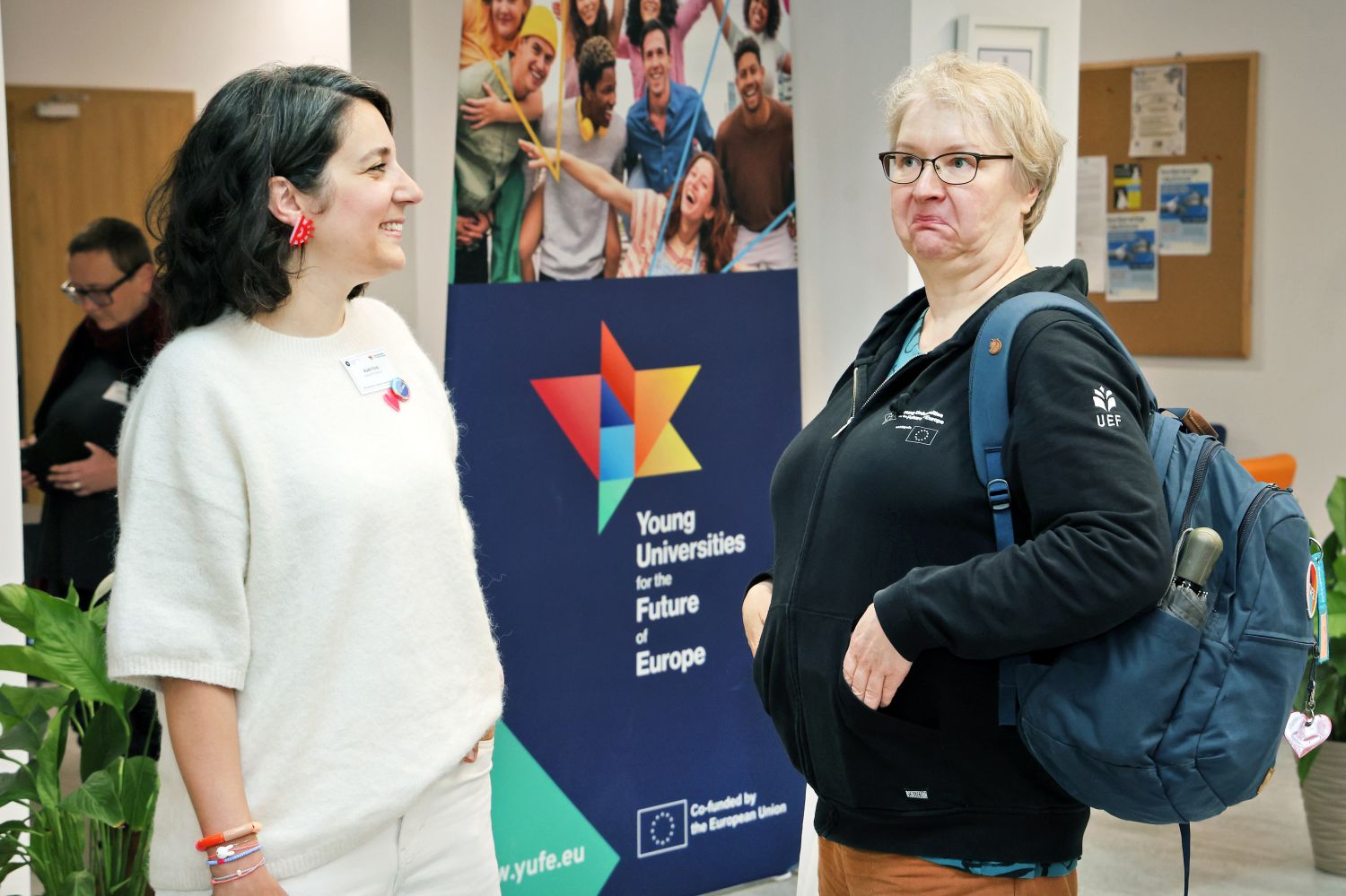
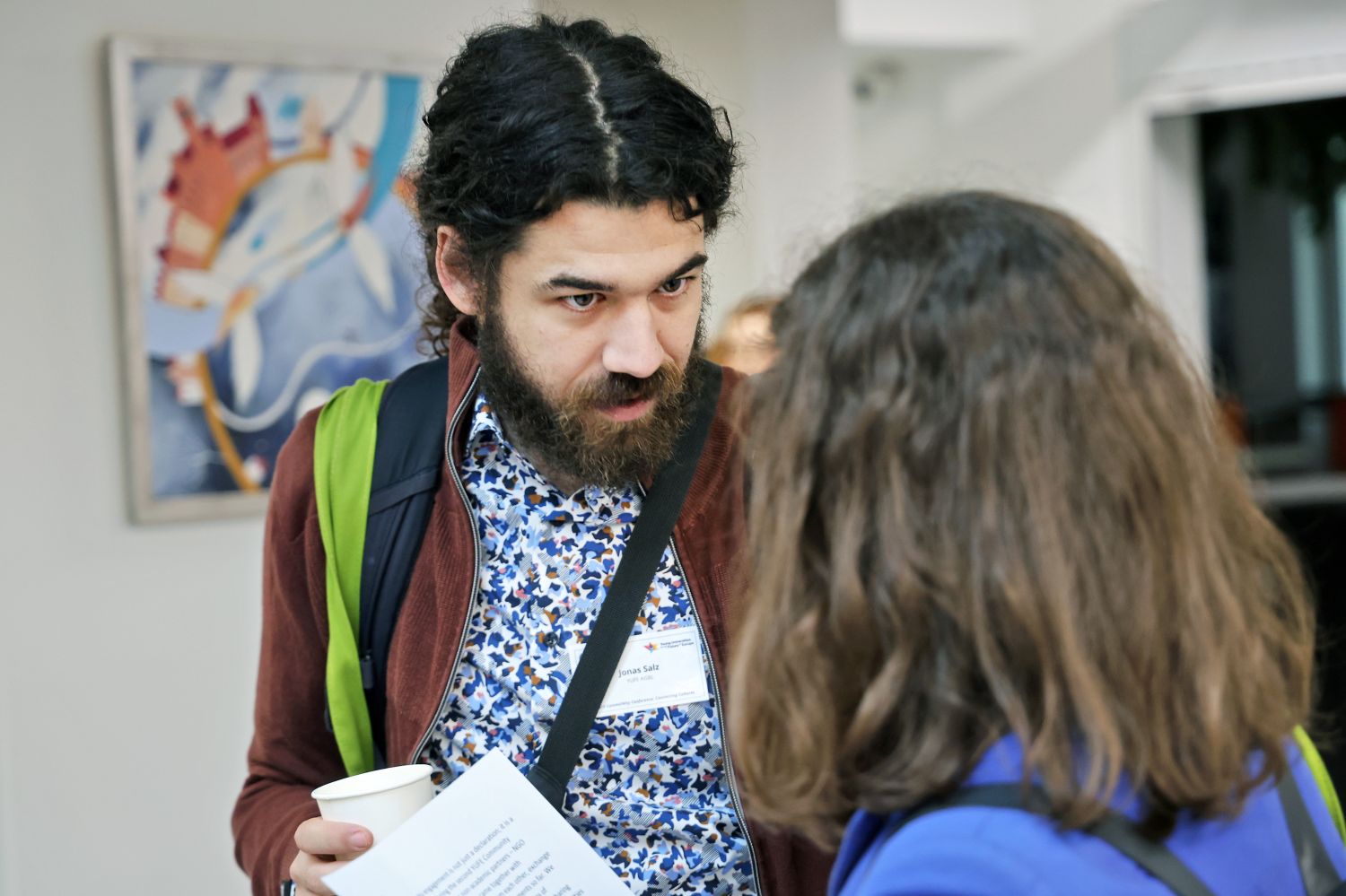
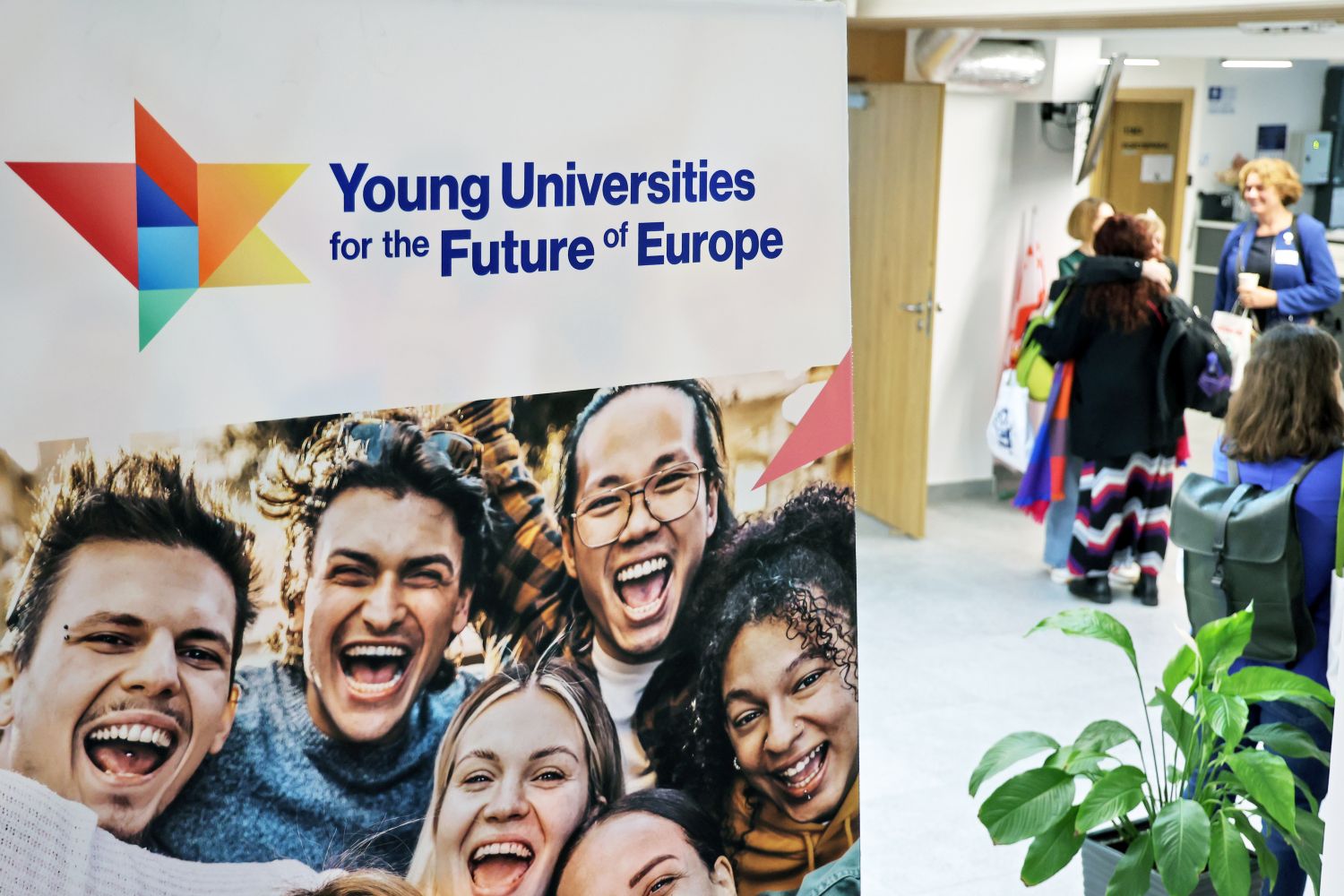
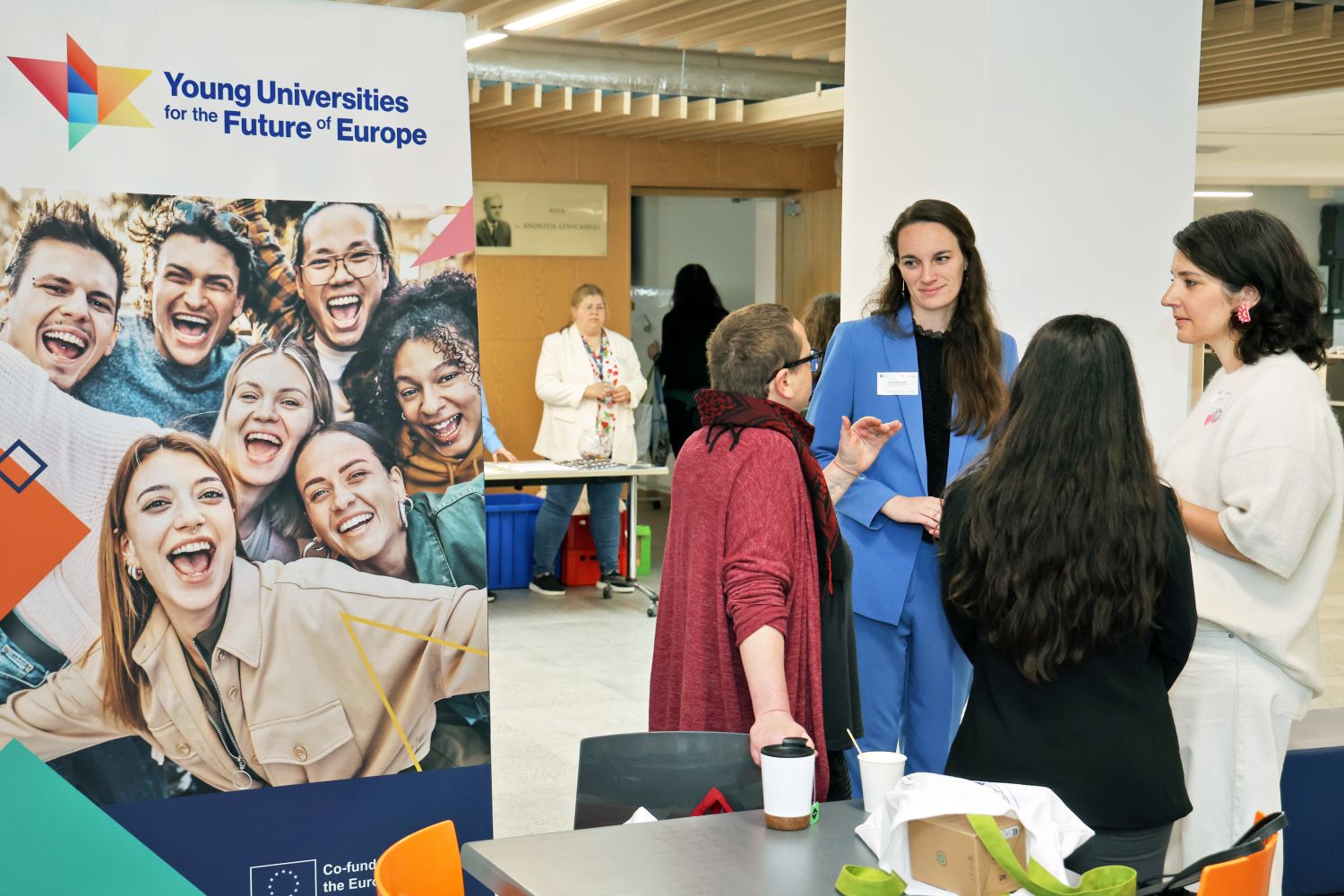
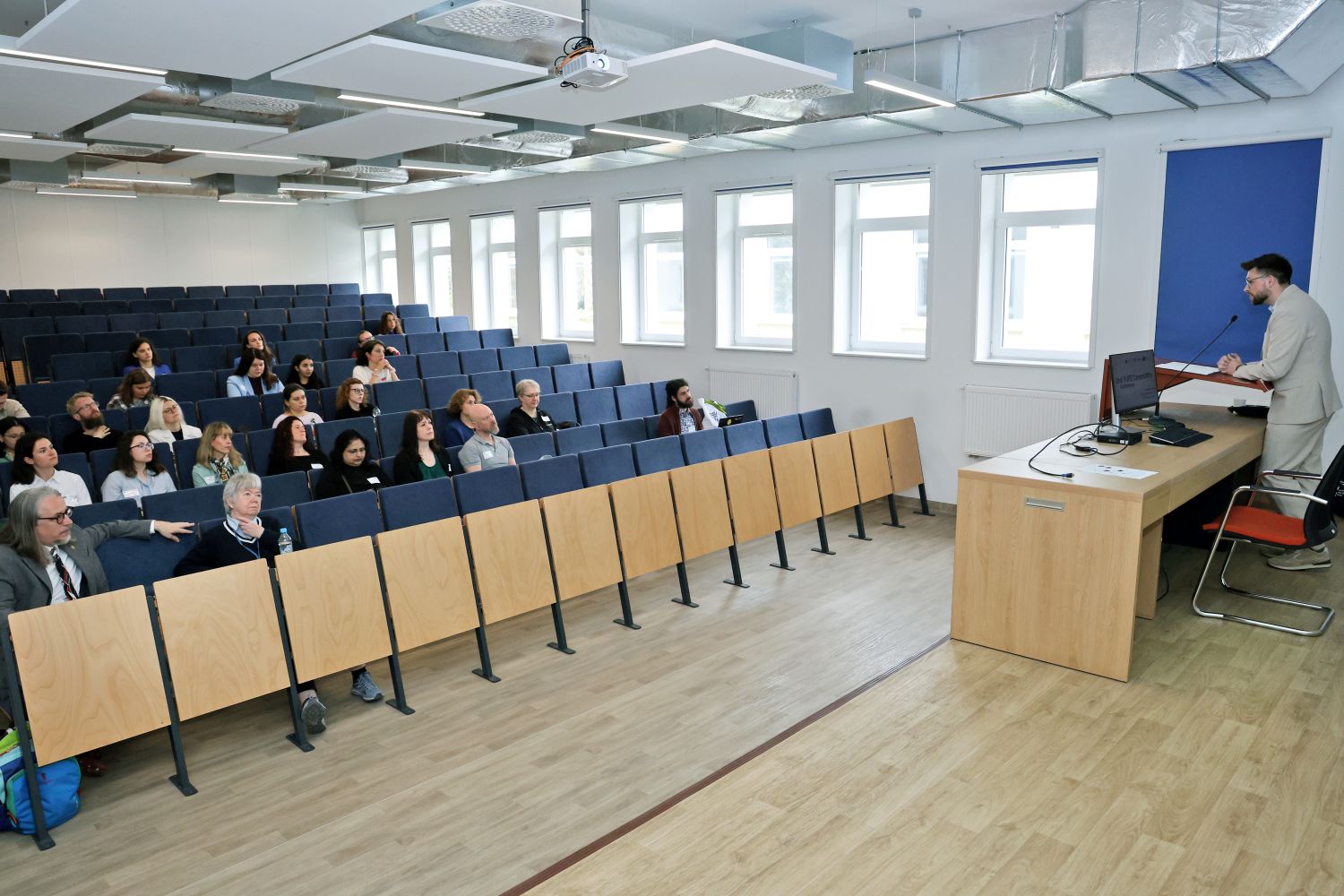
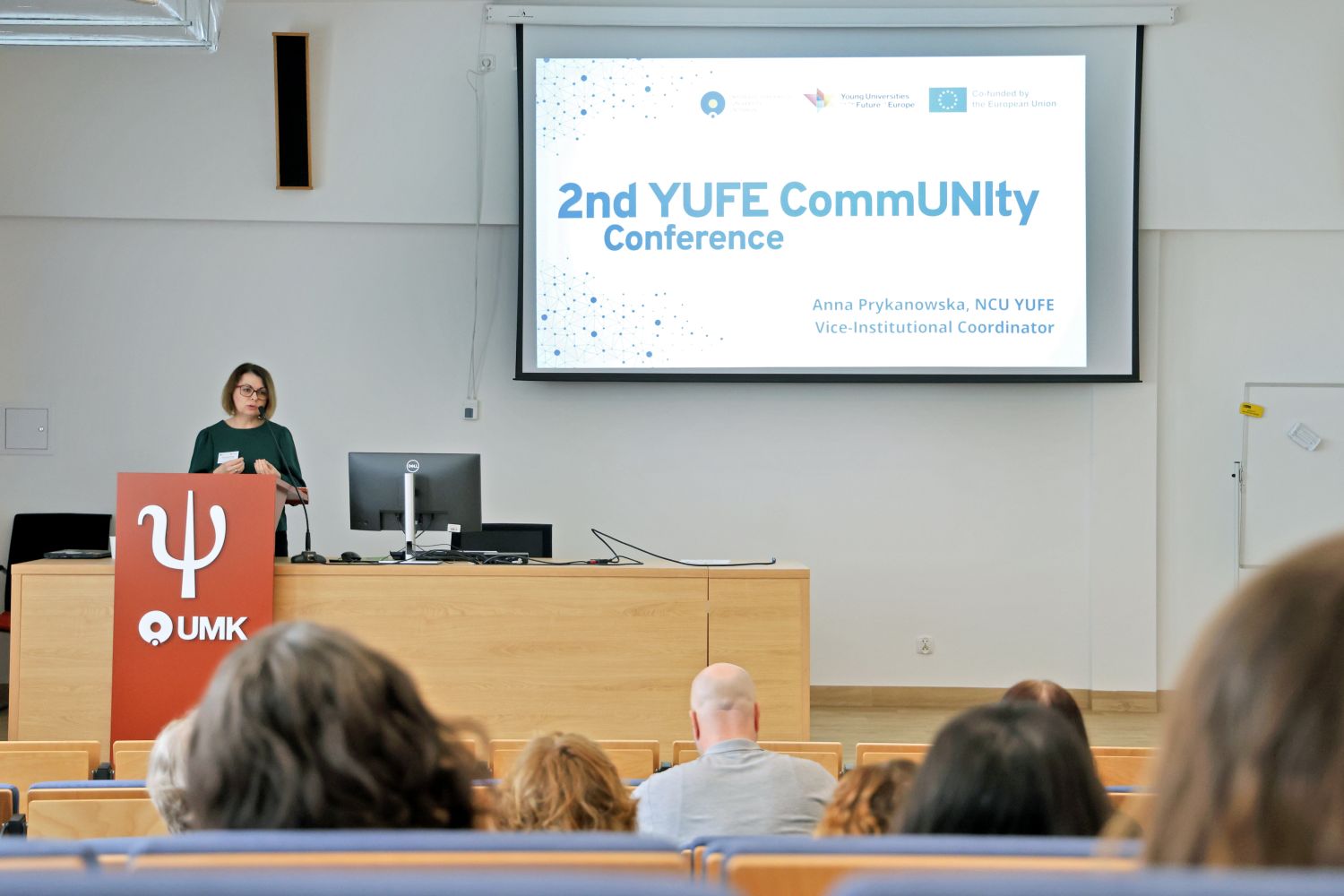
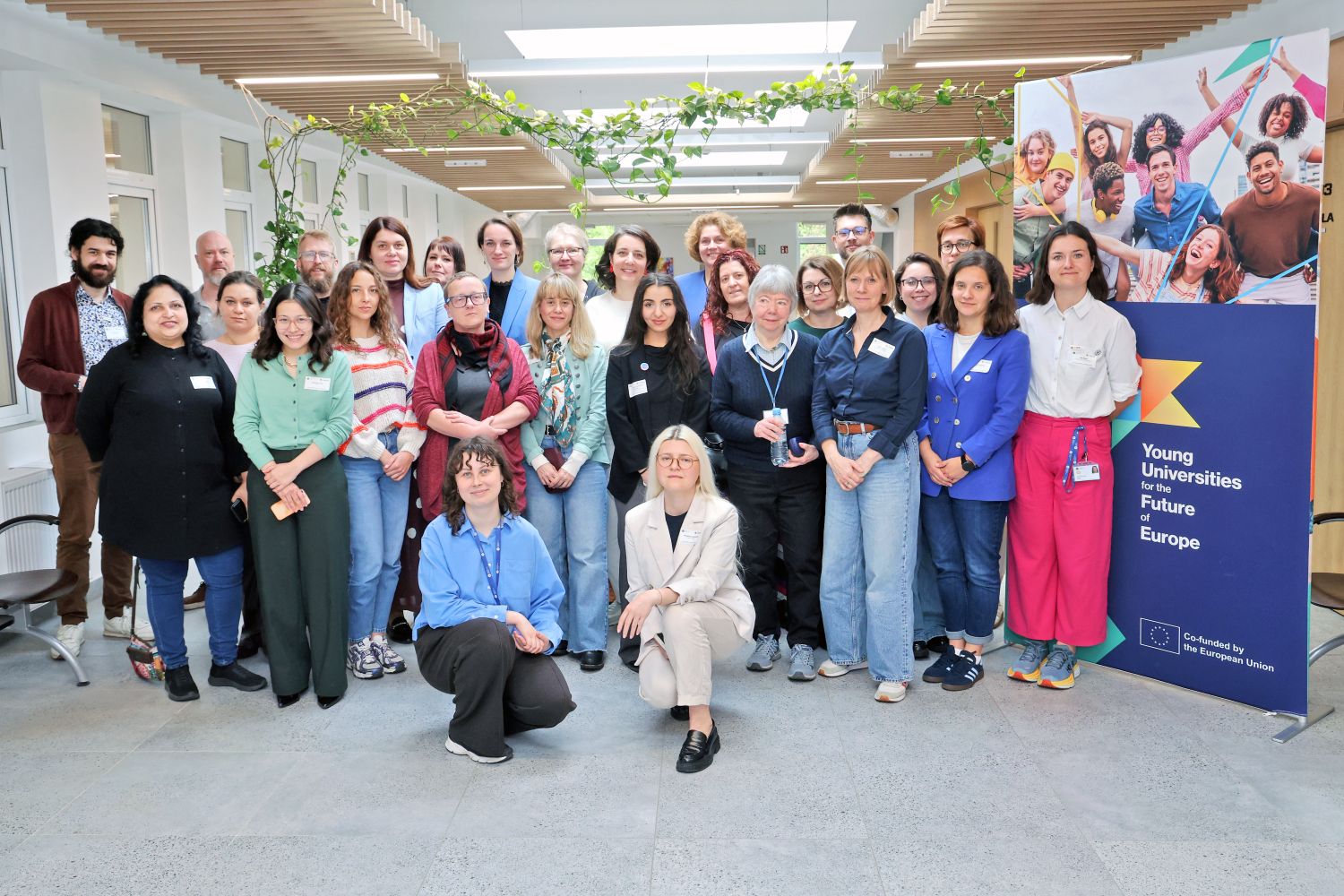
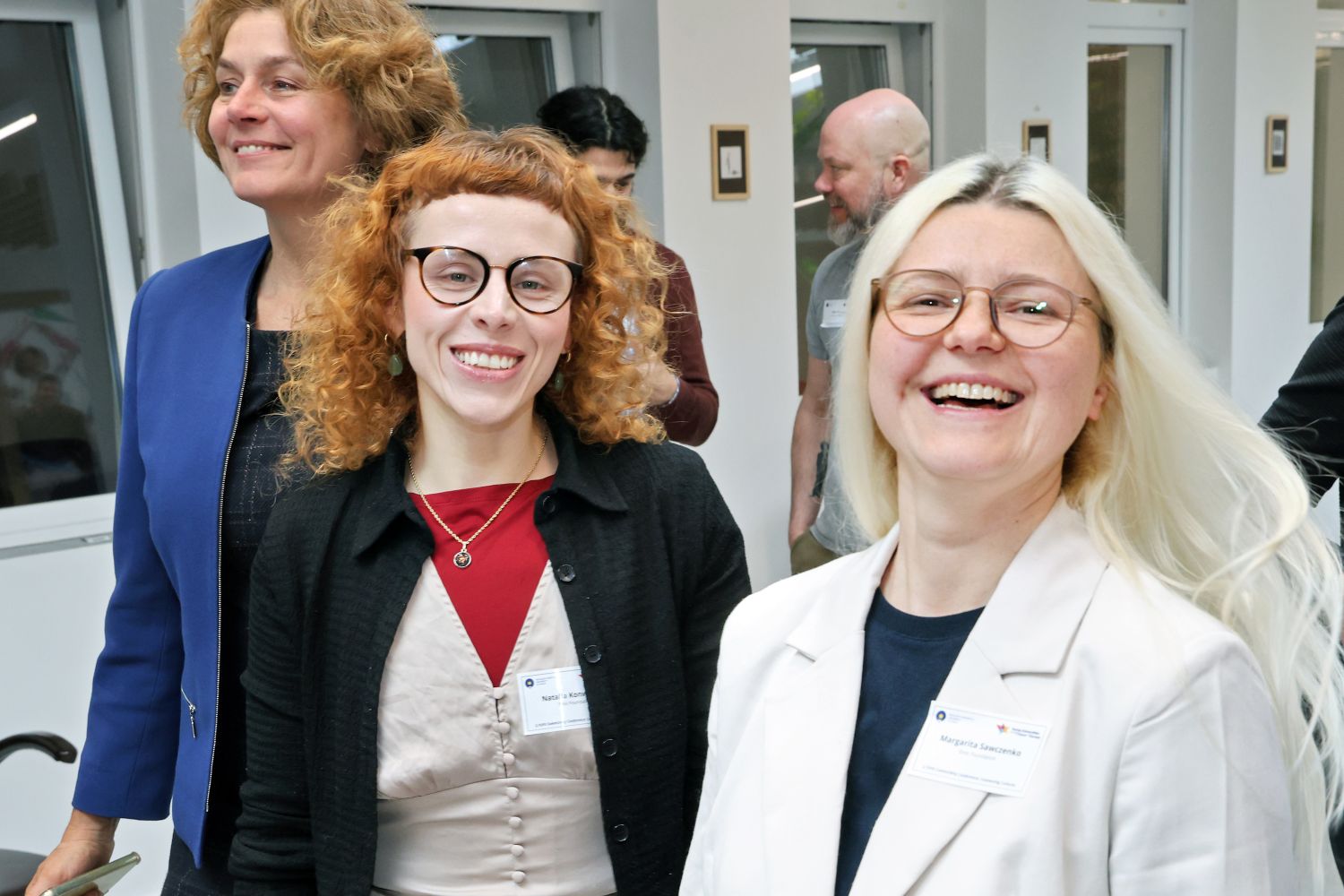
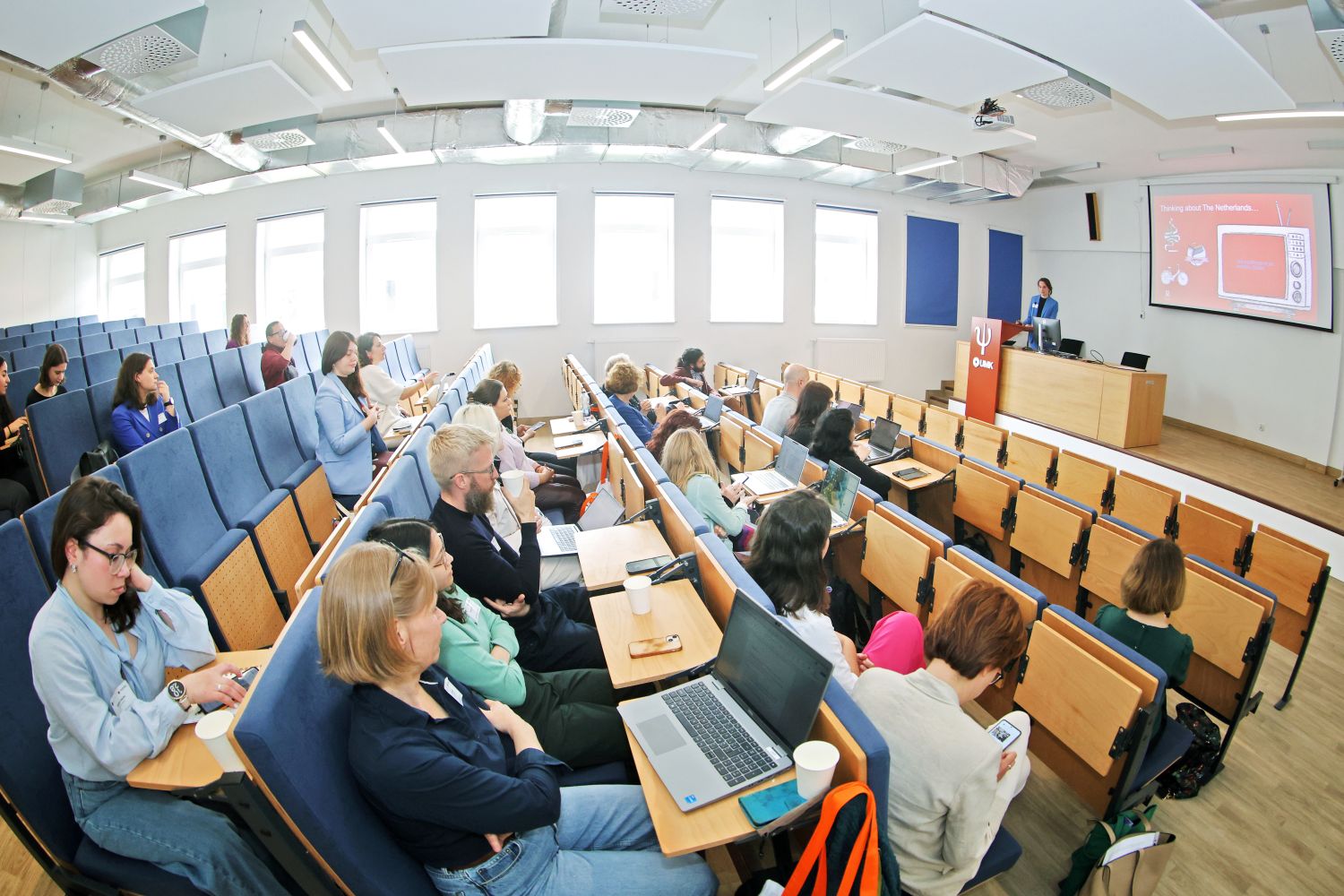
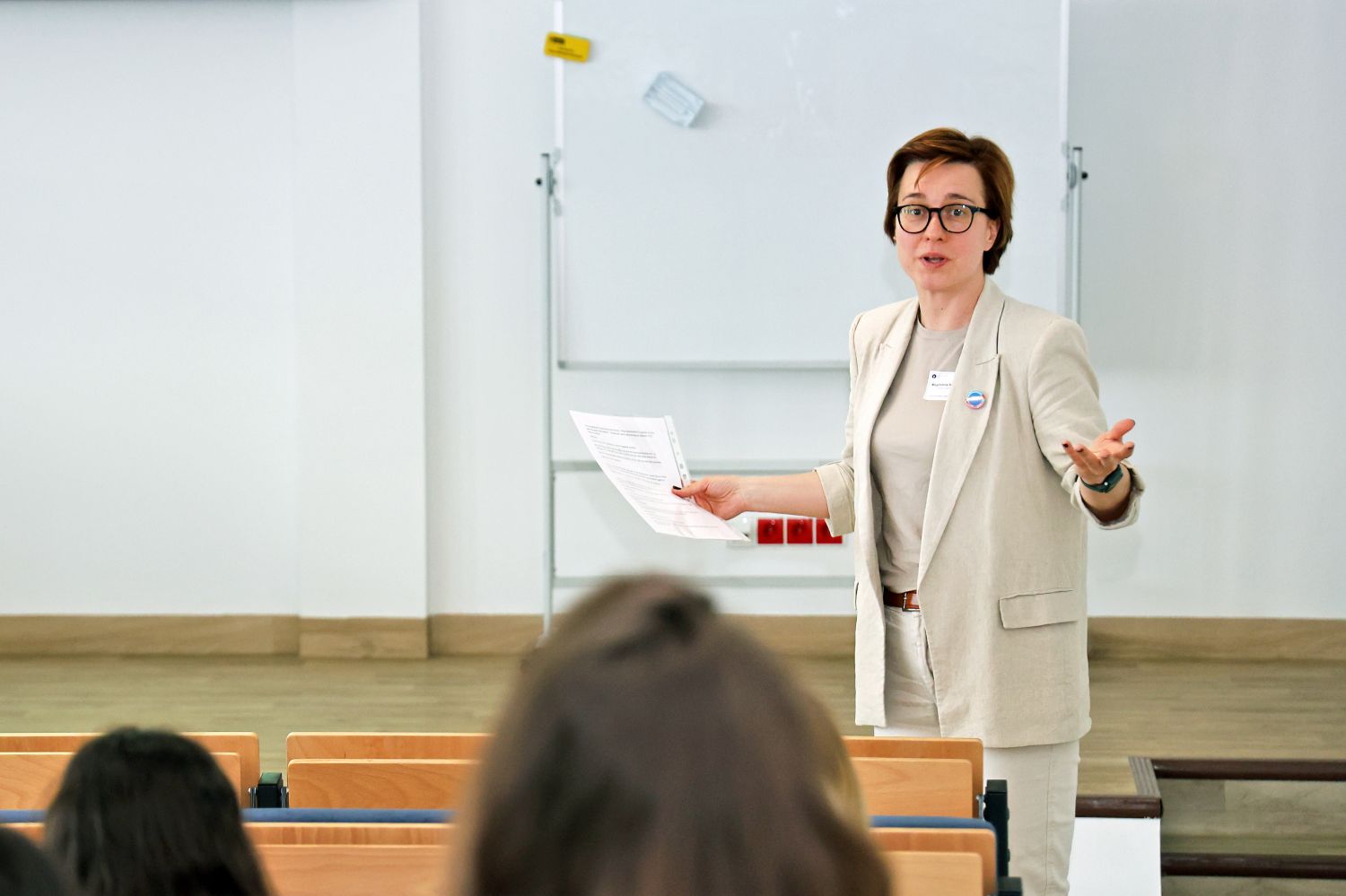
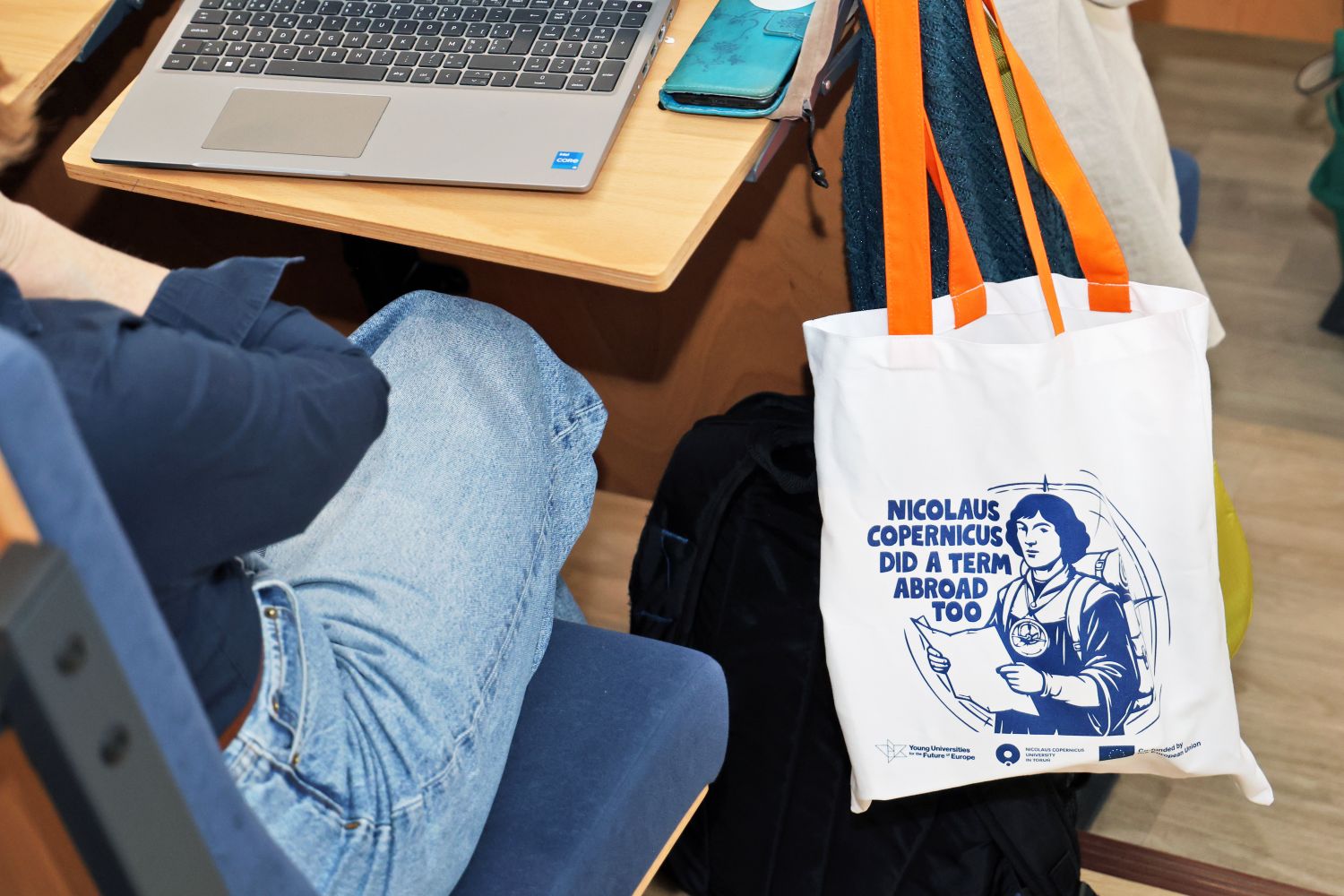
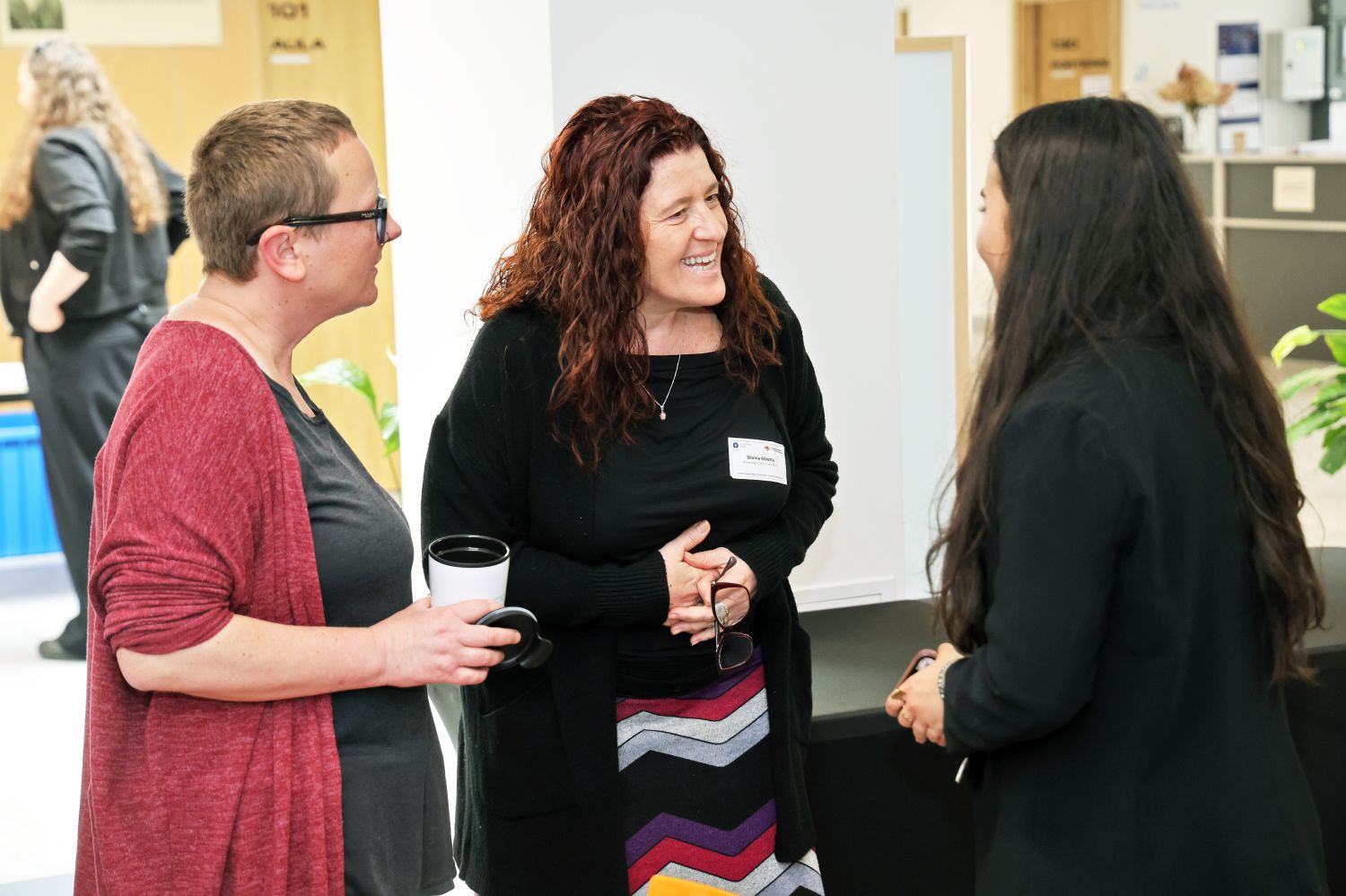
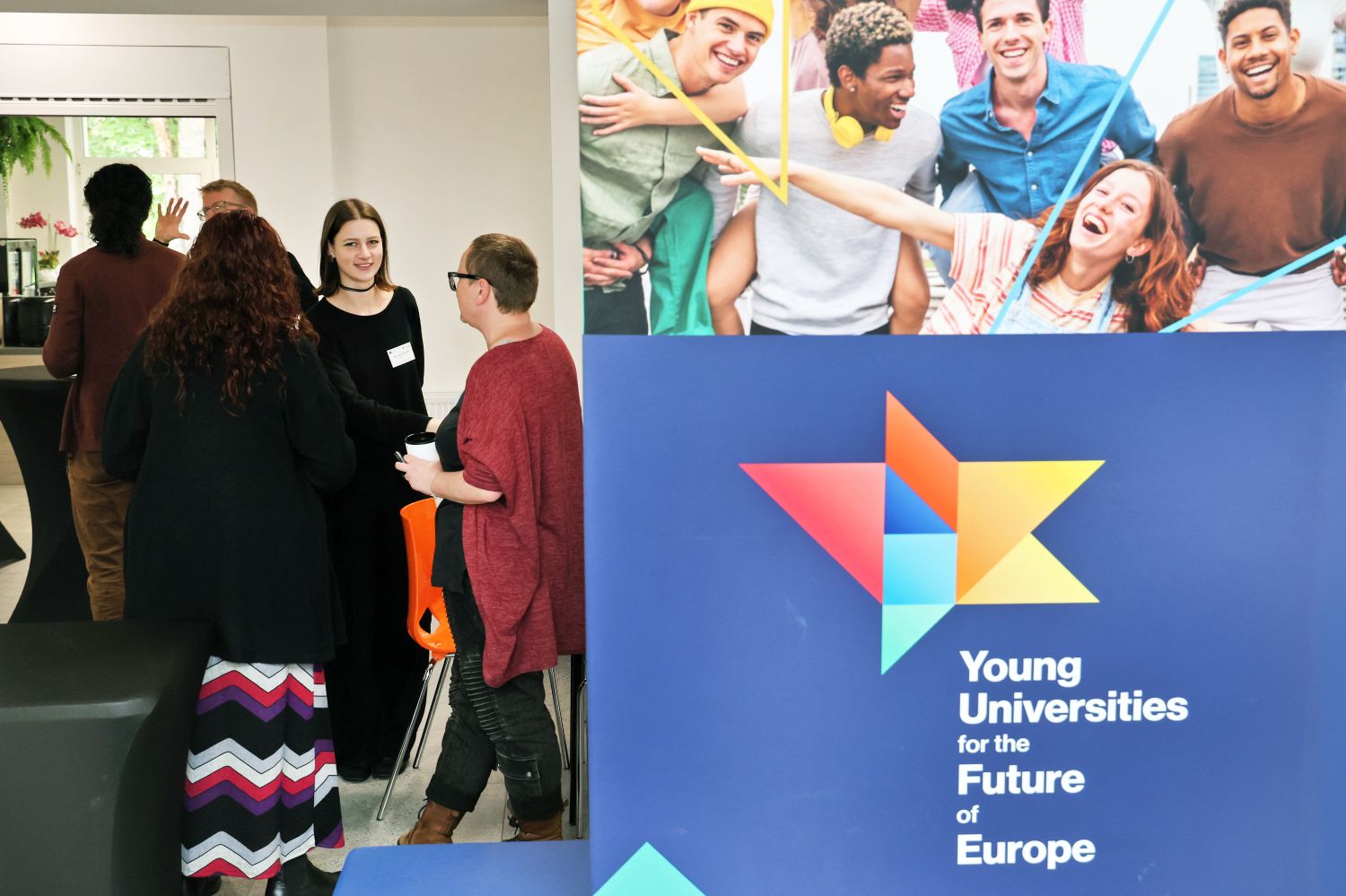
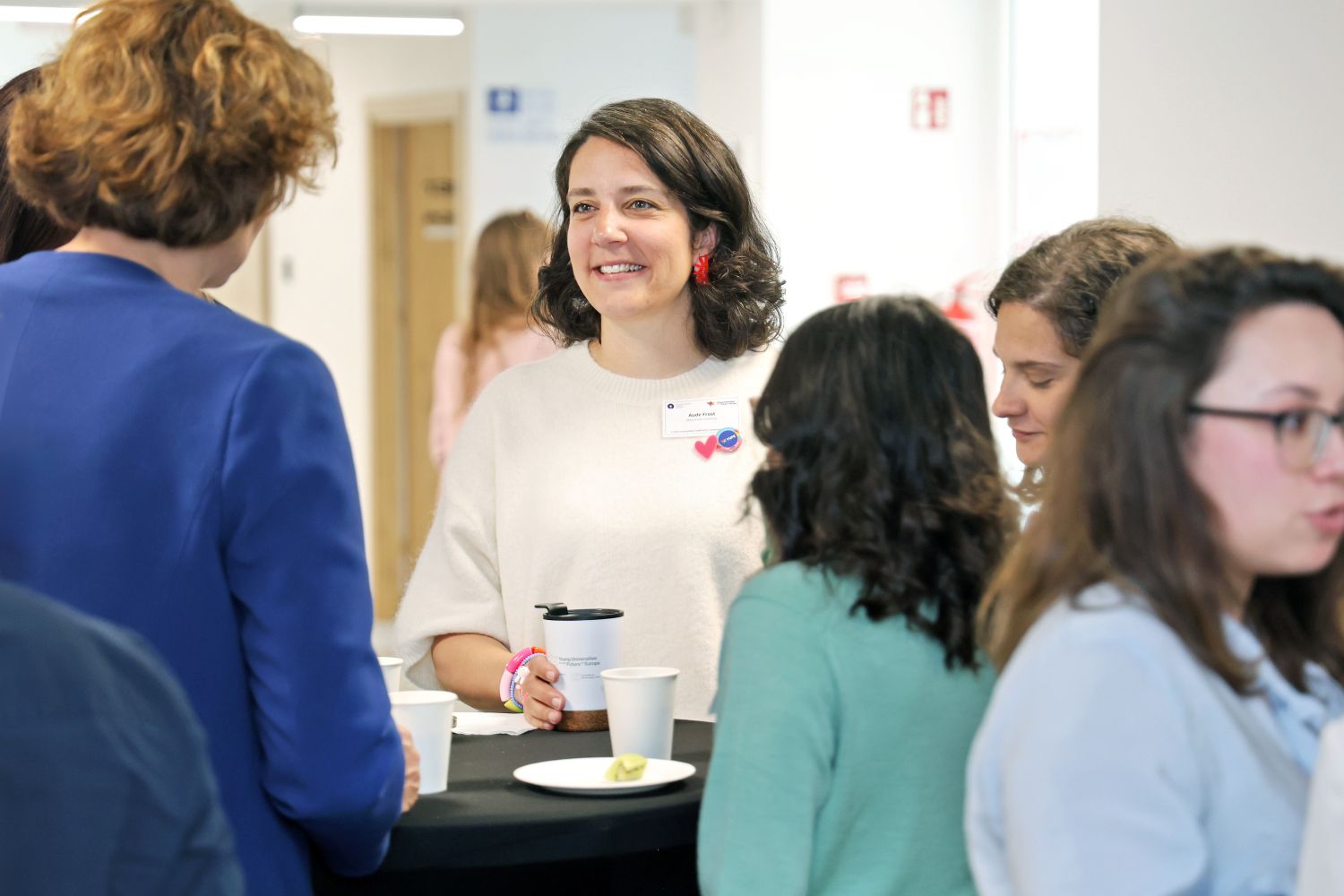
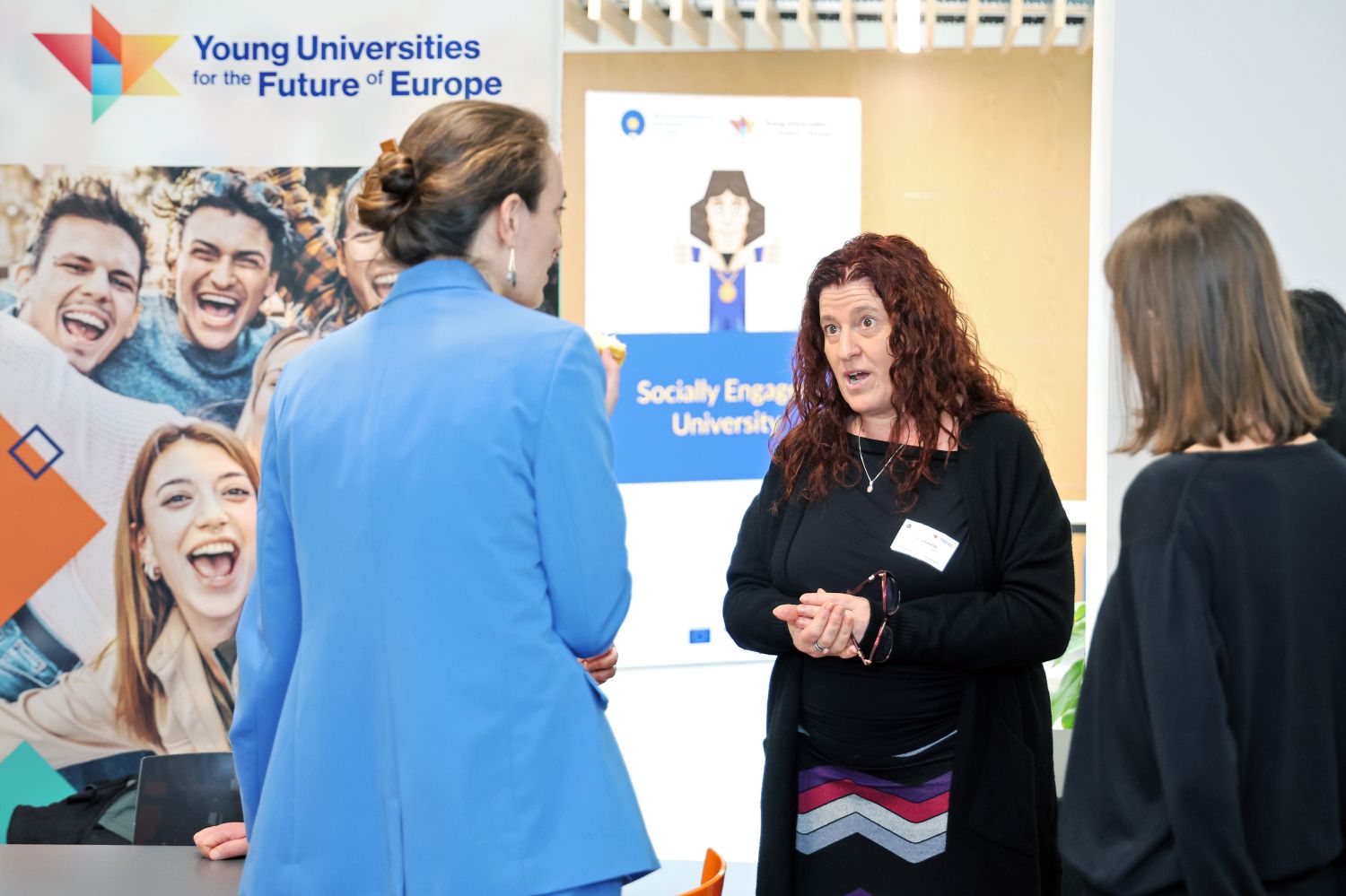
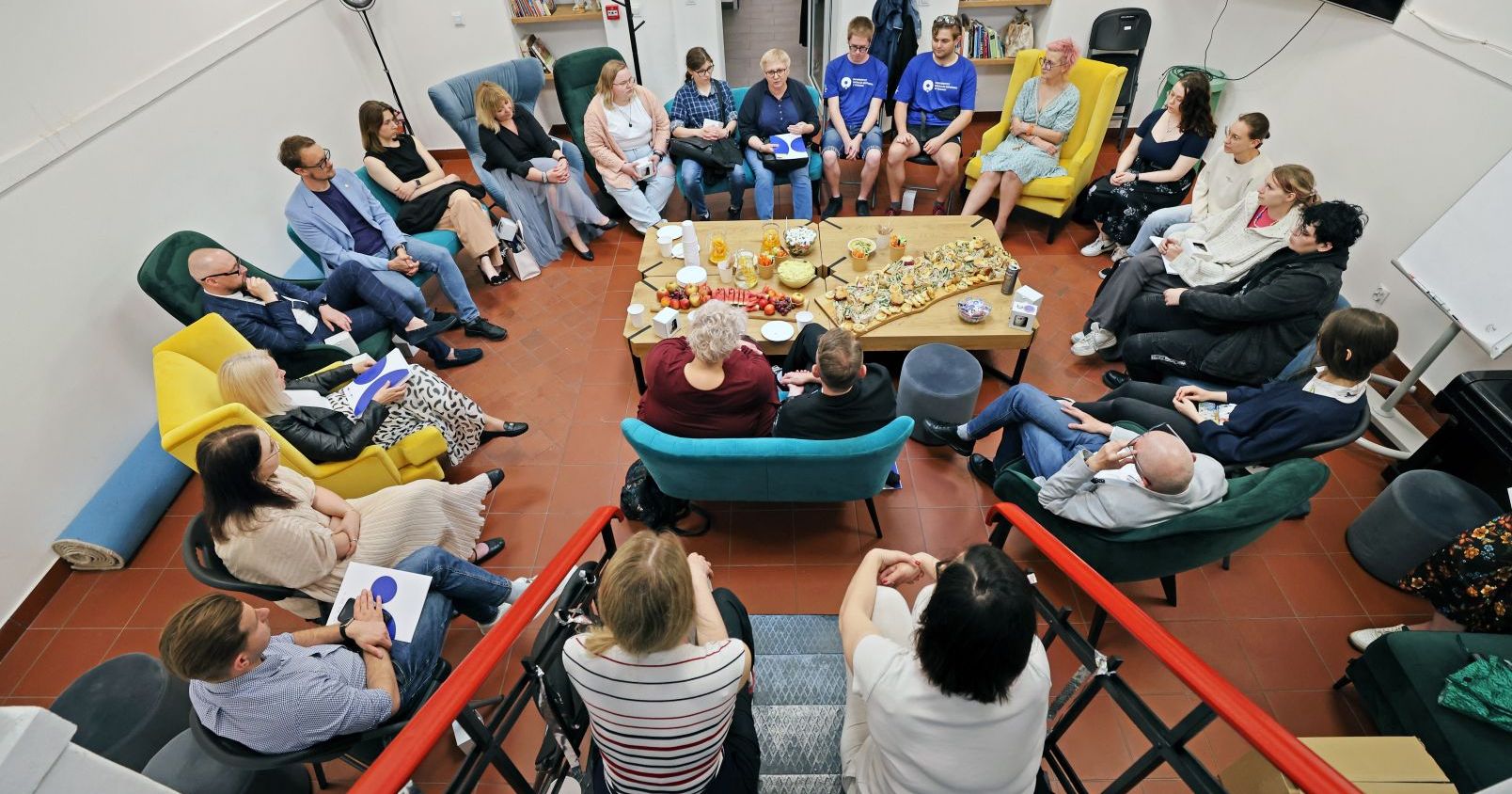
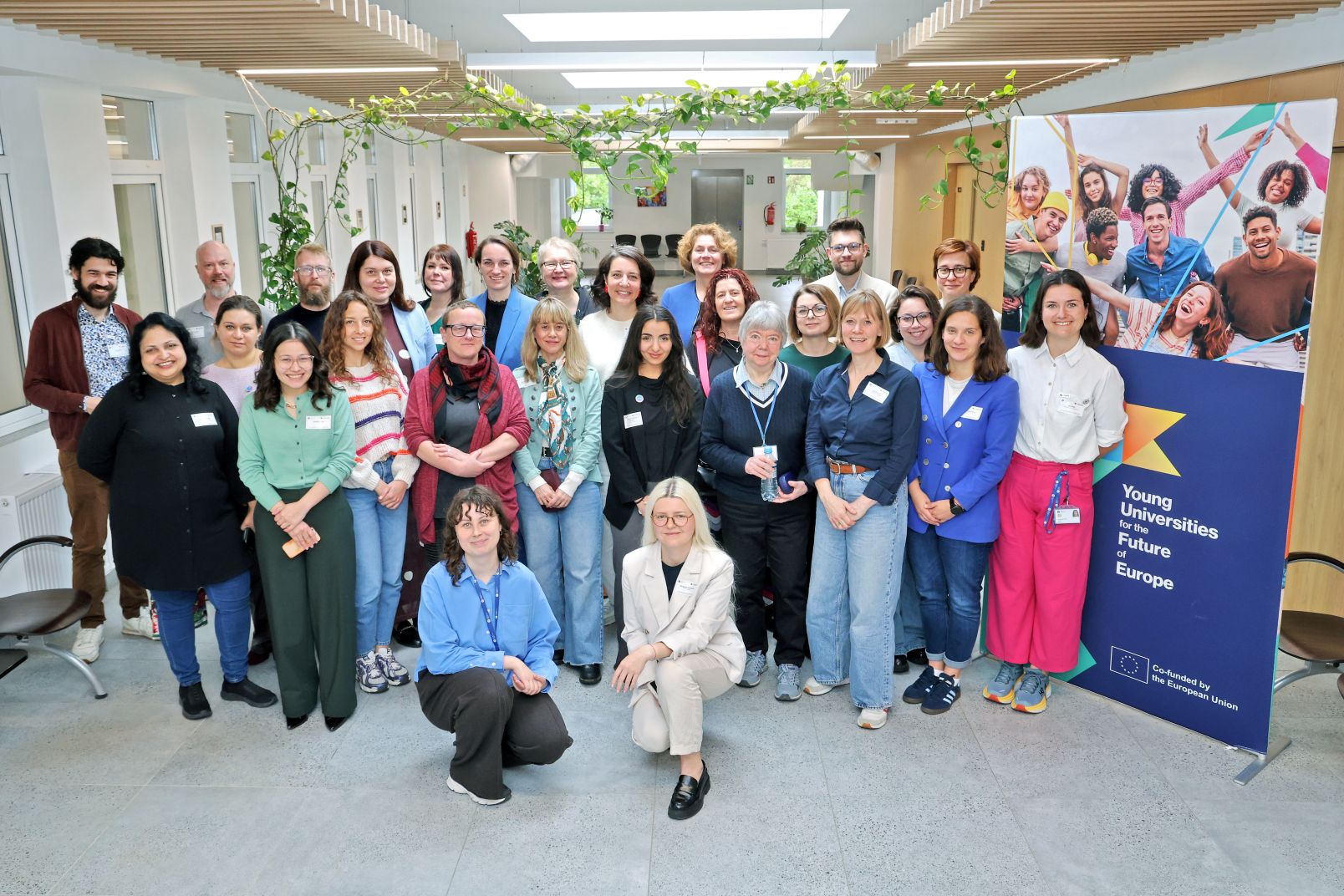
The second edition of the YUFE CommUNIty Conference Connecting Culture, held on 19-21 May 2026 at Nicolaus Copernicus University in Toruń, brought together non-academic partners from across Europe working with people with migration experience and the YUFE Community & Civic Engagement team.
The conference was the first in‑person meeting of the YUFE Community Engagement Network and another gathering of the YUFE WP8 Community and Civic Engagement team, coordinated by NCU. Over three days, participants took part in events combining academic reflection, practical work, and experiential learning.
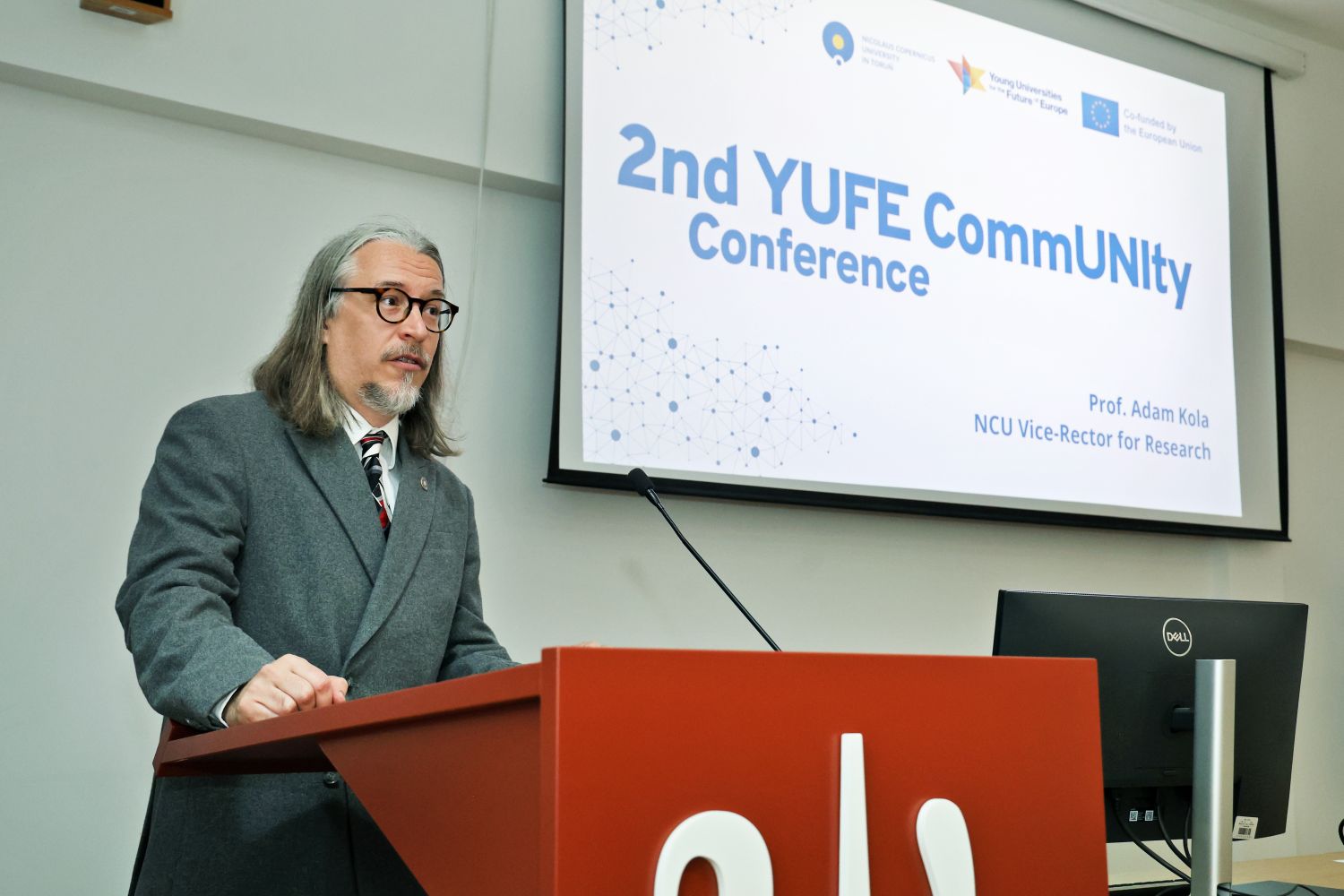
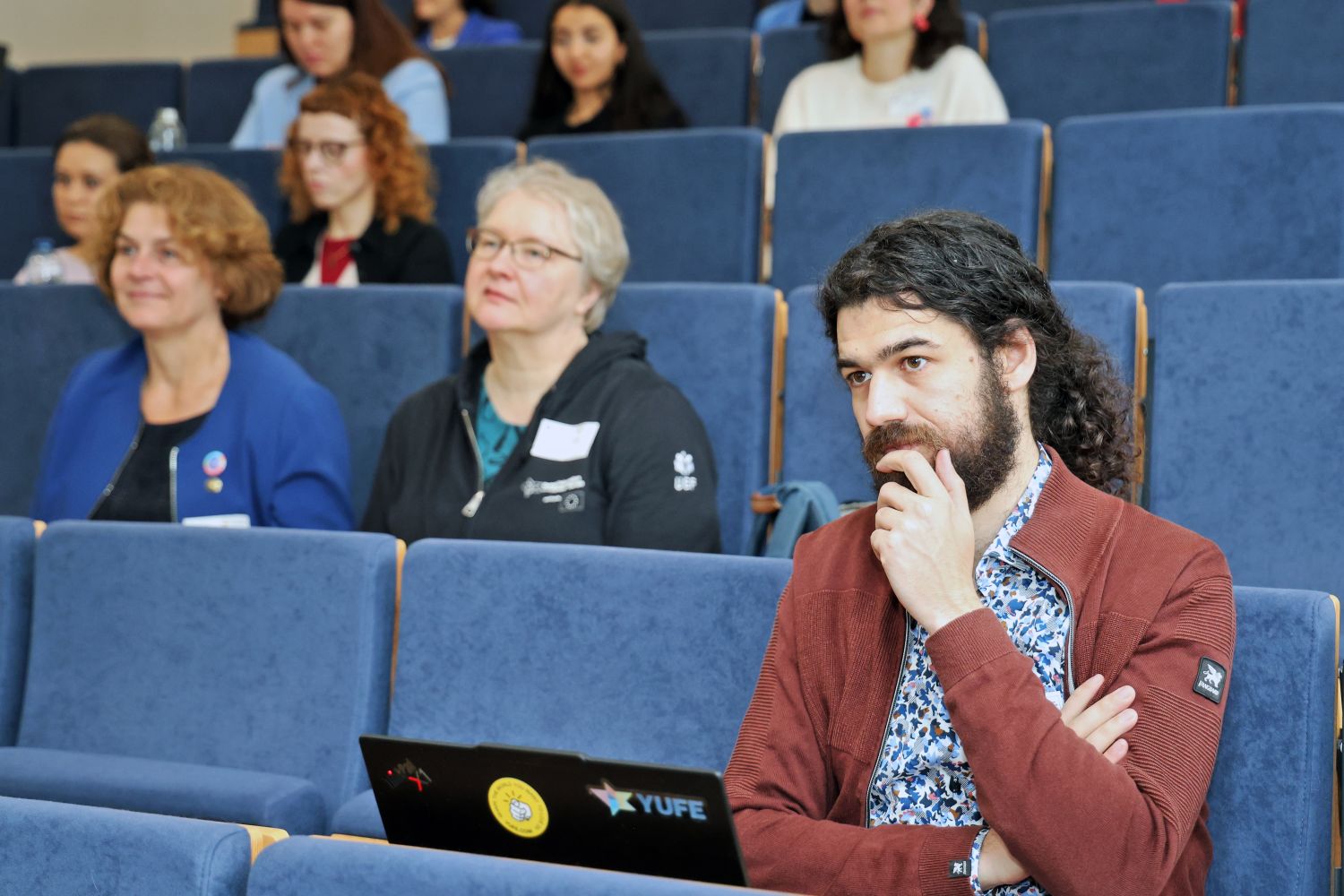
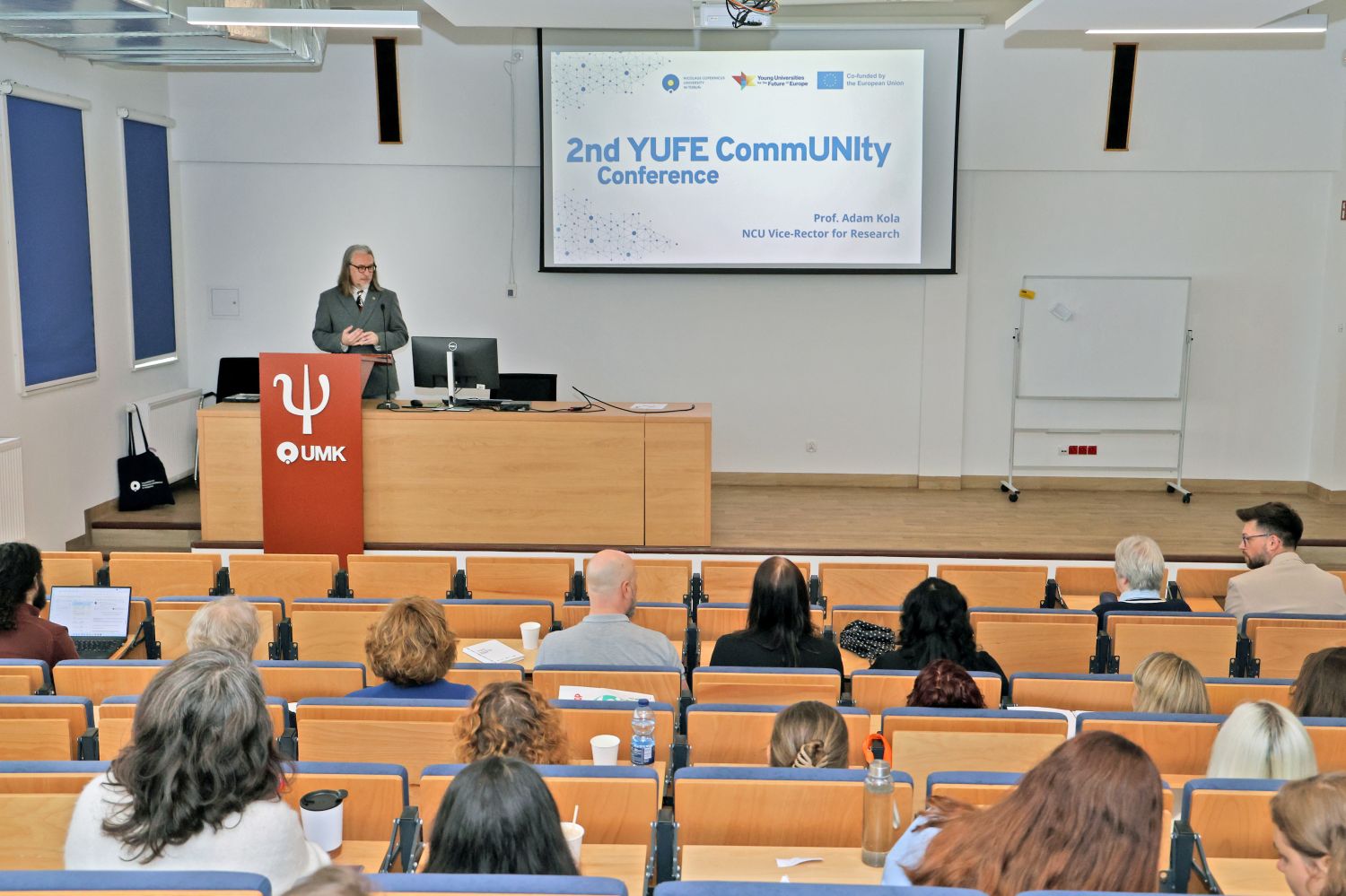
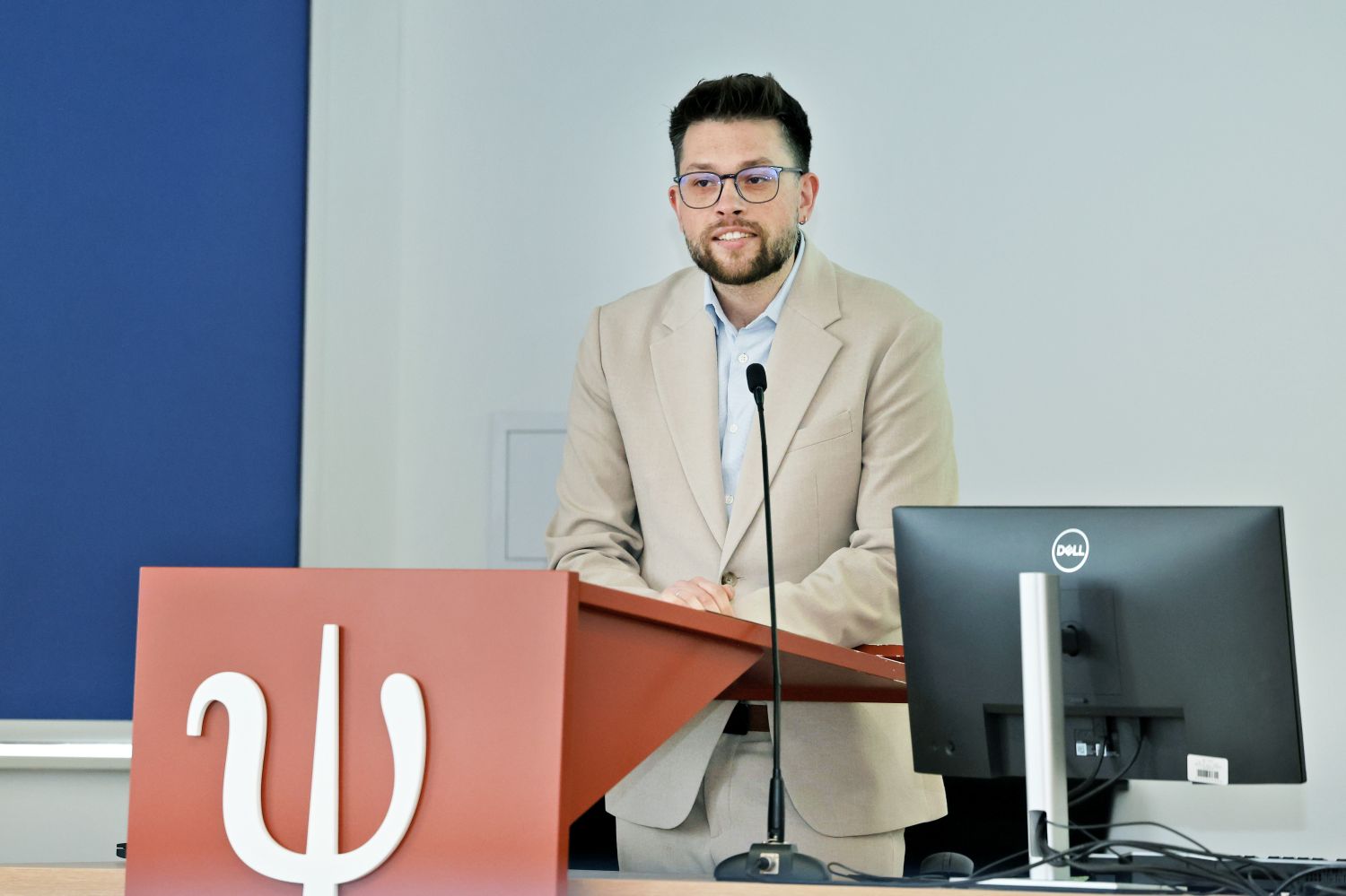
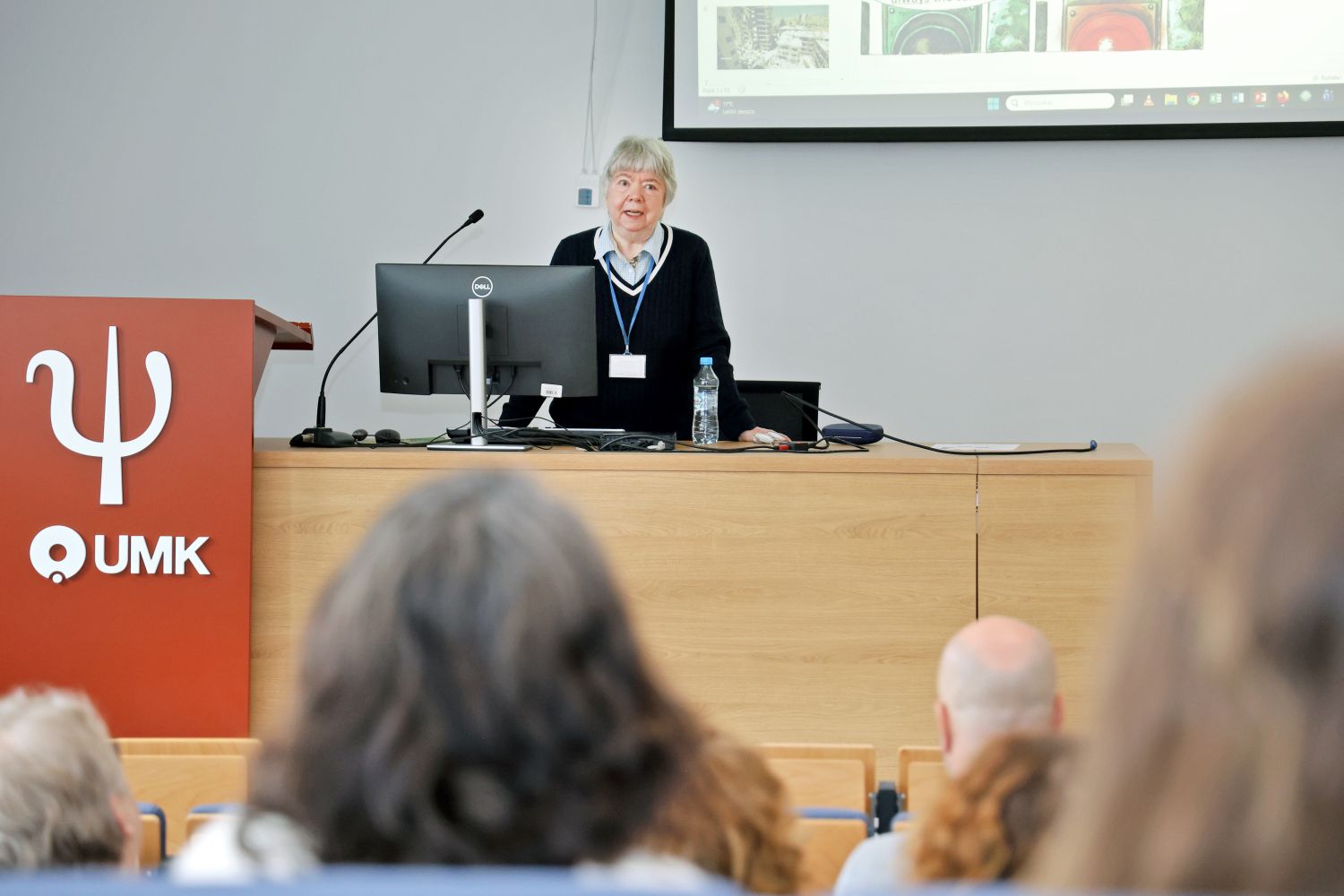
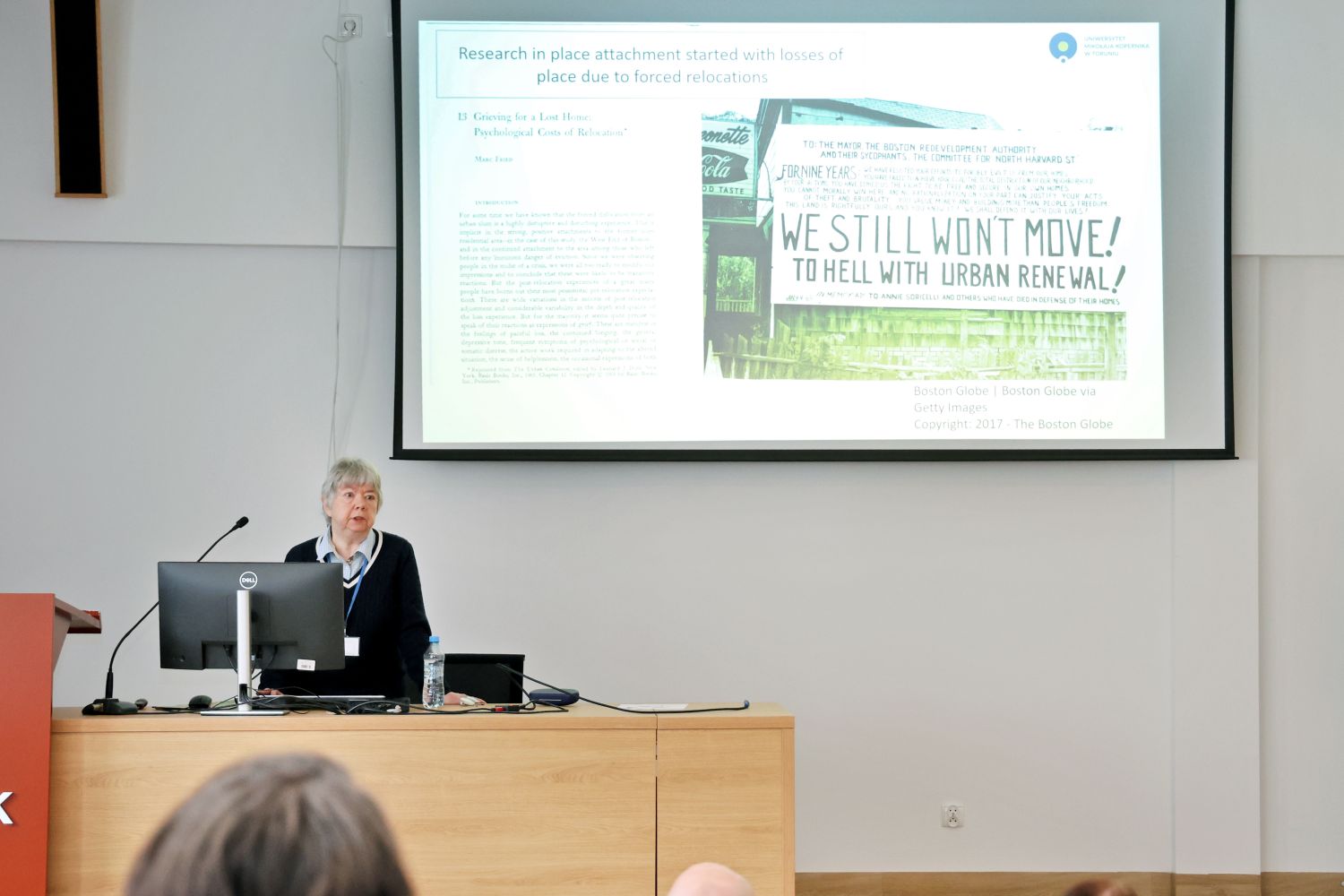
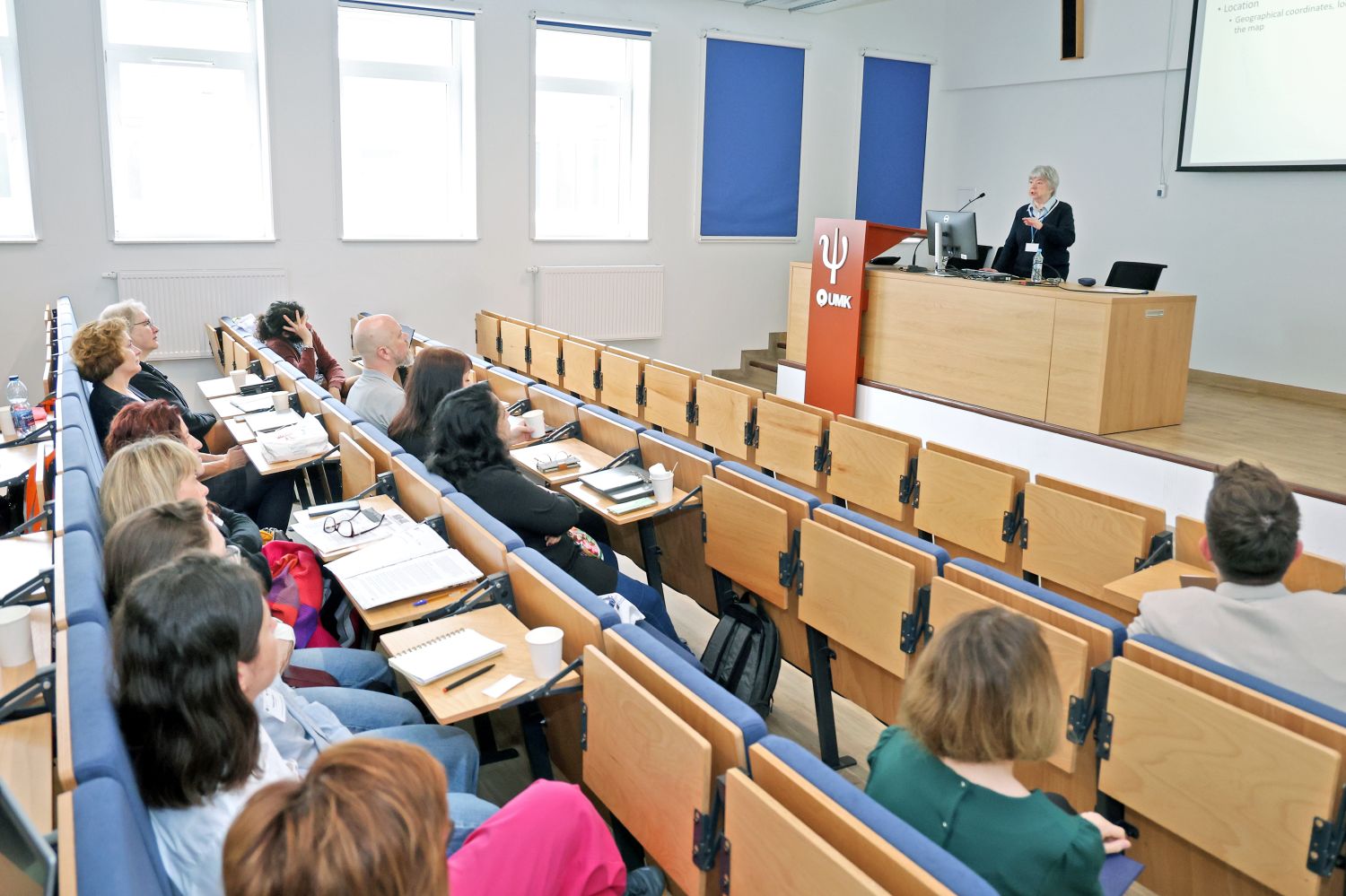
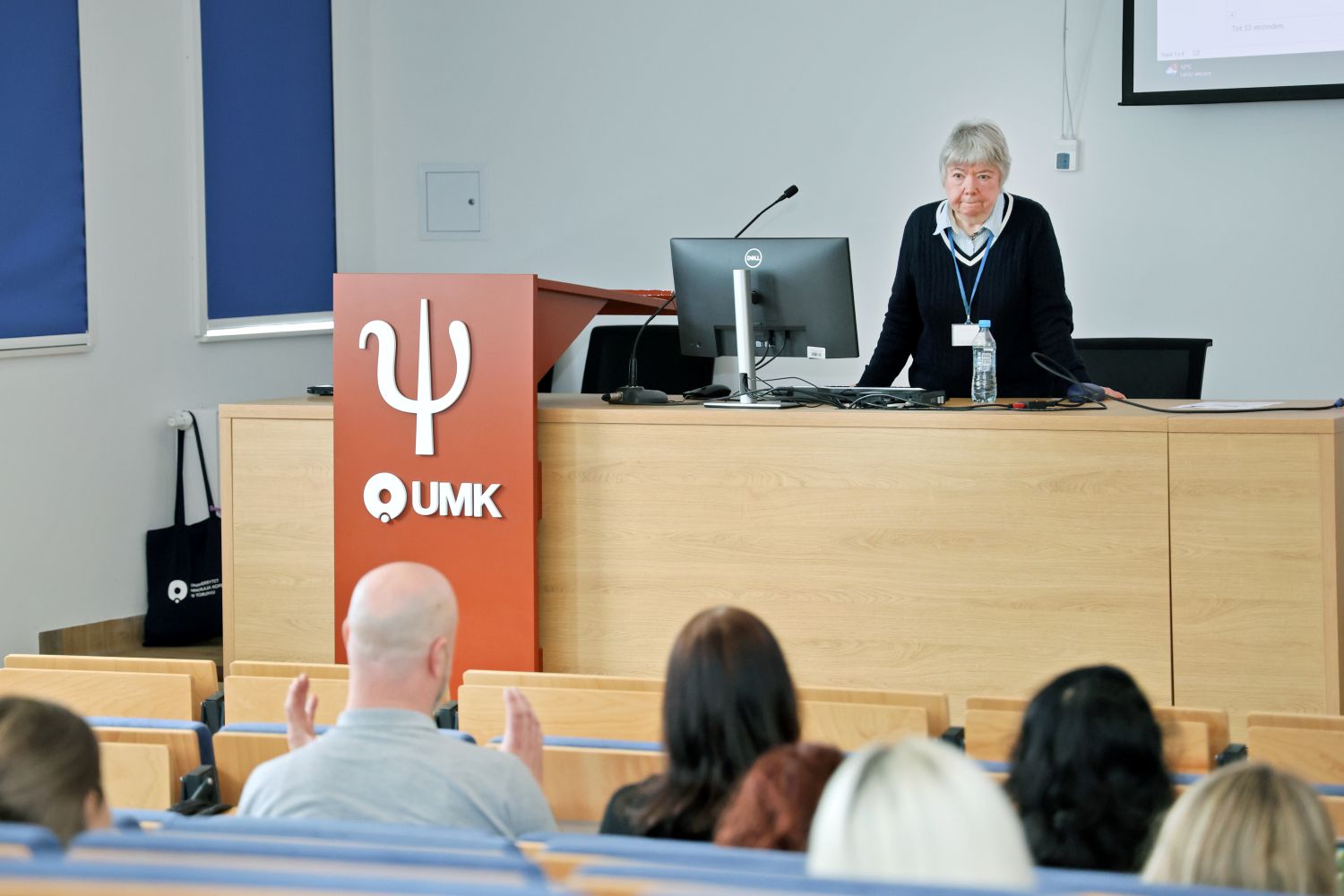
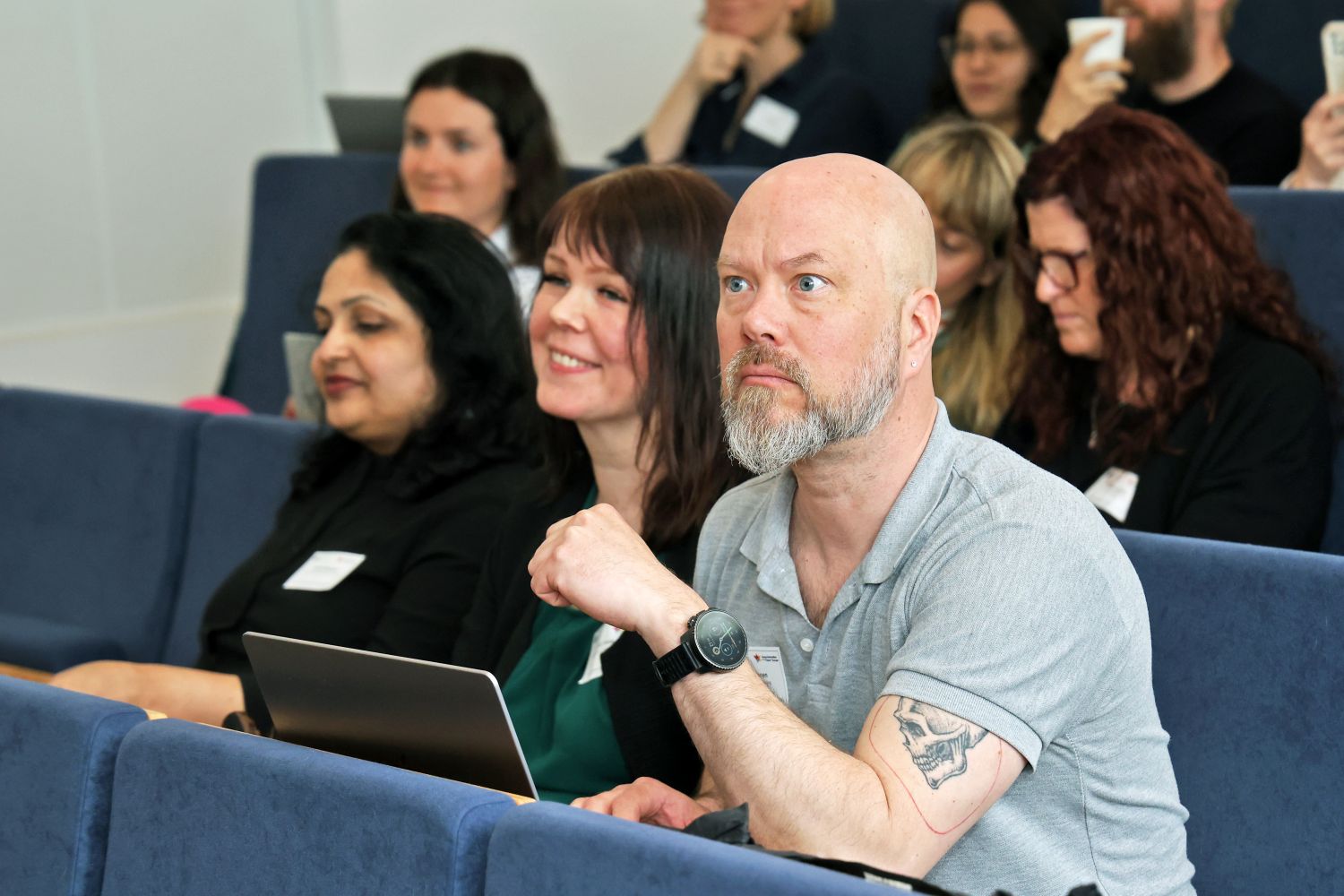
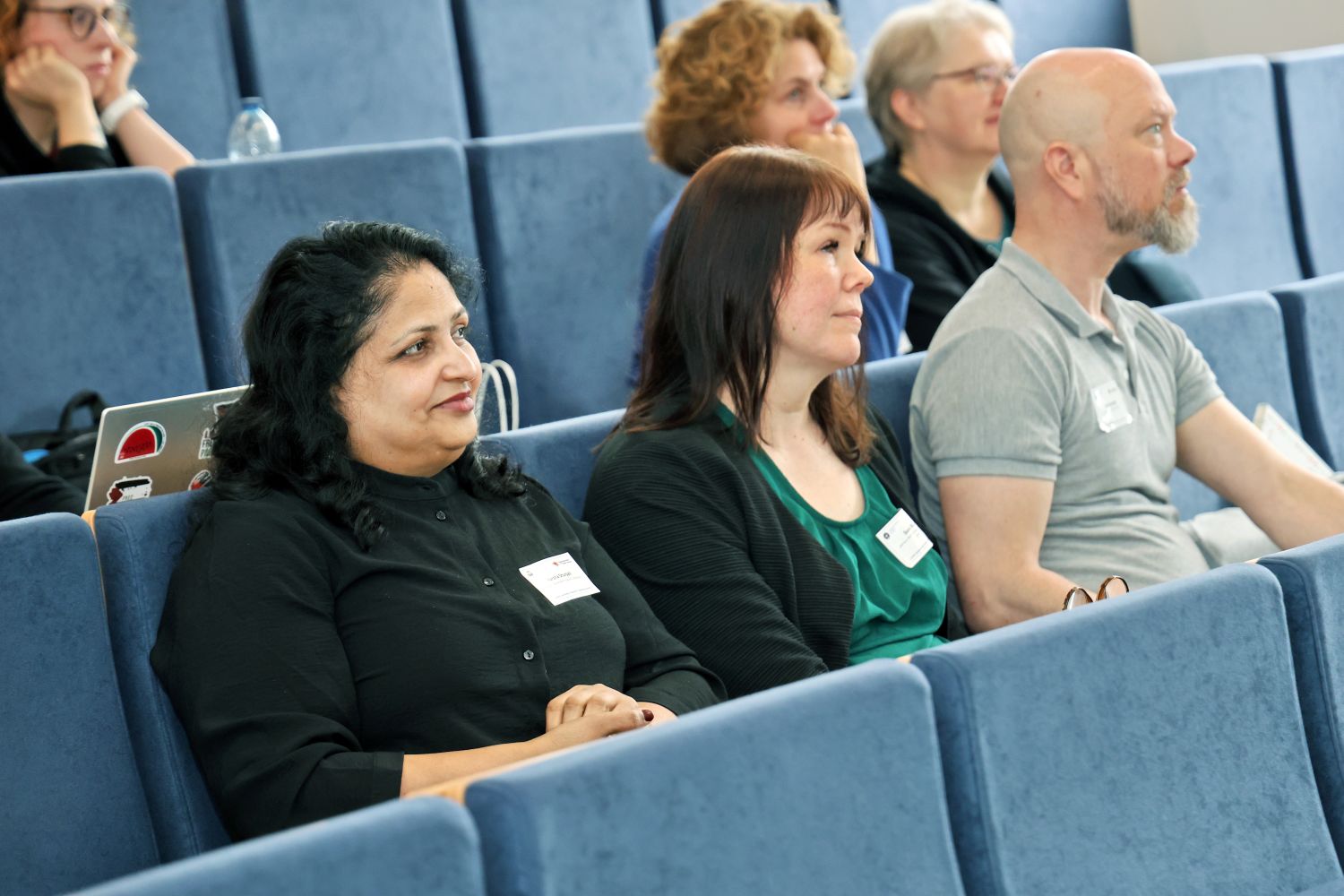
Participants were welcomed by the Vice‑Rector for Research, Prof. Adam Kola. The opening lecture by Prof. Maria Lewicka focused on the significance of place attachment in a world marked by high mobility.
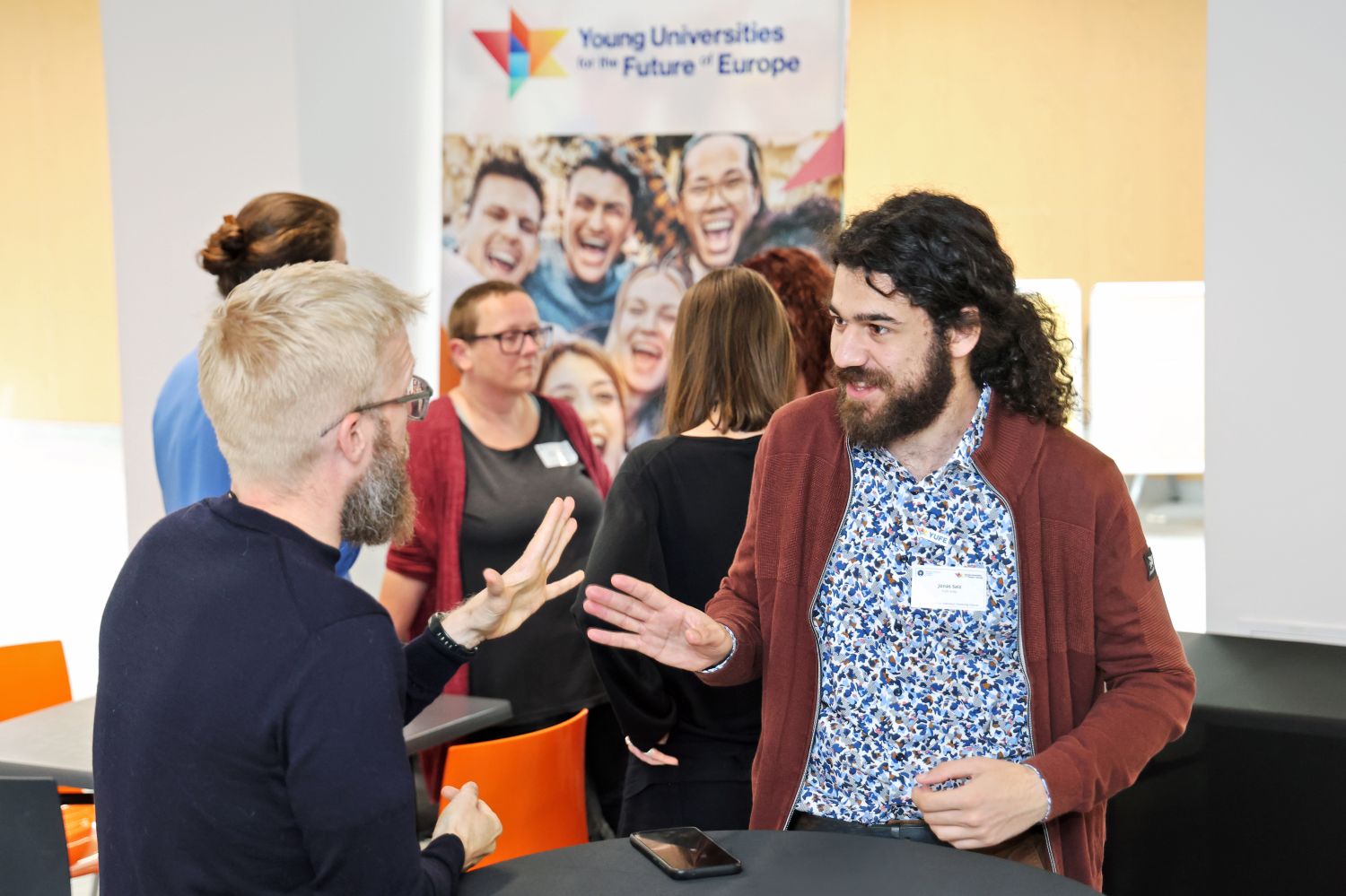
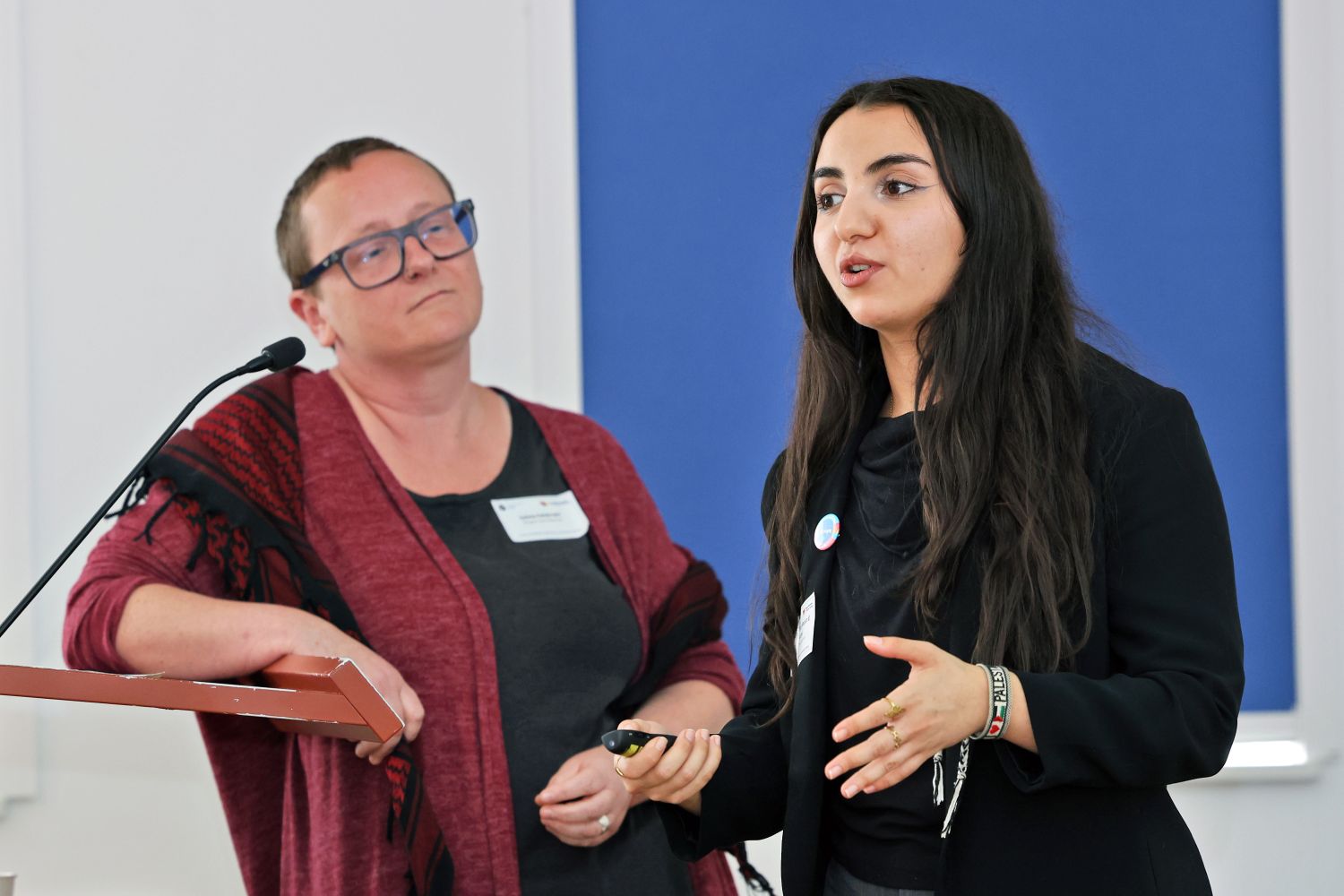
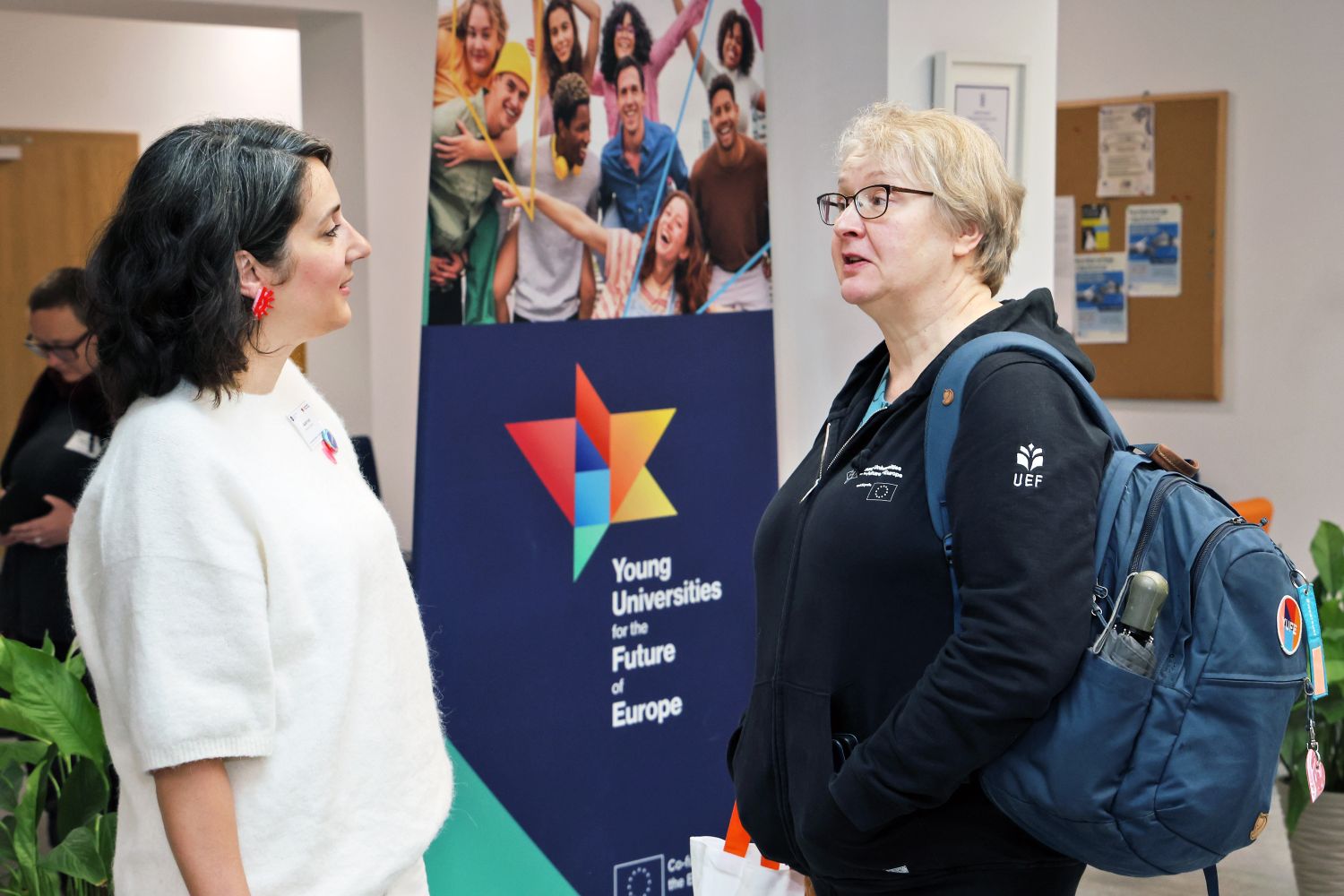
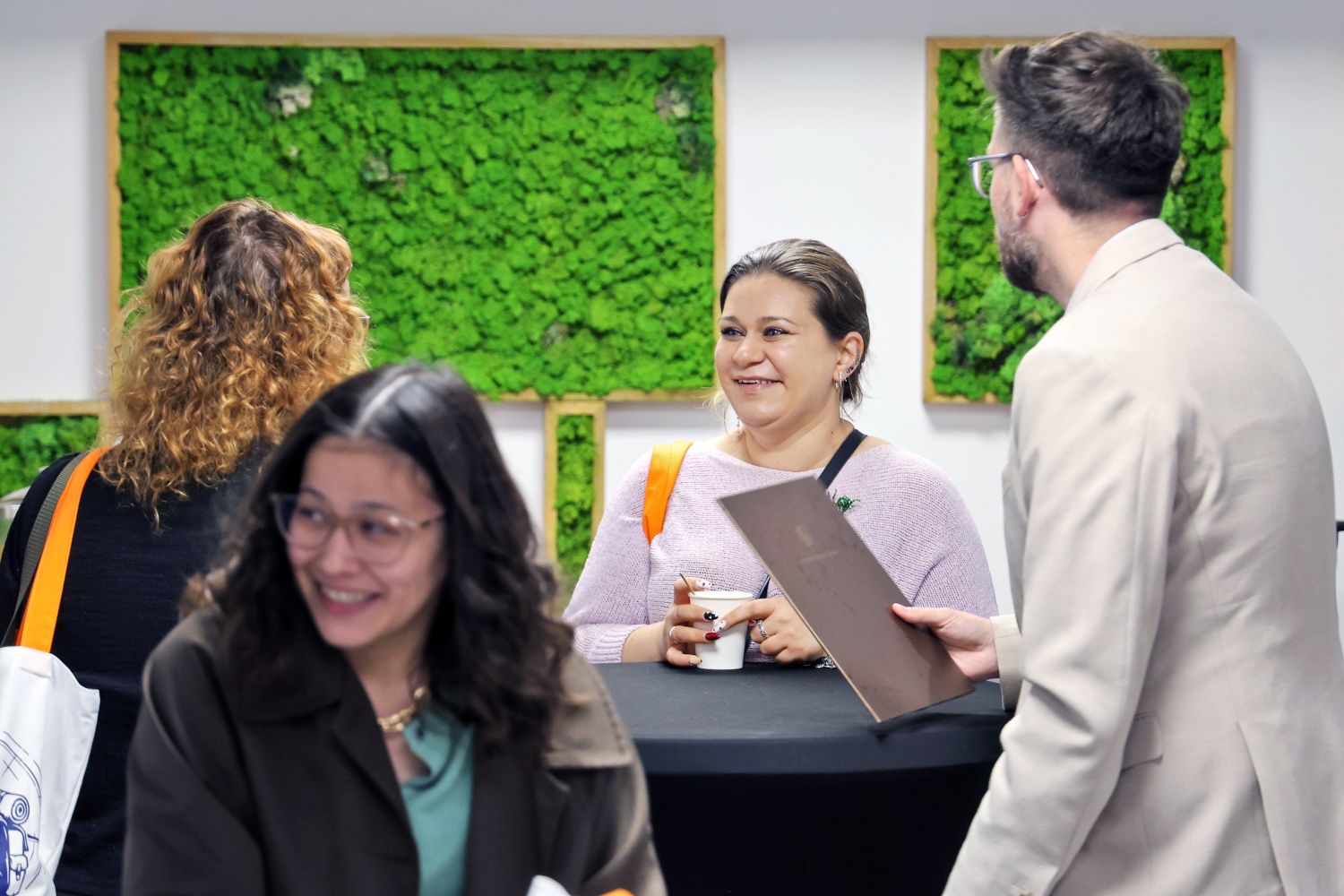
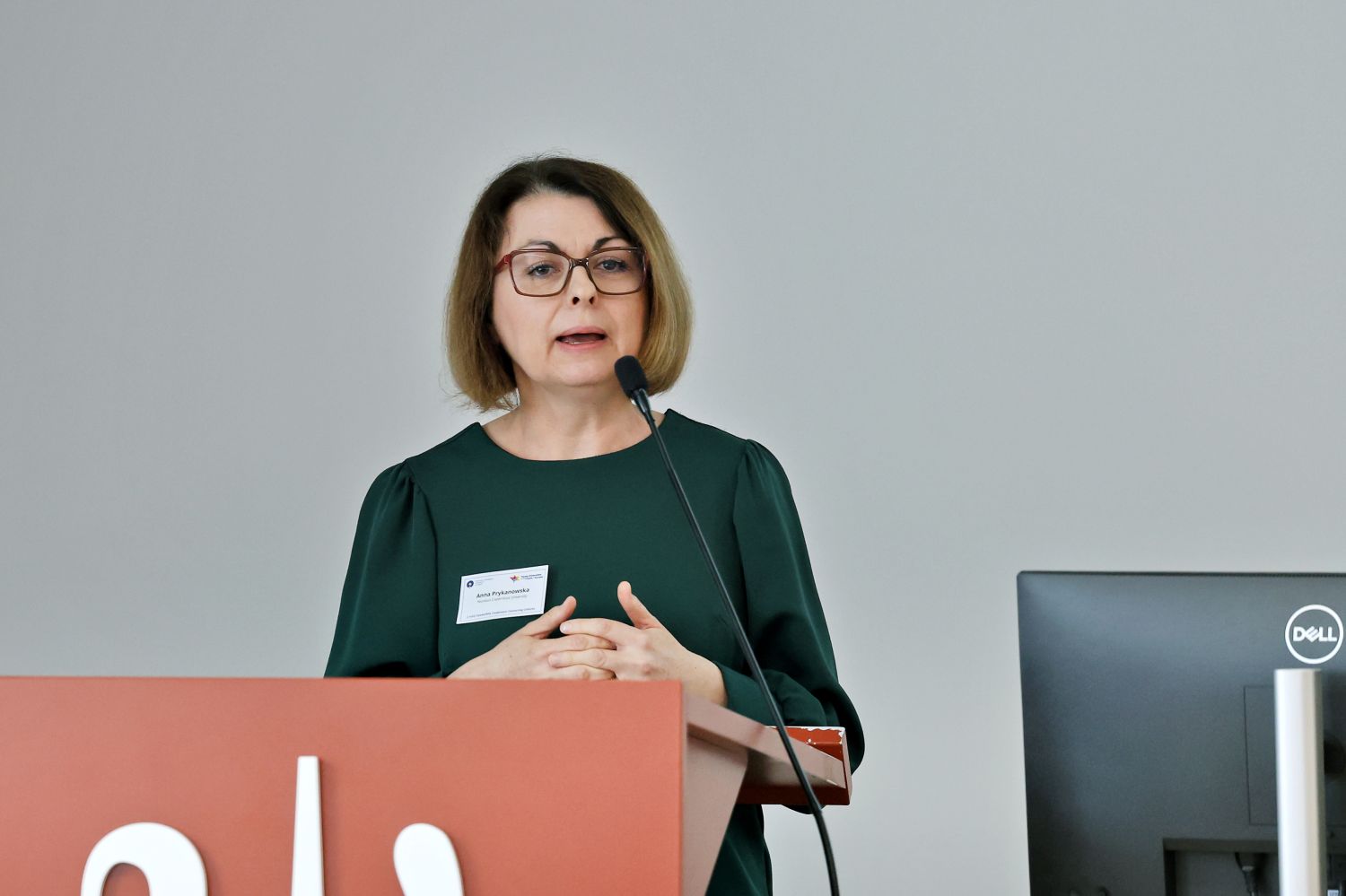
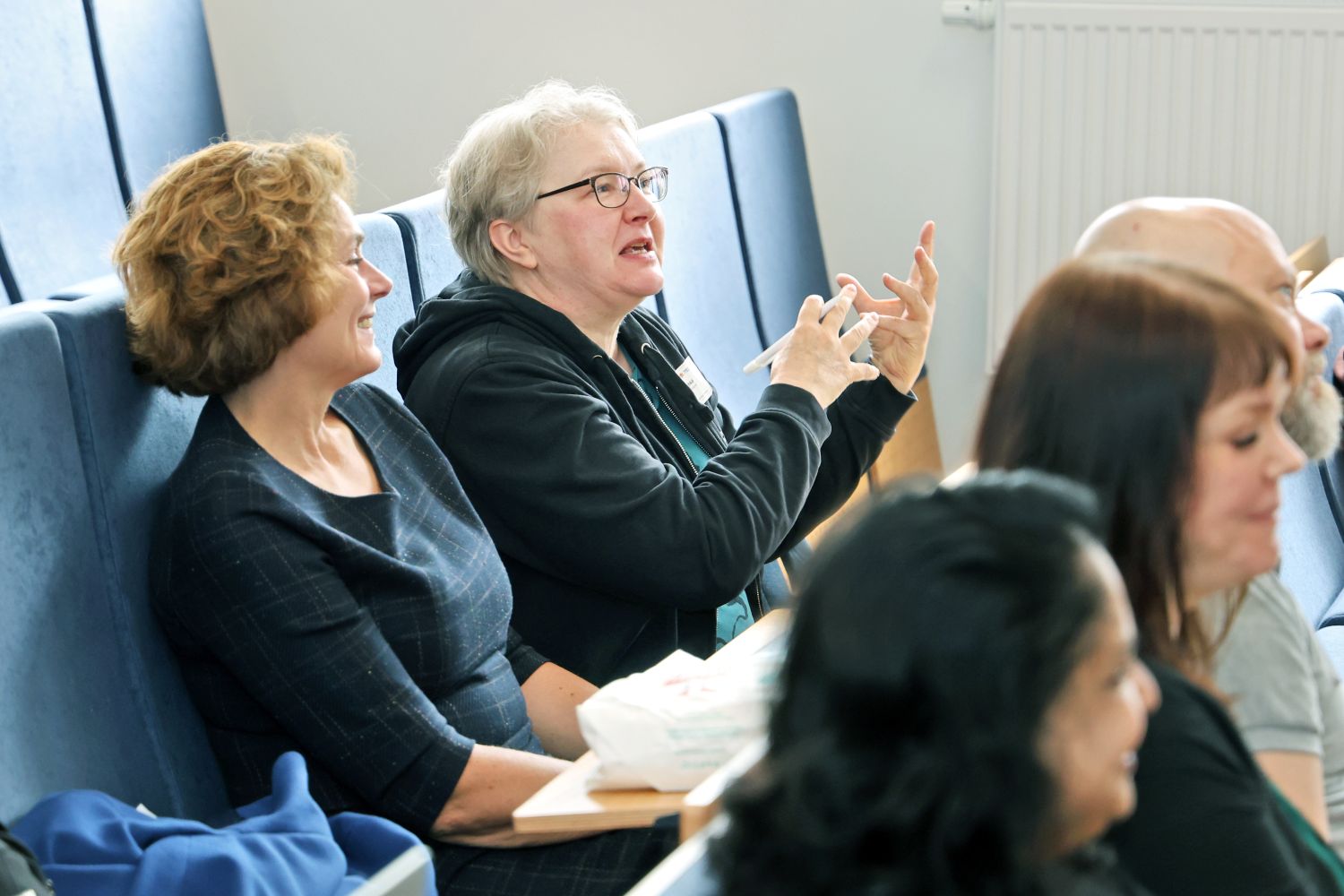
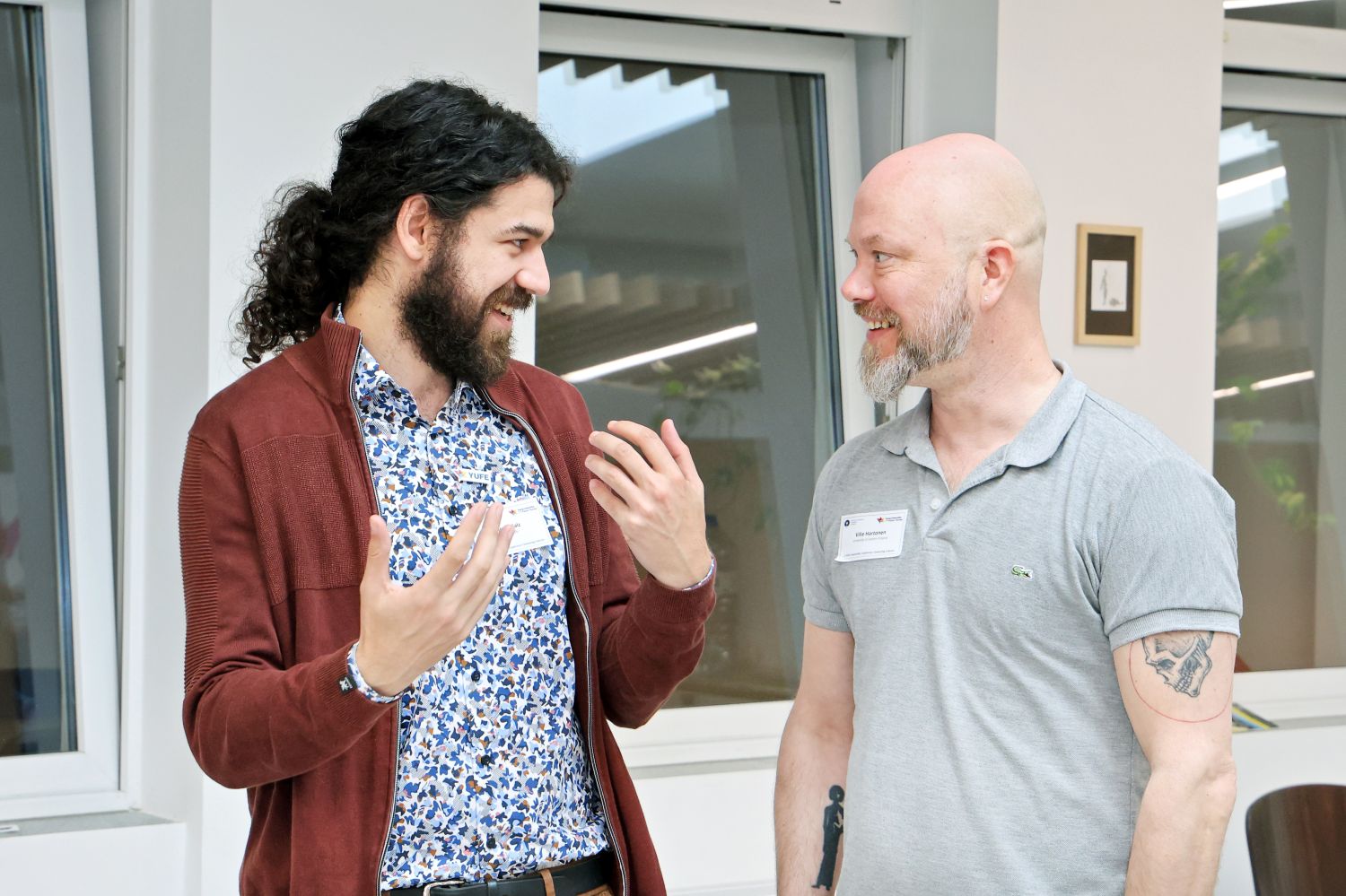
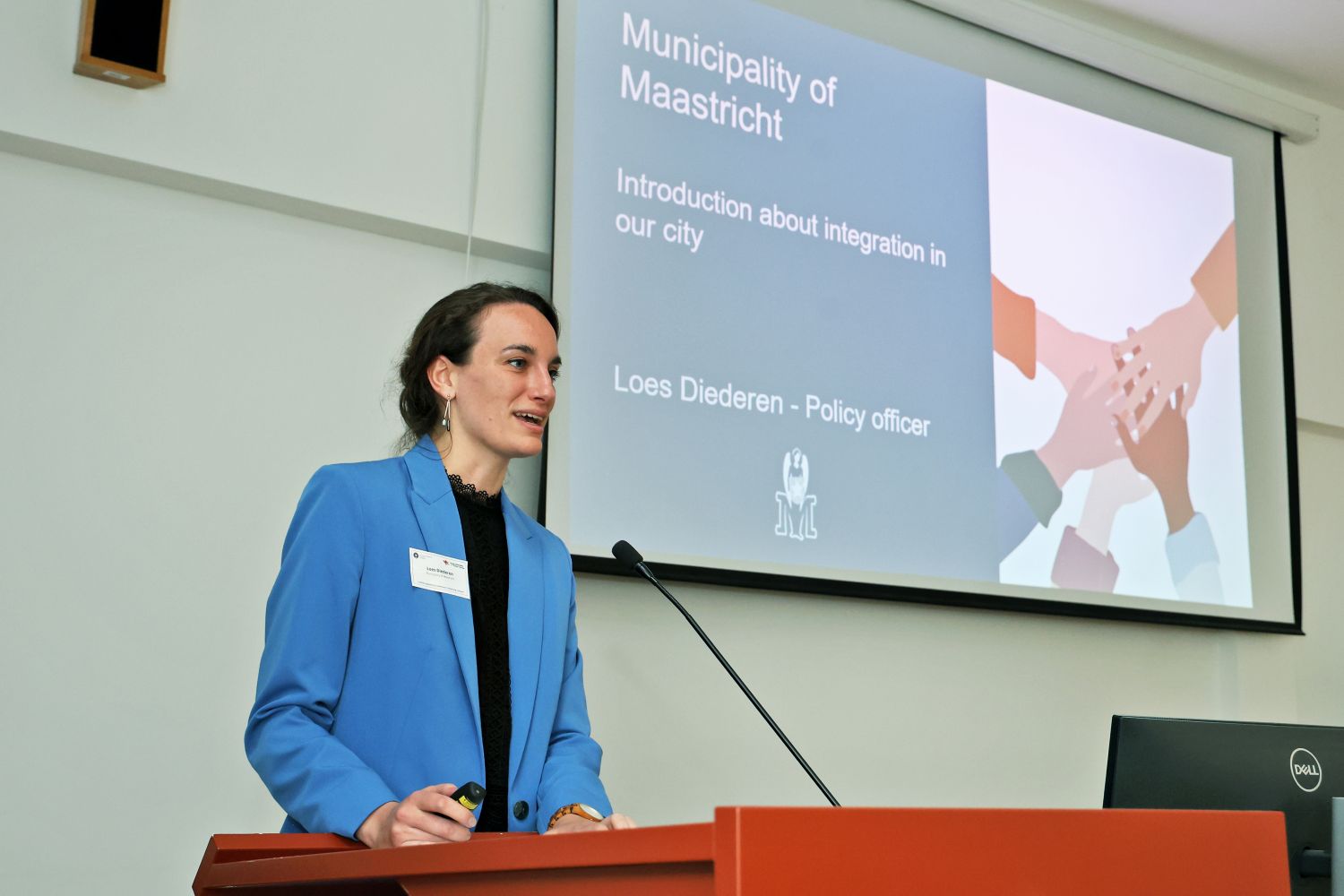
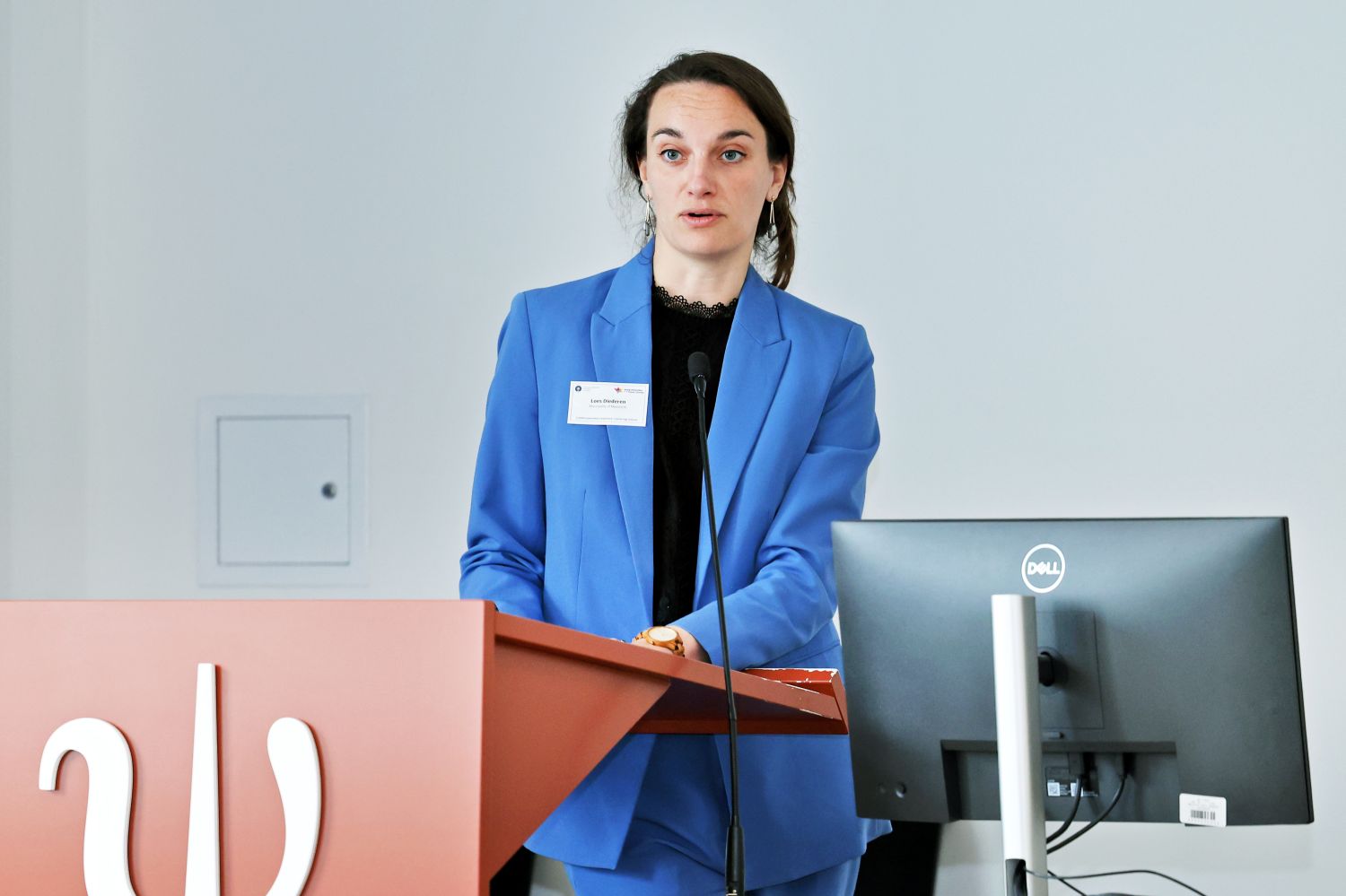
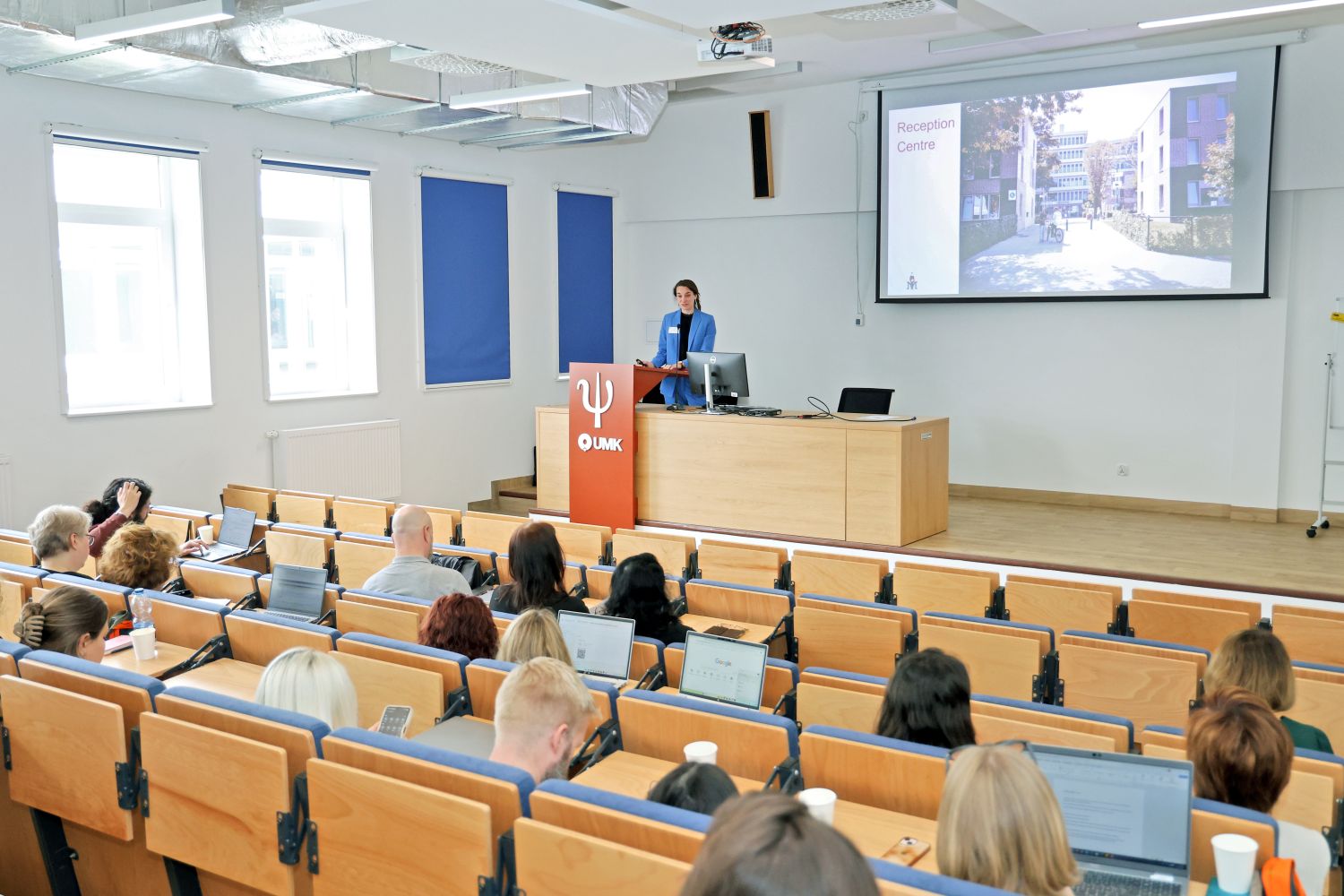
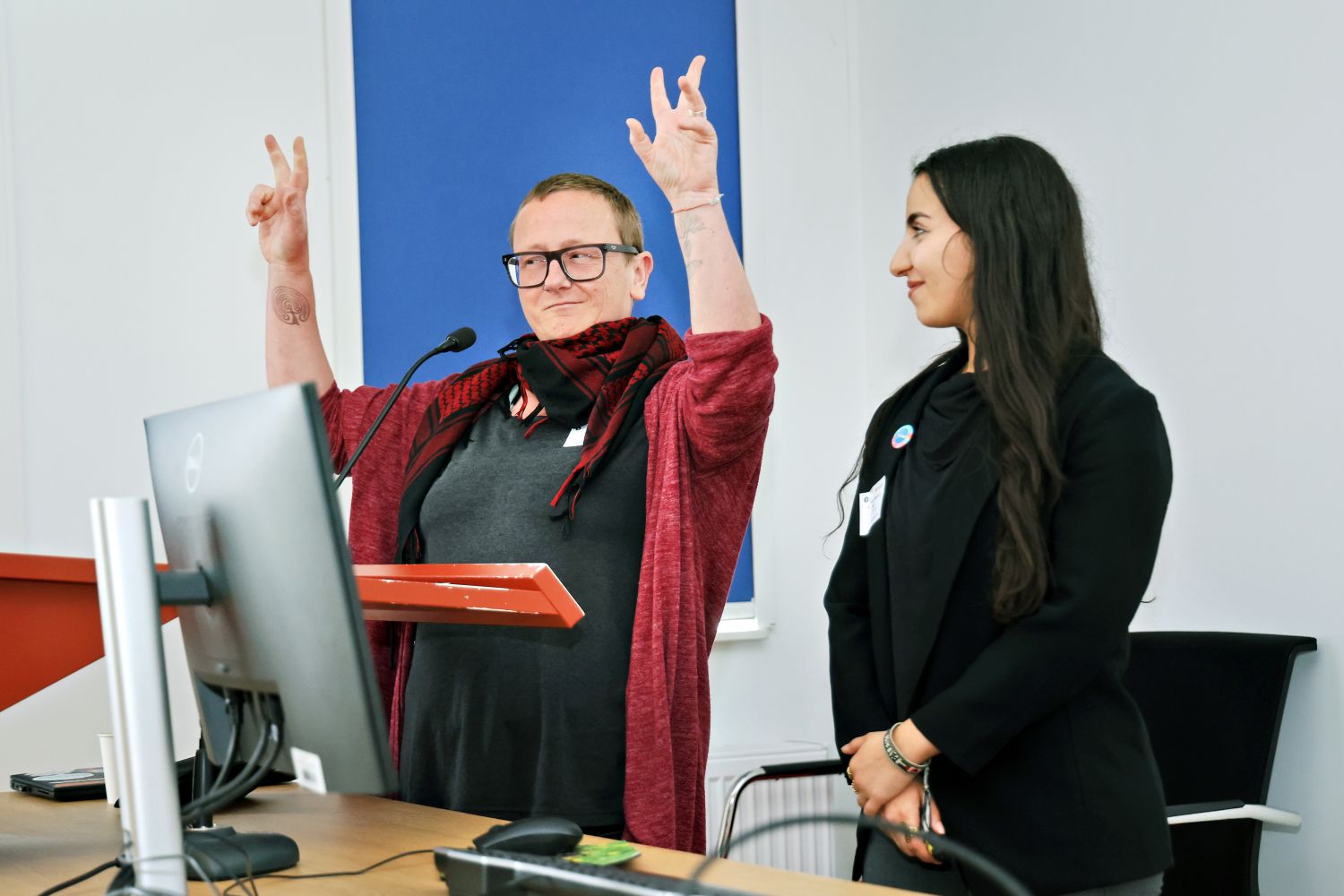
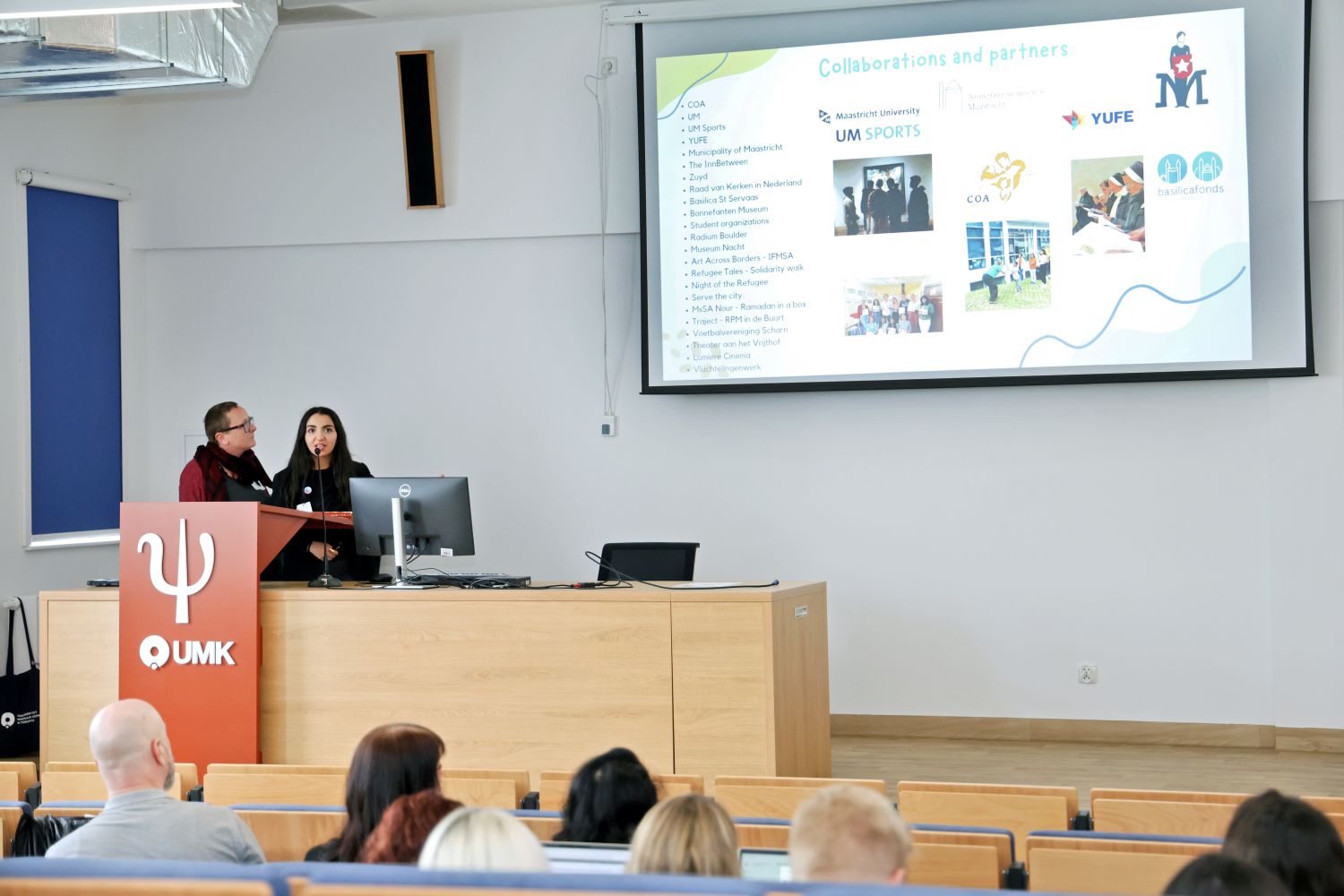
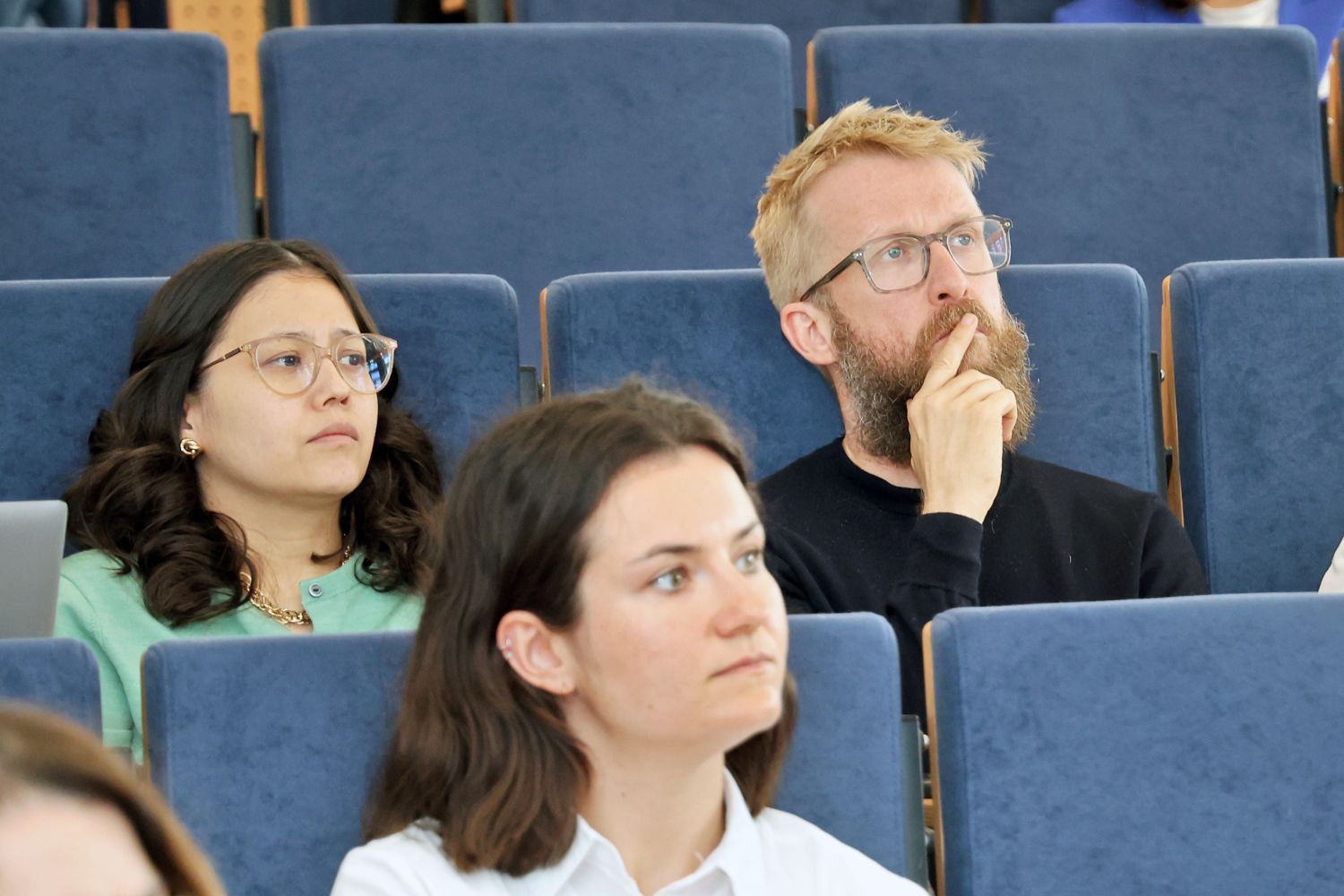
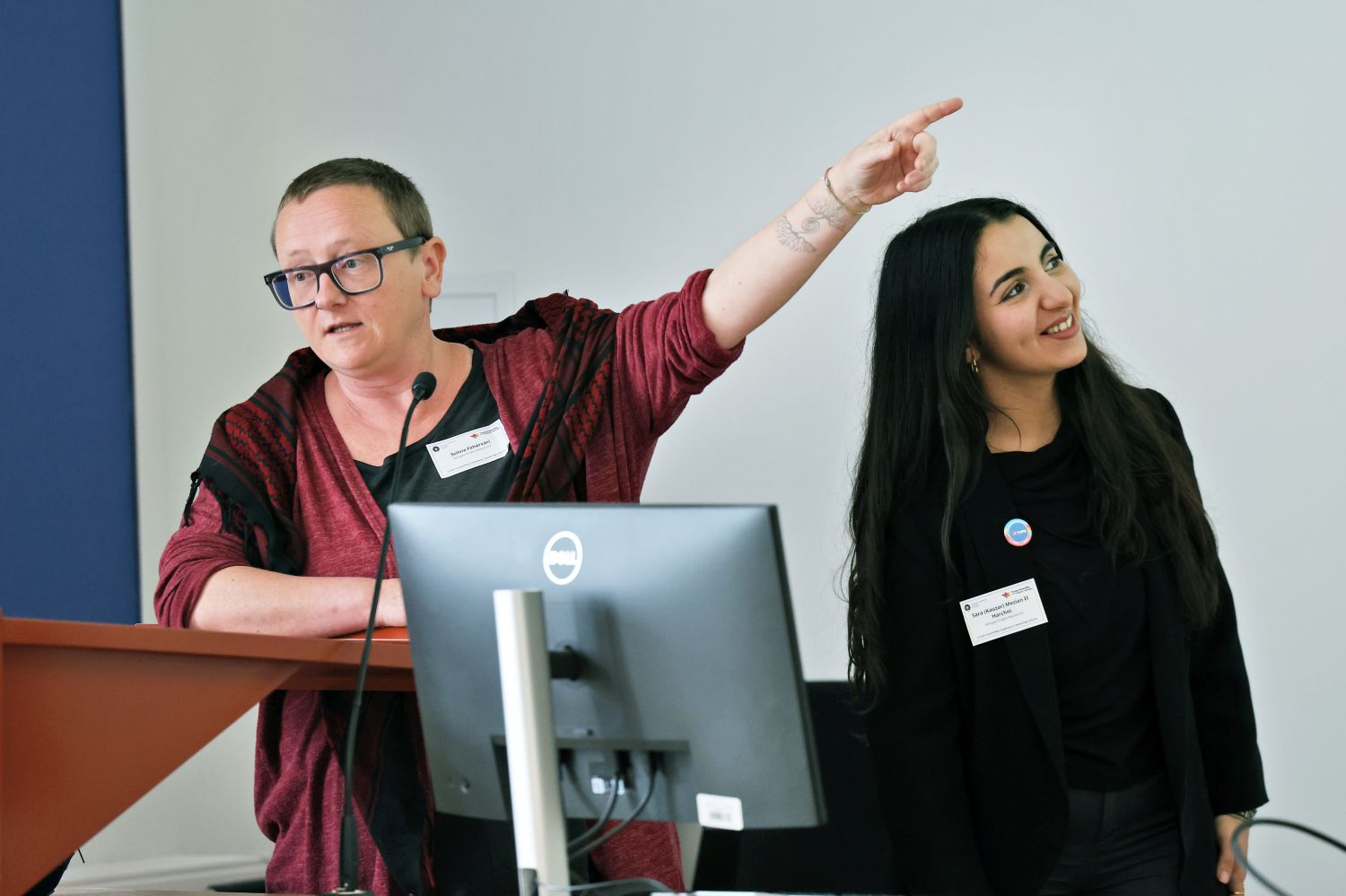
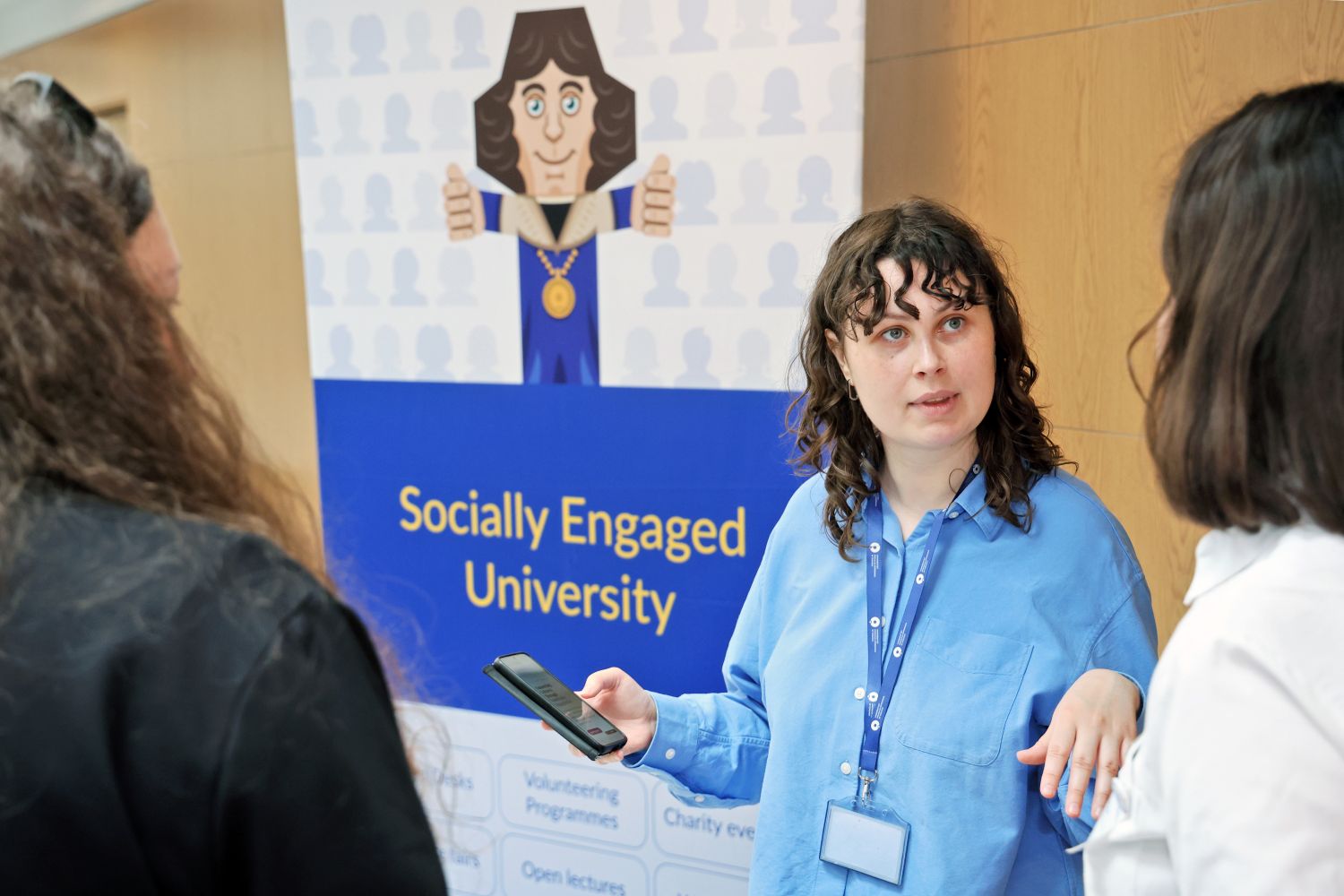
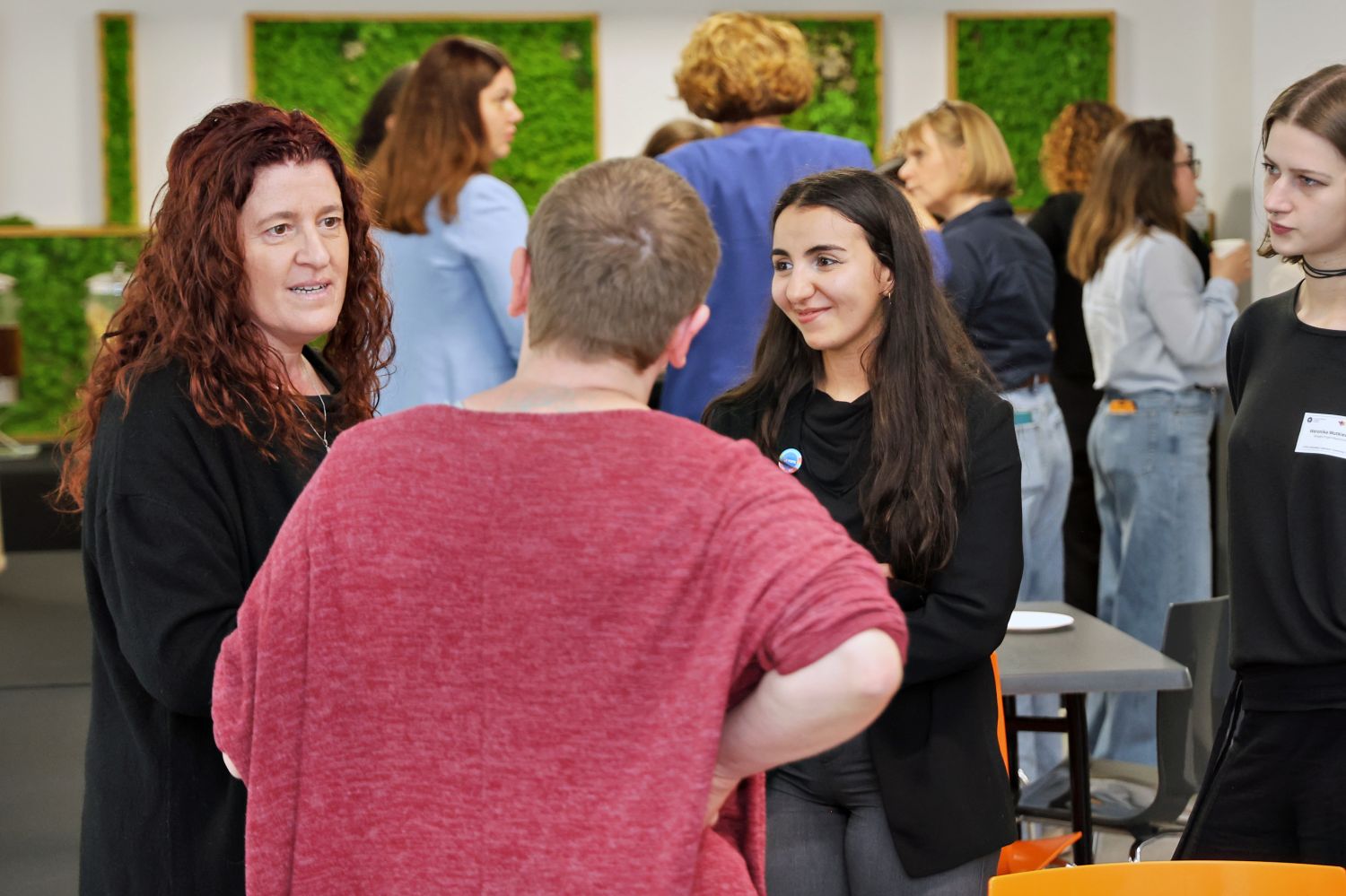
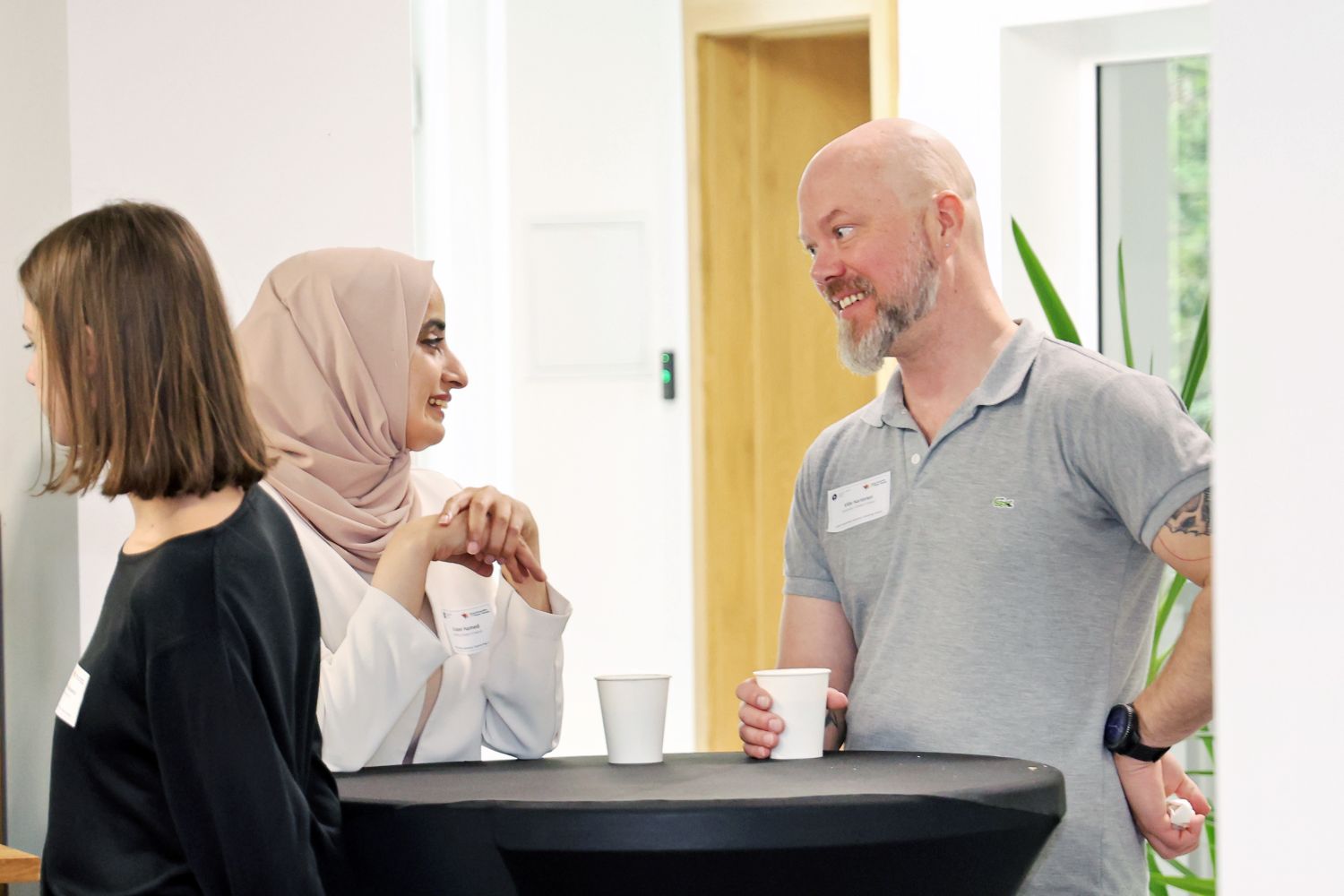
During the NGO presentation session, organisations shared their experiences and best practices in integration, intercultural education, and community support. Representatives discussed examples of ongoing projects, reflected on the challenges of working in diverse environments, and highlighted the importance of cross‑sector collaboration and knowledge exchange.
Andrzej Romański
– The exchange of contacts and good practices broadened my perspective beyond the current, mainly local level, demonstrating the potential for collaboration with other NGOs and universities more widely across Europe. I believe that smaller NGOs can achieve more together – says Suvi Kaskela from Joensuun seudun monikulttuurisuusyhdistys ry (Finland).
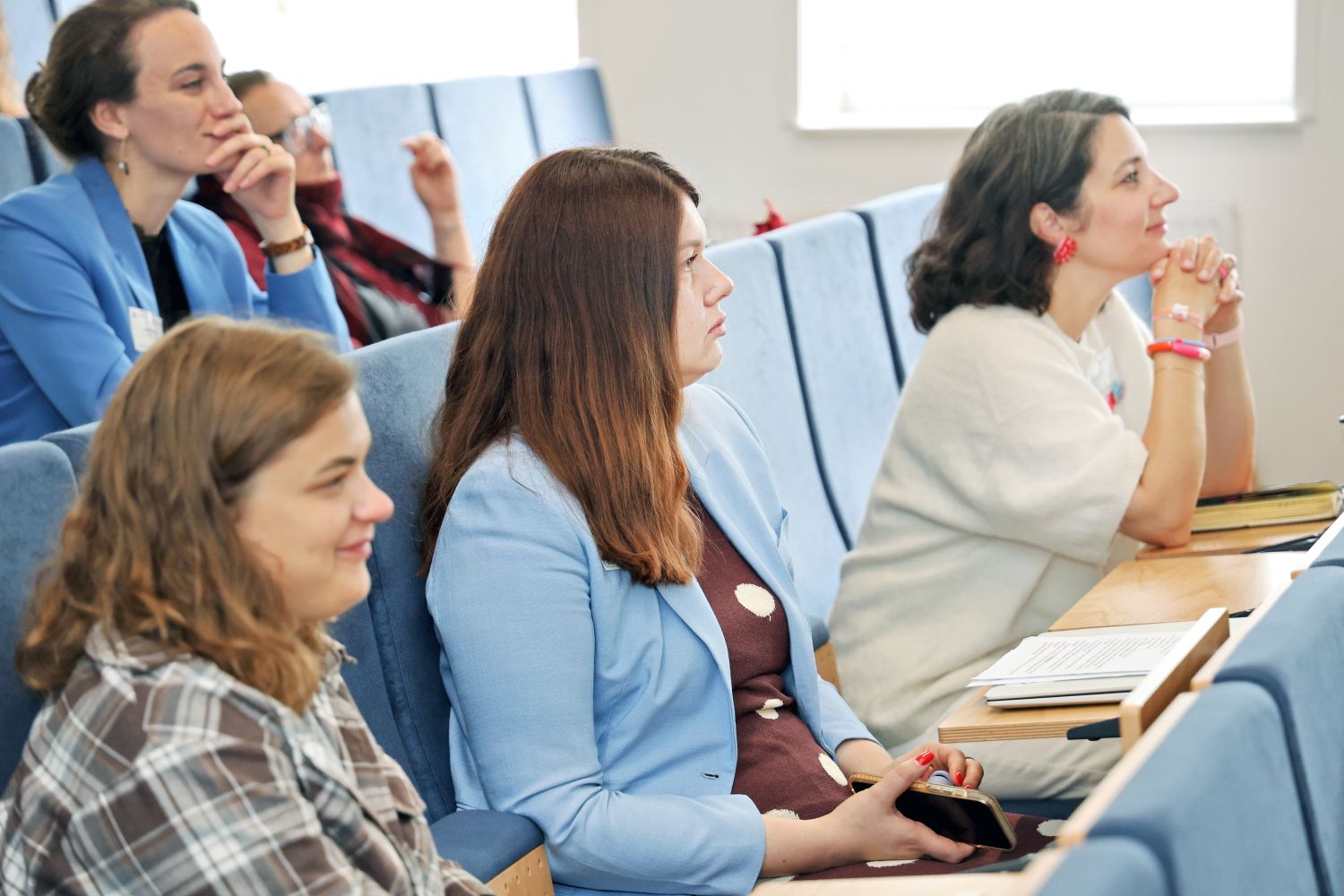
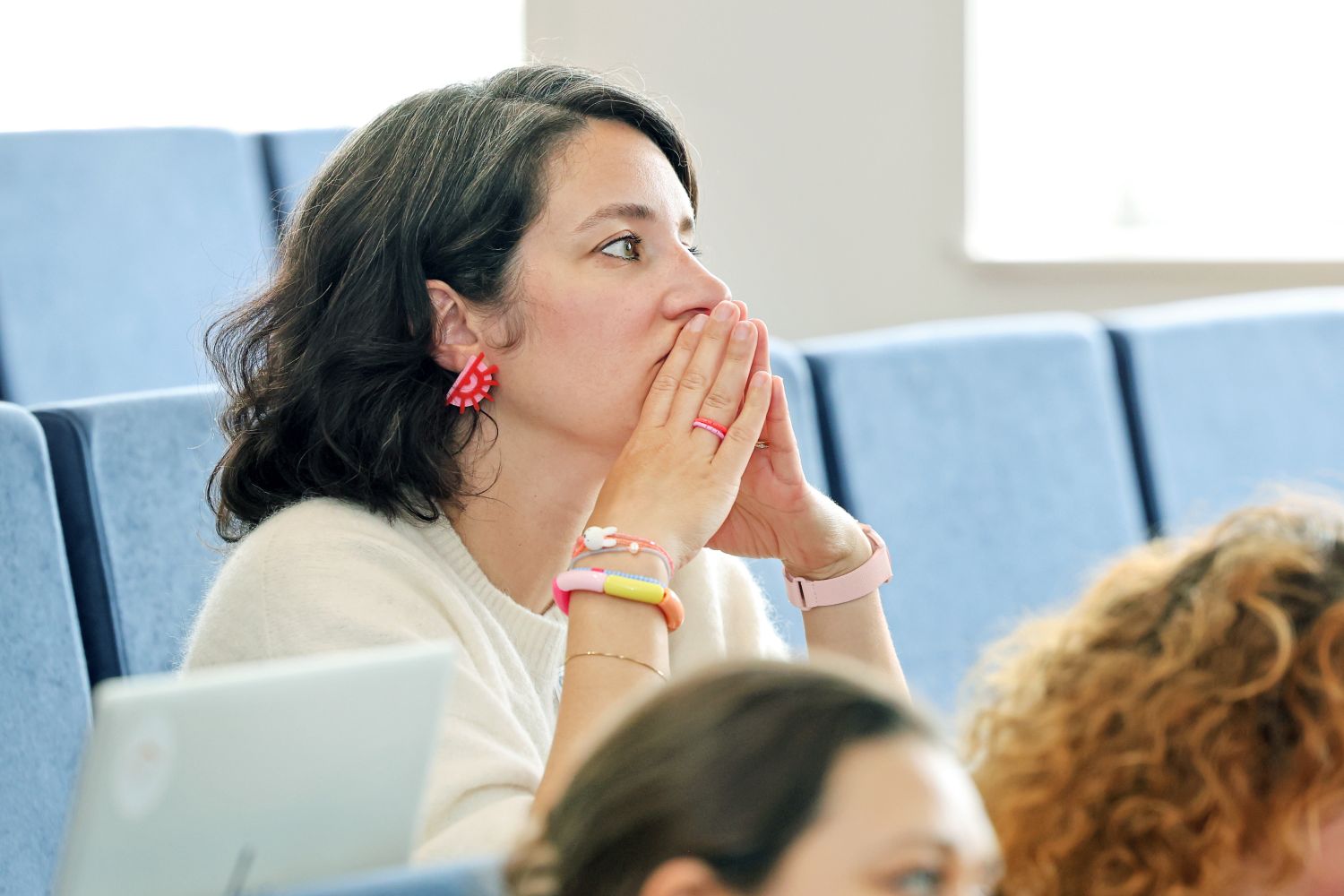
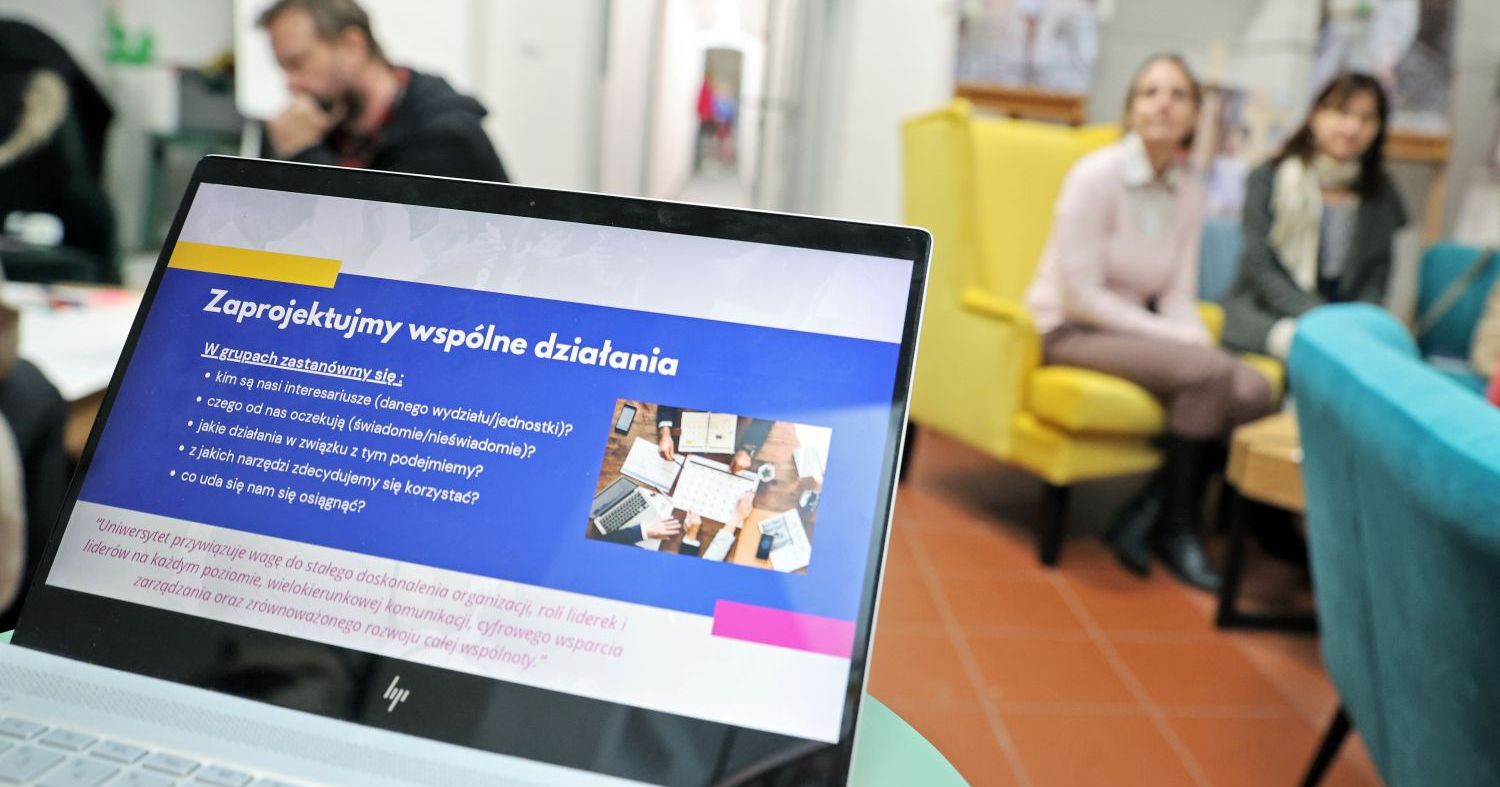
The following day was dedicated to workshops addressing key issues for people working in intercultural contexts. Participants explored, among other topics, the potential of “buddy" programmes as tools for building inclusive support networks for people with experiences of social exclusion. Later, conference guests discussed empathy fatigue and strategies for maintaining personal well-being.
A particularly moving part of the programme was the visit to the FreeDom Foundation in Toruń, established by women with migration experience from Ukraine. The visit included a presentation of the foundation's activities and cultural workshops, allowing participants to better understand the value of grassroots initiatives and the role of safe, inclusive spaces for communities.
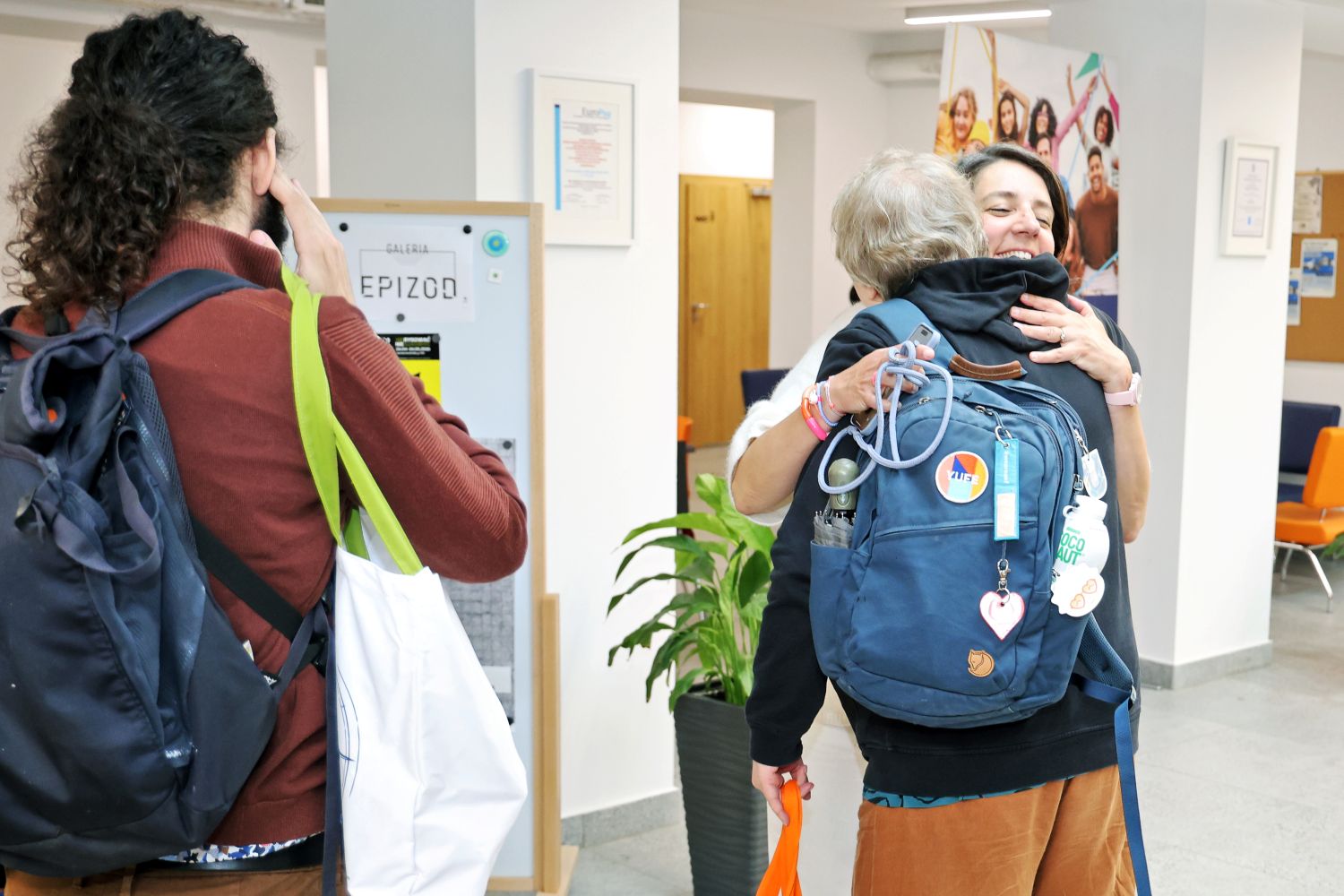
Sharing practices and experiences across borders strengthens not only our work, but also the sense of shared commitment to social change – says Rik Rijnders from Kanzo (Belgium). – It is inspiring to see how much engagement and drive exists across Europe, and how YUFE succeeds in connecting people and initiatives around common challenges.
One outcome of the conference is the development of a concept for a scalable, campus‑based urban game that can serve as a tool for intercultural education.
– We believe that the second edition of the YUFE CommUNIty Conference demonstrated the immense value of YUFE as a community‑oriented alliance, where university members and non‑academic partners learn from one another and collaborate - says Magdalena Stremplewska from the Department of International Partnerships and Educational Mobility, the lead of the Community and Civic Engagement area in YUFE. – By bringing together diverse perspectives and experiences, the event highlighted the importance of this cooperation in addressing social challenges and strengthening European integration.