 NCU News
 Campus life
Creative heart of the city and the university


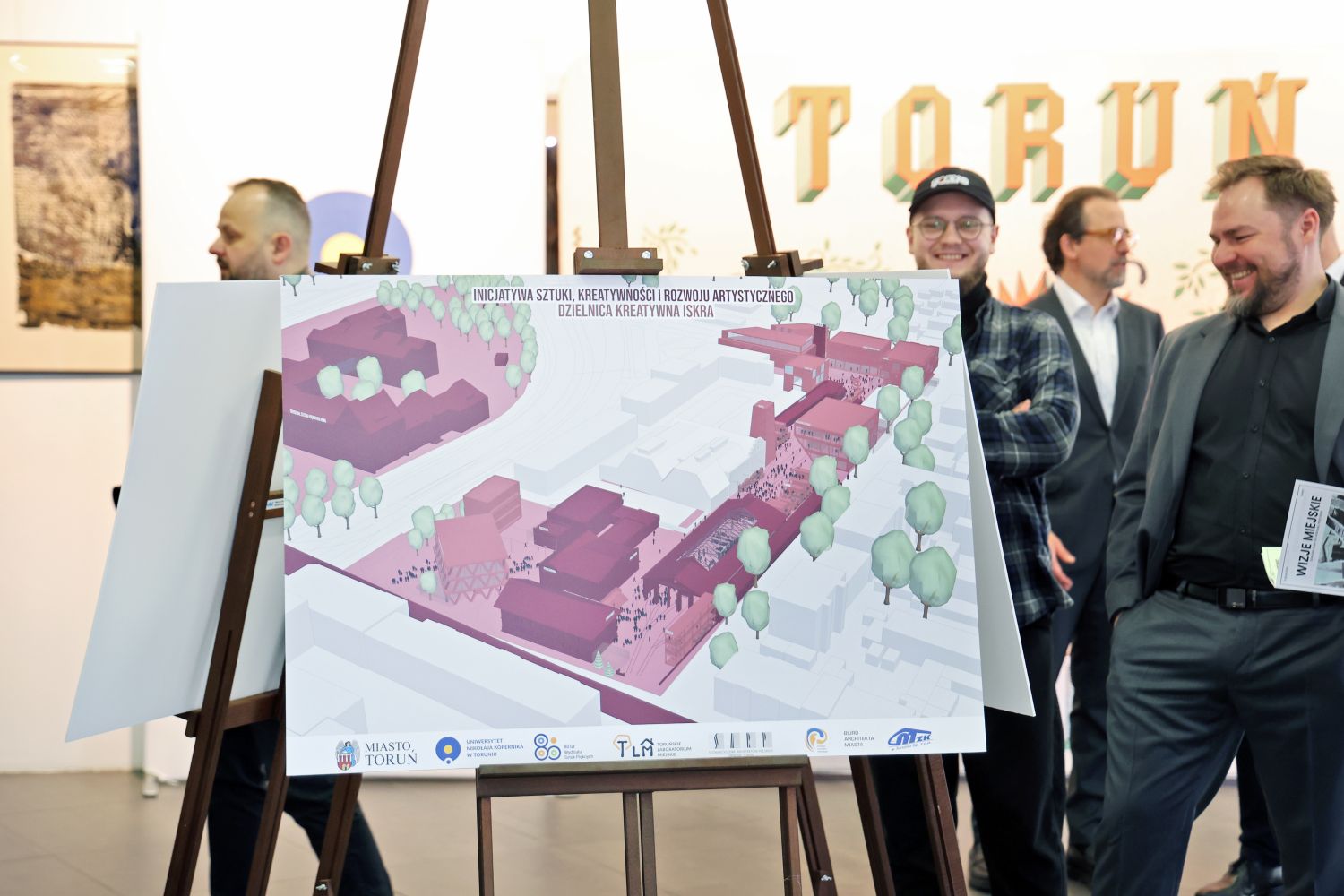
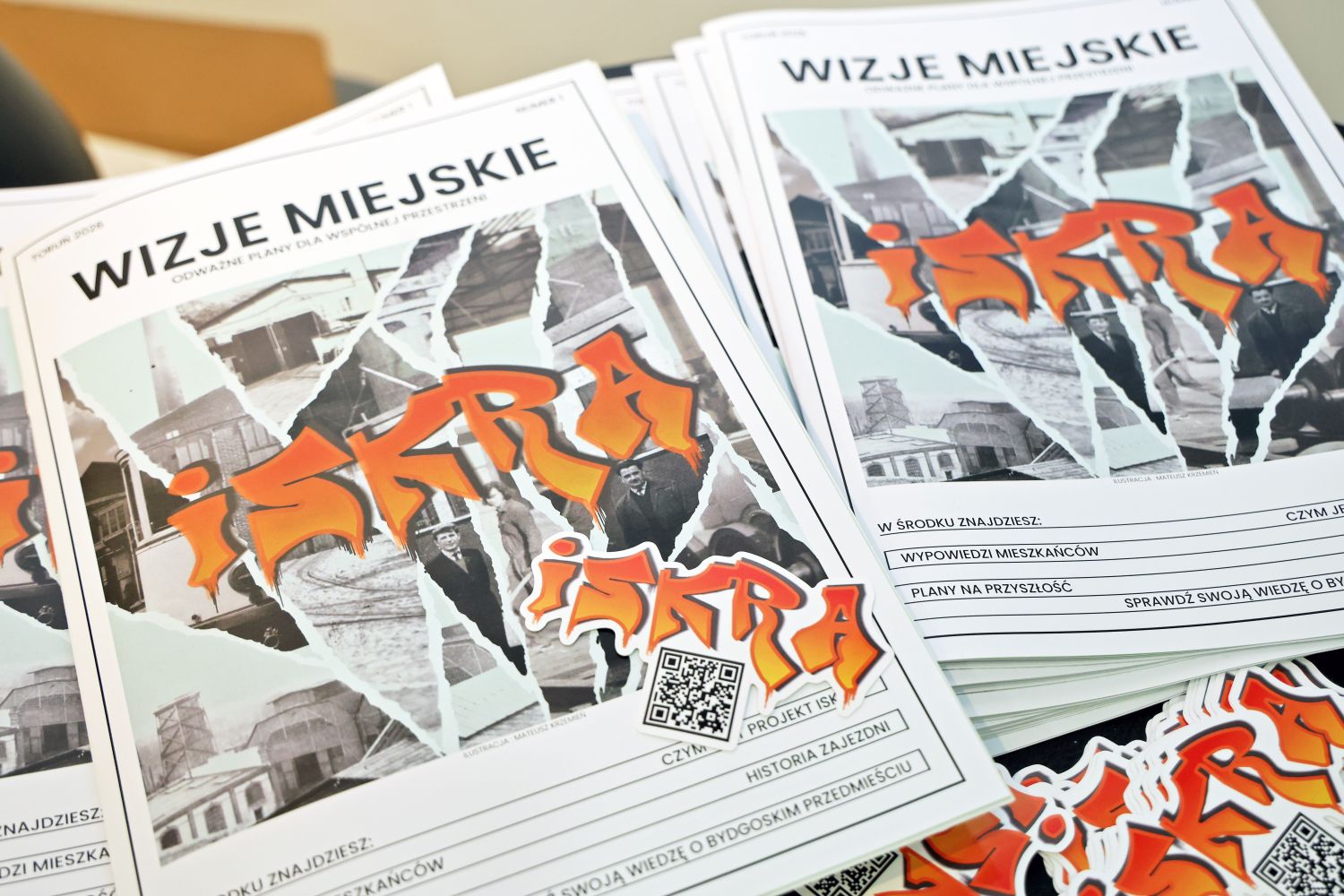
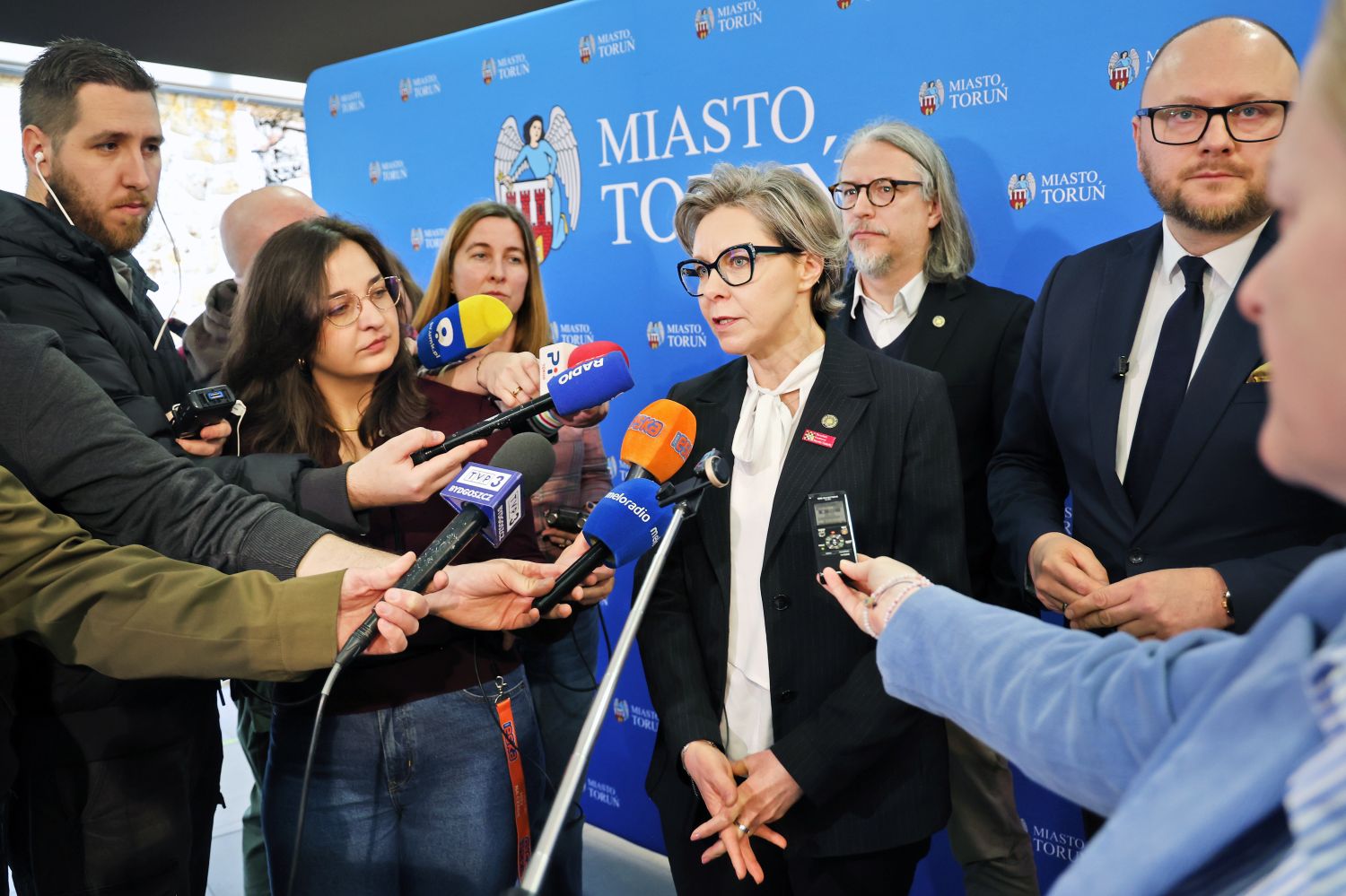
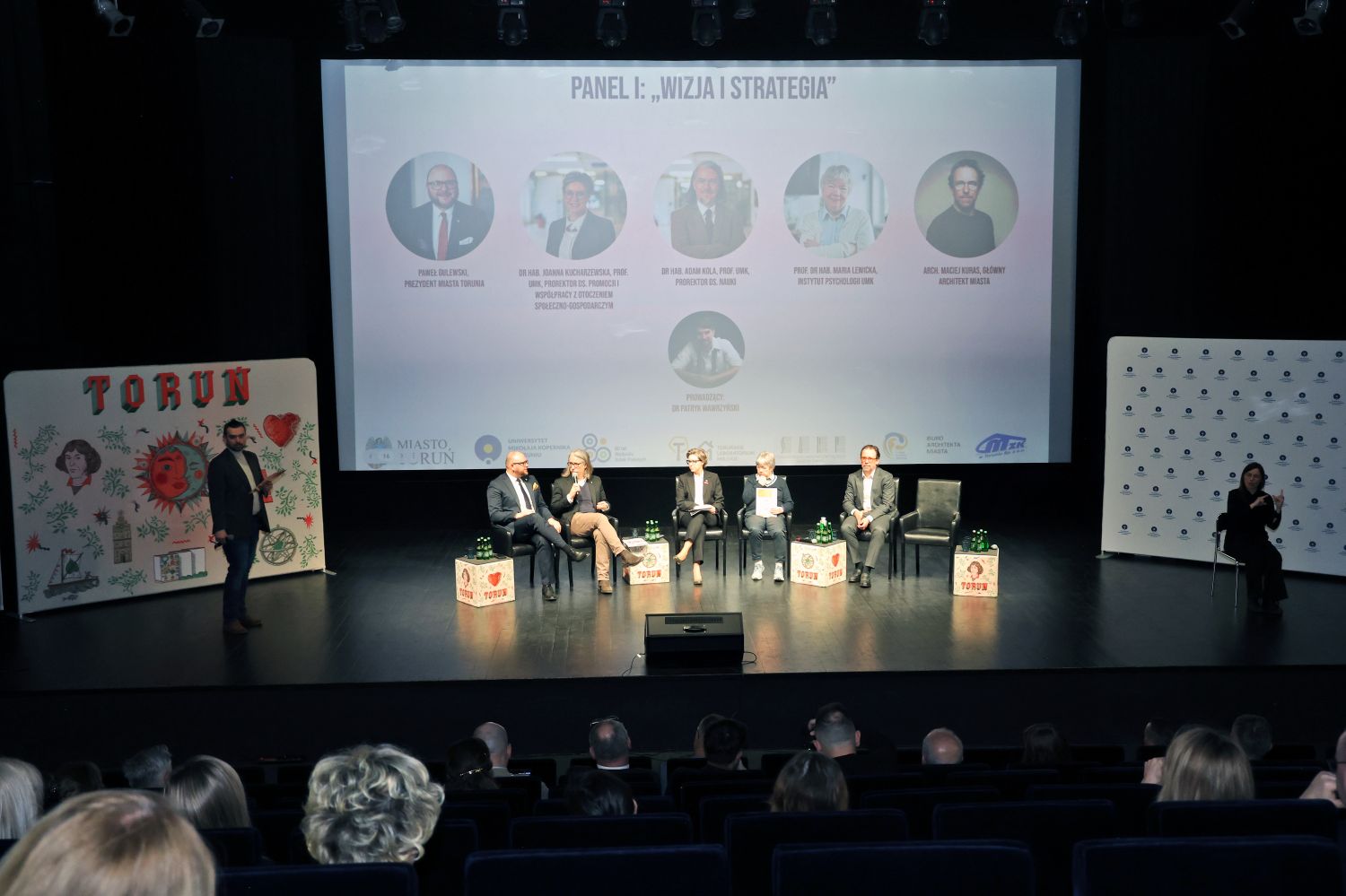
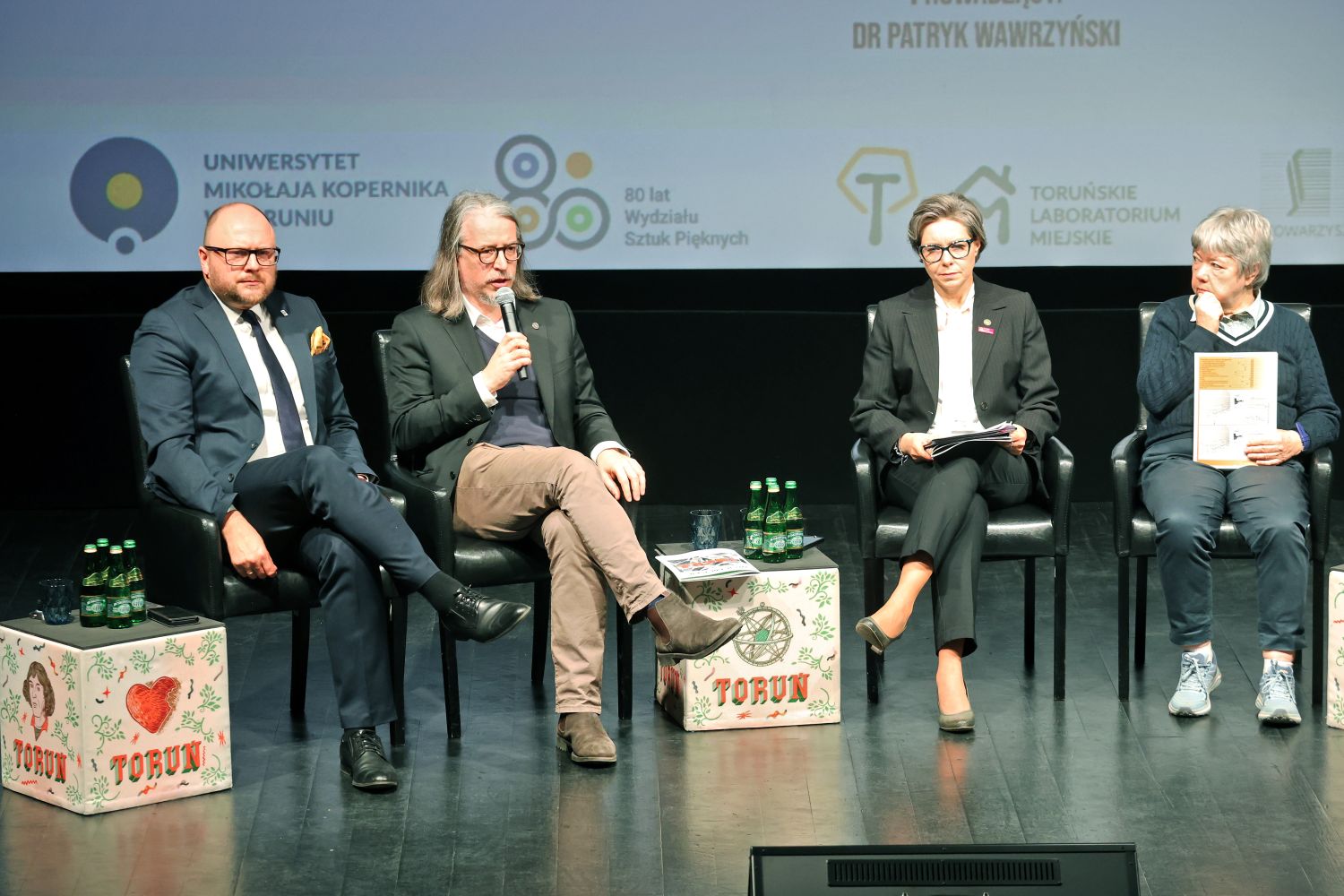
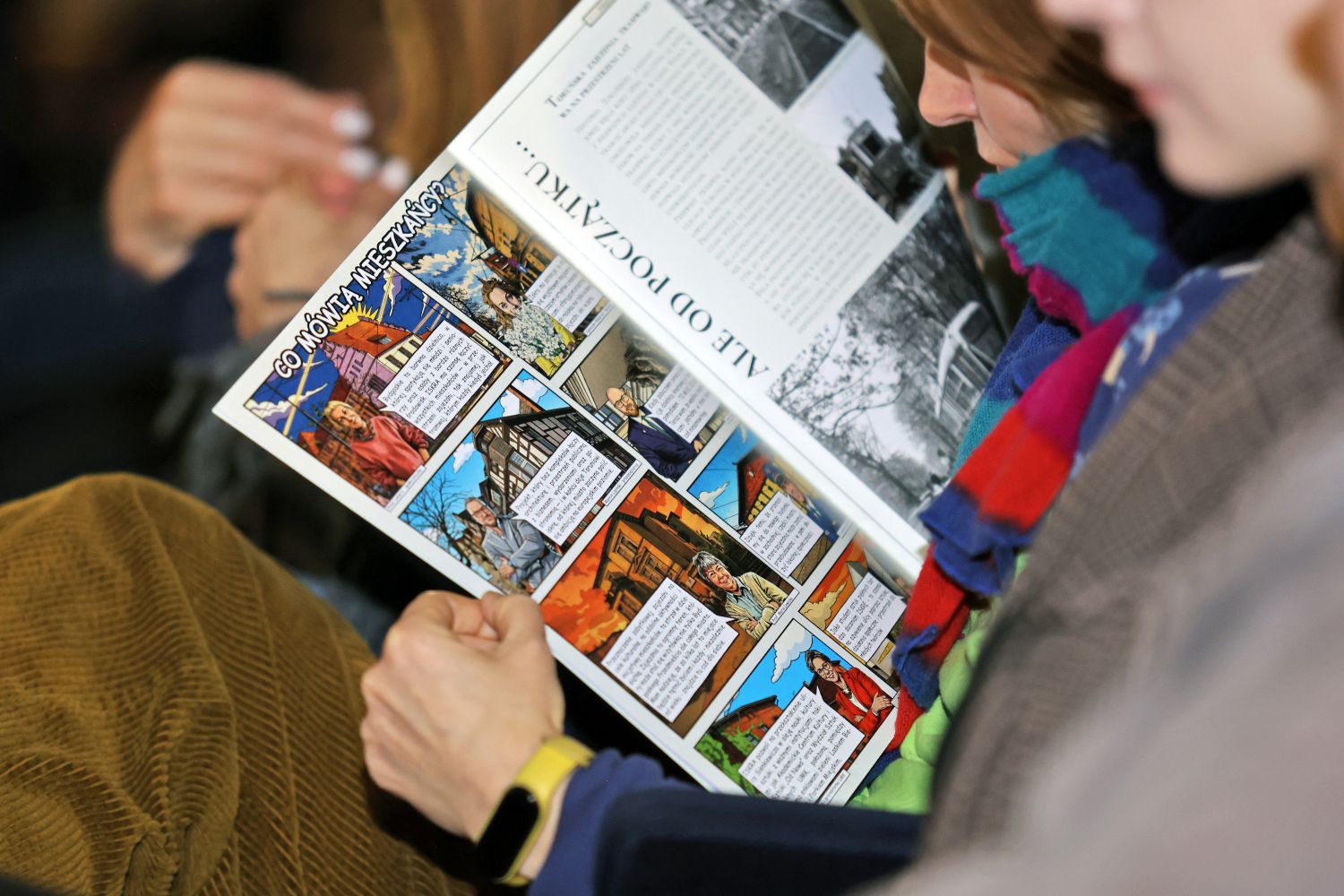
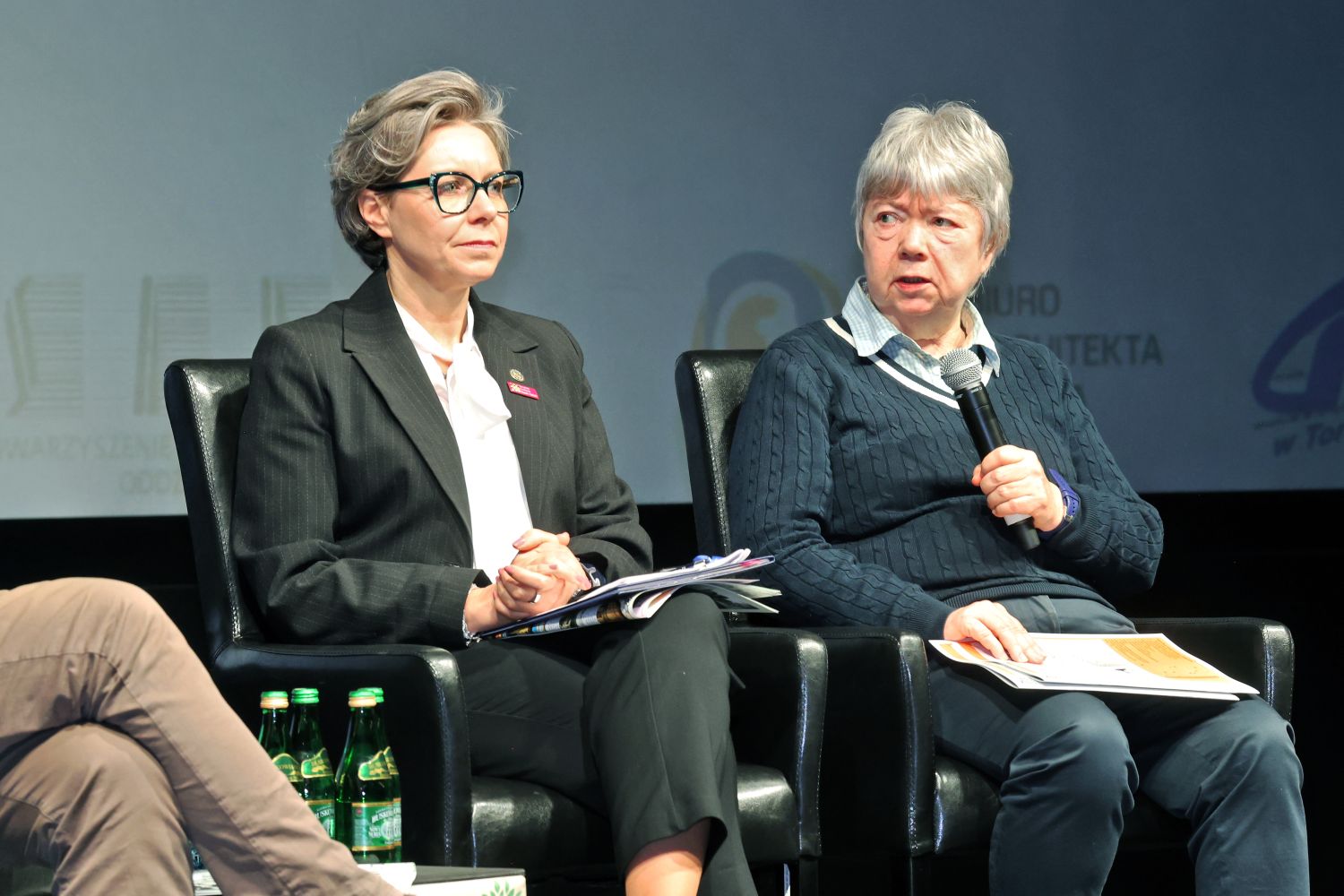
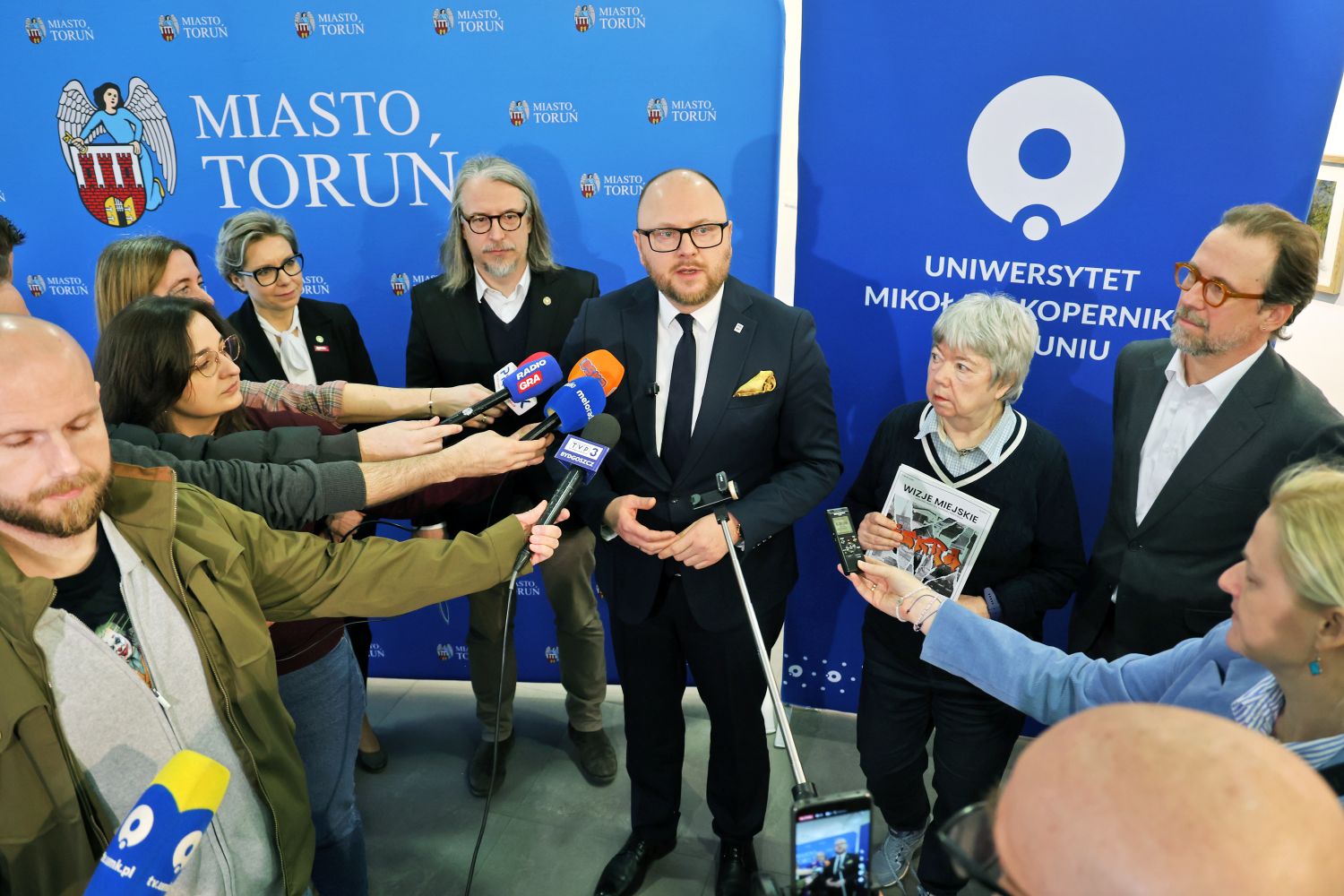
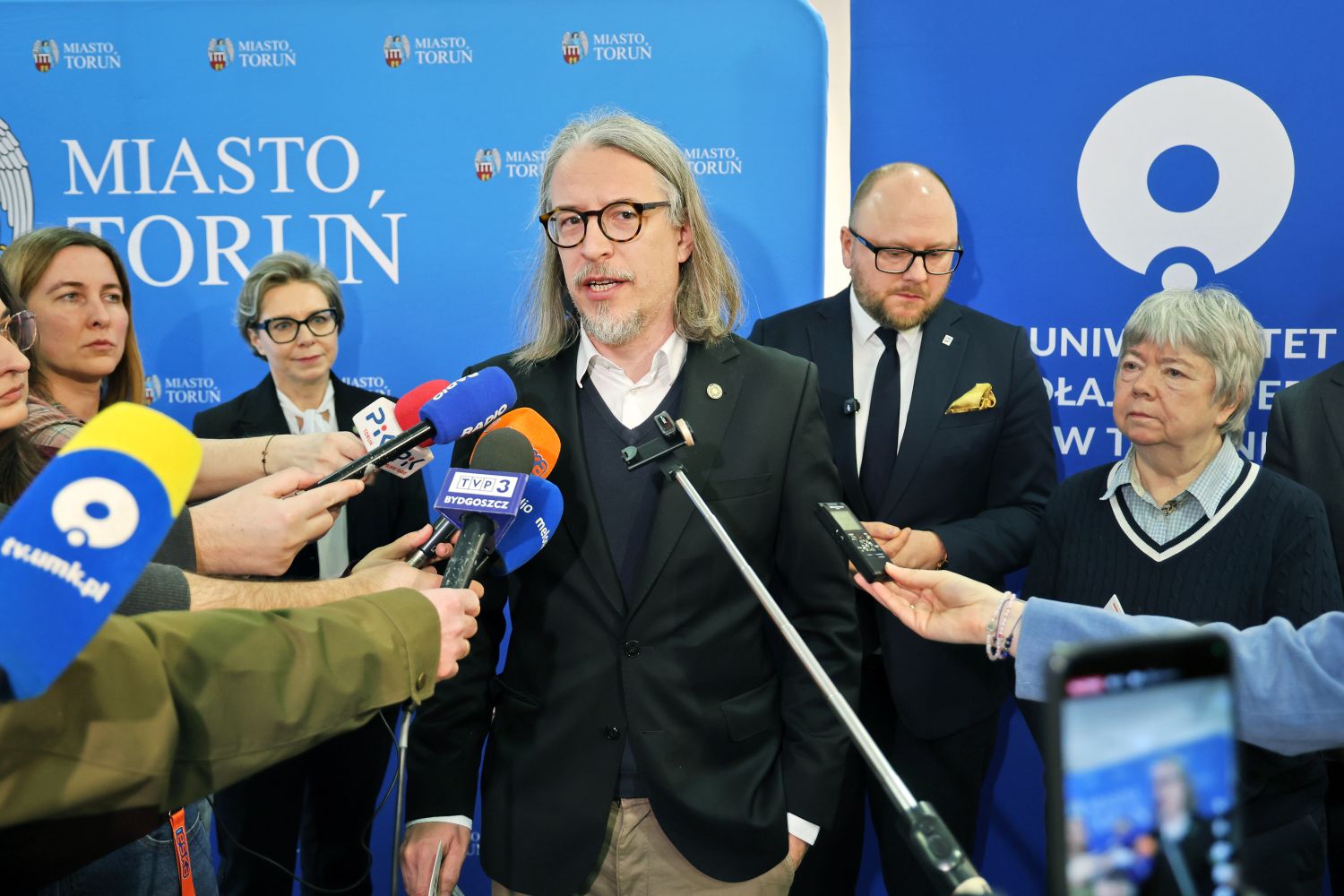
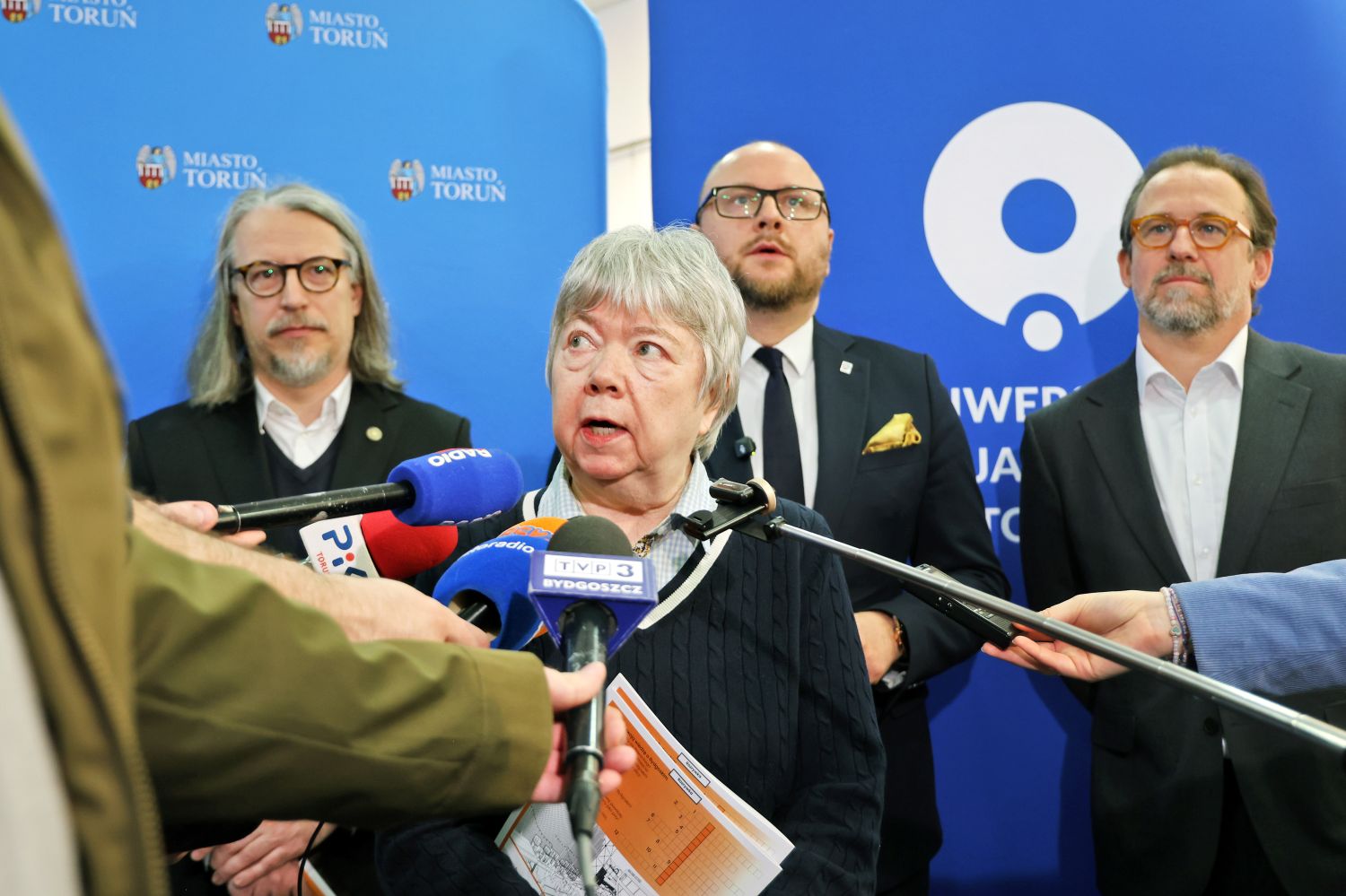
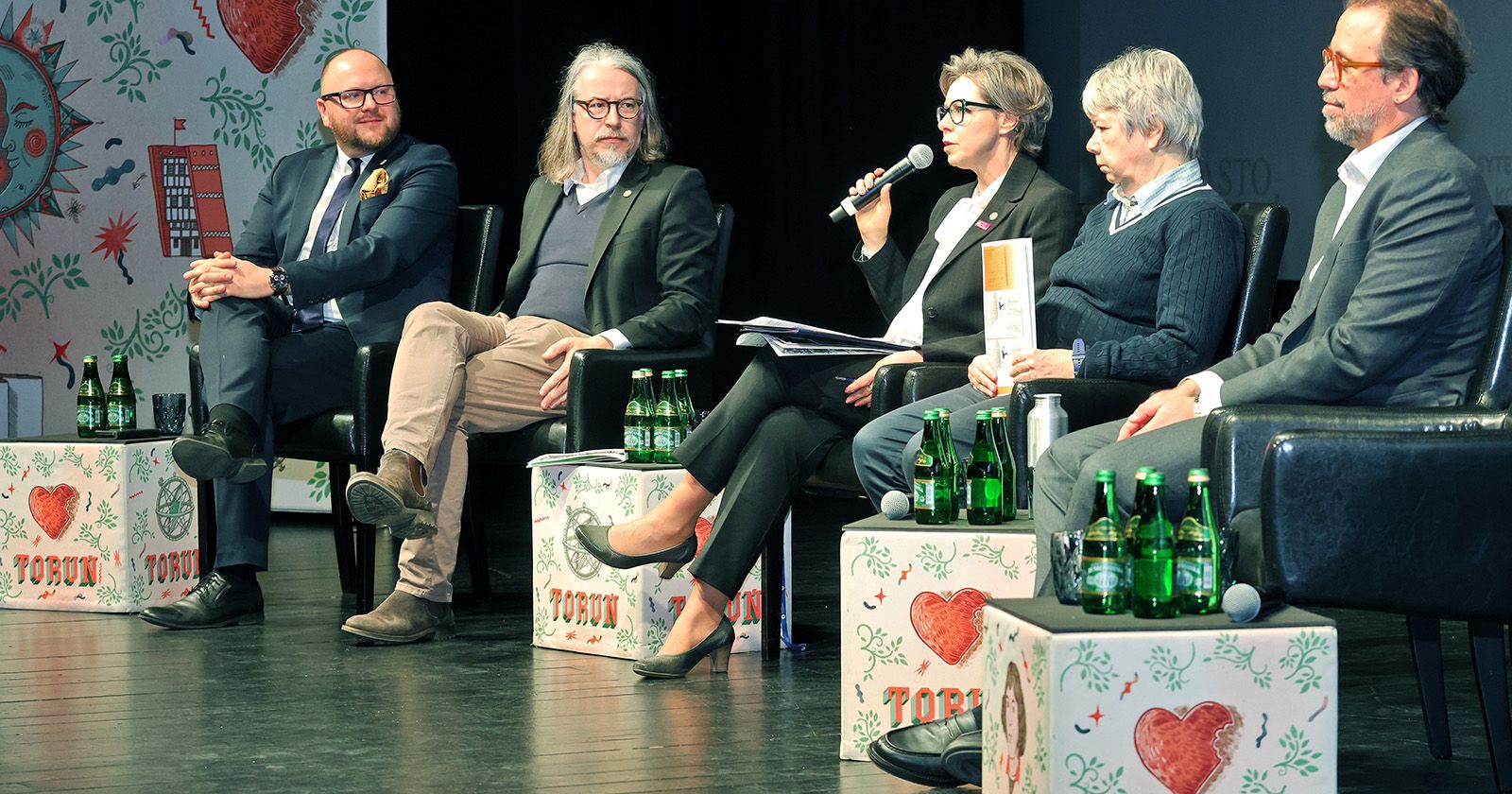
A creative district stretching from the City Park in Bydgoskie Przedmieście to the Od Nowa club, with the revitalised MZK tram depot playing a leading role – the authorities of Toruń and the Nicolaus Copernicus University presented the assumptions of the ISKRA project.
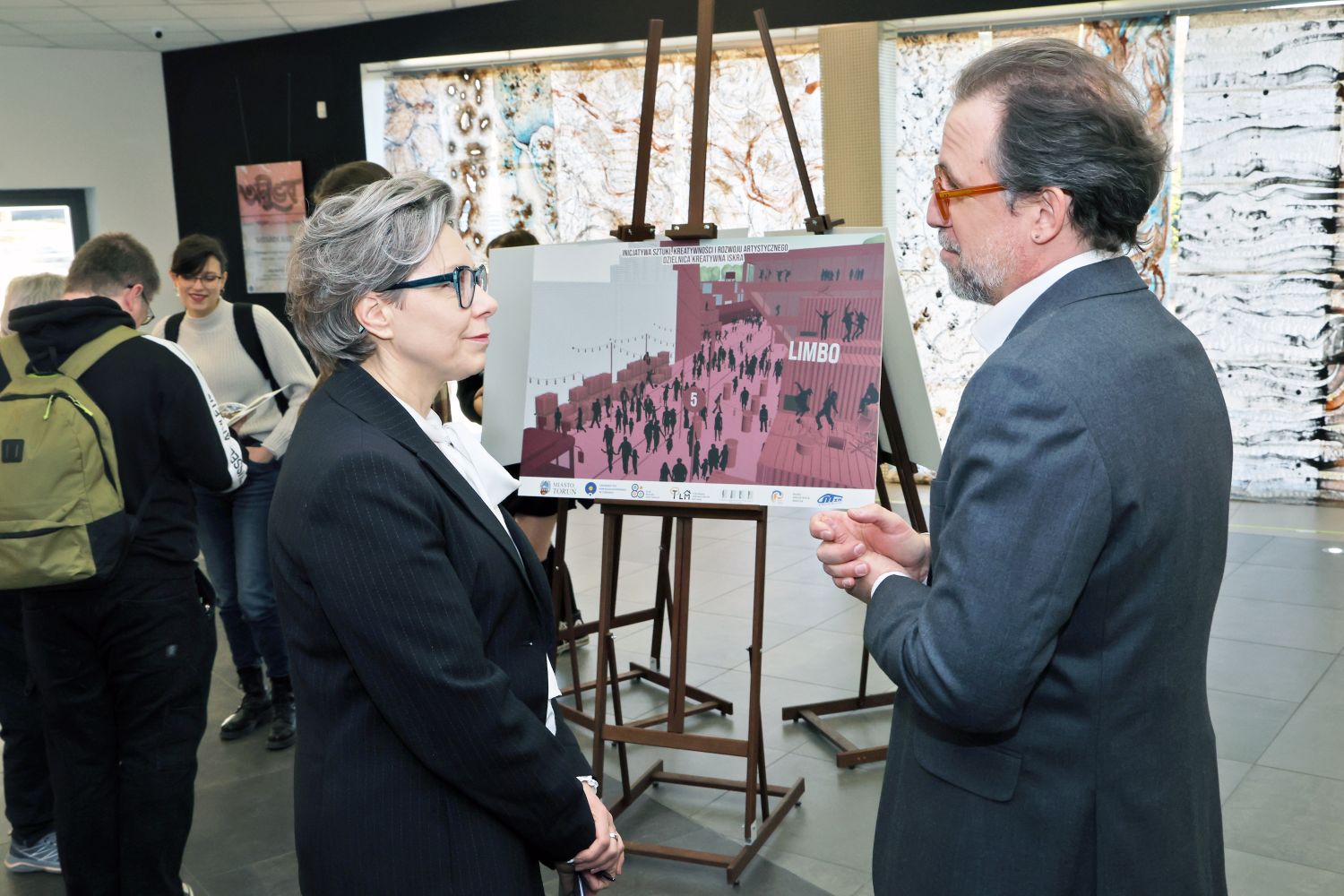
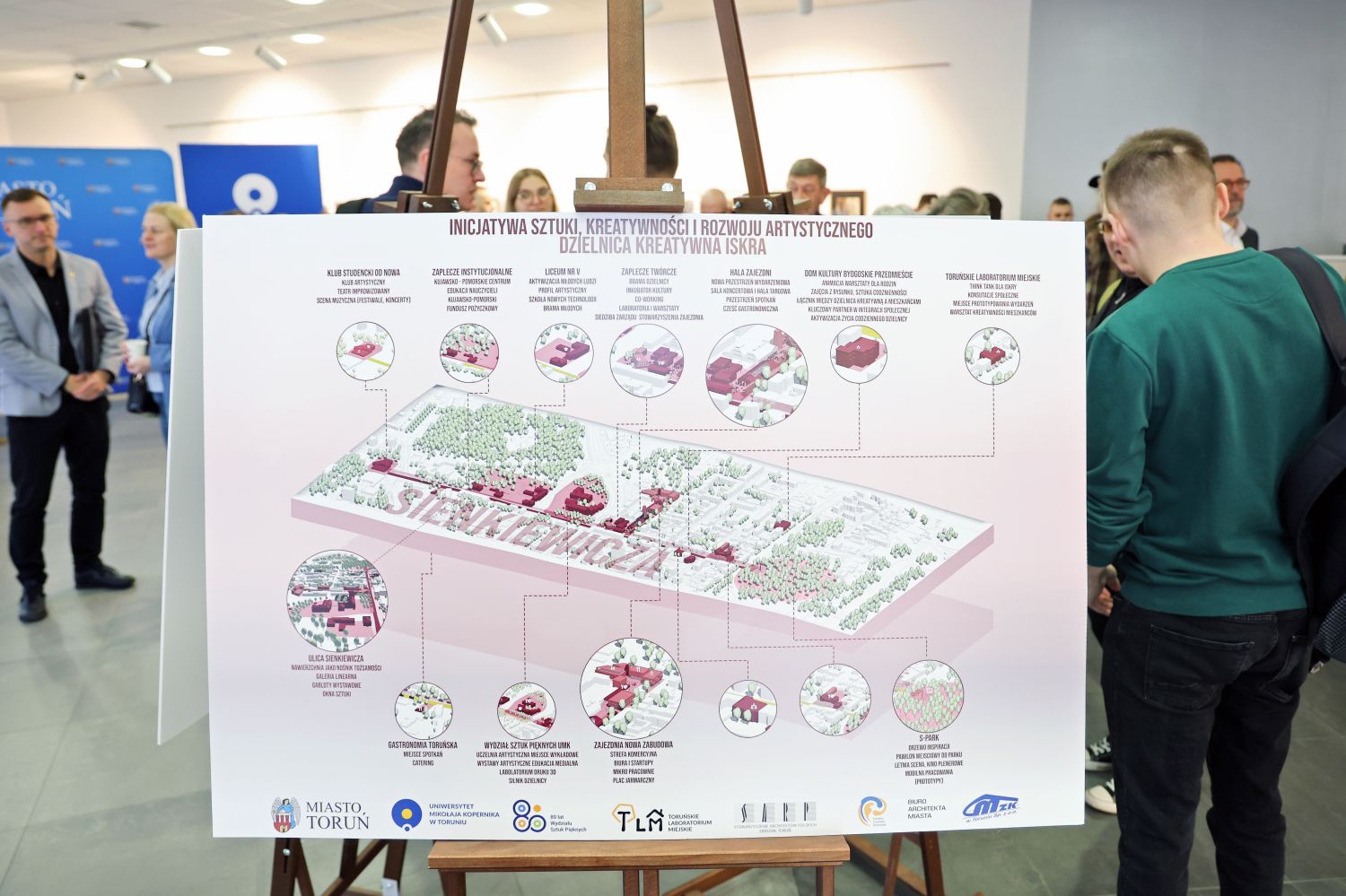
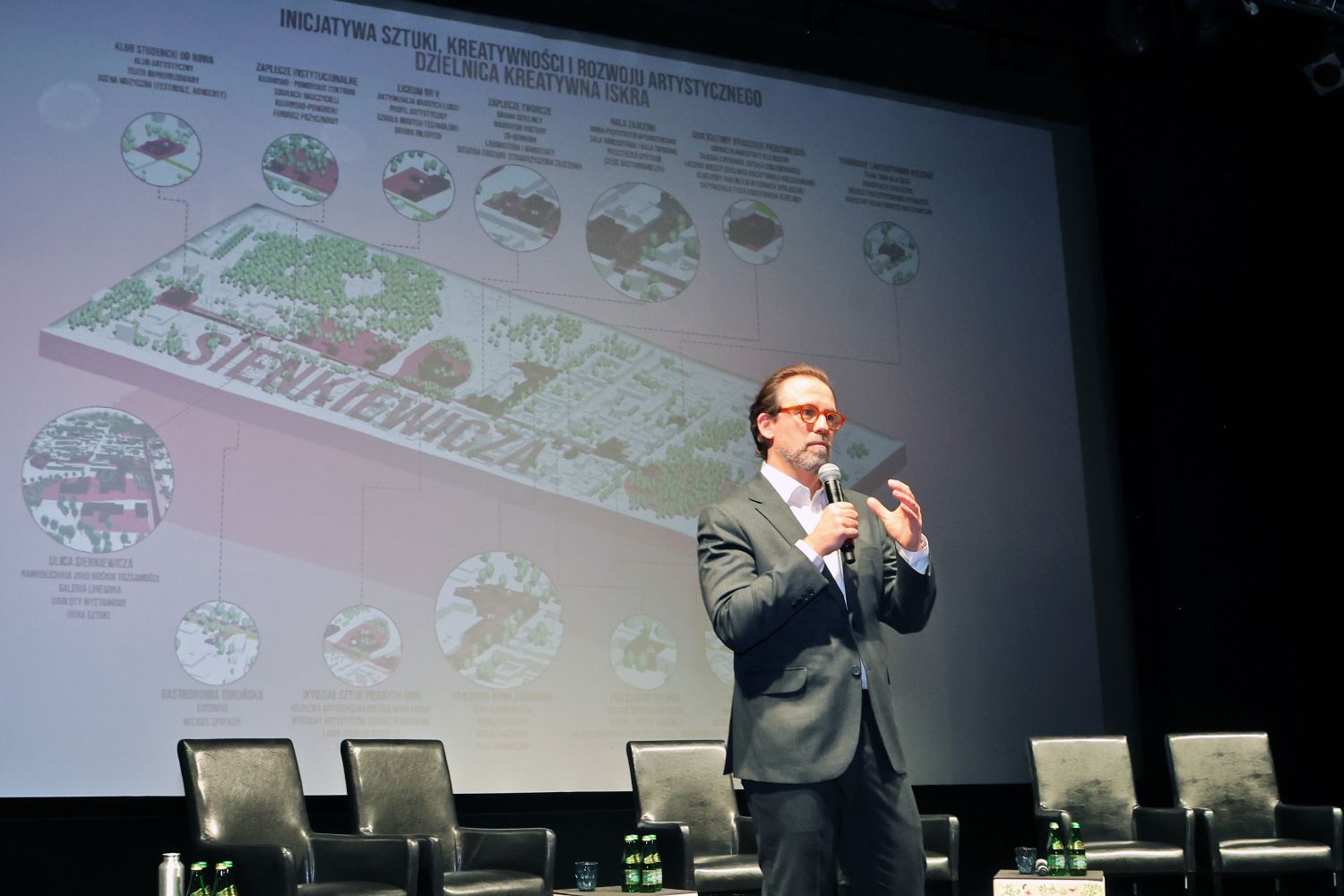
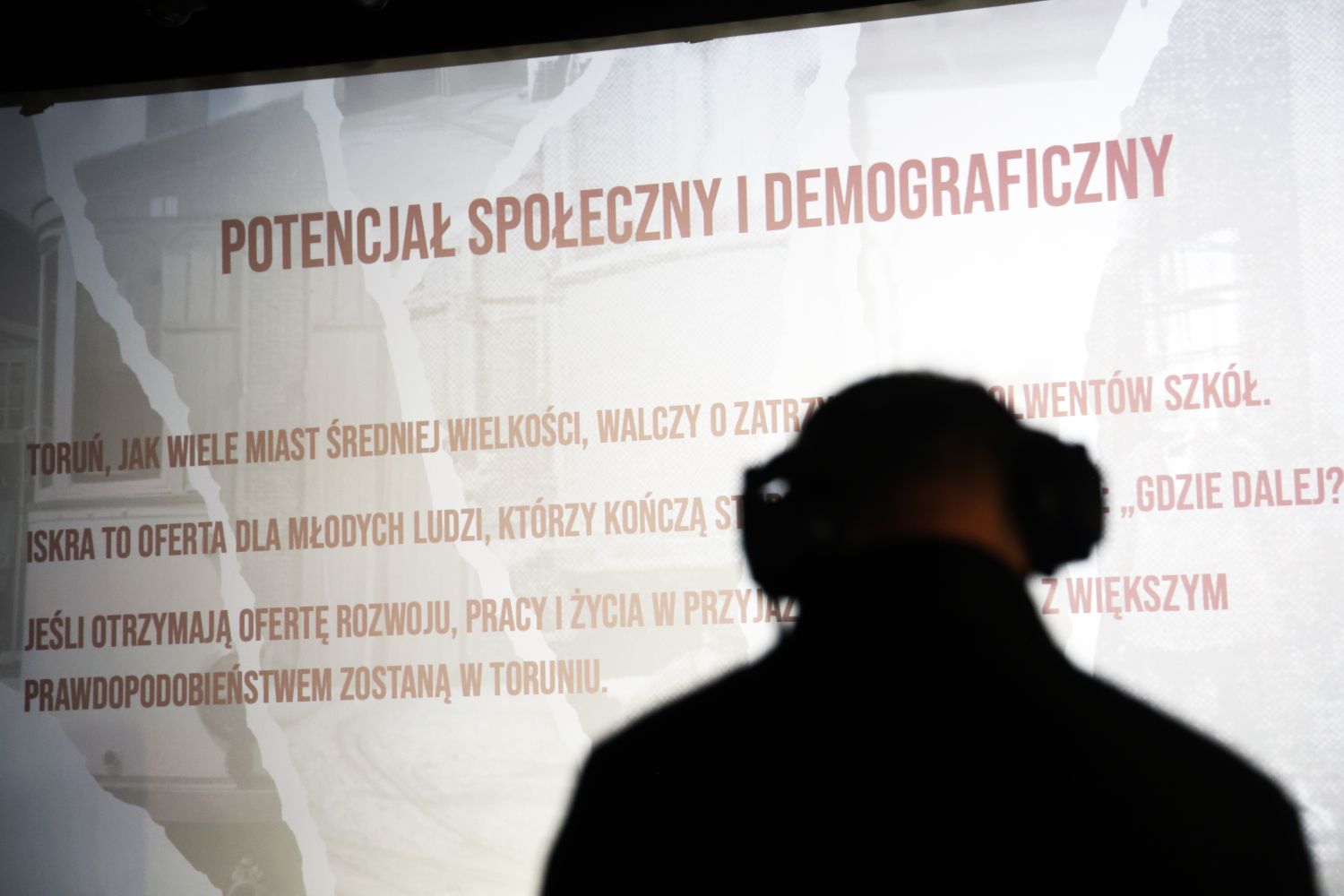
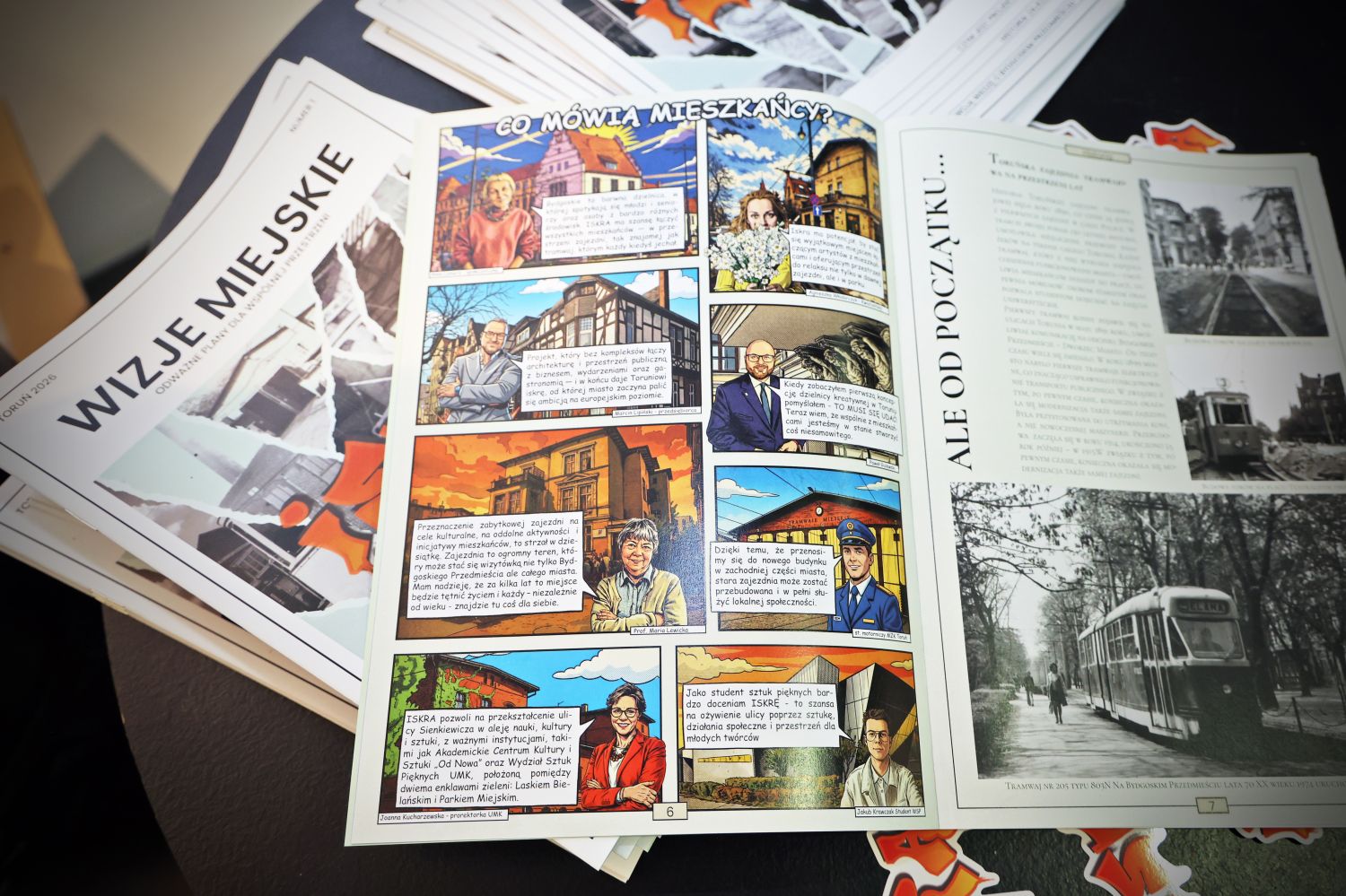
ISKRA, or the Initiative for Art, Creativity and Architectural Development, is to be a unique ecosystem where culture, art and gastronomy meet business, offering residents a space for organising events, creative work and everyday meetings. Its heart will be the revitalised tram depot area on Sienkiewicza Street. This is where the following are planned: a concert hall and market hall, a food court, space for art studios and start-ups.
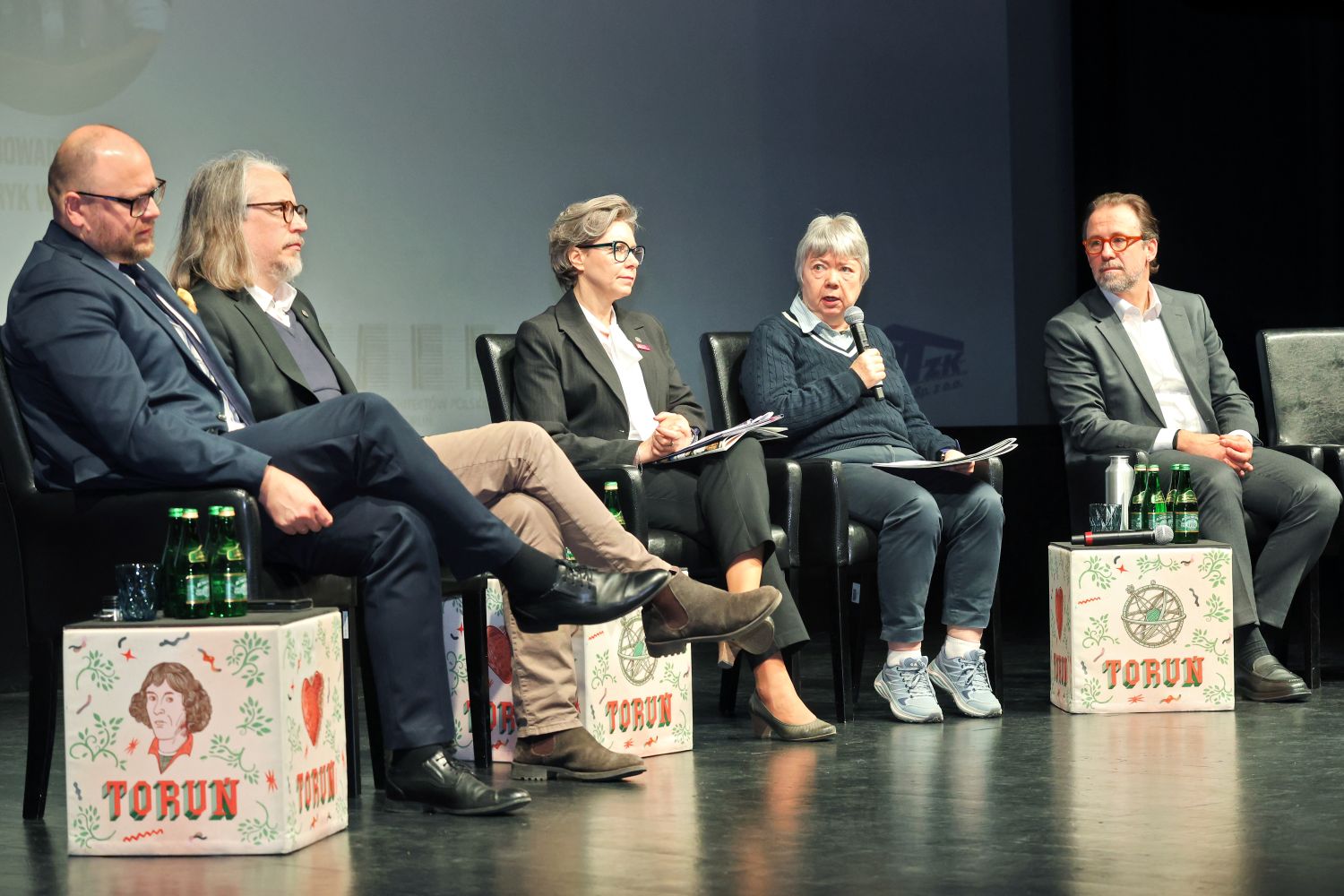
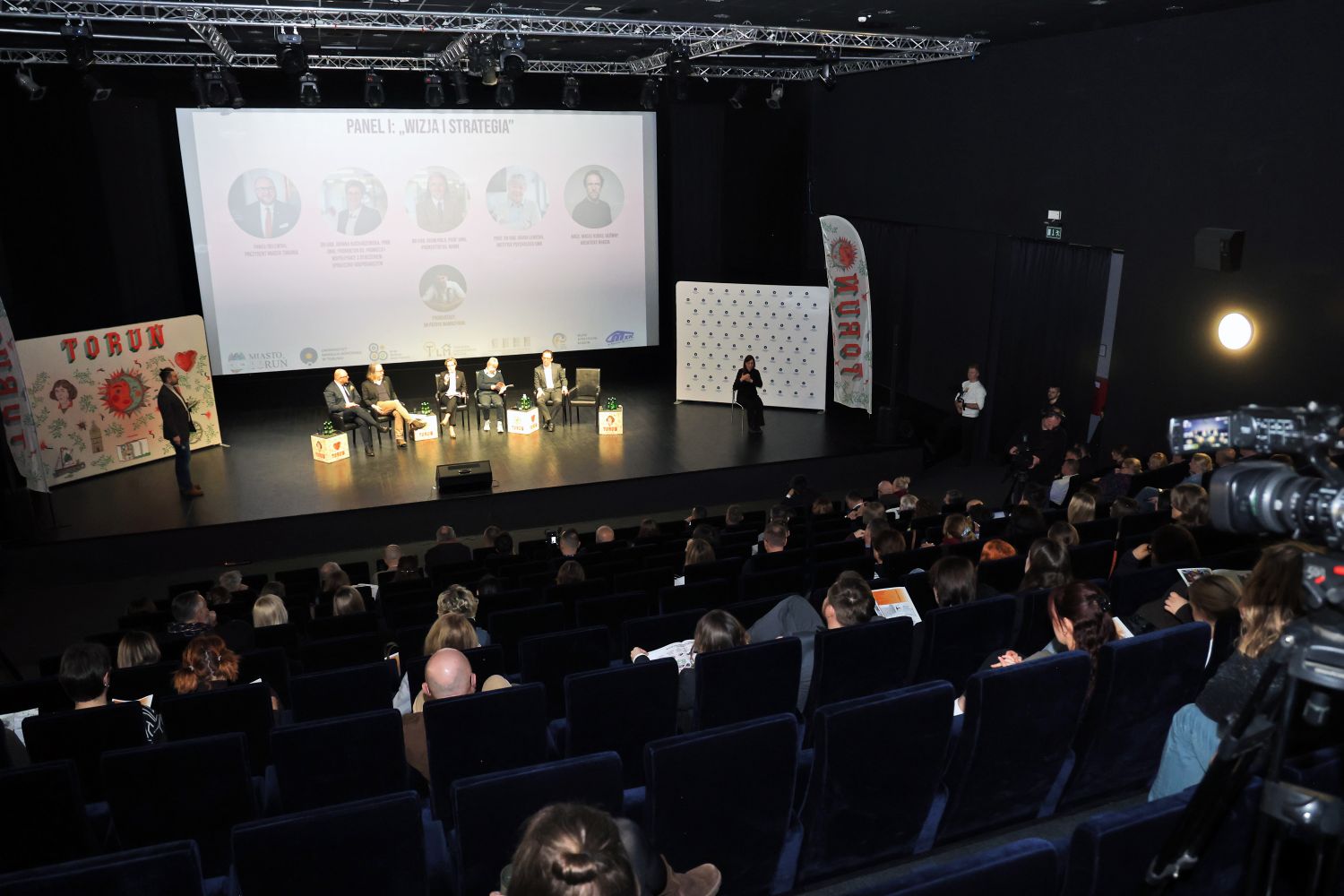
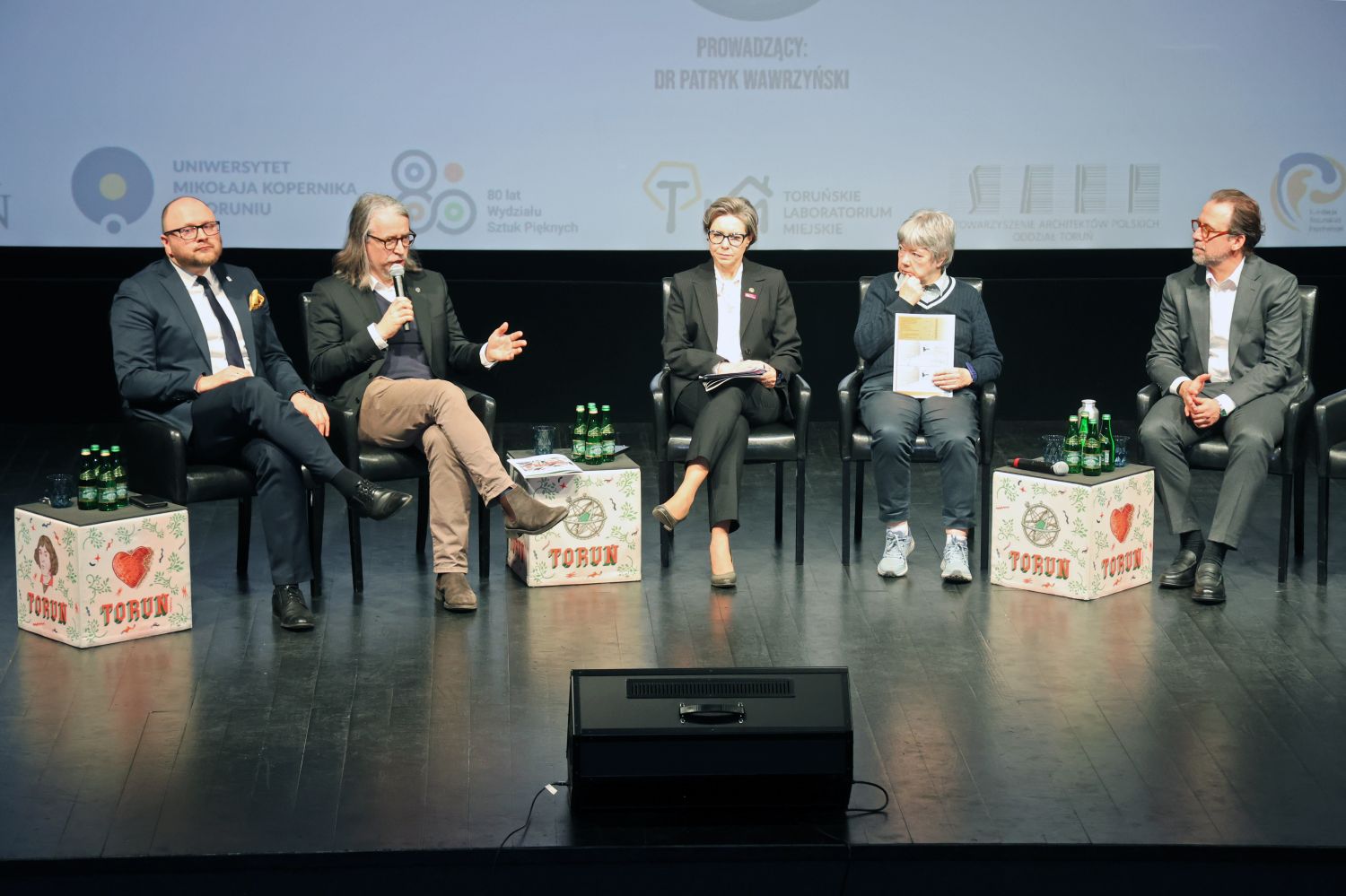
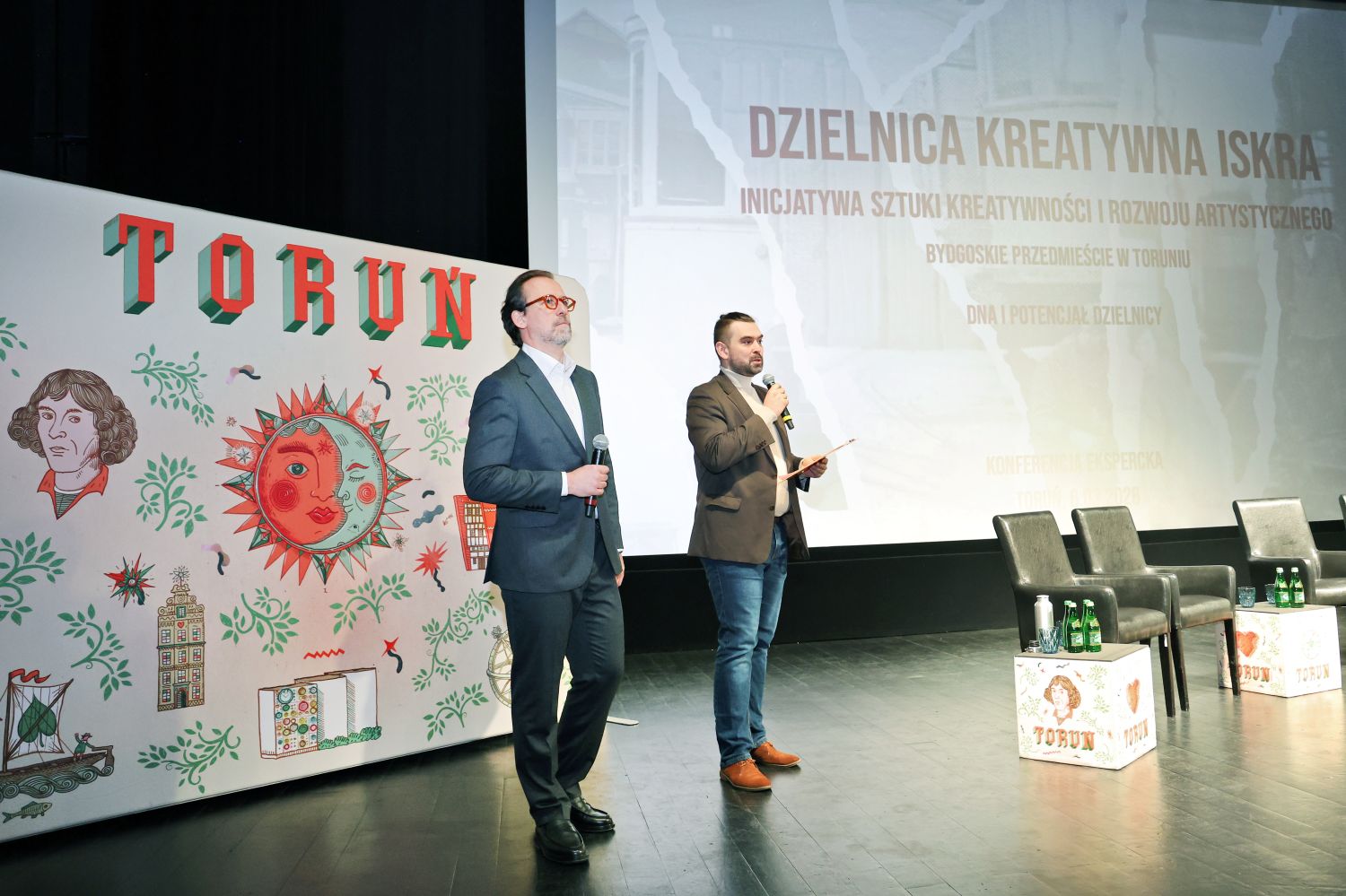
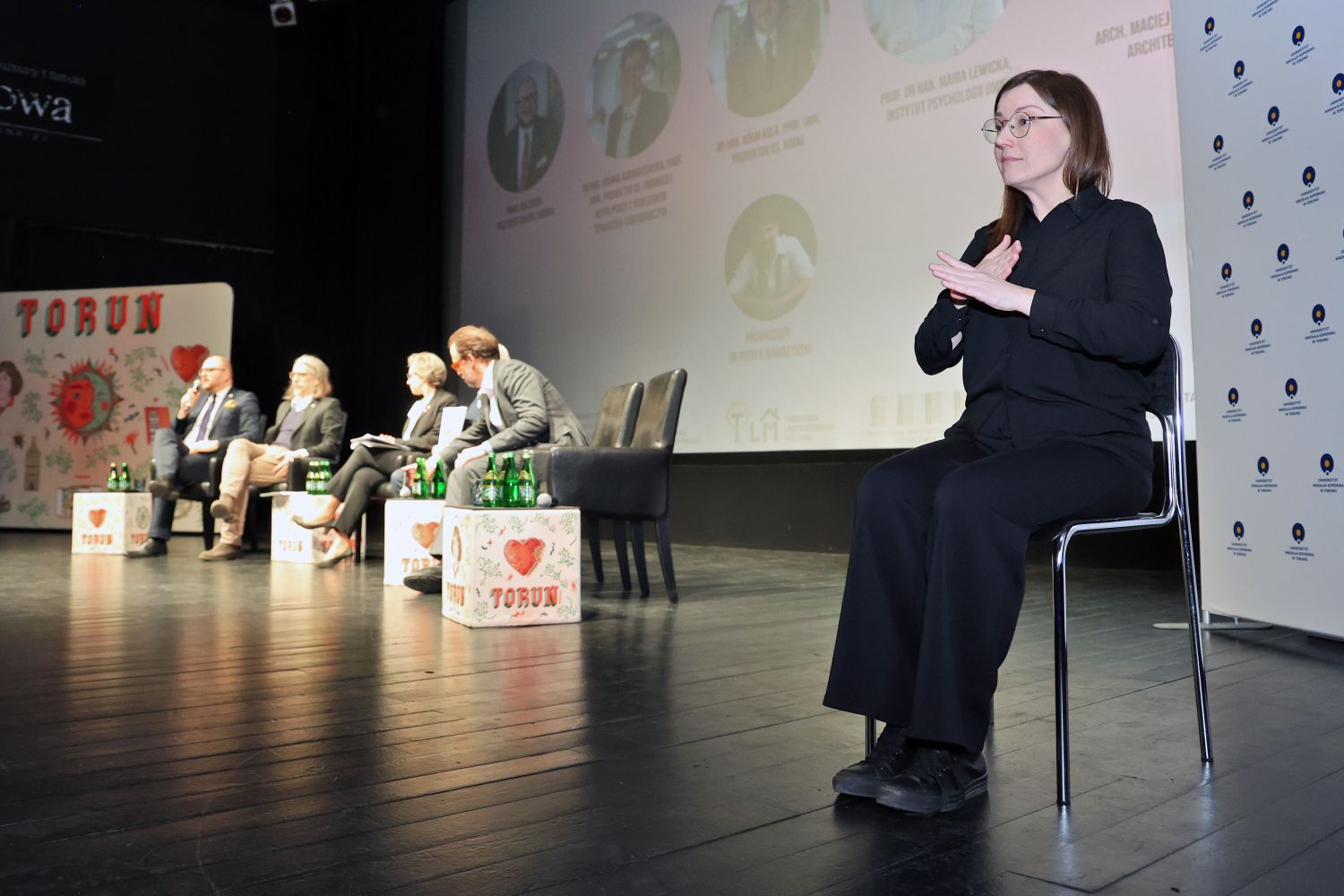
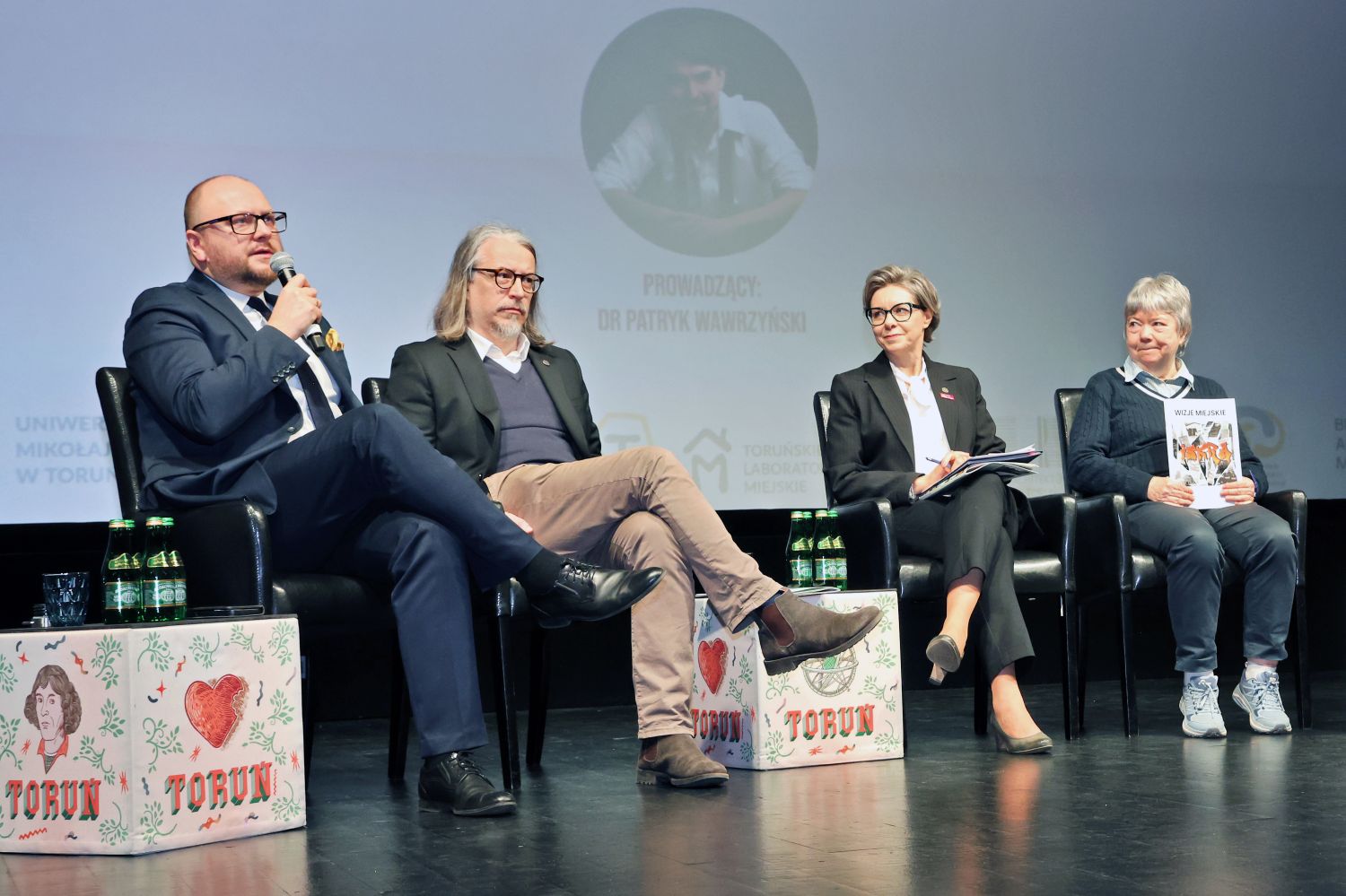
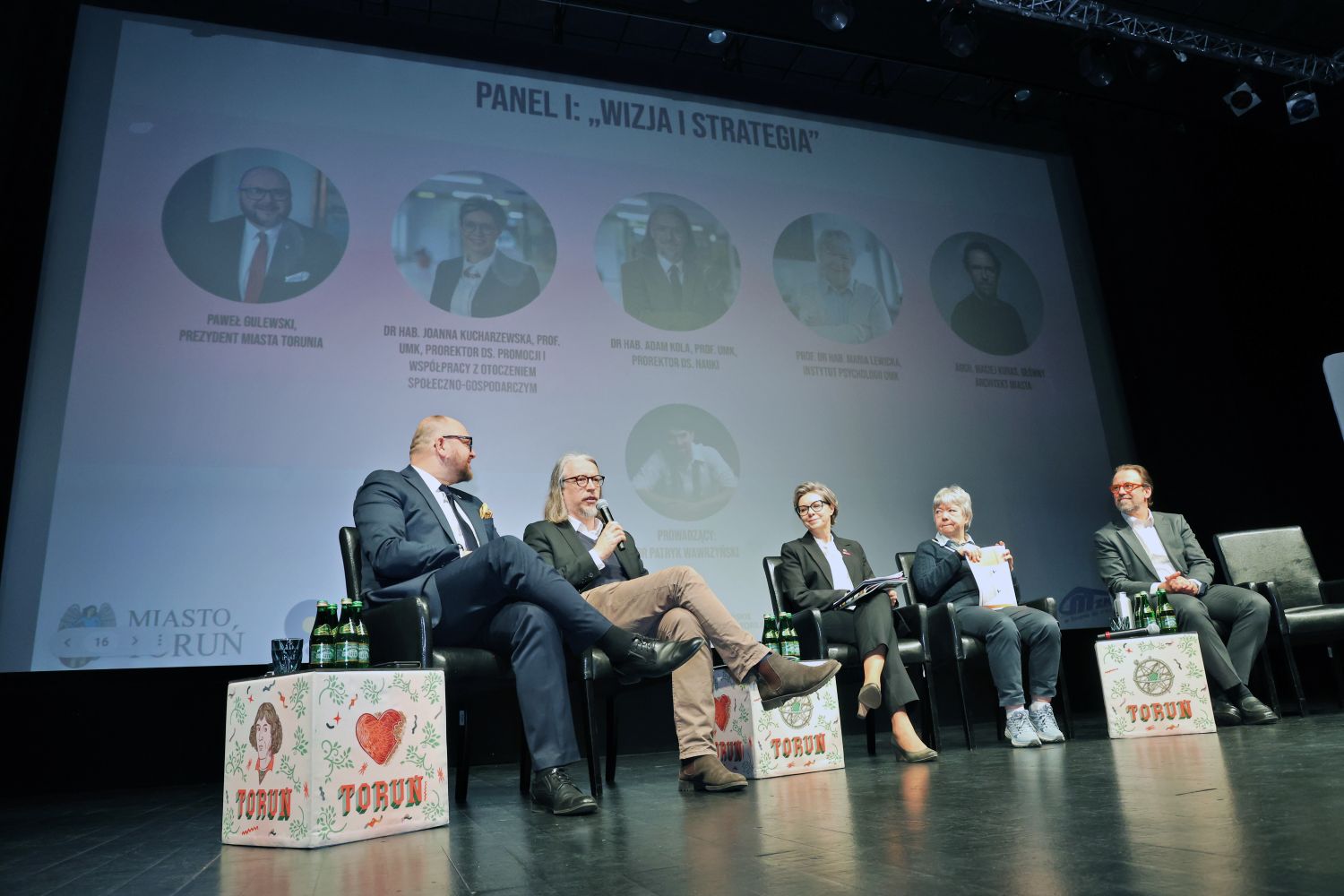
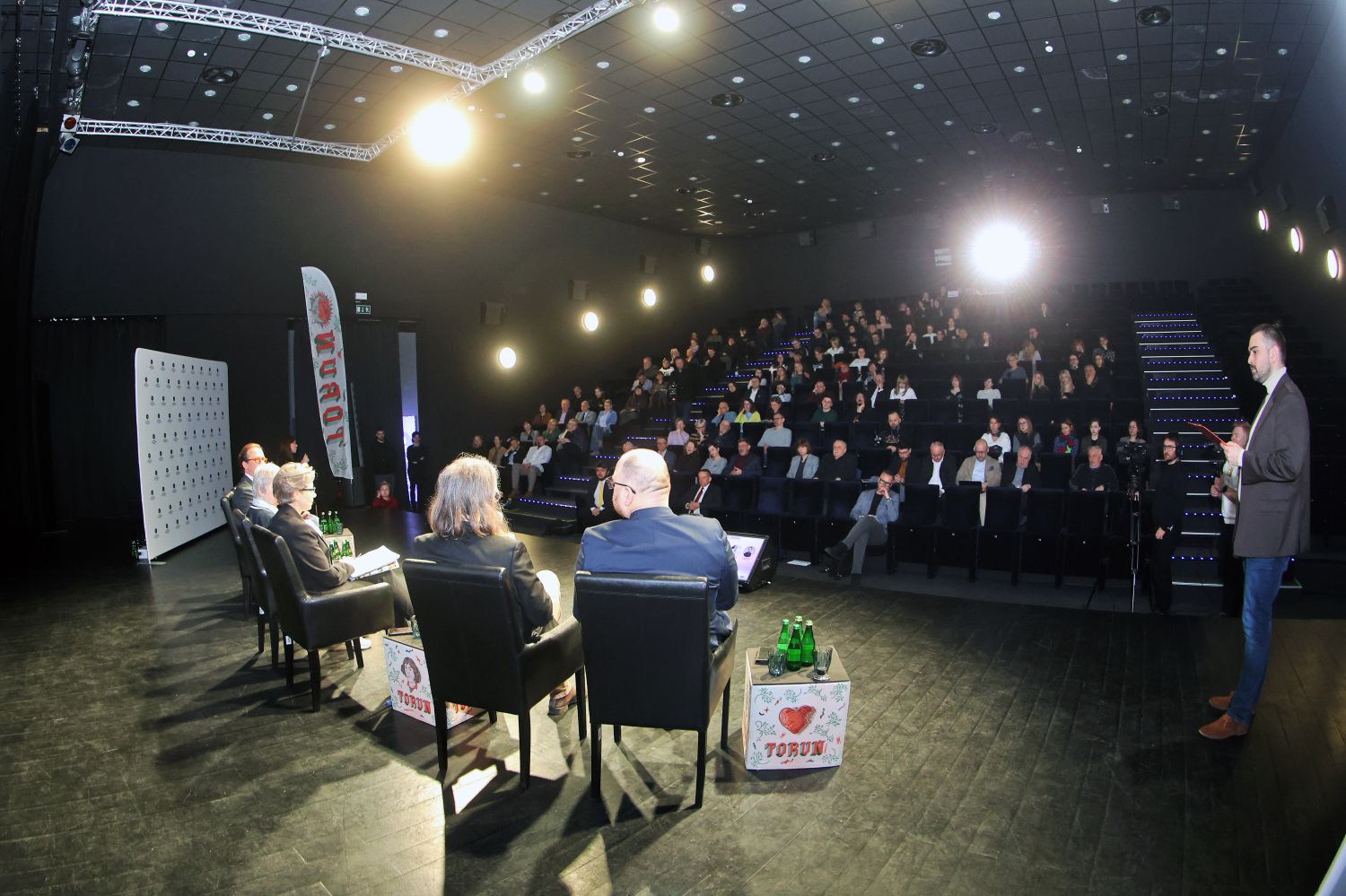
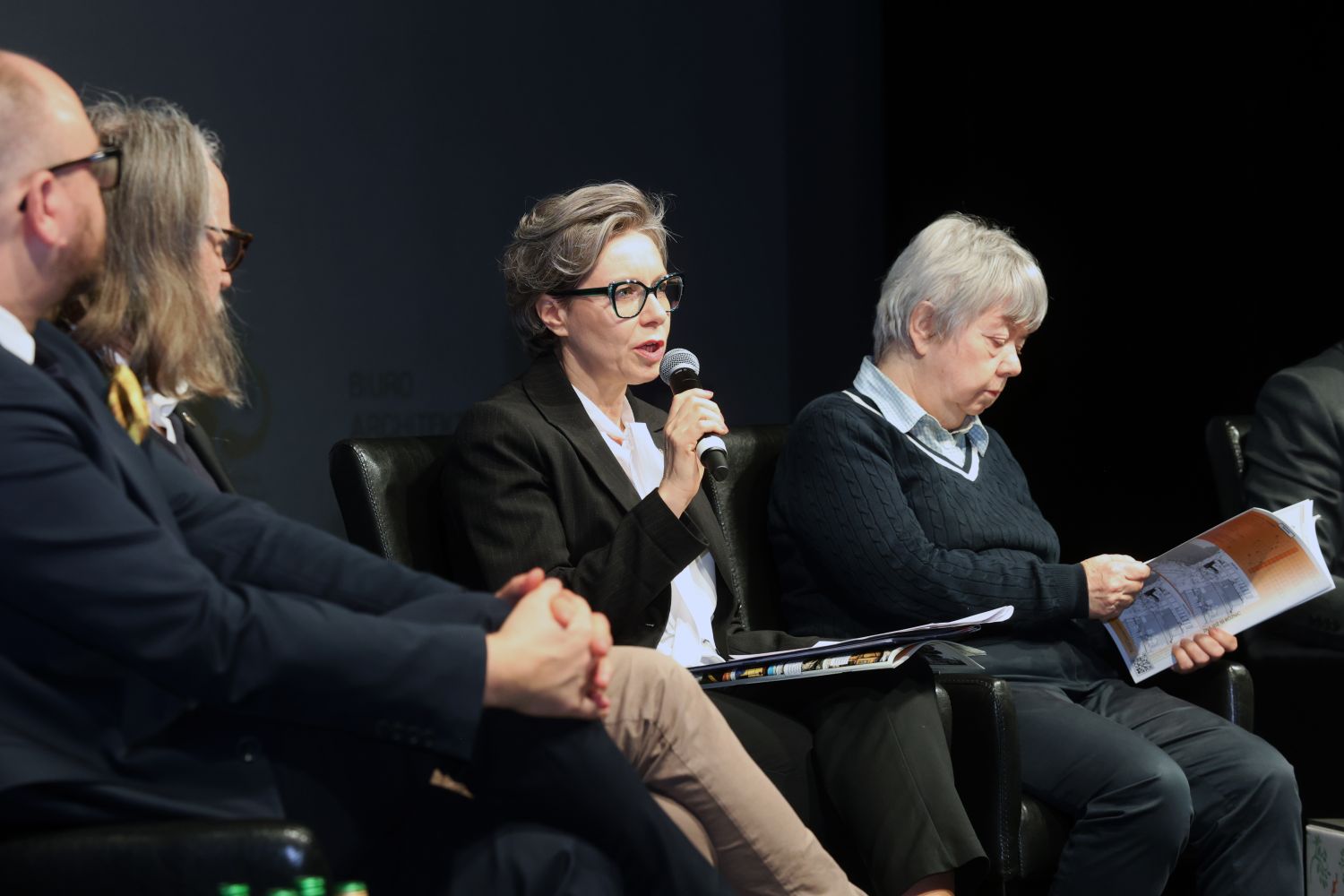
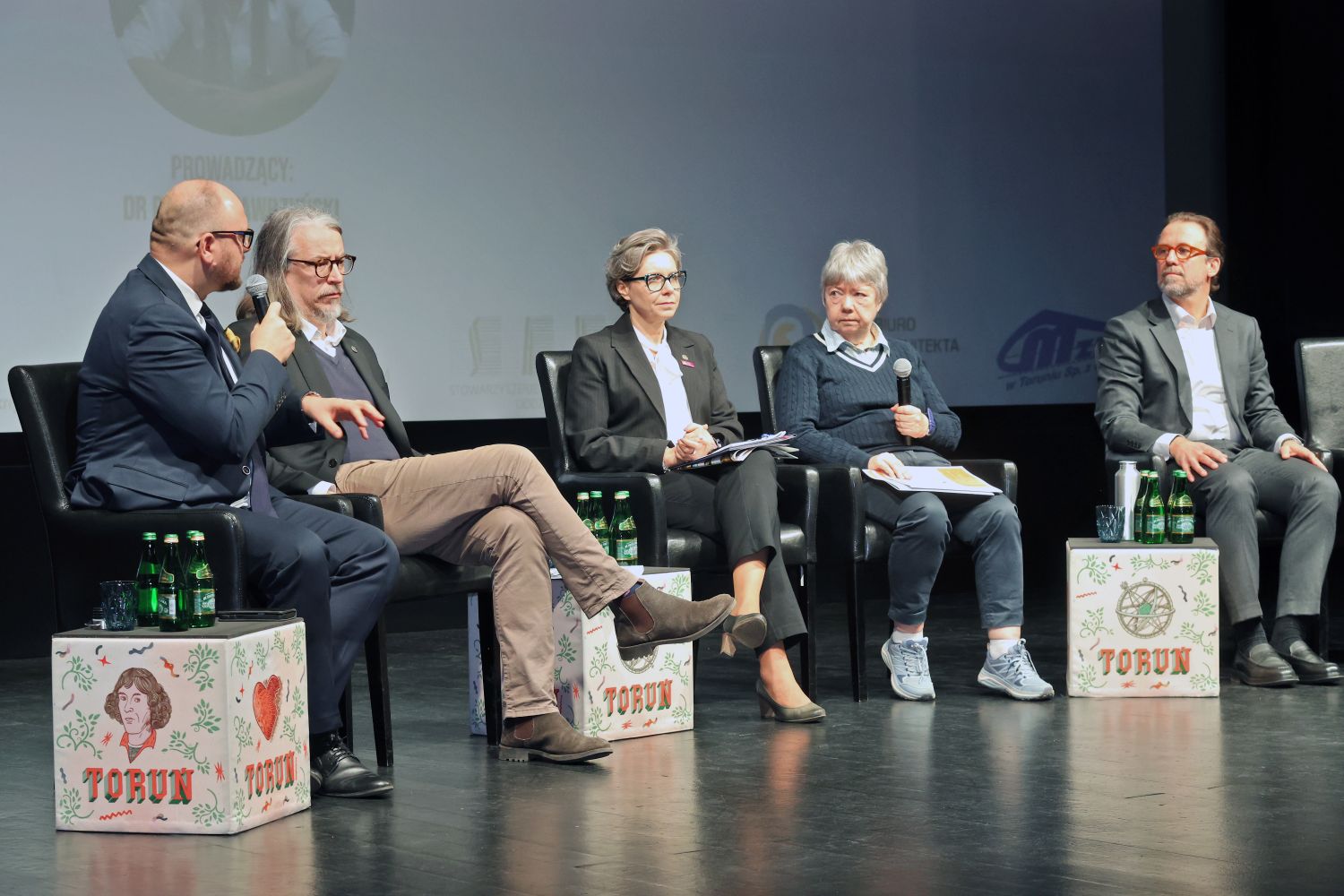
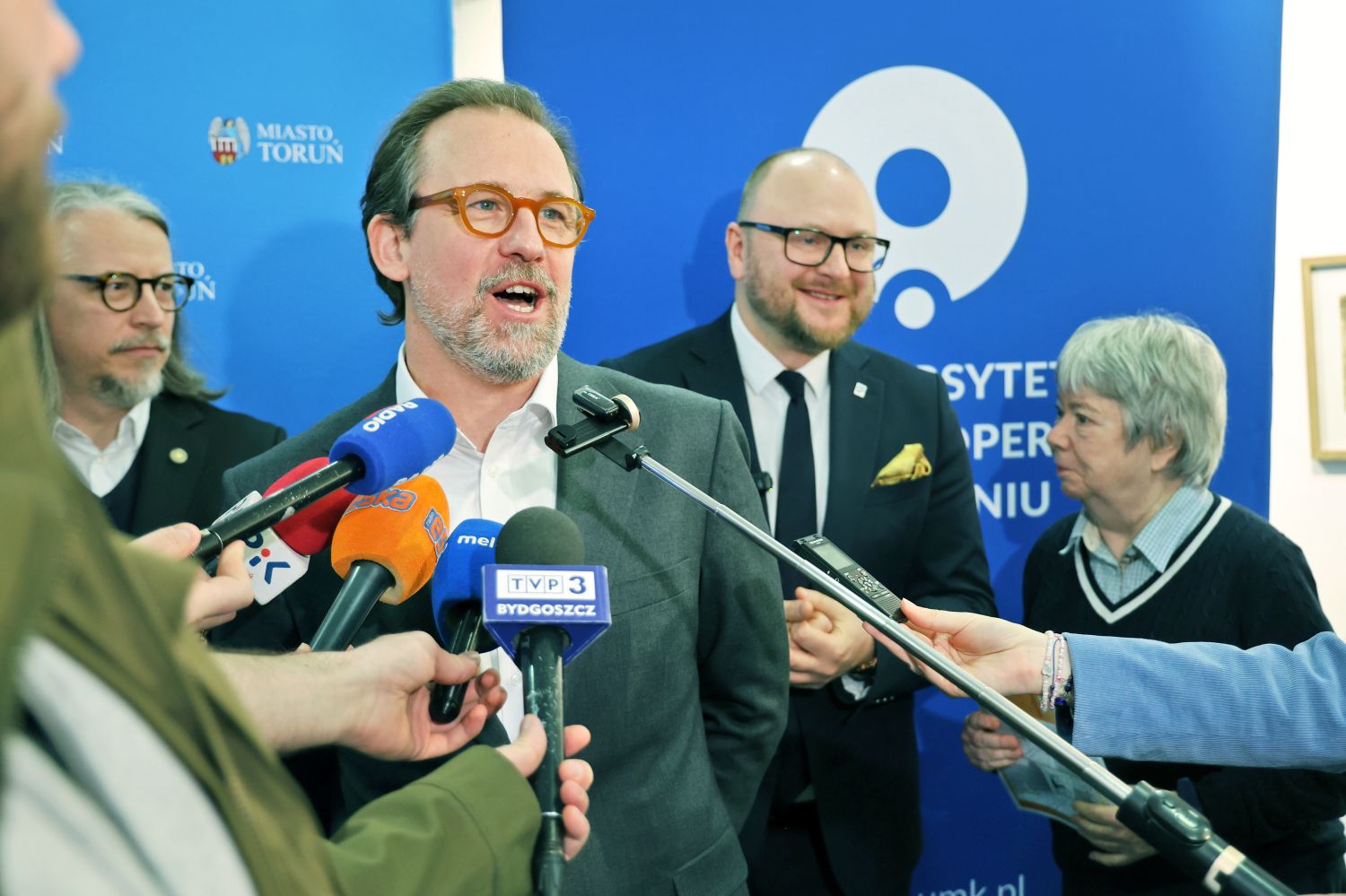
“ISKRA is to be an architectural and social laboratory of the city of the future, a place where culture, education, innovation and everyday life function together," says Maciej Kuras, chief city architect and author of the concept presented on Friday during a conference at the Od Nowa club. “We are not creating another institution. We are designing an urban structure that connects people, ideas and space. The choice of the depot and the axis of Sienkiewicza Street is not accidental. It is a part of the city with high urban capacity, with existing infrastructure for culture, education and neighbourhood functions.
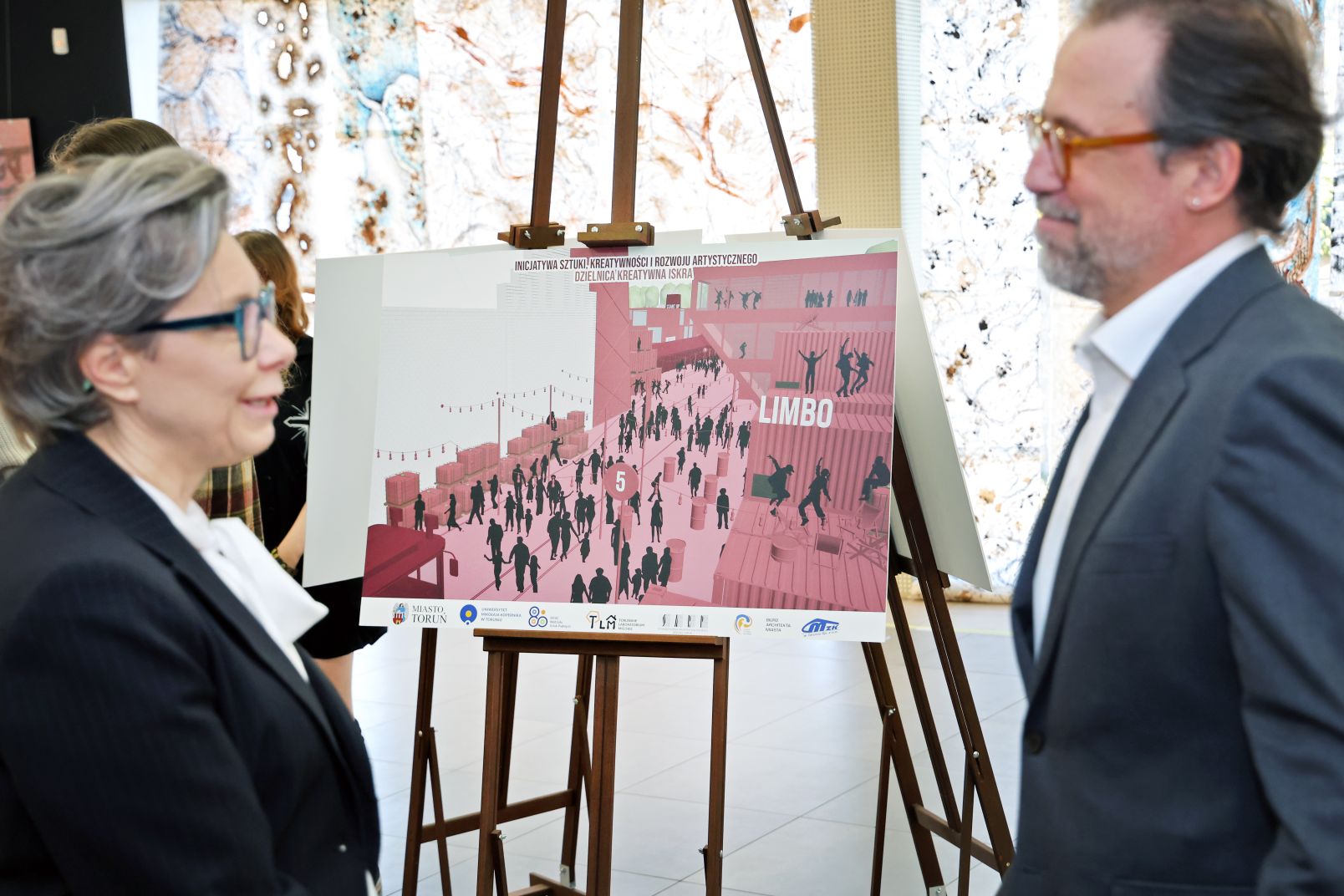
This space includes the Nicolaus Copernicus University with its Faculty of Fine Arts, the former building of the Department of Sculpture and the Od Nowa club. Dr habil. Joanna Kucharzewska, NCU Prof. and Vice-Rector for Promotion and Cooperation with the Business Environment, drew attention to the axis of culture, science and art created by Sienkiewicza Street: walking from the forest in Bielany towards the City Park, we pass, among others, the buildings of the former teacher training college, preparatory schools, a depot and a public school located at 6/8 Sienkiewicza Street.
We have a genius loci here, a spirit of place that we should cherish, honour and use to create something of our own, for ourselves, in this space, says Prof. Joanna Kucharzewska. "In February 2022, when I was Dean of the Faculty of Fine Arts, together with Beata Piaskowska, an architect from our faculty, and Vice-Dean dr Karolina Zimna-Kawecka, we prepared a project to revitalise the building at 6/8 Sienkiewicza Street. We had an idea for a multifunctional space, which we can now expand to include a depot. This area should house a cultural education centre offering classes for students of the Children University, Third-Age University, as well as various training courses and postgraduate studies, and a gallery that could be supervised by employees of the Faculty of Fine Arts.
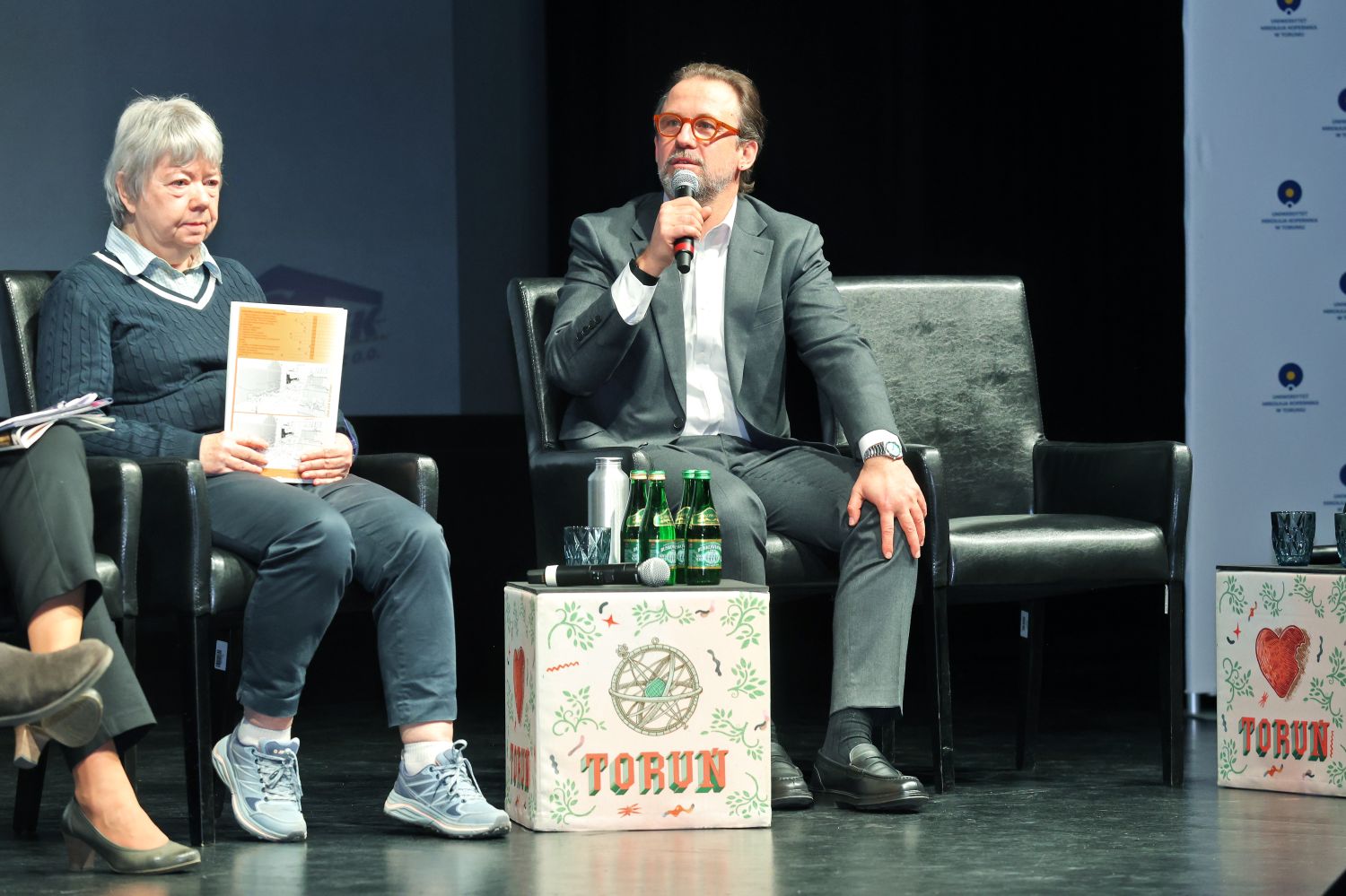
Dr habil. Adam Kola, NCU Prof. and Vice-Rector for Science, spoke about the problem of dropout, i.e. students leaving university before obtaining their degree, which is faced by universities around the world. This is a common challenge for the city and the university. Many people leave during their studies for larger centres, looking for new attractive places and well-paid jobs. A creative district could provide them with both. 'In addition, we are currently observing a social crisis in science on a global scale,' said Prof. Adam Kola. “We must seek a new language of communication to show what scientific discoveries bring to society. Art is a great tool for talking about science and scientific discoveries in a way that is attractive to people. As a large, broad-based university, we have this potential and we must use it for the good of our city."
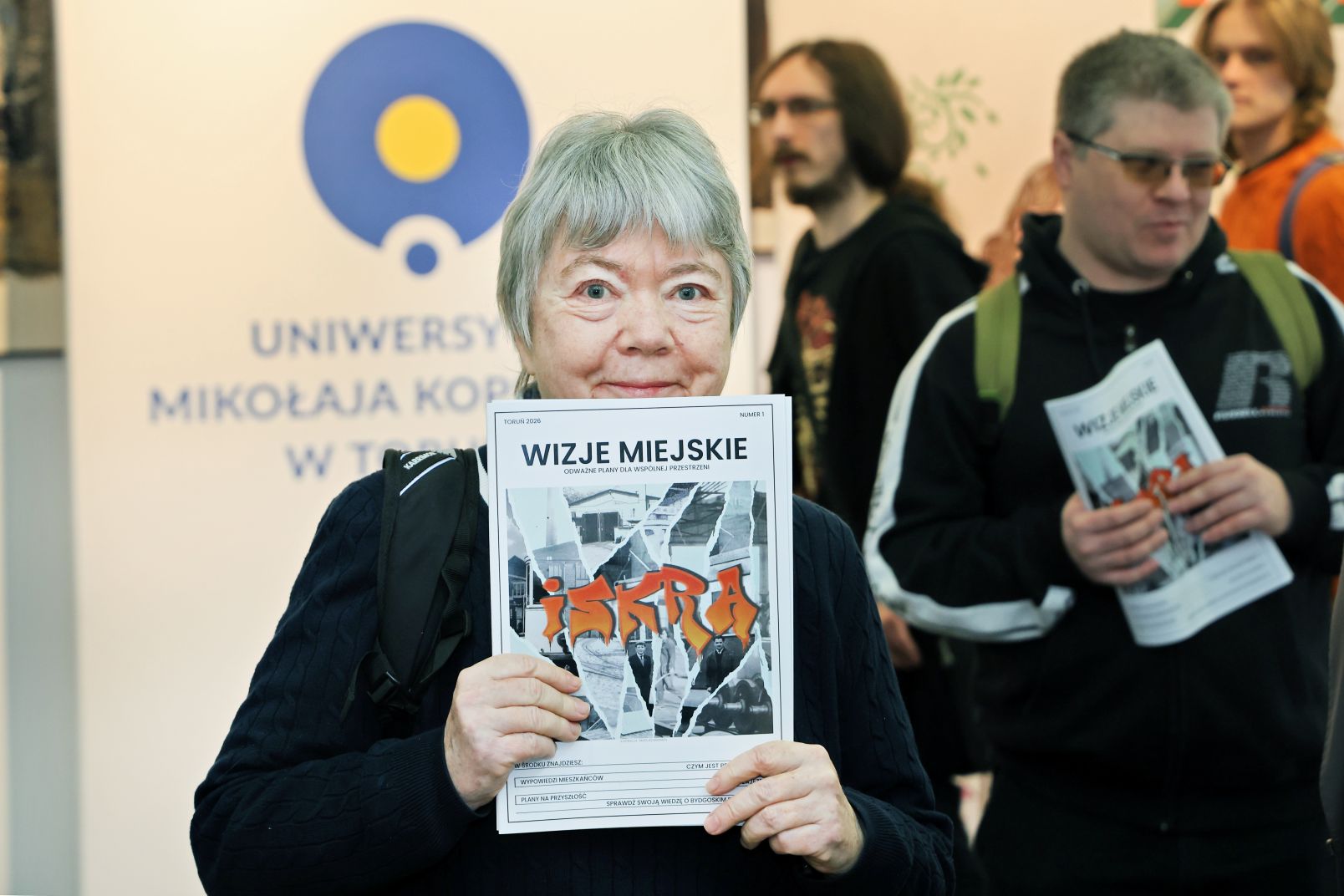
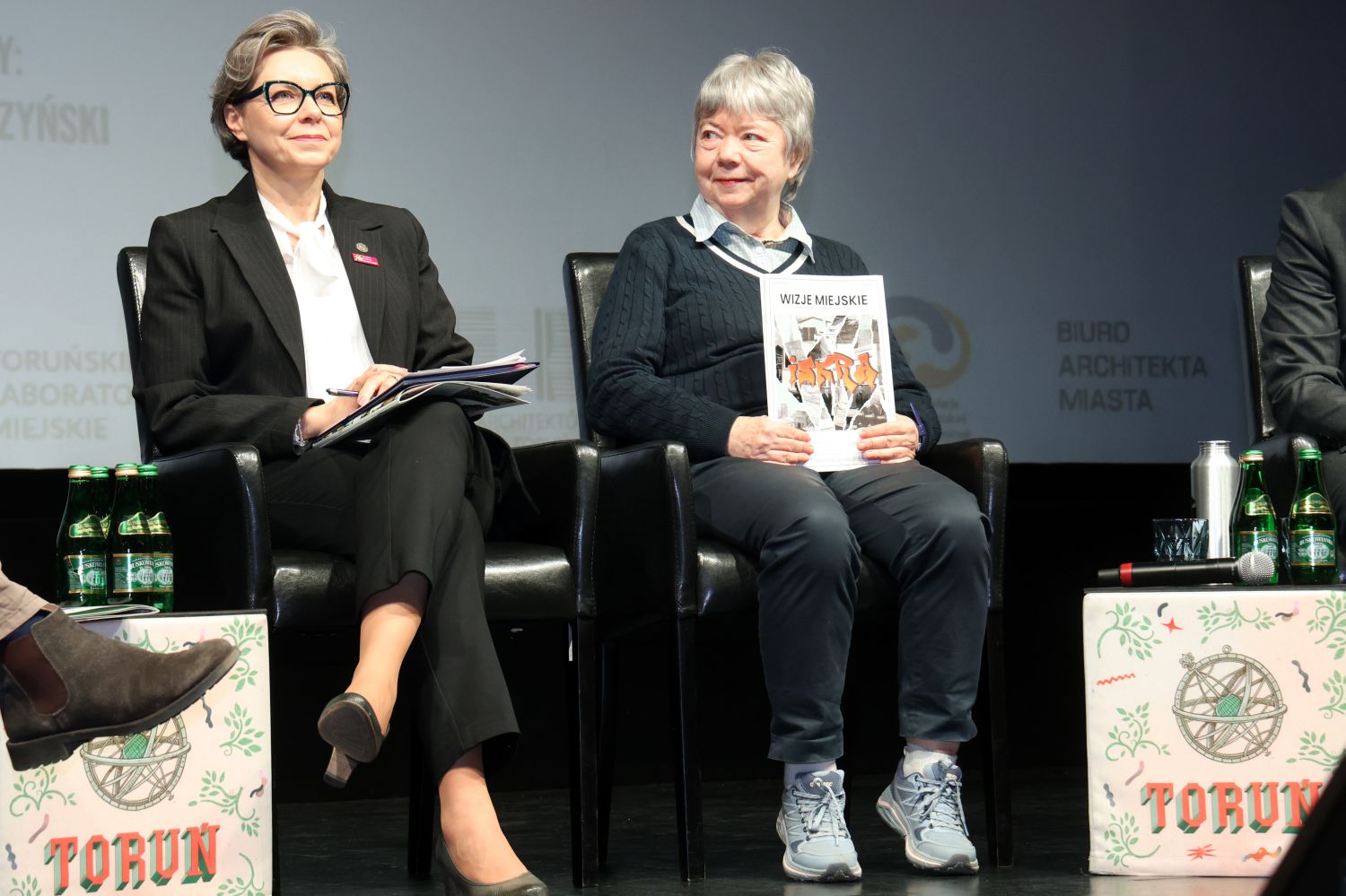
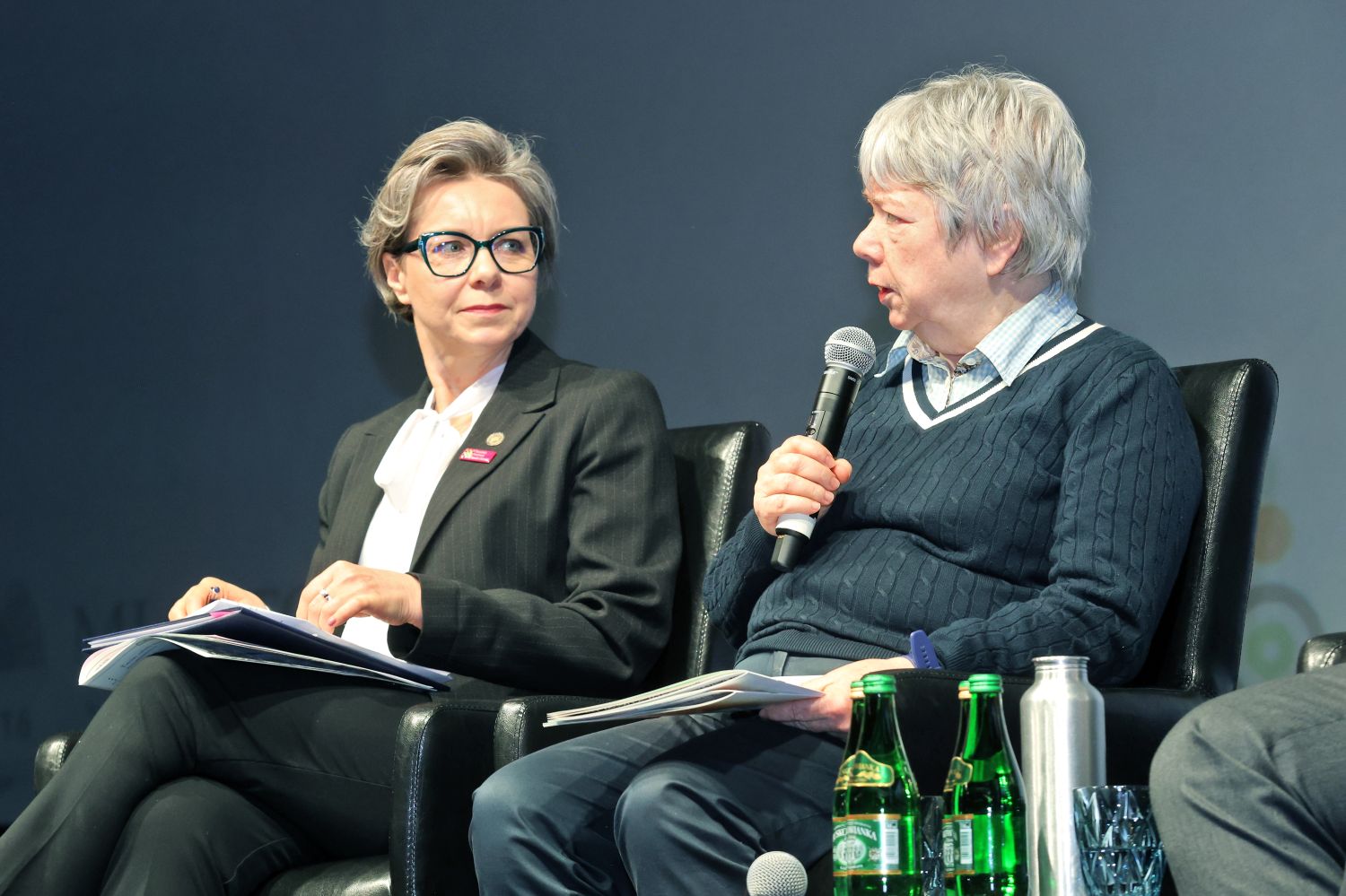
Prof. dr habil. Maria Lewicka from the Department of Social and Environmental Psychology at the Institute of Psychology at the Nicolaus Copernicus University, who has surveyed residents of dozens of cities during her academic career, has noticed that those from medium-sized centres, such as Toruń, point to a lack of good jobs and the fact that there is 'nothing to do' in their city. 'The depot is supposed to be a place, a space where no one should complain about boredom,' assures Prof. Maria Lewicka.
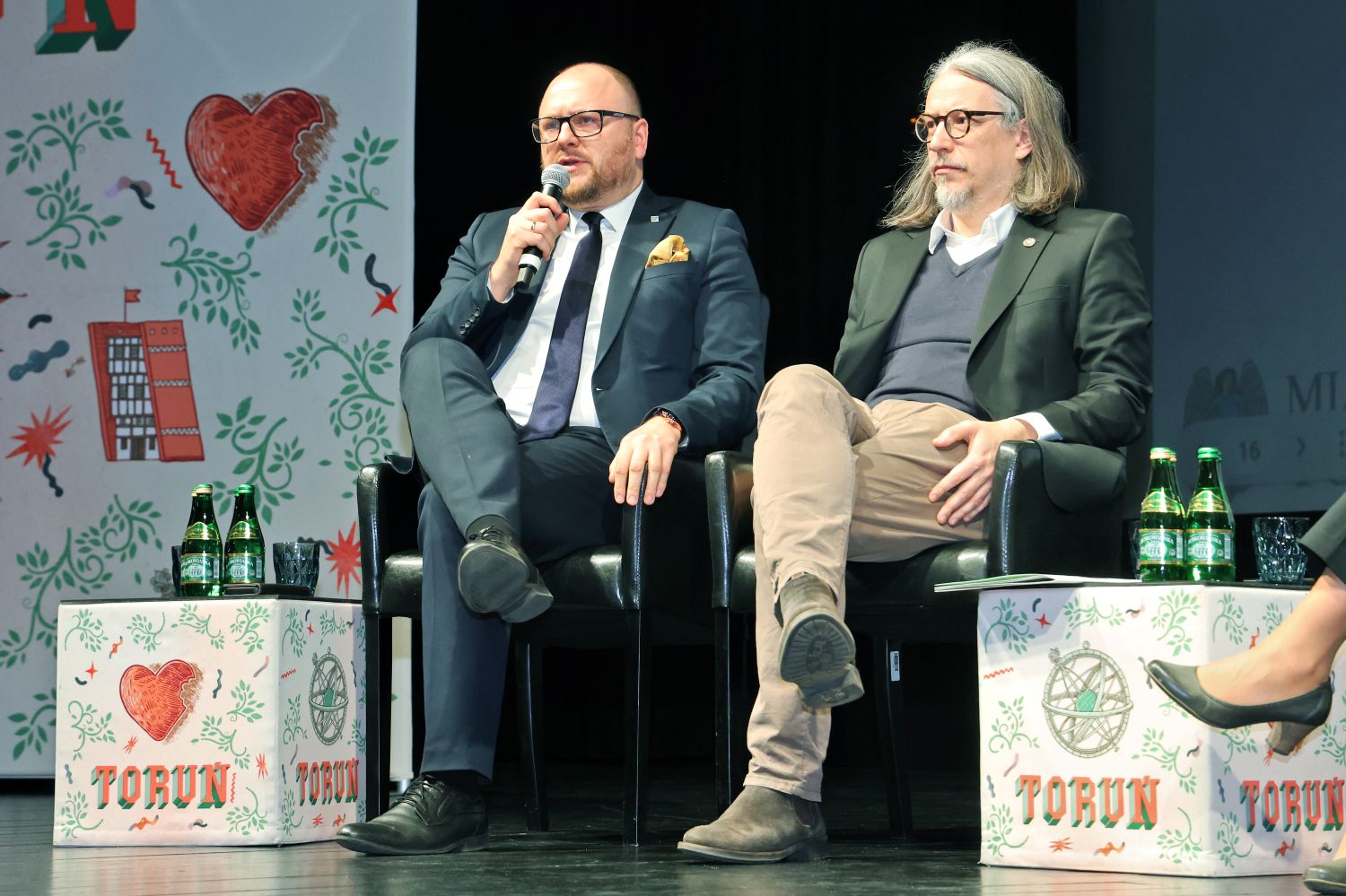
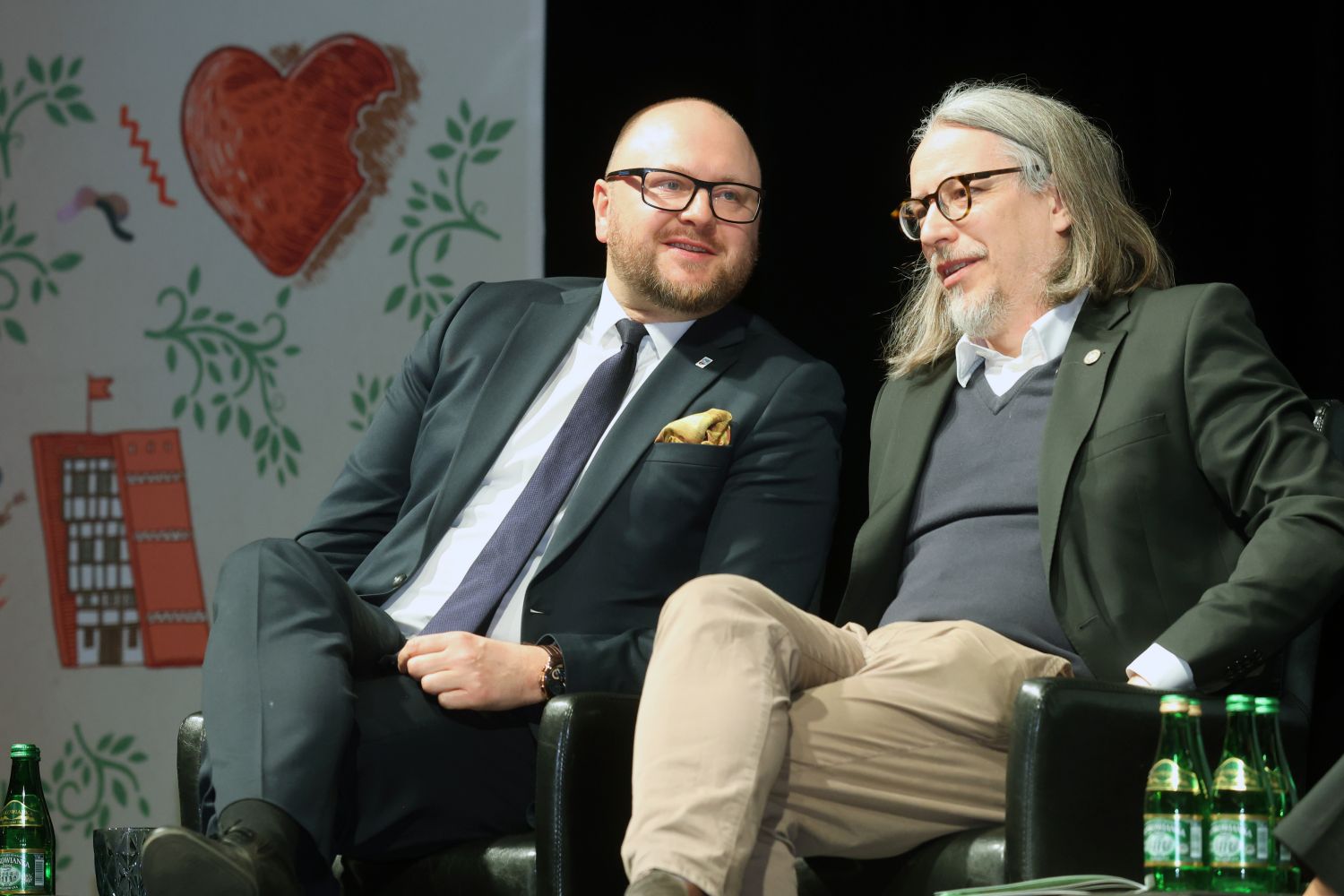
The final shape of the ISKRA project will be decided by all interested parties. “The depot is only a starting point, a realistic one, because in the latter half of 2029 it will change location and its buildings will have to be revitalised and developed," explains Paweł Gulewski, Mayor of Toruń. “The development options for this place will really depend on the people who will be using this space: residents, students, entrepreneurs and visitors. I am convinced that at the end of the consultations we will reach a common agreement, which will influence the functional design of this place."