 NCU News
 Campus life
HR with the Highest Rating


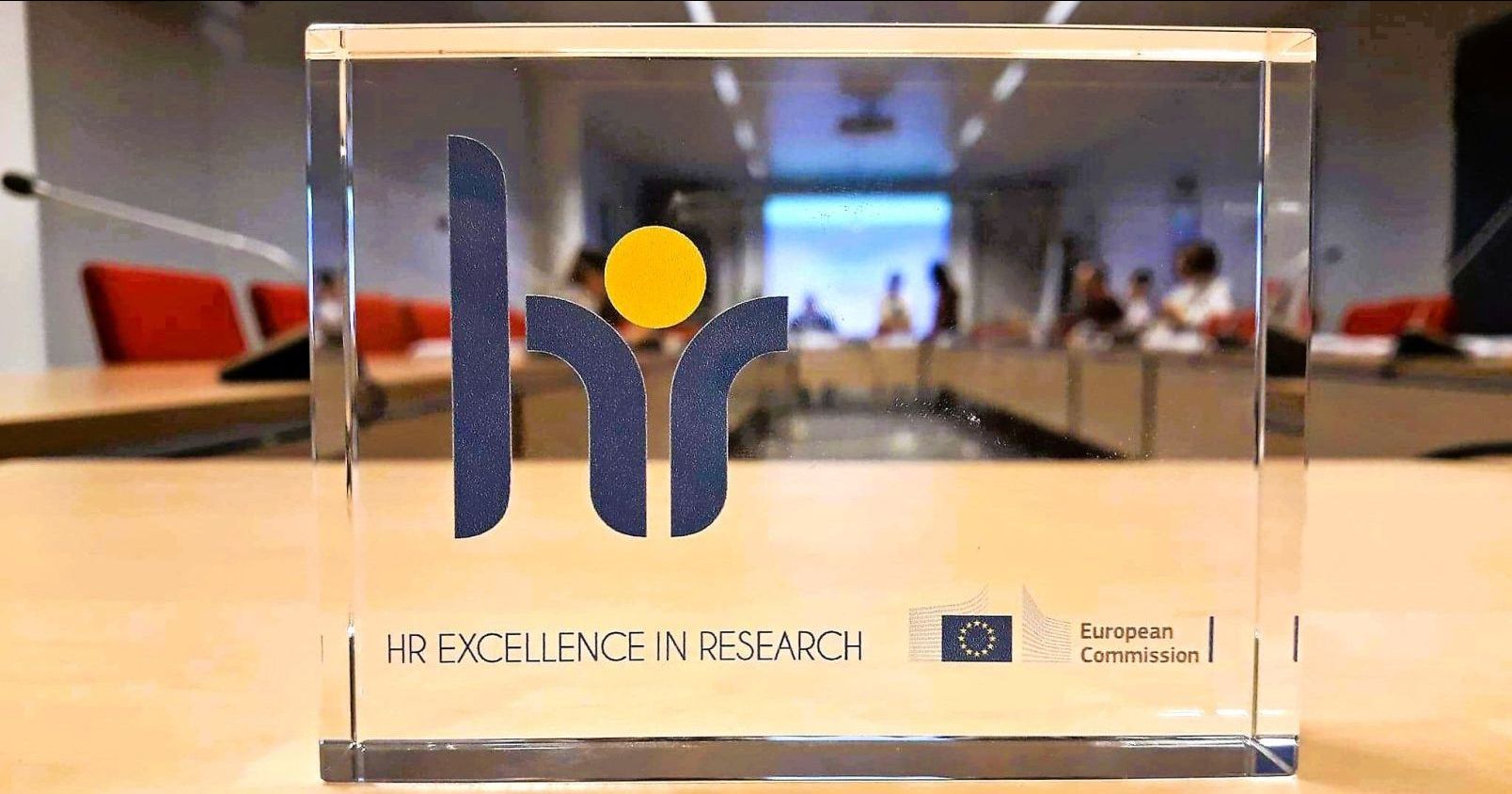
The Nicolaus Copernicus University in Toruń received the highest rating in the renewal process for the HR Excellence in Research distinction. Experts from the European Commission highlighted the maturity, broad scope, and institutionalization of the university's approach to implementing the European Charter for Researchers and the Human Resources Strategy for Researchers (HRS4R).
In the “Renewal Assessment: EC Consensus Report" conducted by the European Commission, the NCU report was rated “Accepted," which is the highest of three possible ratings. The Commission concluded that the University is carrying out appropriate, high-quality activities in accordance with the adopted plan and that the process of implementing the HR Excellence in Research principles has become even more firmly institutionalized at the university. Due to this high score, the next evaluation is scheduled to take place in 36 months.

The quality of research depends first and foremost on the people who conduct it, but also on the institution that can create the conditions for their development and collaboration. That is why I view the renewal of the HR Excellence in Research designation with the highest rating as an important element in building the Nicolaus Copernicus University as a European research university," says dr habil. Adam Kola, NCU Prof. and Vice Rector for Research. – It is particularly significant that the European Commission recognized not just individual initiatives, but their institutional roots. This is also an important confirmation that the changes implemented over the past two years – especially in the management of research and scientific projects, as well as within the IDUB program – are strengthening the institutional foundations of scientific research at the University, and are leading us in the right direction.
A stable and transparent system
NCU's greatest strengths, as identified by the European Commission:
- Integration of the HRS4R Strategy into the University Management
The Commission recognized that the HR Excellence in Research strategy is aligned with the NCU Statute, the Work Regulations, the compensation policies, and the objectives of the University's Strategy for 2021–2026. The Commission identified the commitment of the university administration, the functioning of the HRS4R Task Force, and the reorganization of the HR department as strengths. In the Commission's assessment, these elements form a coherent system for managing, implementing, and monitoring the strategy. - A robust and transparent recruitment system
This is one of the best practices at the Nicolaus Copernicus University that the Commission has most clearly highlighted, especially in the context of the Polish higher education and research system. Experts highlighted the following: a bilingual online recruitment system, standardized procedures, clearly defined eligibility criteria, candidate evaluation based on merit, widespread publication of job openings – including on the EURAXESS platform – and centralized HR support ensuring consistency in procedures. - A comprehensive system for academic career development
The Commission highly commended the comprehensive and needs-based professional development system for researchers at all career stages. It includes, among other things: research management, grant obtaining, academic leadership, digital competencies, sustainable development, mentoring, and mobility. Initiatives targeting doctoral students and early-career researchers—including the Module4NCU project—as well as the mobility and collaboration opportunities offered through YUFE were particularly well received. - A culture of continuous professional development and lifelong learning
According to the evaluators, another strength of the University is the availability of training programs in Polish and English, their flexible formats, and the fact that they provide development opportunities not only for researchers but also for administrative and engineering/technical staff. The committee also noted the University's investment in the development of managerial and leadership skills. - A strong system of ethics, integrity, equal treatment, and inclusivity
The Commission recognised the University's comprehensive approaches in the areas of: research ethics and integrity, equal treatment, anti-discrimination, well-being, conflict resolution, complaints, and mediation. Specific measures mentioned included, among others, the Gender Equality Plan, the office of the academic ombudsman, and mechanisms for mediation, support, and filing complaints. The University Centre for Support and Personal Development, which provides assistance to members of the academic community, was also acknowledged. - Effective mechanisms for engaging the academic community and gathering feedback
The evaluators recognised the involvement of researchers at various stages of their careers in consultations and decision-making processes. Among other things, the following were noted: the Academic Excellence System, employee satisfaction surveys conducted since 2018, the representation of researchers in the HRS4R Task Force, audits, reporting at the unit level, reviews conducted by the Task Force, and supervision at the Rector's level. - Very well-developed support for internationalization and mobility
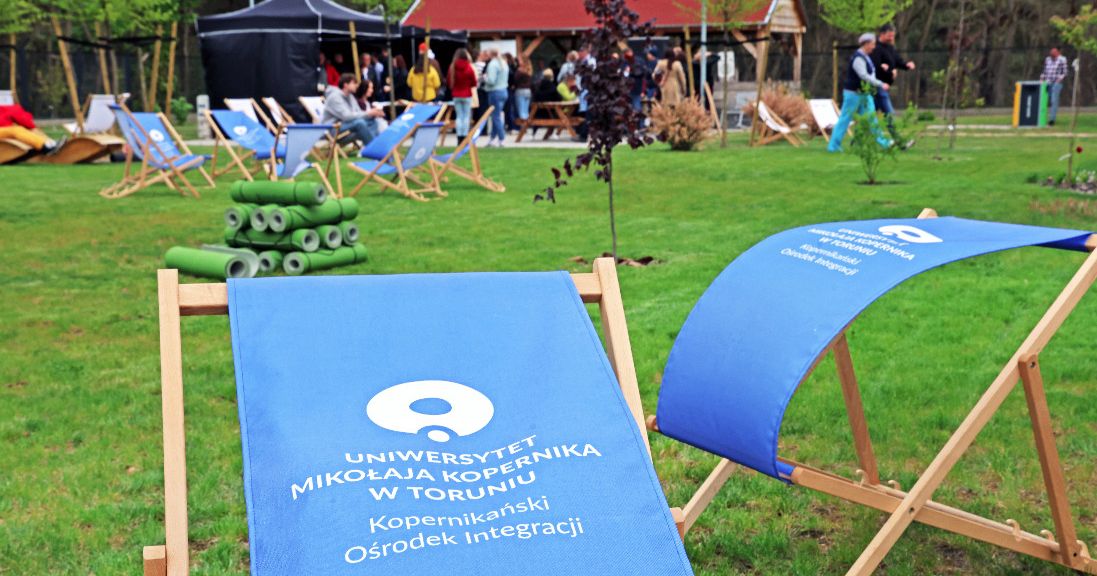
The Commission highlighted UMK's initiatives aimed at foreign researchers, in particular the Copernican Centre for Integration and International Point. The mobility programs financed by IDUB funds, which have been running continuously since 2020, were also evaluated positively. Experts recognized these initiatives as evidence of the University's sustained institutional commitment to the internationalization and mobility of researchers.

The Nicolaus Copernicus University in Toruń became the first university in Poland to receive the right to use the prestigious HR Excellence in Research logo in November 2015photo by Andrzej Romański
Quality and Prestige
In the concluding section of the report, the European Commission explicitly recommended recognizing the Nicolaus Copernicus University as an institution that stands out for its ambition, breadth, and institutionalized approach to implementing the European Charter for Researchers and the HRS4R principles – notes Natalia Proń-Nowak, head of the Human Resources Department and author of the report submitted to the European Commission. – The experts also emphasized that the Nicolaus Copernicus University's efforts have led to the development of a mature HR strategy, rooted in the University's long-term vision, institutional regulations, and HR management structures, rather than being merely an initiative carried out for the sake of the HRS4R process itself.

photo by Andrzej Romański
It is worth noting that the HR Excellence in Research distinction honors institutions that foster an environment conducive to the development of attractive employment conditions and apply transparent recruitment policies for researchers. It is awarded by the European Commission to institutions that implement the provisions of the European Charter for Researchers. The Nicolaus Copernicus University in Toruń became the first university in Poland to receive the right to use the prestigious HR Excellence in Research logo in November 2015.
However, it is not the award itself that matters most, but the quality it attests to:
The university's European character is measured not by declarations, but by the standards of its day-to-day operations," adds Prof. Adam Kola. – In the quest for talent, projects, and partnerships, the quality of the institution will largely determine what kind of research we can conduct and at what level. If we want to be a leading research university in Europe, we must not only be a place where good research is produced, but also an institution where the best researchers want to conduct it.
More about HR Excellence in Research at NCU