 NCU News
 Campus life
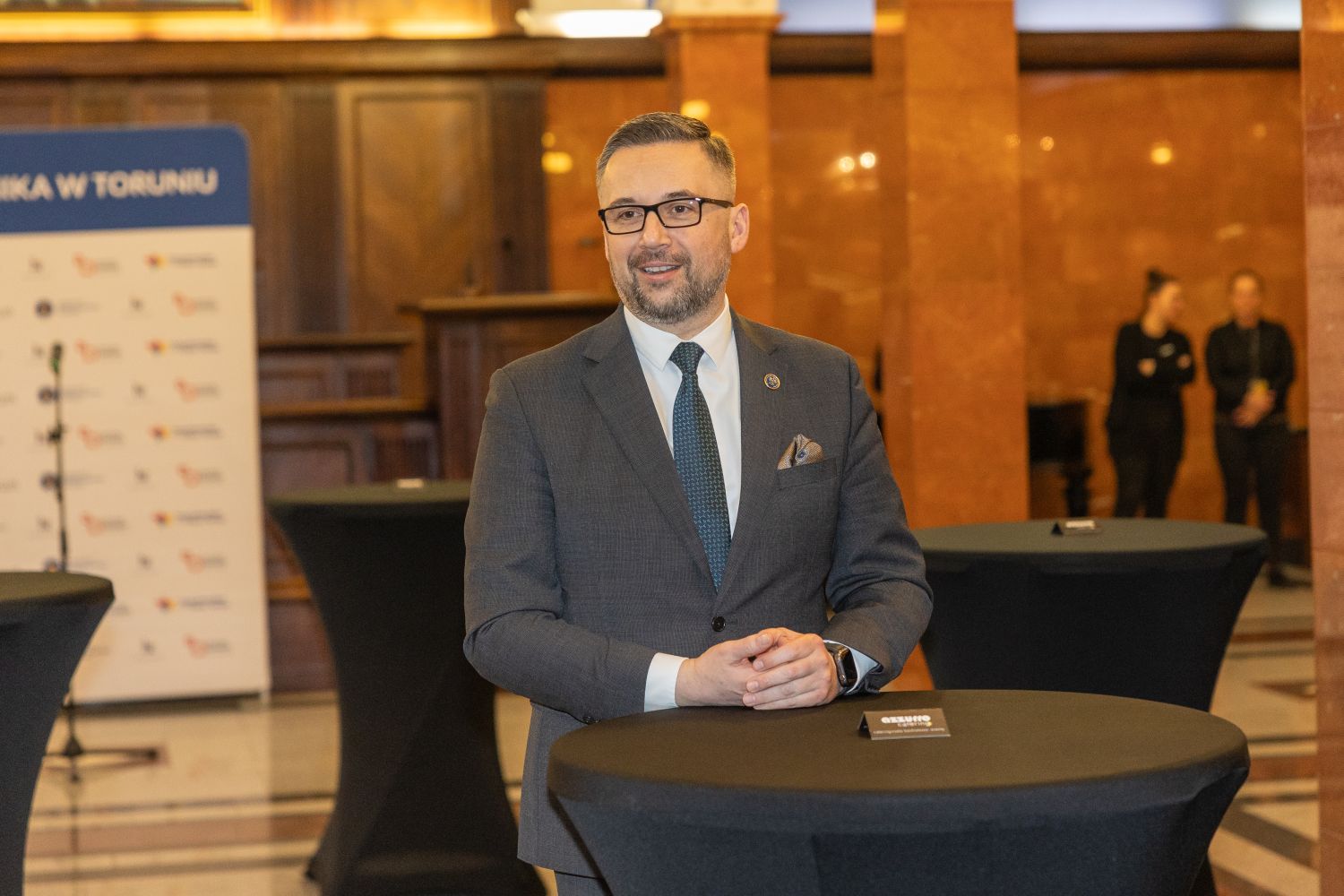
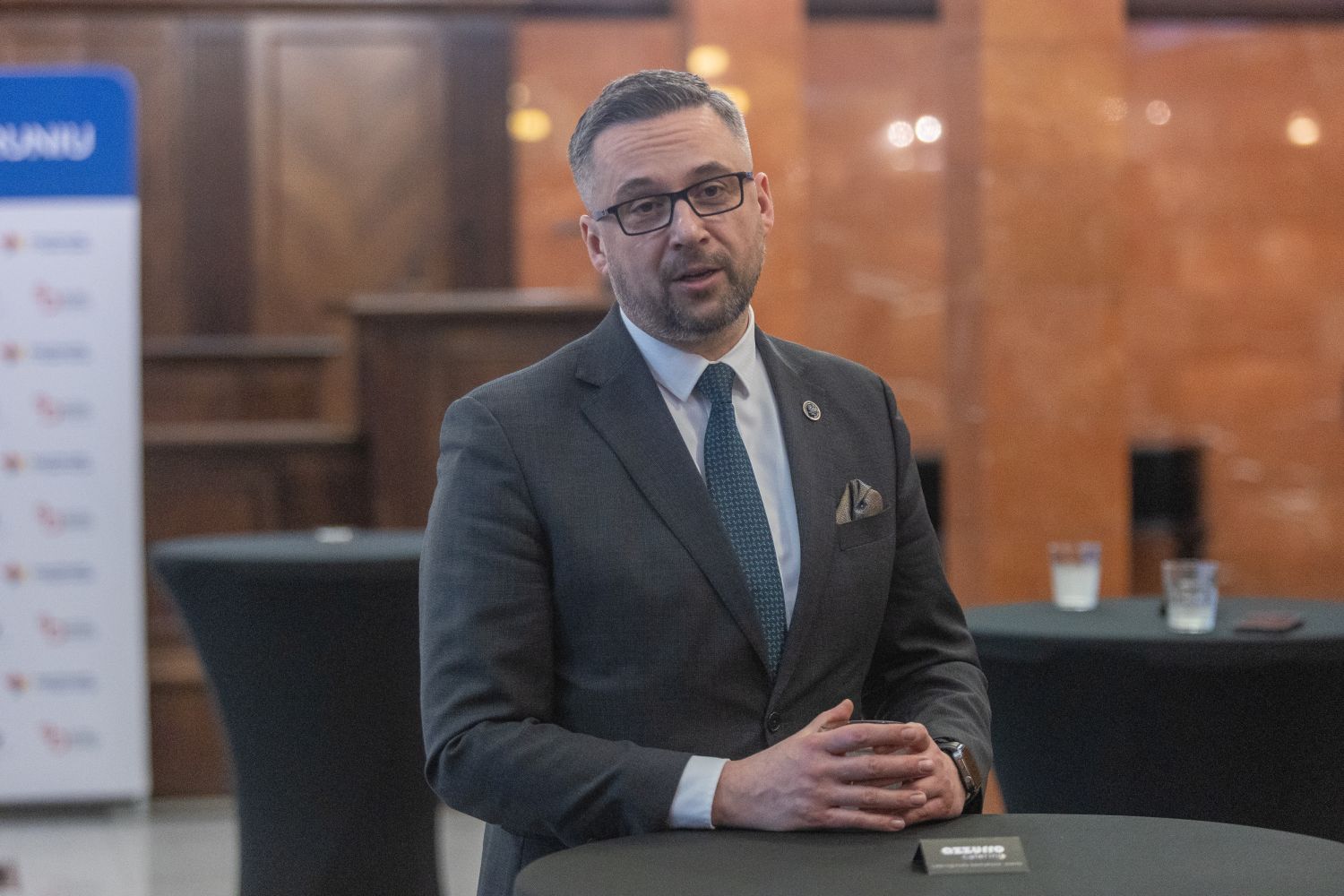
Minister at the NCU


Discussions about the future of the Initiative of Excellence – Research University programme (IDUB 2.0), support for key research infrastructure and the science budget dominated the visit of the Minister of Science and Higher Education, dr eng. Marcin Kulask, to the Nicolaus Copernicus University. During meetings with the university authorities, the representatives of students and doctoral students, issues such as the distribution of funds from the scholarship fund, the novelization of the Act 2.0, and increasing the number of places in student halls of residence were also discussed.
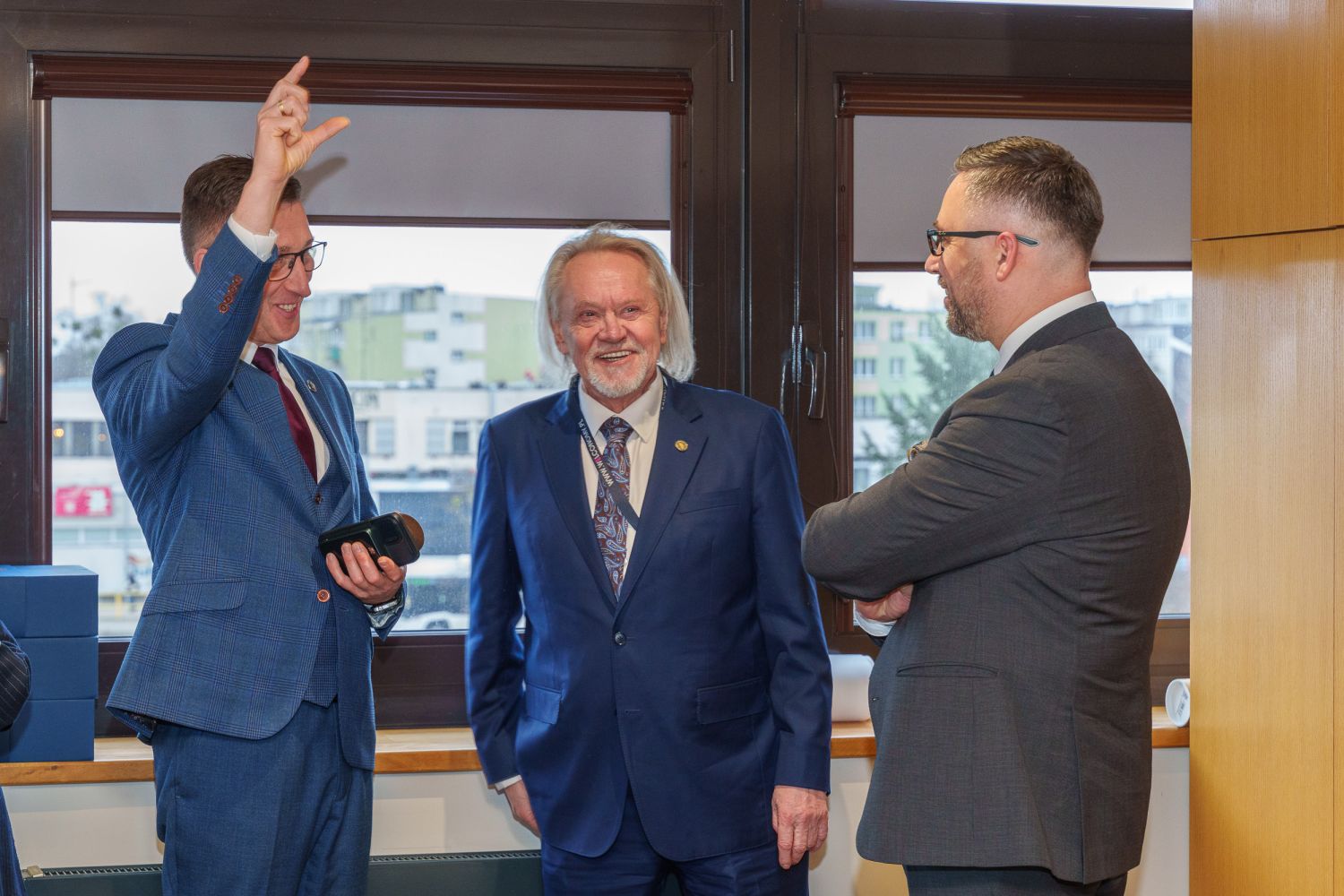
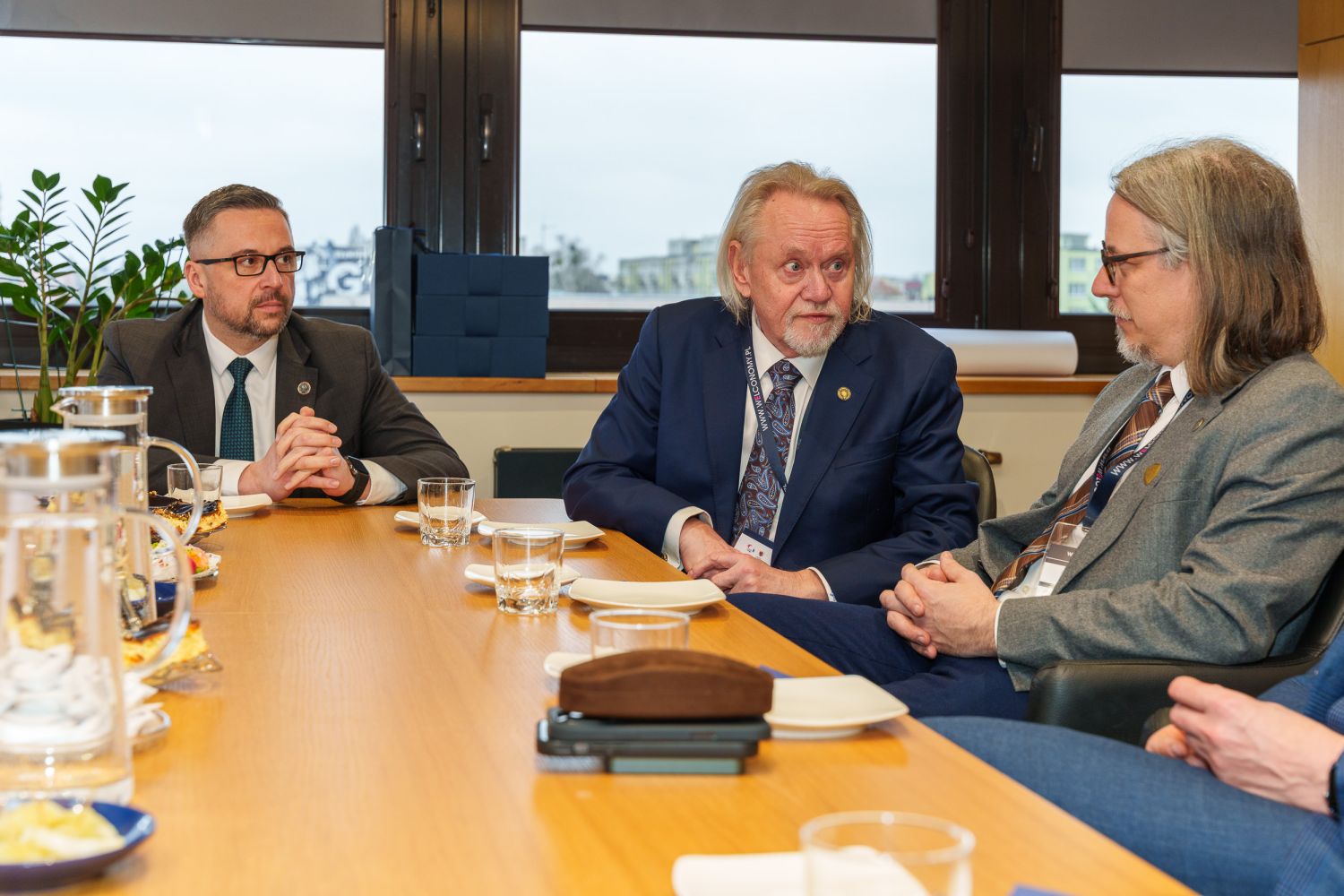
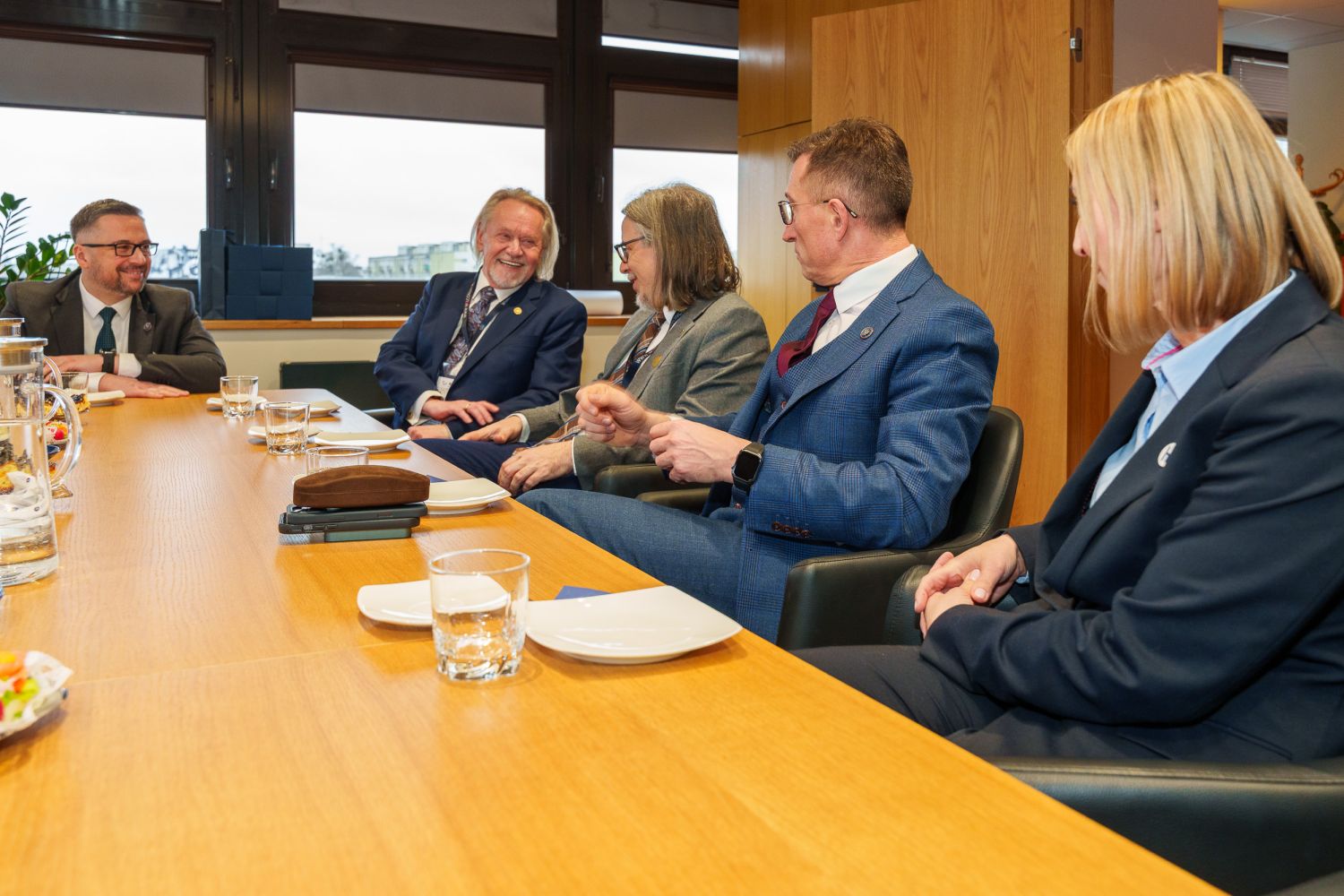
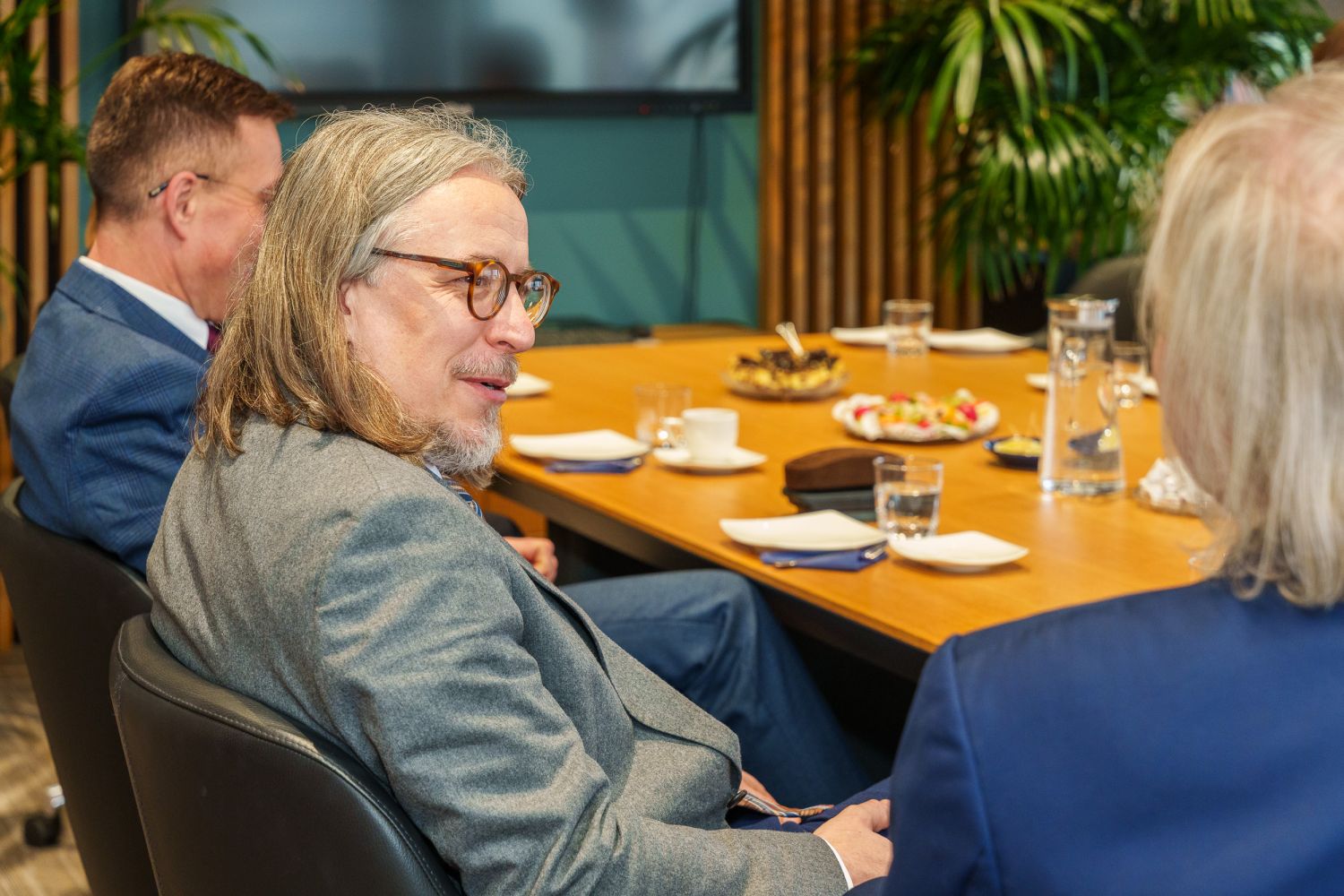
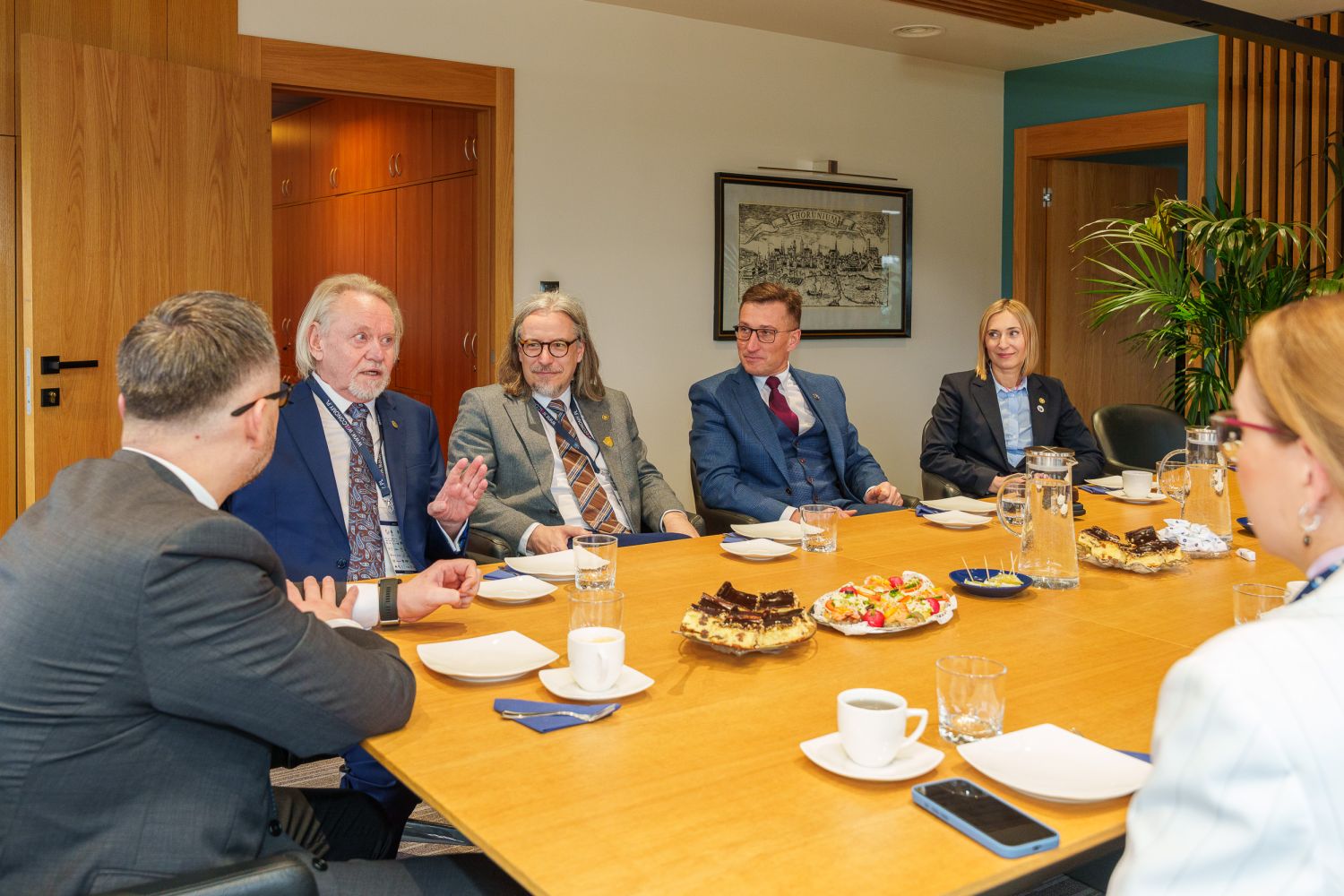
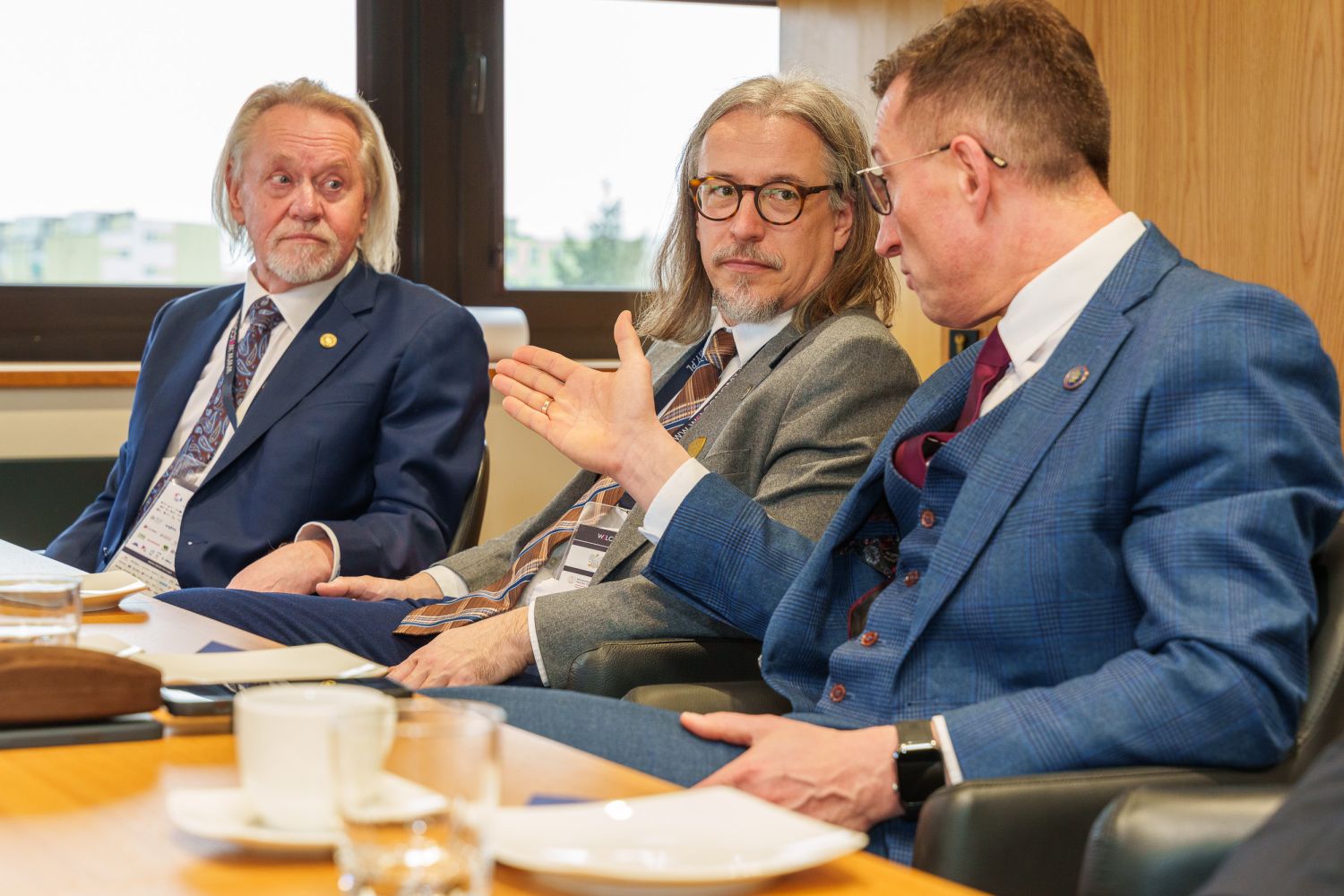
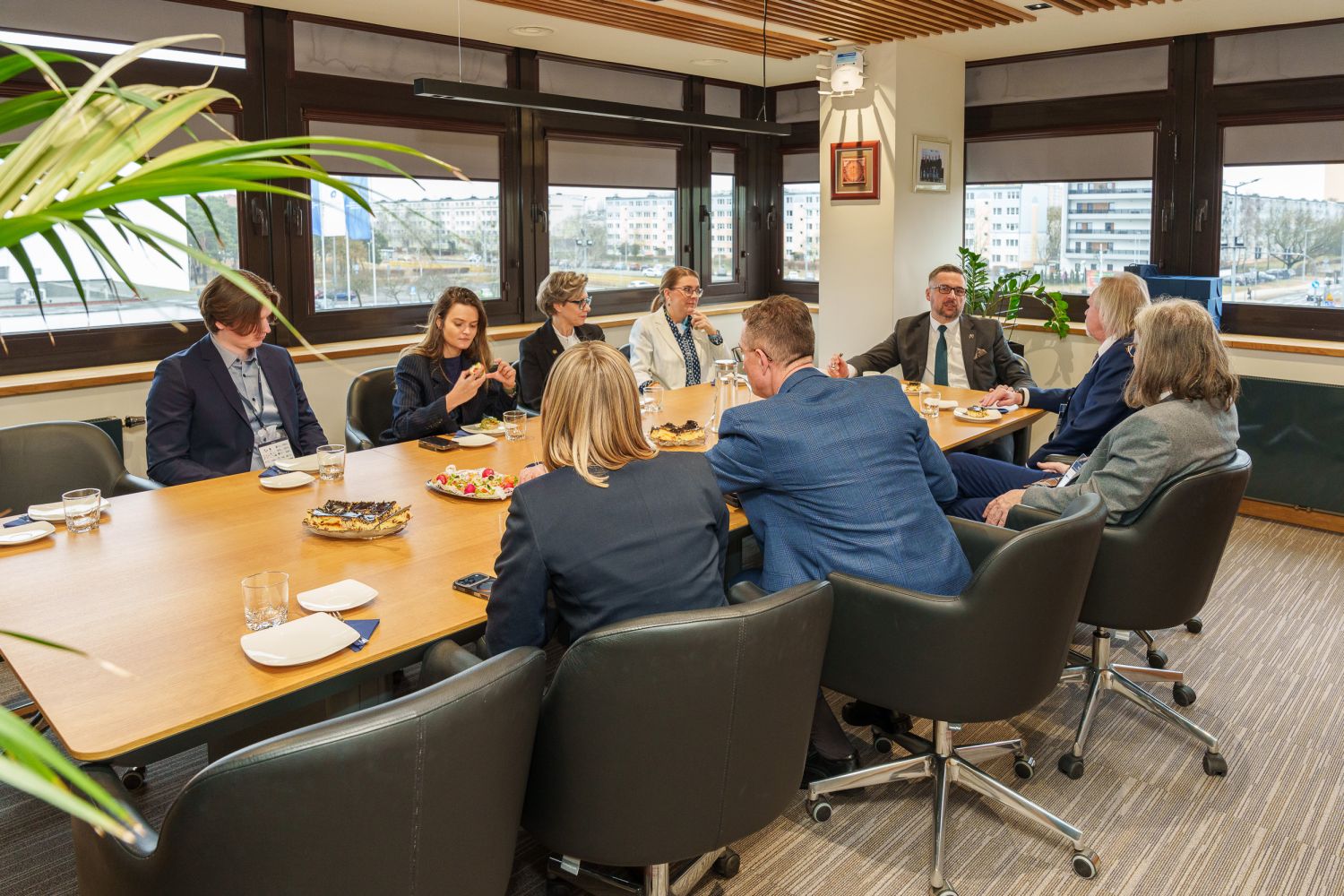
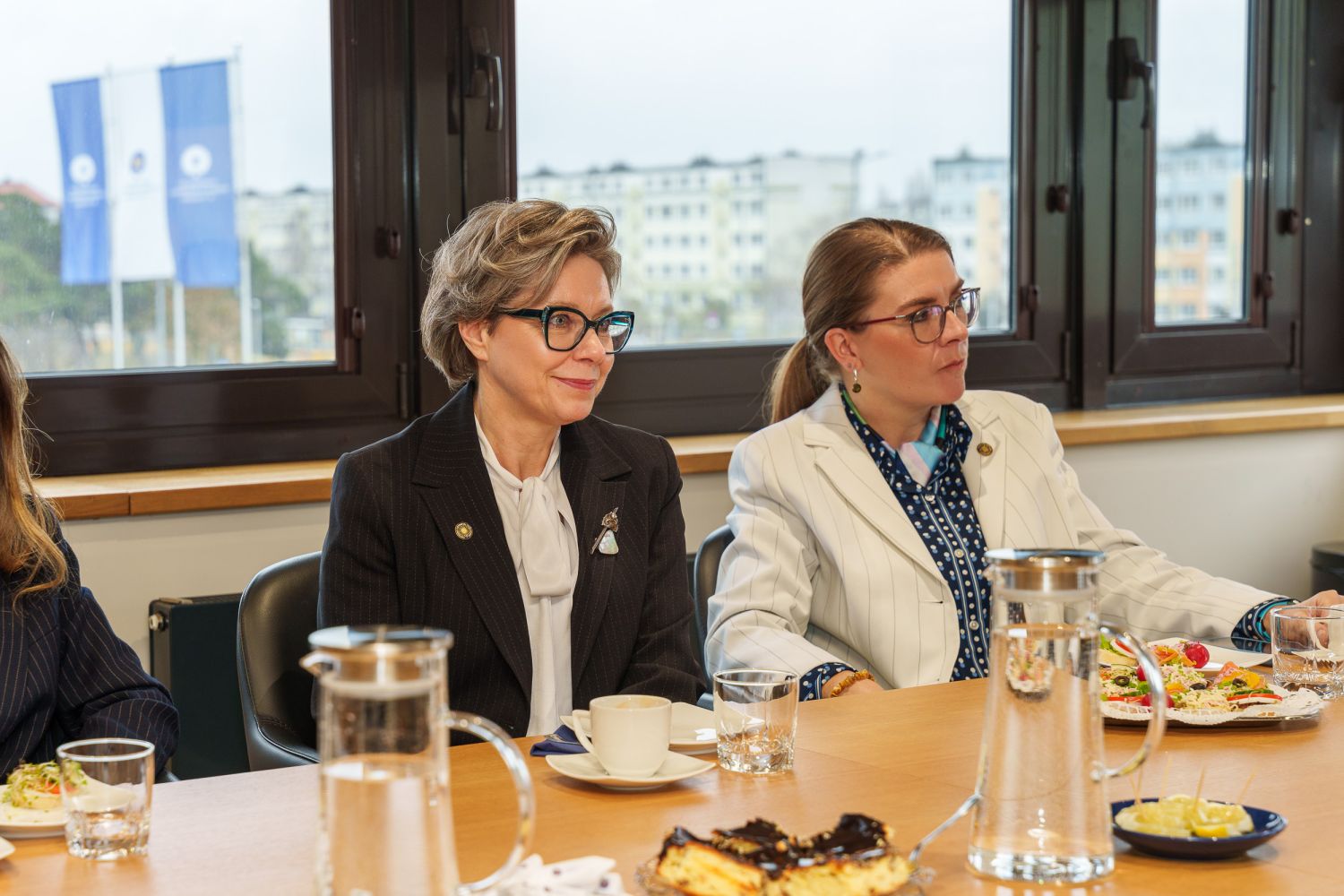
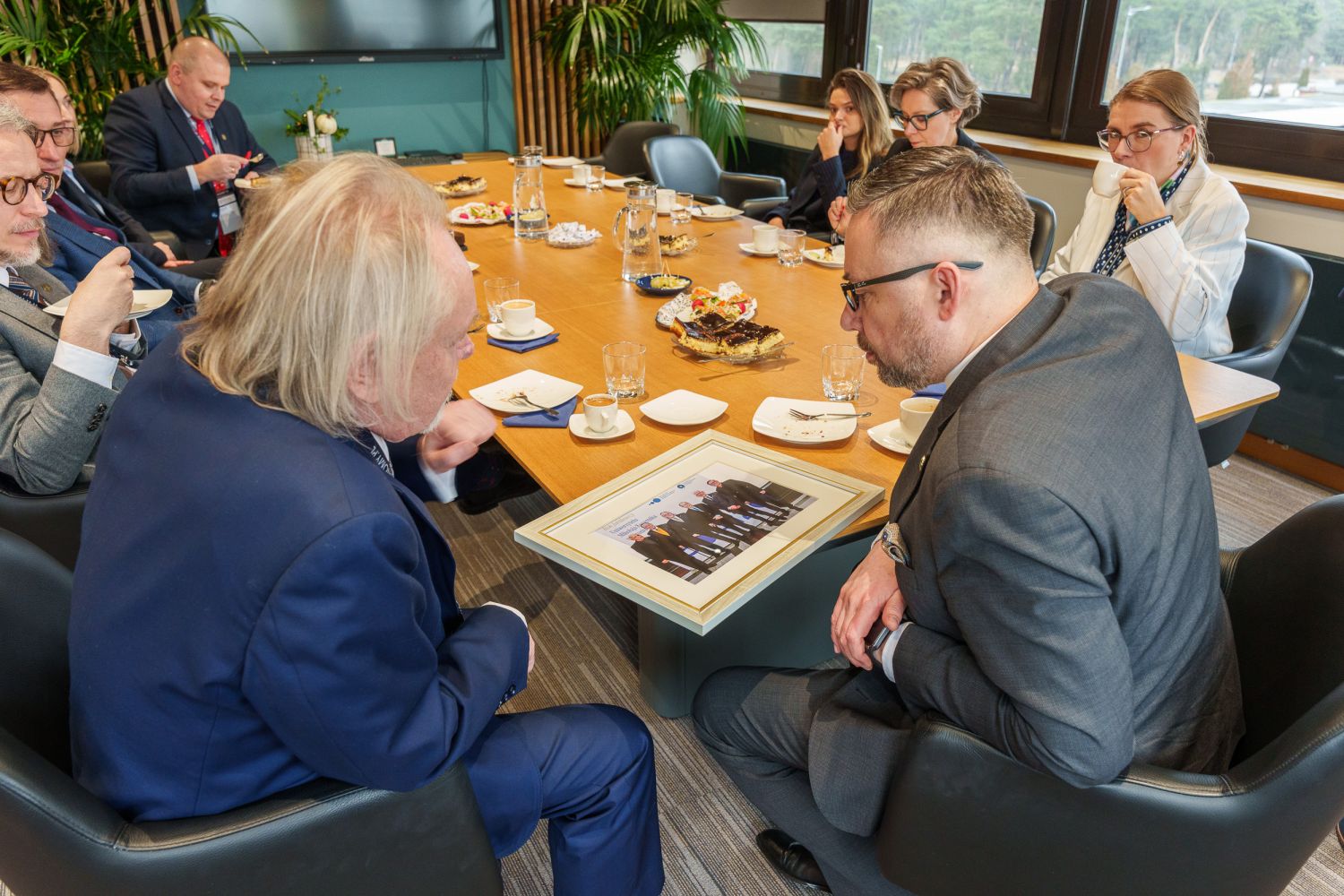
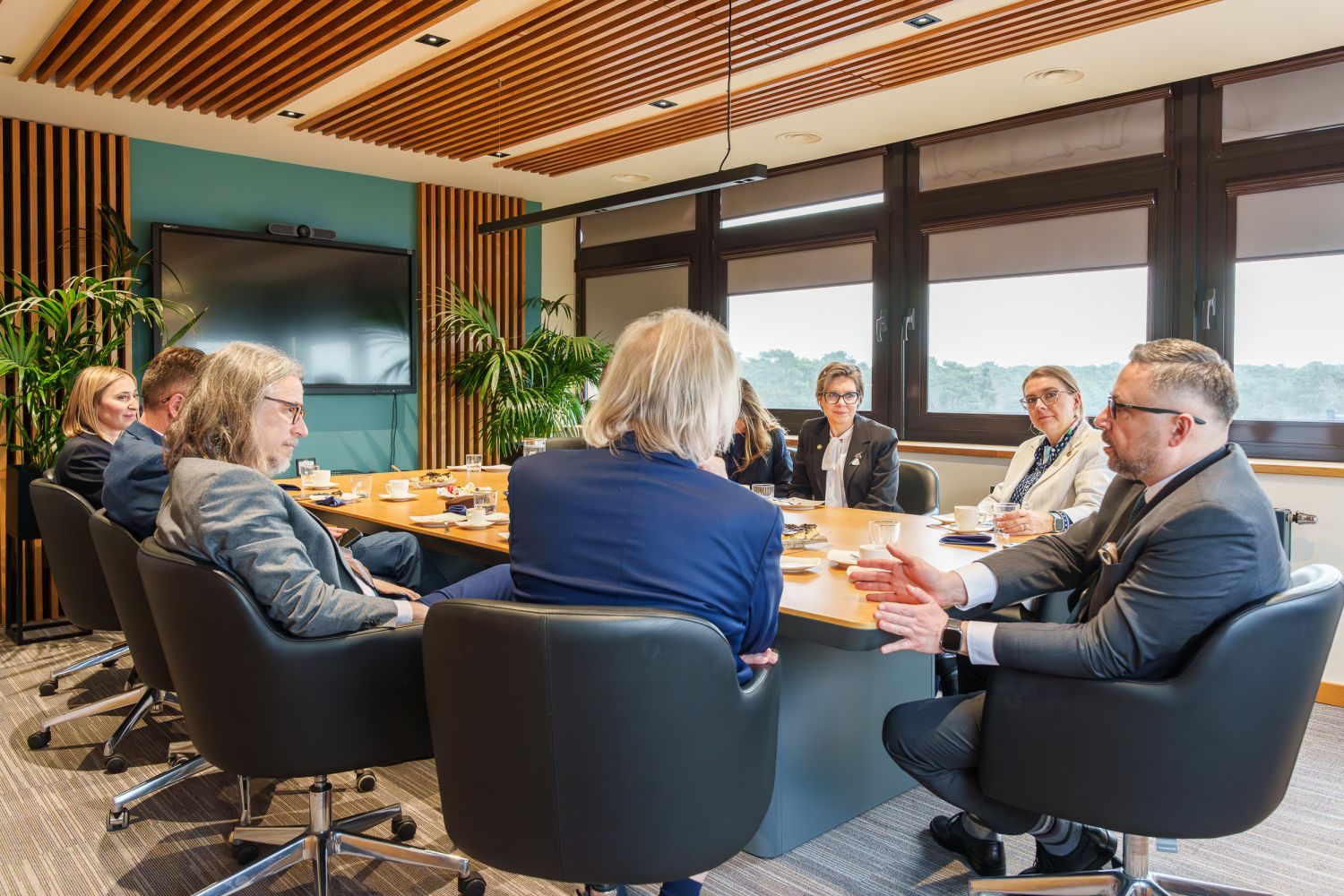
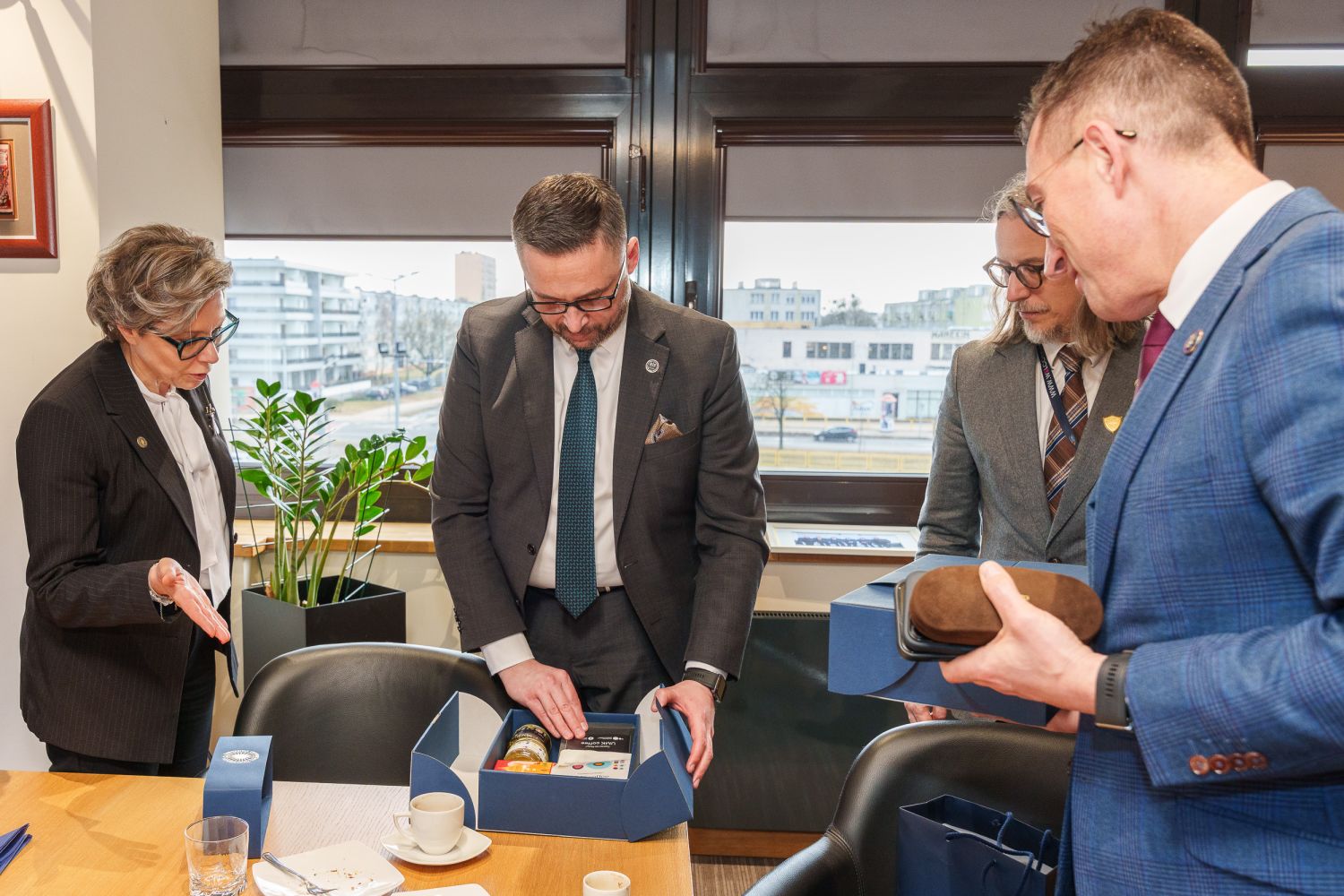
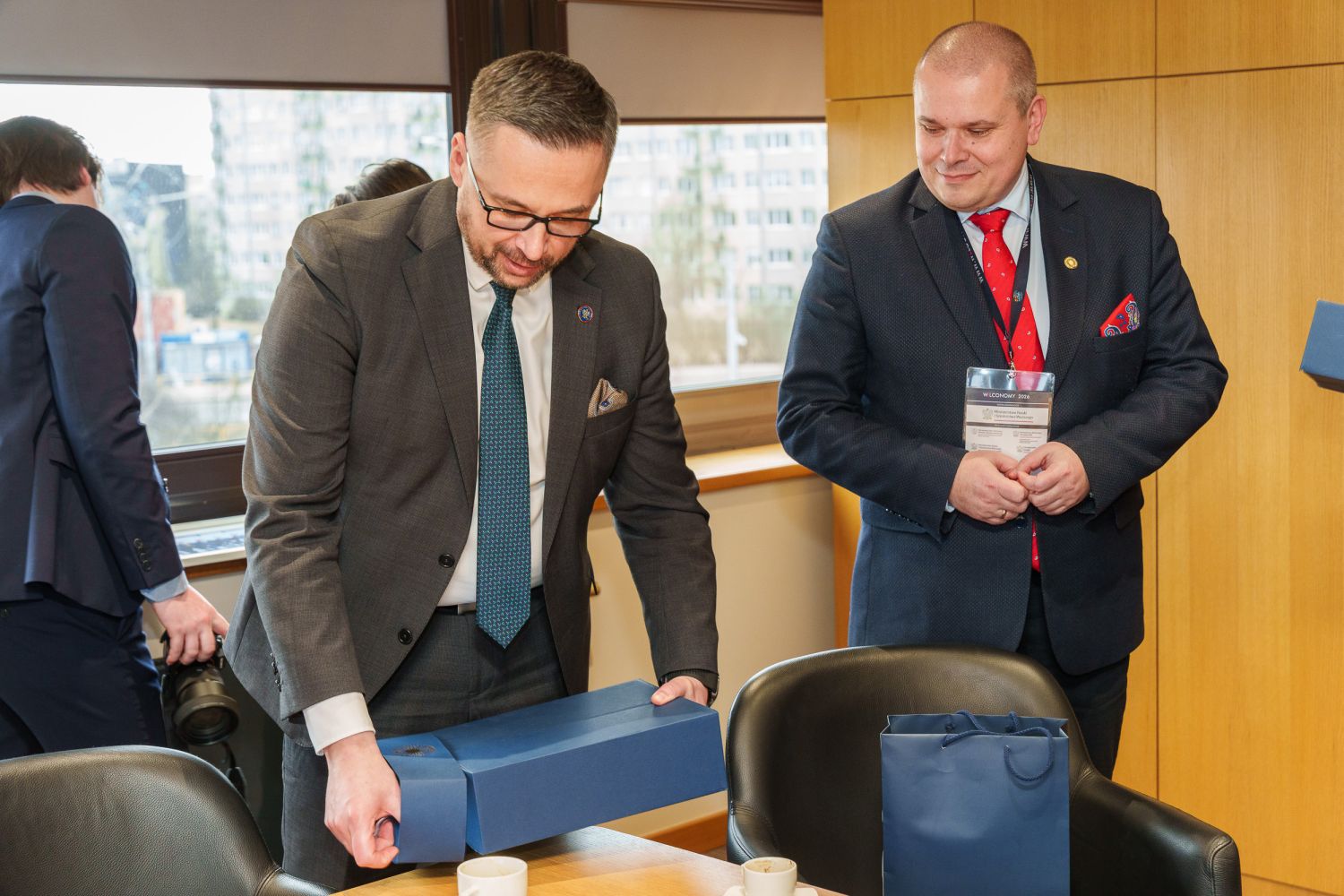
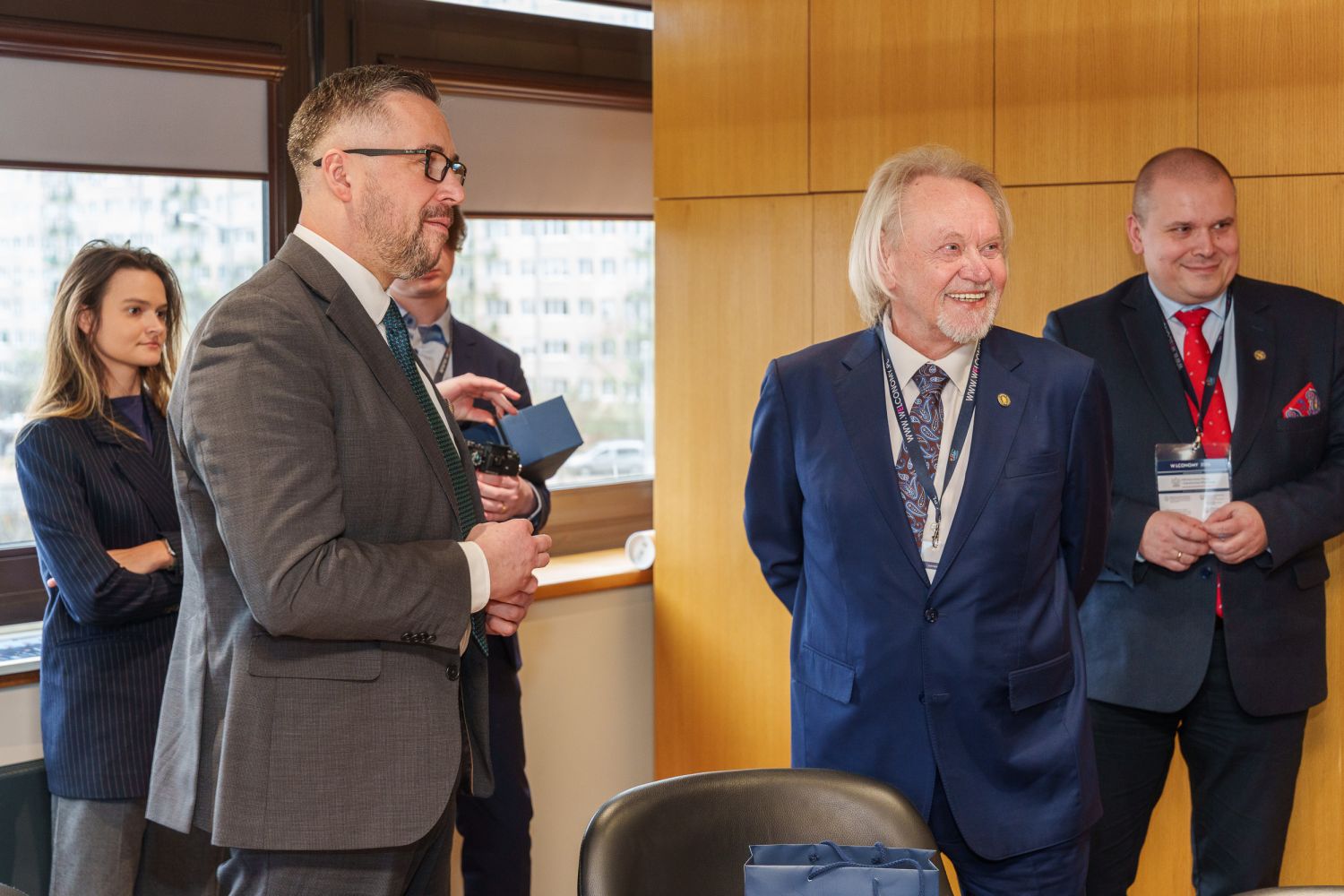
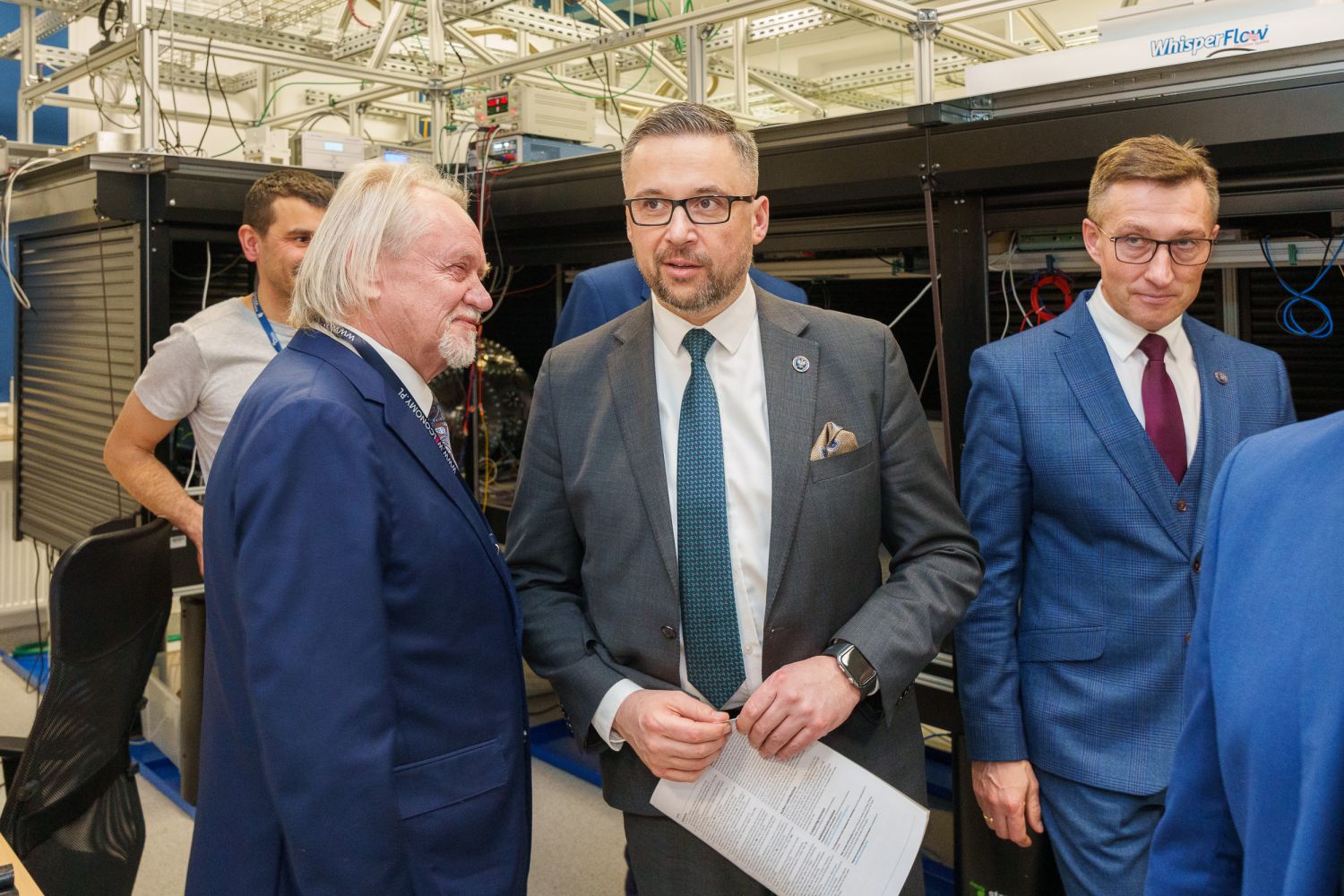
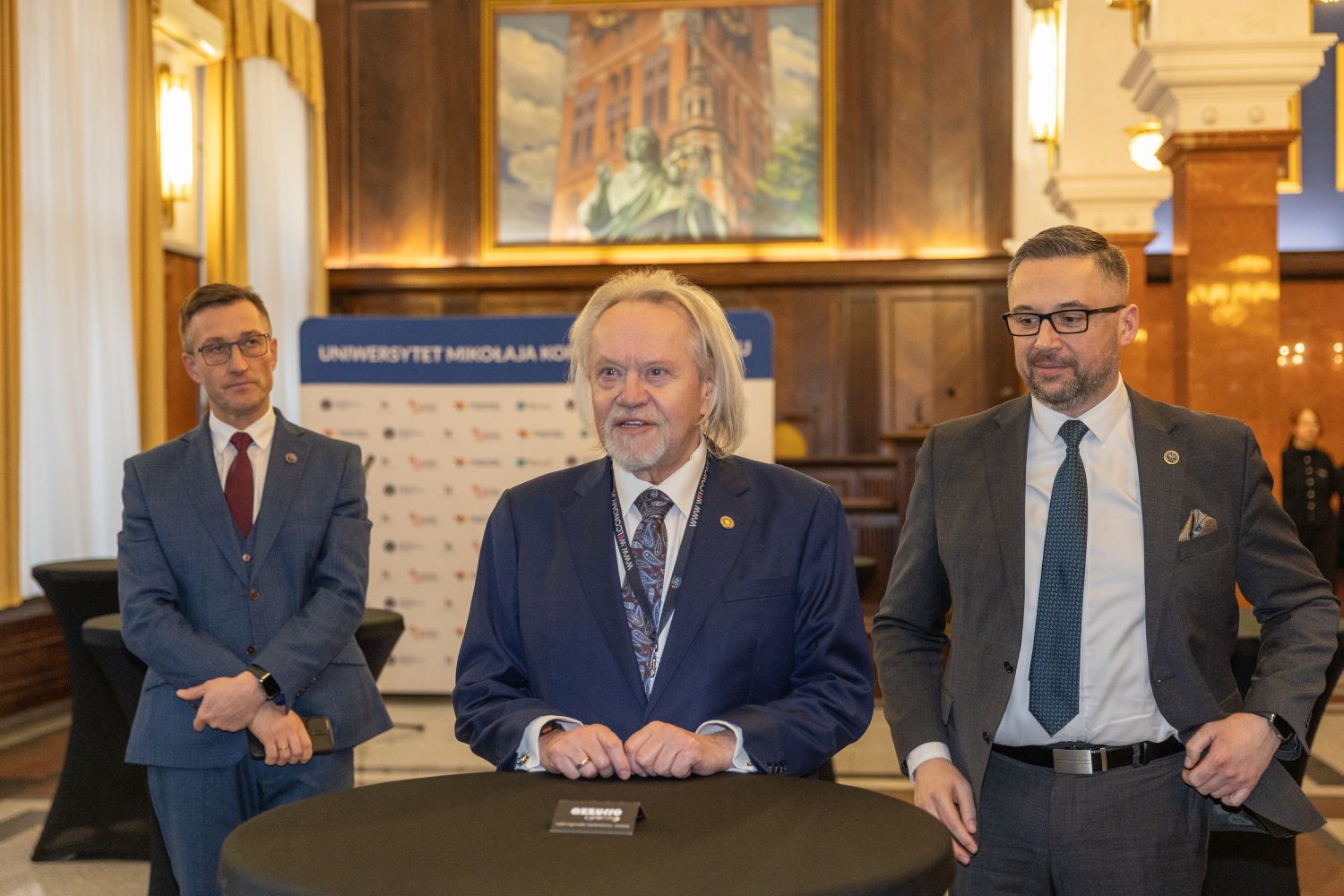
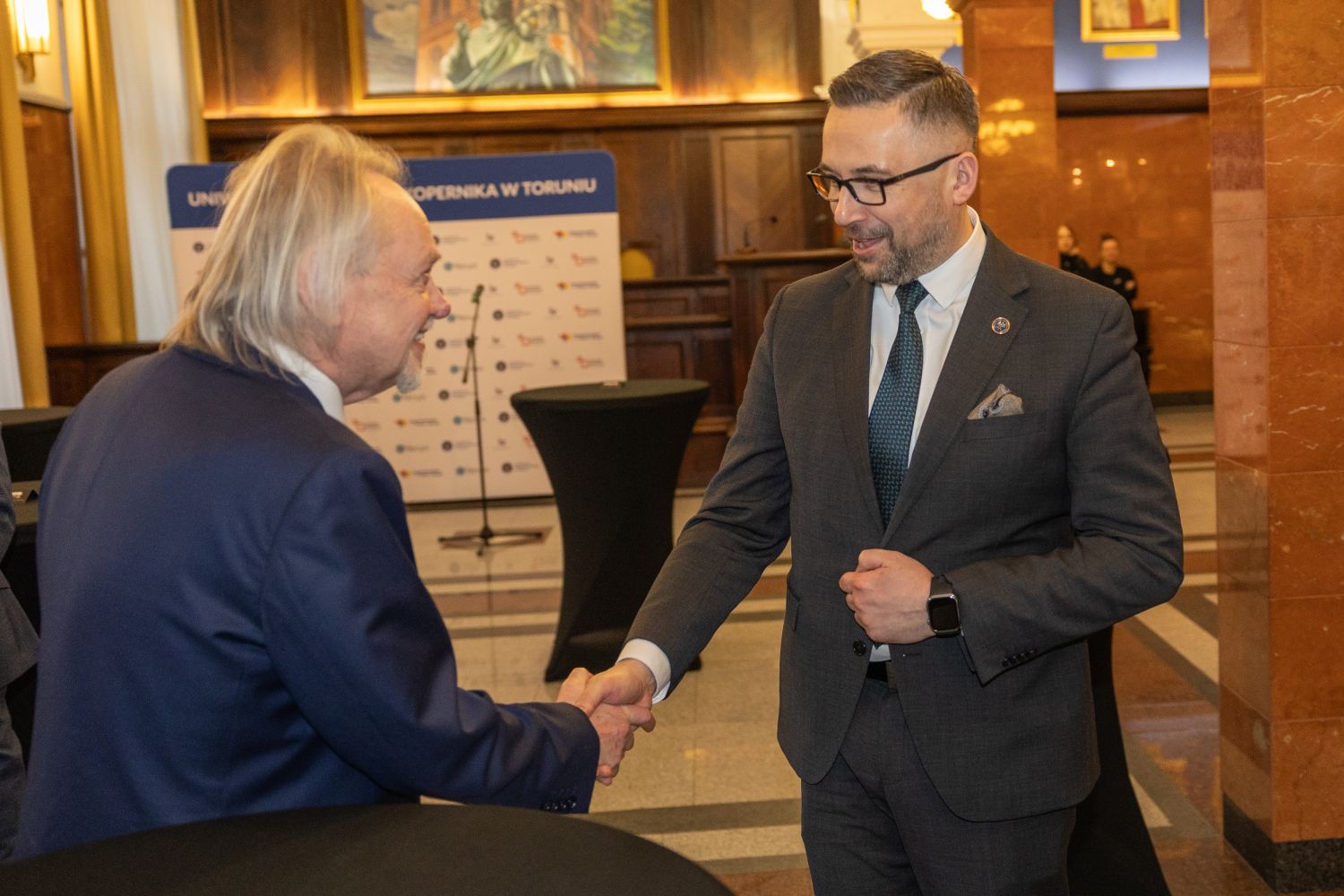
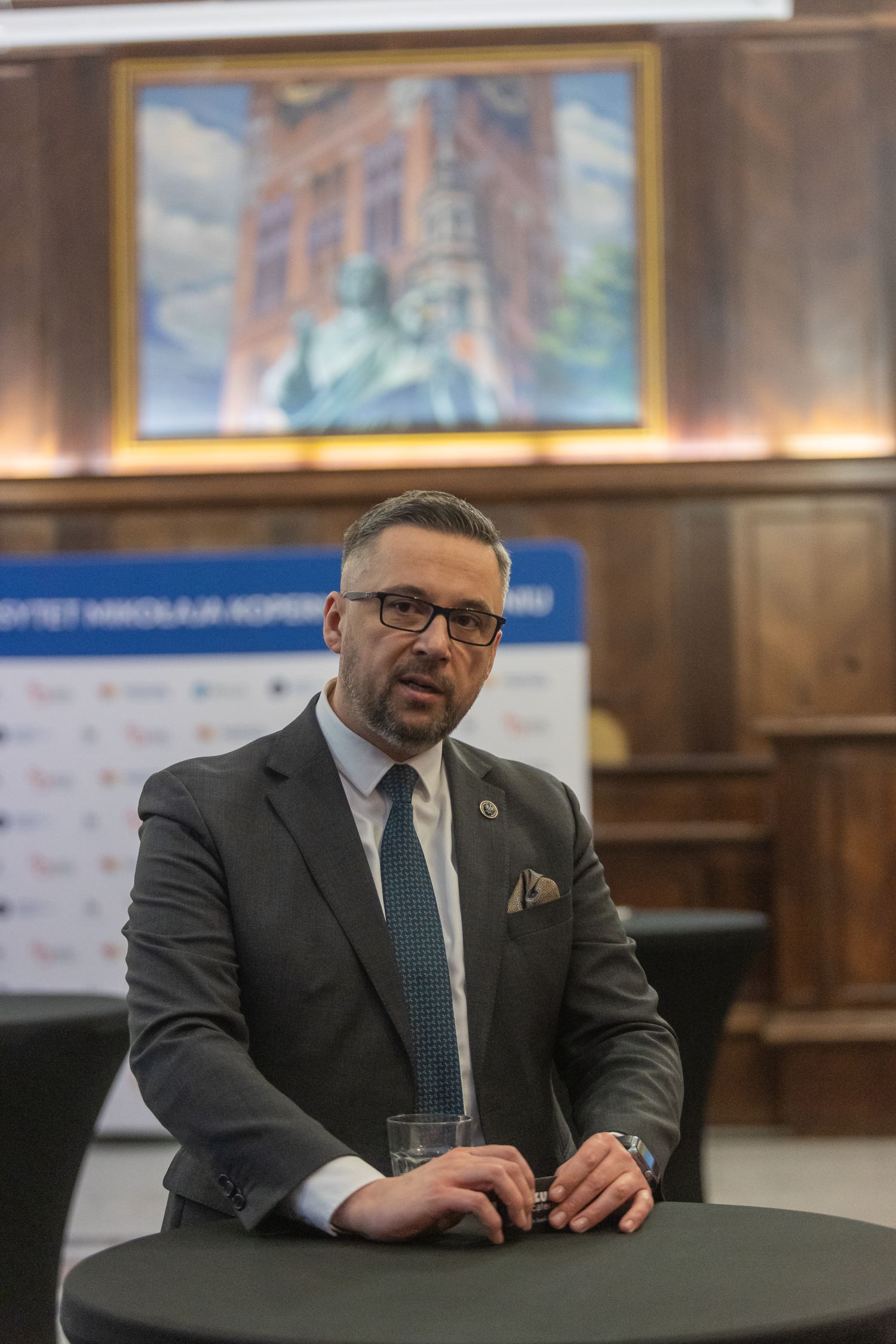
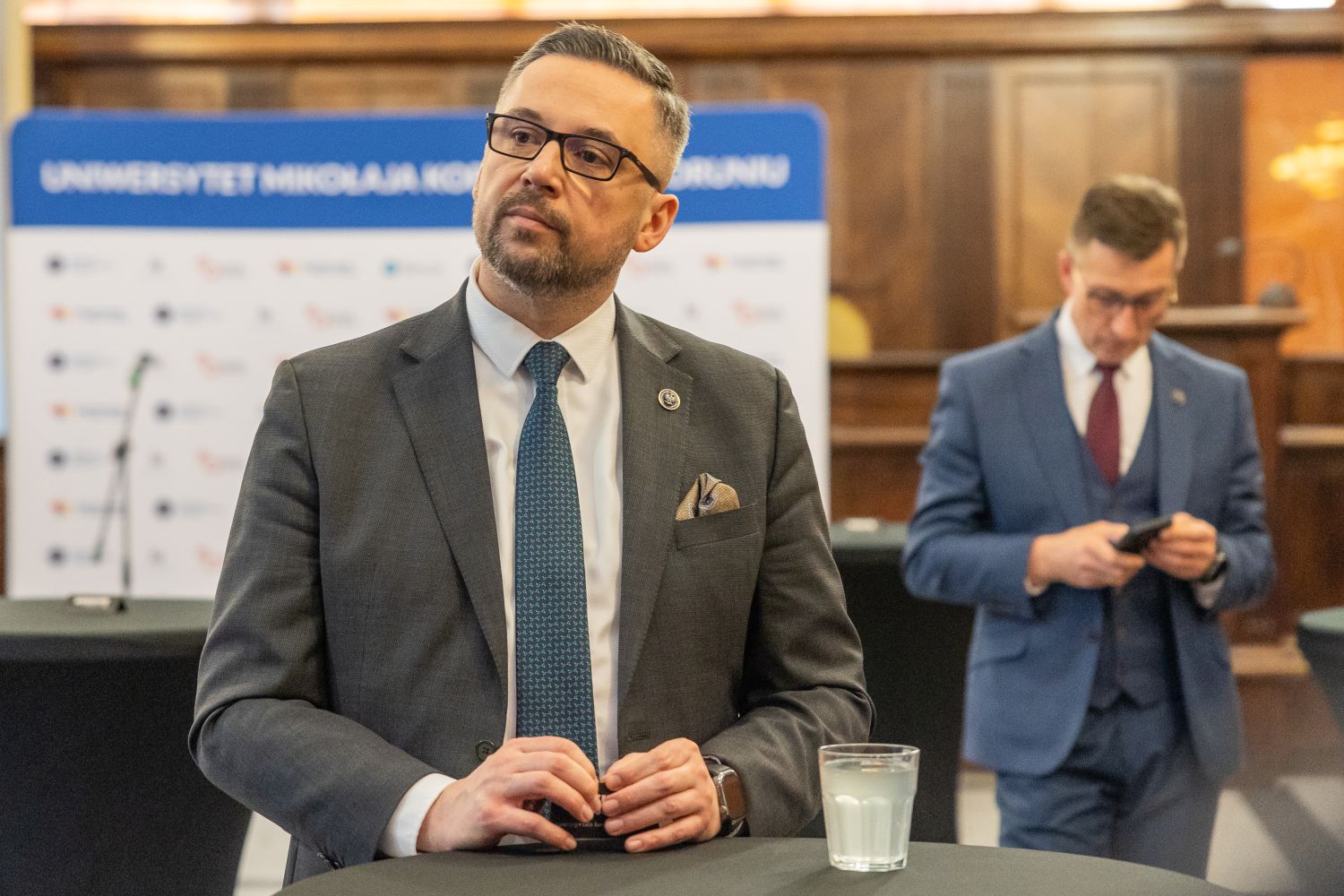
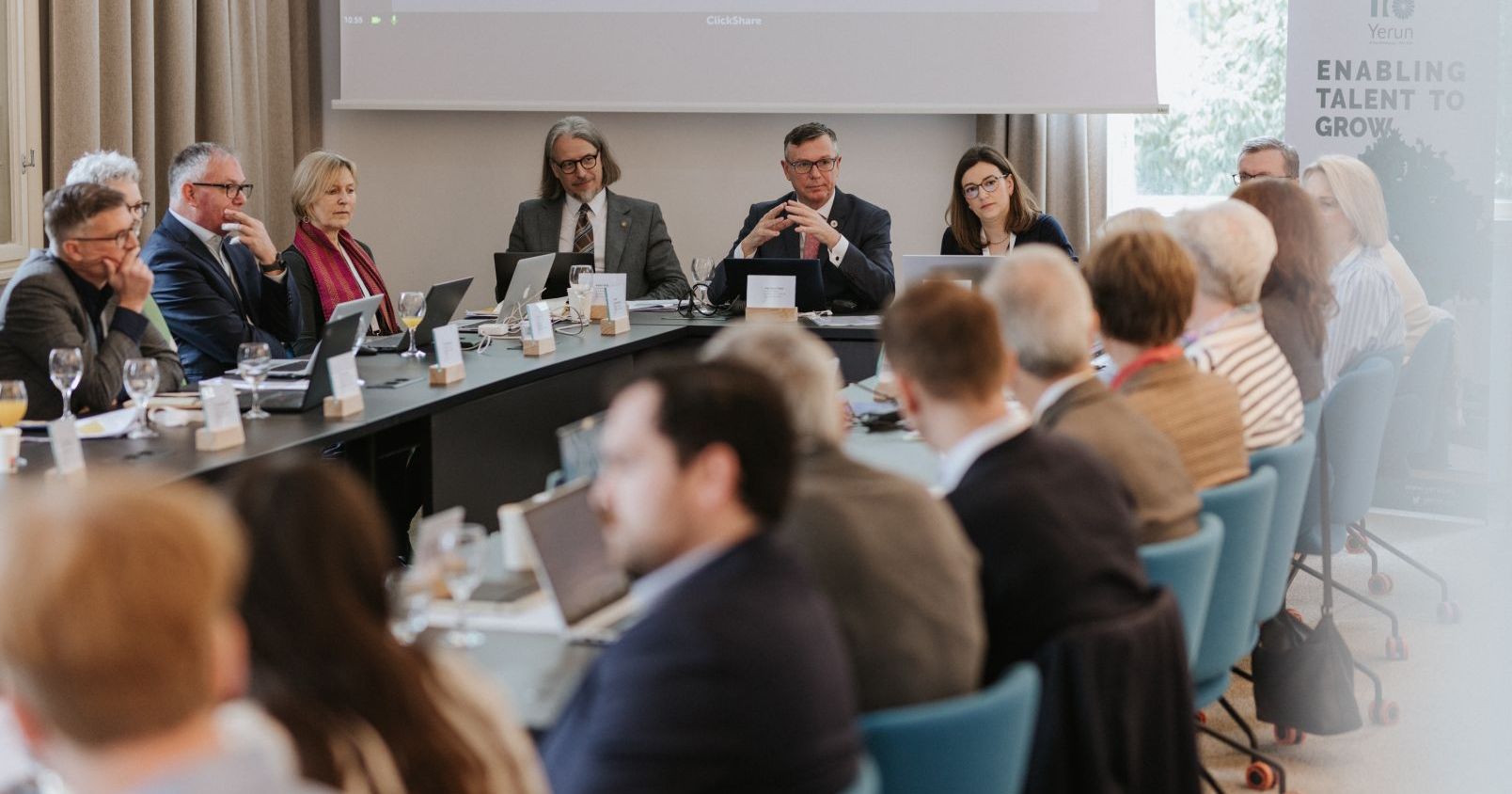
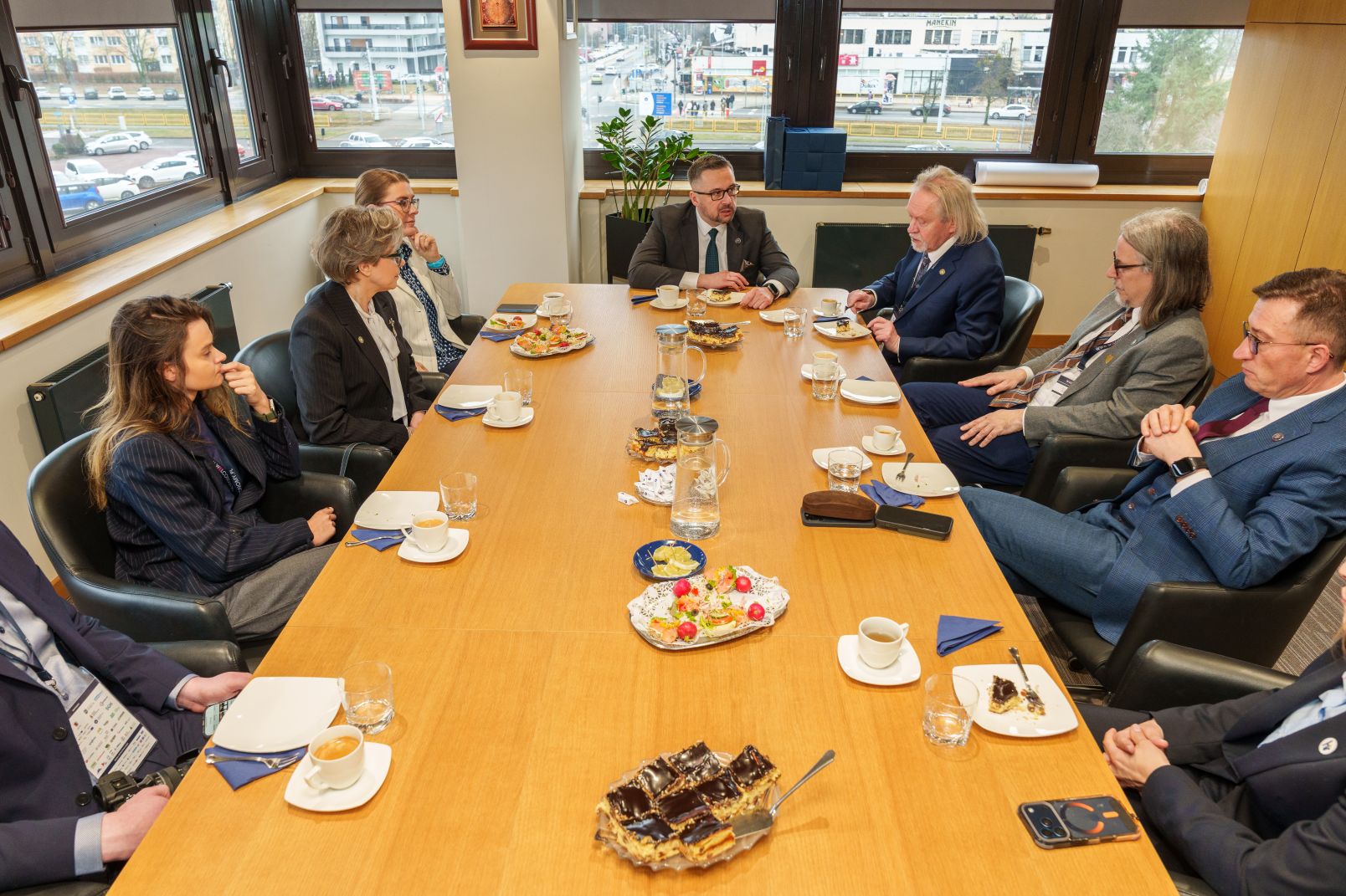
Minister Marcin Kulasek visited the Nicolaus Copernicus University in Toruń on 23 February. The head of the Ministry of Science and Higher Education met with the authorities of the University, including His Magnificence Rector Prof. Andrzej Tretyn and the rector's team. The meeting was of a working and strategic nature – the participants discussed the results of the implementation of the 'Initiative of Excellence – Research University' programme to date, the challenges associated with the next edition of the competition, and the need for stable, long-term mechanisms for financing research and development of scientific infrastructure, which constitute our research advantage. Vice-Rector for Science dr habil. Adam Kola, NCU Prof. emphasised the importance of the IDUB programme for the transformation of the NCU – especially in terms of the internationalisation of research – and the need to maintain that support instrument for the further development of the only research university in Poland located outside a metropolitan area.
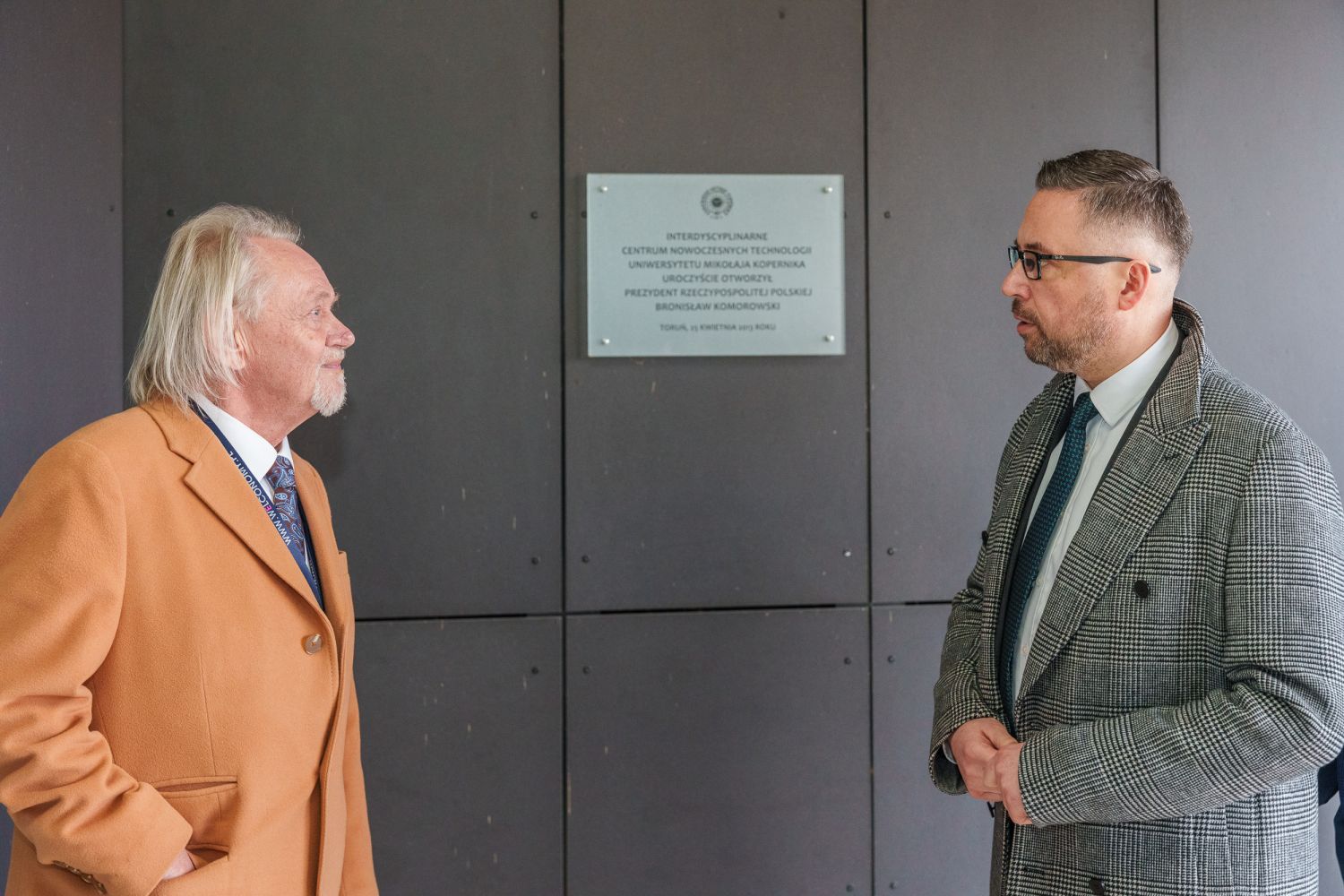
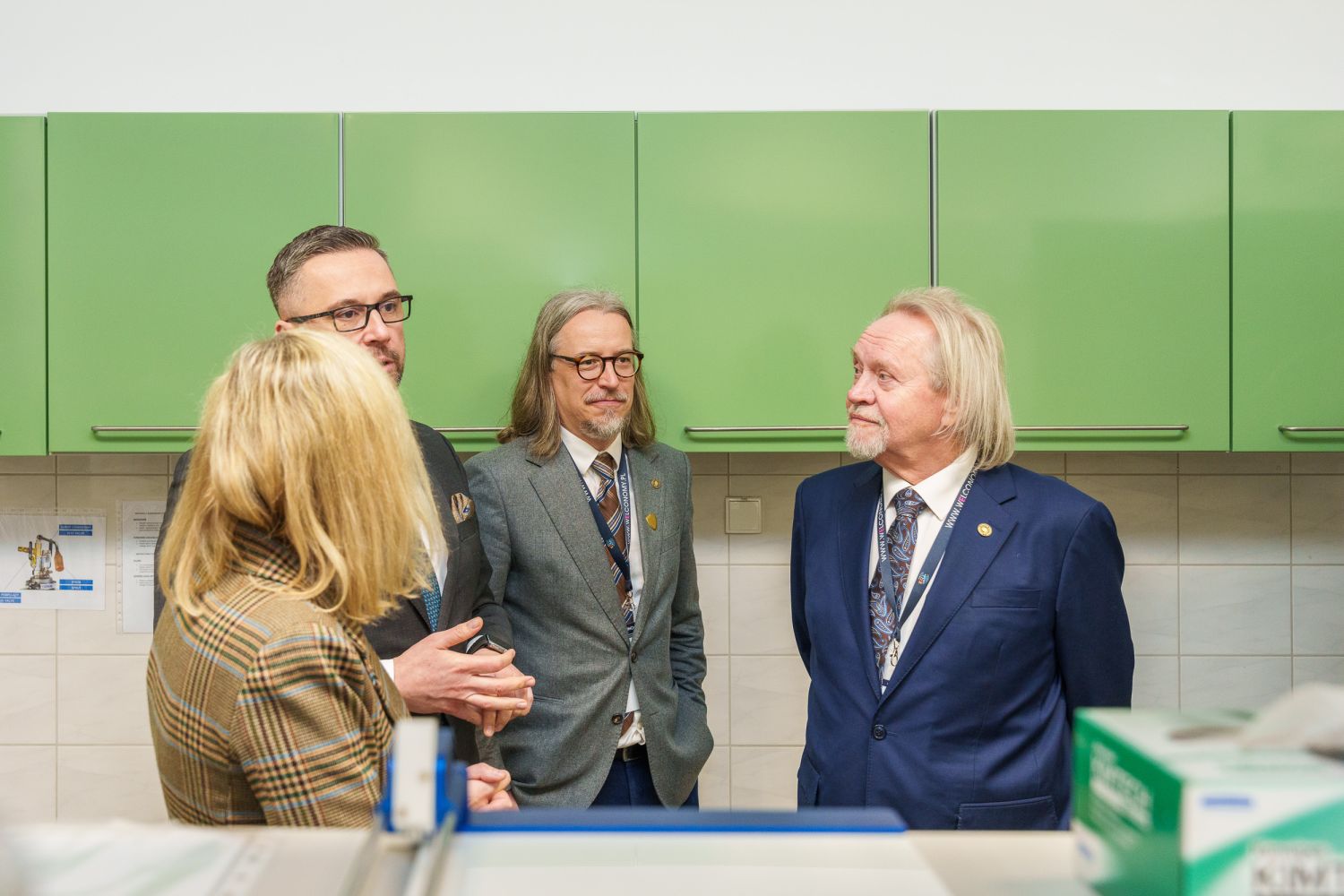
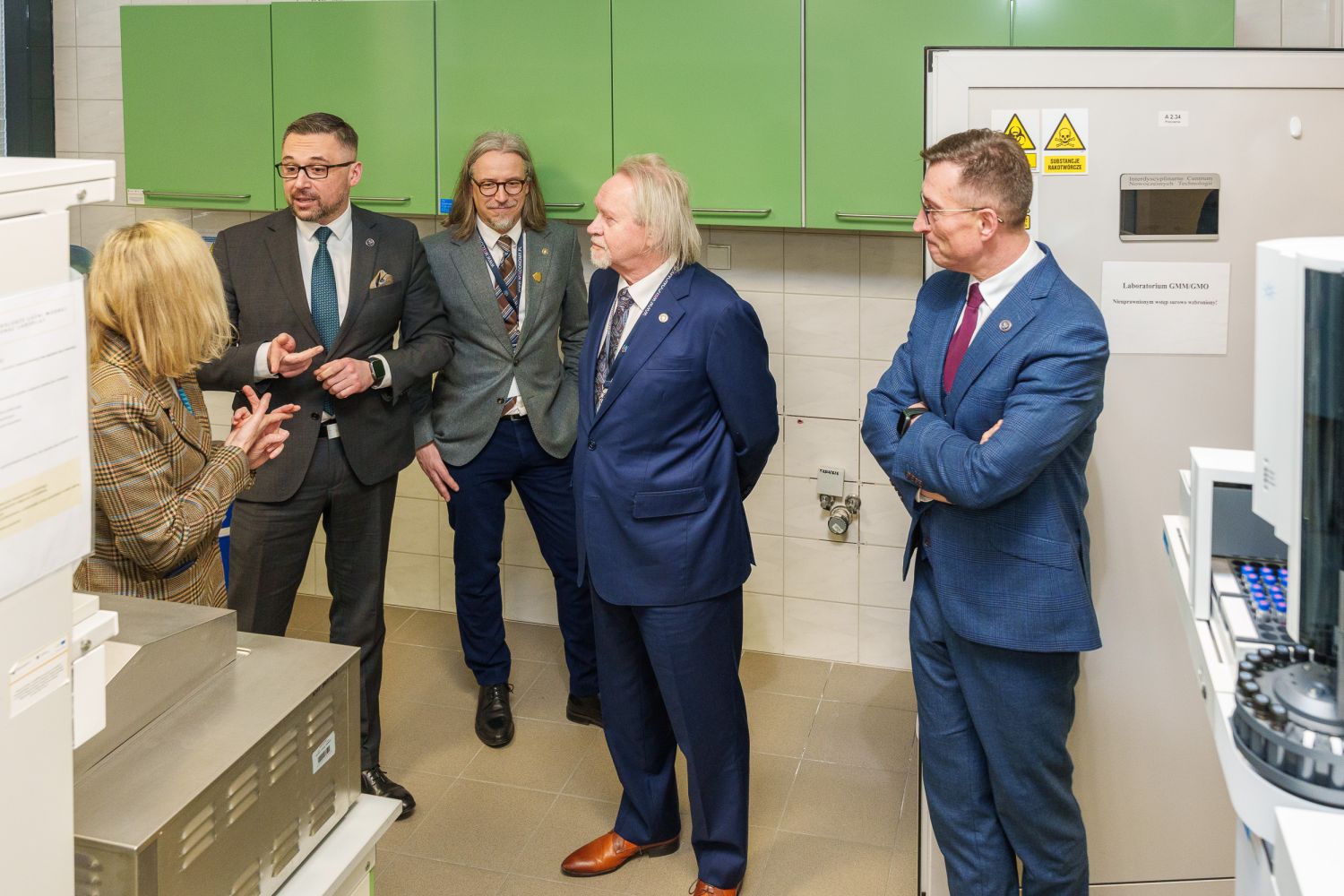
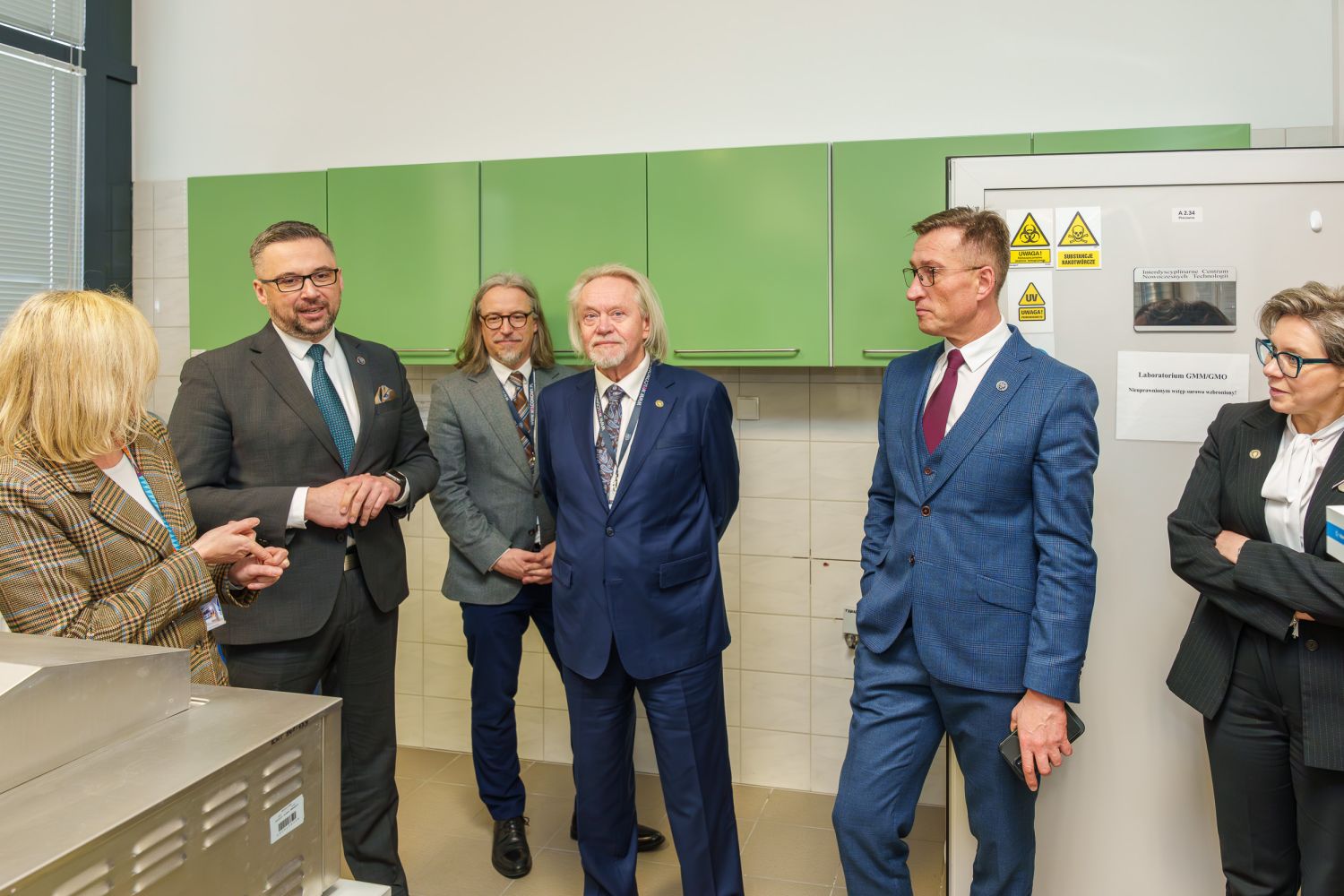
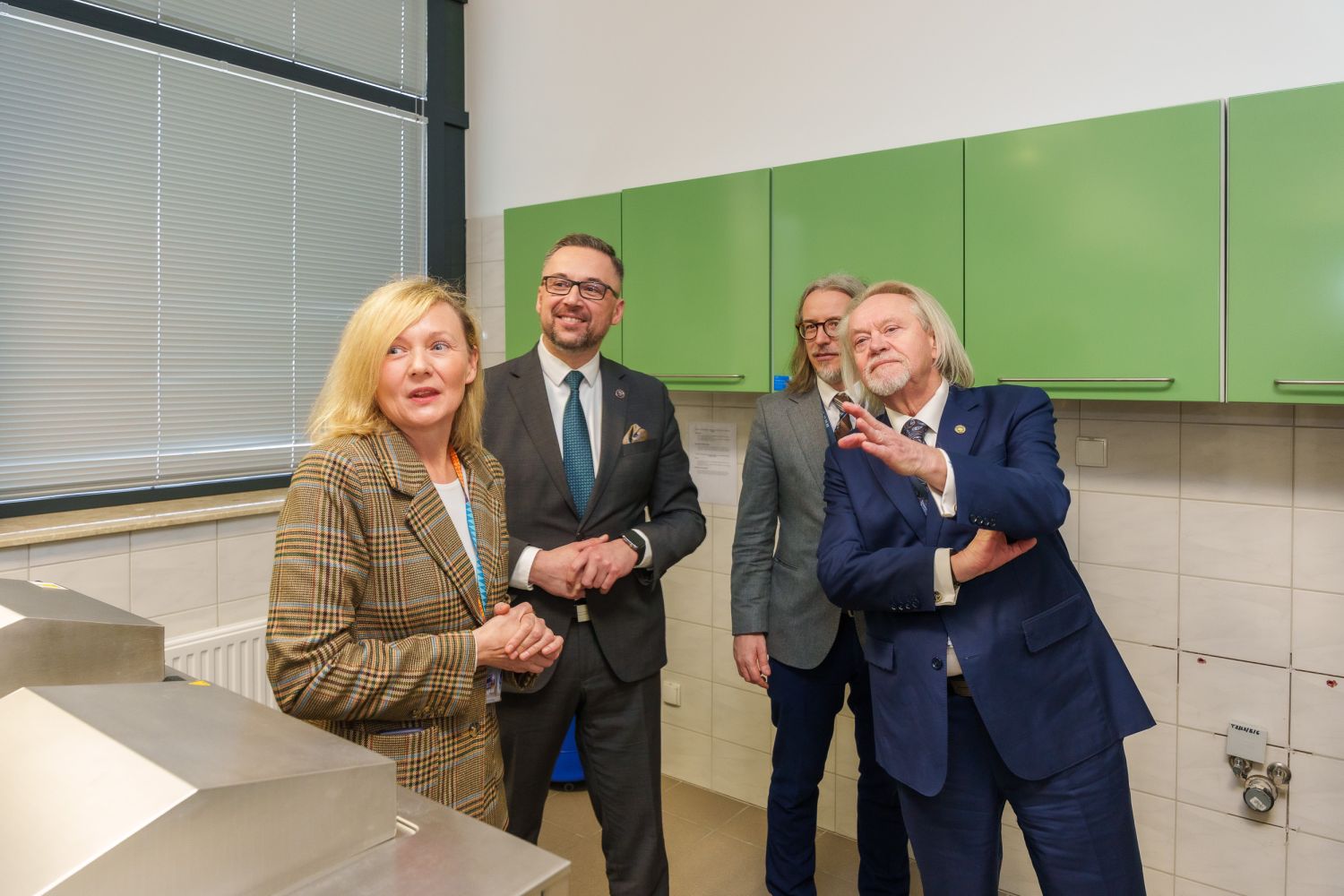
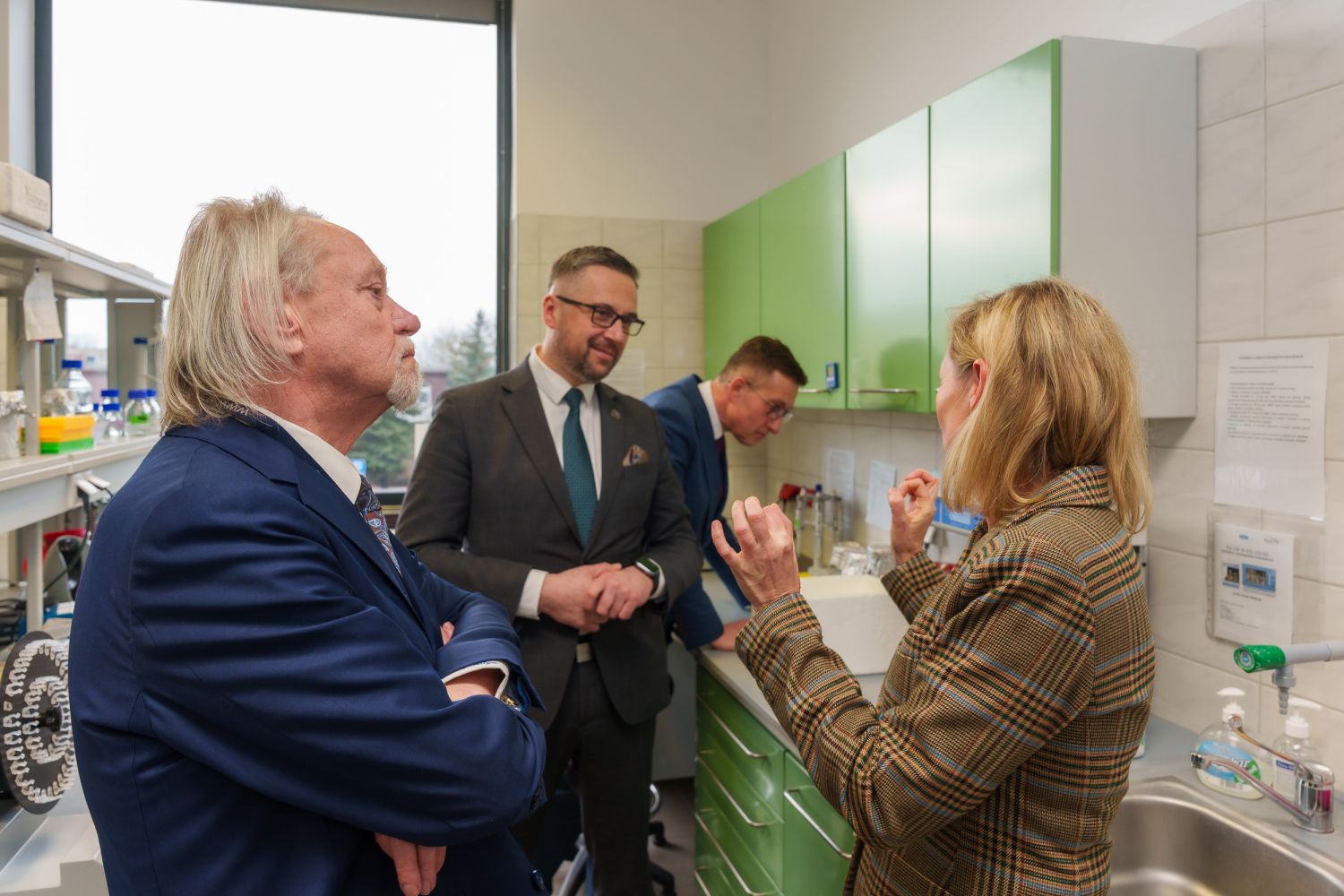
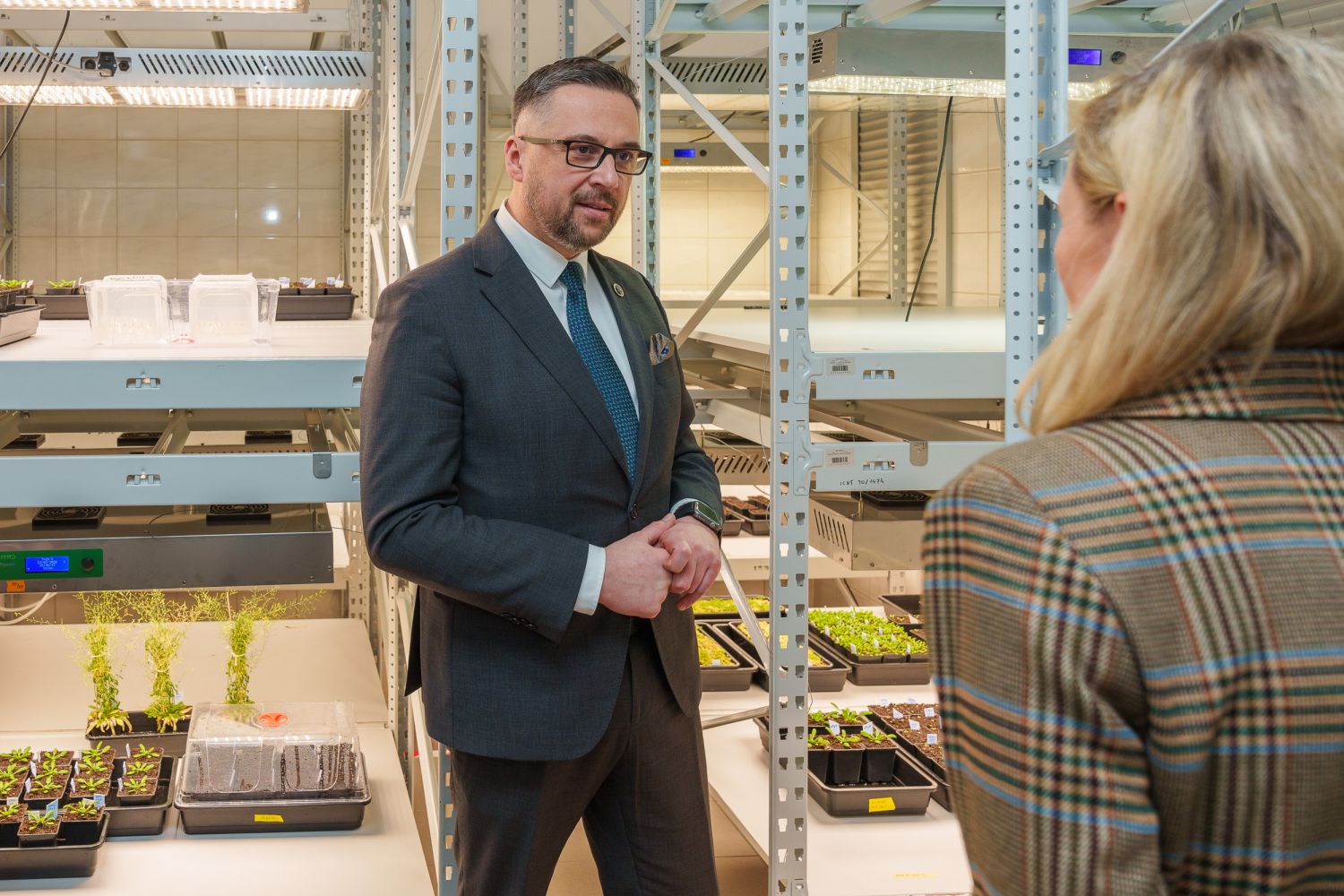
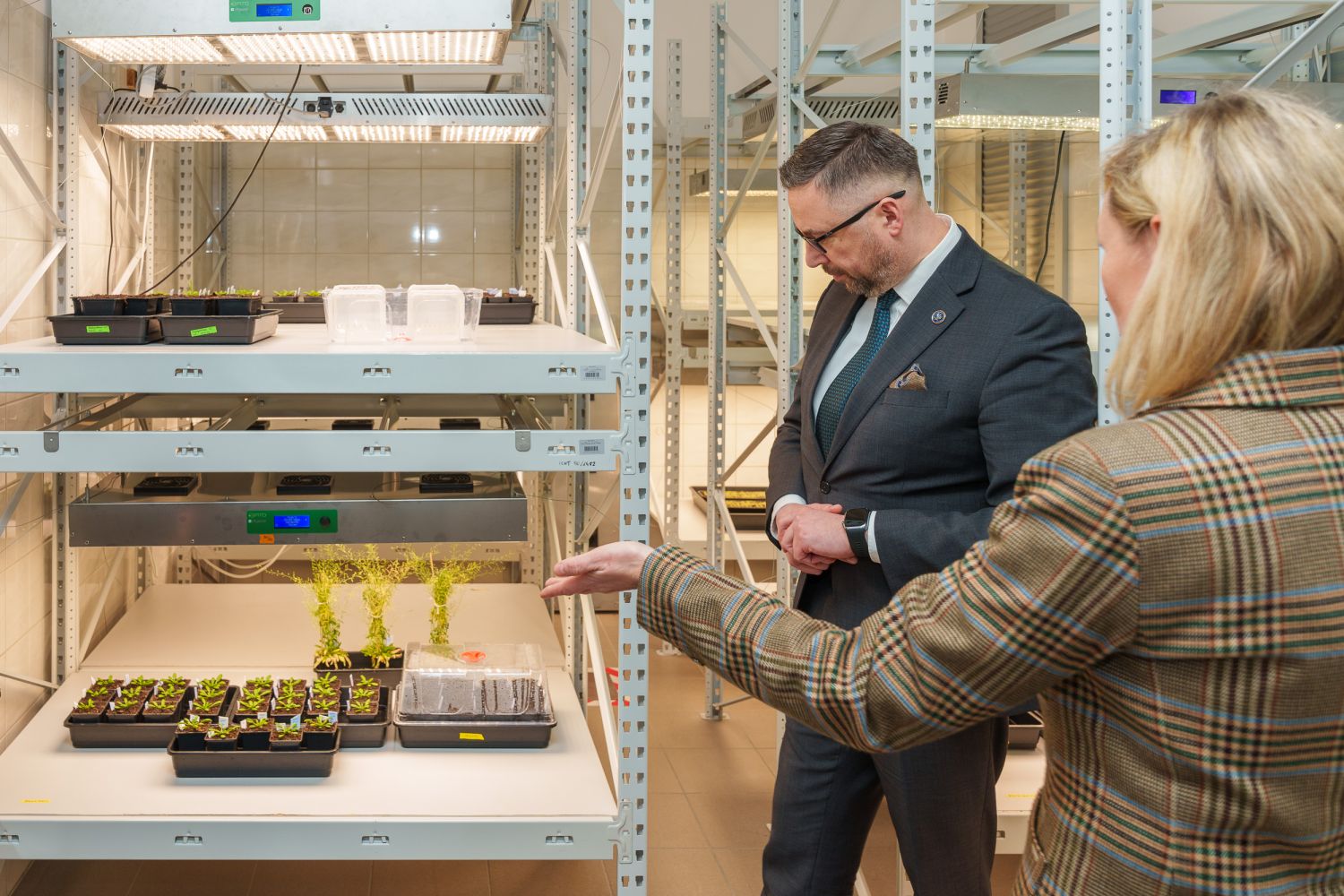
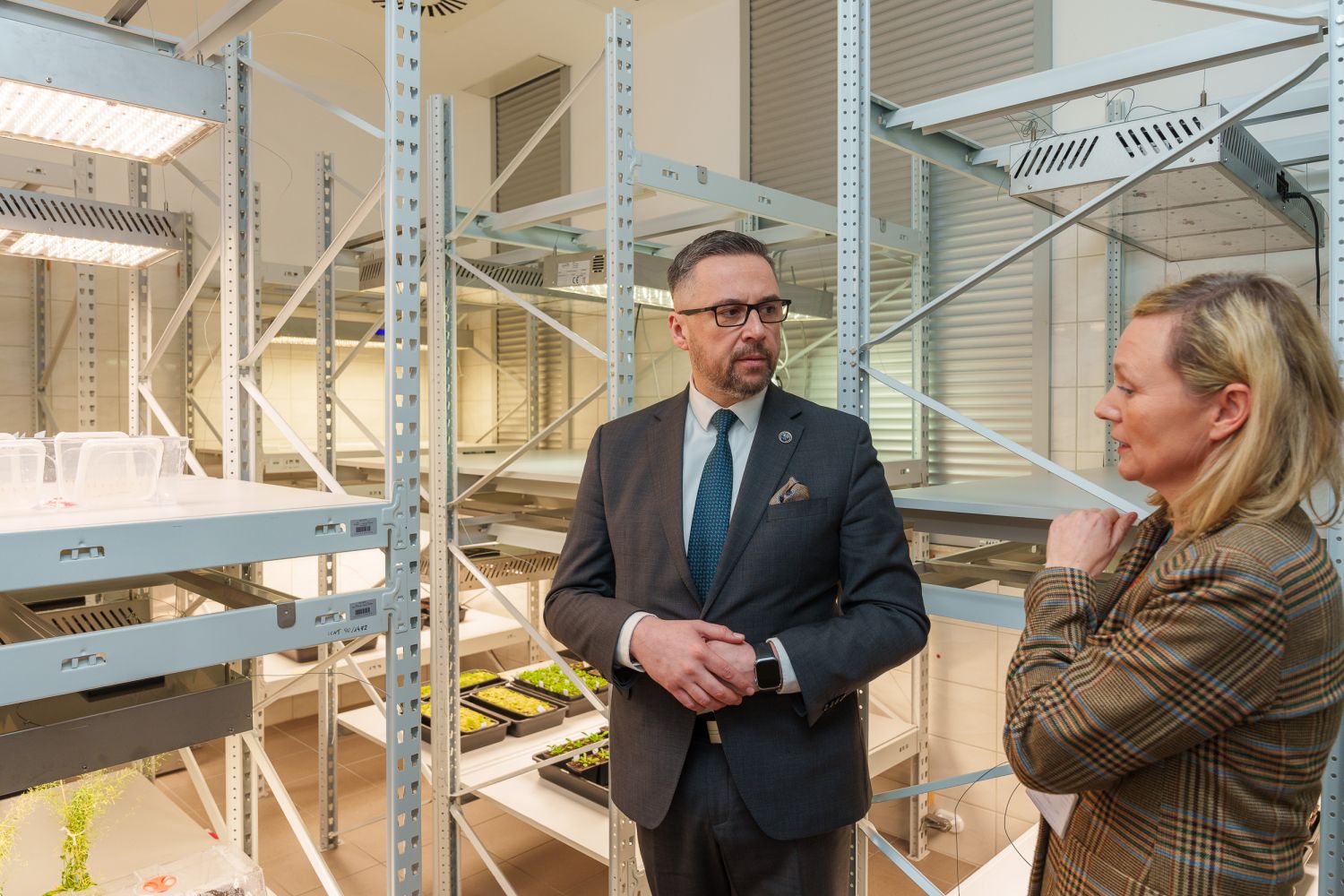
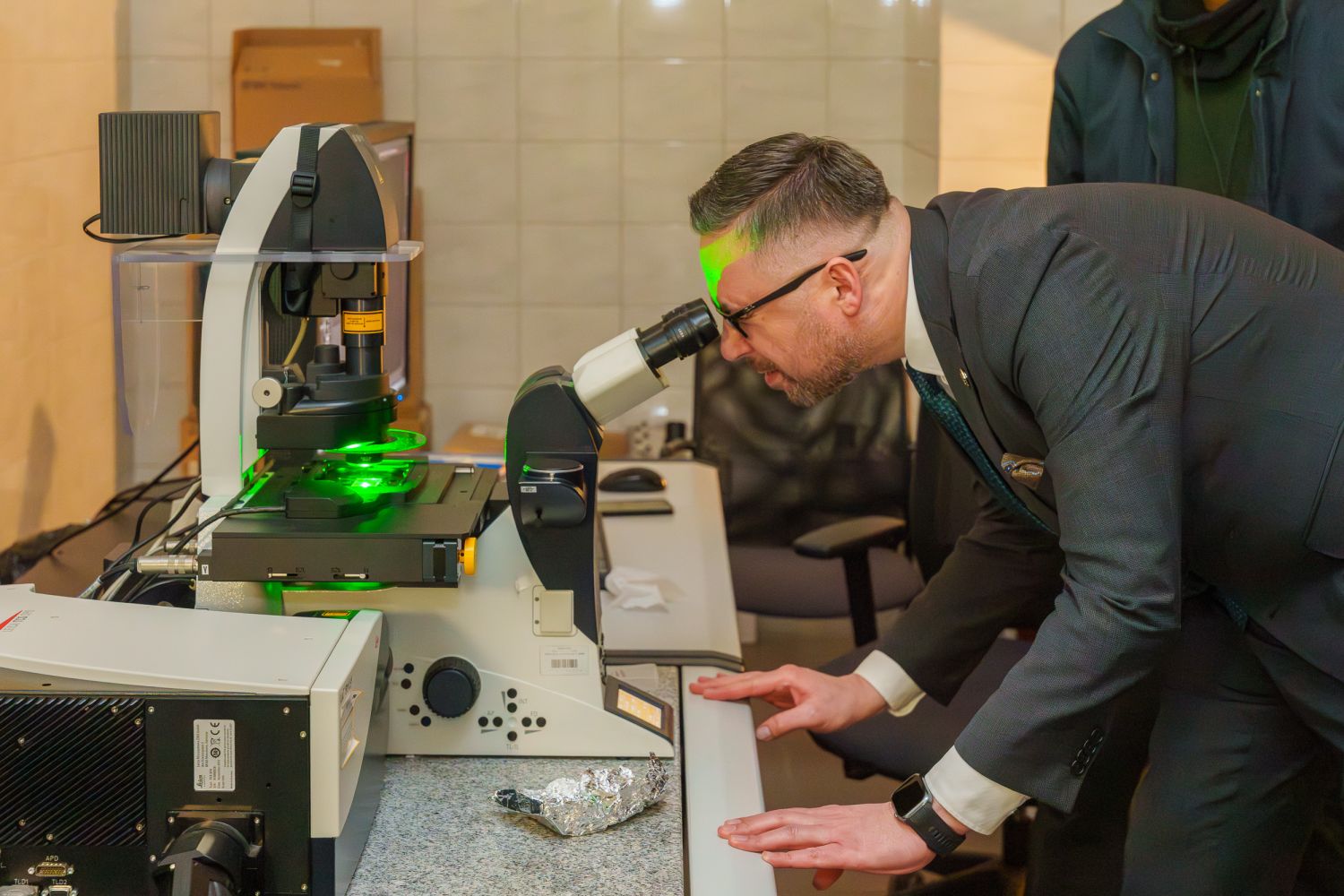
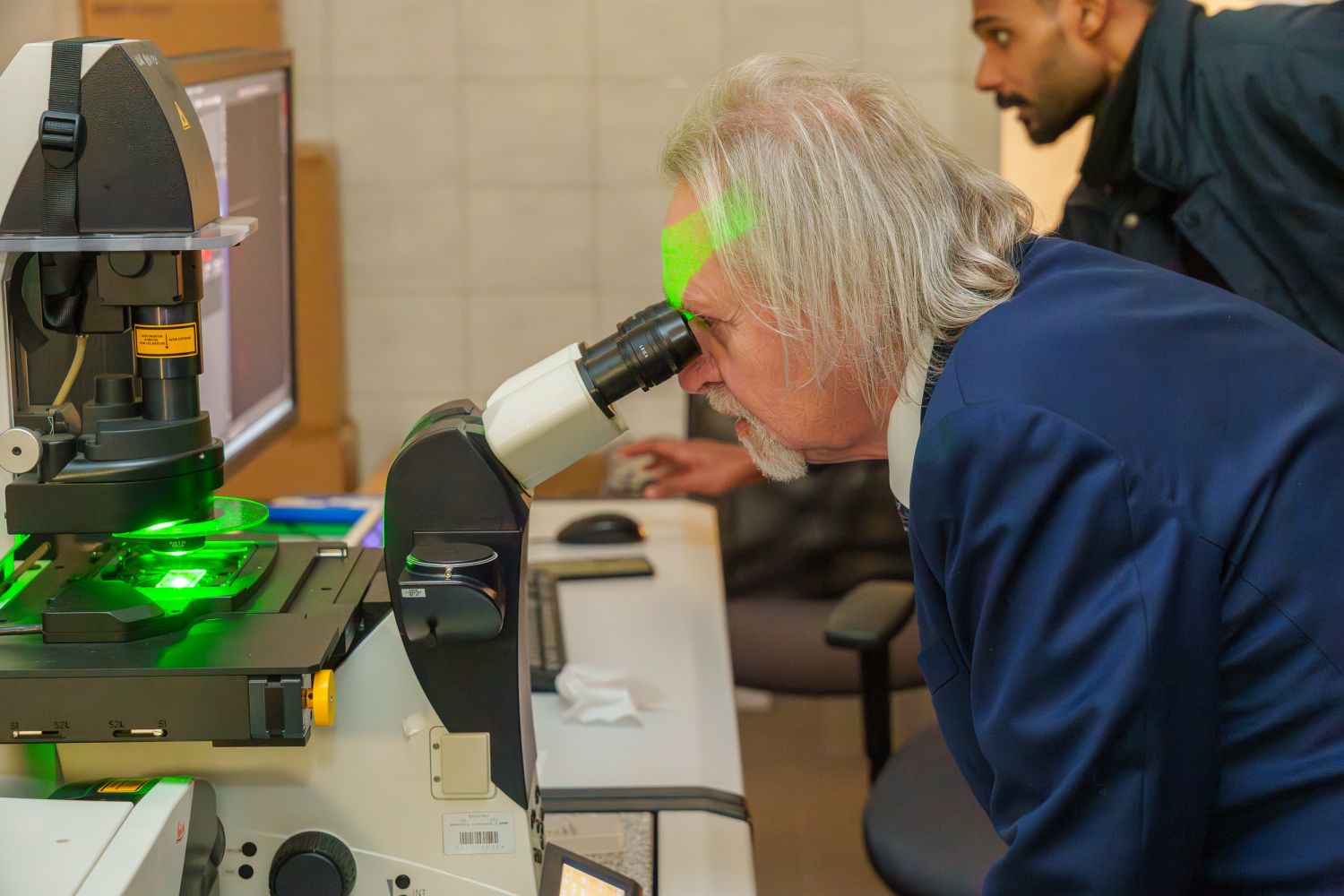
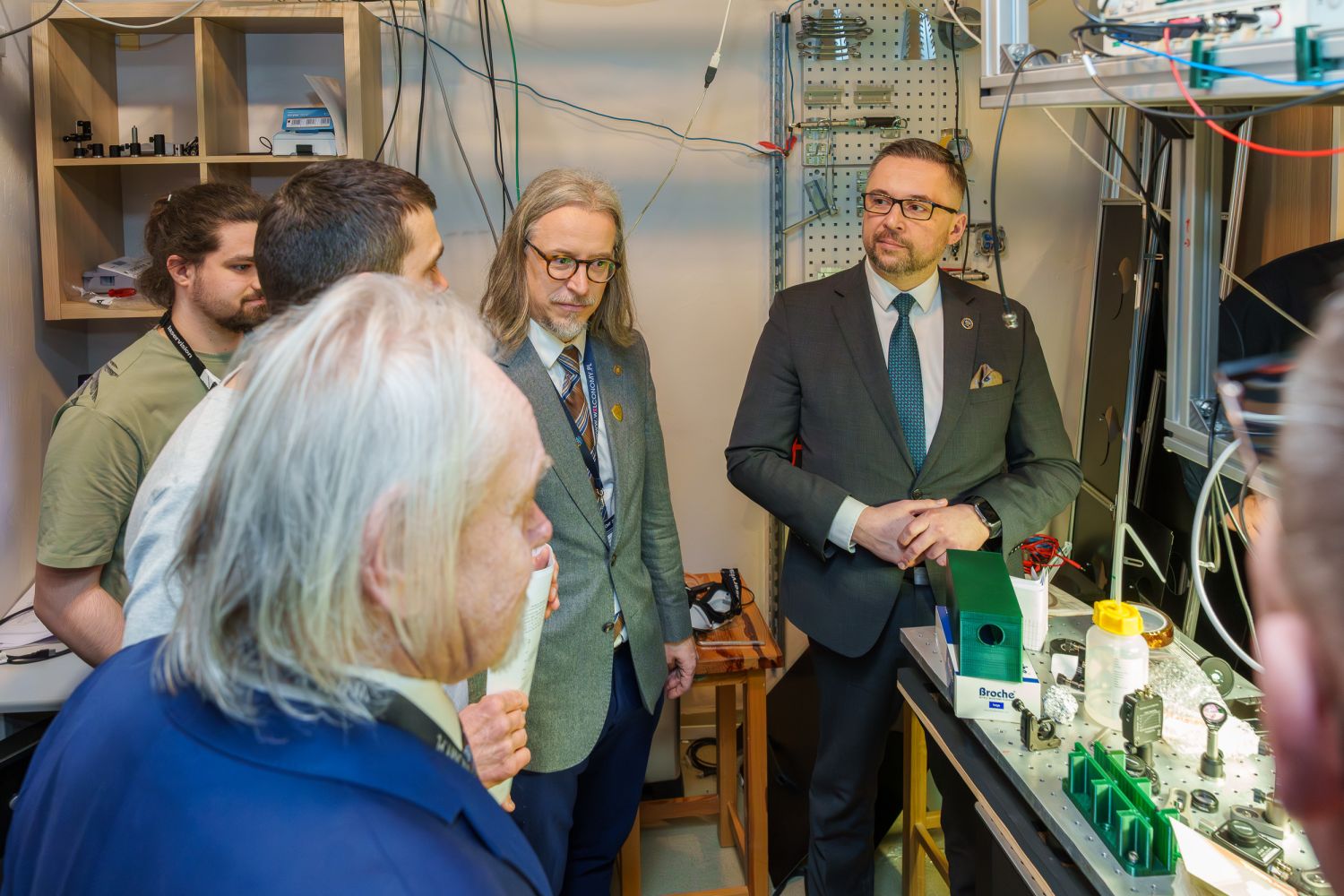
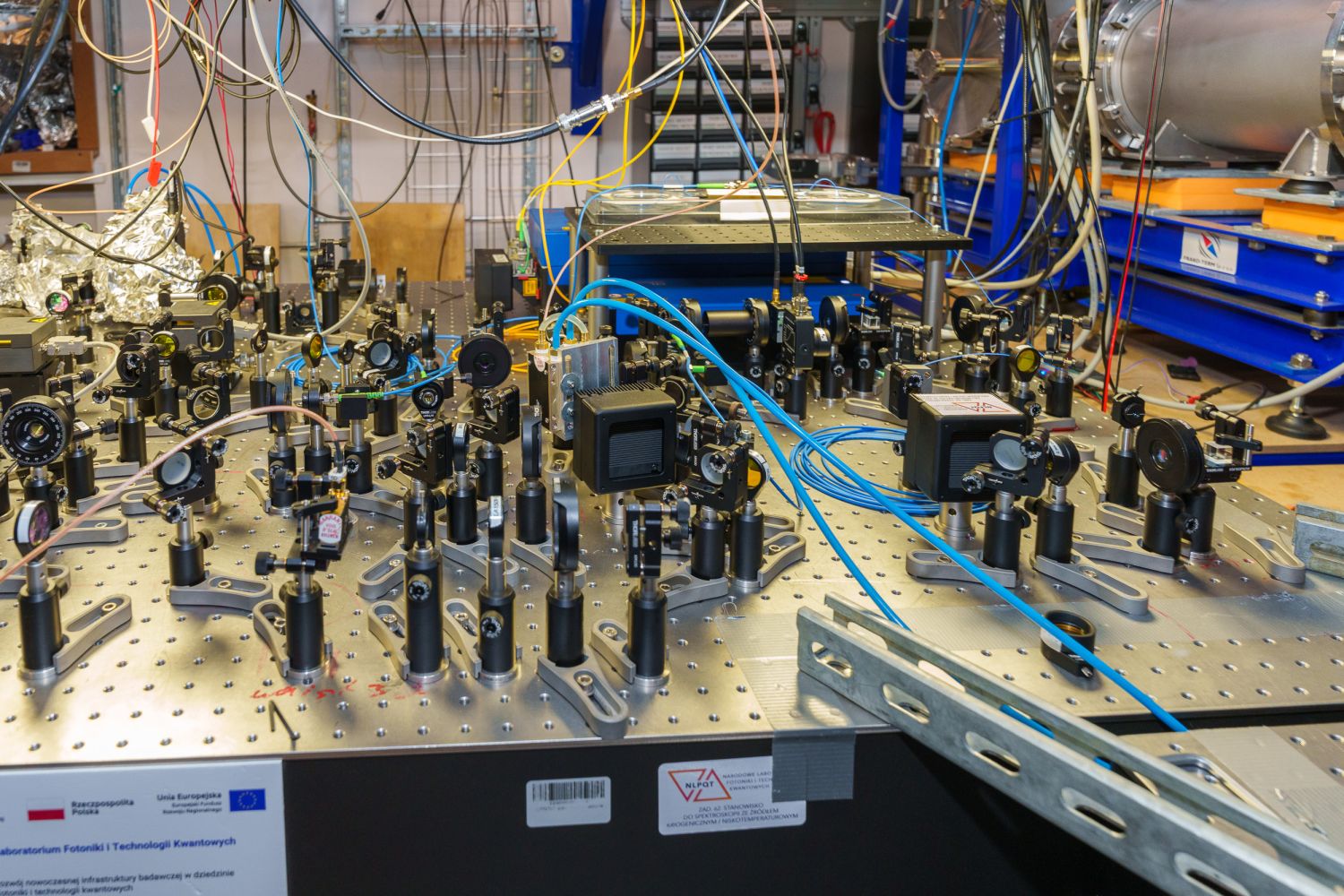
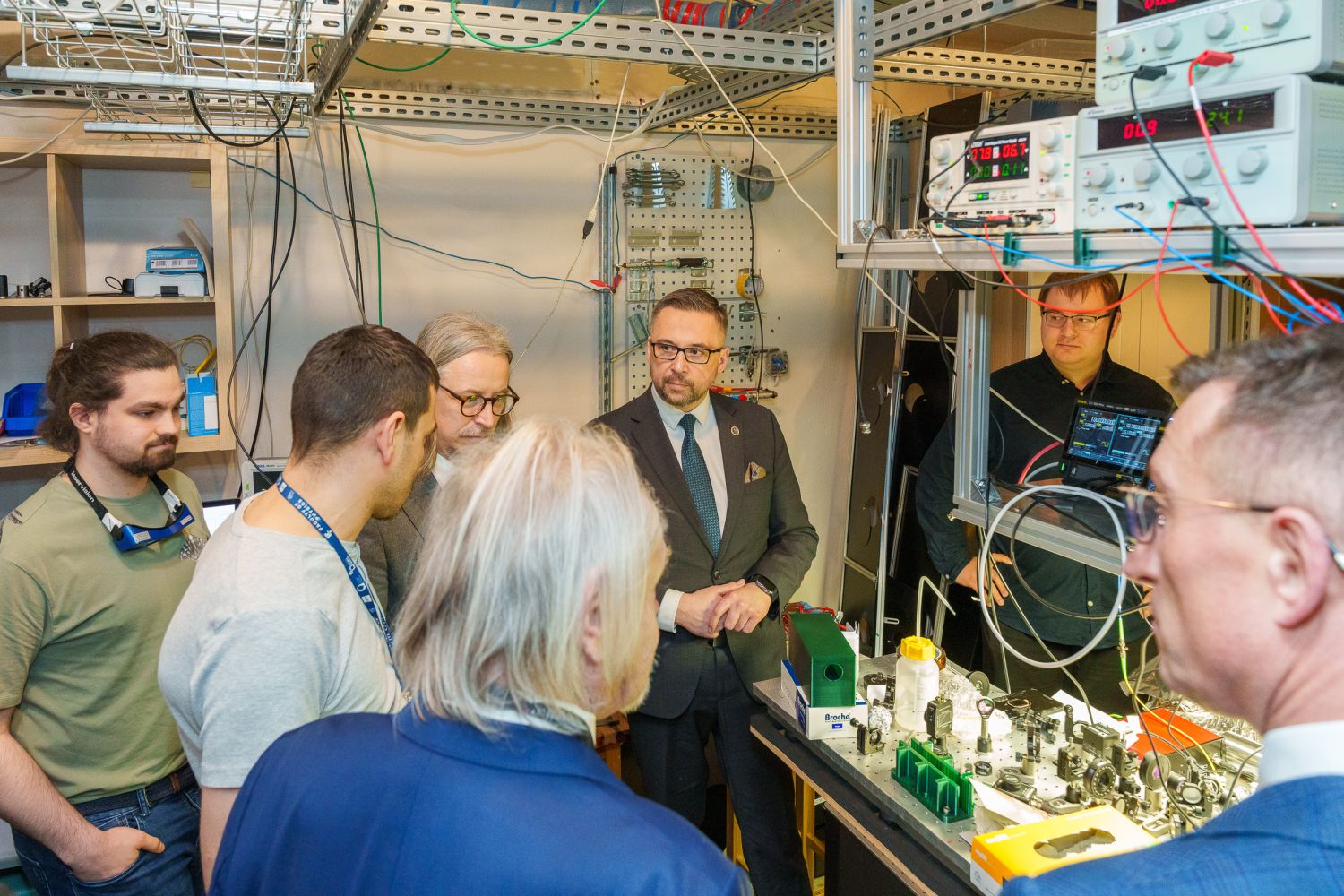
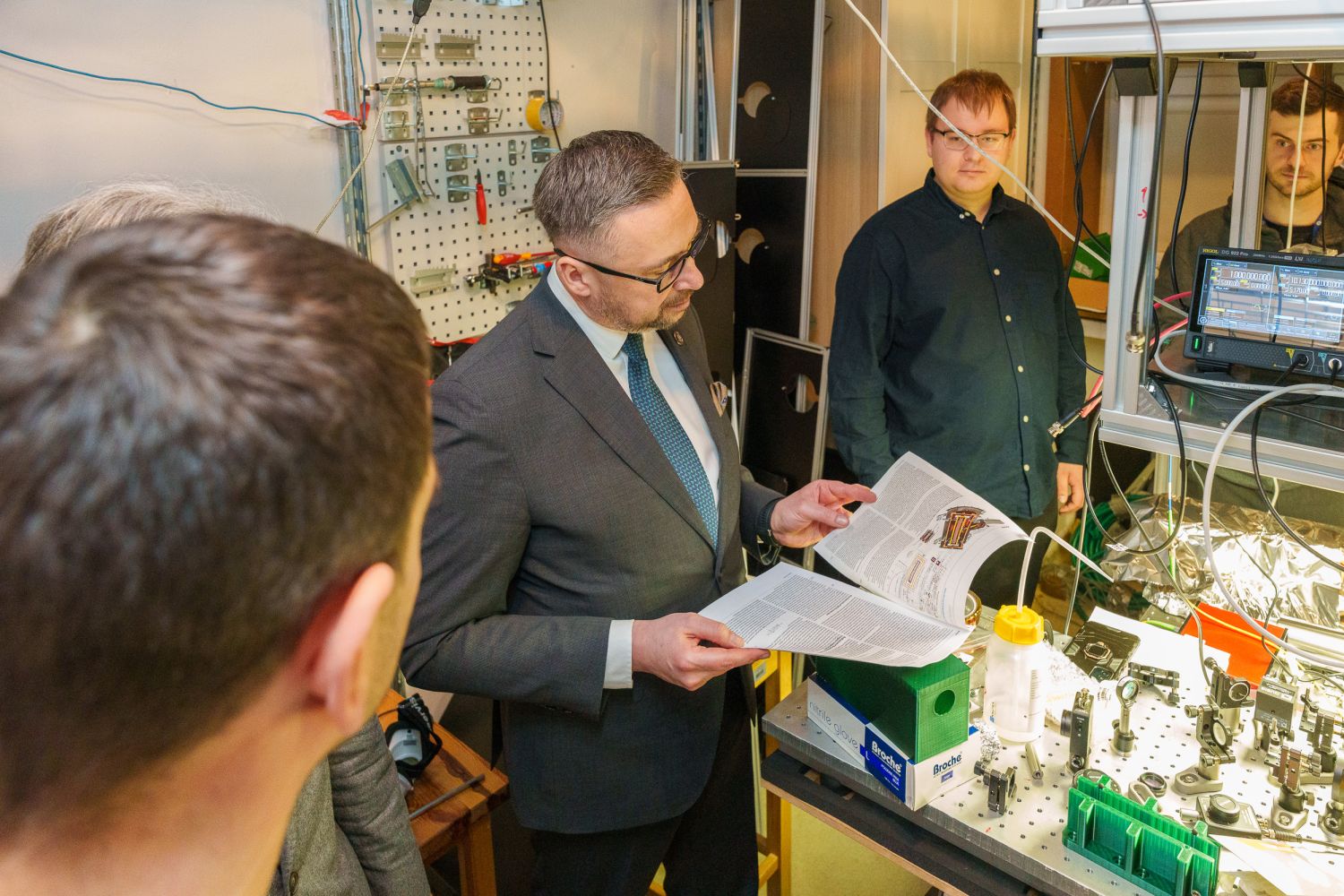
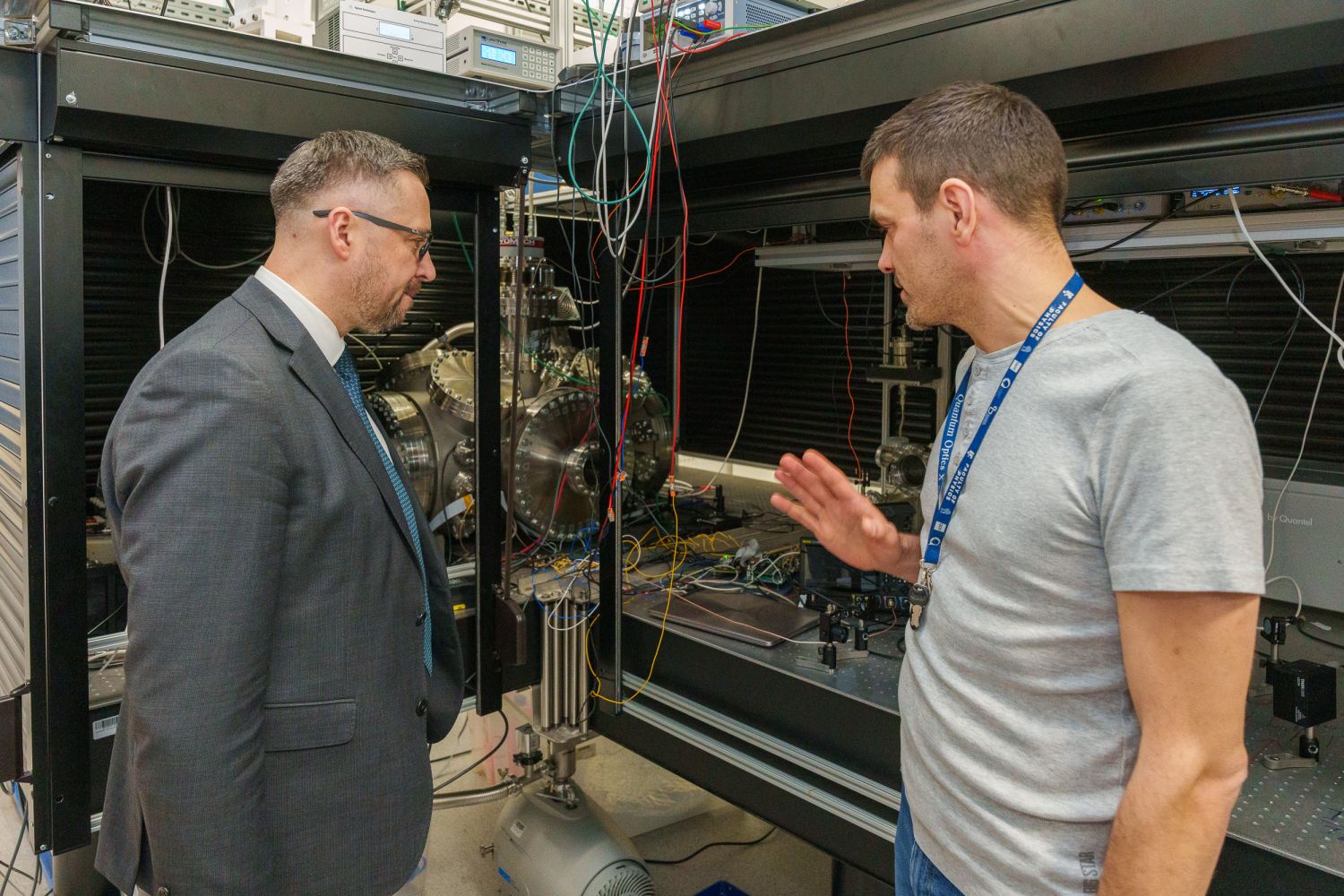
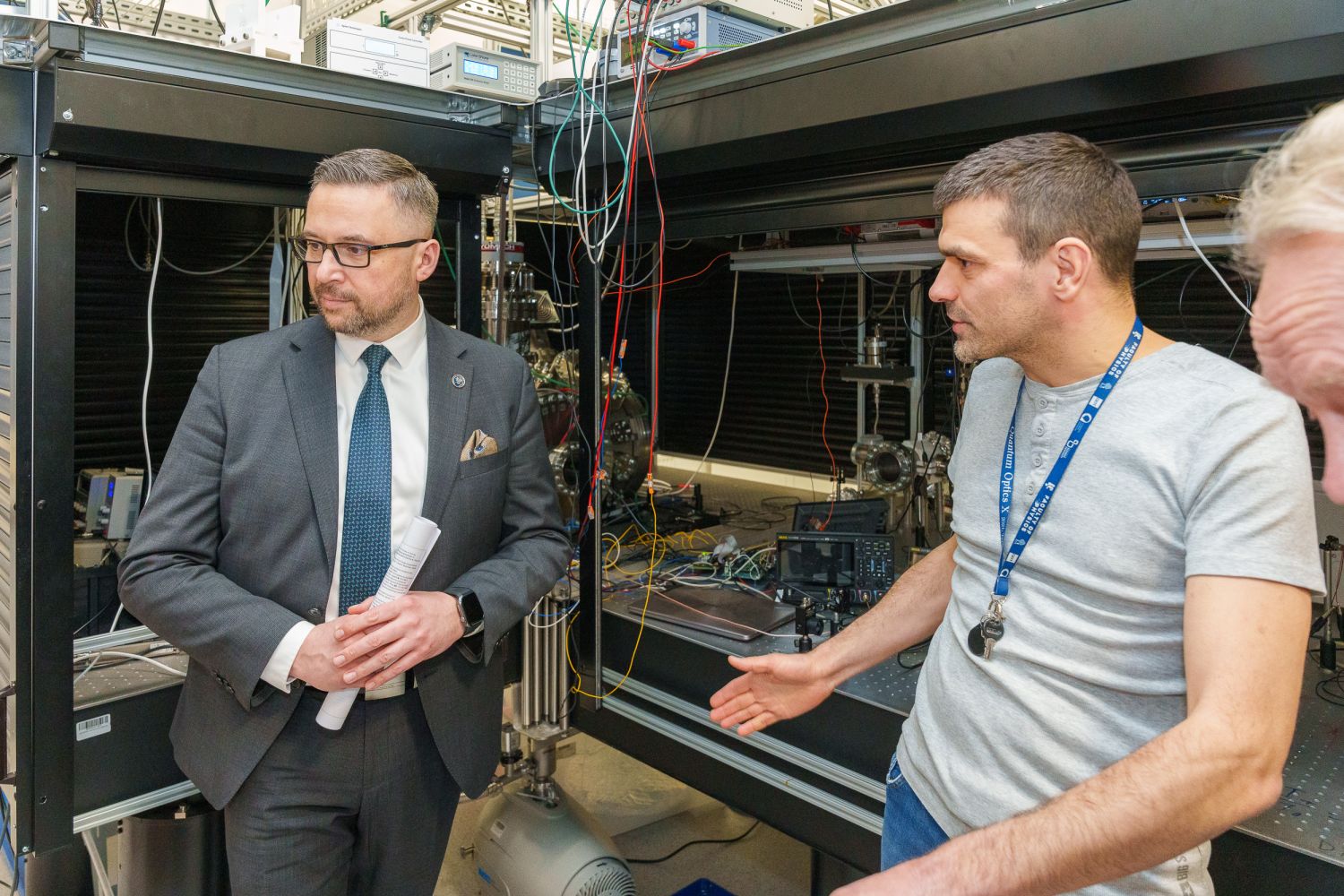
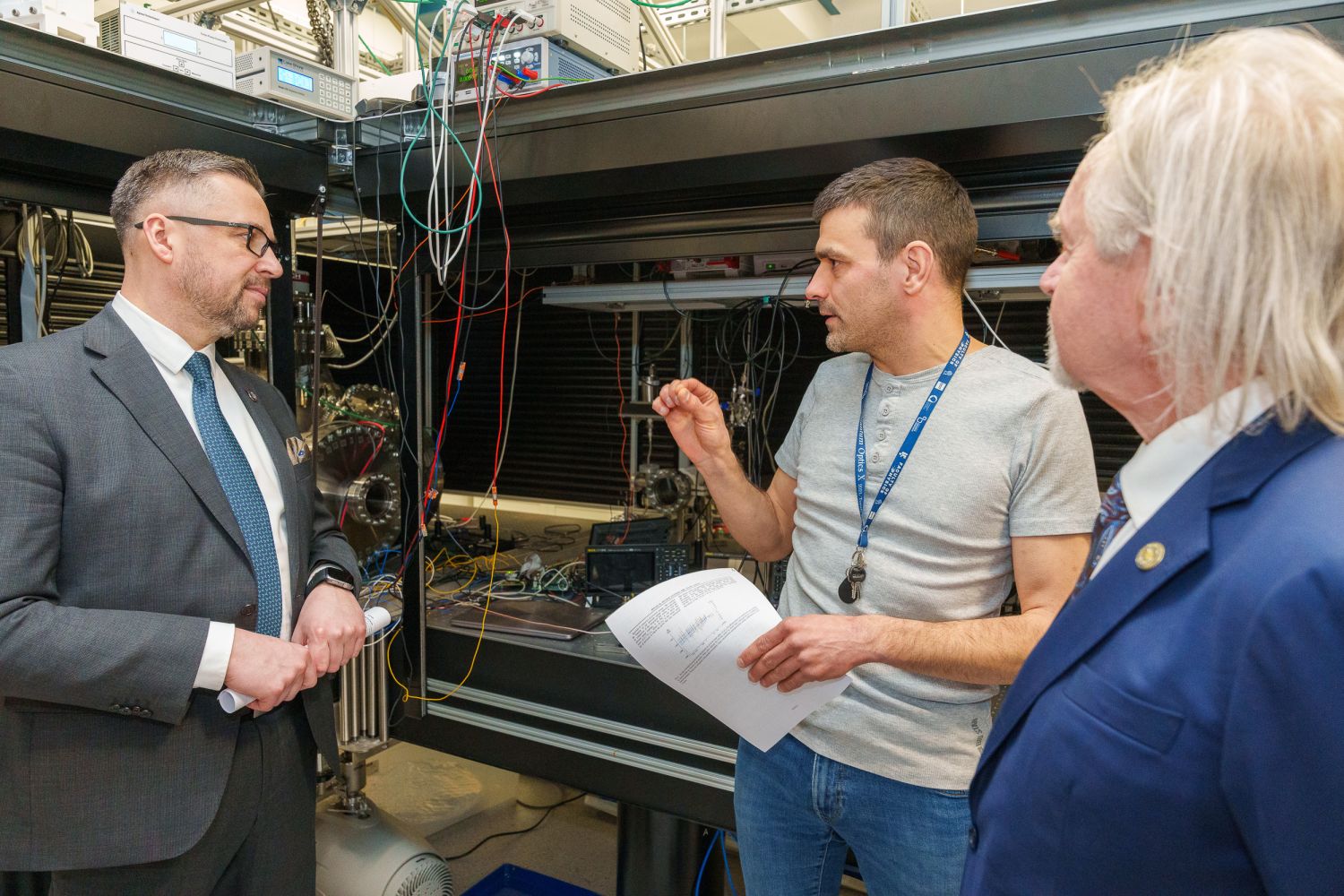
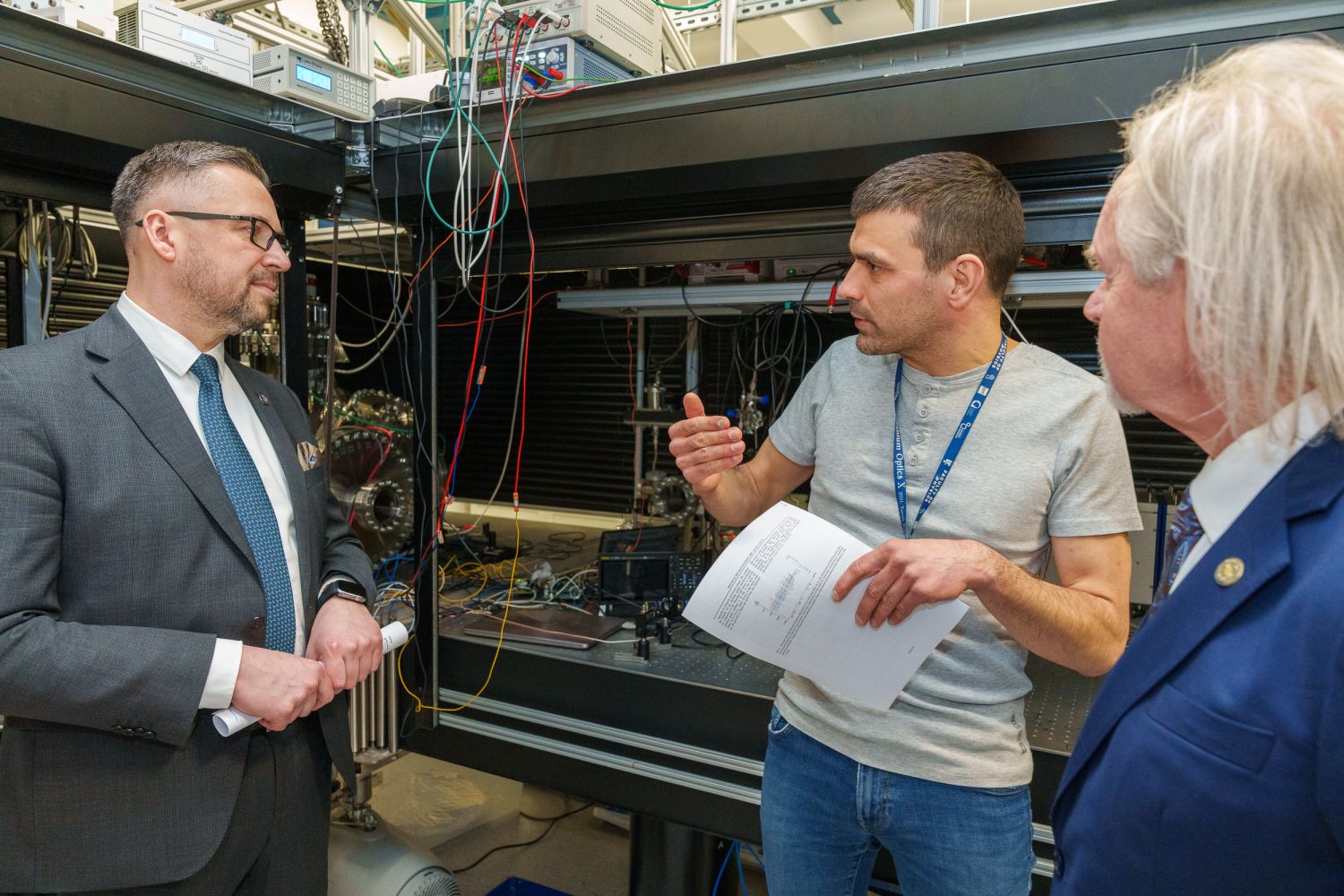
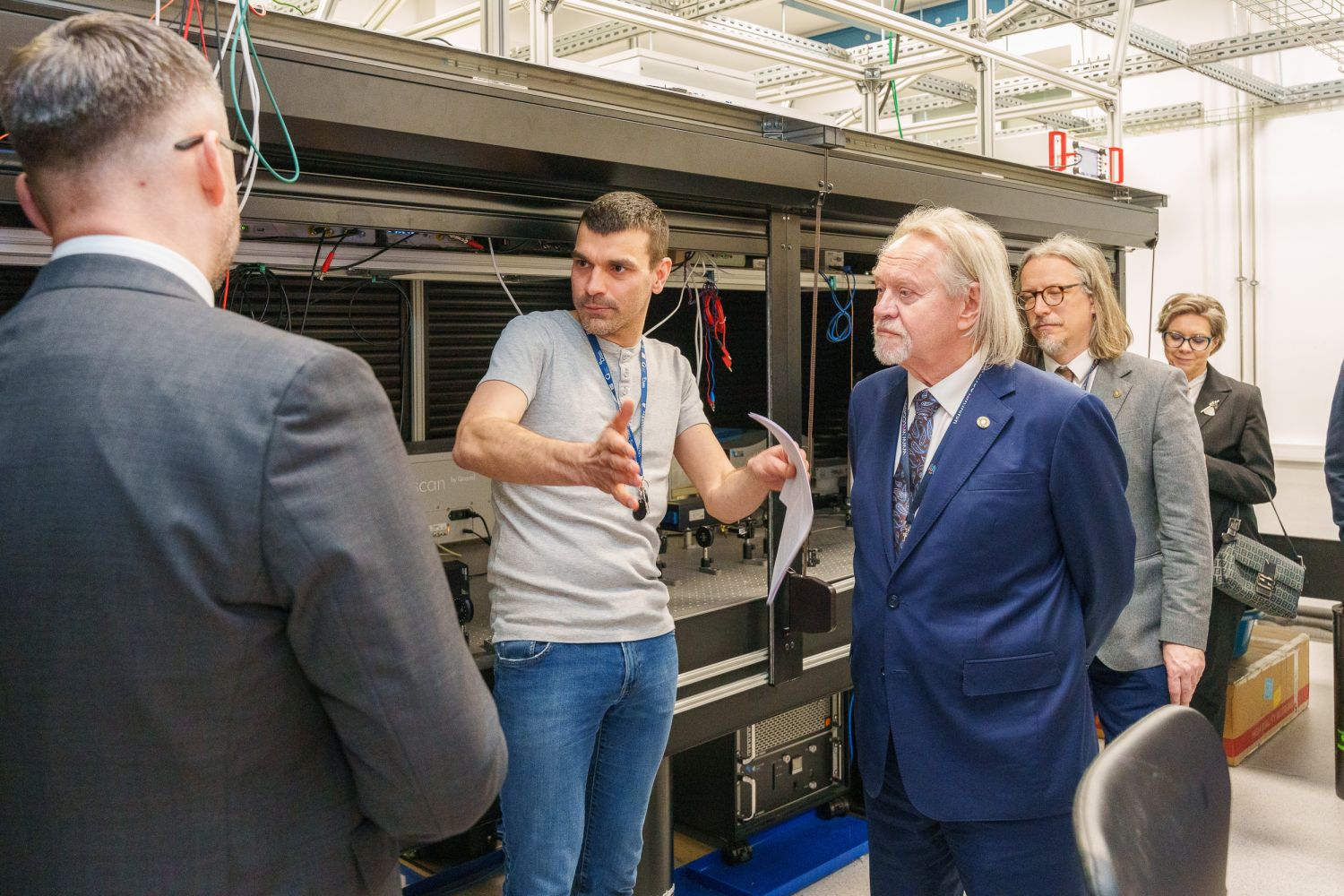
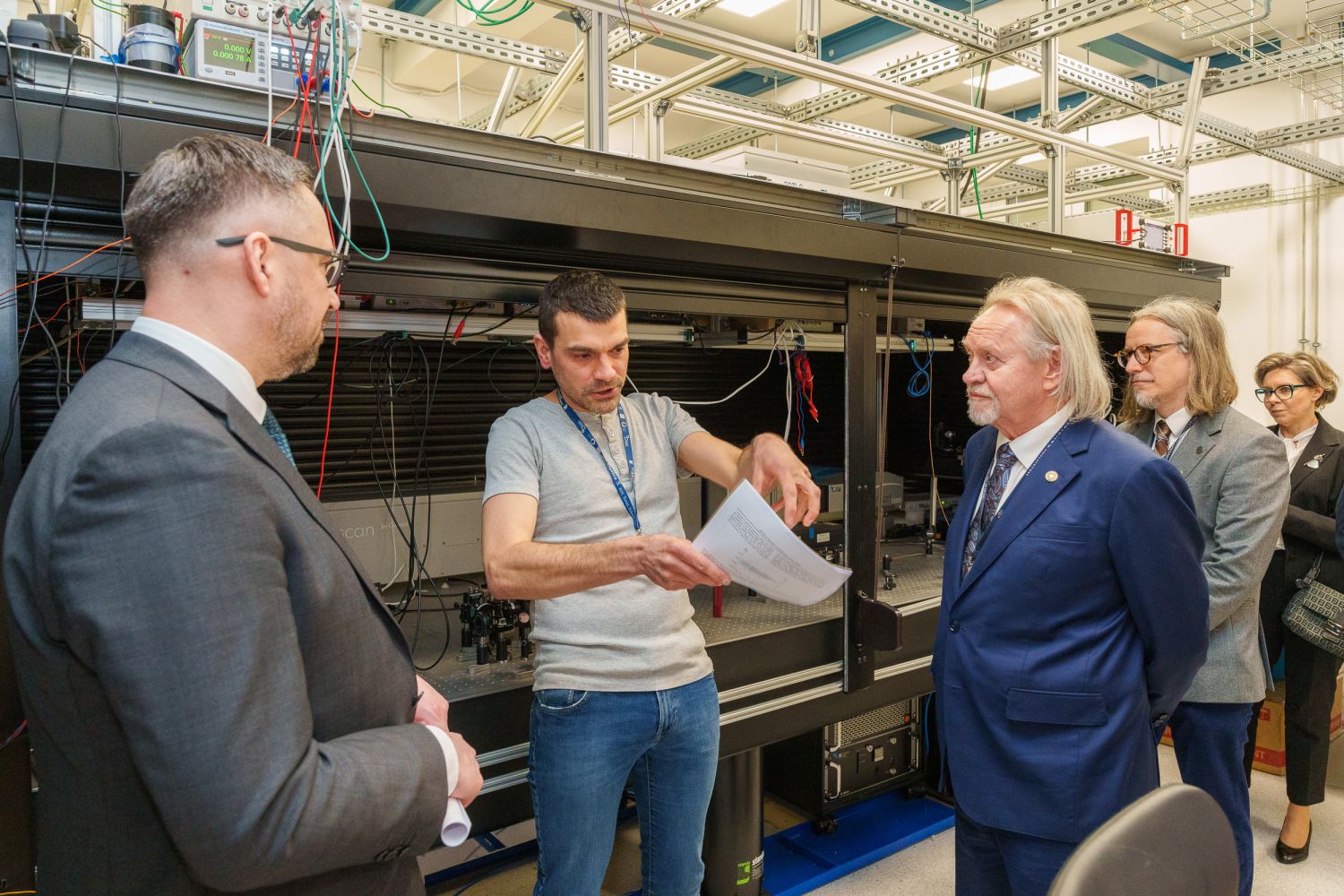
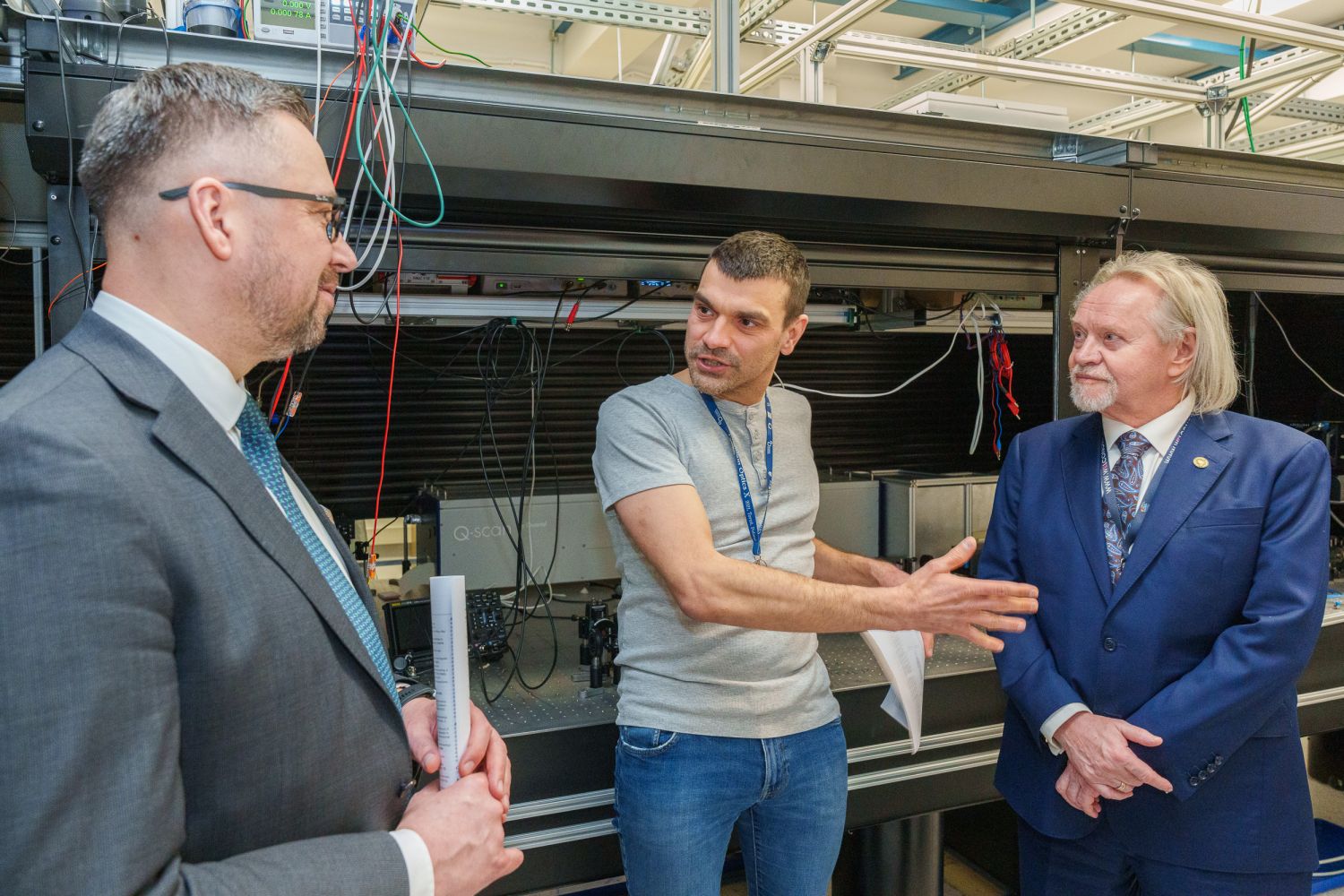
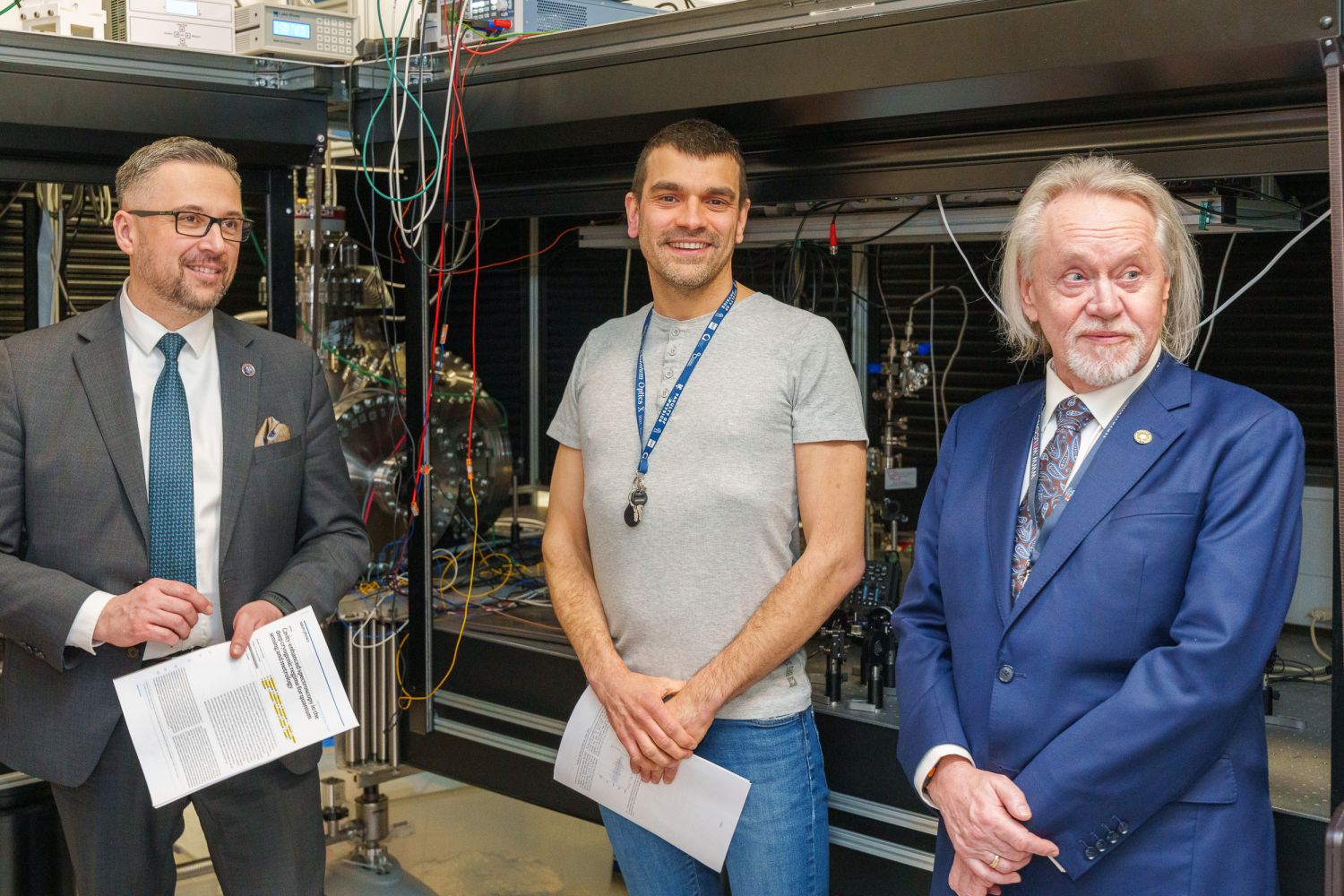
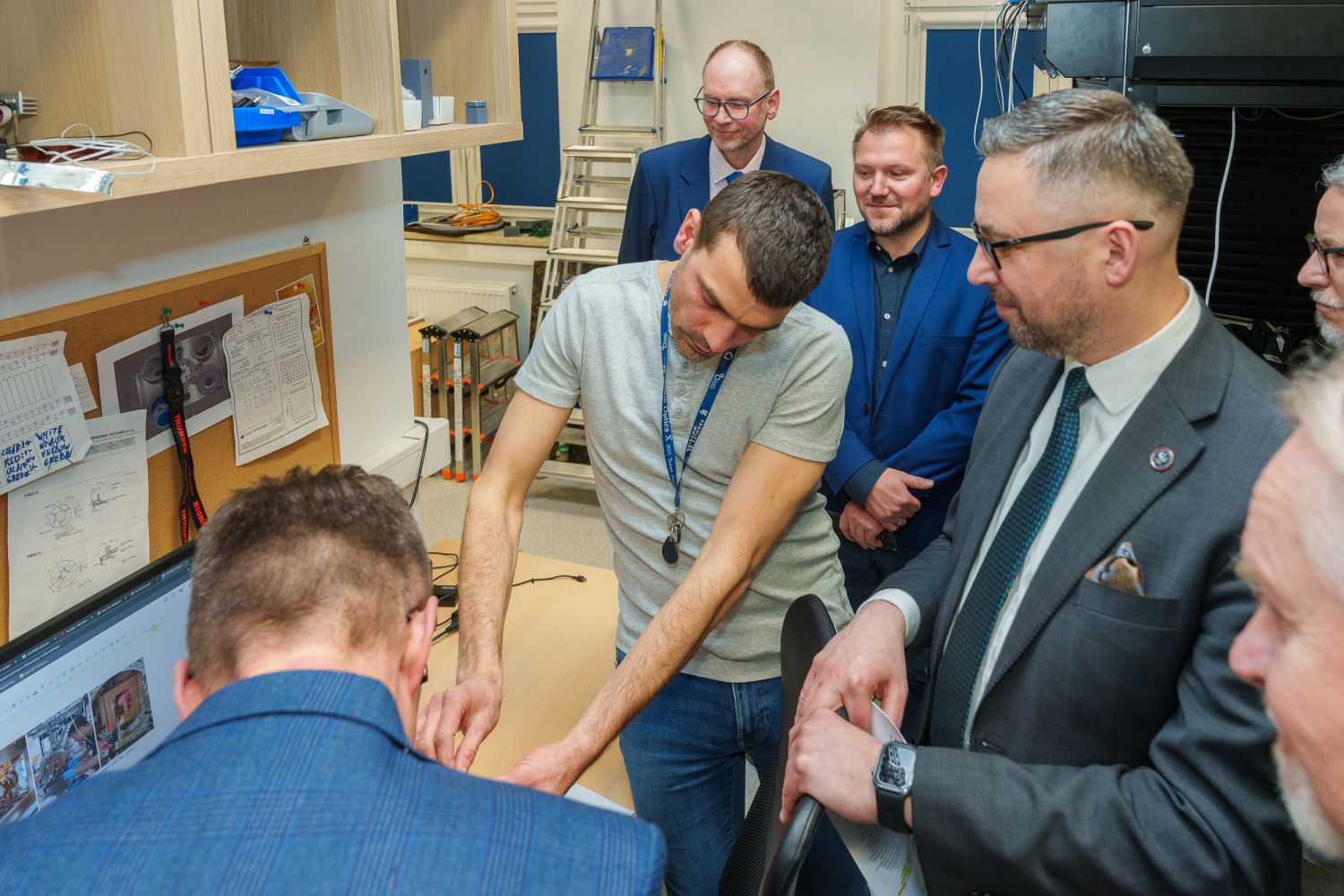
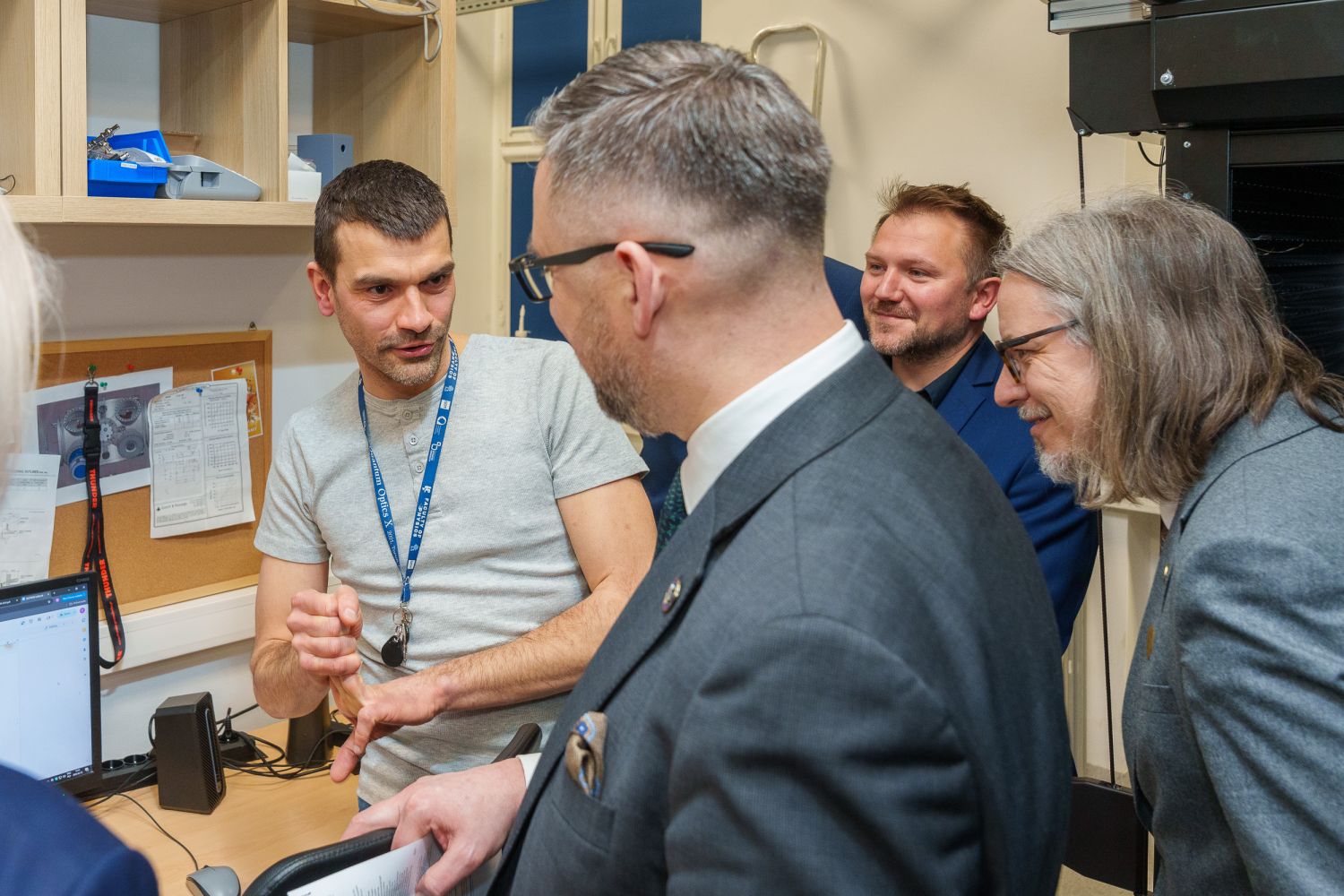
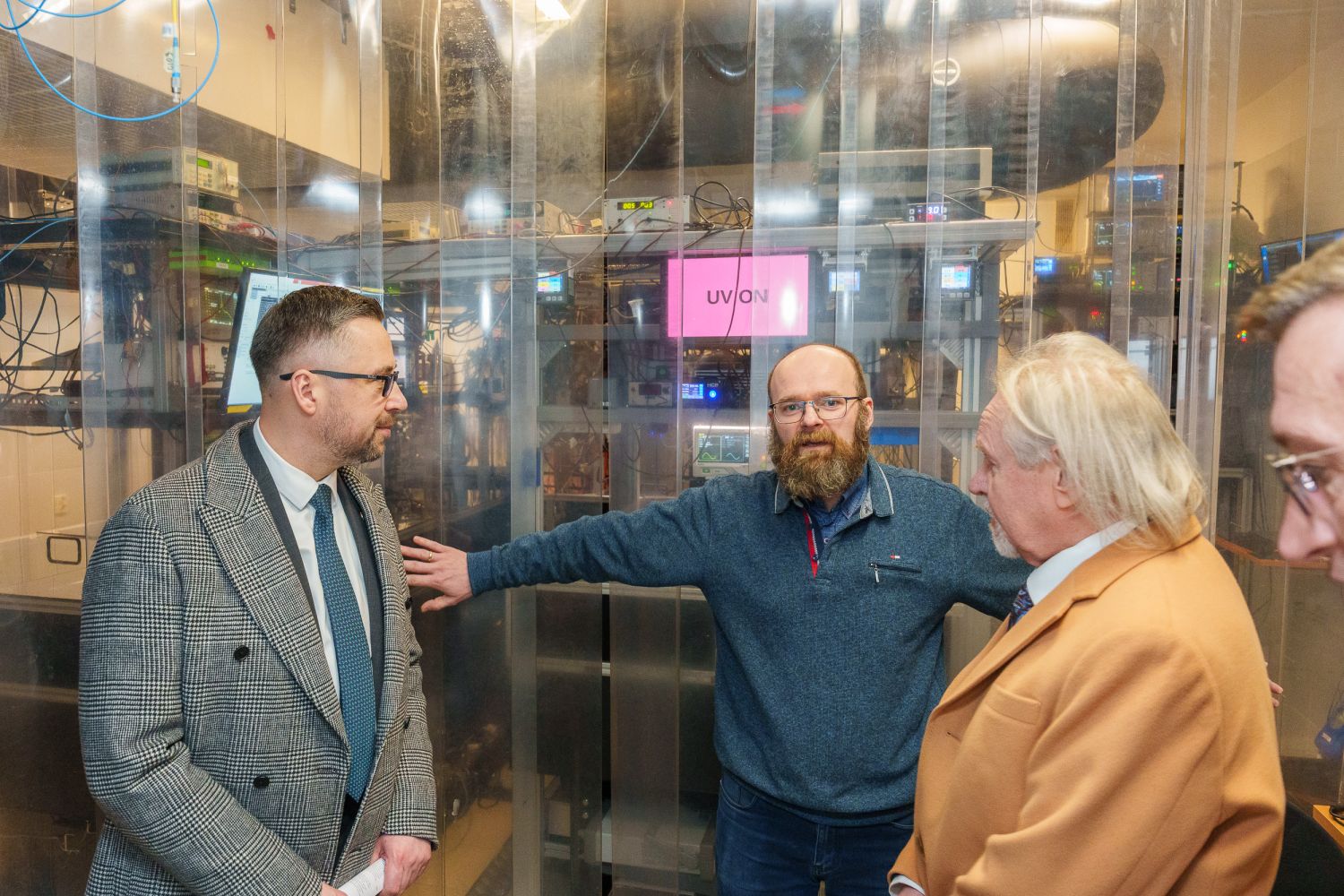
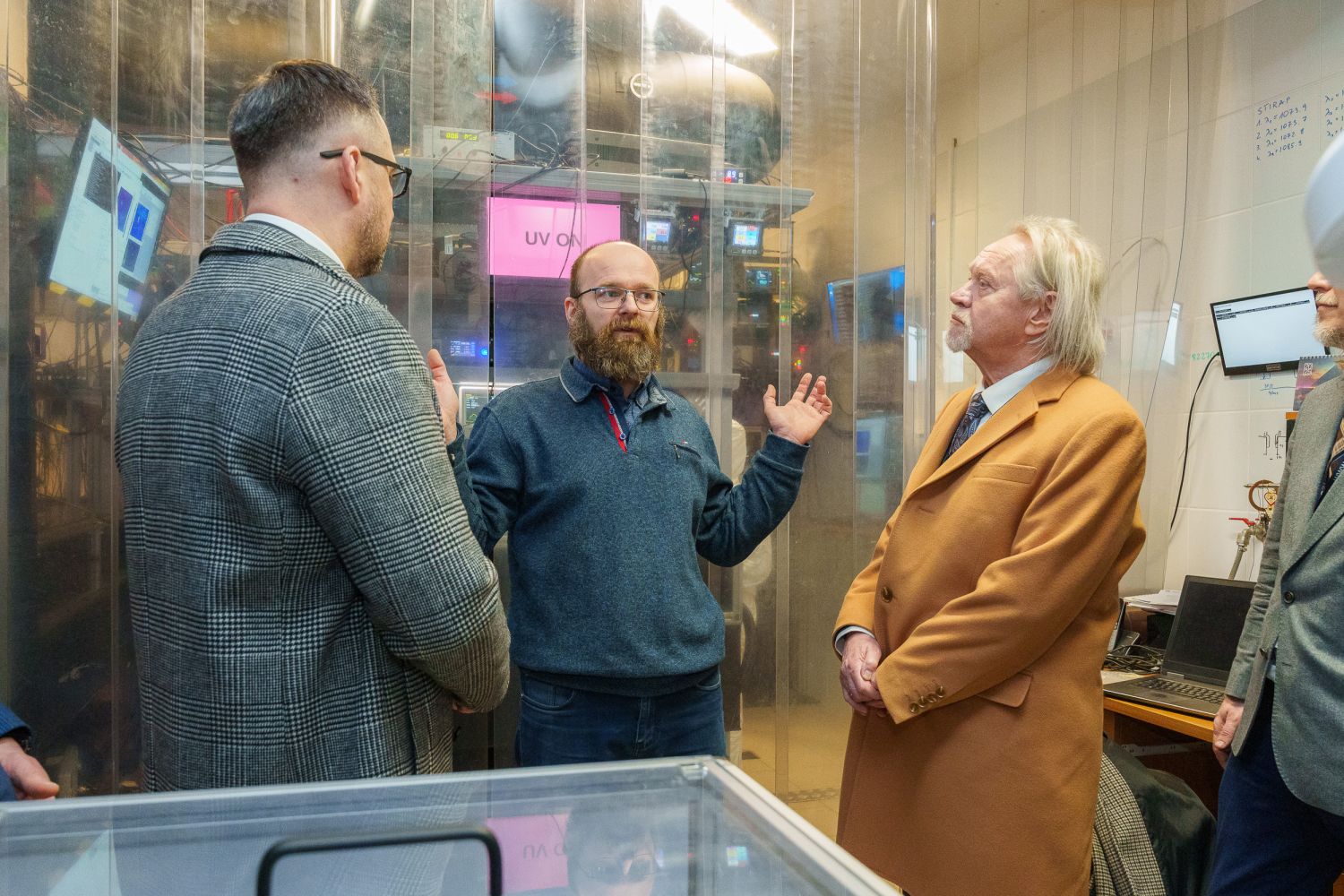
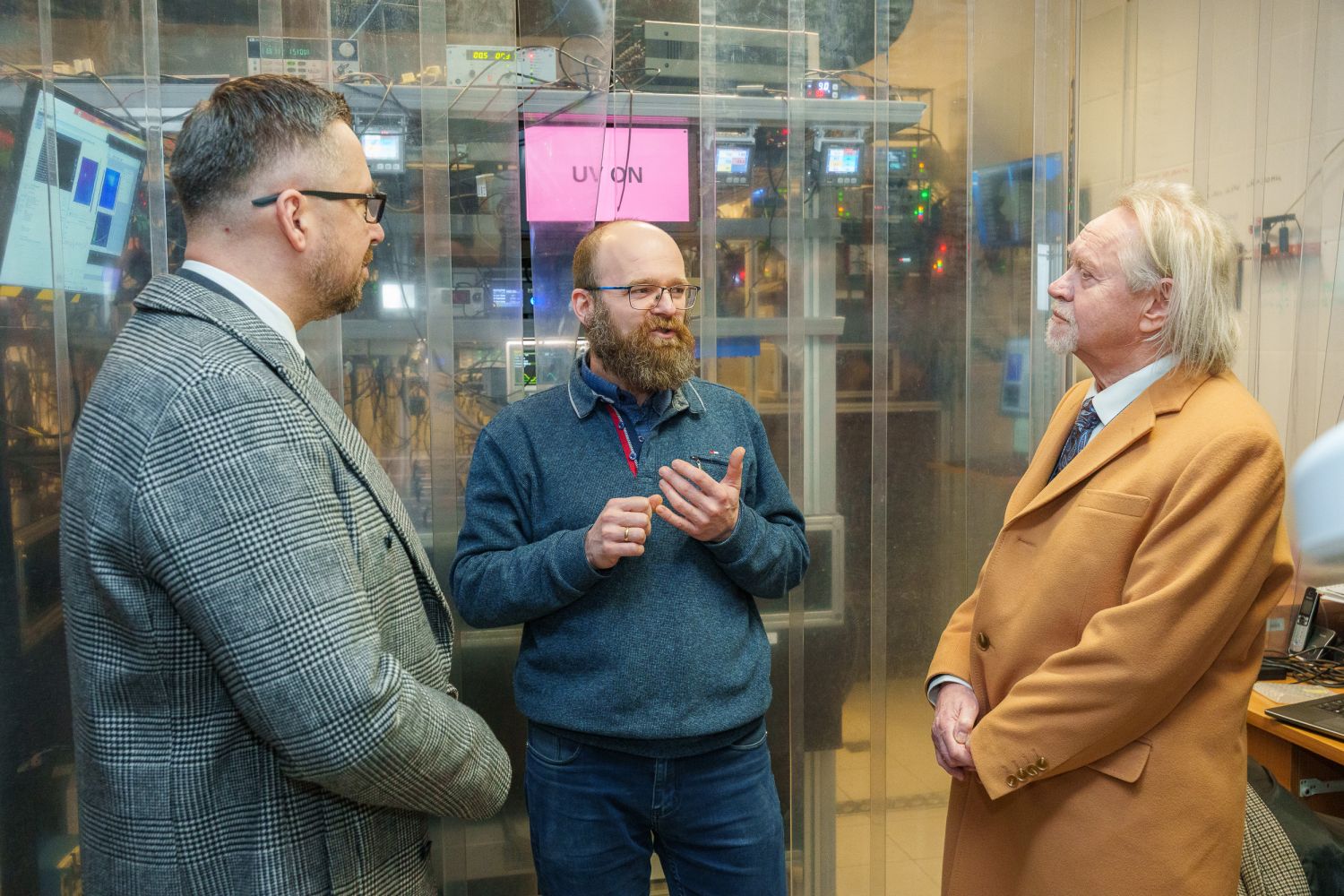
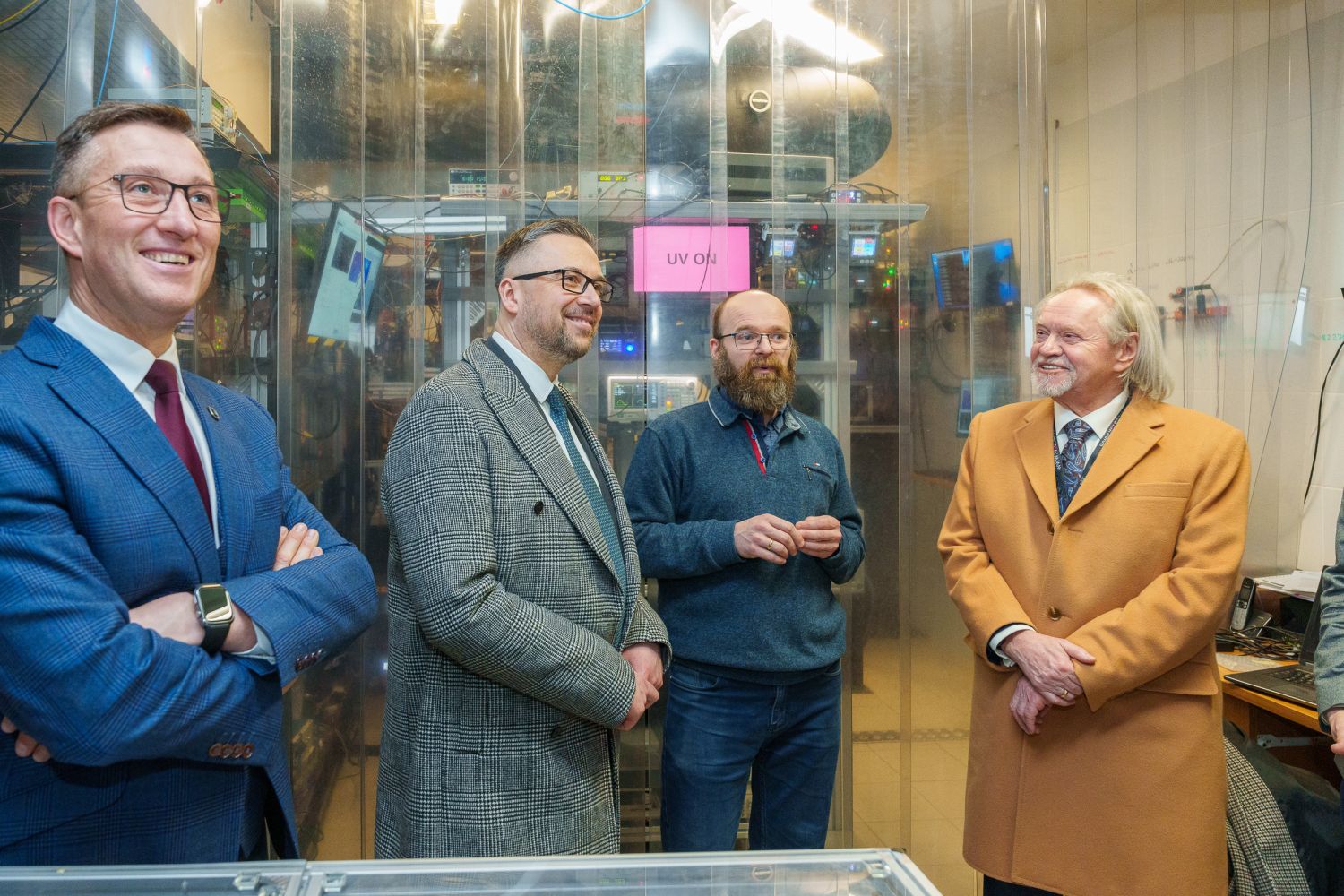
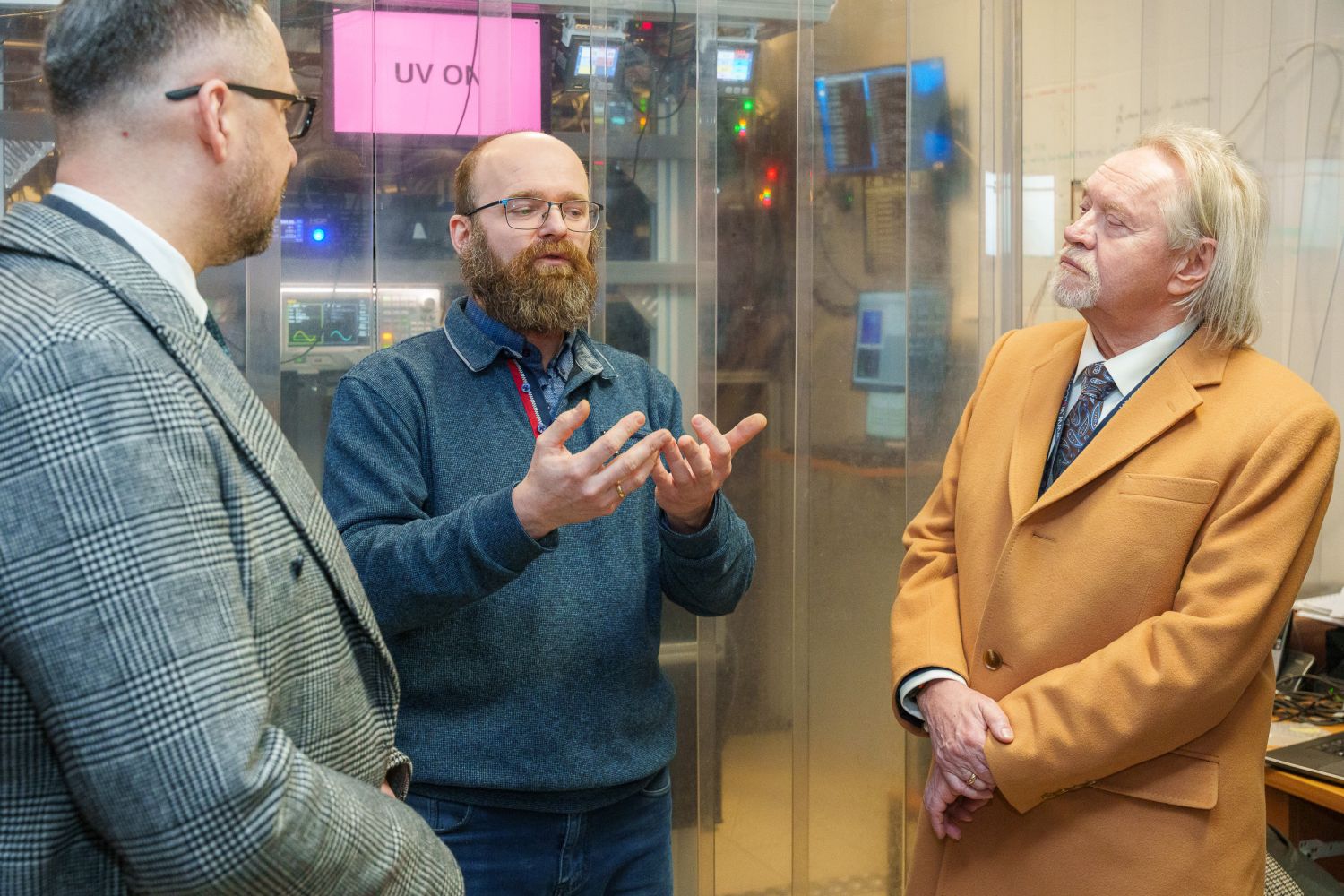
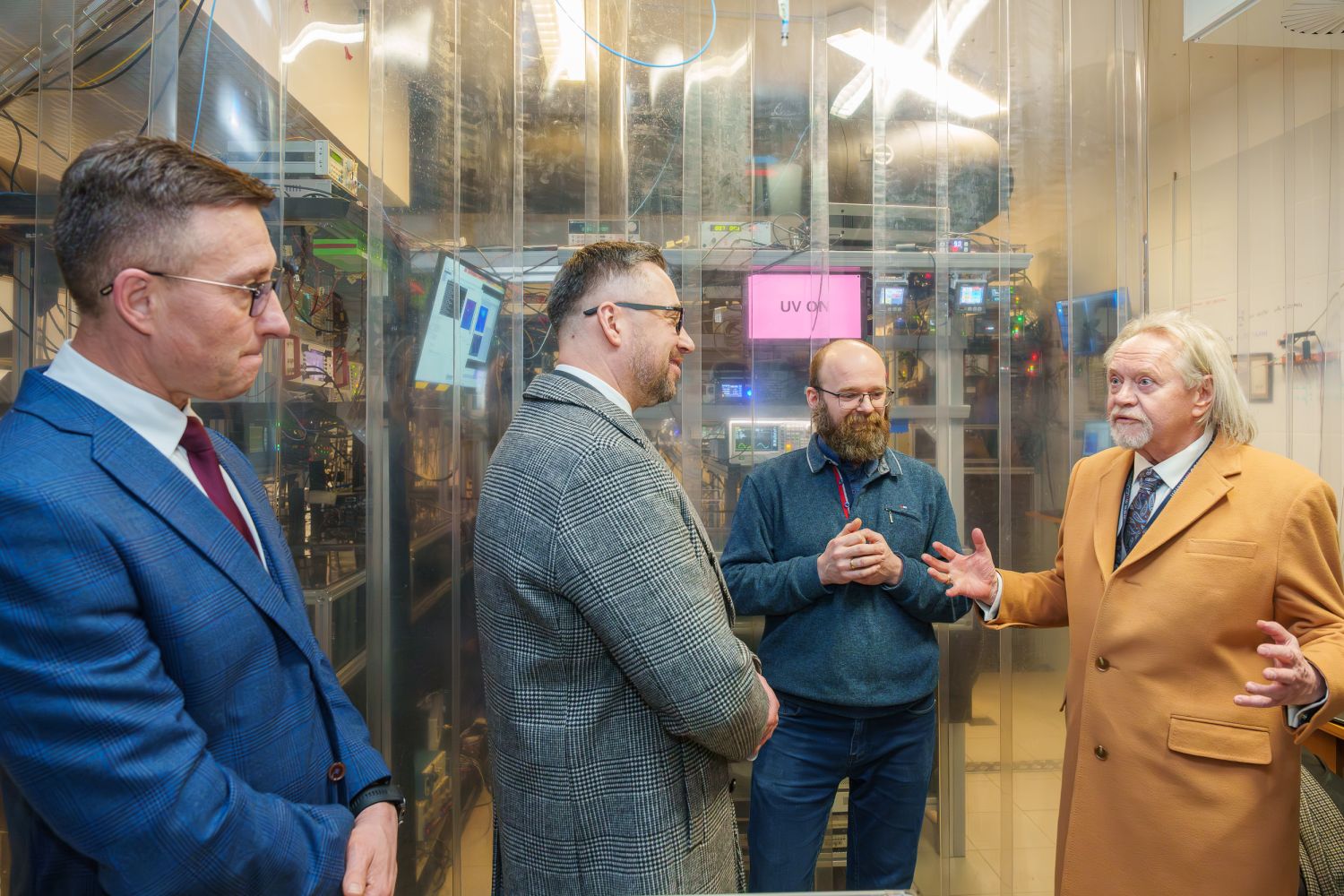
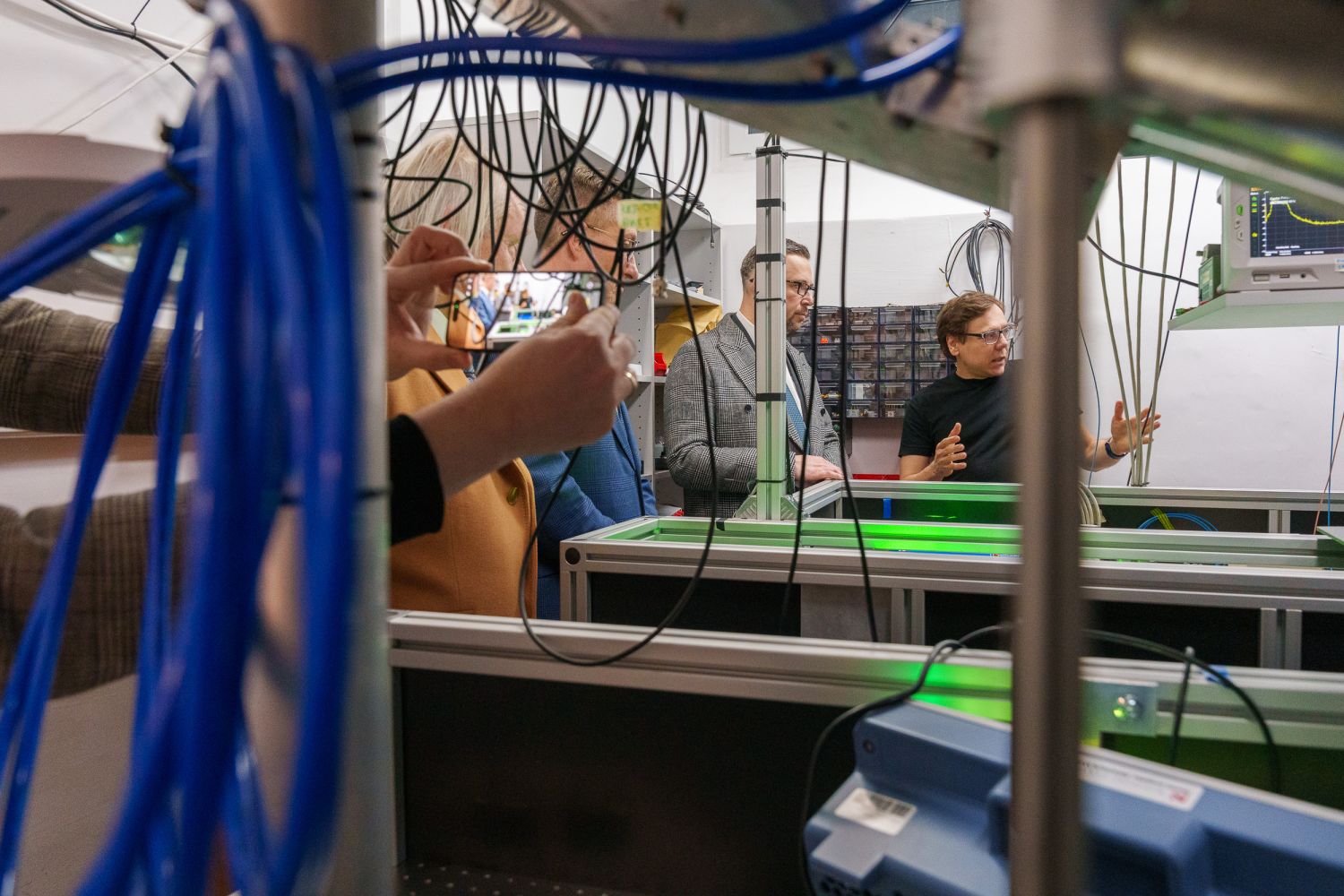
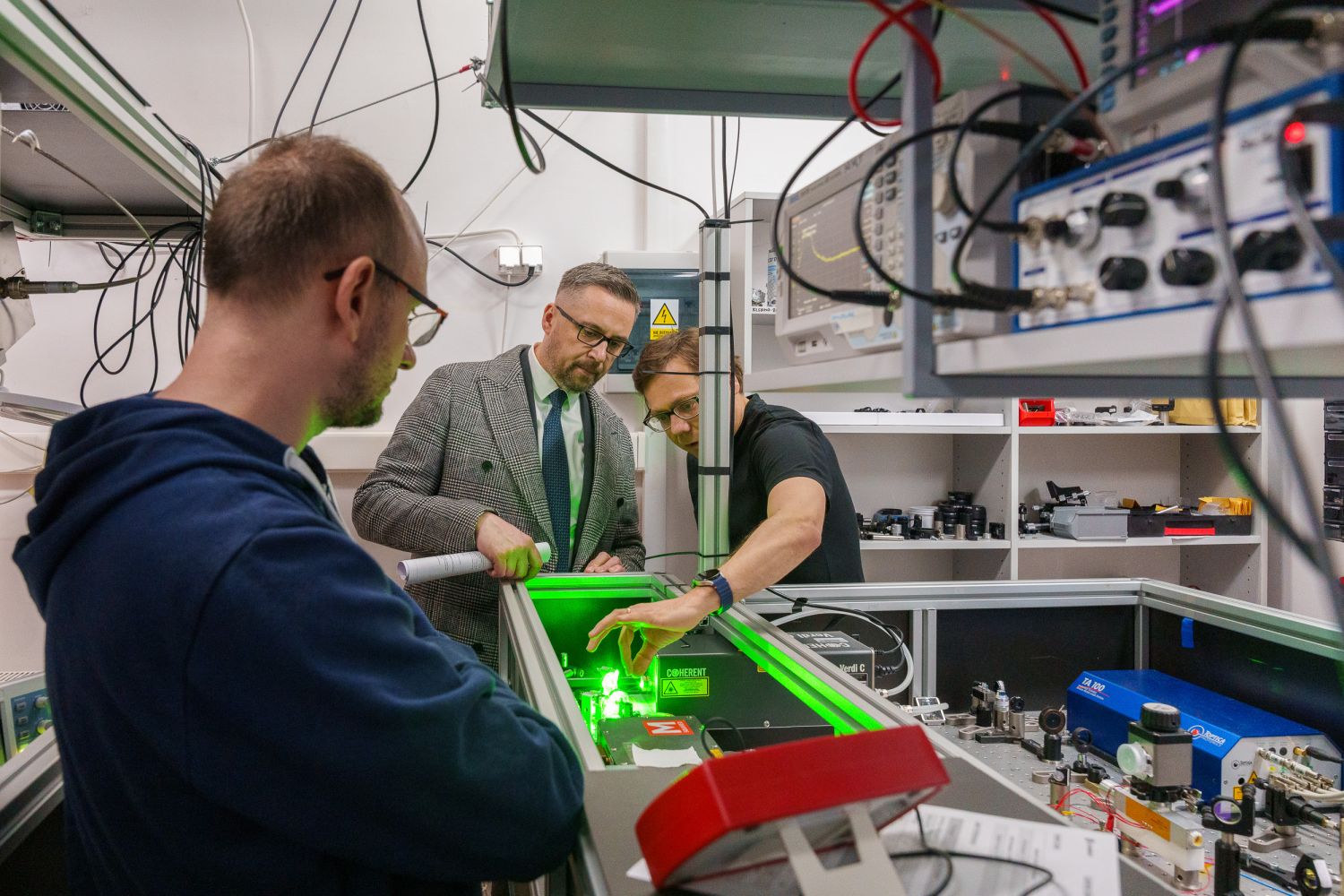
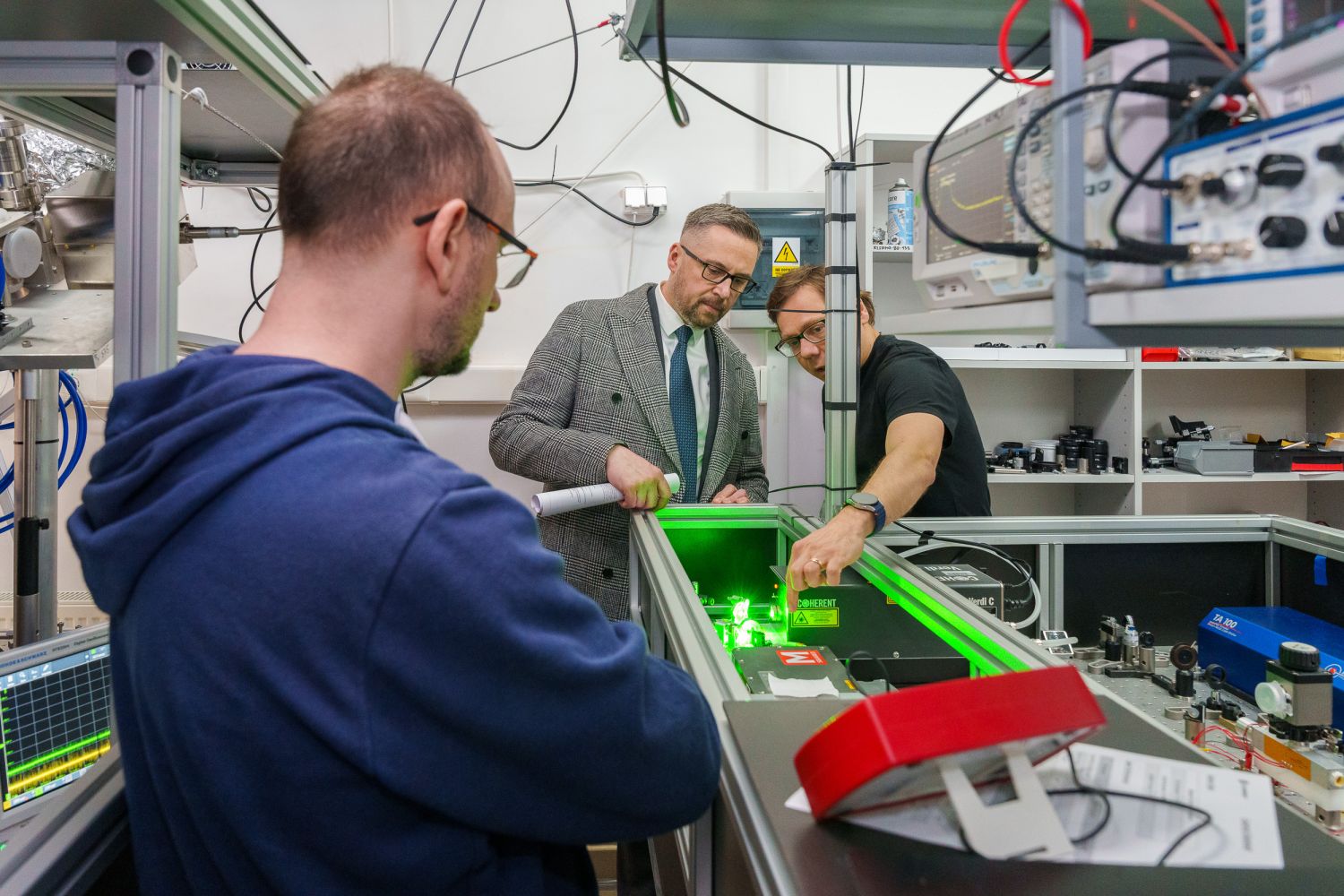
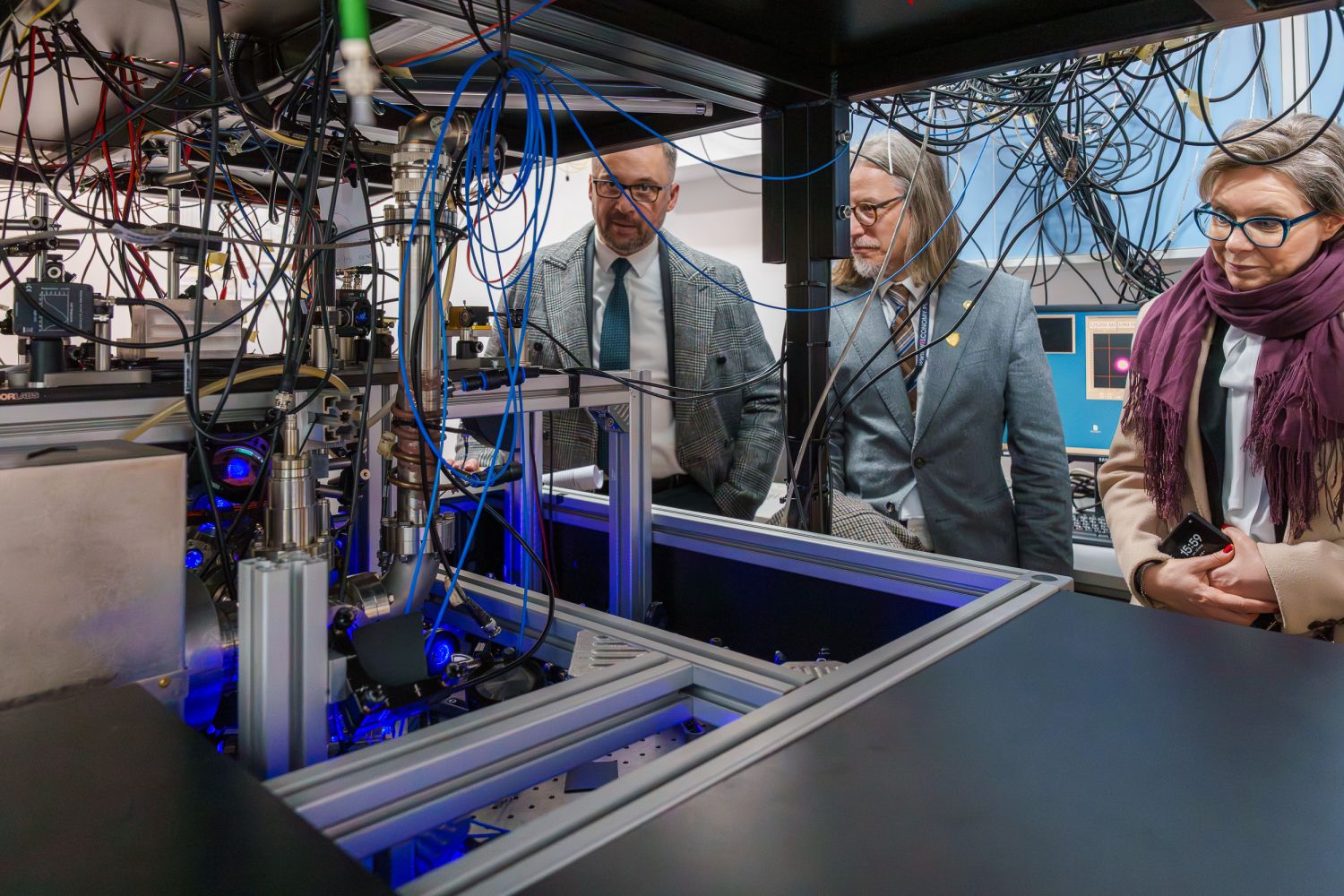
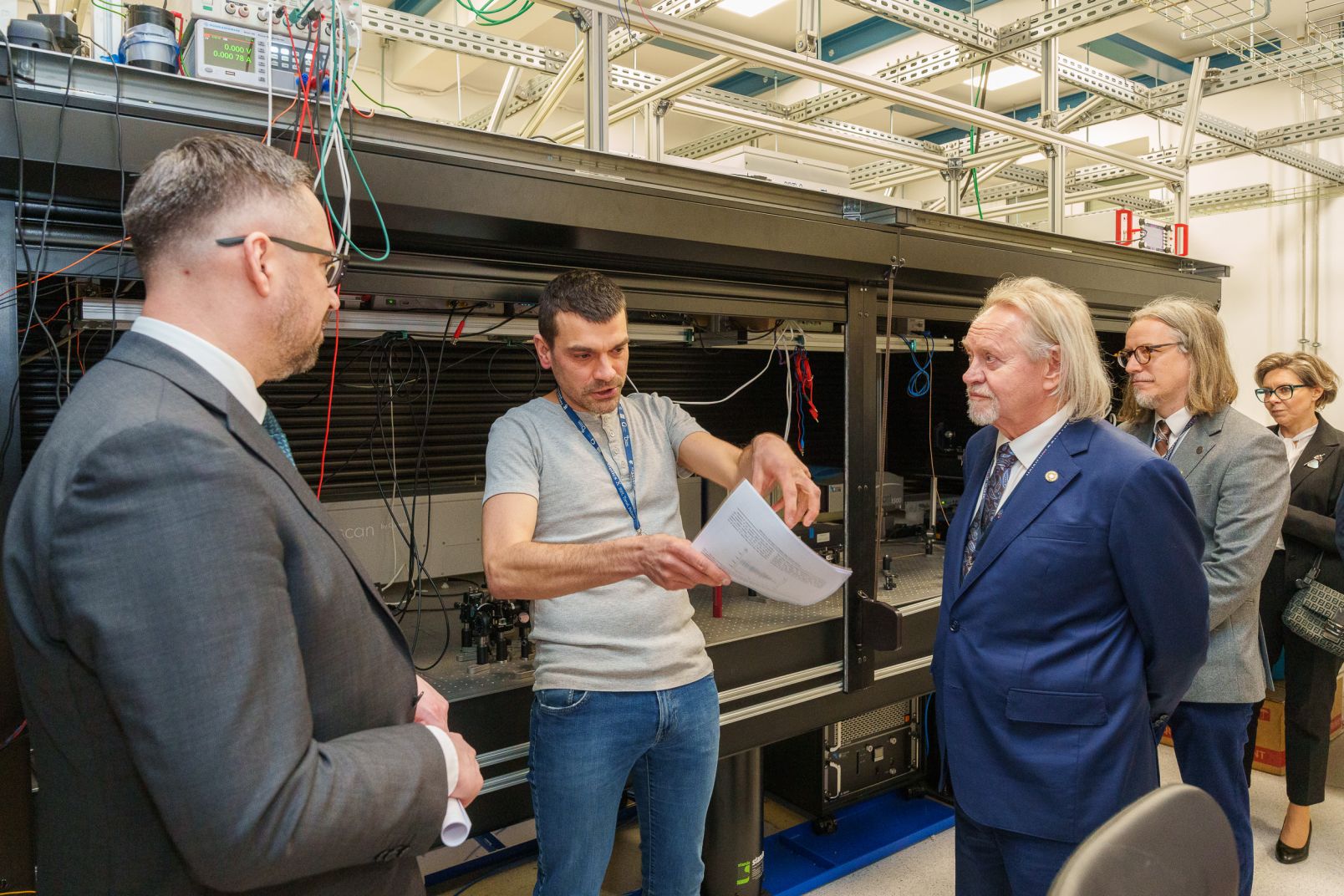
Minister Marcin Kulasek also visited the university's research infrastructure. Research conducted at the Institute of Advanced Studies – Interdisciplinary Centre for Modern Technologies, the Institute of Physics and the FAMO National Laboratory was presented during a visit to the laboratories. Prof. dr habil. Piotr Wcisło from the Faculty of Physics, Astronomy and Information Technology presented advanced experimental systems for testing quantum theory for molecules, including a newly built system for trapping H₂ molecules, funded by an ERC grant. Poland's only system of optical atomic clocks used in dark matter research was also presented, along with pioneering work on the construction of a new generation of optical clocks based on the phenomenon of superradiance. The visit clearly showed how crucial consistent support for unique research infrastructure, which forms the foundation of projects of the highest international standing, was for maintaining world-class research.
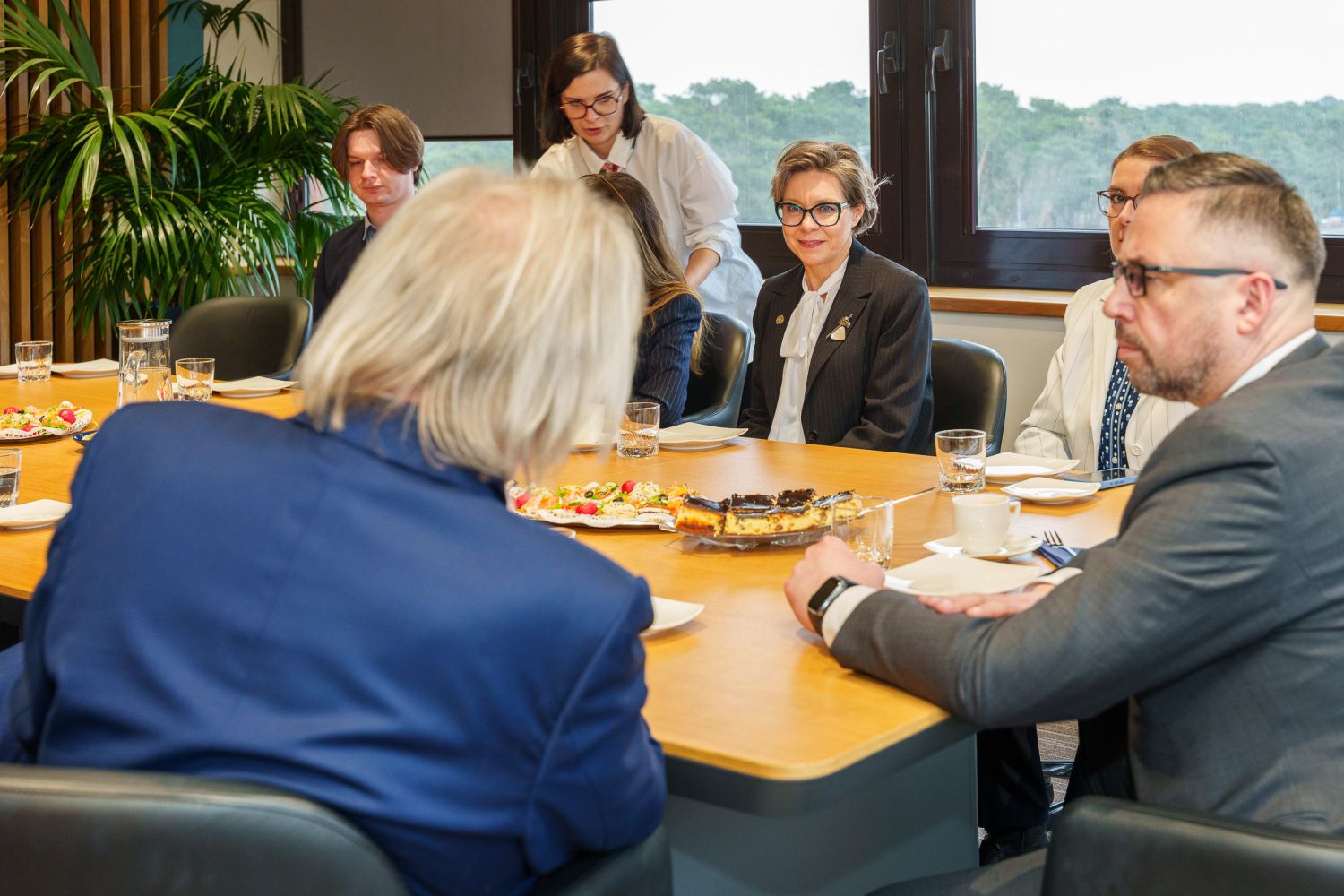
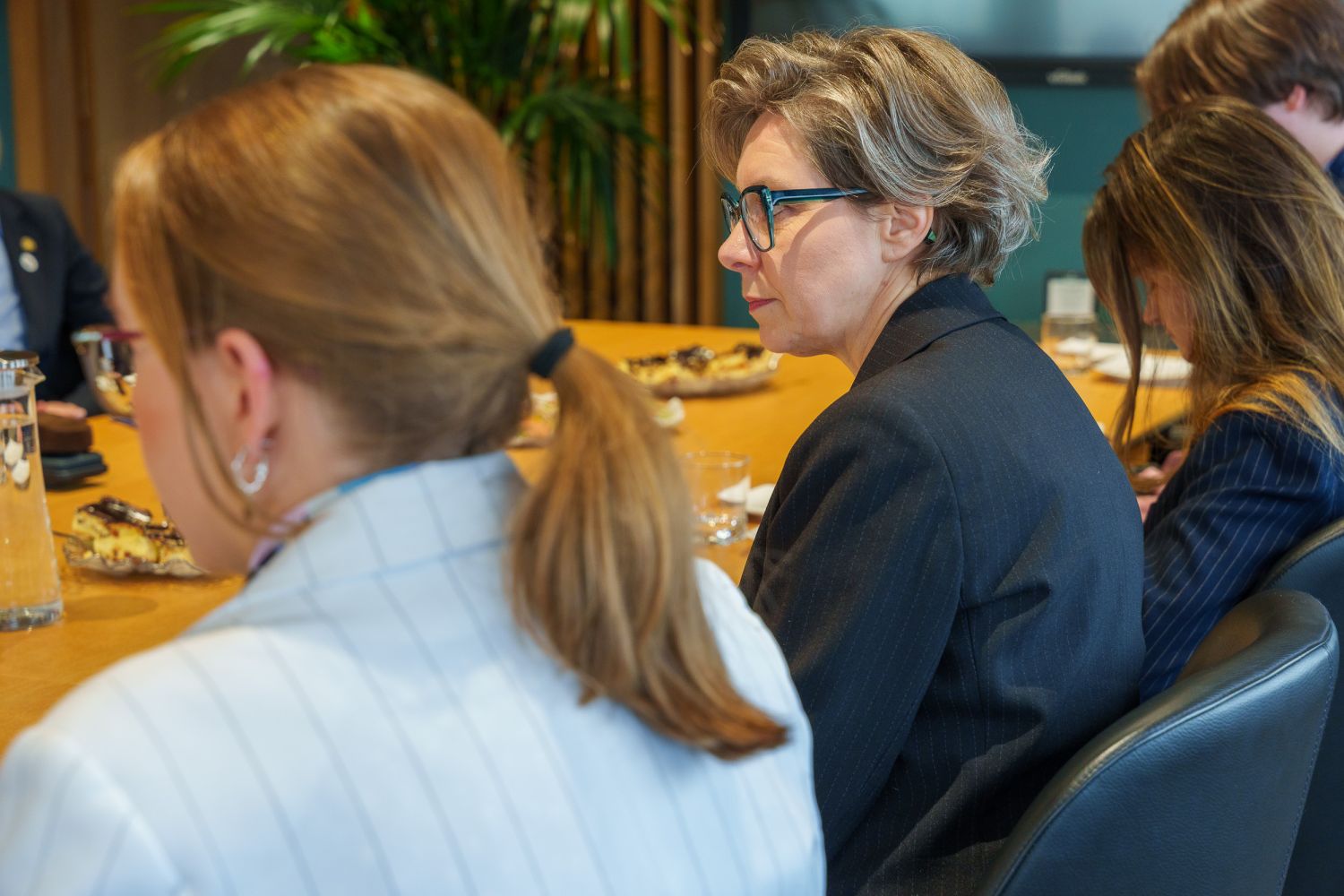
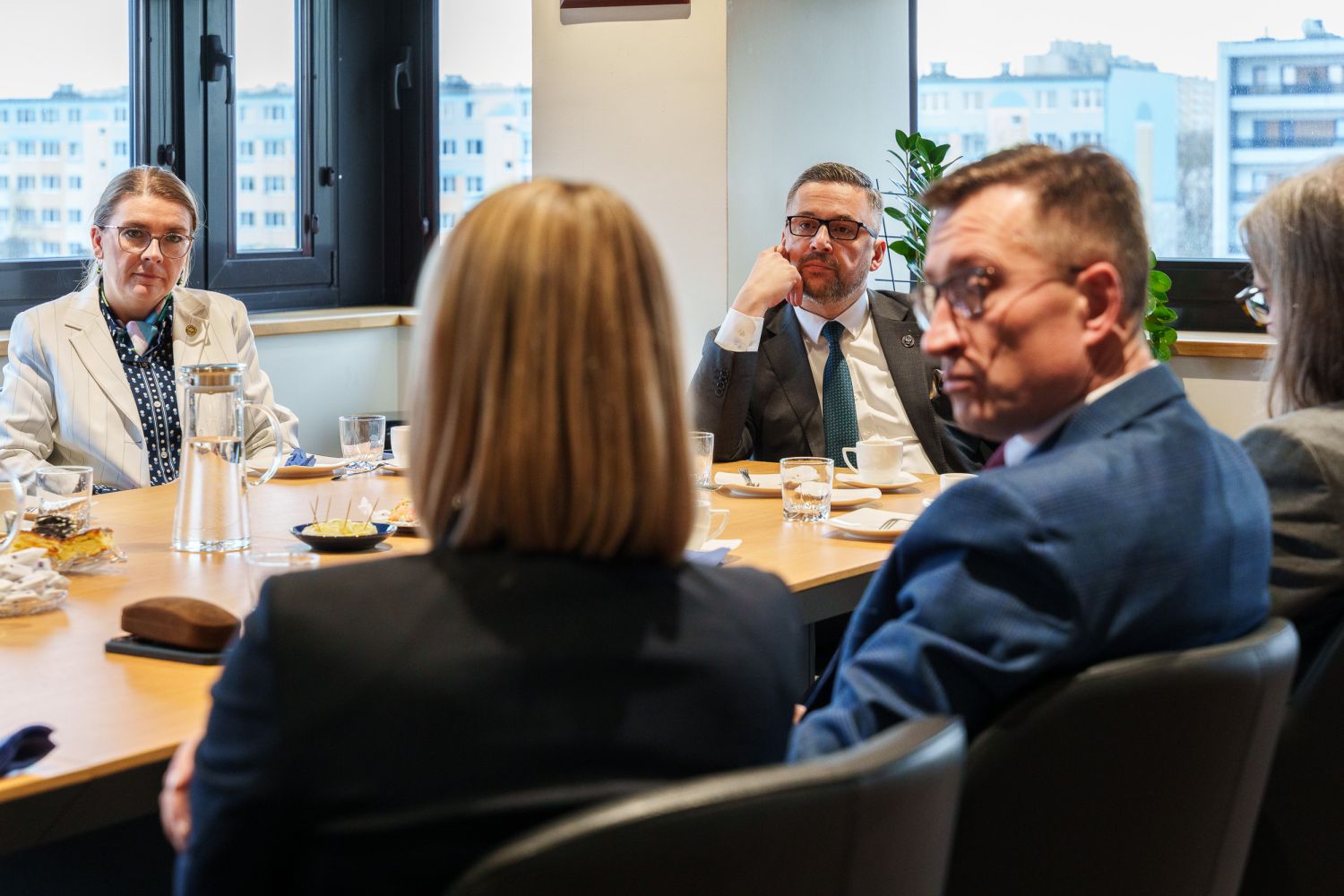
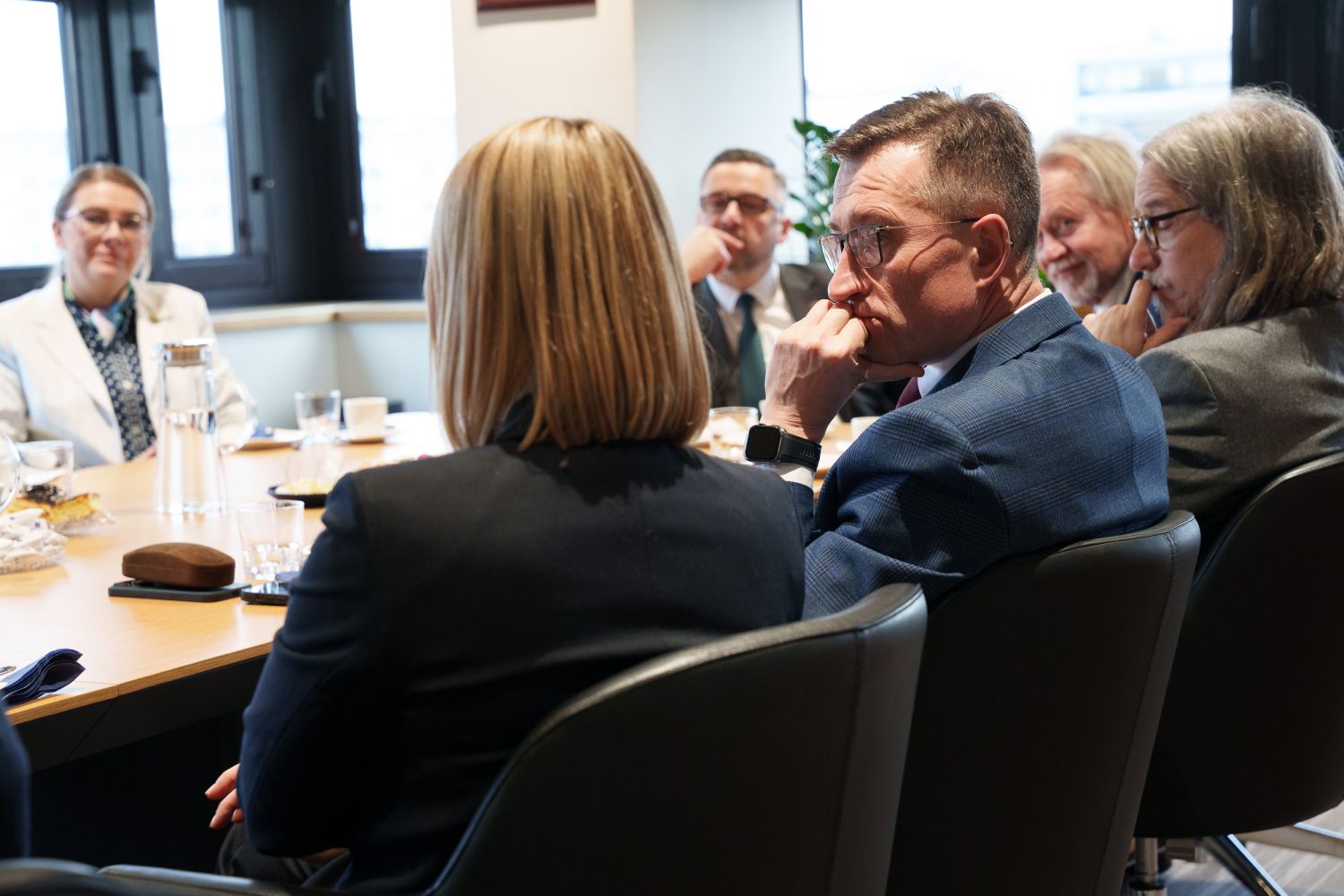
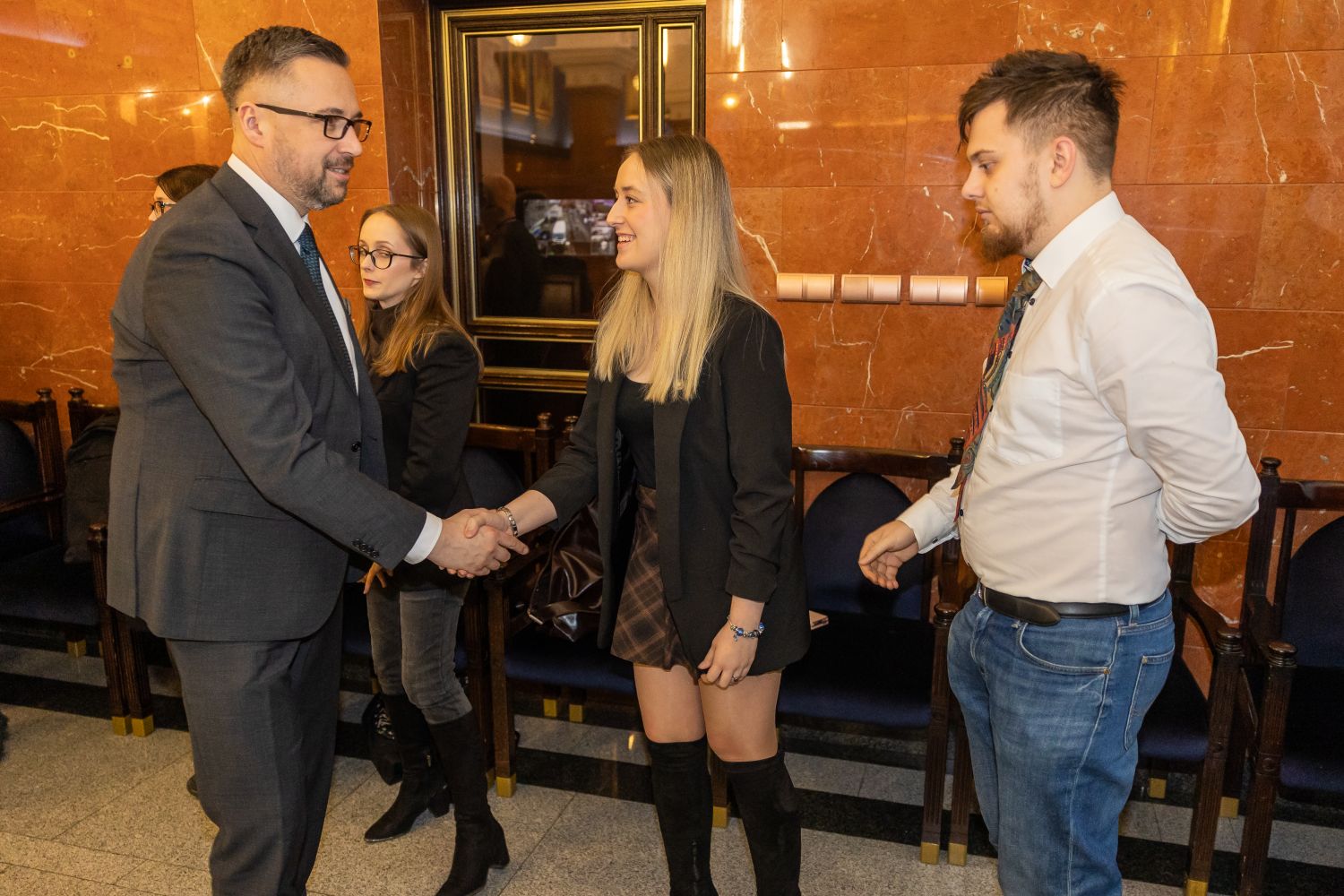
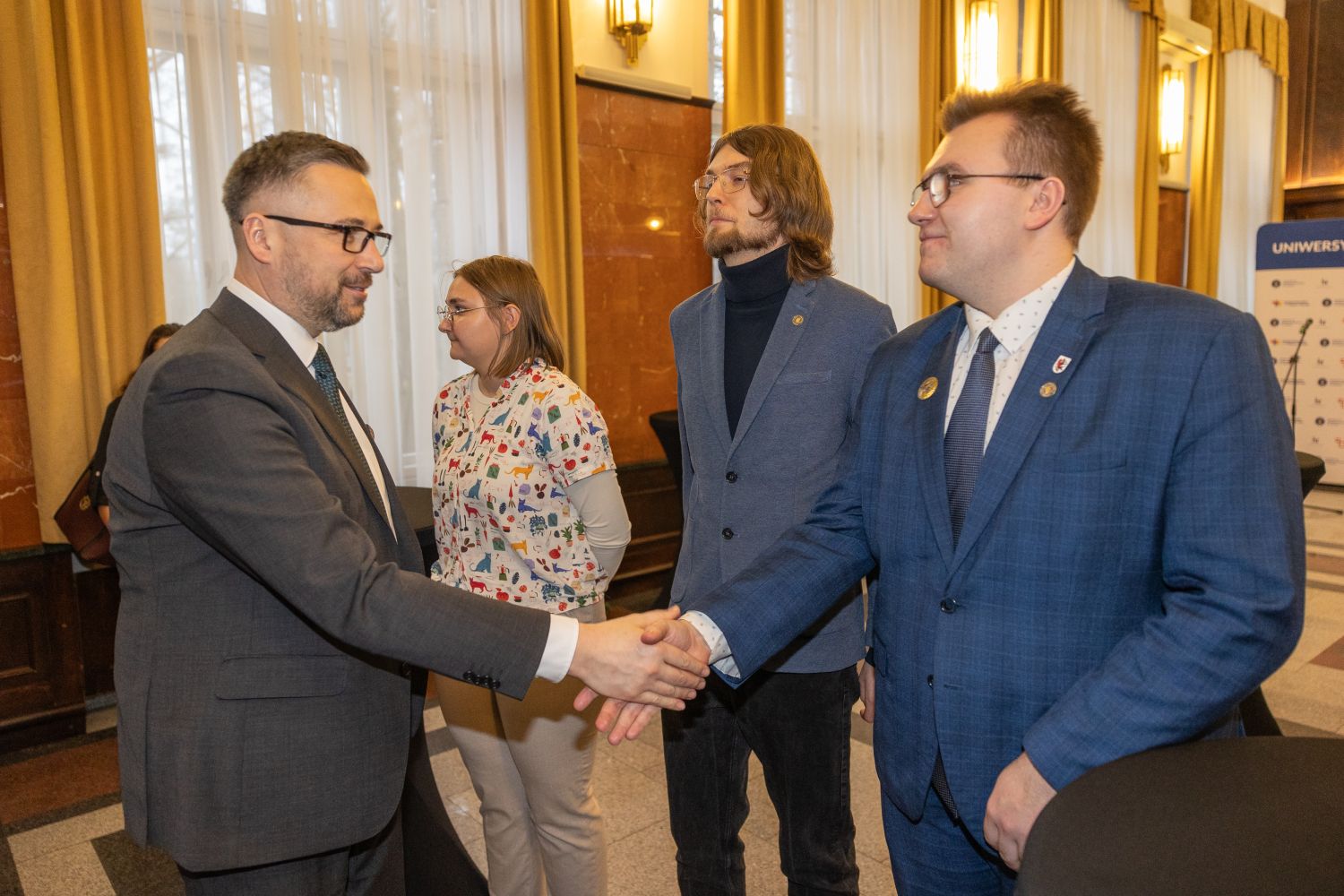
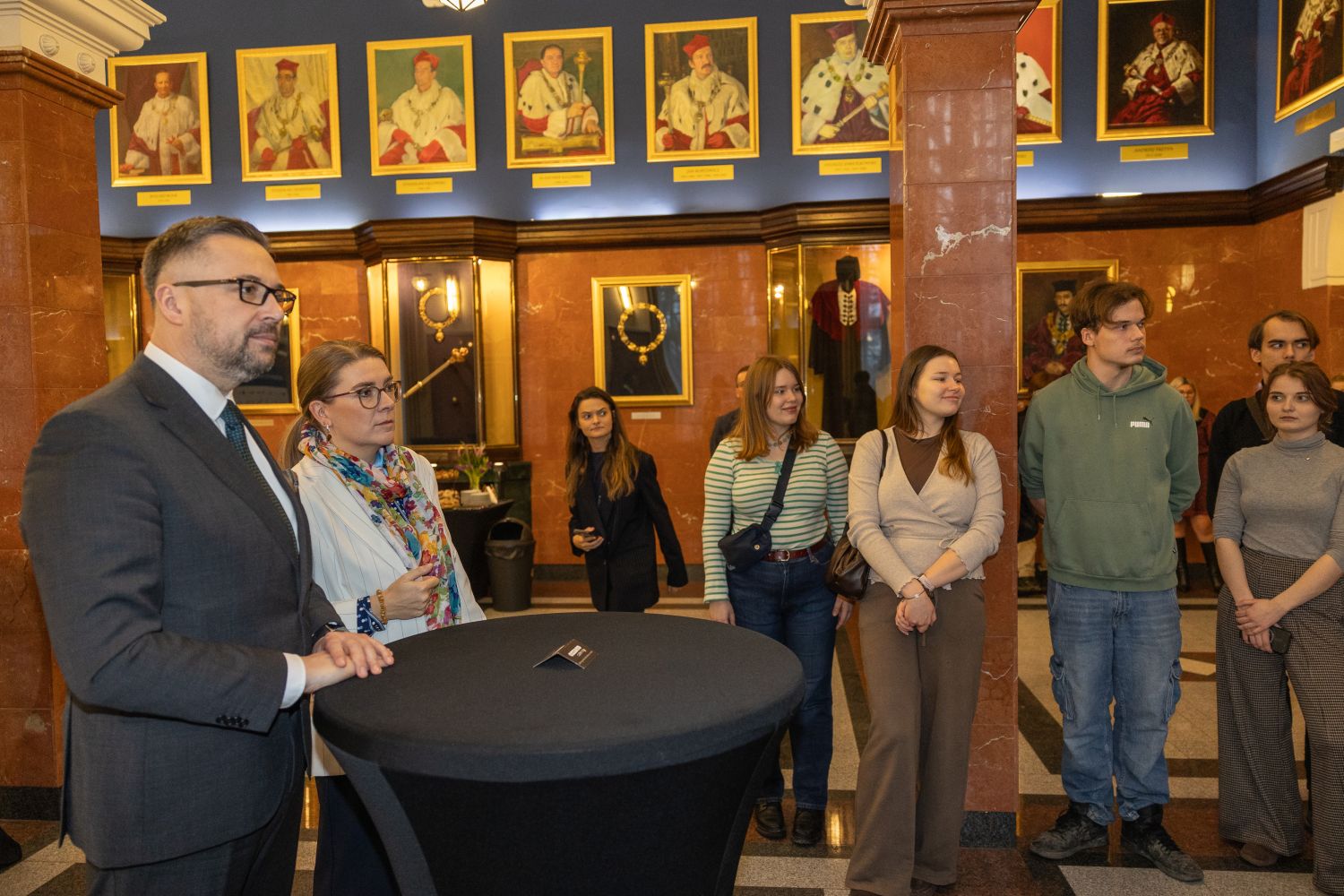
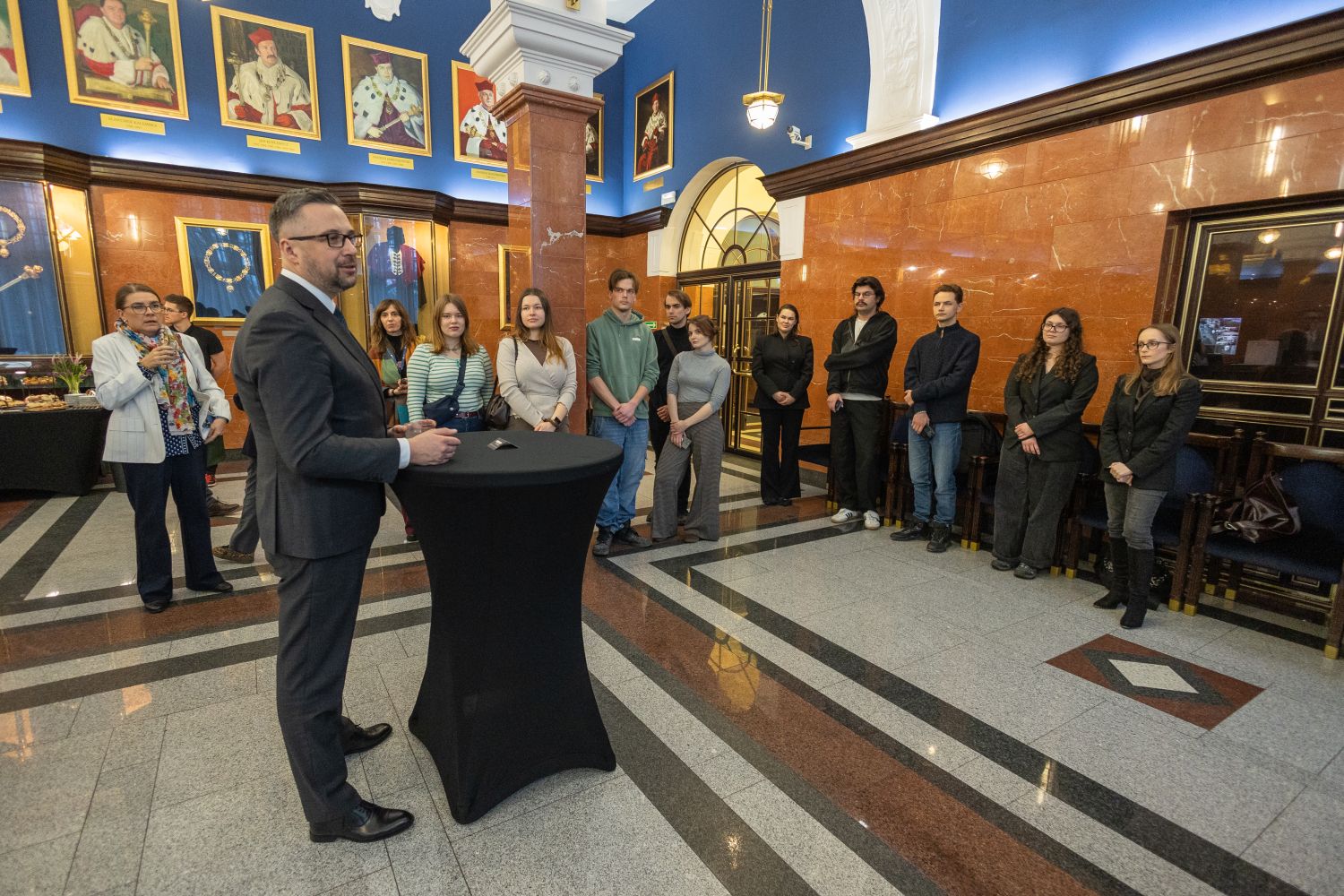
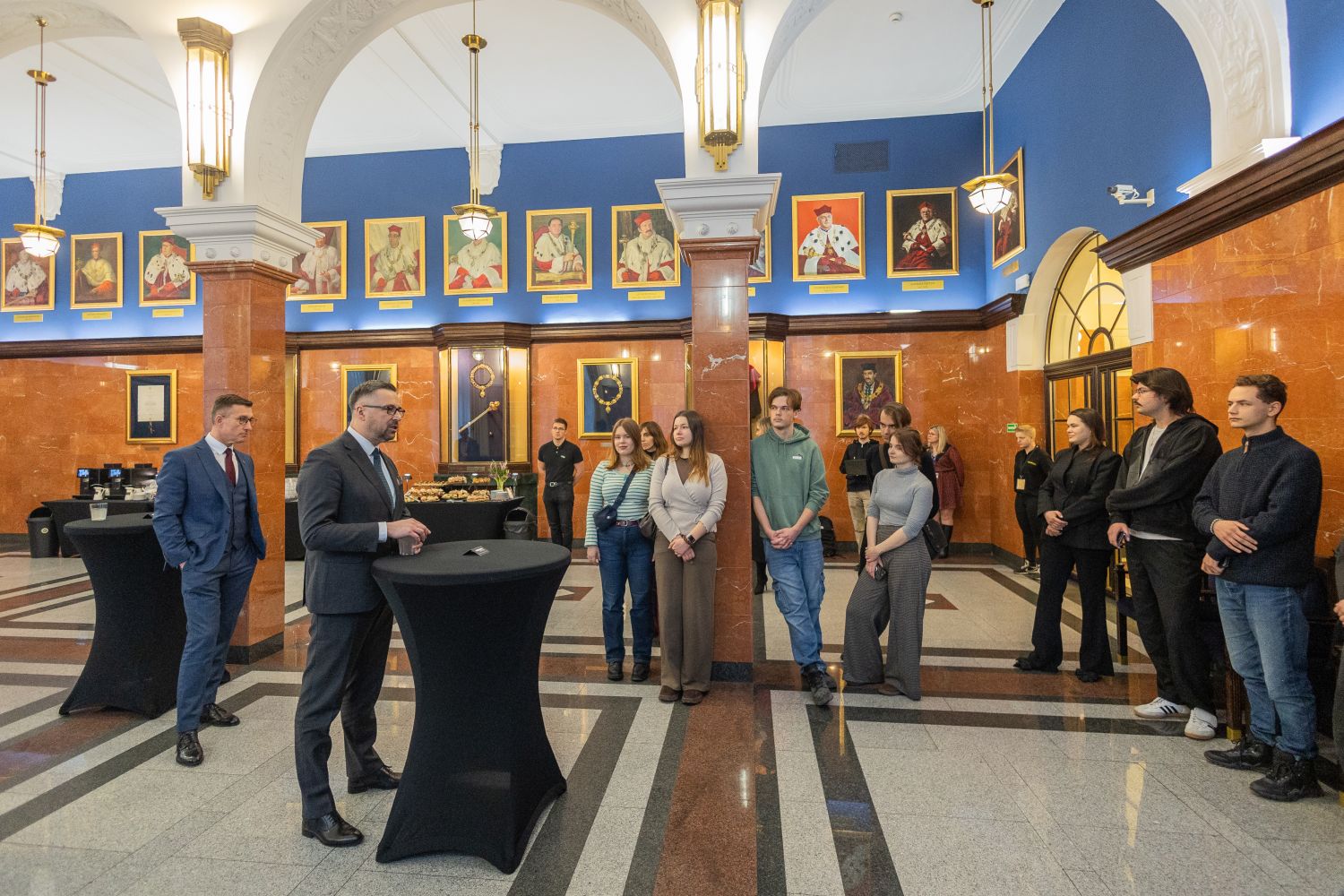
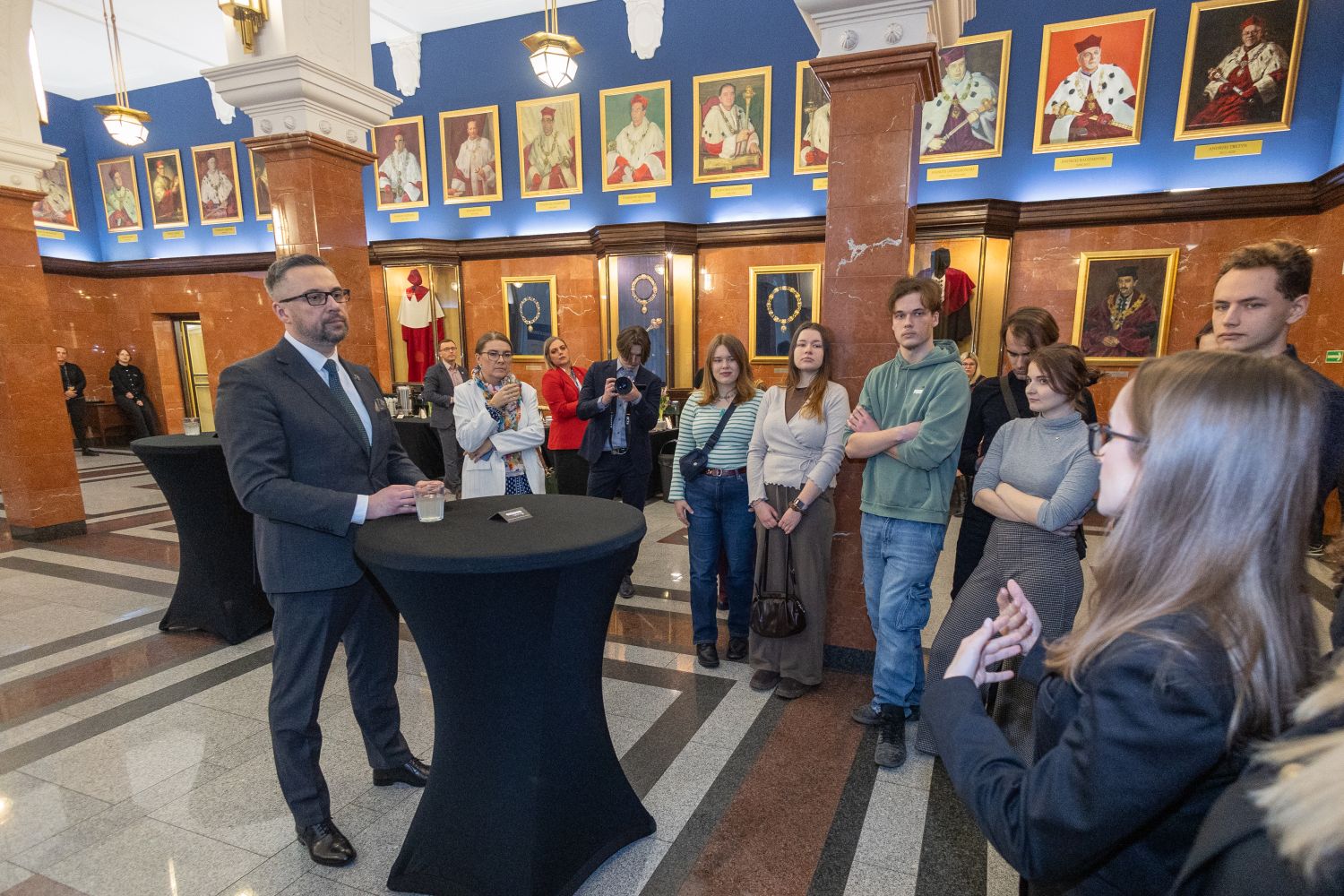
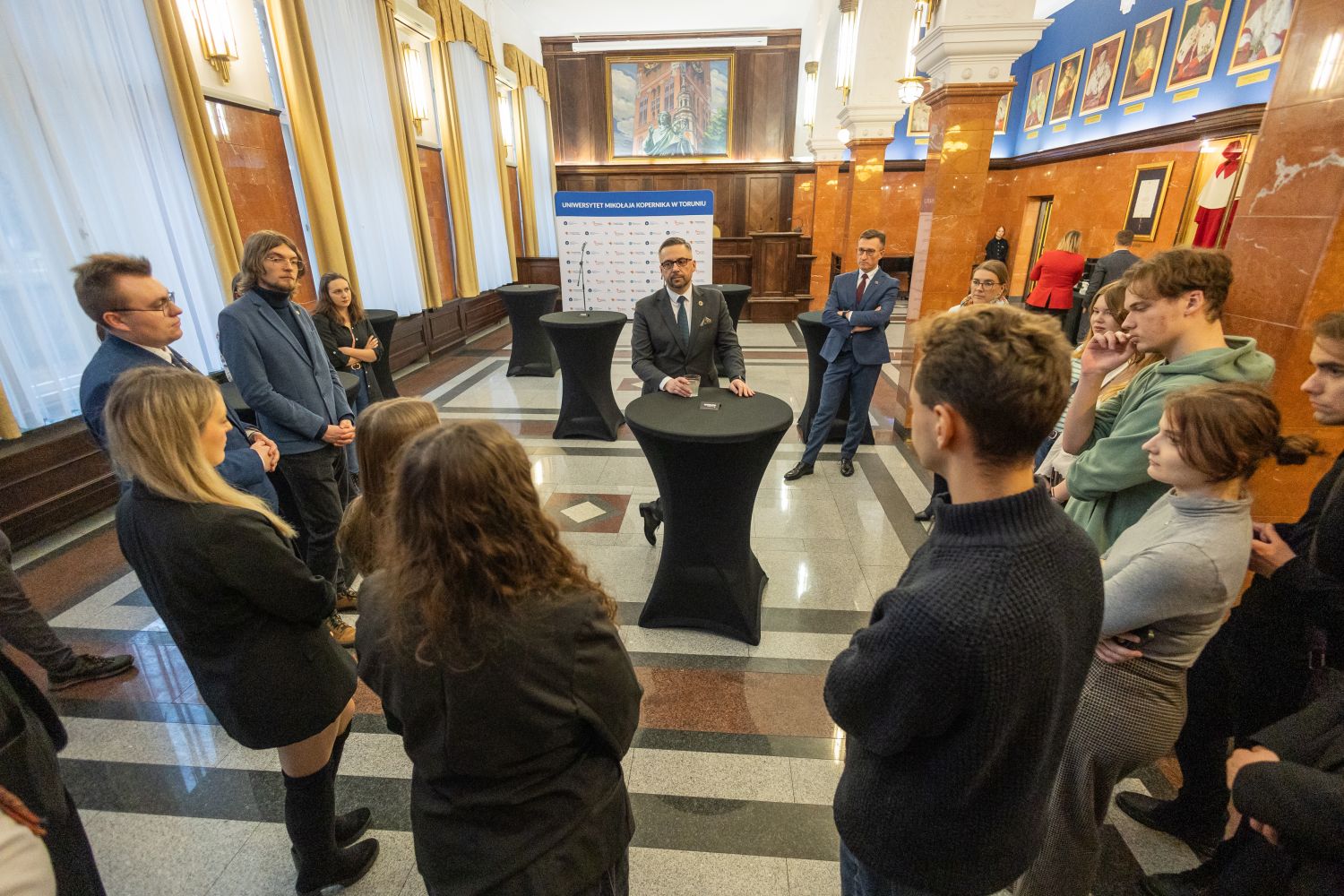
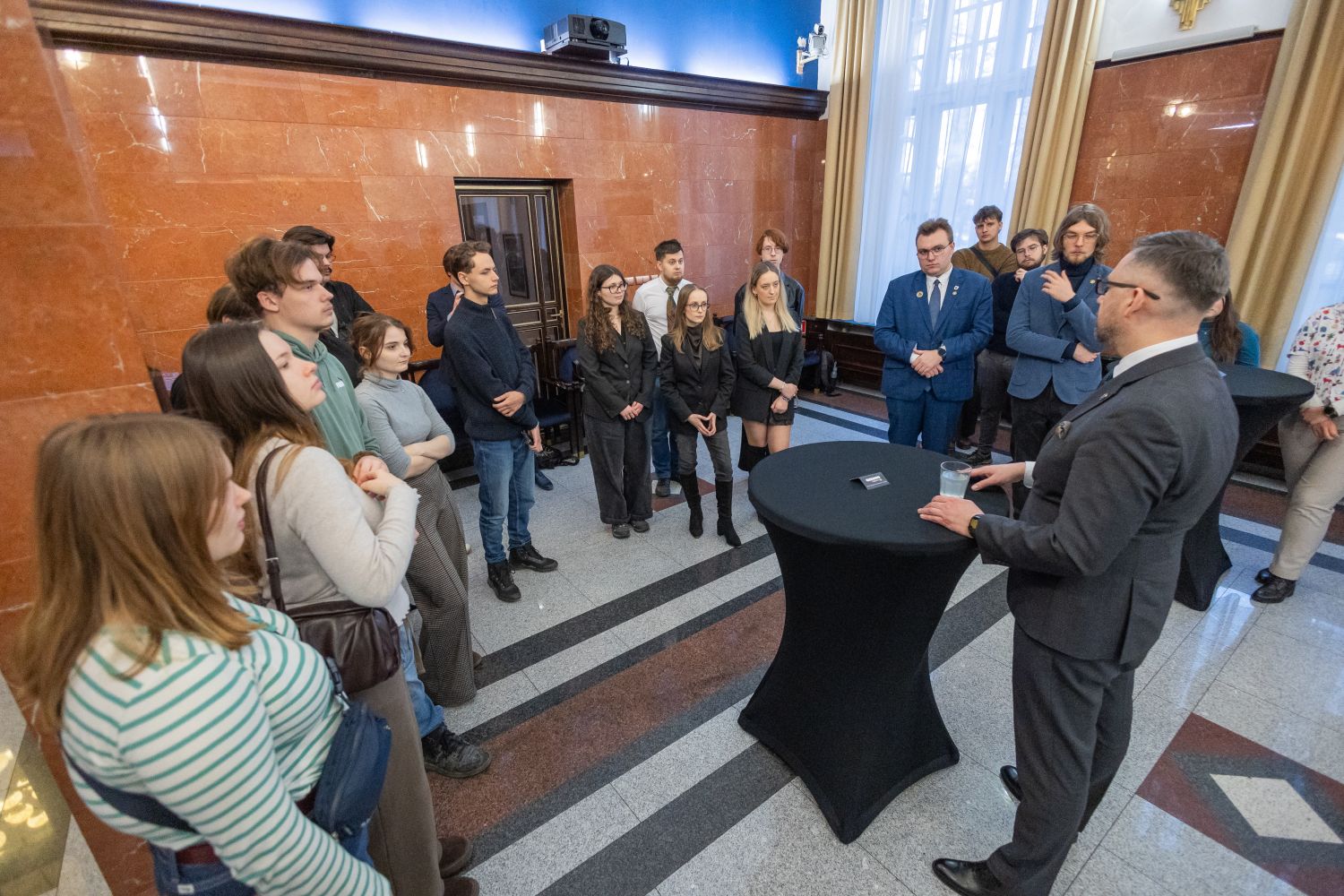
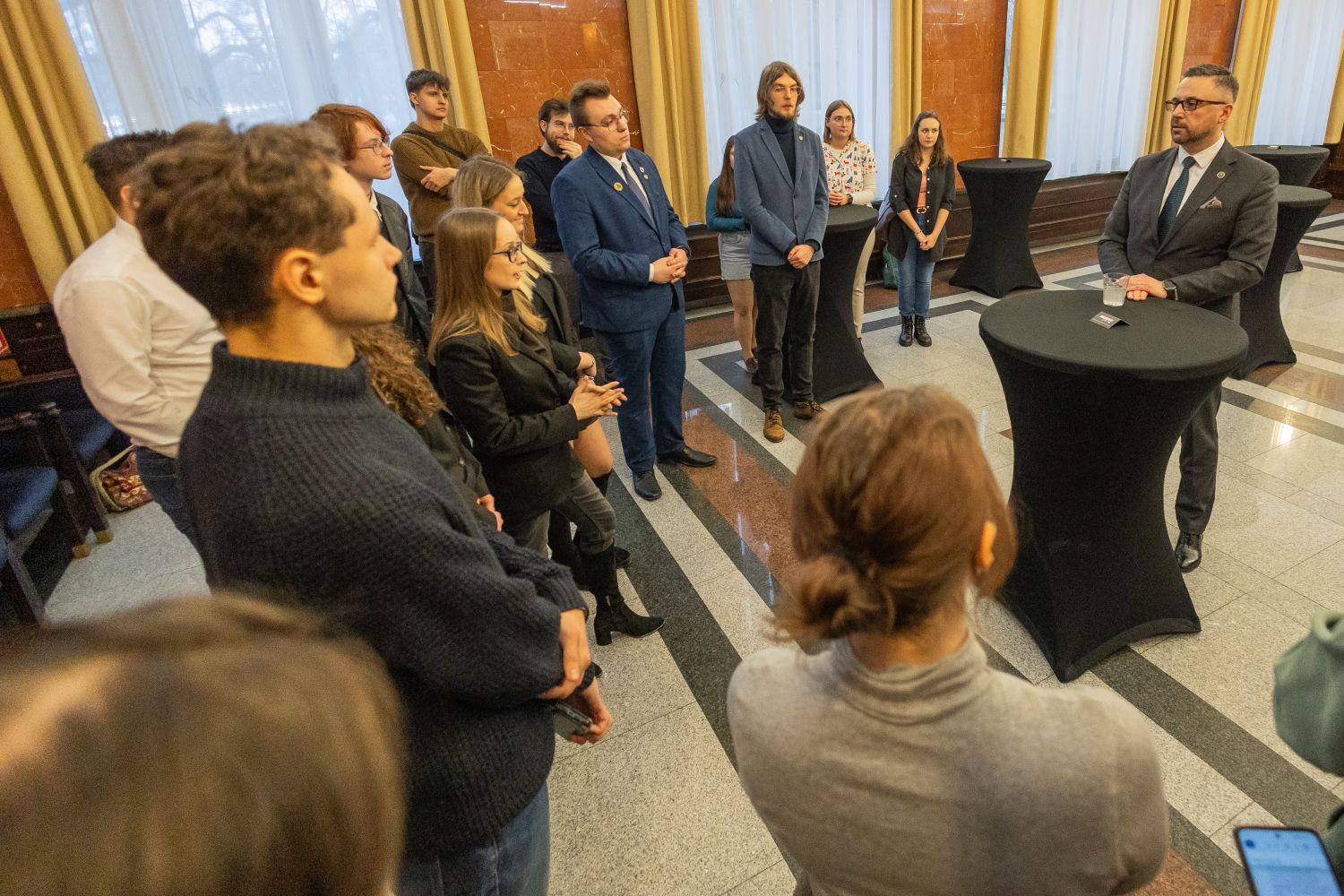
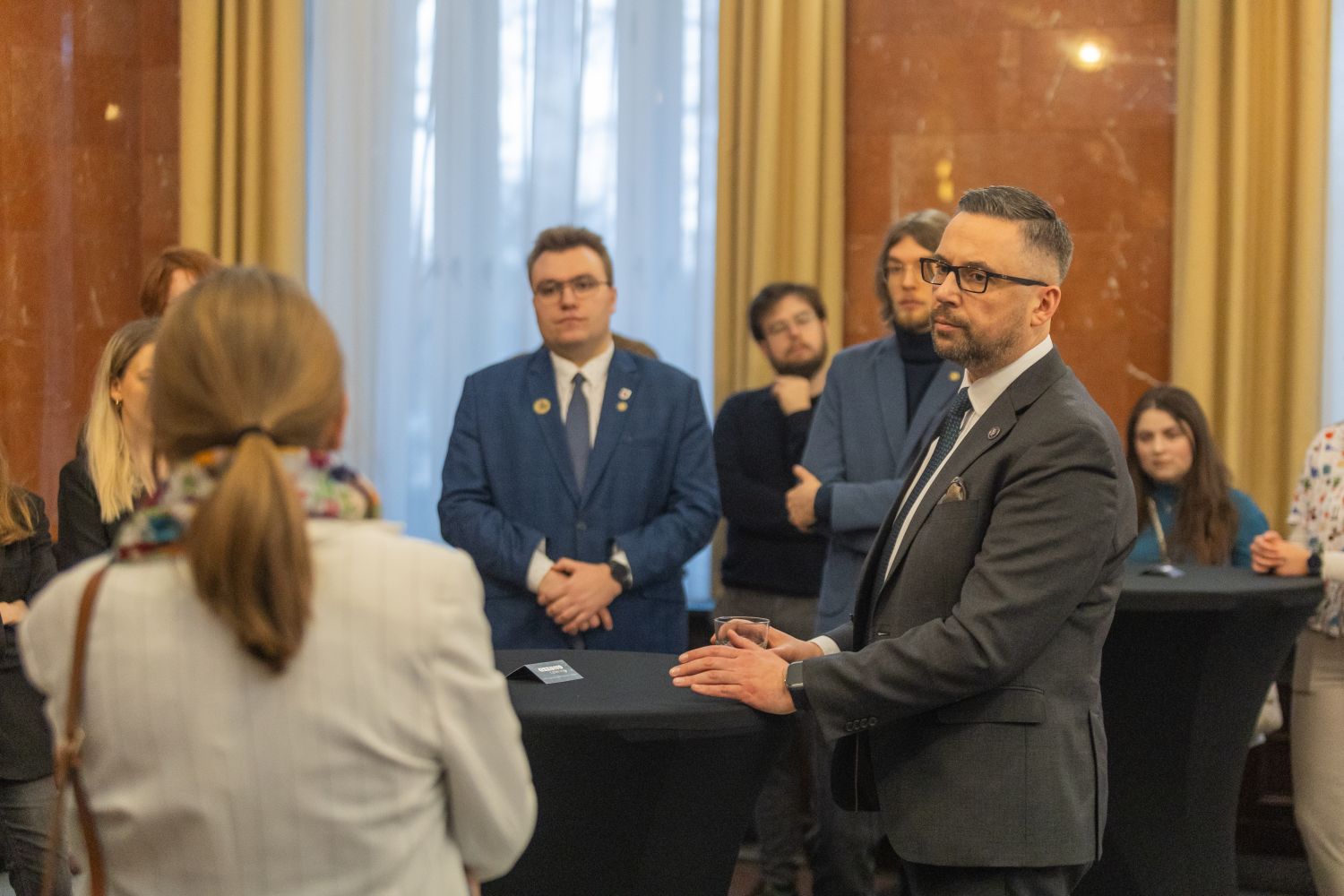
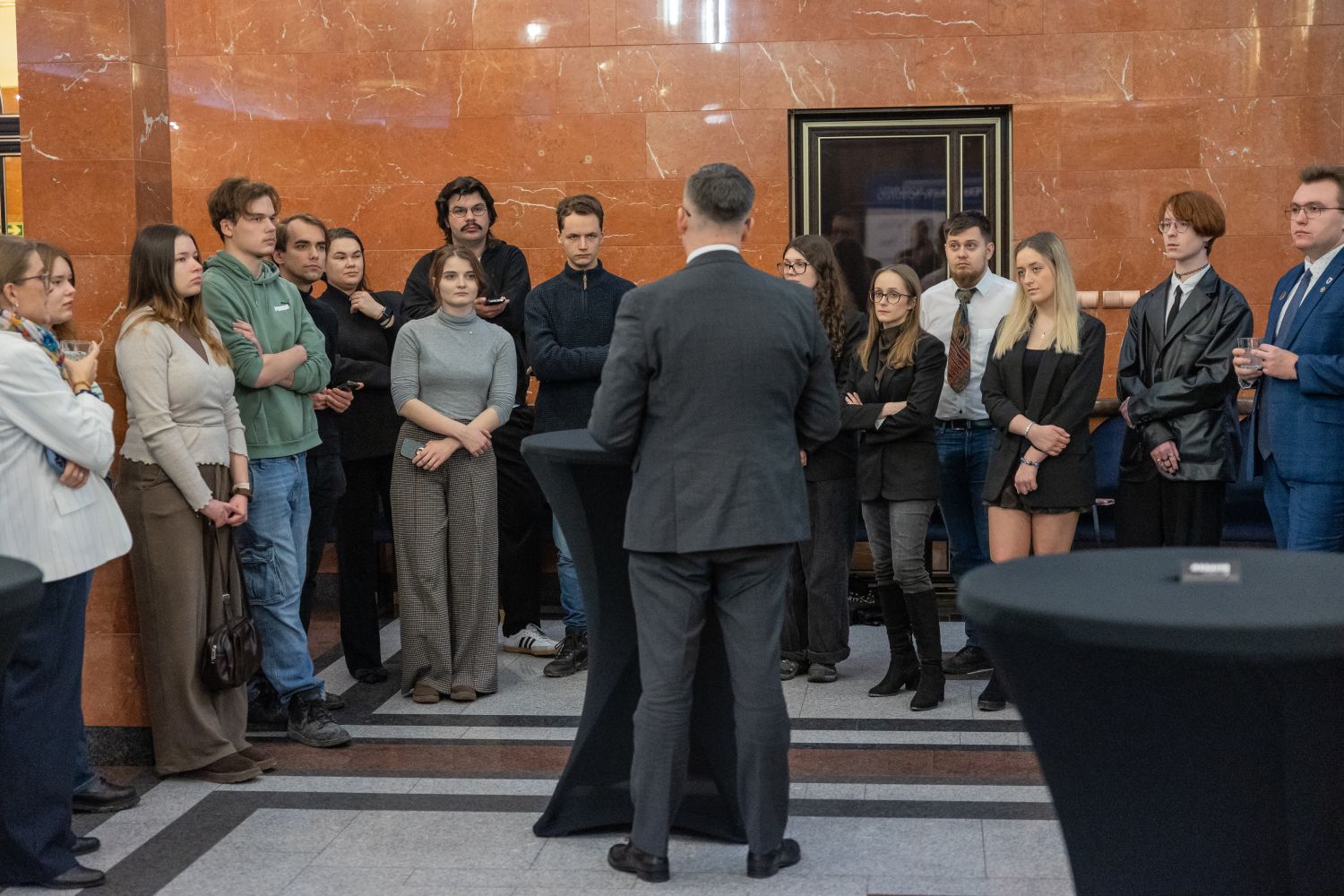
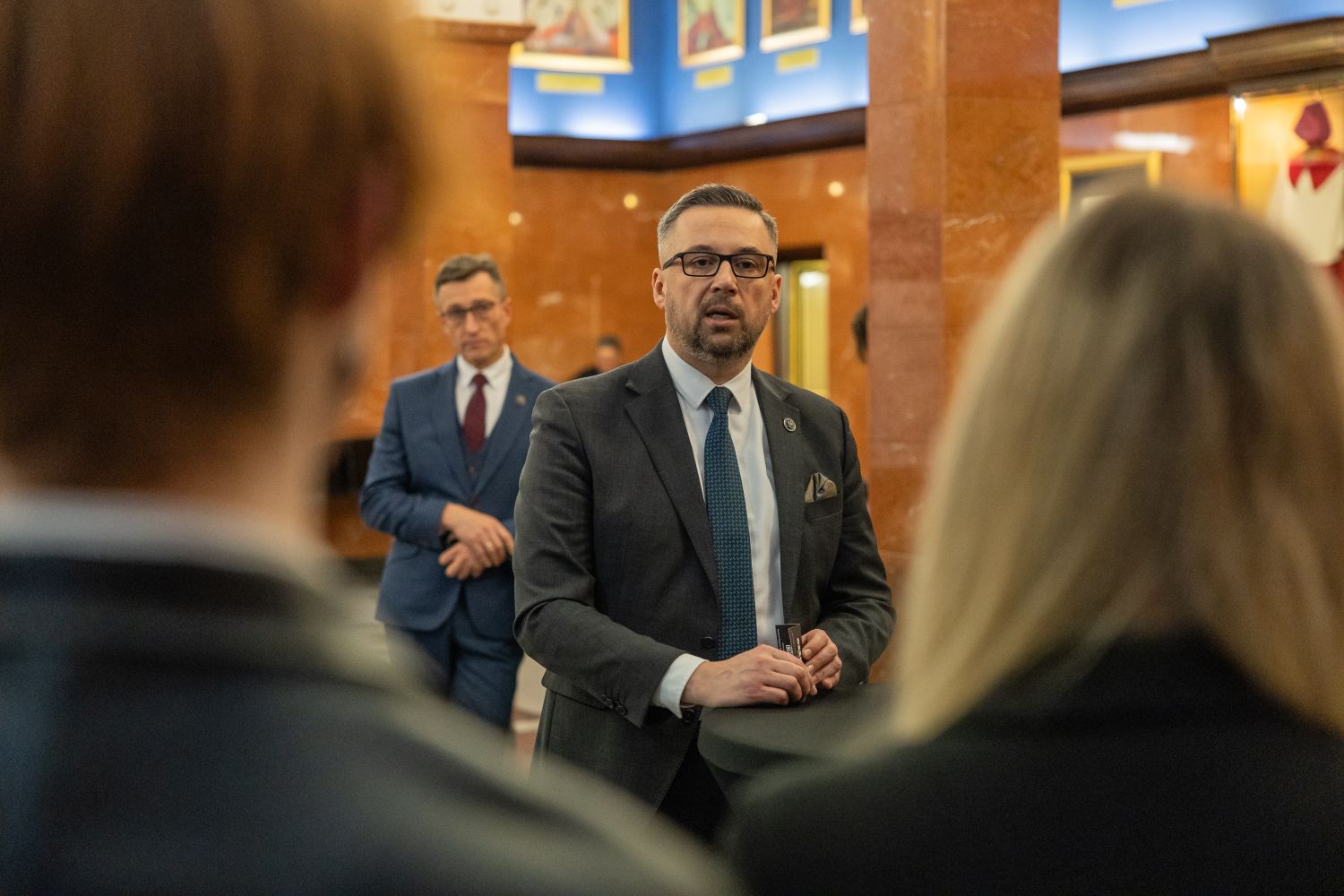
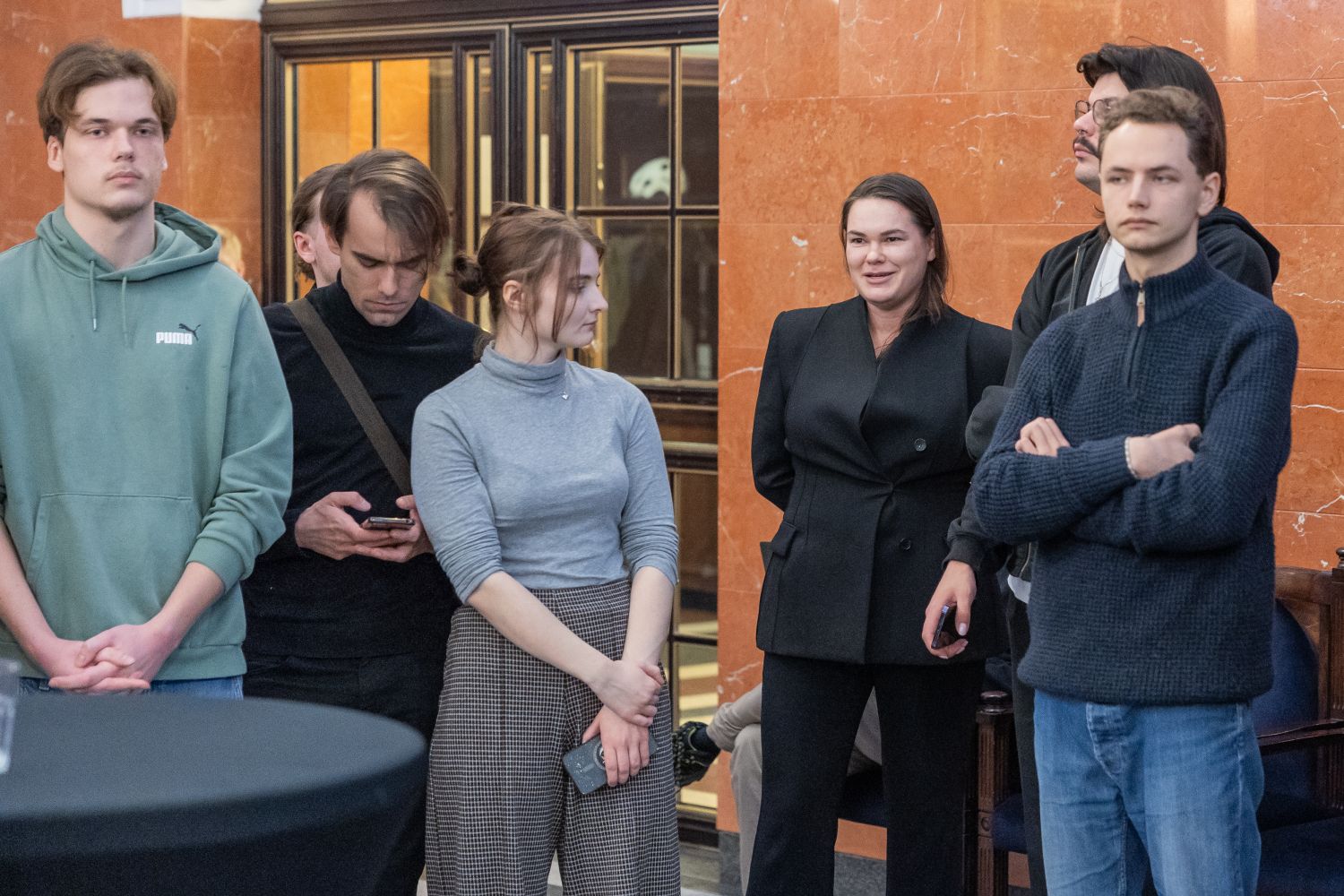
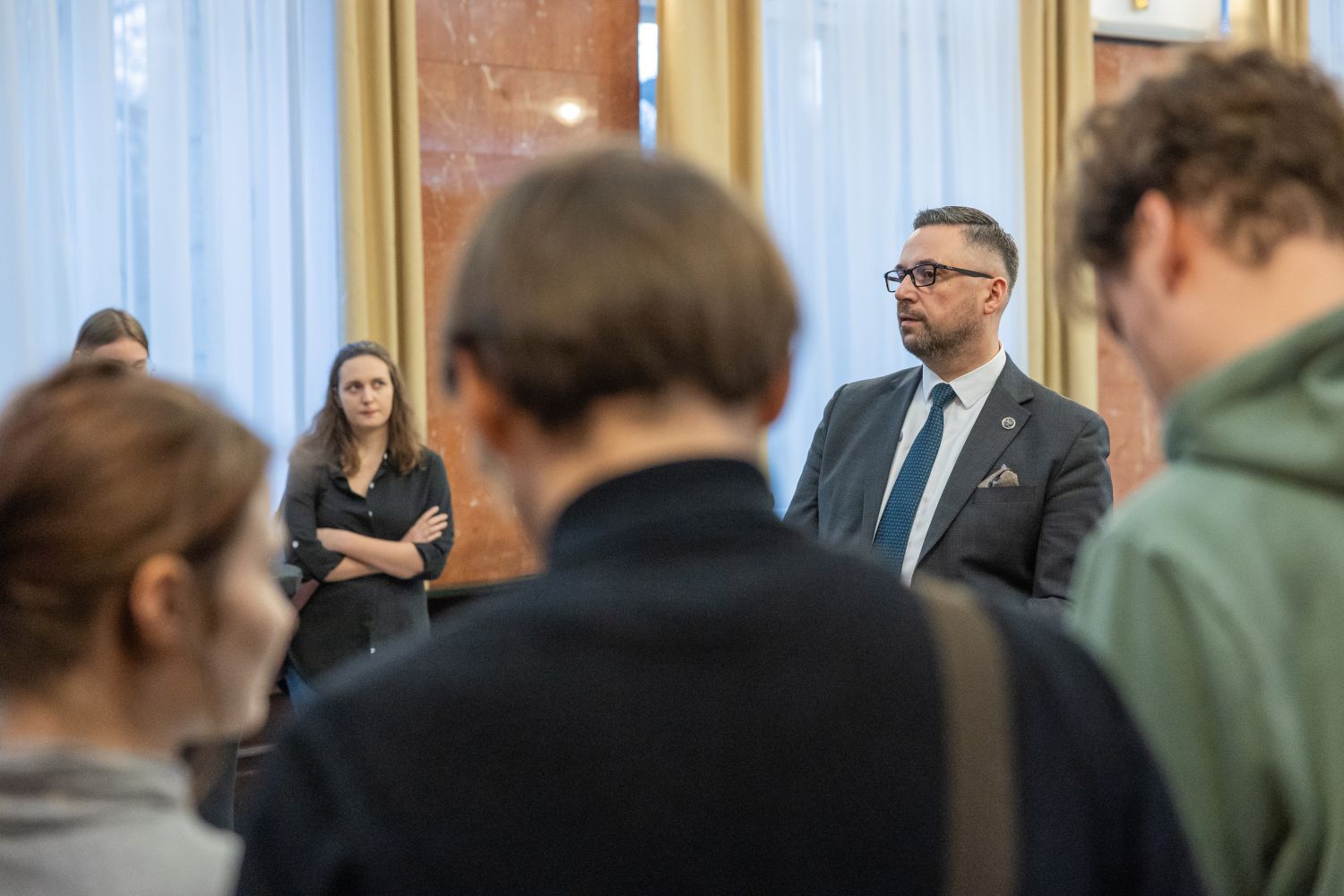
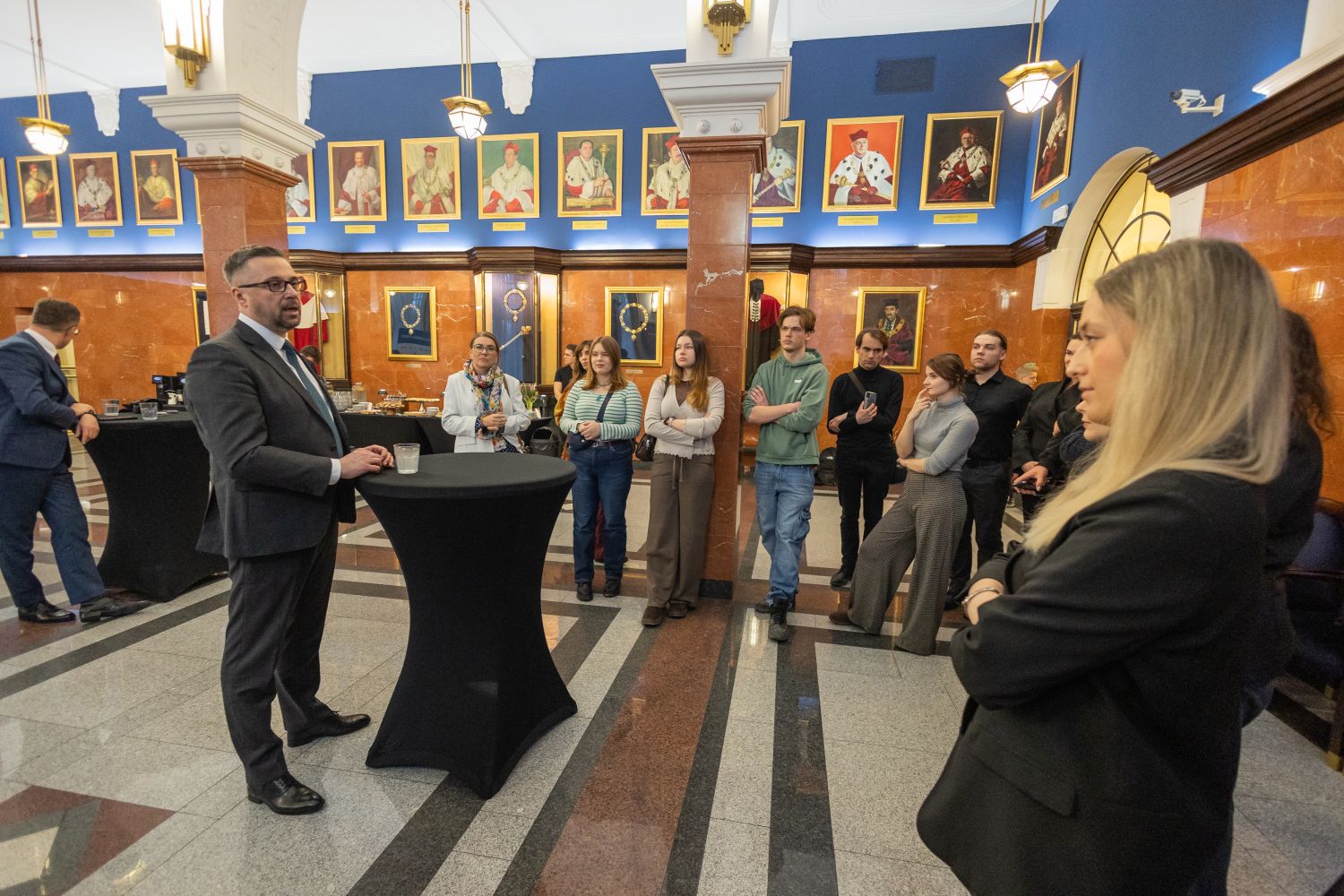
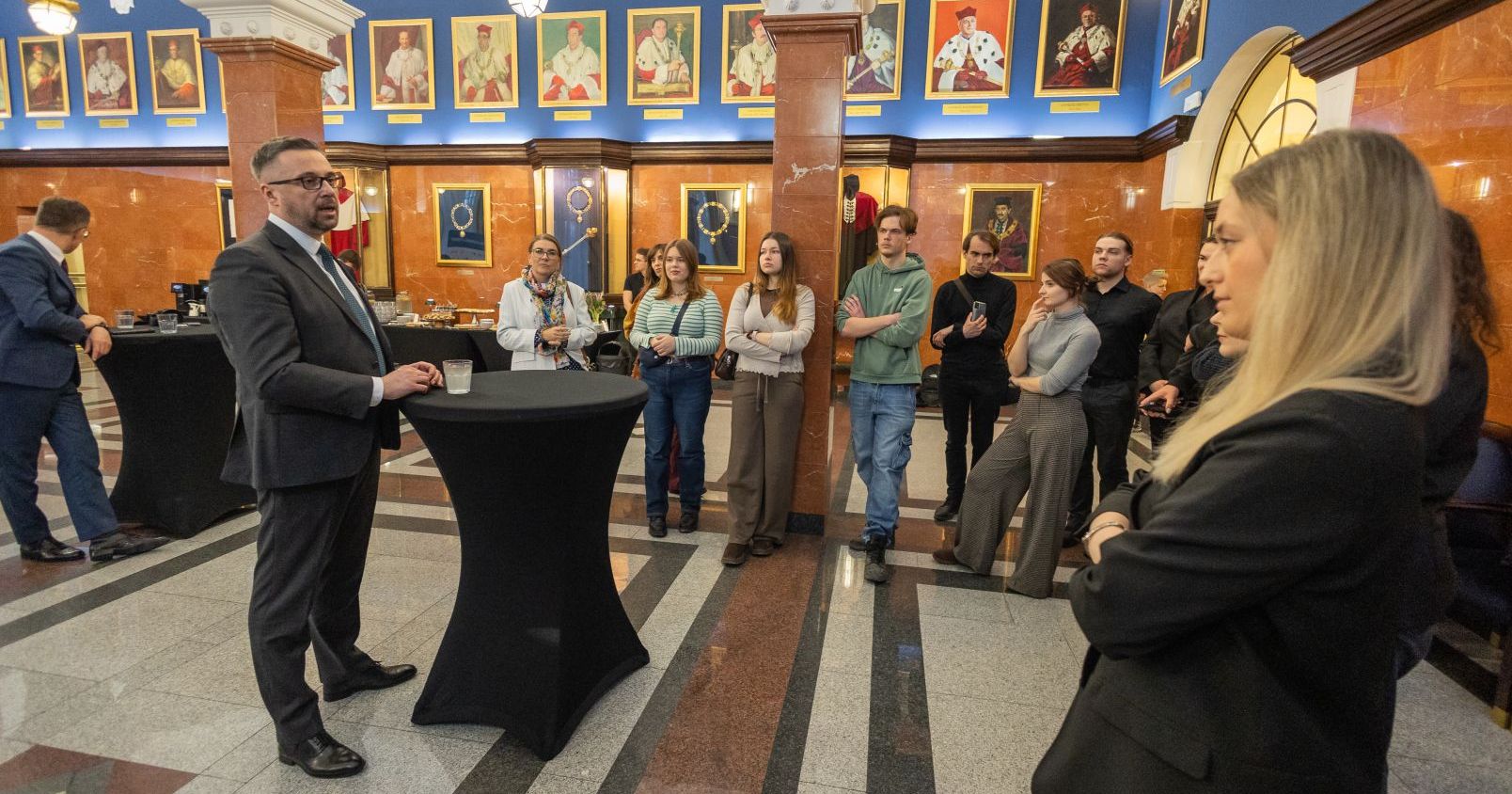
The minister reserved a special place in his visit schedule for a meeting with the student and doctoral community. For those studying and pursuing doctoral degrees at the NCU, it was a unique opportunity to directly discuss the most important issues related to their studies from their perspective, as well as to ask about the solutions planned by the ministry, including those concerning the availability of places in student halls of residence and the distribution of funds from the scholarship fund.
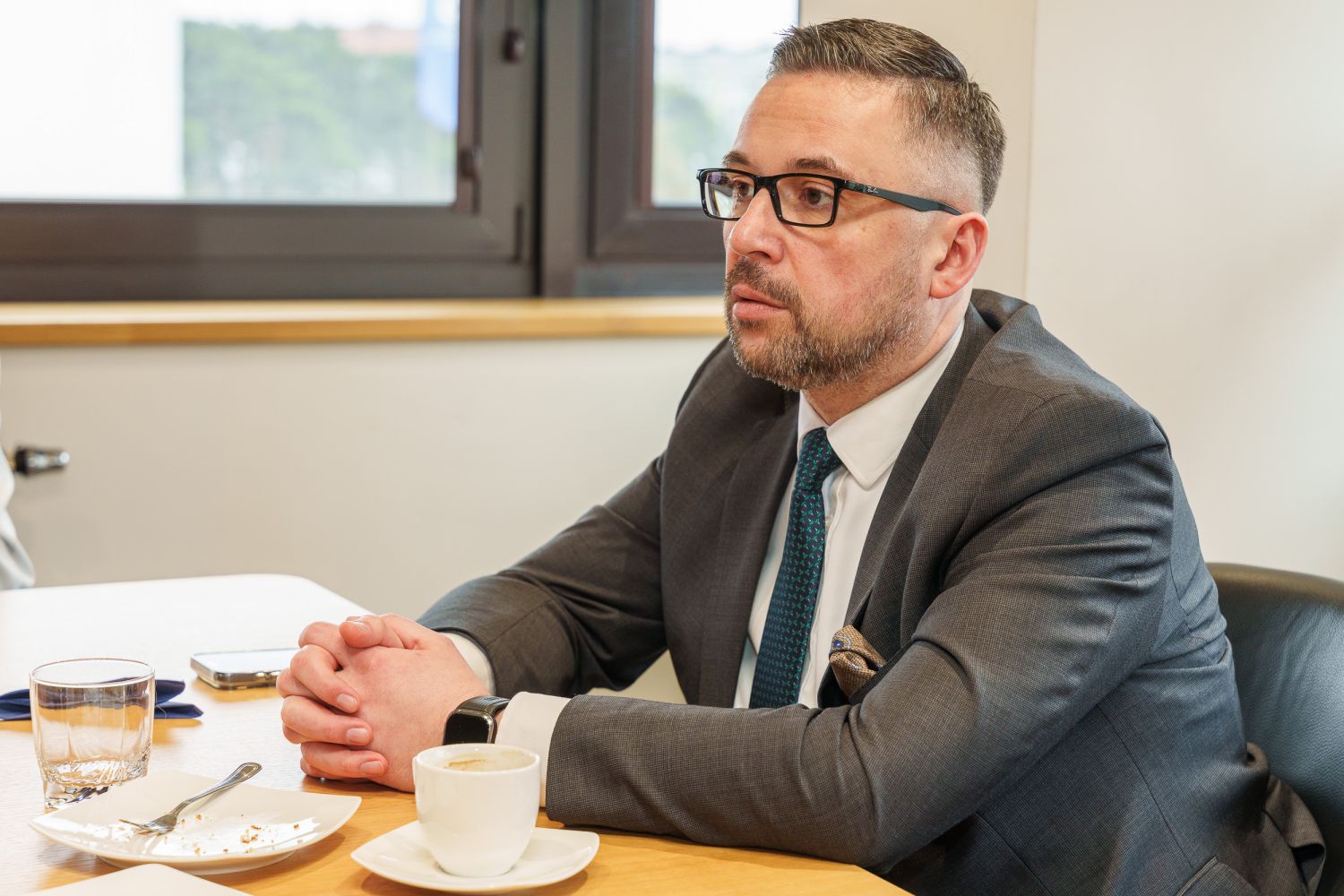
I am here to hear how your studies are going and to find out if there are any problems that the ministry could help solve', Minister Marcin Kulasek began the discussion with the students. 'This is a good moment, because we are in the process of revising Minister Gowin's Act 2.0, which, eight years after its introduction and in view of the changing world, requires some amendments. First, we will change the things that need to be evaluated, and by the end of the term, we plan to take further steps, including restoring a greater supervisory function to university senates.'
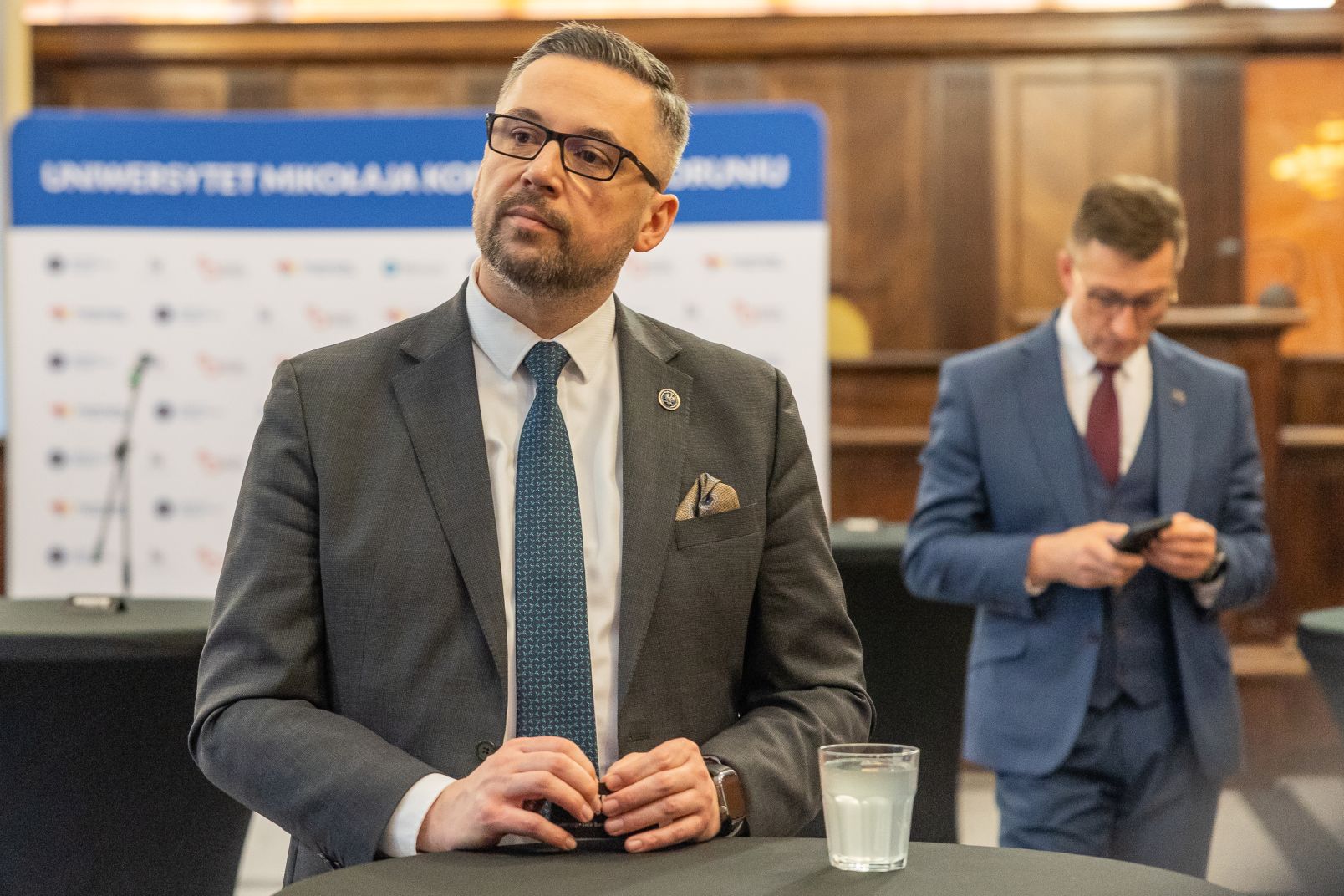
The first issue raised by the students was the distribution of funds from the scholarship fund.
An important topic was the rising cost of living and fees for a place in a student hall of residence, which, as students pointed out, exceed PLN 1,000 in larger Polish cities. 'In view of the cold winter and long heating season, can the university count on any support from the ministry other than subsidies for investments and renovations?' they asked, pointing out that higher heating and energy costs could result in increased fees in student halls of residence.
As noted by dr habil. Monika Wałachowska, NCU Prof., Vice-Rector for Student Affairs and Education, in December the university paid 40 per cent more for heating in student halls of residence than in November. Electricity costs rose by 30 per cent during this period. 'This is an additional million zlotys per month,' said Prof. Wałachowska. 'Please take this into account, because we are beginning to face the fact that after the full heating season, we will be in the red.'
The minister recalled the recently launched government programme to subsidise the construction and modernisation of student halls of residence – thanks to PLN 400 million from the Subsidy Fund, up to 2,500 additional places in halls of residence may be created.
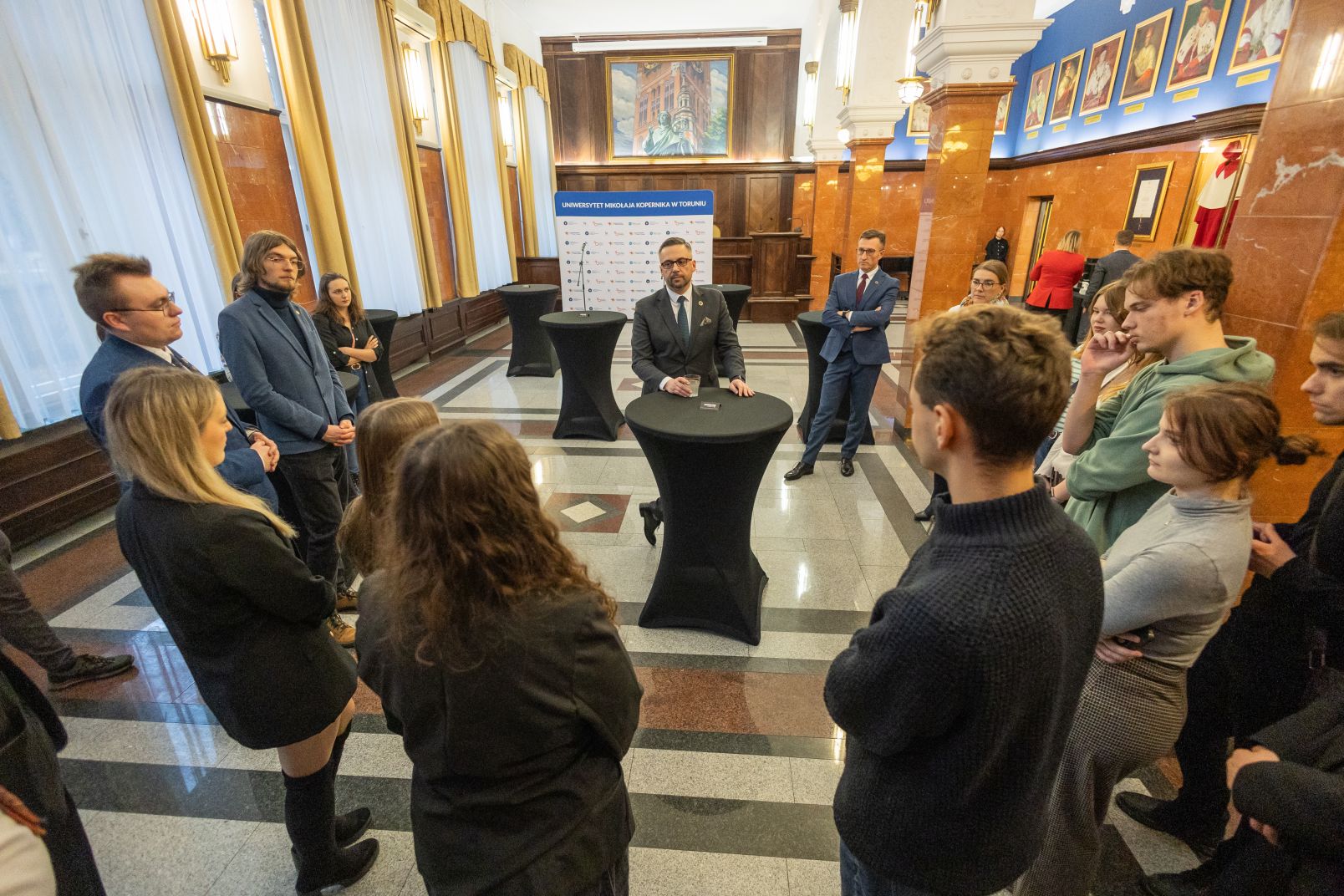
We hope that this will regulate the situation in student halls of residence somewhat, but also rental prices on the commercial market,' added Marcin Kulasek. 'This is a programme planned for several years and will be continued.'
Among the proposals put forward by those attending the meeting was a request to expand internship opportunities at the Ministry of Foreign Affairs, which is often an essential step for graduates planning a career in diplomacy and international politics. As the minister announced, this solution is already being implemented – what is more, it will cover not only the Ministry of Foreign Affairs, but also other ministries and institutions where public service is carried out.
There was also good news for those who inquired about possible scholarships for students of less popular but key fields of study for the economy and industry, which would serve to increase the number of specialists in areas strategic for the country's development. 'Together with the National Centre for Research and Development, we are working on a programme similar to the so-called commissioned fields of study, but without the shortcomings of its predecessors,' announced Marcin Kulasek.
The minister also declared that within the next five years Poland would catch up with the EU average in terms of government spending on research and development, and that one of the most important challenges for Polish science was to successfully apply for European grants for research projects.