 NCU News
 Campus life
Research infrastructure for strategic technologies


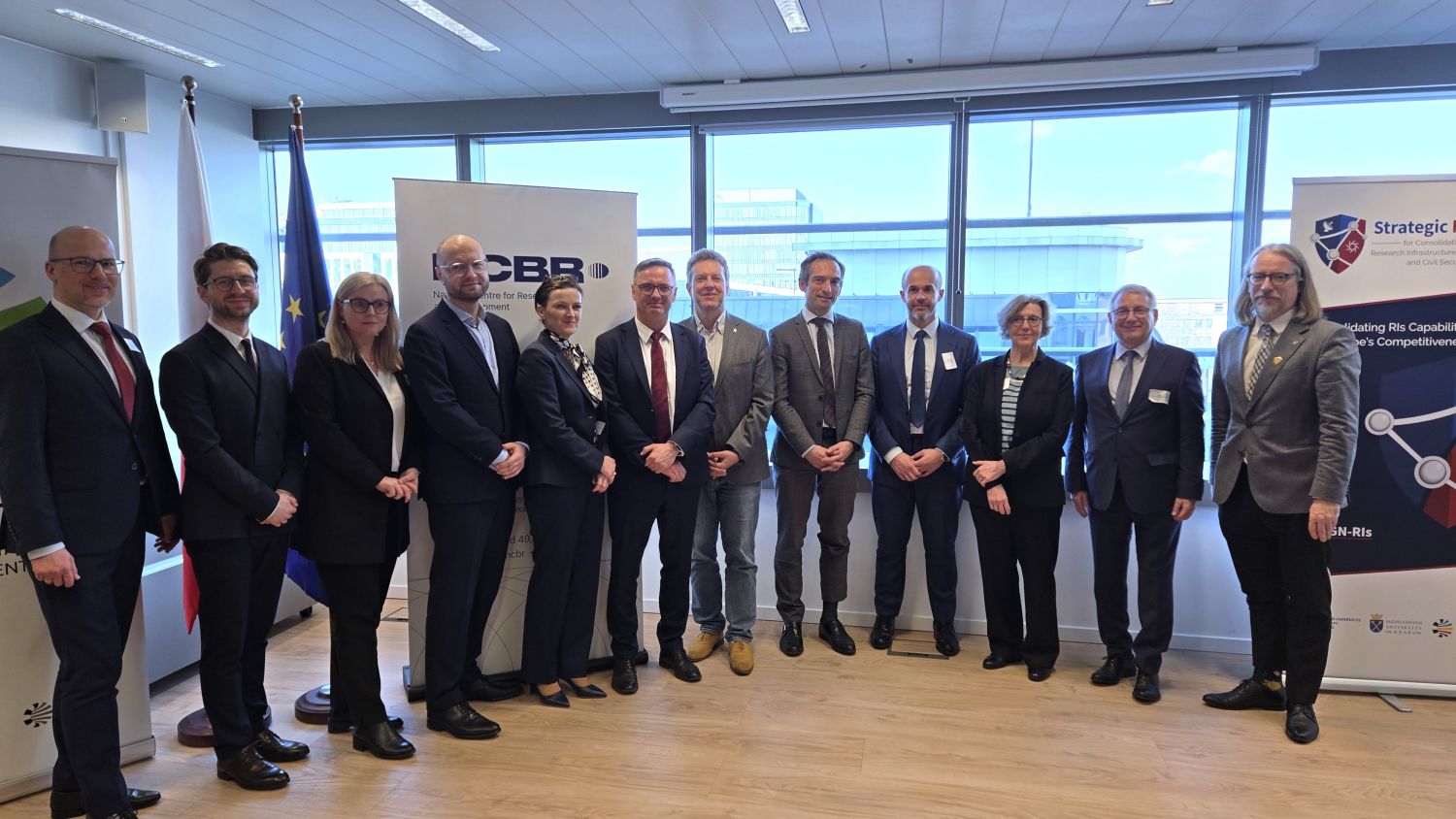
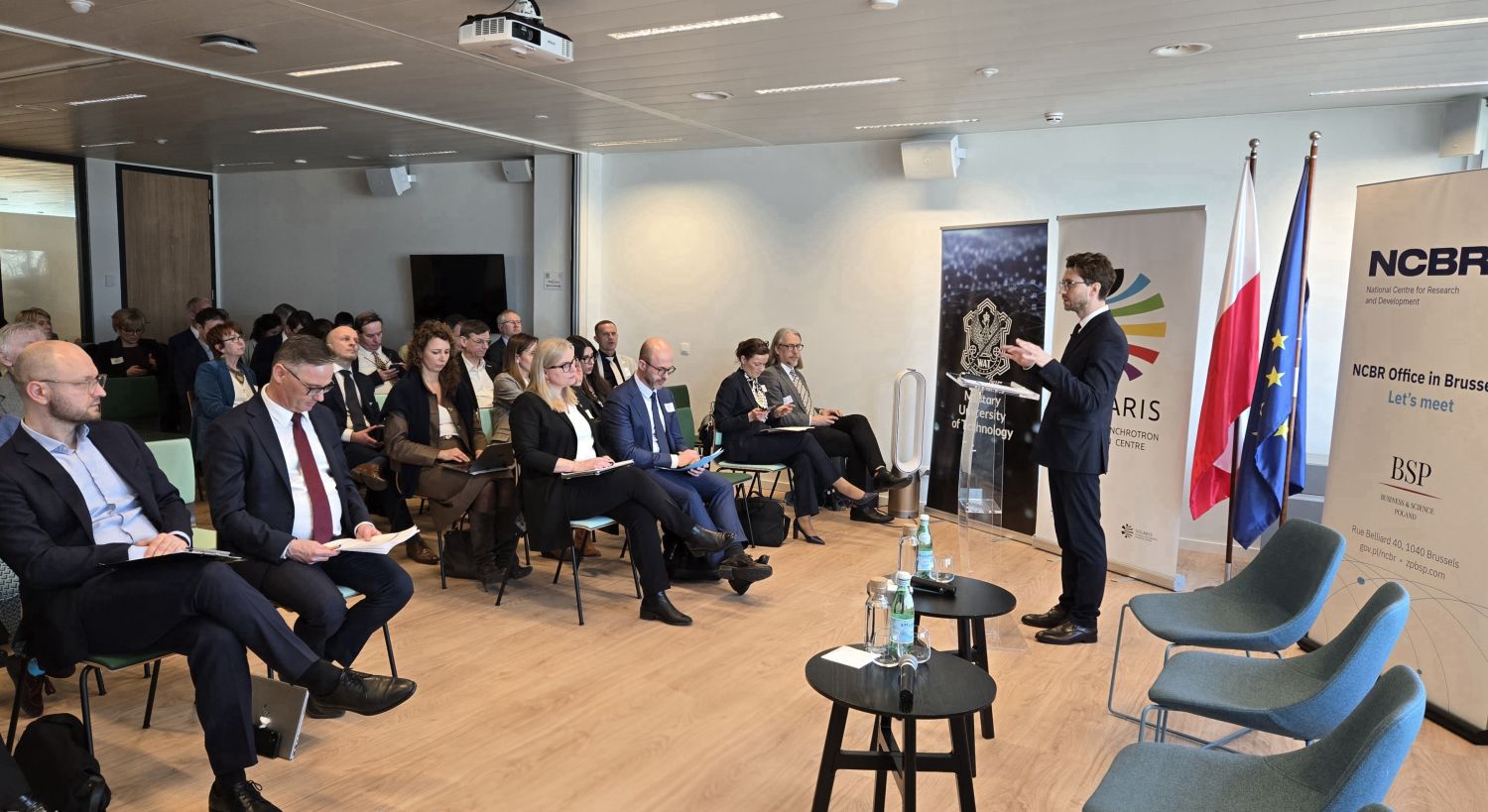
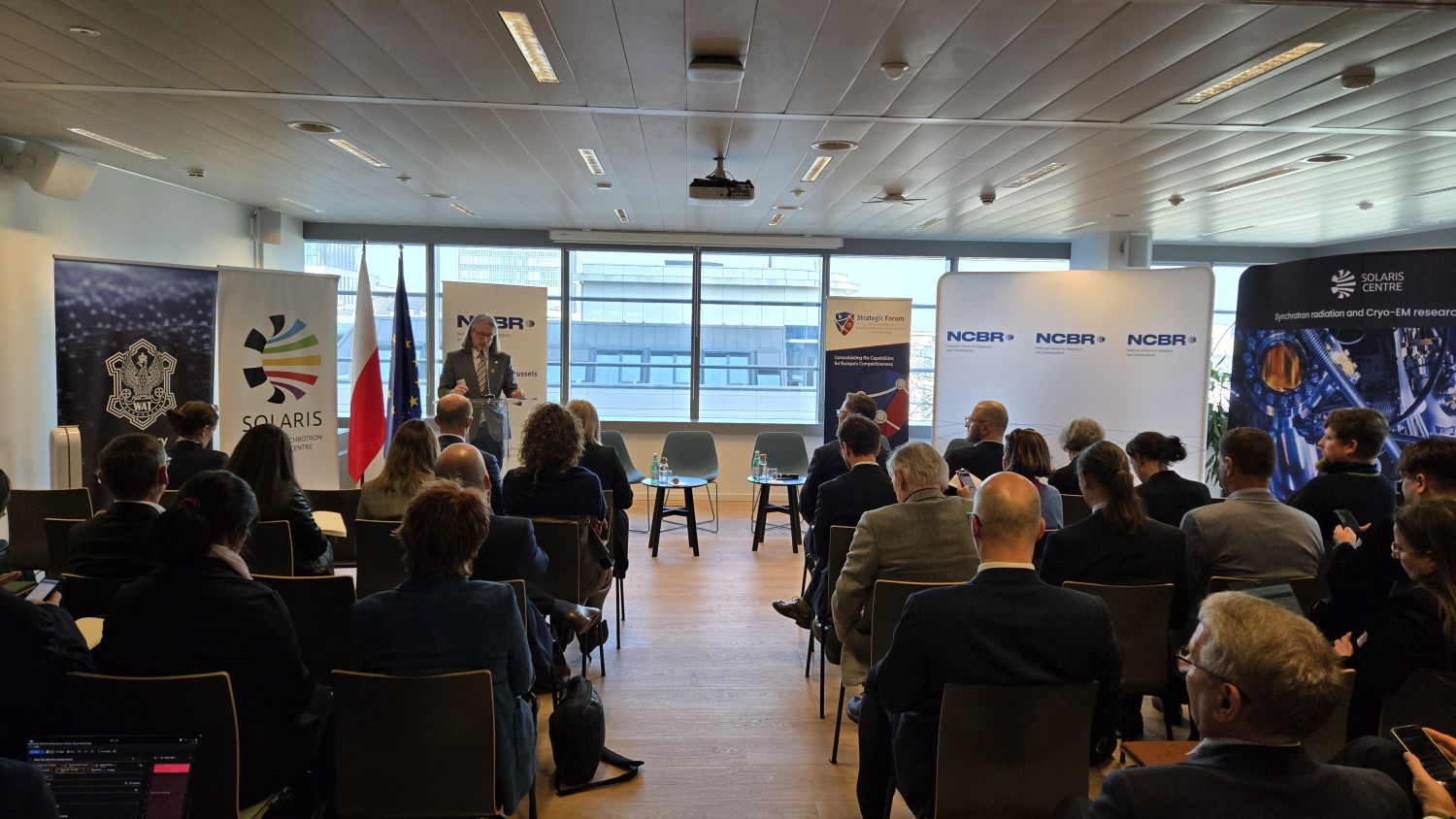
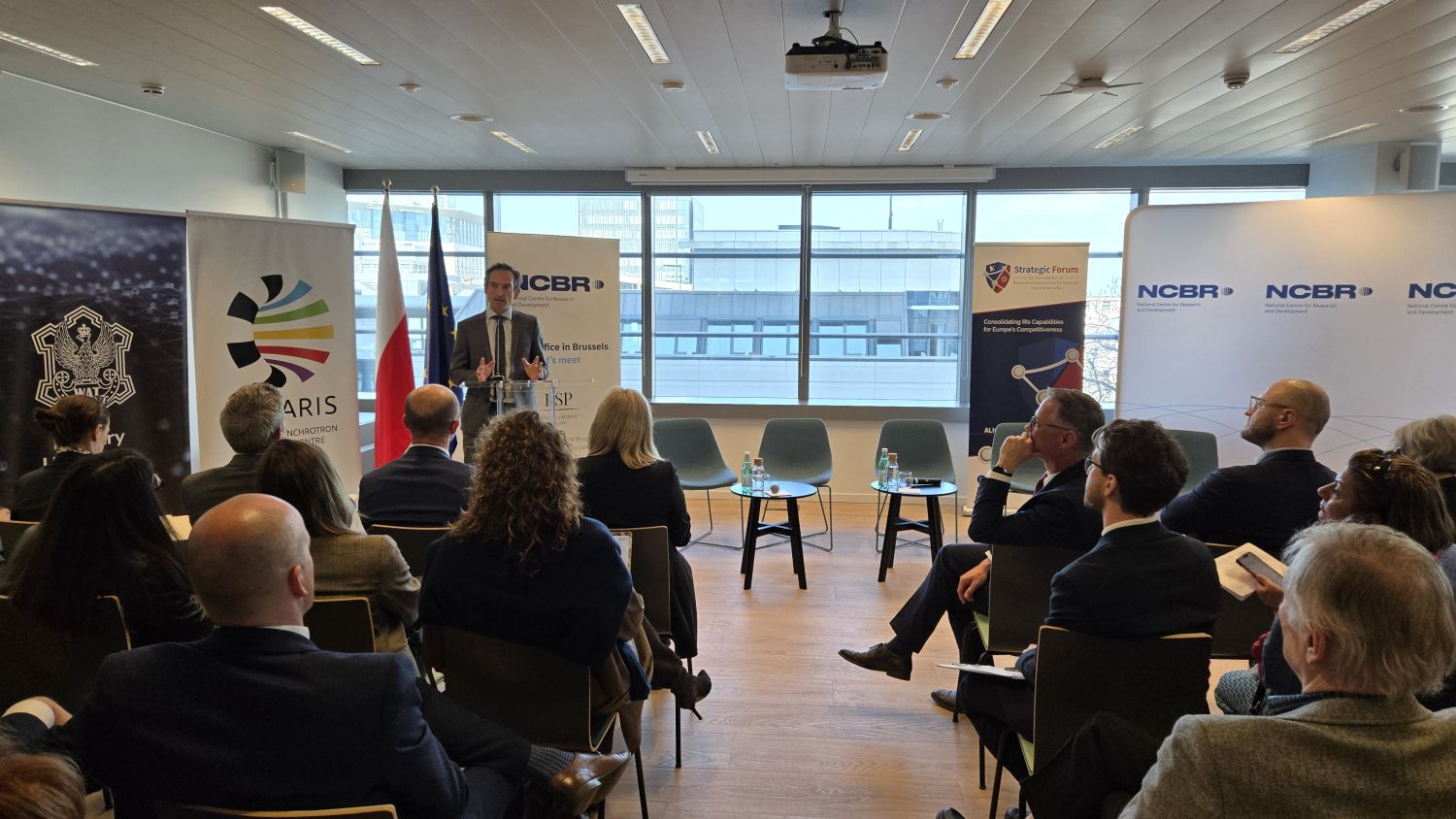
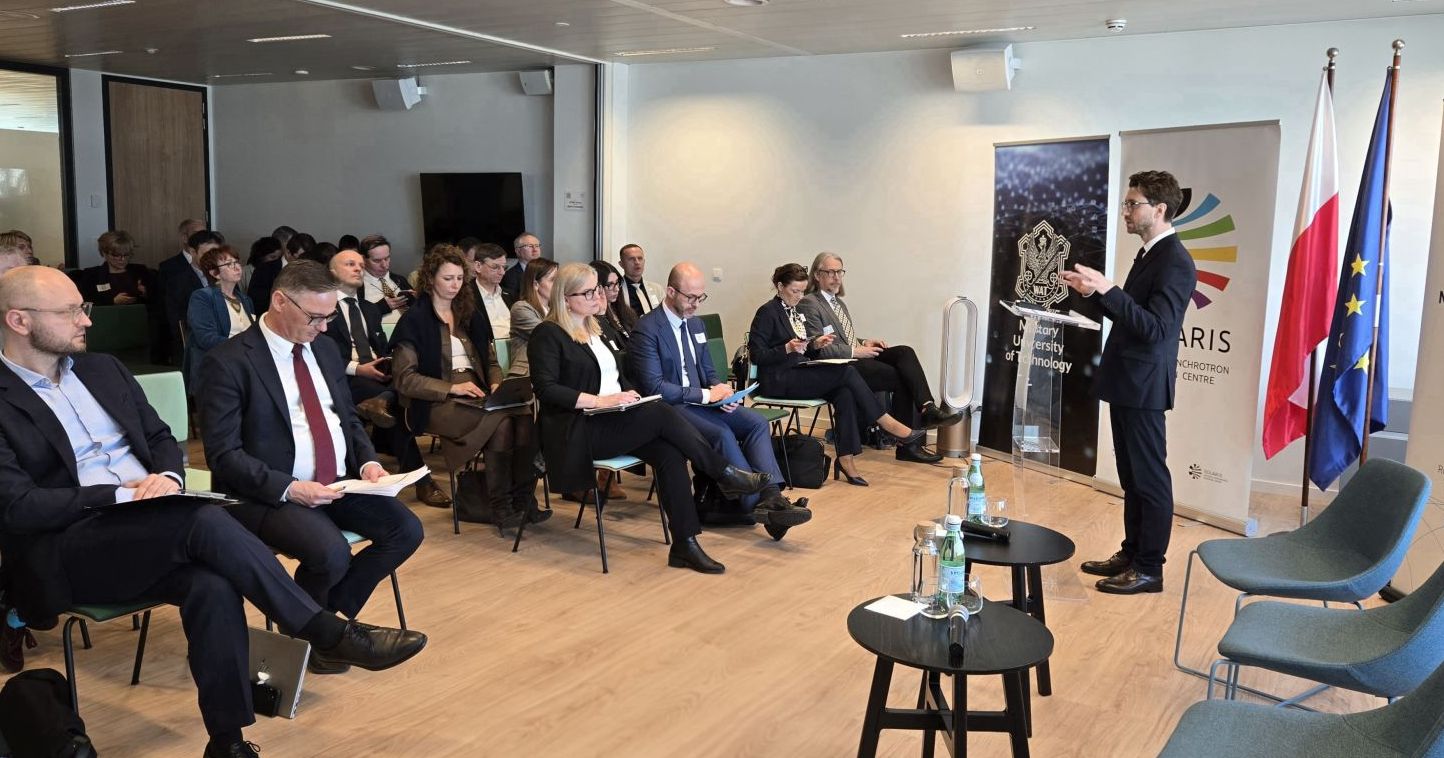
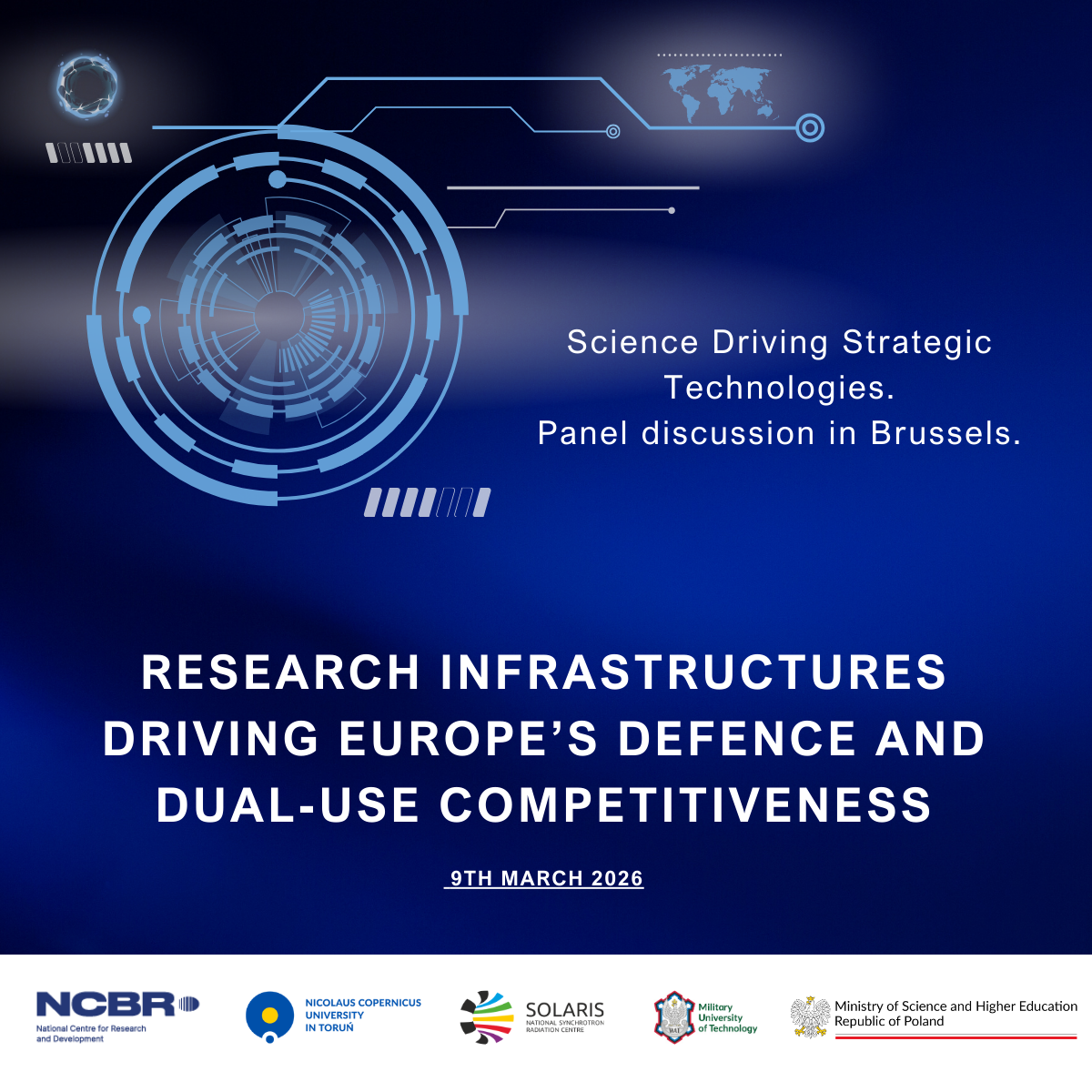
Consolidation of Research Infrastructures in the Face of Europe's Security and Technological Resilience Challenges was the topic of a meeting held on March 9, 2026, at the National Center for Research and Development office in Brussels.
The meeting entitled “Research Infrastructures Driving Europe's Defence and Dual-Use Competitiveness" was organised in cooperation with Nicolaus Copernicus University in Toruń, the SOLARIS National Synchrotron Radiation Centre of the Jagiellonian University, and the Military University of Technology in Warsaw, with the support of the Ministry of Science and Higher Education of Poland.
The event took place on the eve of the European Defence Fund Info Days 2026 and brought together representatives of European institutions, research infrastructure organisations, public administration, universities, and the innovation sector. The meeting served as a platform for dialogue on the role of research infrastructures in the development of dual-use technologies and their importance for strengthening Europe's technological resilience and competitiveness.
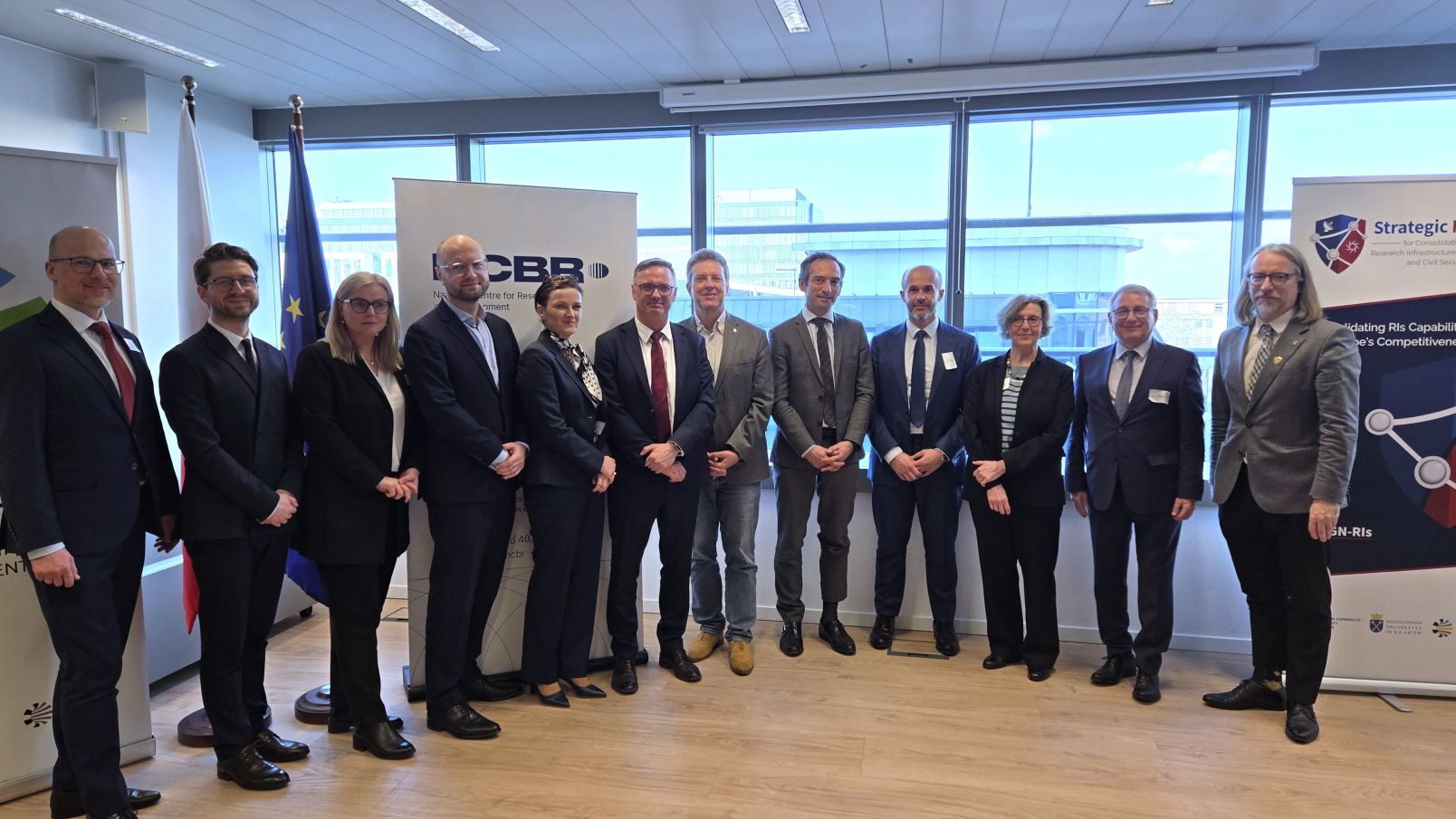
One of the main objectives of the discussions was the consolidation of the research infrastructure community around strategic technologies and dual-use research. Another important element of the meeting was strengthening the presence of the Polish scientific community in the dialogue conducted at the level of European institutions, particularly in the context of upcoming European Commission initiatives related to research and innovation in areas such as civil security, resilience, and technologies relevant to security and defence.
The meeting was opened by Adam Kola, Vice-Rector for Research at Nicolaus Copernicus University in Toruń, who in his welcoming remarks highlighted the changing context in which science operates amid increasing technological competition and geopolitical tensions.
He emphasised that one of the key challenges for the European research system today is to find the right balance between openness in science and the need to ensure research security, particularly with regard to research infrastructures, which are increasingly becoming strategic assets.
Today, the scientific community needs clear guidelines and transparent governance frameworks for research projects in areas such as civil security, resilience, and strategic technologies. Without such frameworks it is difficult to build stable research partnerships and effectively develop international cooperation. At the same time, it is important to emphasise that research security does not mean closing science. On the contrary, it means creating conditions that allow science to remain open while responding responsibly to the challenges of the current geopolitical reality and the growing importance of strategic technologies for Europe."
Preparing for the next generation of European programmes
The organisers emphasised that the meeting forms part of a broader process of preparation for the next generation of European research programmes.
As noted by Jakub Szlachetko, Director of the SOLARIS National Synchrotron Radiation Centre:
Already today we are thinking about the next European Union Framework Programme – FP10, which will begin in 2028. For the research infrastructure community, this is the moment to strengthen cooperation and better coordinate our activities within the European research infrastructure ecosystem."
During the event it was repeatedly emphasised that effective participation in future EU research programmes requires better coordination and integration of the research infrastructure community.
Planned actions in this regard were outlined by Agnieszka Słowikowska, Director of the Joint Institute for VLBI ERIC:
“We plan to carry out the consolidation process in two stages. First, we want to strengthen cooperation between research infrastructures in Poland, focusing initially on four key technological domains. The next step will be to develop this cooperation at the European level, particularly by building partnerships with research infrastructures in widening countries, in order to jointly strengthen their participation in future EU research and innovation initiatives."
Integrating European research resources
The initiative also involved the Military University of Technology in Warsaw, which for many years has been developing research in strategic technology areas and strengthening cooperation between the scientific community and the security and defence sector.
The importance of integrating Europe's research resources was highlighted by Maciej J. Nowakowski, Director of the ELI-Polska Office at the Military University of Technology:
In Europe we possess a vast number of research infrastructure resources that often offer unique opportunities for the development of strategic technologies. The problem is that industry is not always aware of this potential. If we do not integrate the resources we already have and present them coherently to industry, we will not fully utilise these capabilities."
Cooperation between science, public administration and the innovation sector
An important role in organising the event was played by the NCBR Brussels Office. As emphasised by Maciej Zdanowicz from NCBR:
“The office not only serves as the host of the event but also aims to contribute to shaping the discussion on how to design the future research and development system, how to respond to contemporary challenges, and how best to prepare Polish scientists and institutions for international cooperation and global challenges."
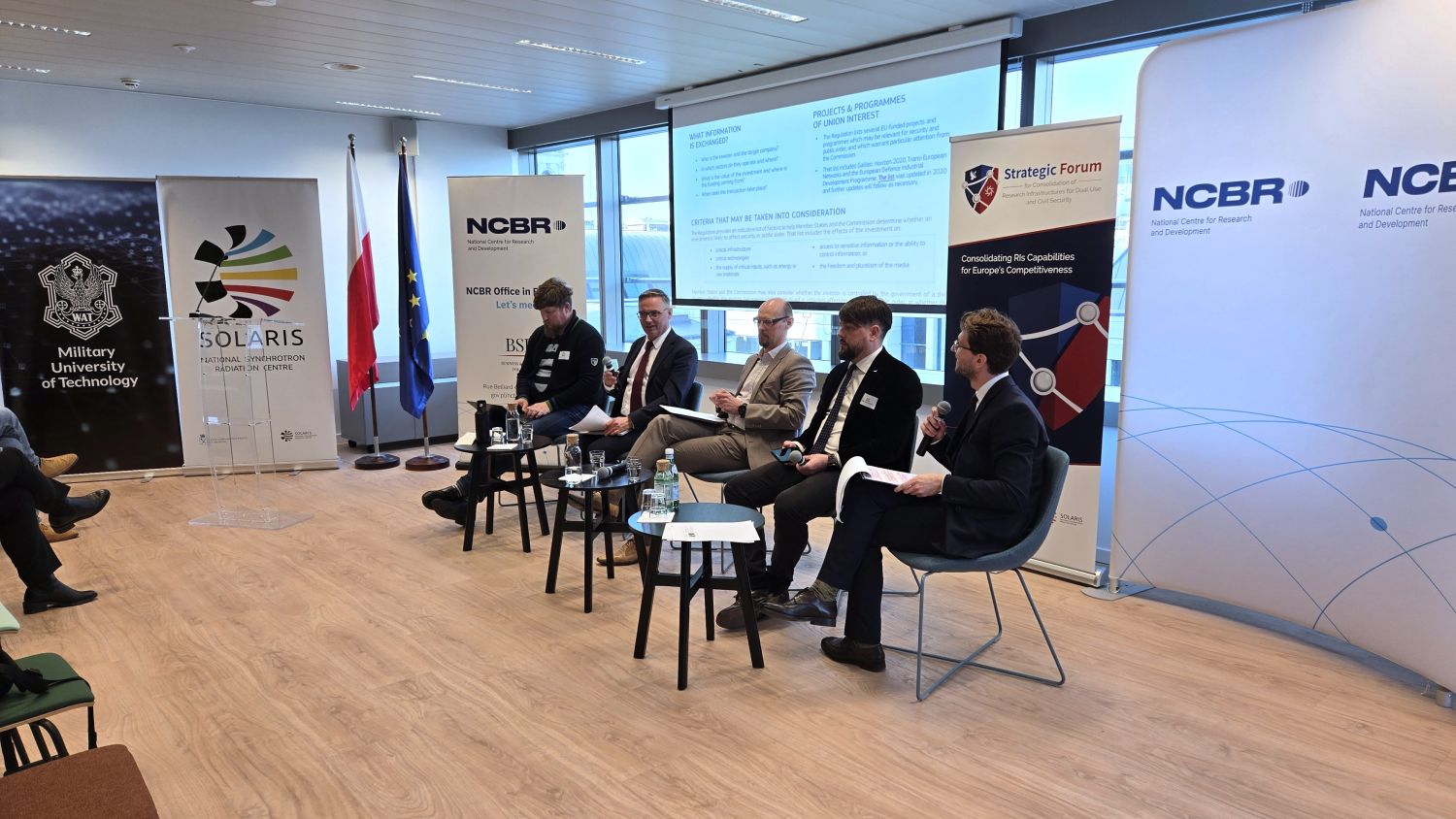
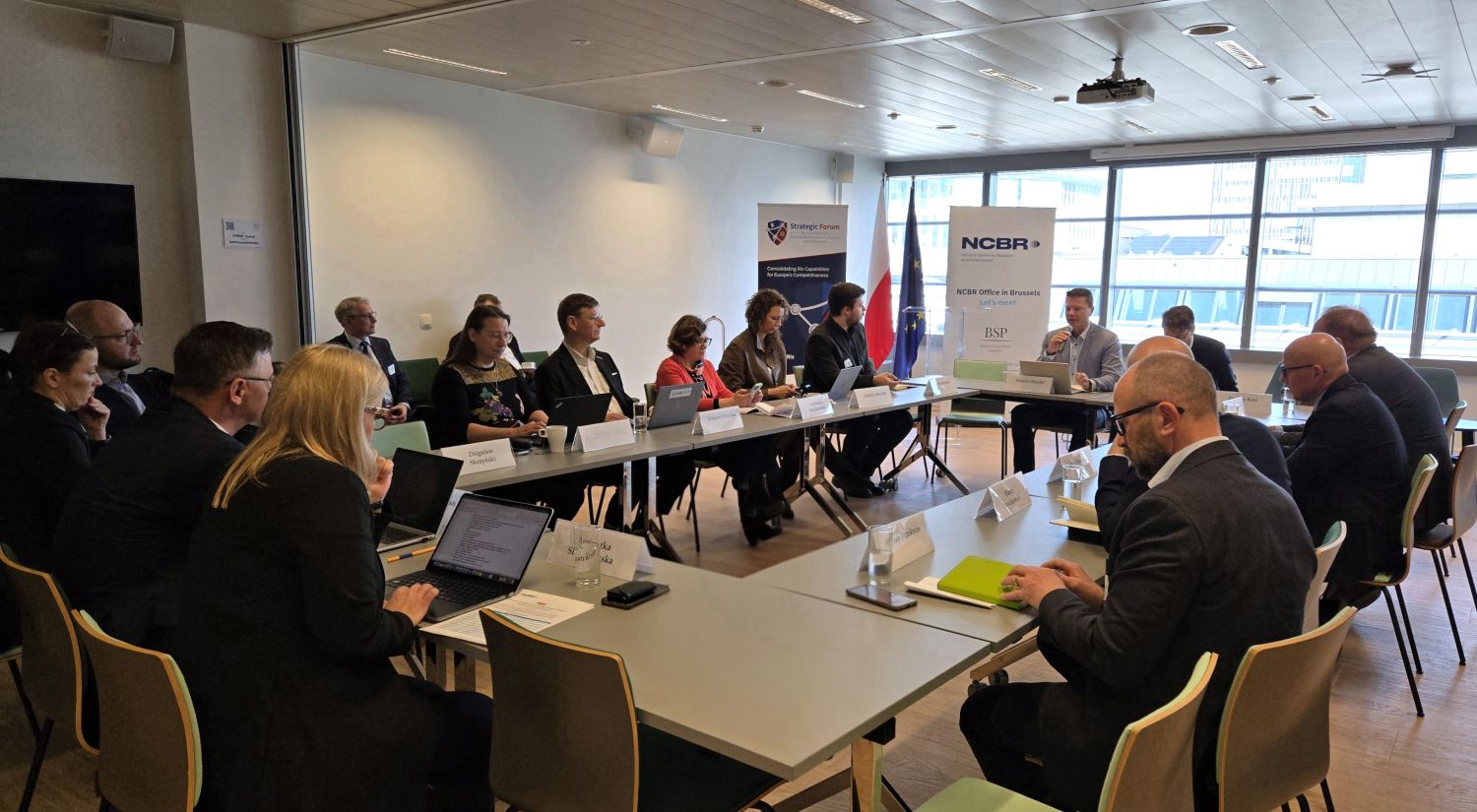
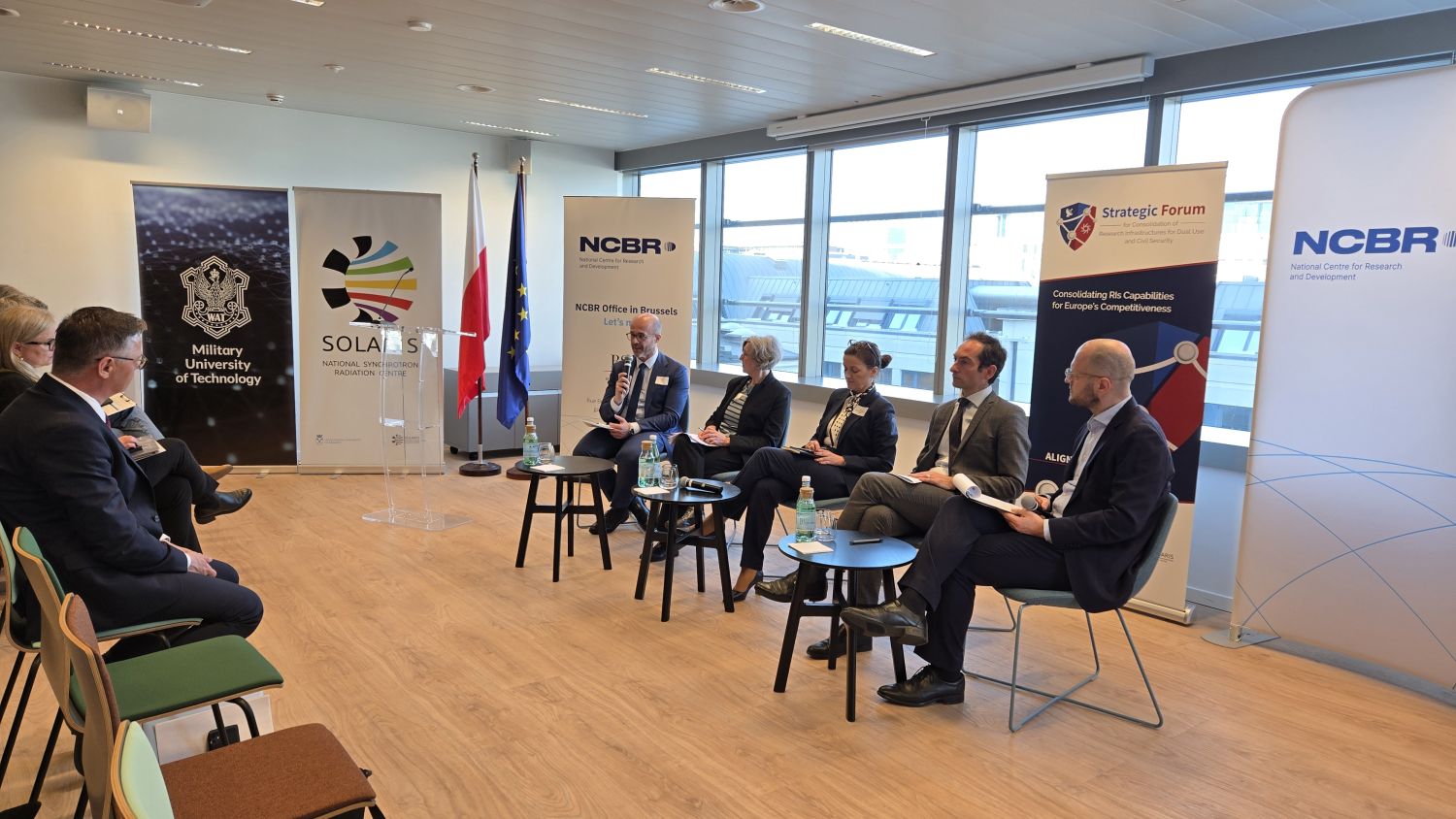
Before the main part of the event, a round table discussion moderated by Marcin Olender (AI Chamber) opened the debate on the growing importance of dual-use technologies within the European innovation ecosystem.
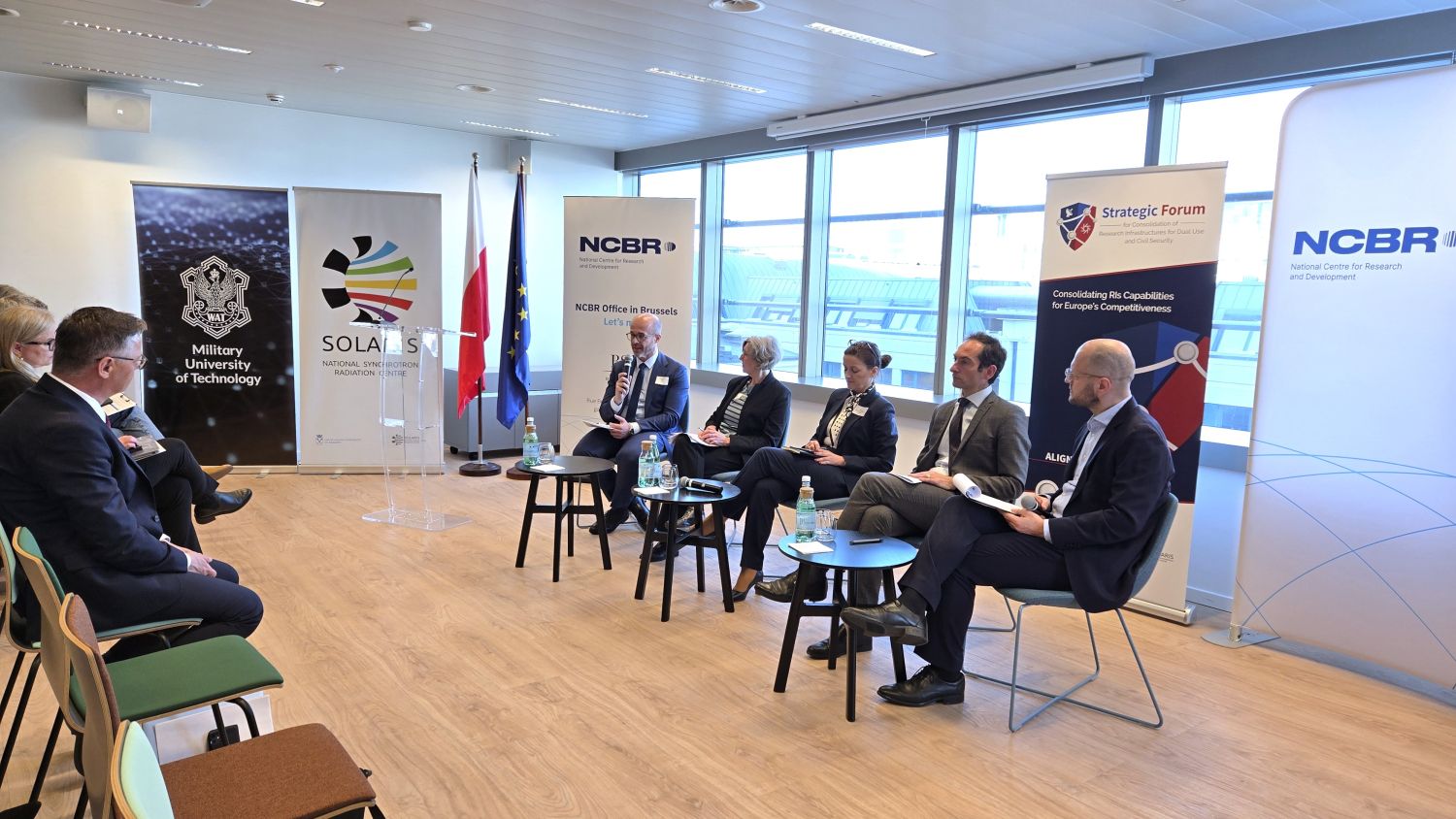
During the subsequent panel discussions – with the participation of representatives of NATO, the European Commission, the Ministry of Science and Higher Education of Poland, and research institutions from several European countries – a common theme emerged: in the face of growing geopolitical tensions, Europe must make more effective use of the potential of the entire scientific and technological ecosystem.
Experts emphasised that the development of strategic technologies cannot rely solely on the traditional defence sector. Universities, research centres, scientific infrastructures, startups, and the deep-tech sector also play a crucial role.
Research infrastructures as catalysts for innovation
Participants also stressed that cooperation between science, public administration and industry, supported by mature research security mechanisms, responsible approaches to data protection, and risk assessment in international cooperation, can become one of the foundations of Europe's technological advantage.
The meeting in Brussels confirmed the growing importance of research infrastructures within the European innovation ecosystem, particularly in areas related to strategic technologies and dual-use research. The event also represented an important step towards strengthening cooperation between the scientific community, public administration and the innovation sector, both at the national and European levels.
*The text was prepared based on materials by Agnieszka Cudek, SOLARIS National Synchrotron Radiation Centre.