 NCU News
 Campus life
The challenges of modern science


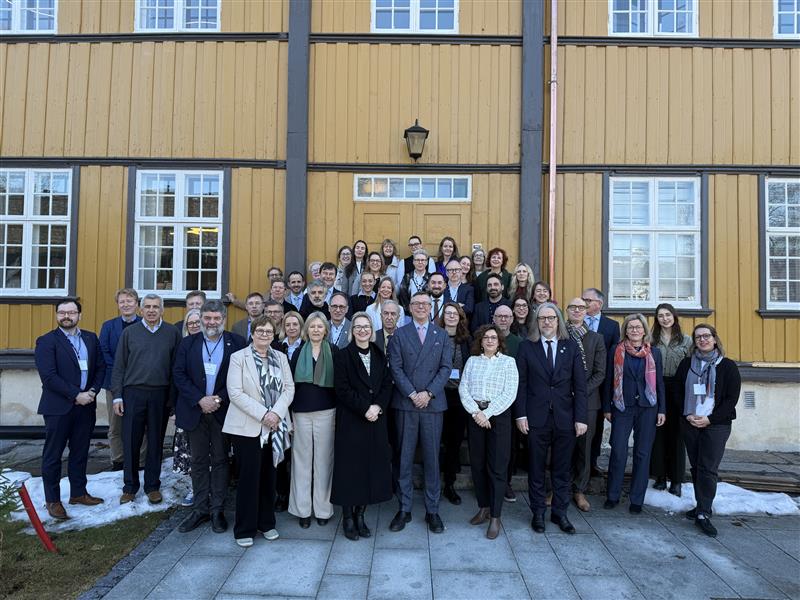
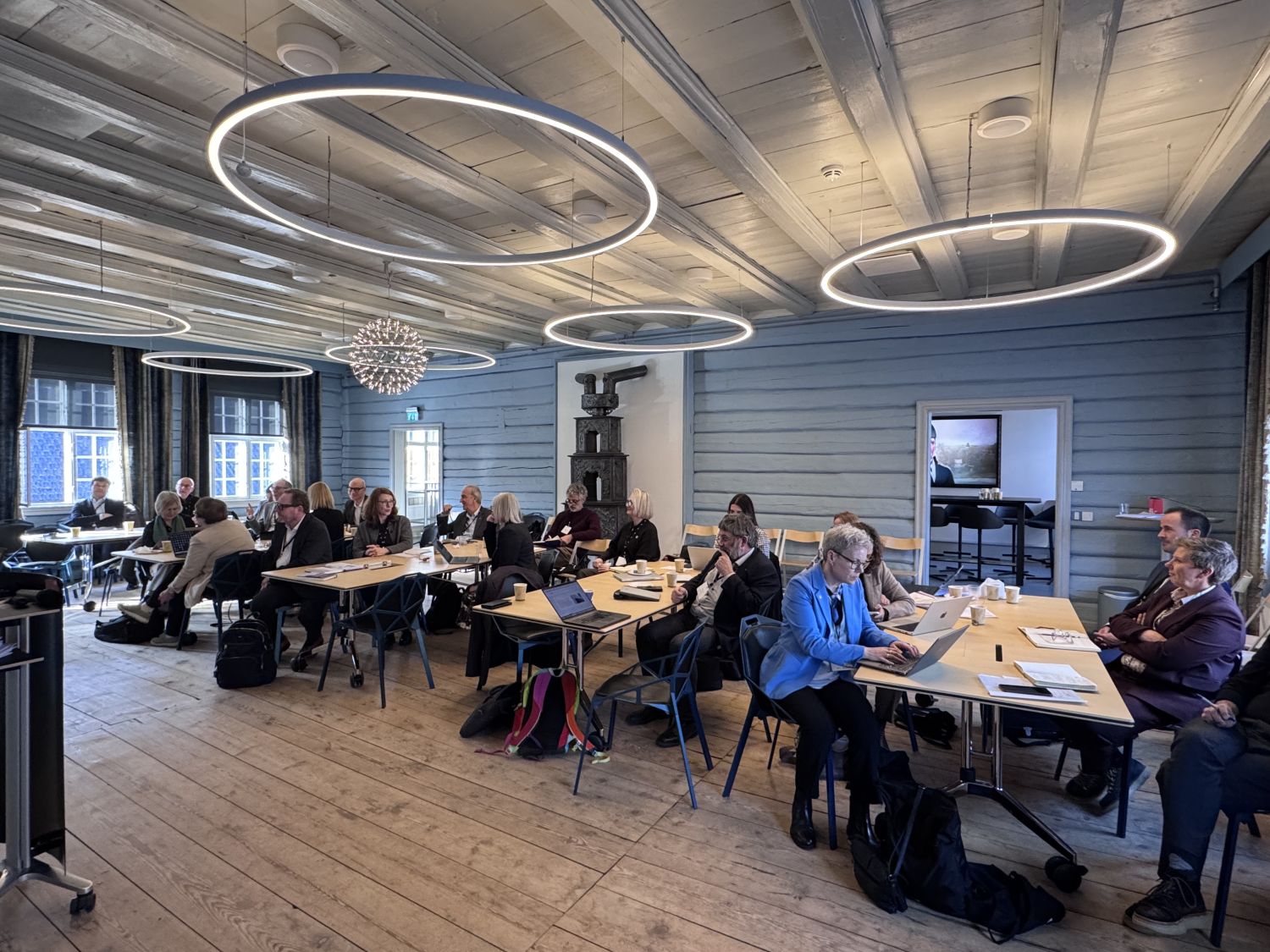
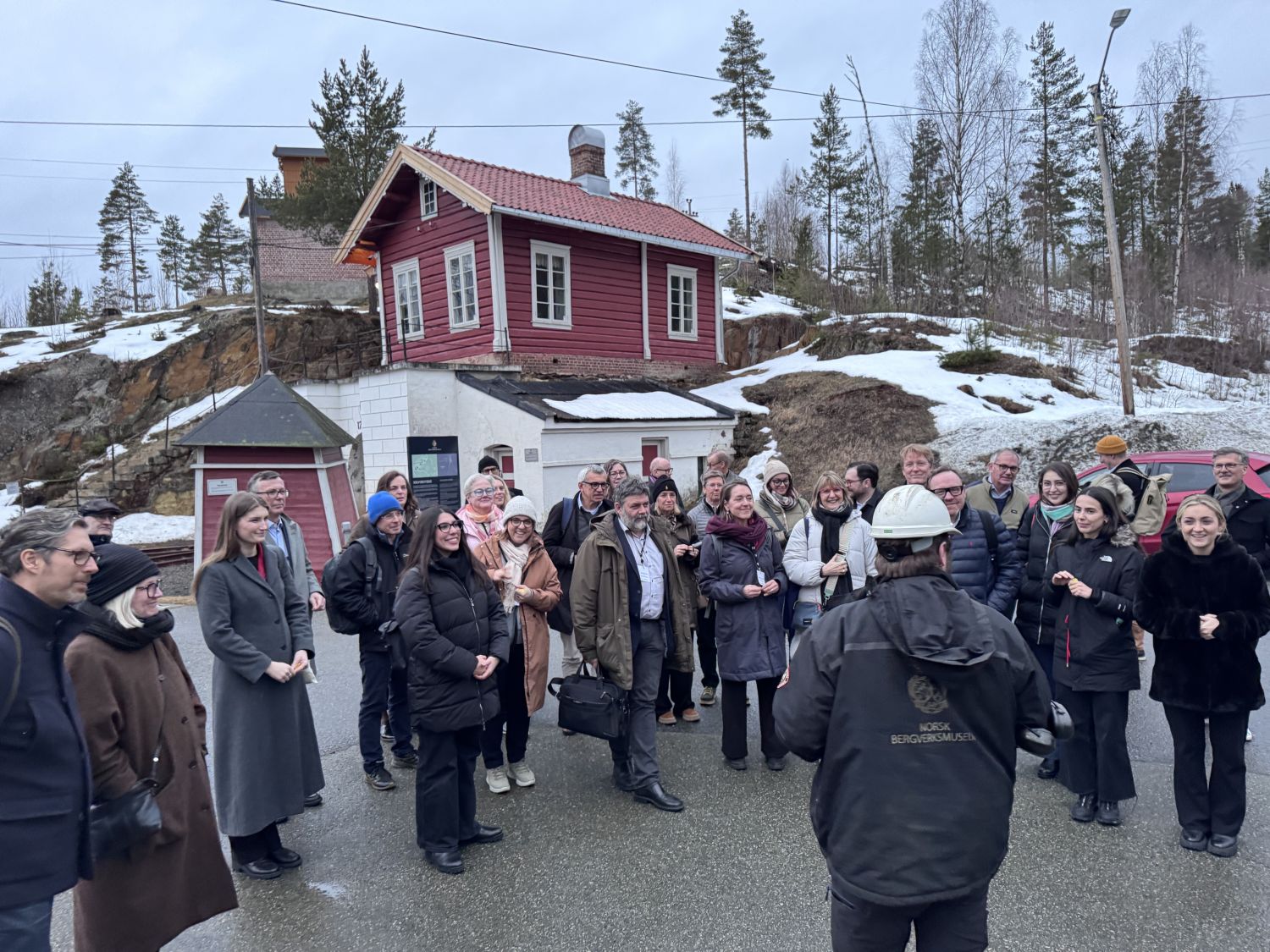
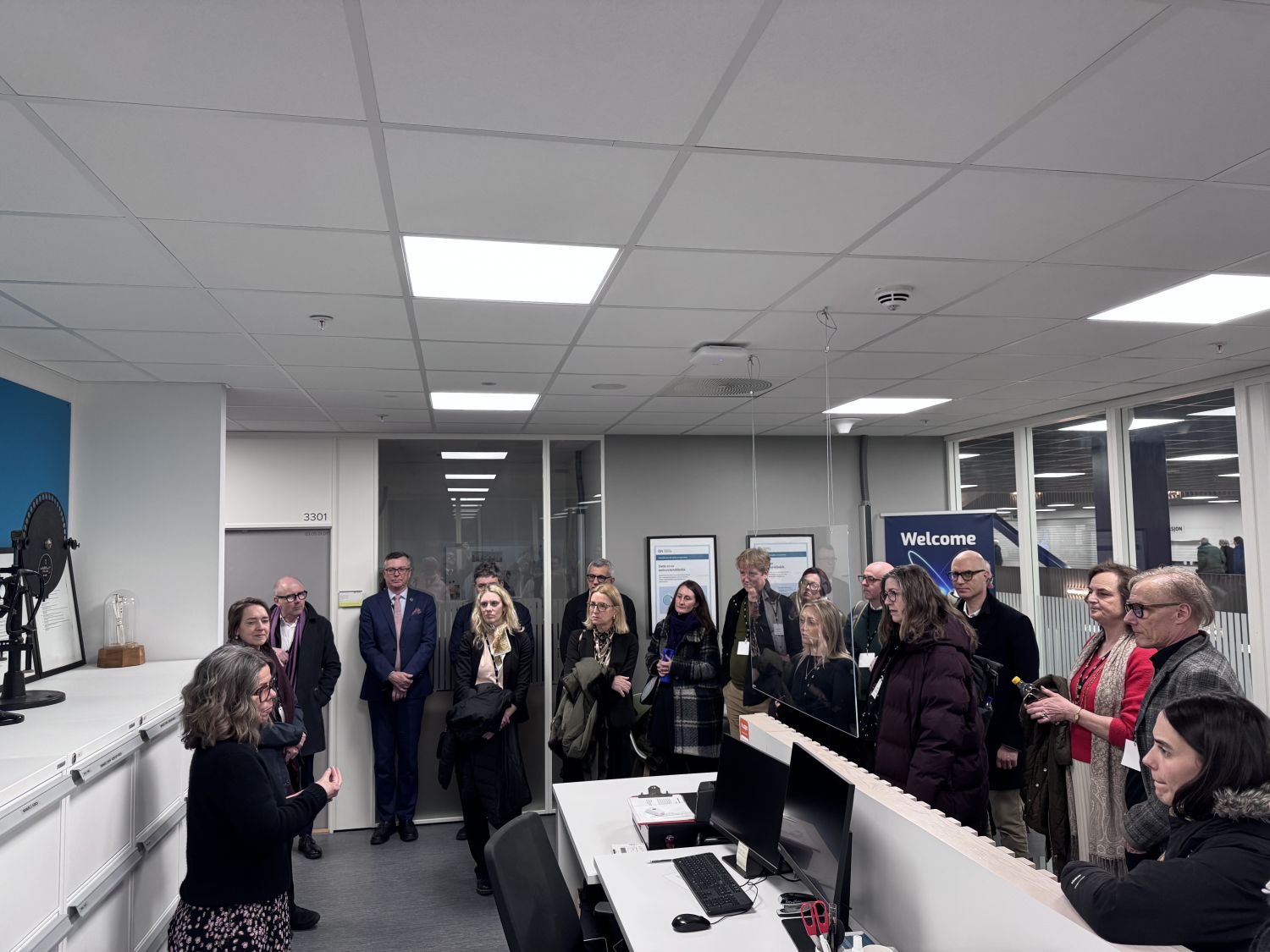
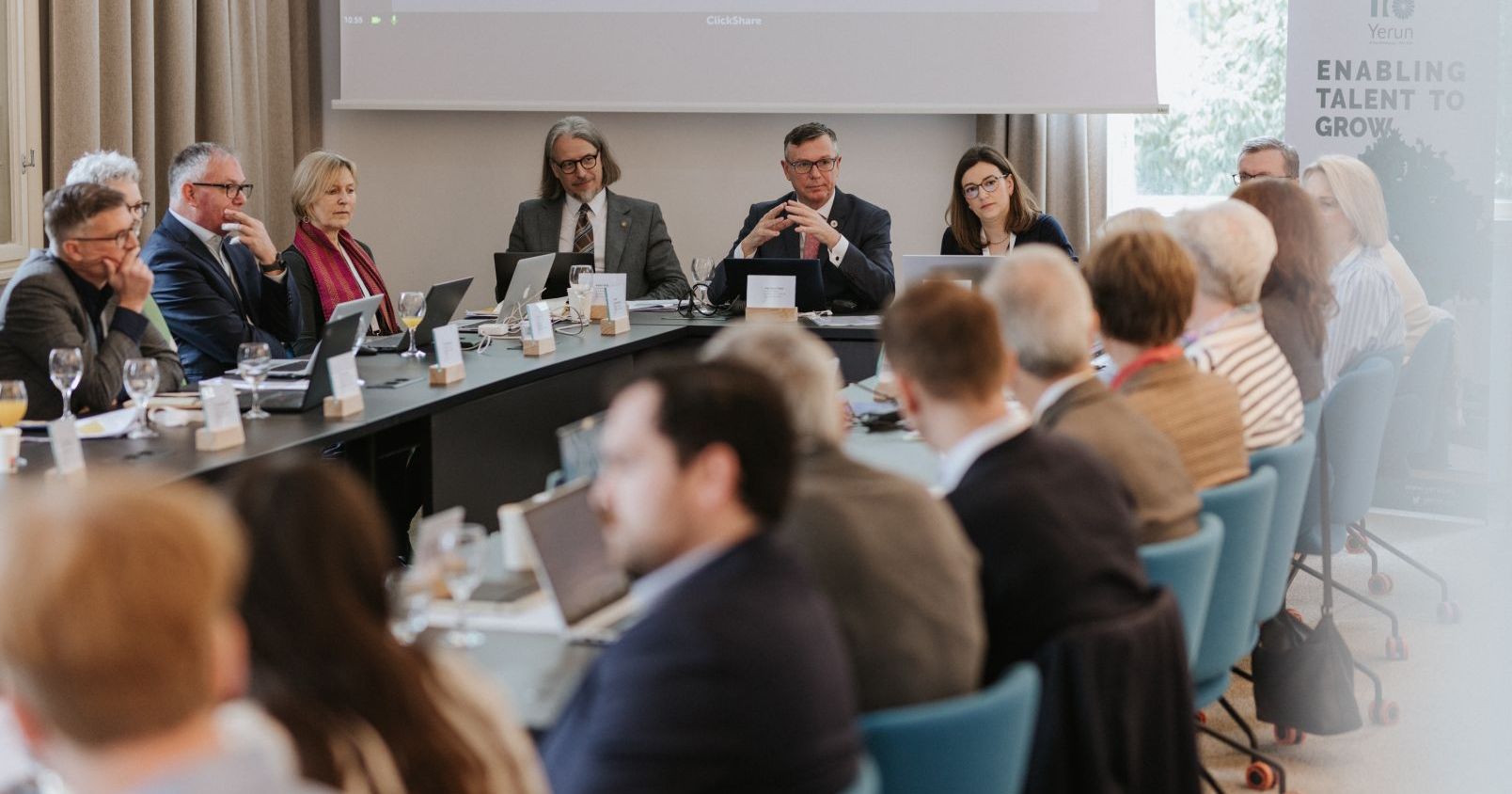
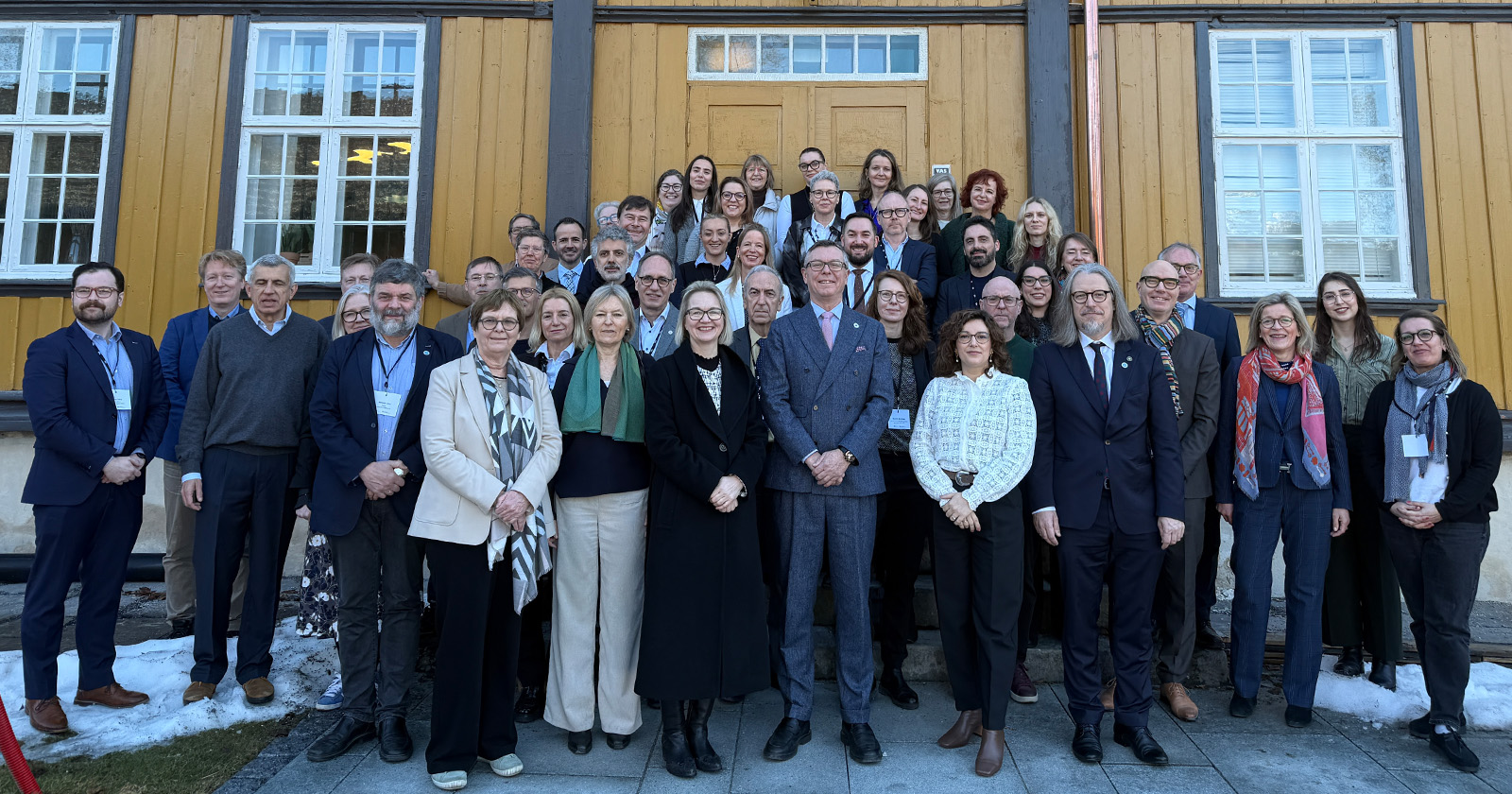
The YERUN General Assembly, held this March in Kongsberg (Norway), brought together leaders of European research universities to reflect on one of the most pressing and complex challenges facing academia today: dual-use research and research security.
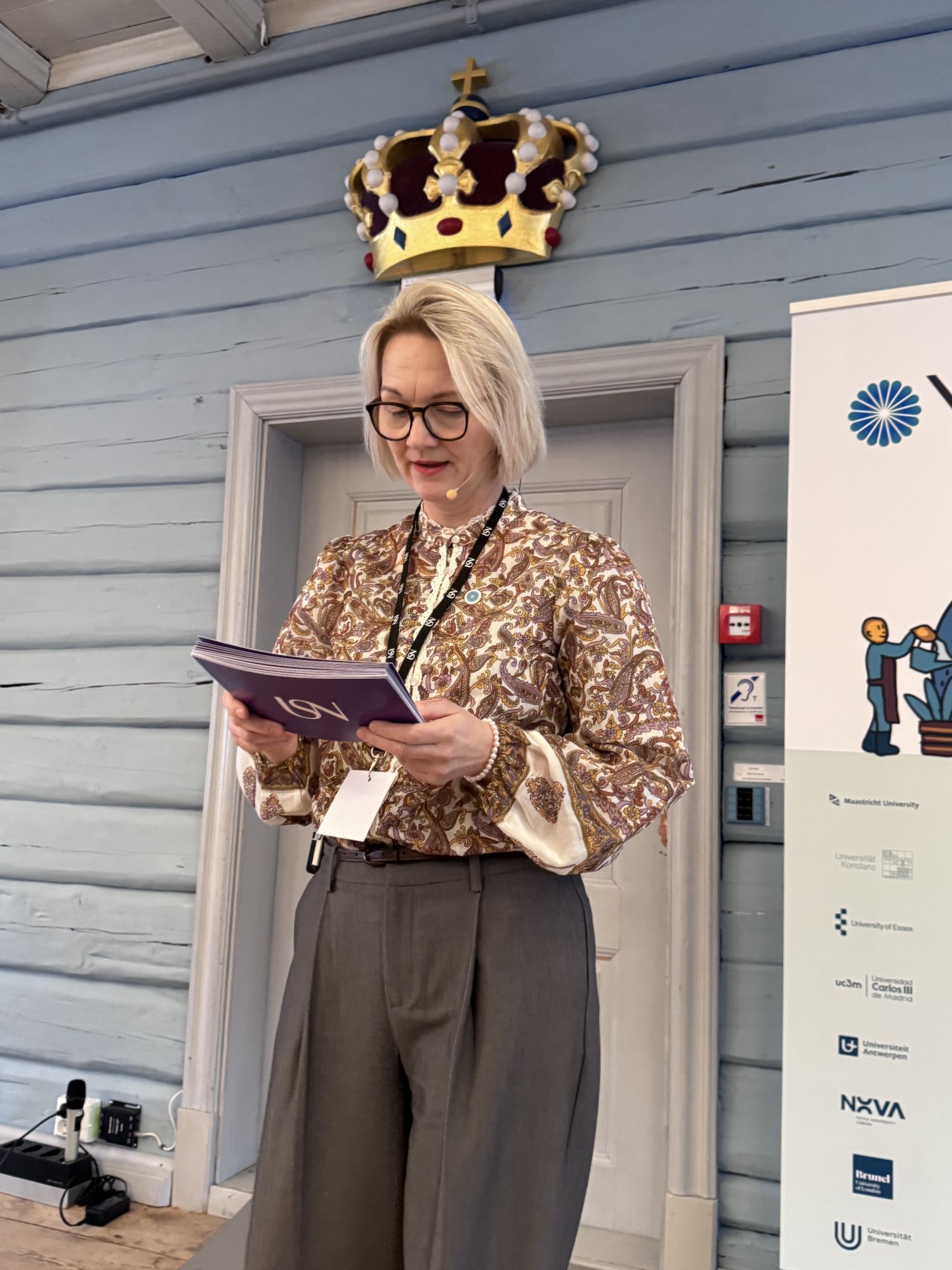
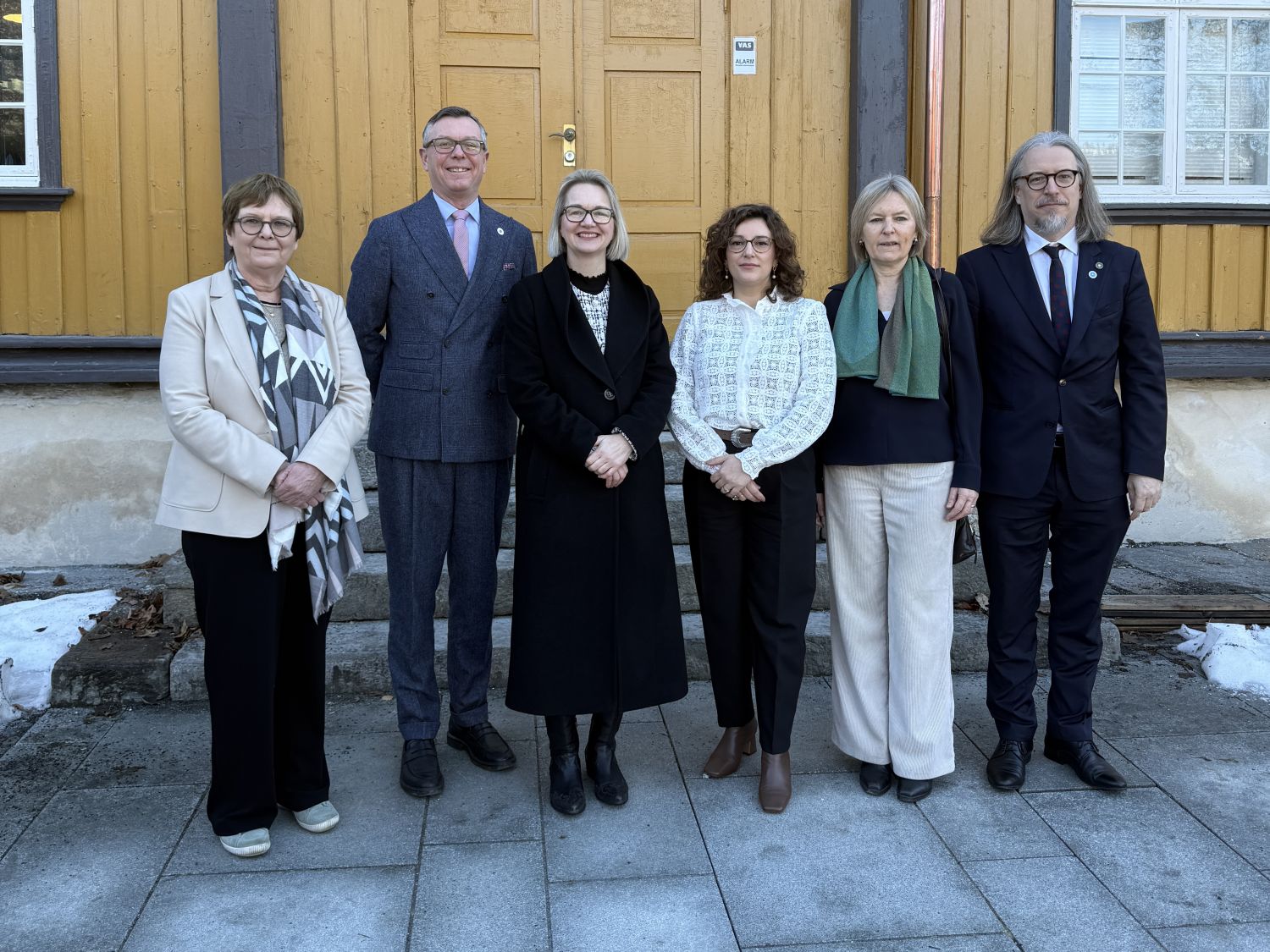
The meeting was hosted by University of South-Eastern Norway, led by Pia Cecilie Bing-Jonsson. The university stands as a compelling example of a modern European institution: agile, deeply embedded in its regional ecosystem, and at the same time strategically oriented toward global challenges. The Nicolaus Copernicus University in Toruń was represented by Dr habil. Adam Kola, NCU Prof. and Vice-Rector for Science.
A new format for strategic dialogue
This year's General Assembly introduced a new, more focused format of discussions, particularly aimed at university leadership. The central theme — dual-use research — reflects a growing awareness across Europe that universities must actively engage with the security implications of their research.
The discussions highlighted that YERUN universities, while sharing a strong research orientation, operate in highly diverse contexts. Differences in institutional traditions, geopolitical positioning, and exposure to risk — ranging from cyber threats to the consequences of armed conflicts — shape how each university approaches research security.
Dual-use research, by its very nature, raises complex dilemmas. It exists at the intersection of knowledge production and its potential application — including applications that may have military or harmful uses. This creates a tension between scientific openness and responsibility, between academic freedom and security concerns.
Beyond funding and risk: a question of responsibility
A central question emerging from the discussions was: why should universities engage with the challenges of dual-use research at all?
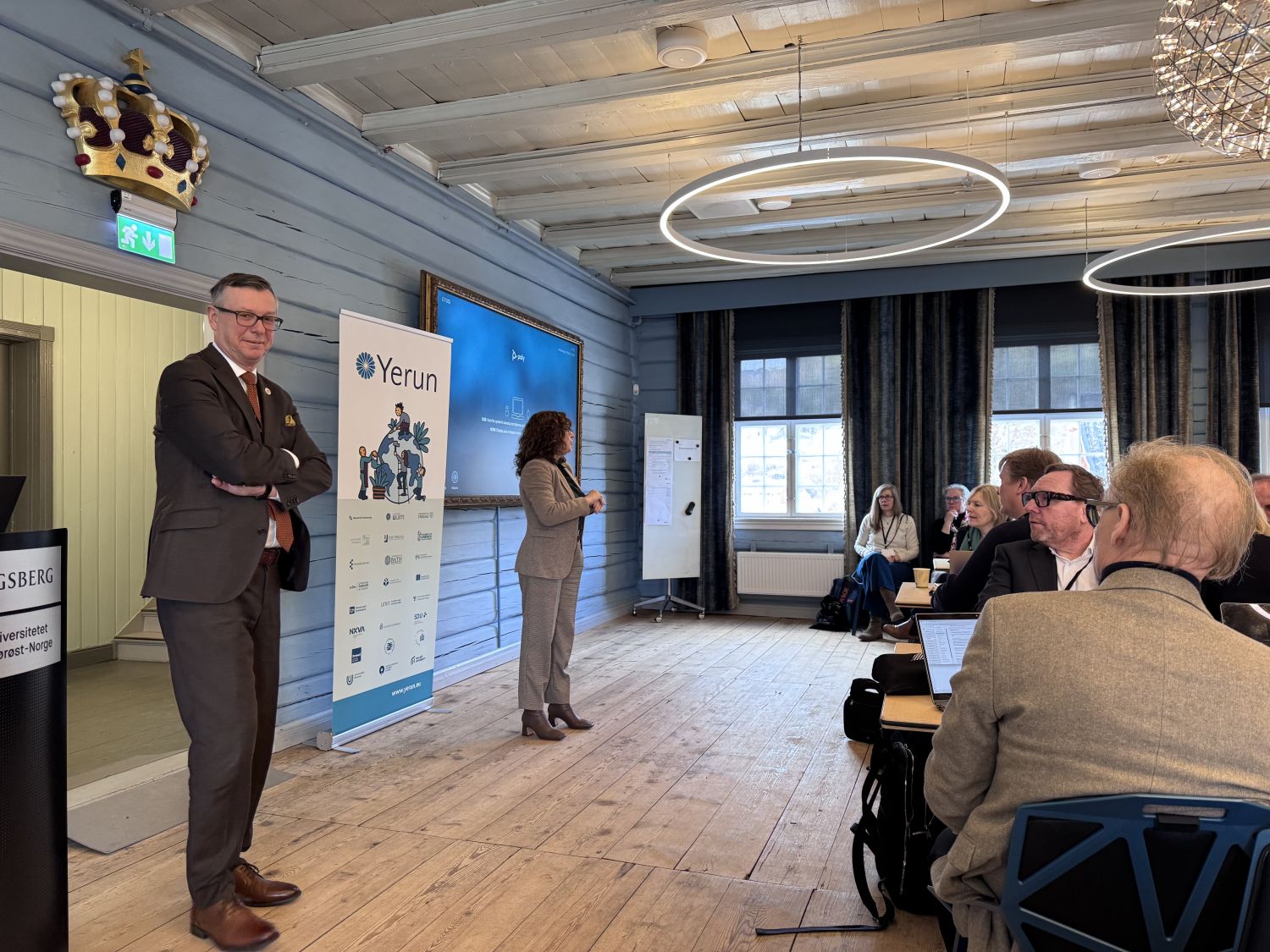
While access to funding and the reality of emerging threats are important factors, they are not sufficient explanations. Universities - especially those strongly embedded in their regions - cannot remain detached from the broader societal transformations driven by science and technology - emphasised Prof. Adam Kola, Vice-Rector for Research, during the meeting. - We are increasingly called upon not only to produce knowledge, but also to take responsibility for how that knowledge is understood, governed, and applied.
The Vice-Rector noted that this raises a number of difficult and as yet unresolved questions regarding where the line is drawn between acceptable and unacceptable uses of dual-use research.
Where is the boundary between acceptable and unacceptable applications of dual-use research? Who should define these boundaries, and according to which principles? And how far should universities go in assuming responsibility for the societal consequences of their research? - asked Prof. Kola.
While no single answer emerged, there was a shared understanding that non-engagement is no longer a viable option.
Nicolaus Copernicus University's perspective
Nicolaus Copernicus University in Toruń was represented at the meeting by Vice-Rector for Research, Prof. Adam Kola, together with the university's YERUN Coordinator, Lucyna Kejna, who invited the YERUN community to Toruń for the next leadership meeting, scheduled for mid-October 2026, as a continuation of this debate.
The discussions in Kongsberg clearly demonstrated that the challenges related to dual-use research cannot be addressed in isolation. They require cooperation, trust, and a shared sense of responsibility across institutions and countries.
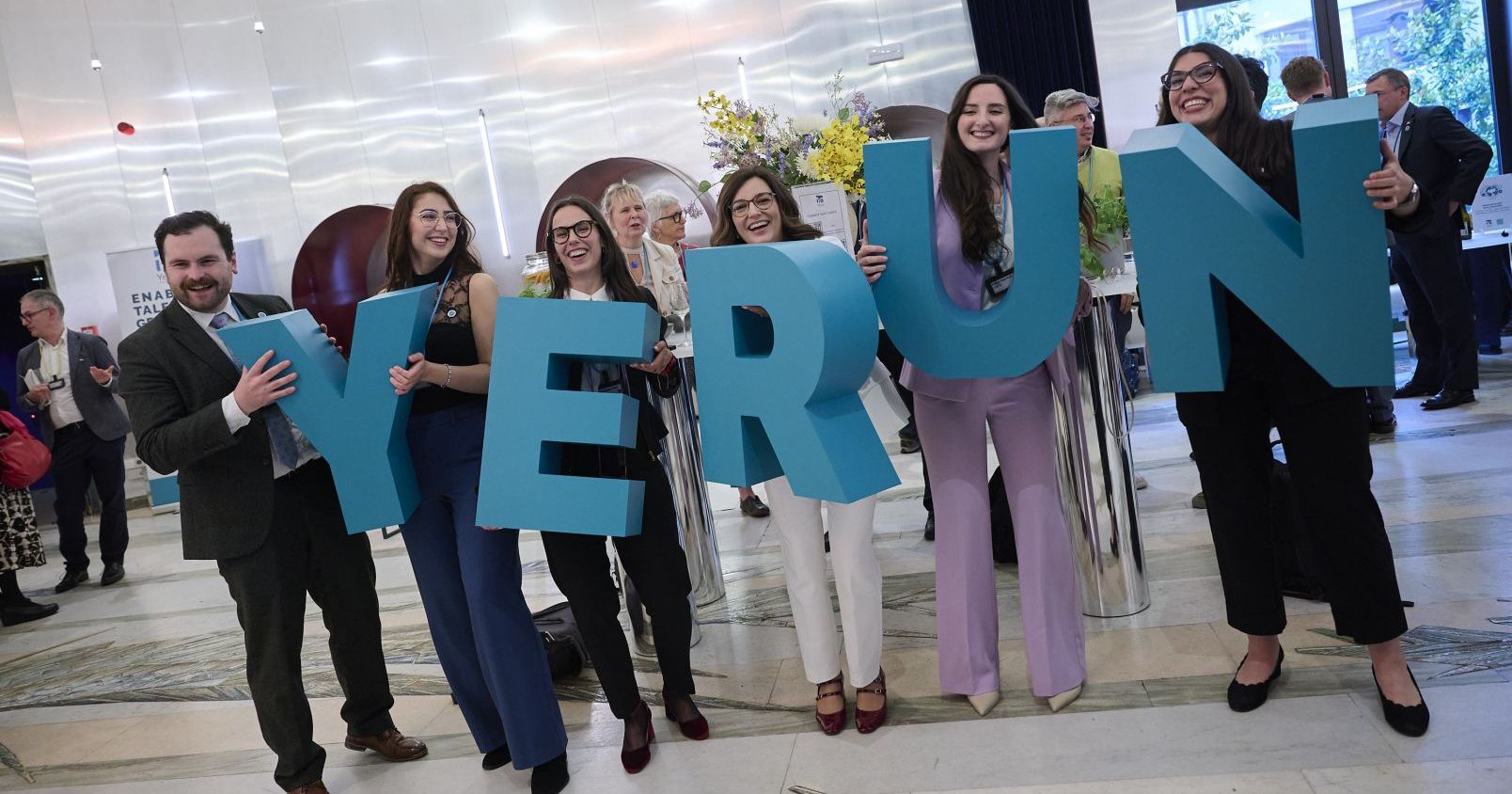
At the same time, YERUN has adopted its new strategy for the years 2026–2030 — with a clear message and direction captured in its motto: Thrive Together.