 NCU News
 Campus life
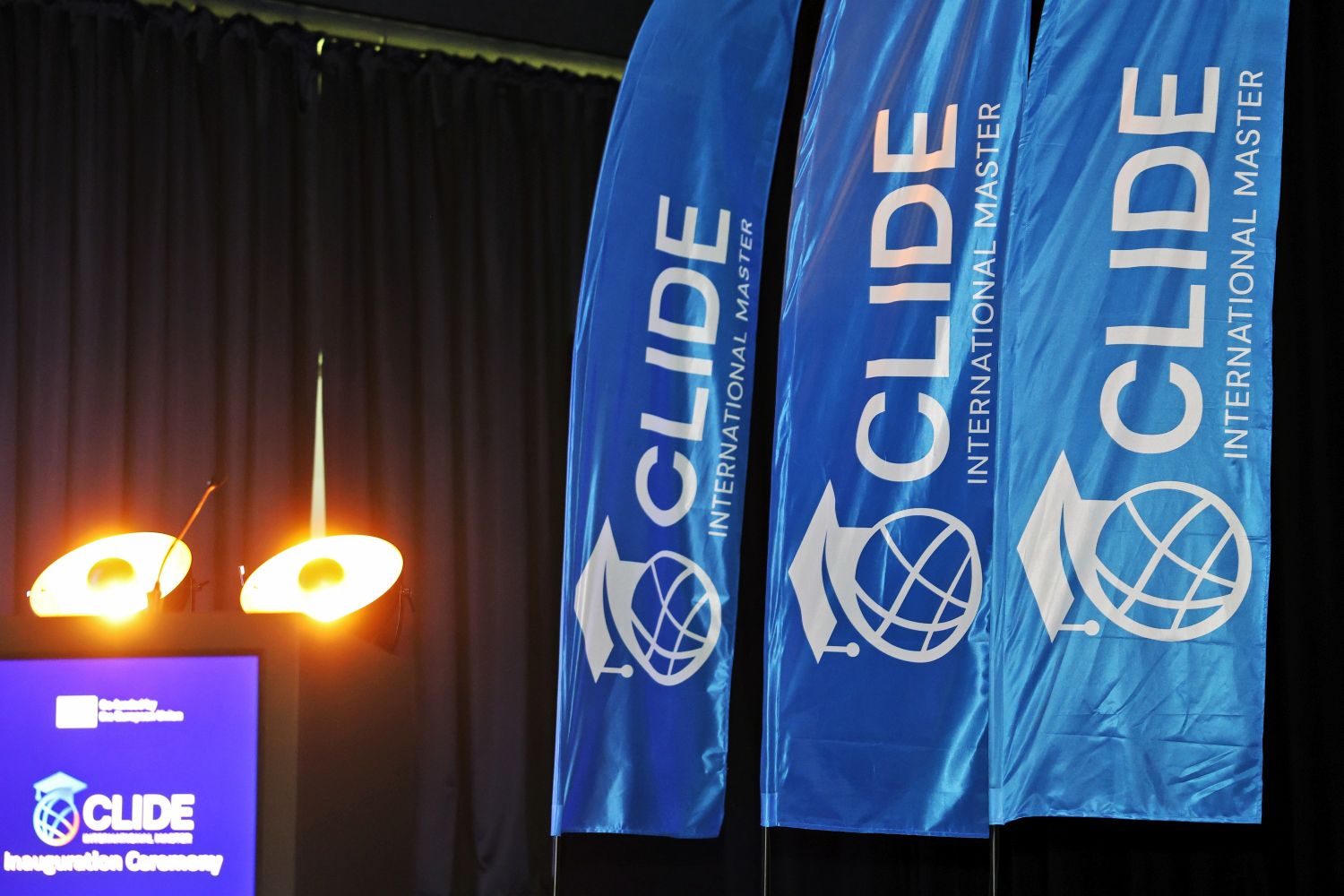
We’re Starting the CLIDE Programme!


Nicolaus Copernicus University in Toruń has launched an international Master's programme in Intercultural Leadership, delivered by five universities as part of the prestigious CLIDE Erasmus Mundus Joint Masters programme. Nicolaus Copernicus University is the lead institution for the programme.
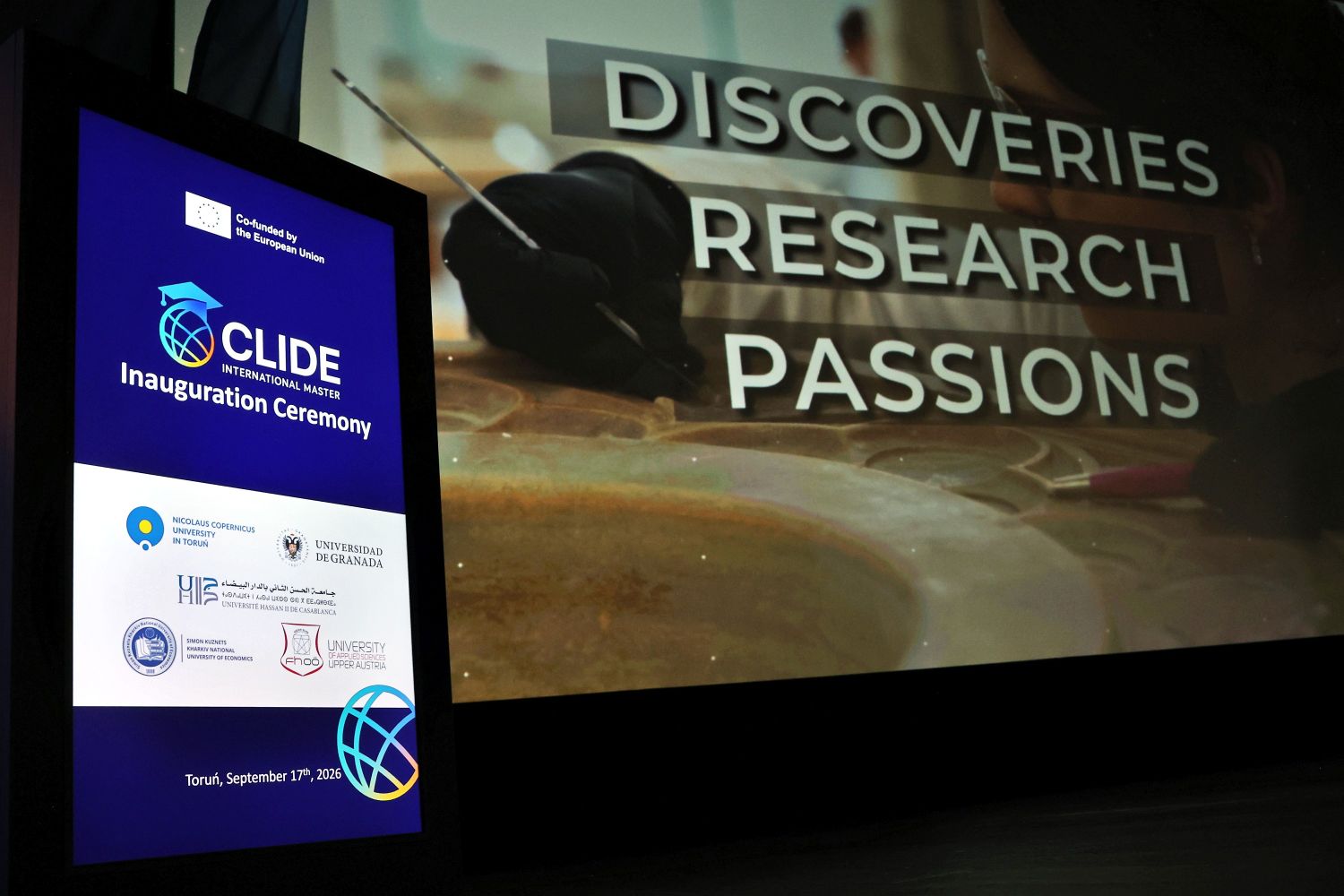
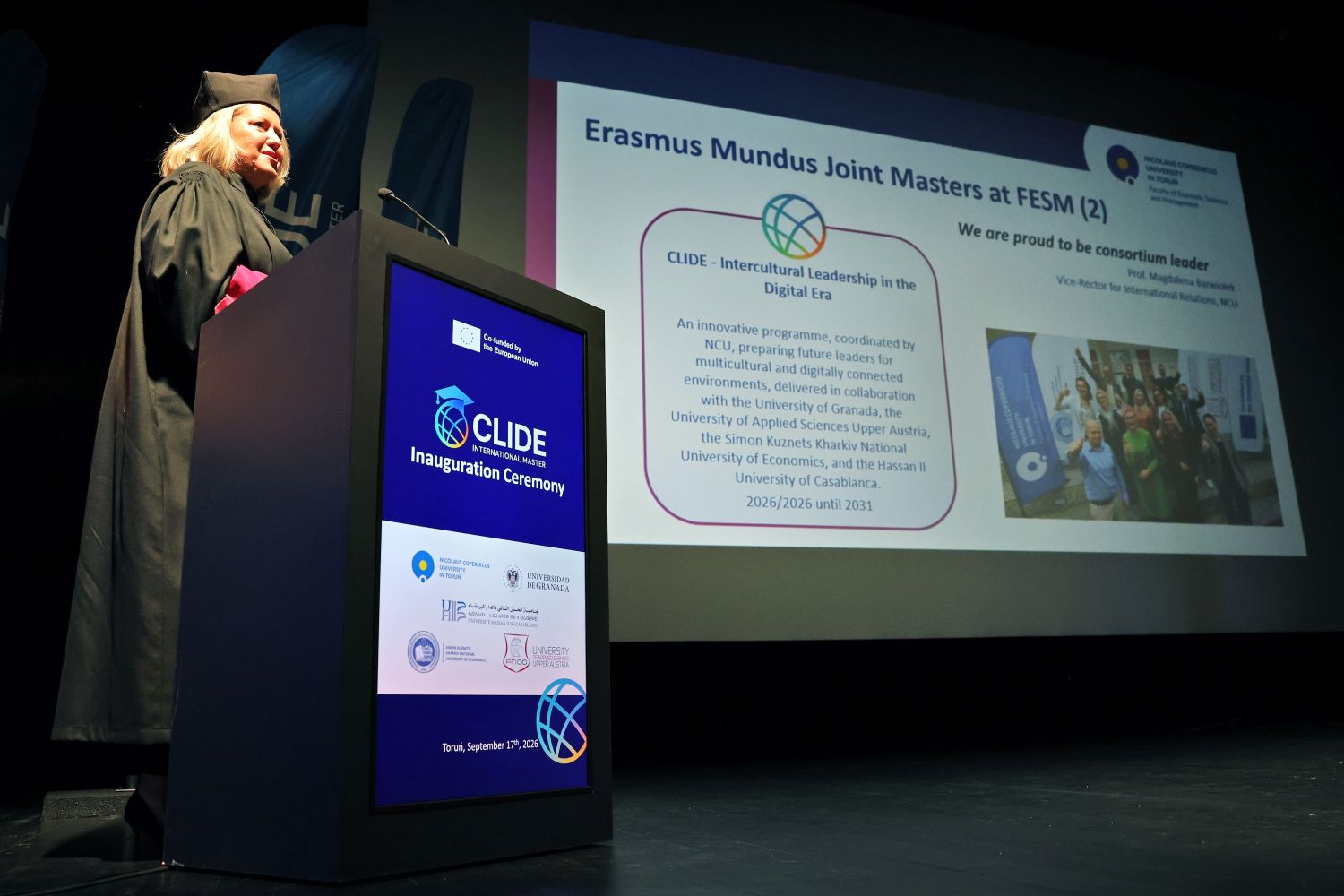
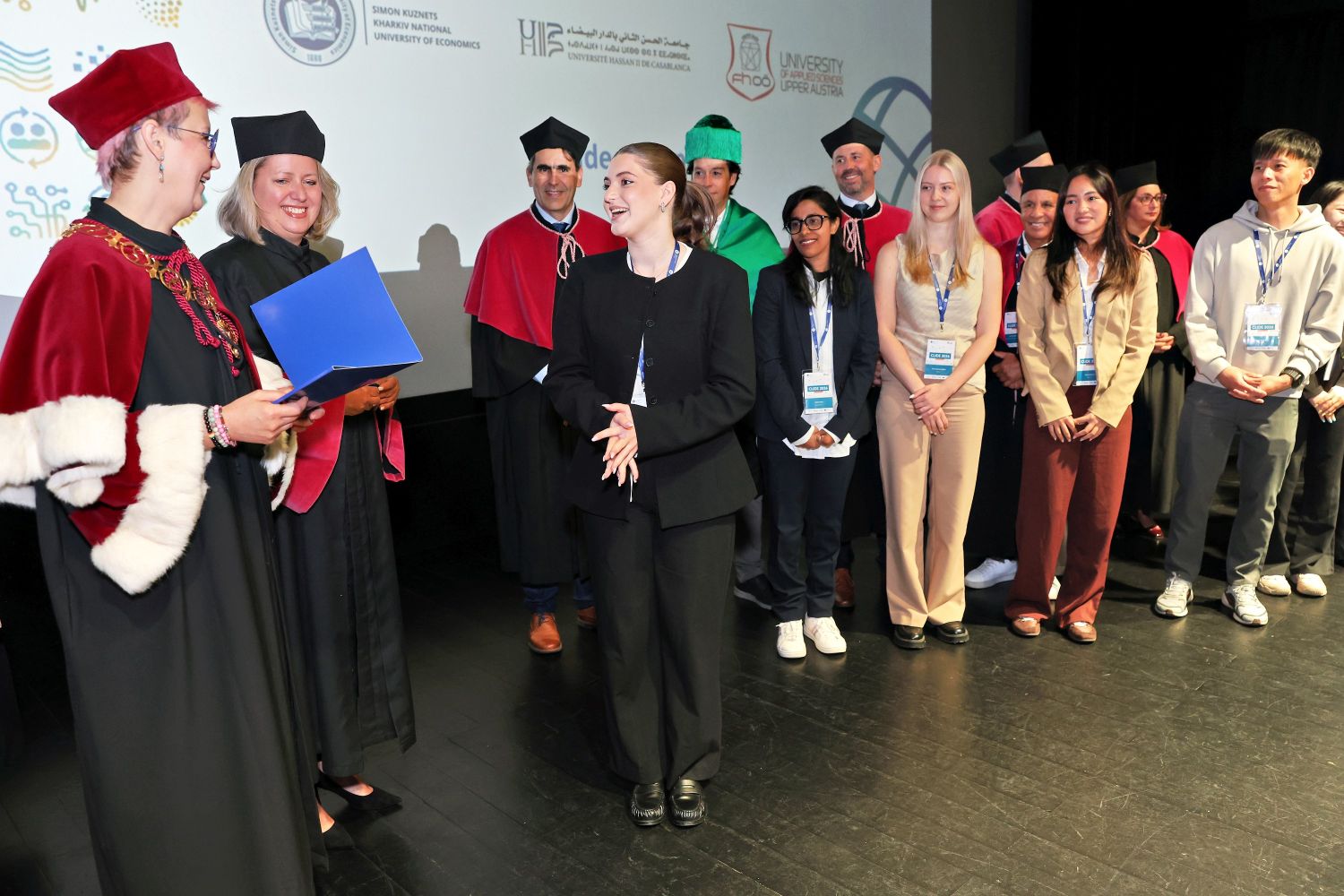
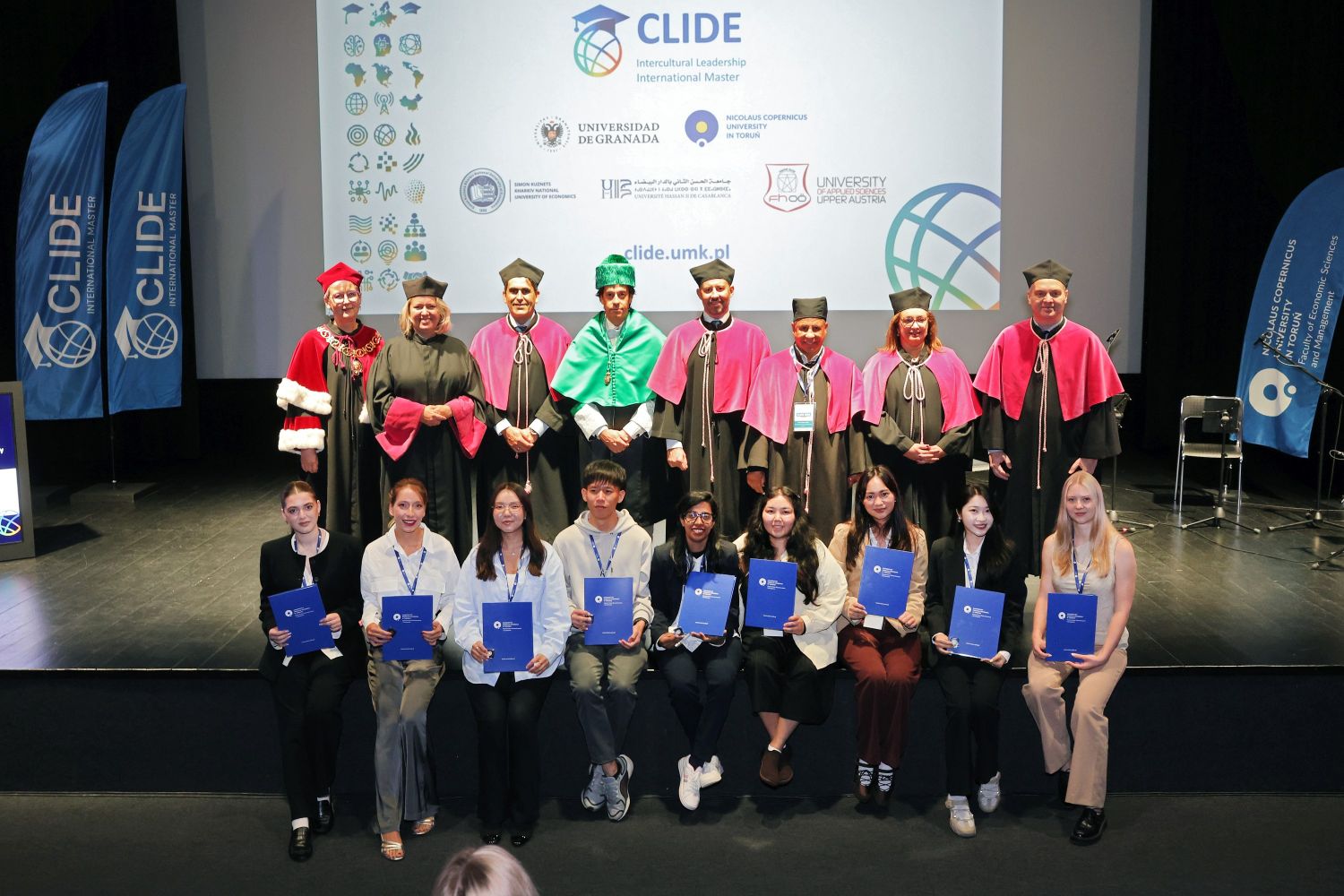
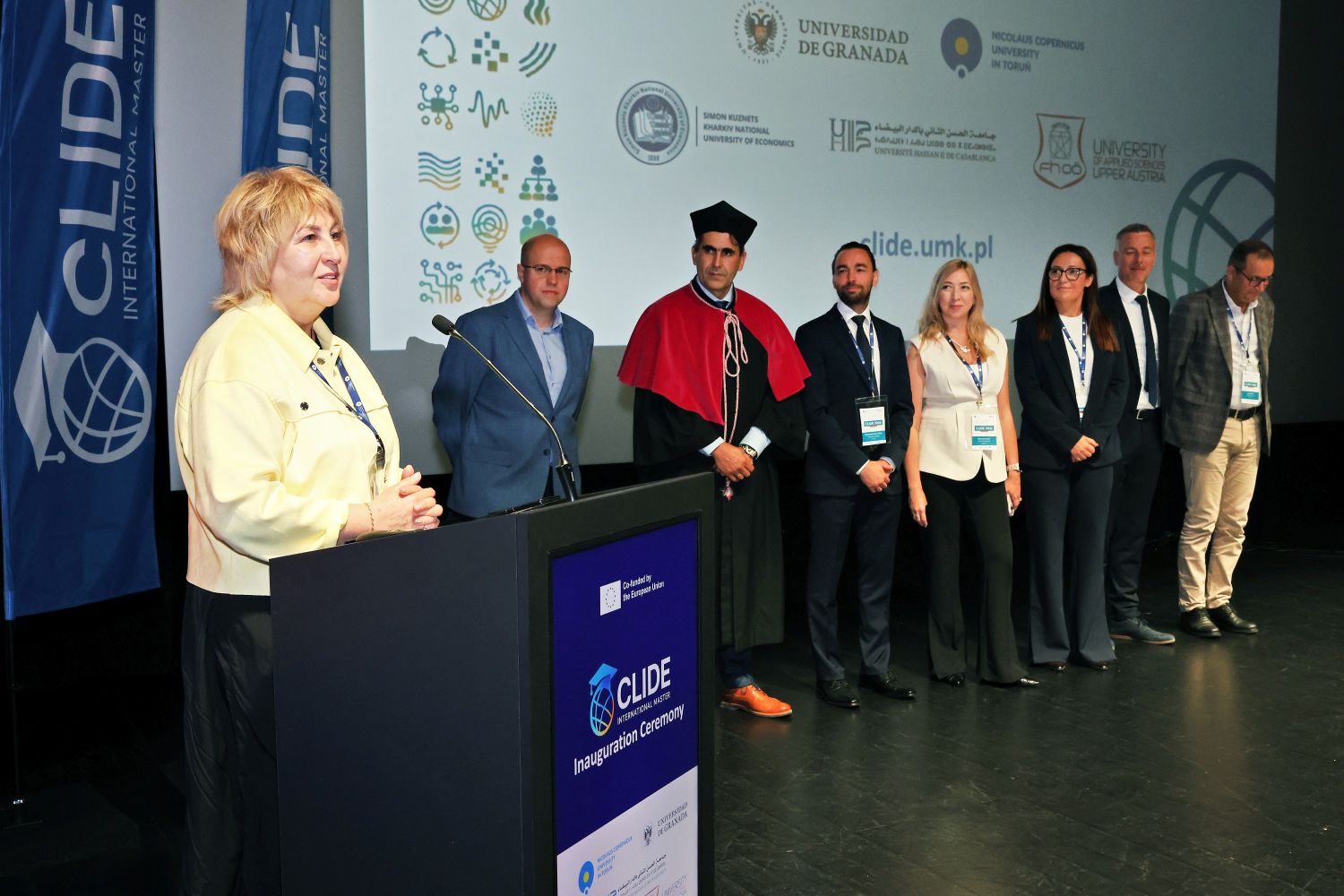
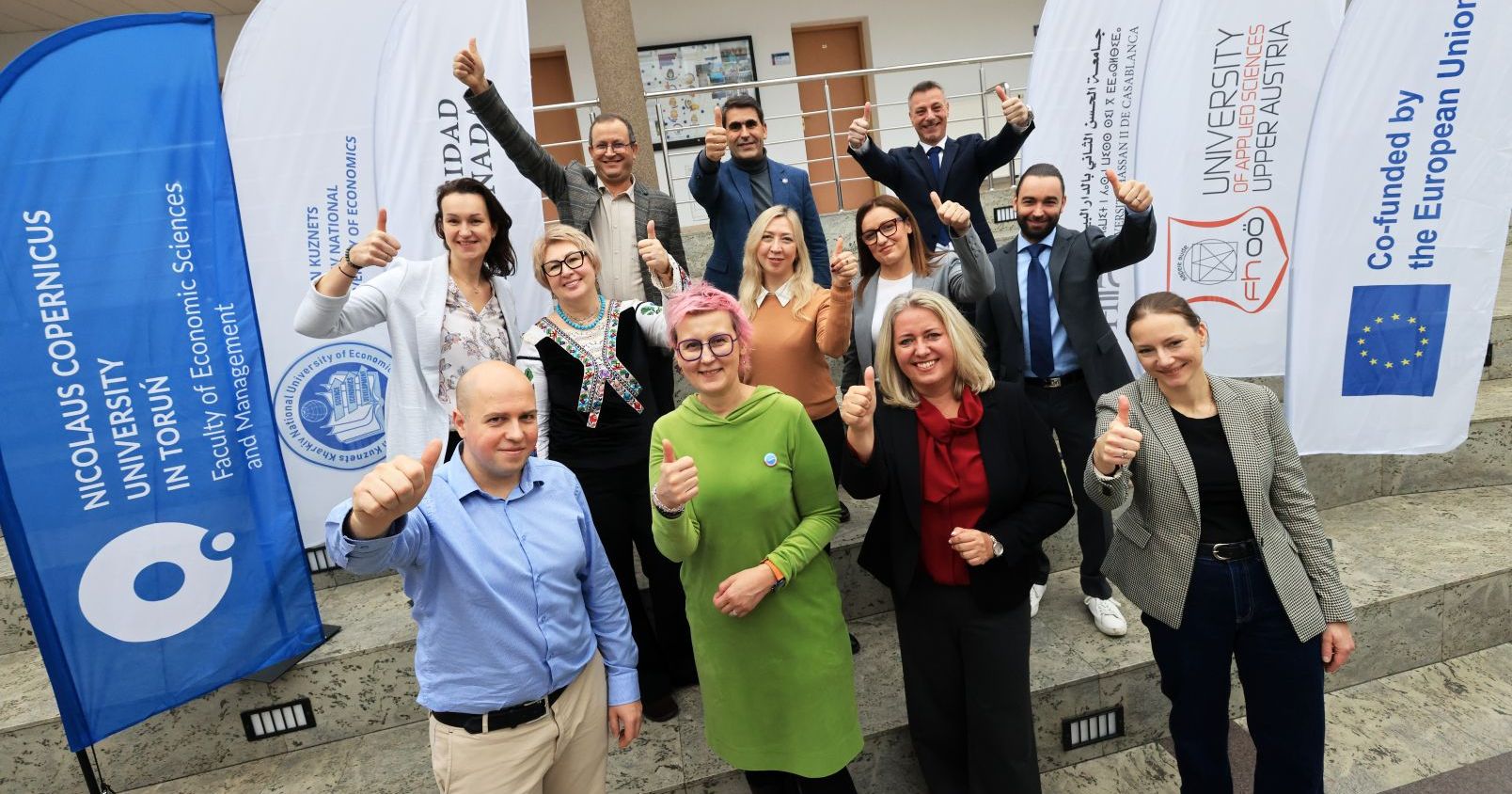
Between 14 and 18 September, our University hosted the induction and integration week for the international CLIDE (interCultural Leadership) programme – a new Master's programme run by Nicolaus Copernicus University in collaboration with the University of Granada (Spain), the University of Applied Sciences Upper Austria (Austria), Simon Kuznets Kharkiv National University of Economics (Ukraine) and Hassan II University of Casablanca (Morocco).
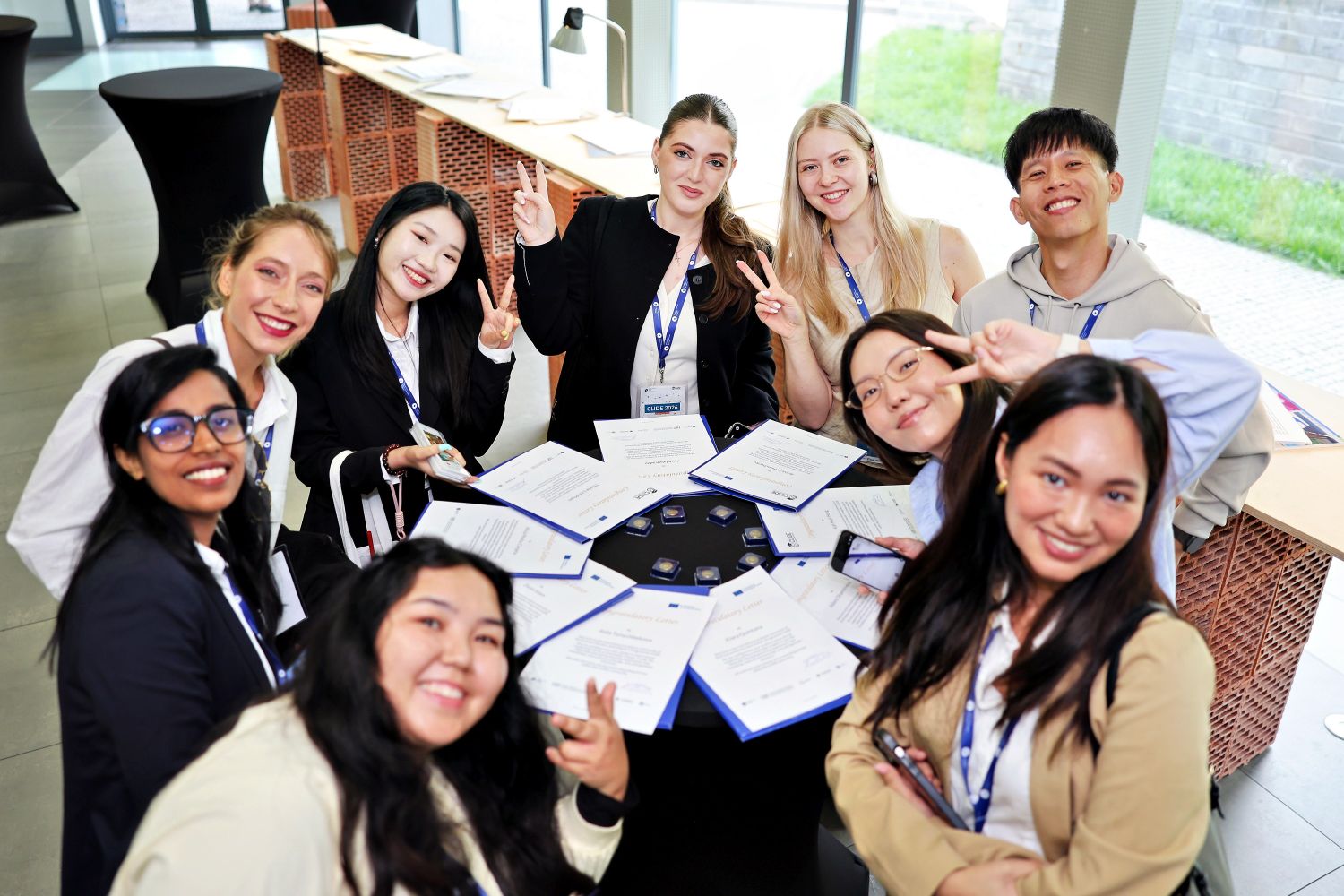
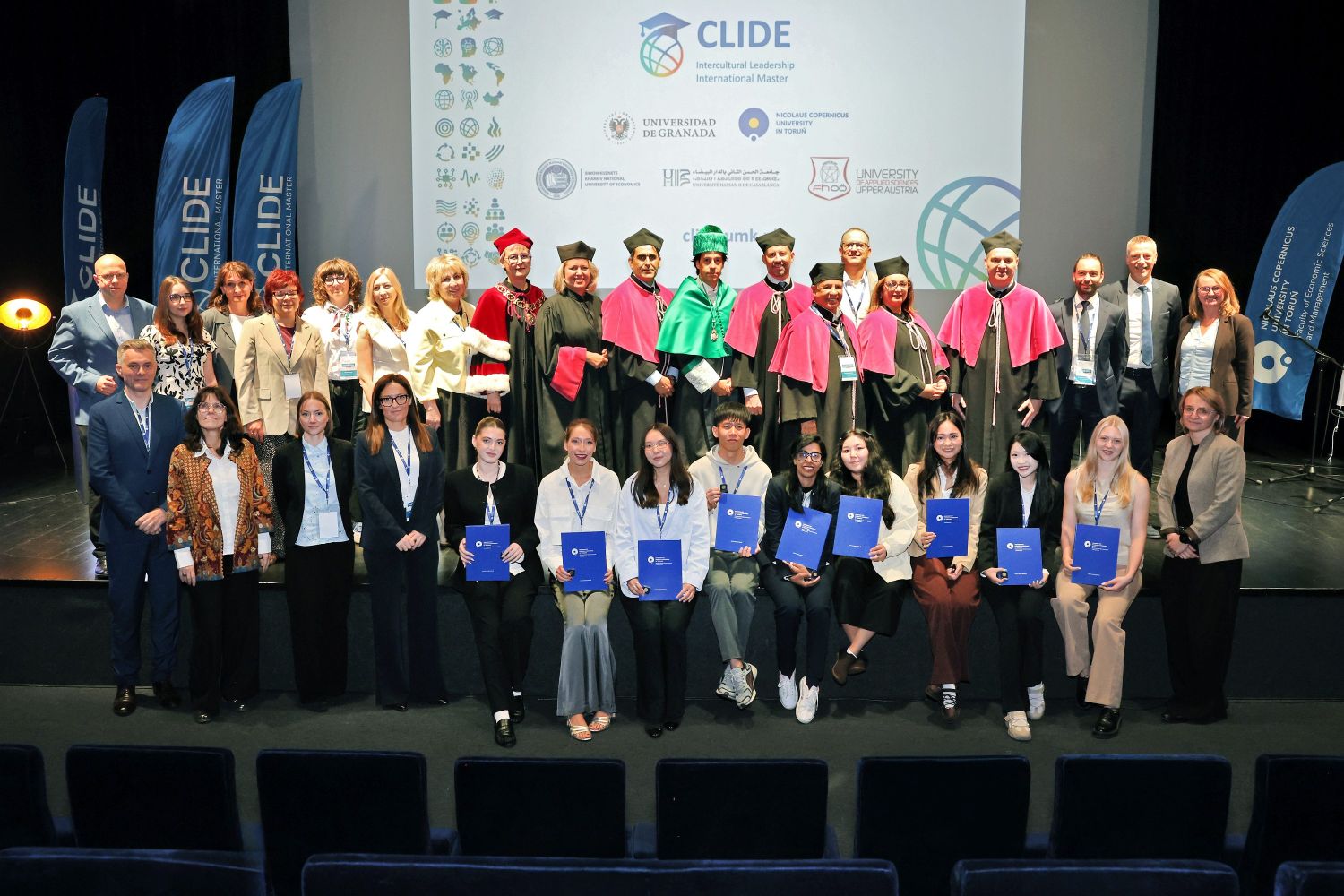
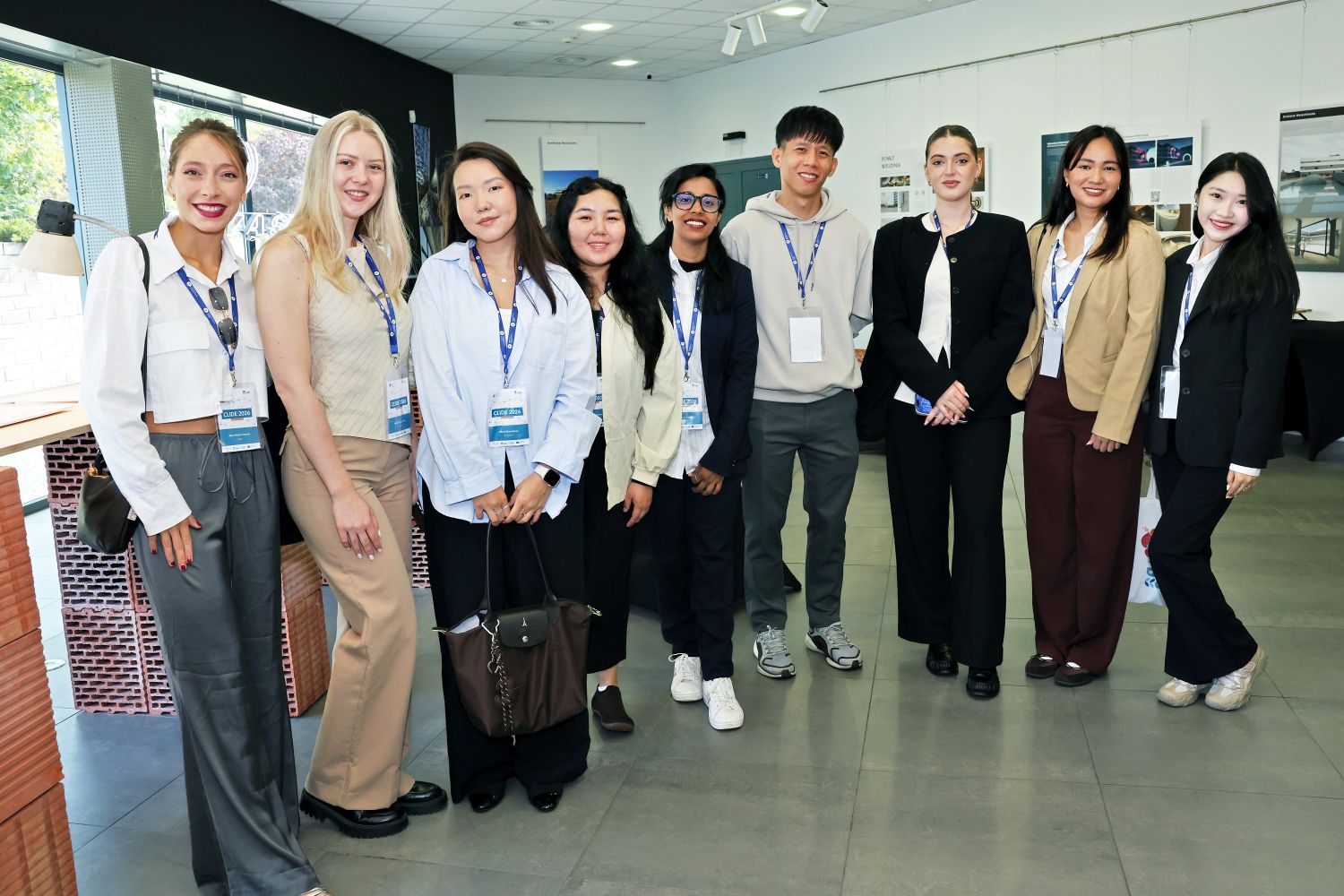
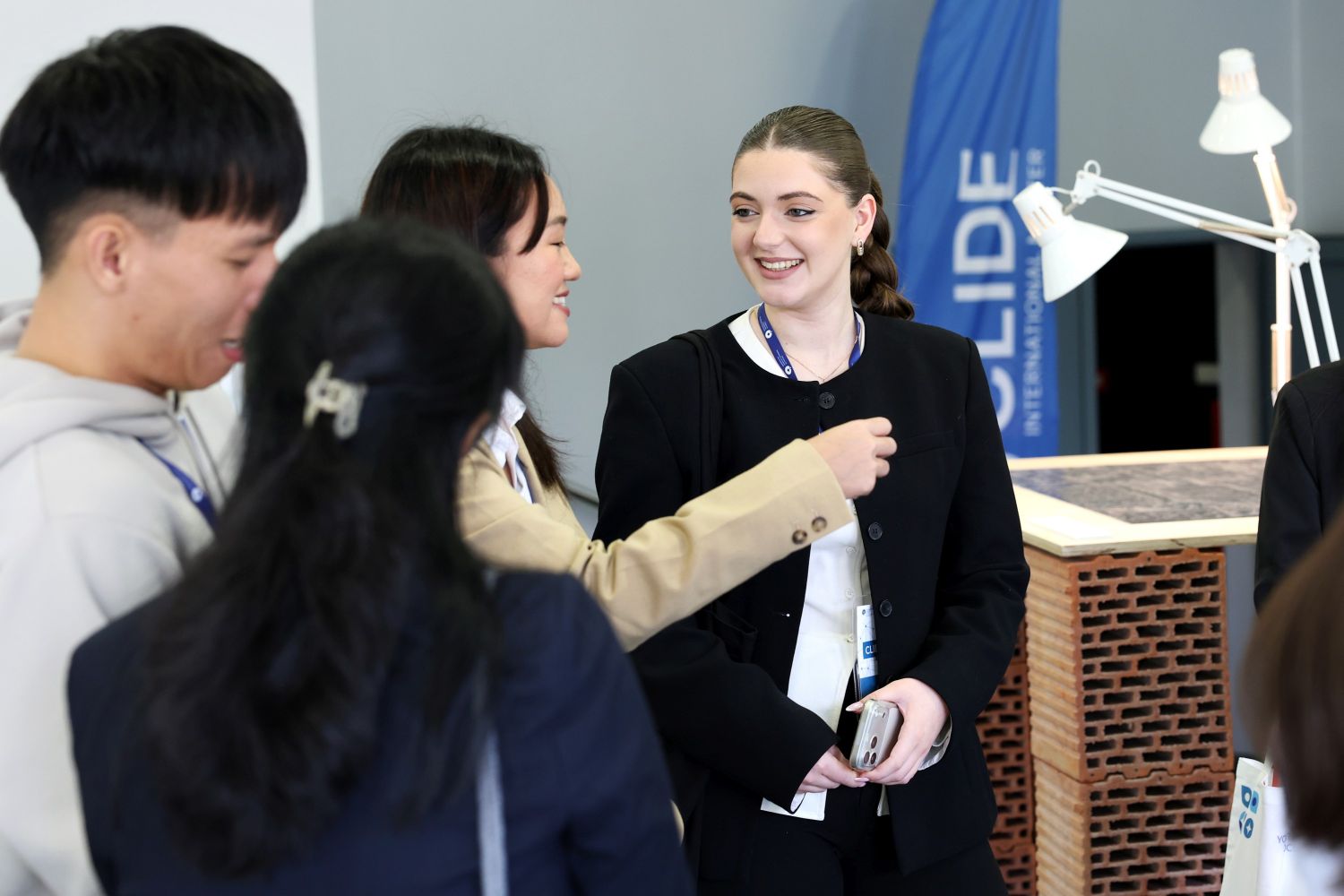
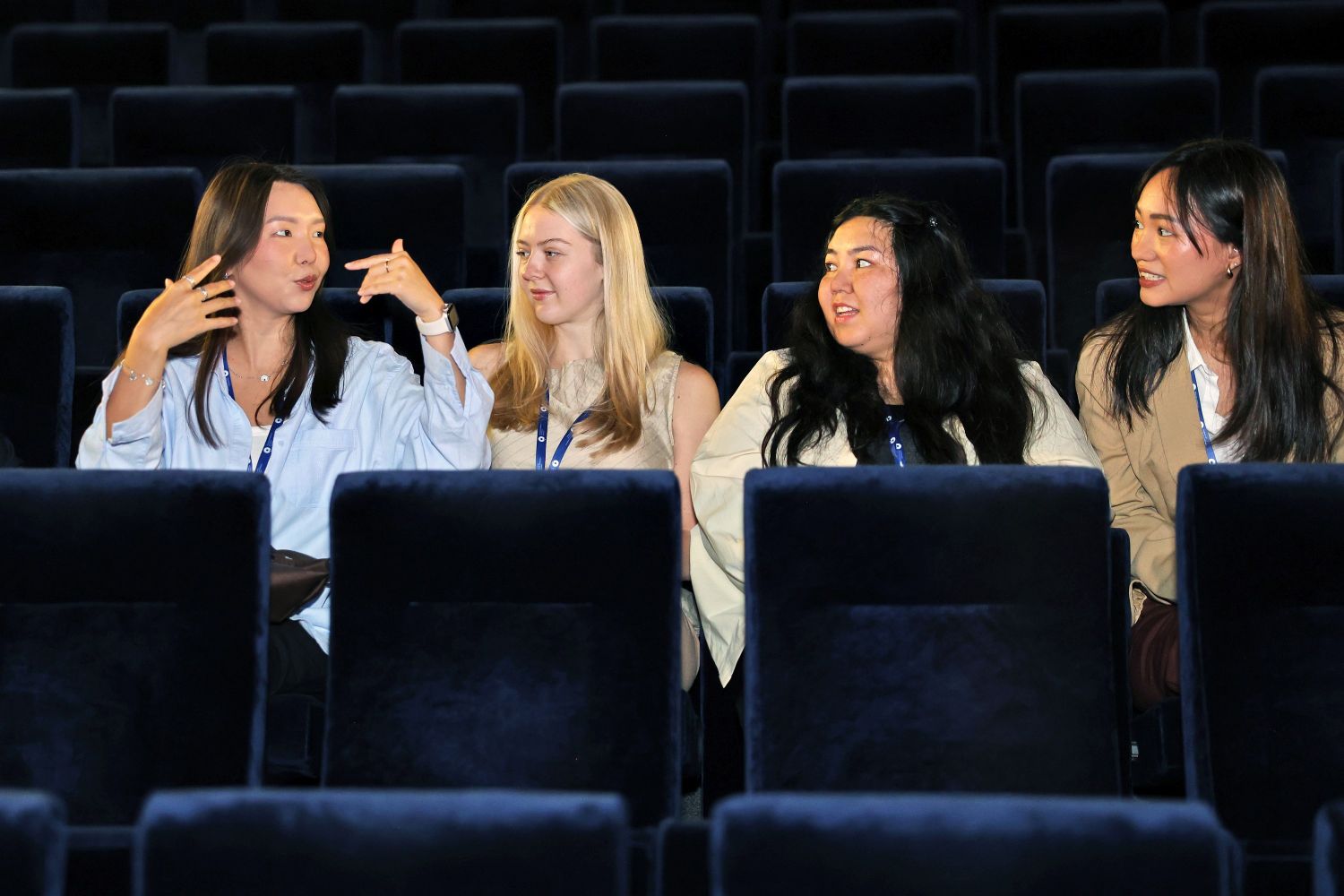
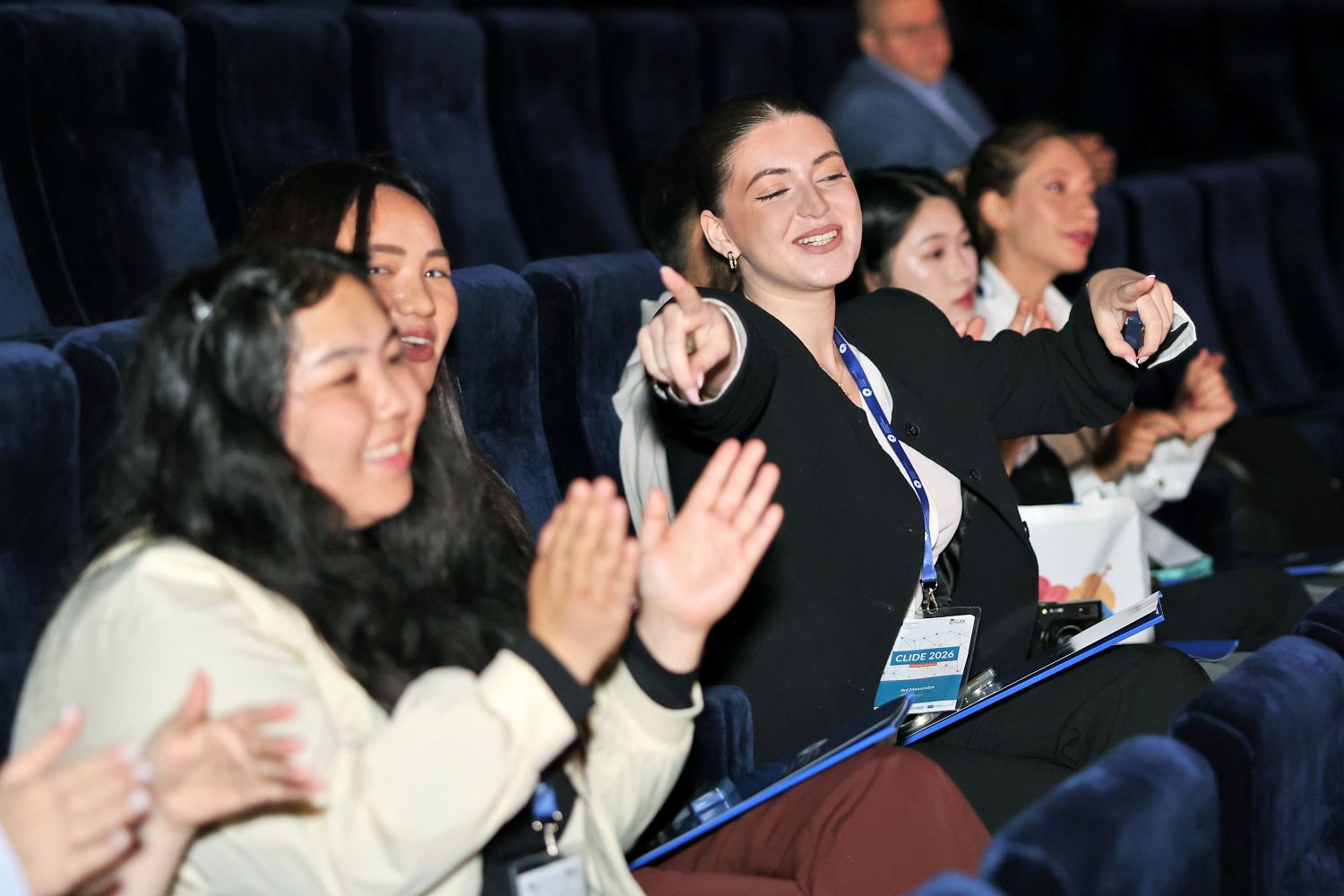
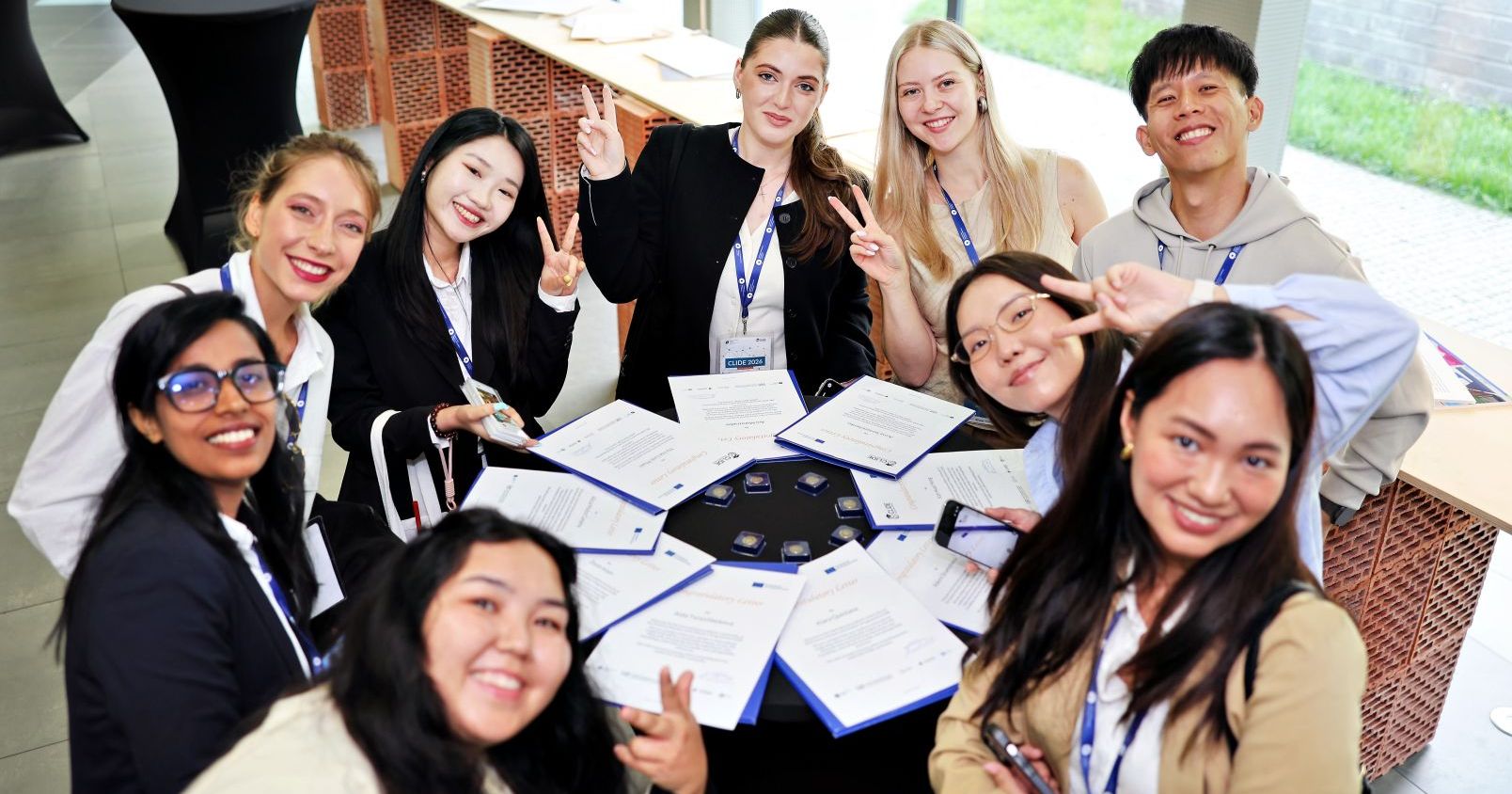
The event provided an opportunity for representatives of all partner universities, programme coordinators and, above all, the first group of students to embark on the CLIDE programme to come together. Over the course of five days spent together, there were plenty of team-building activities: intercultural workshops, lectures on global leadership, and an evening stroll through the streets of the Old Town of Toruń.
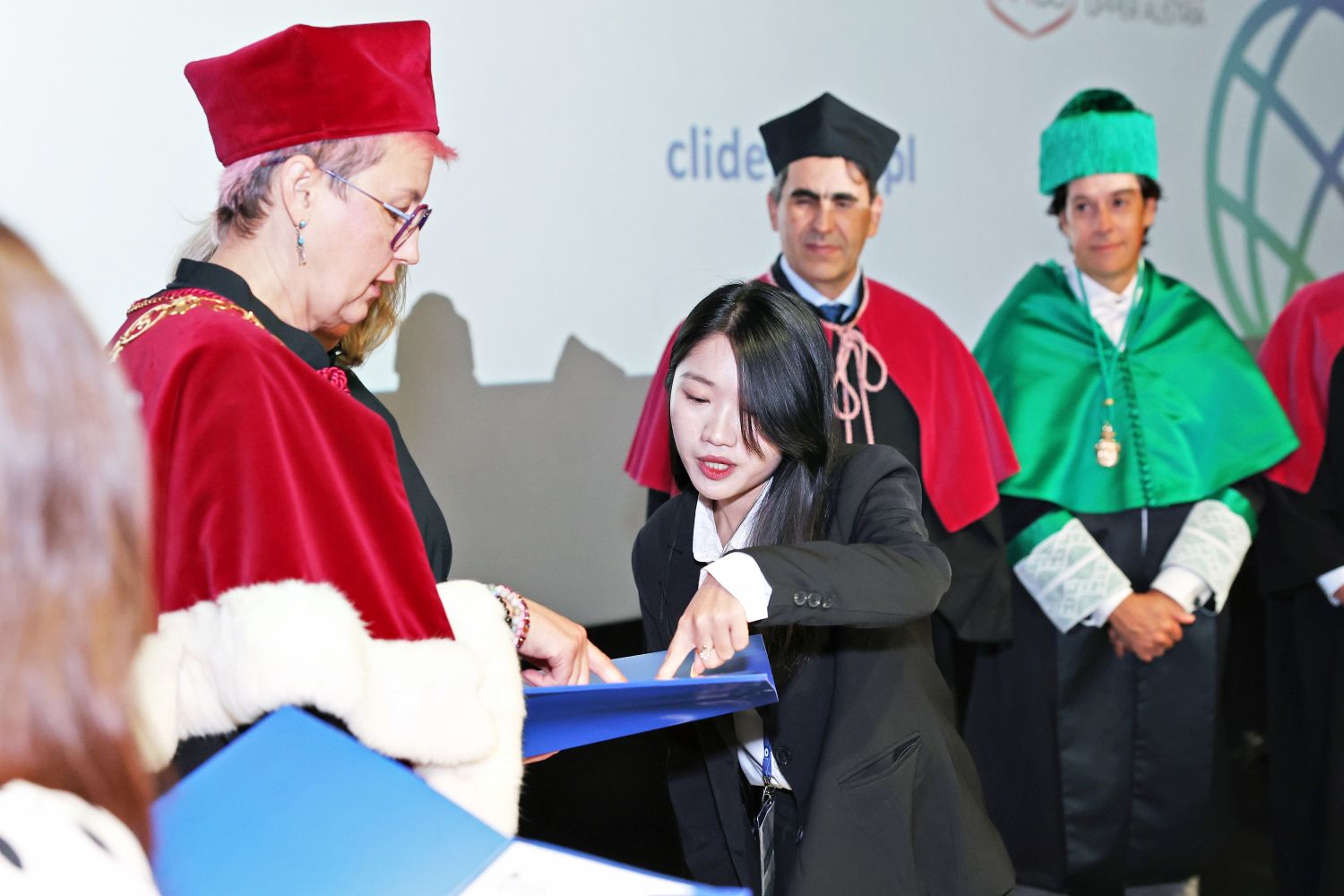
Students on the new degree programme also had the opportunity to complete the formalities required to start their studies, as well as to meet representatives from all the project's partner universities.
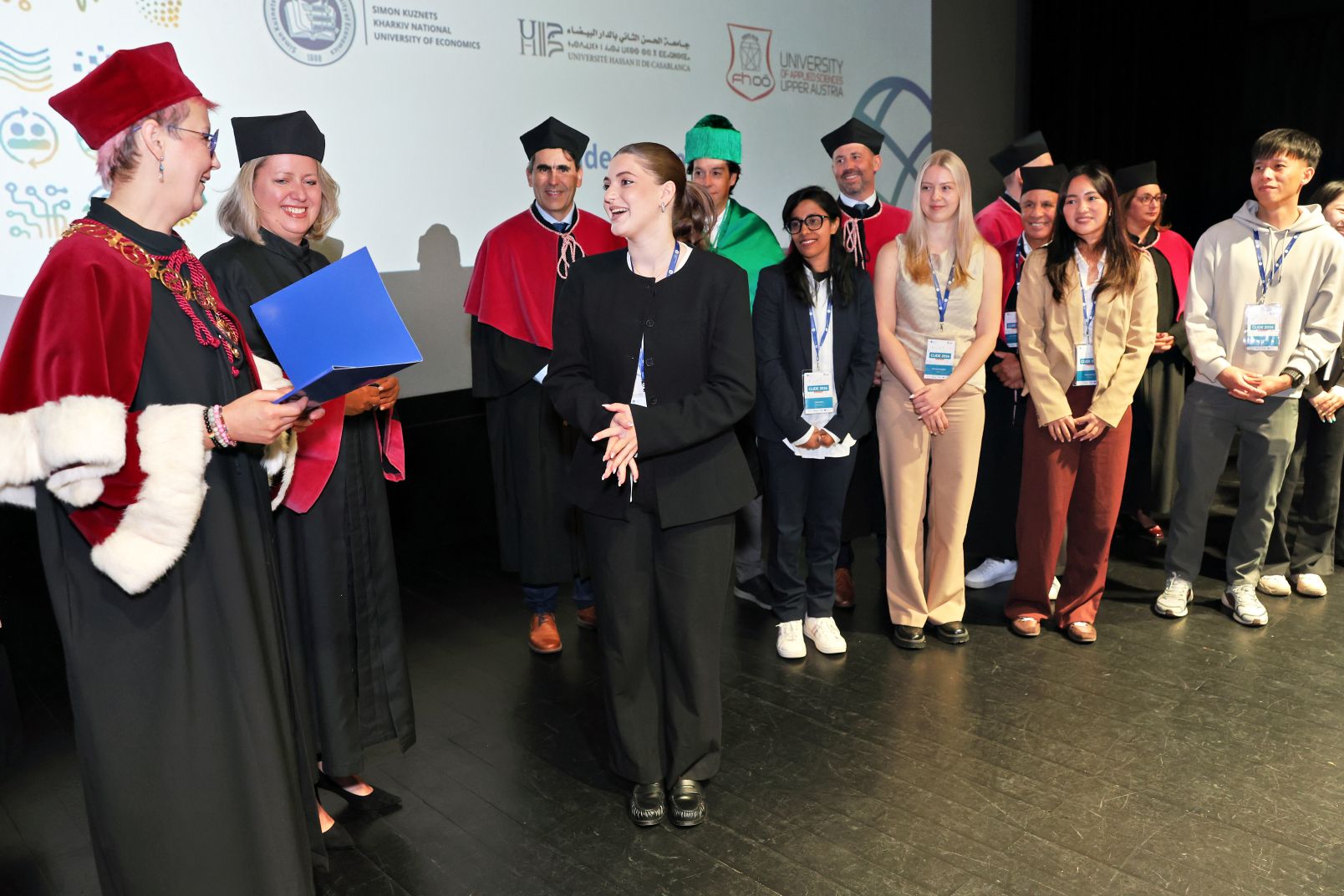
Photo by Andrzej Romański
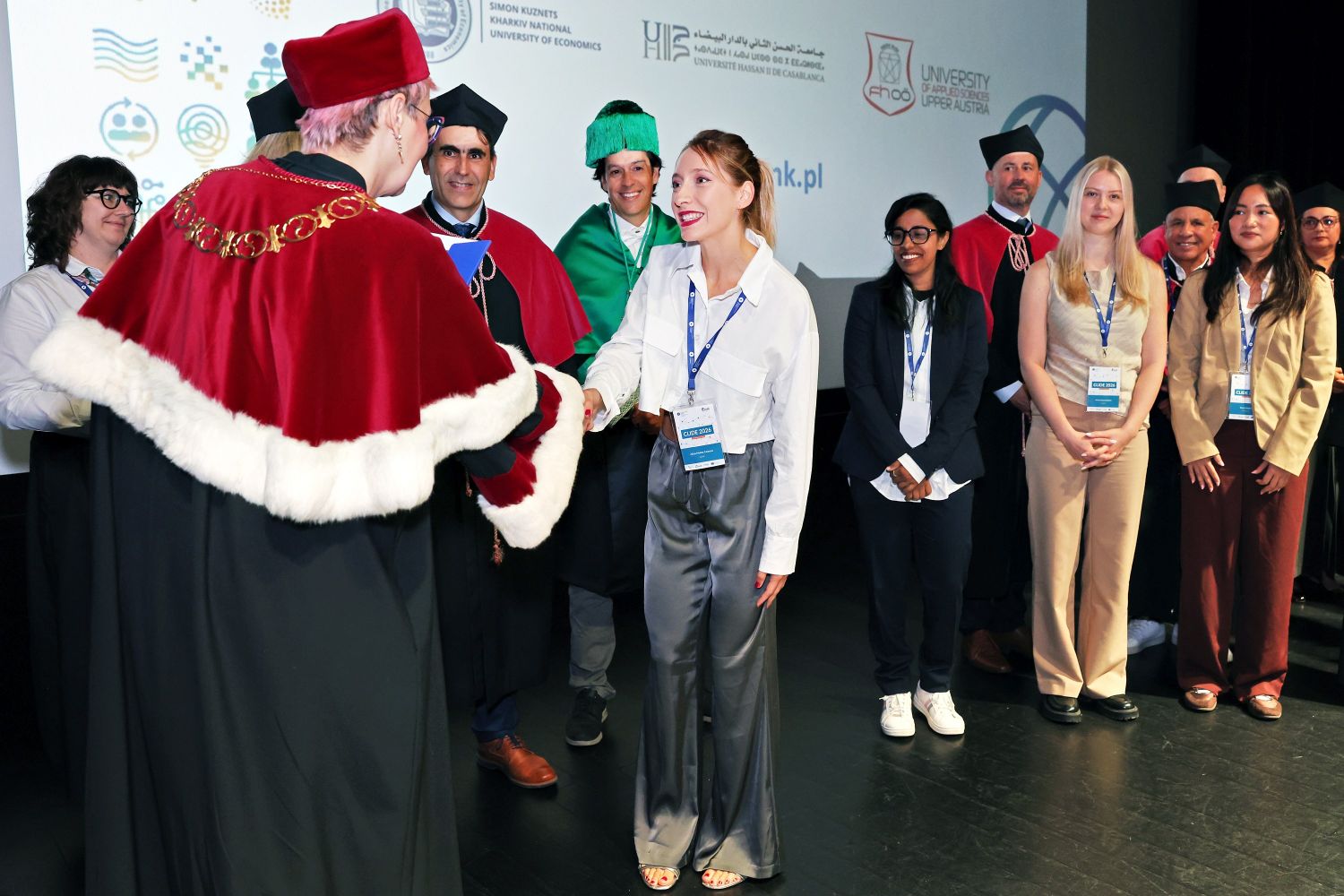
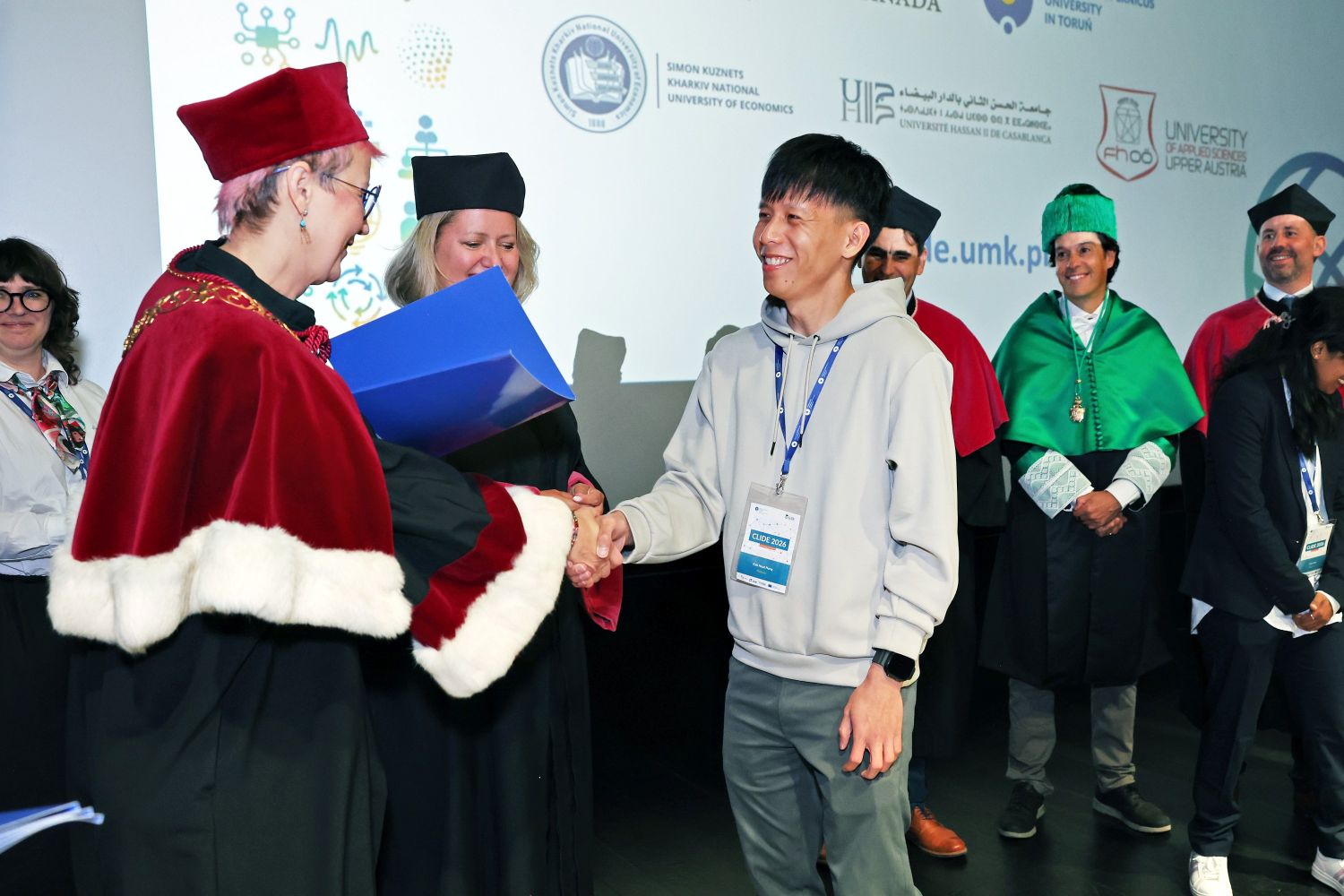
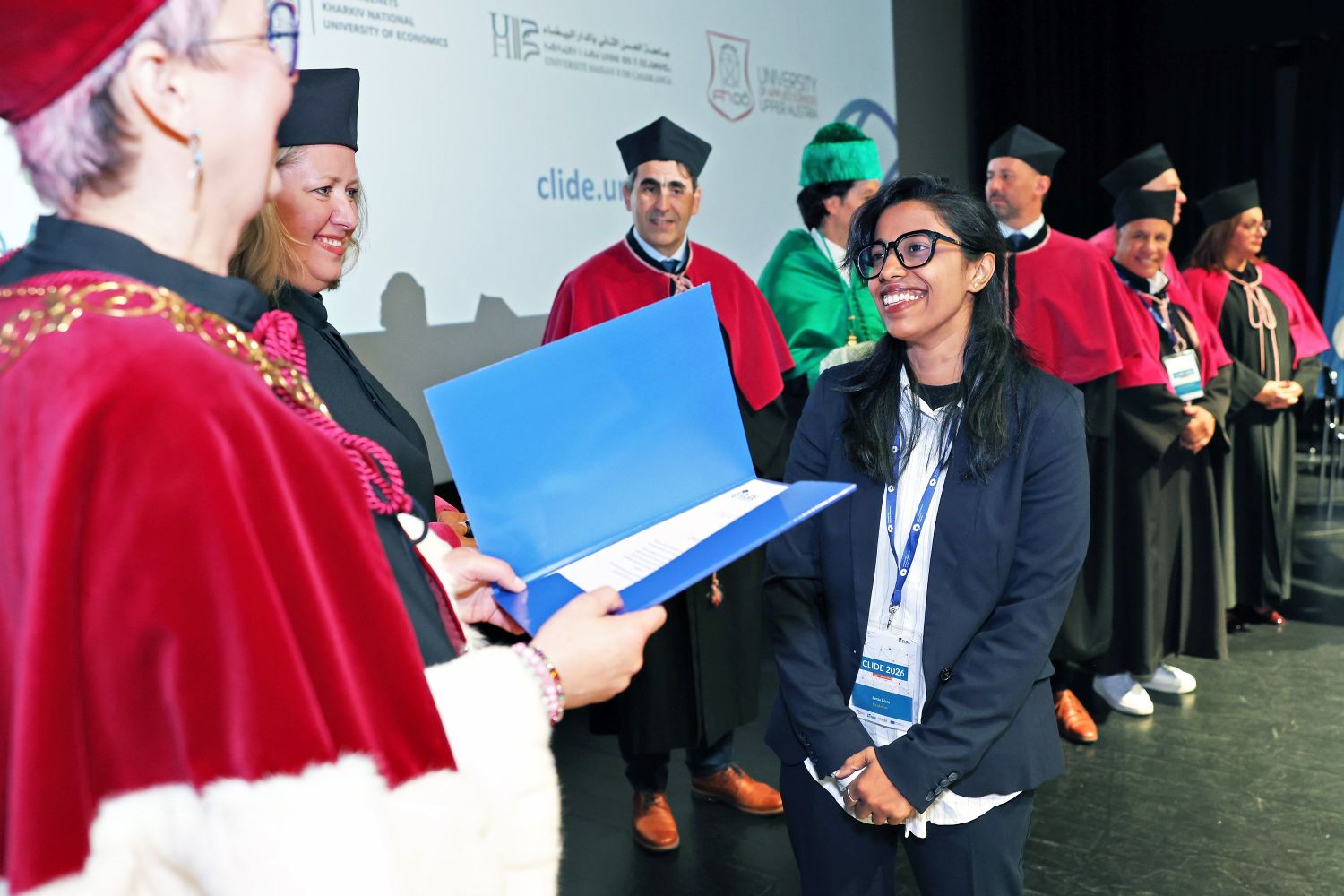
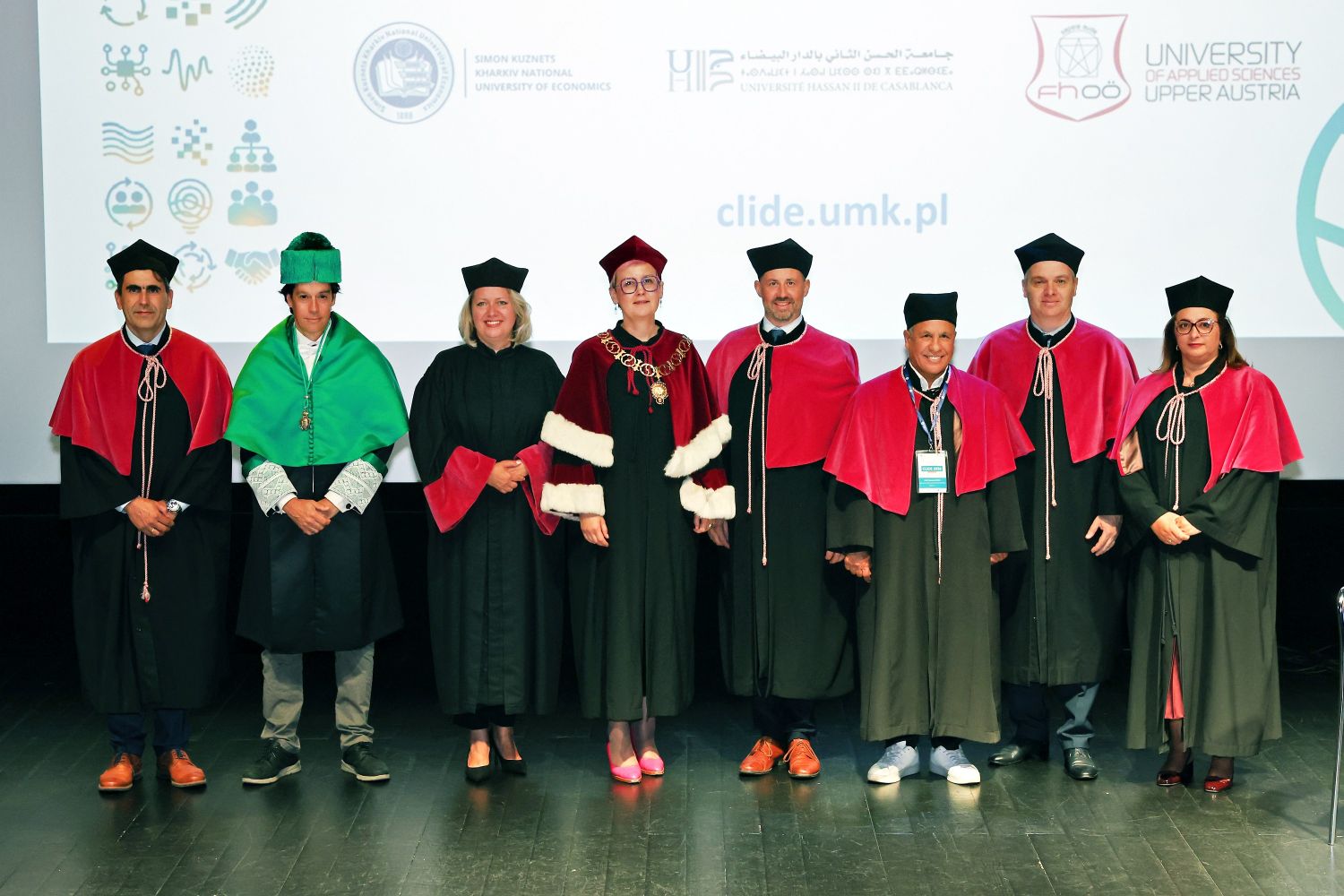
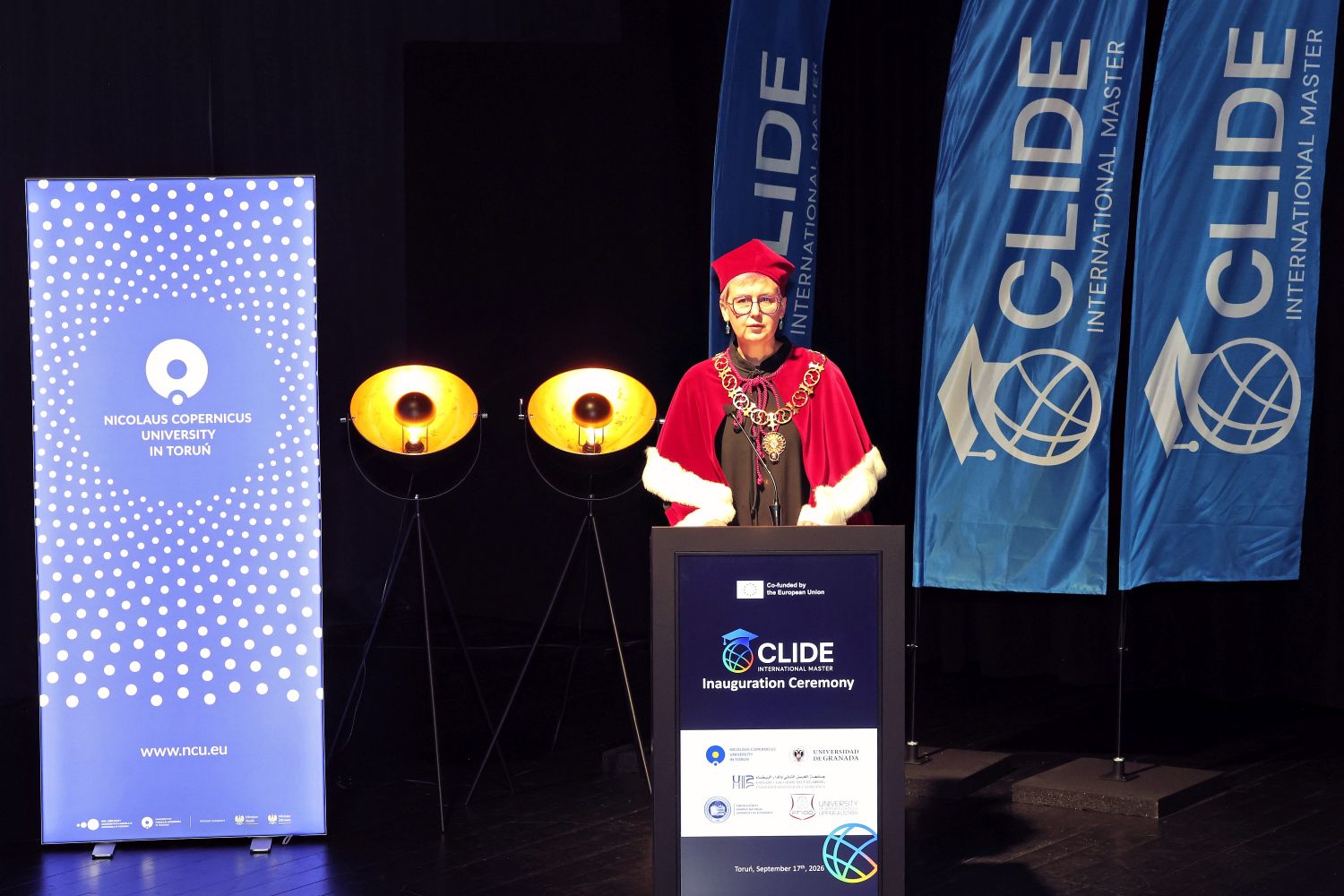
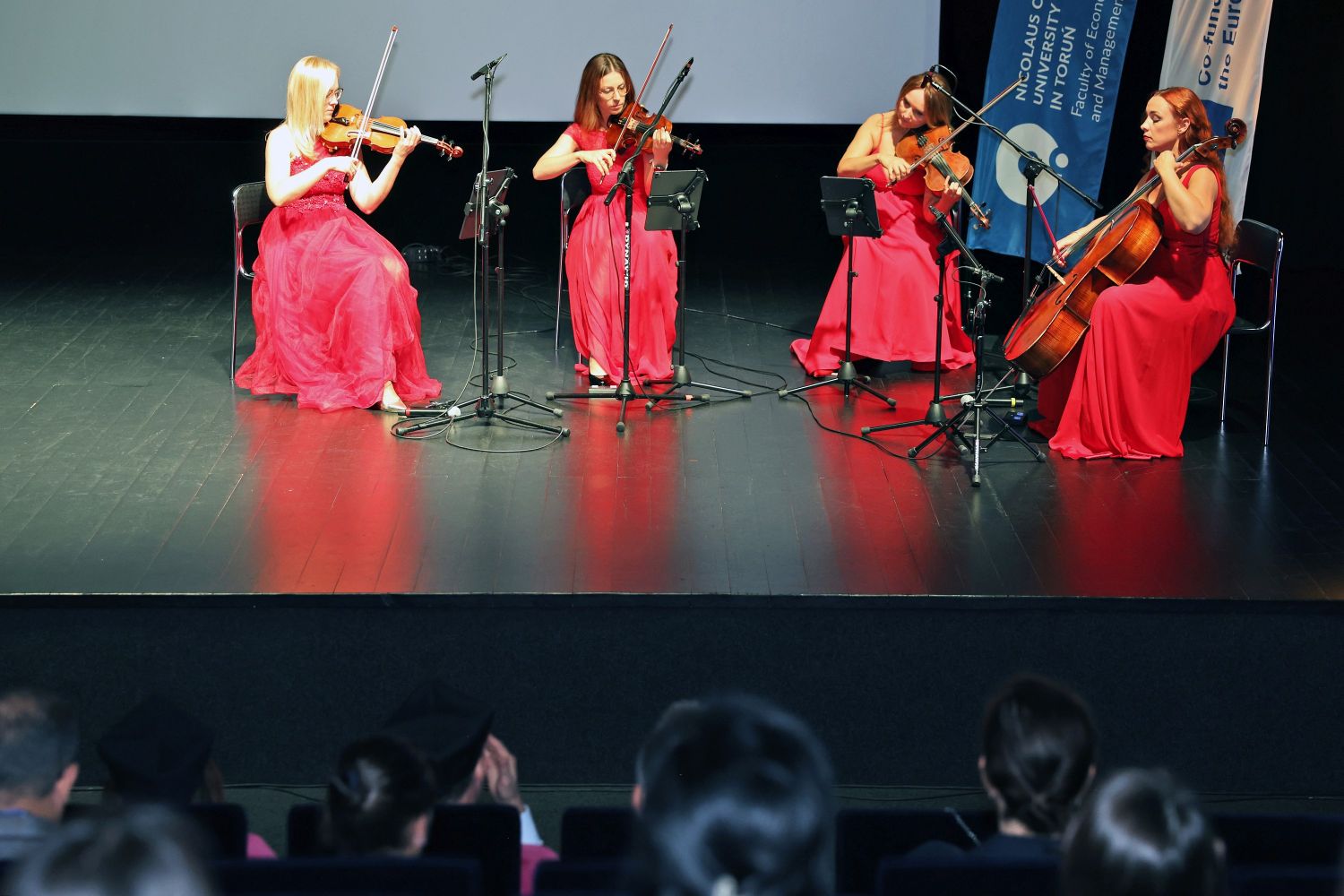
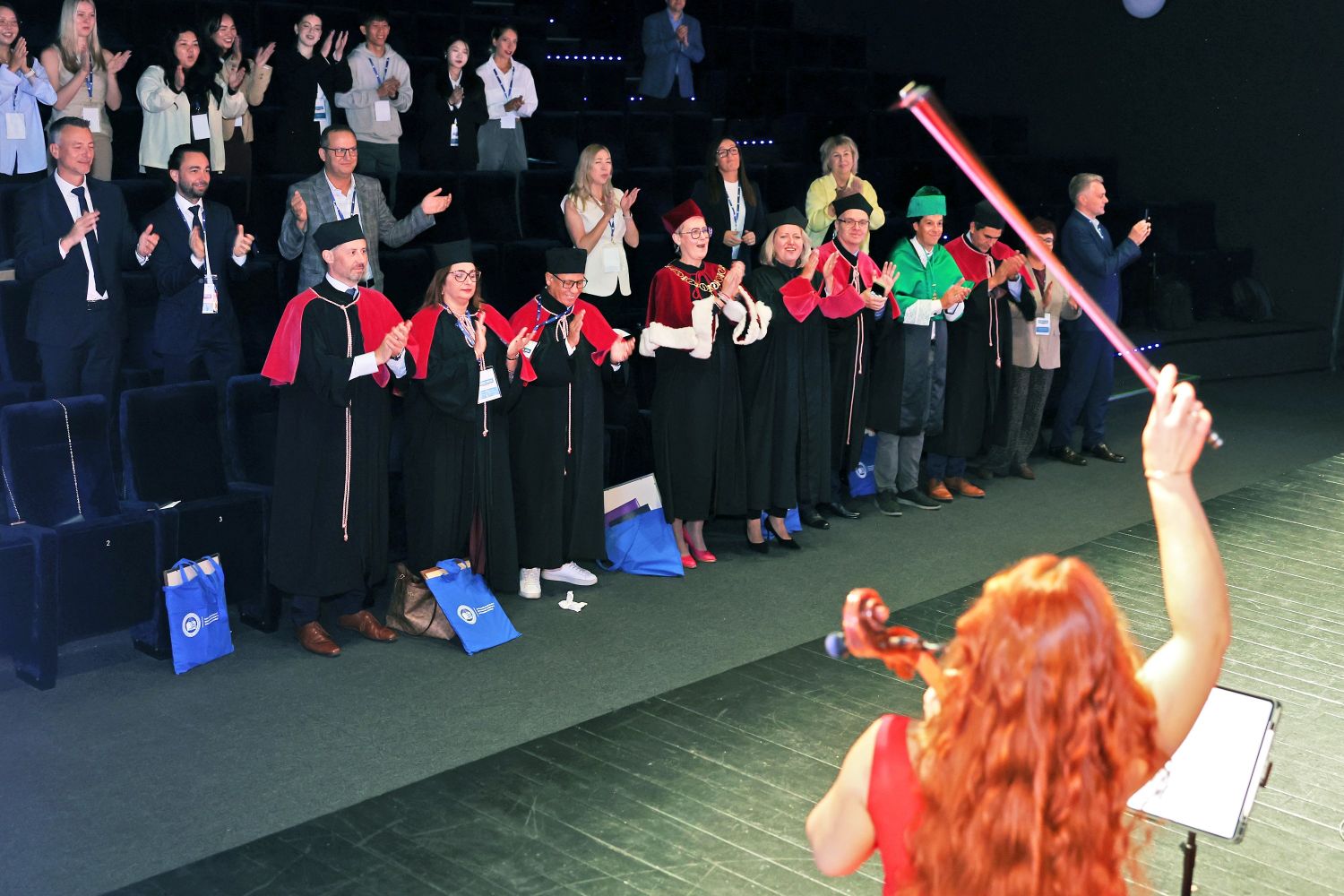
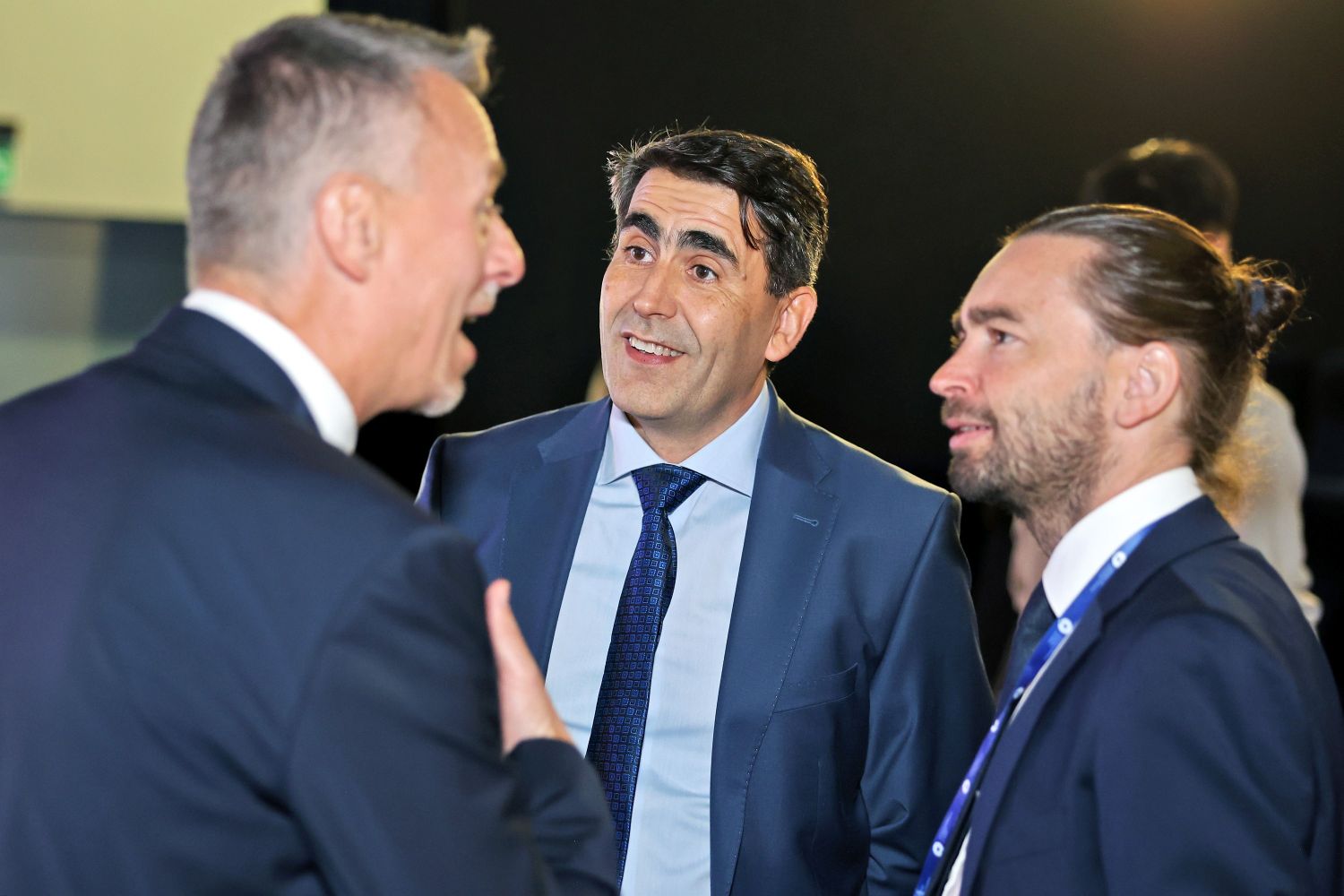
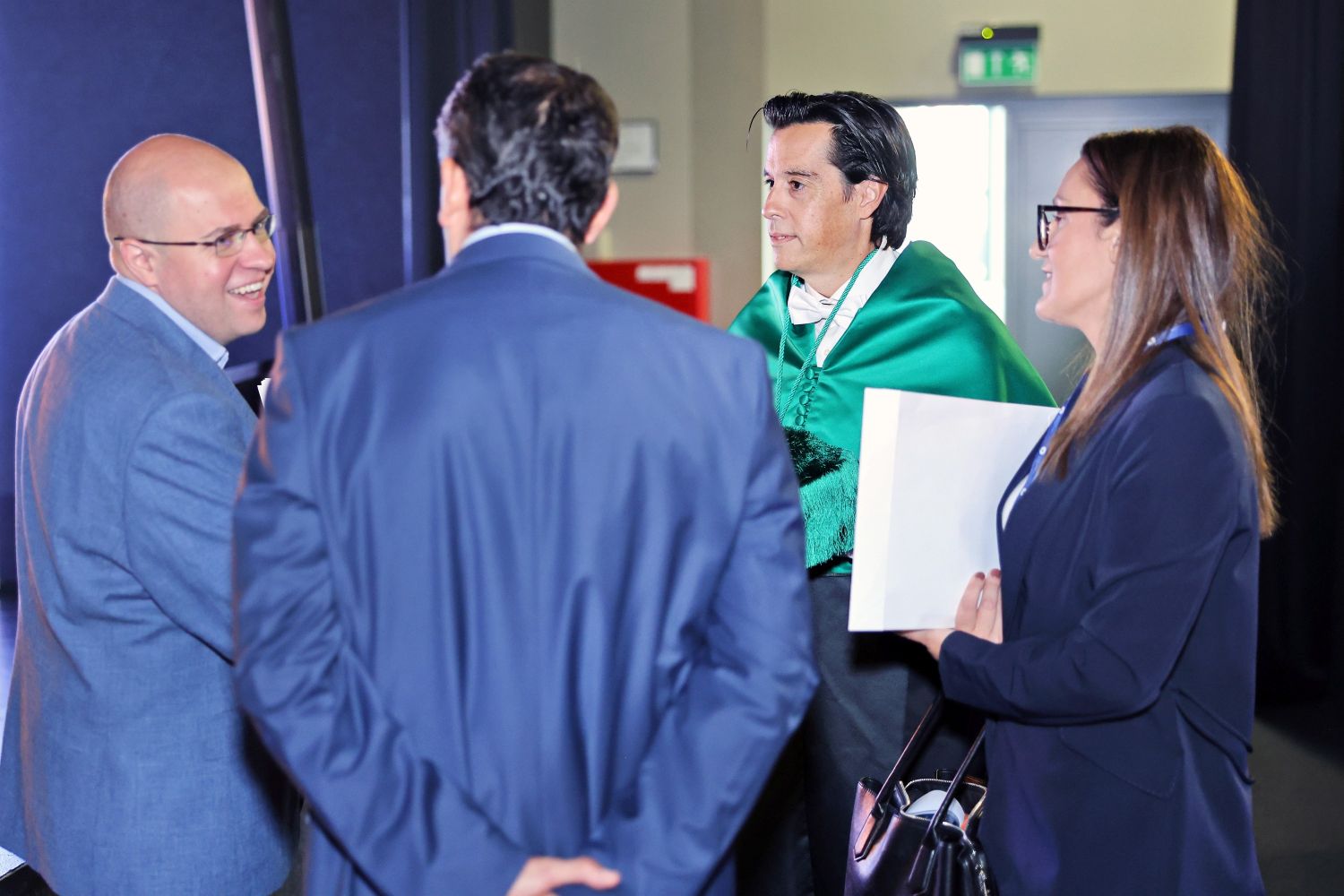
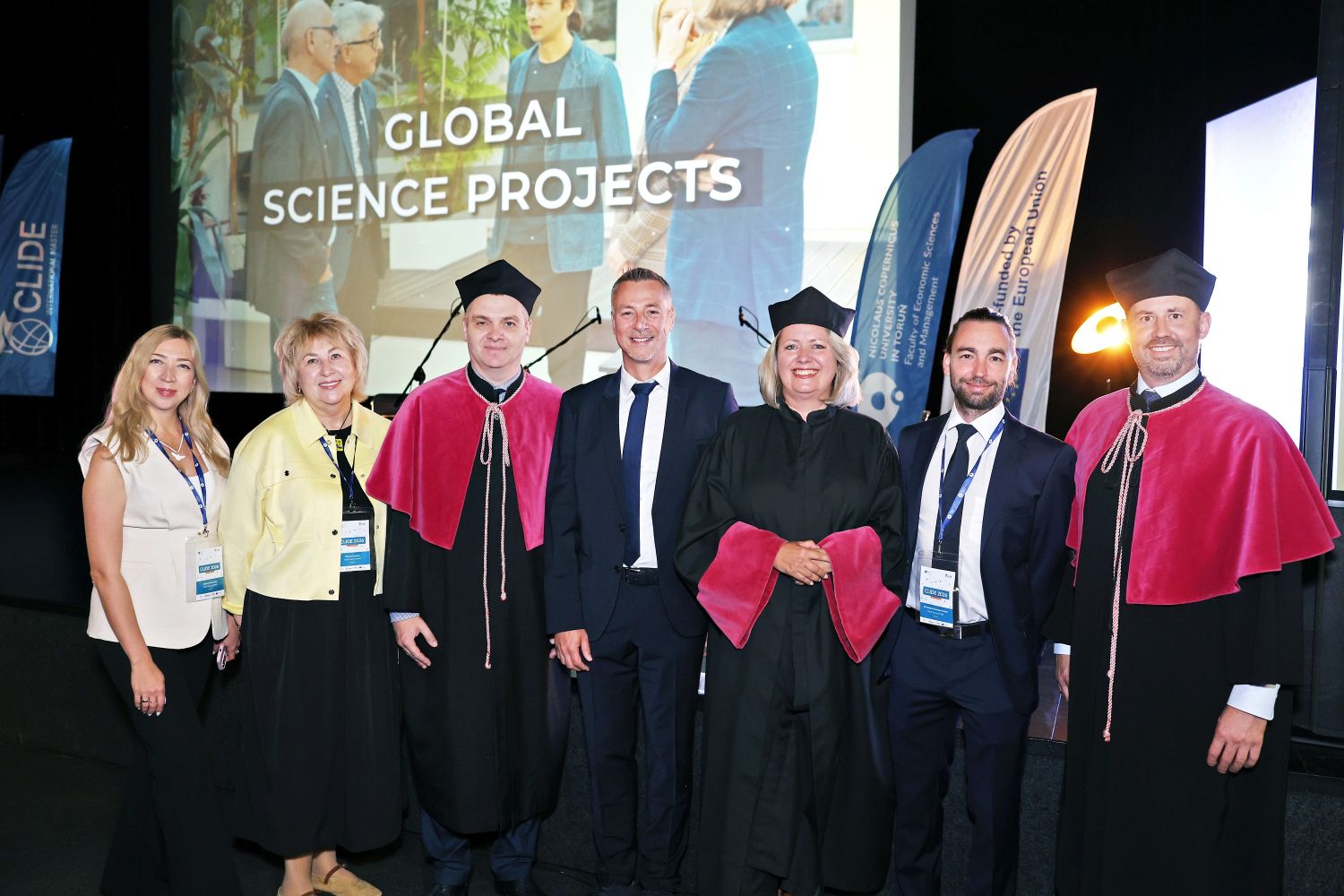
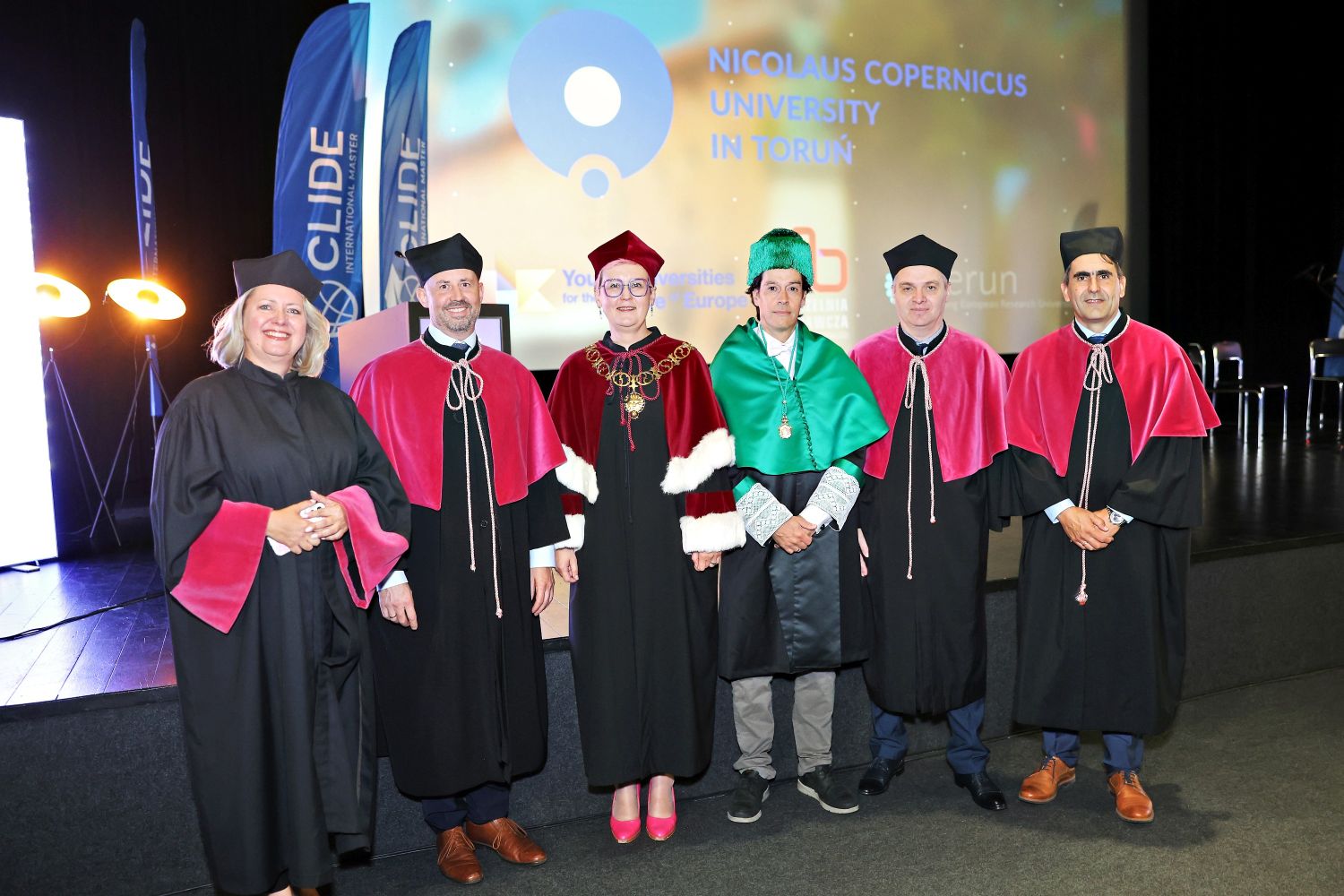
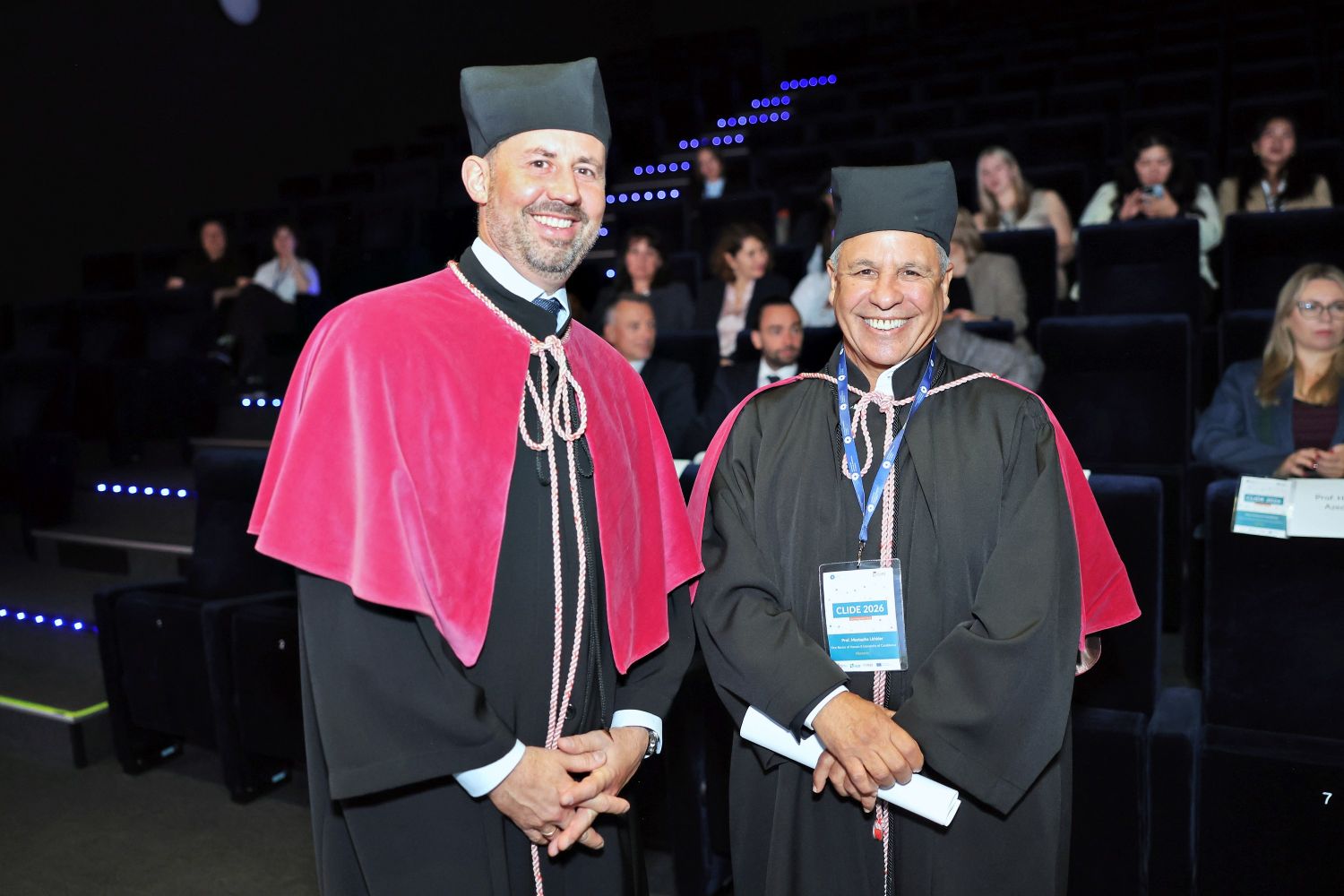
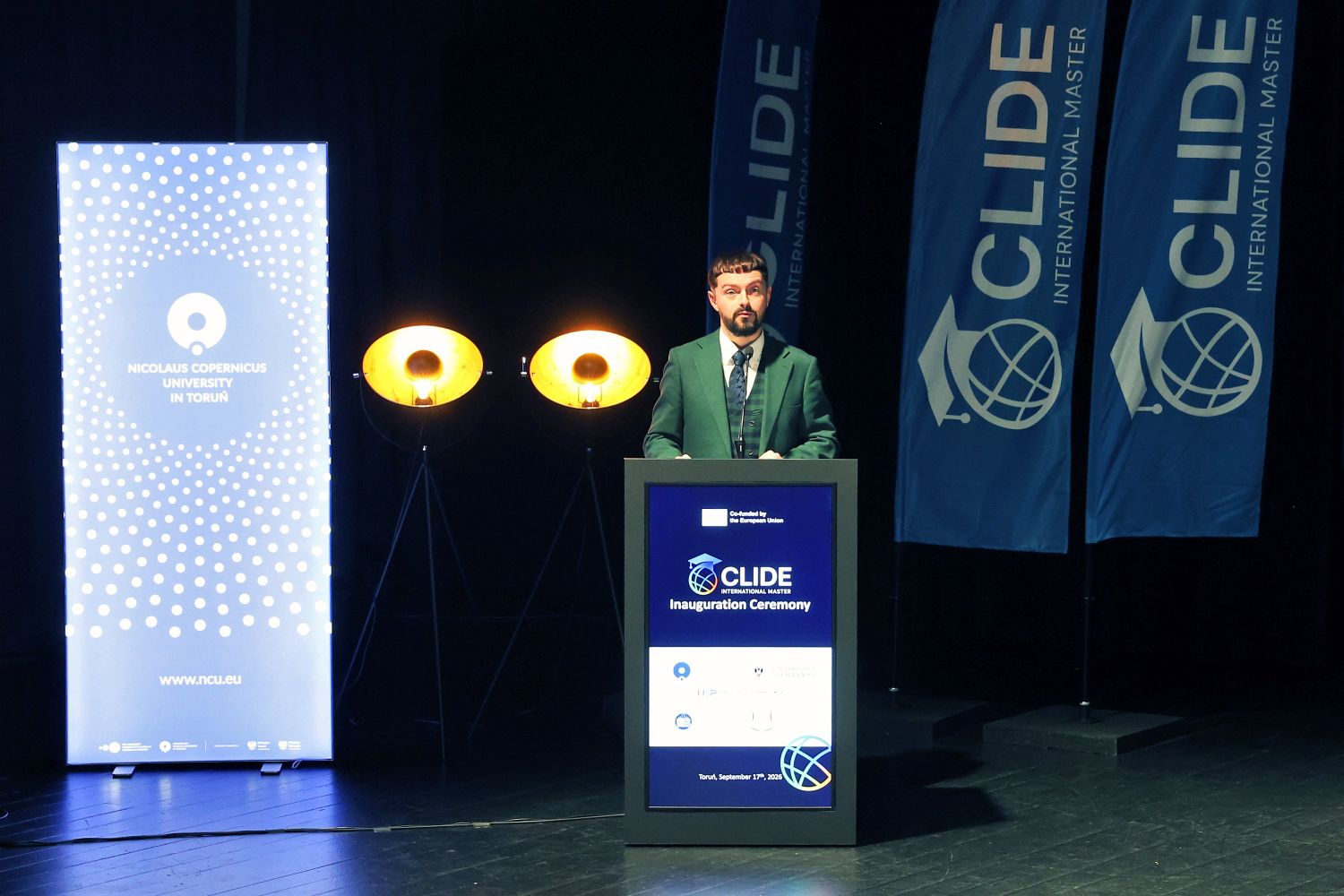
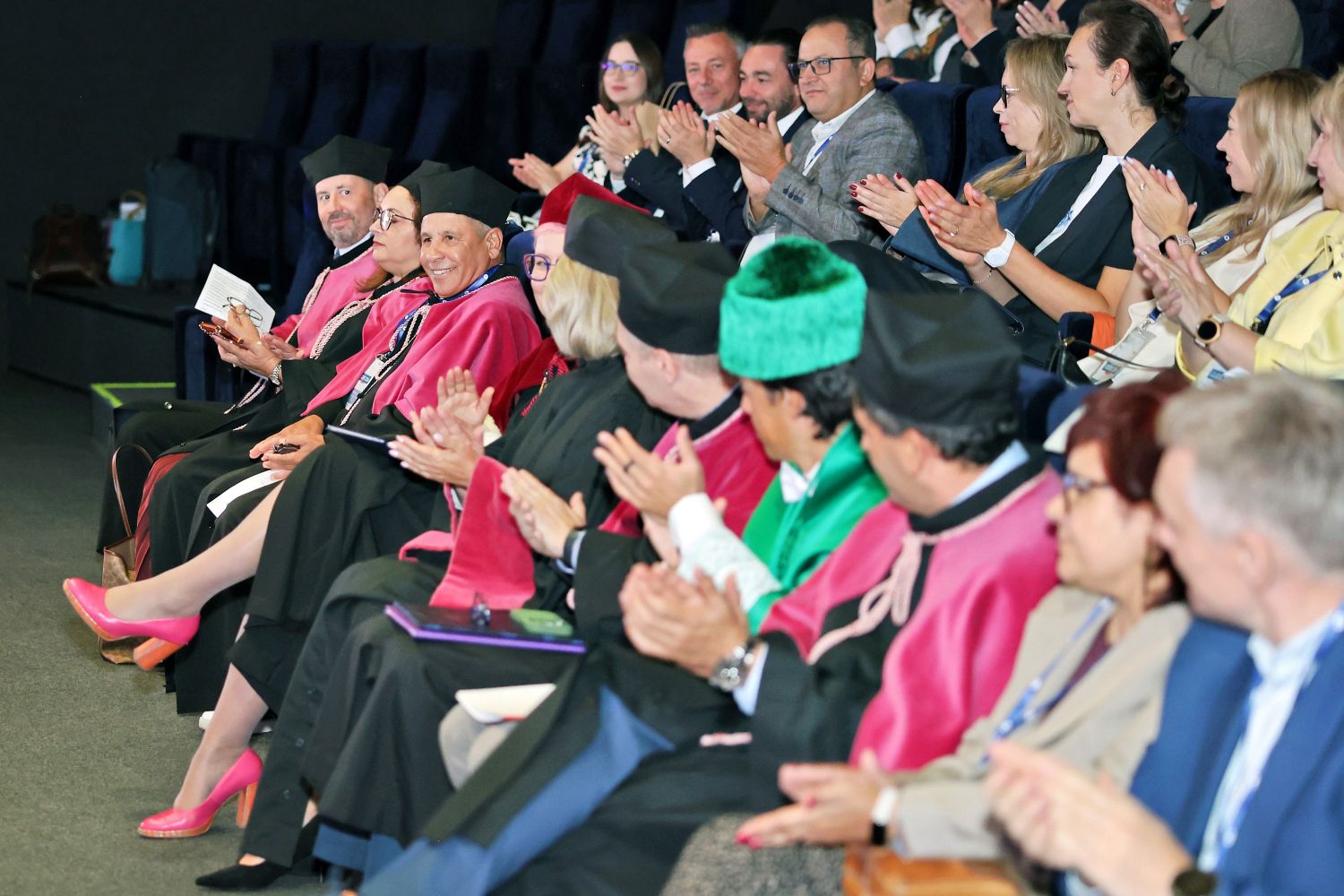
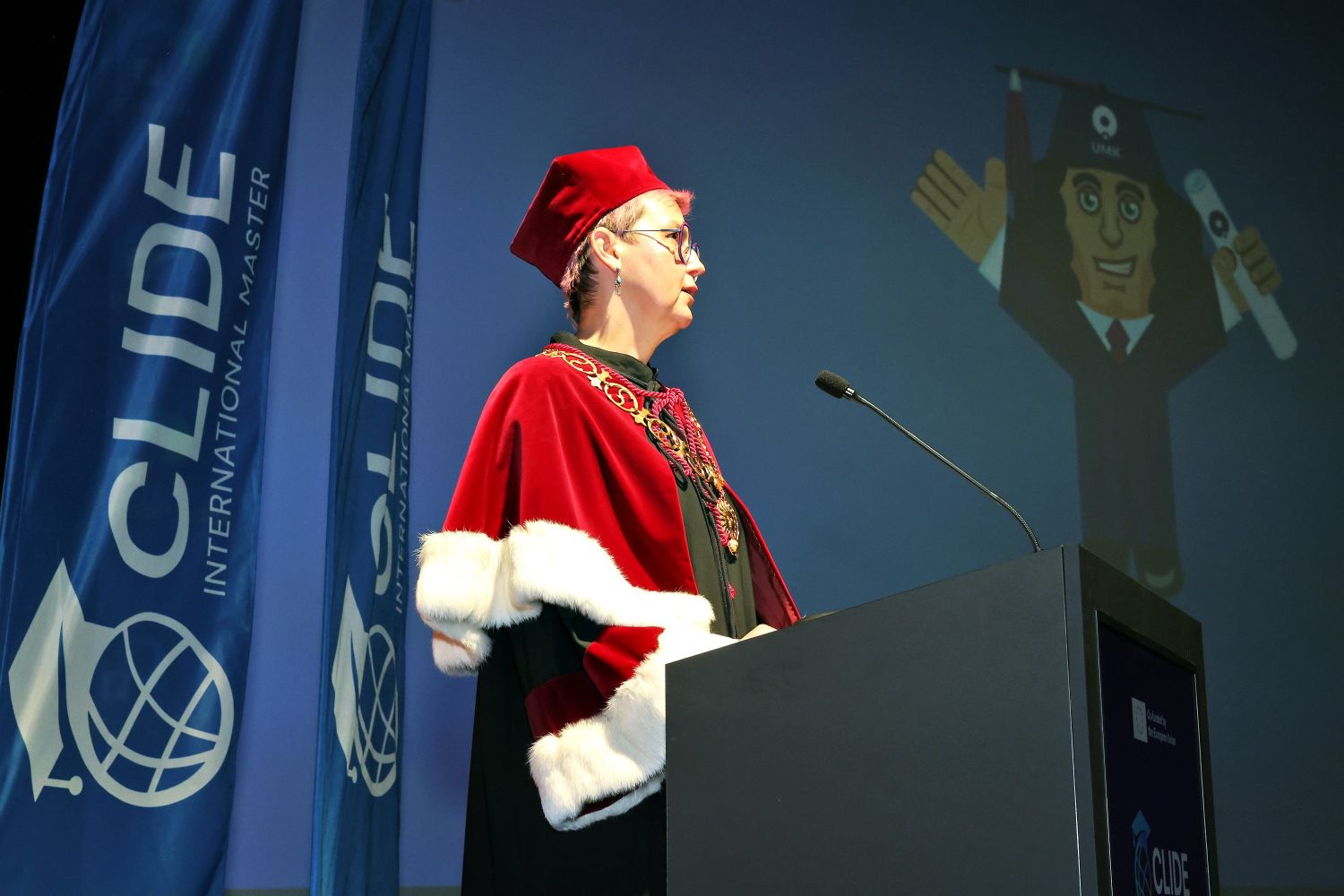
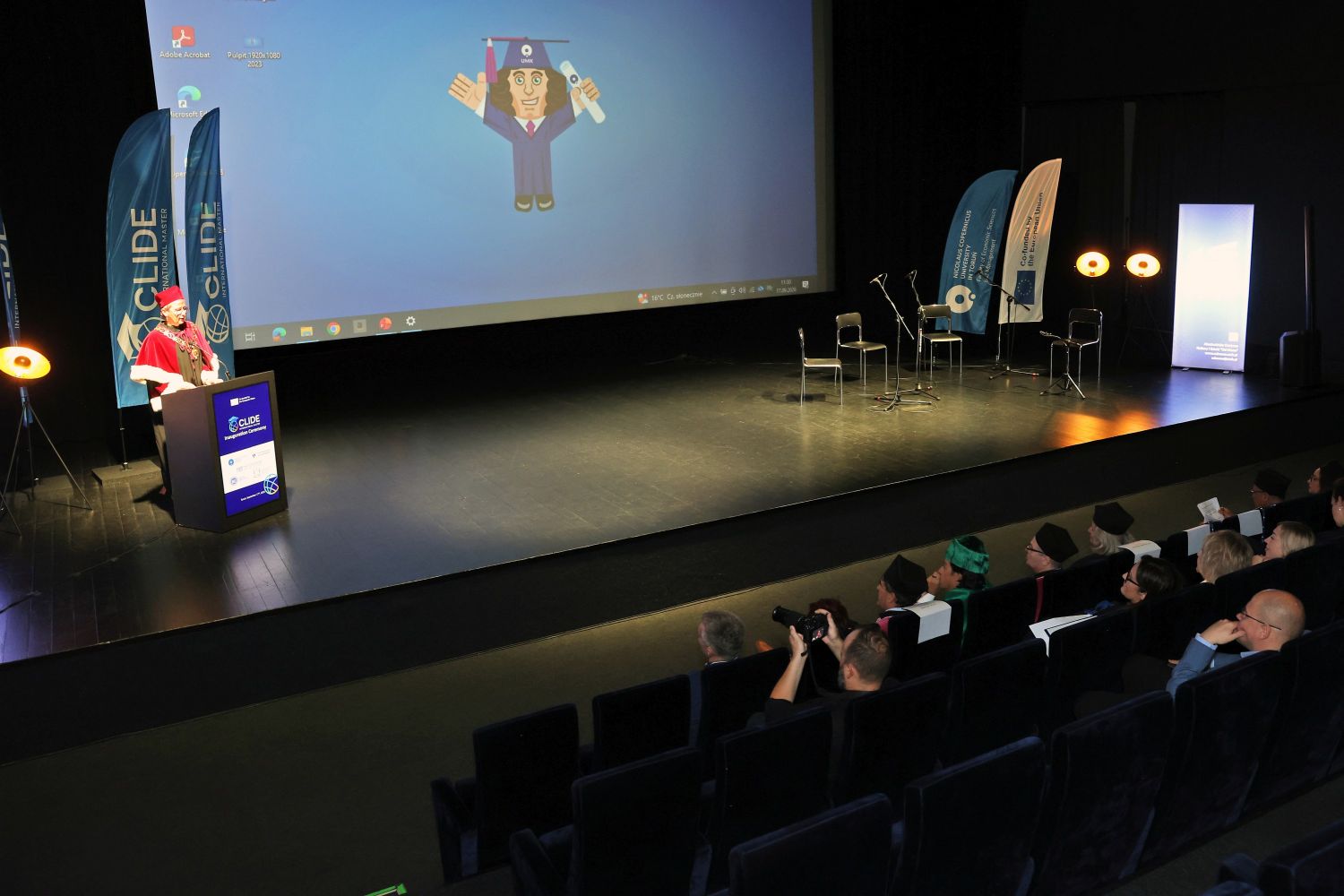
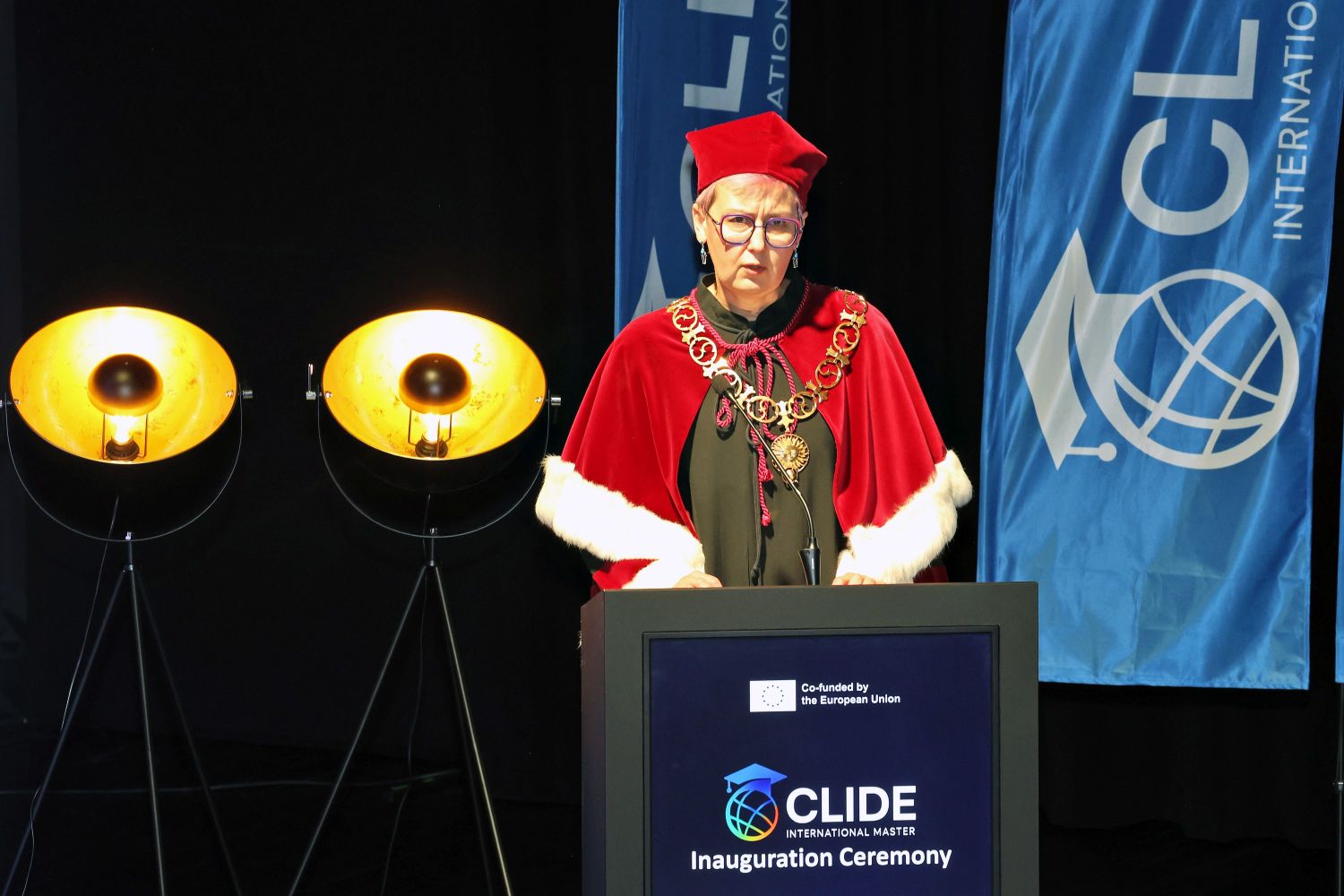
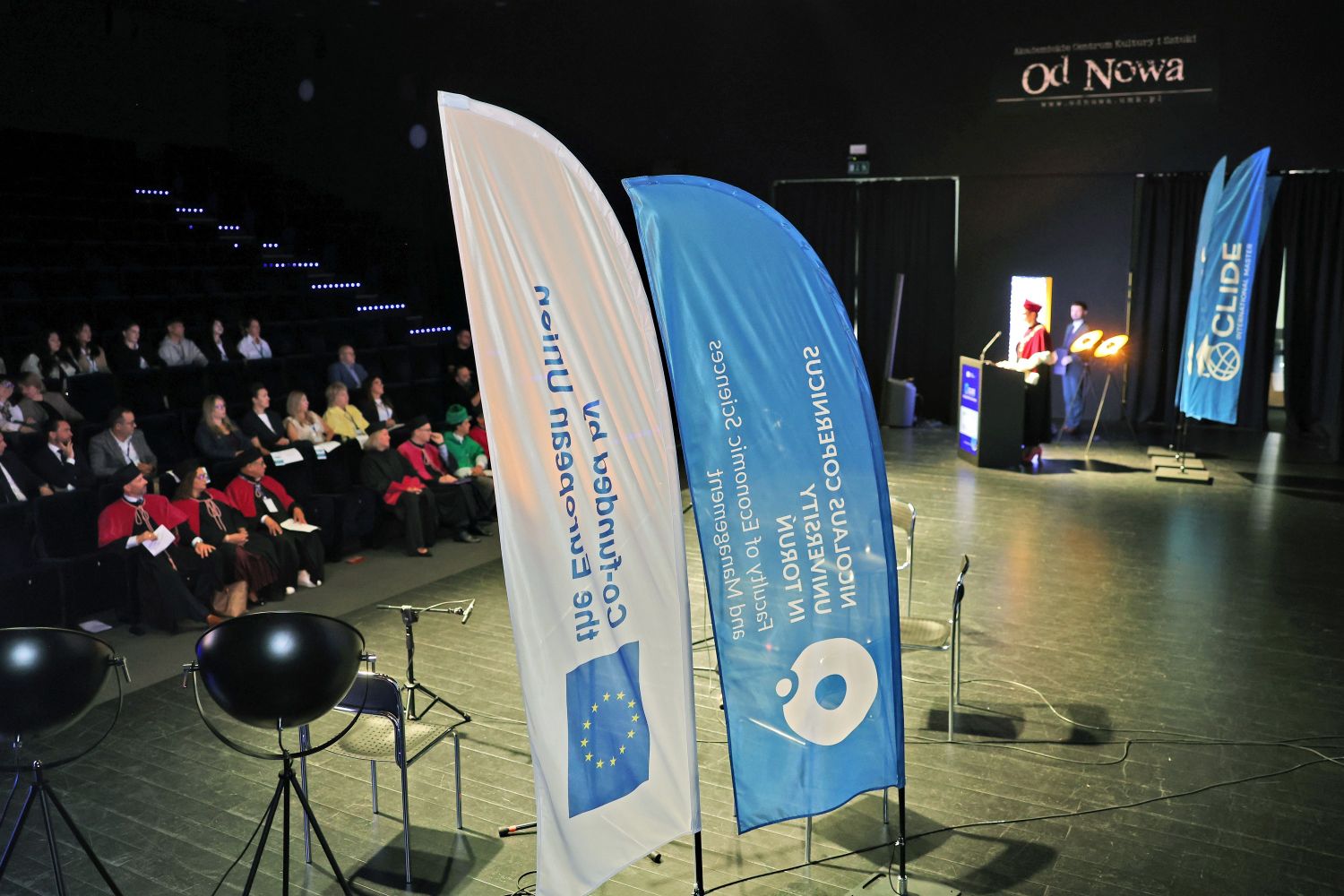
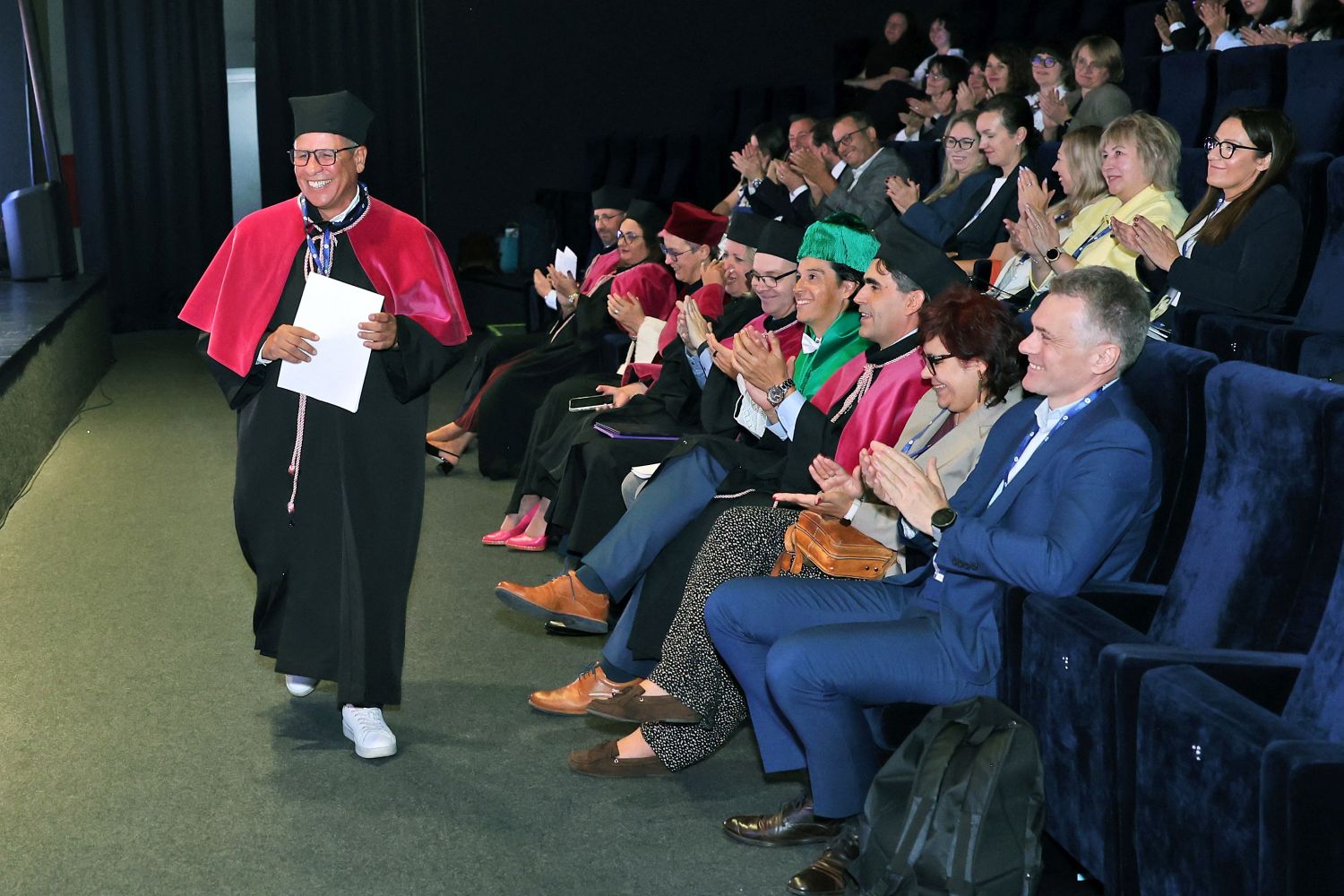
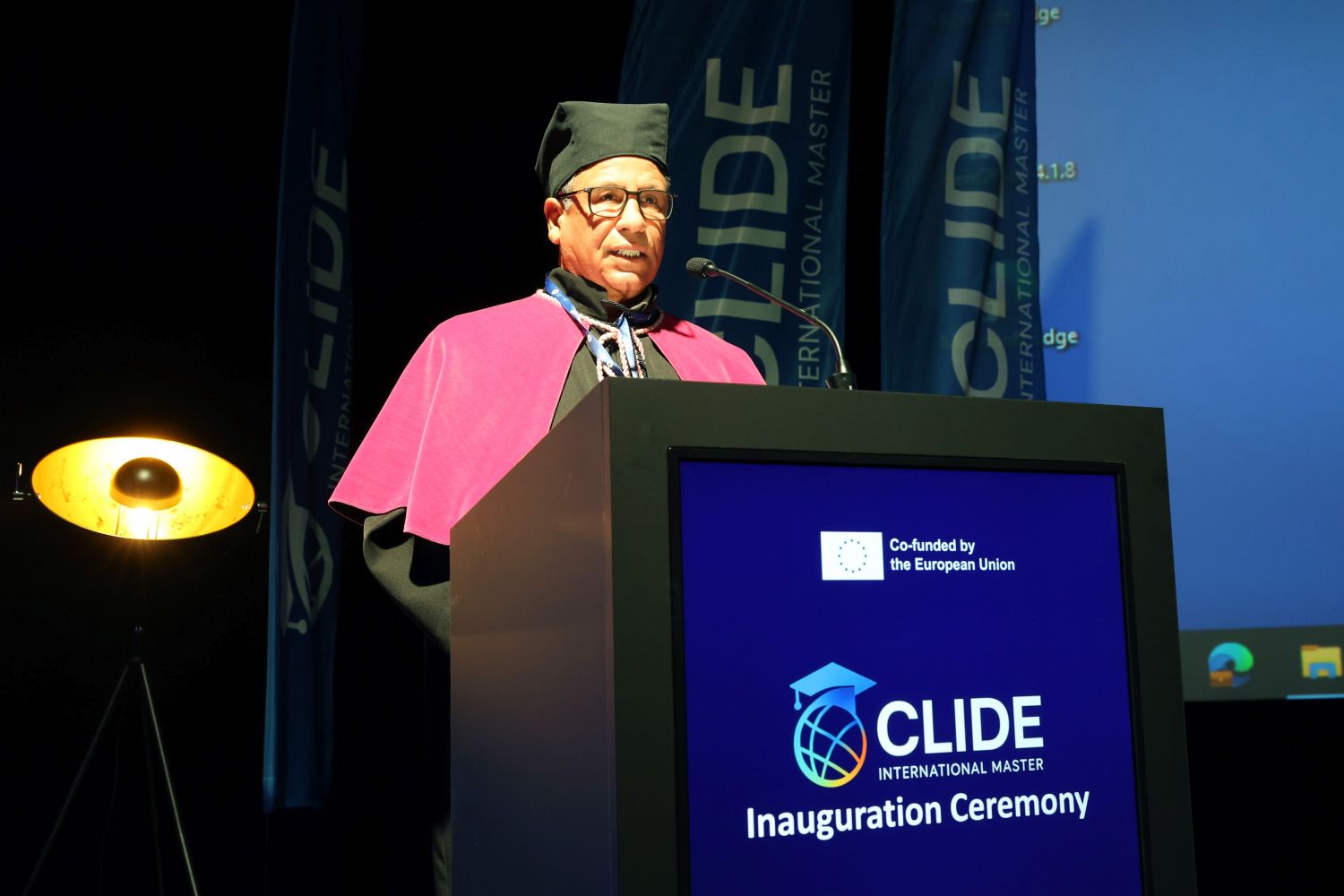
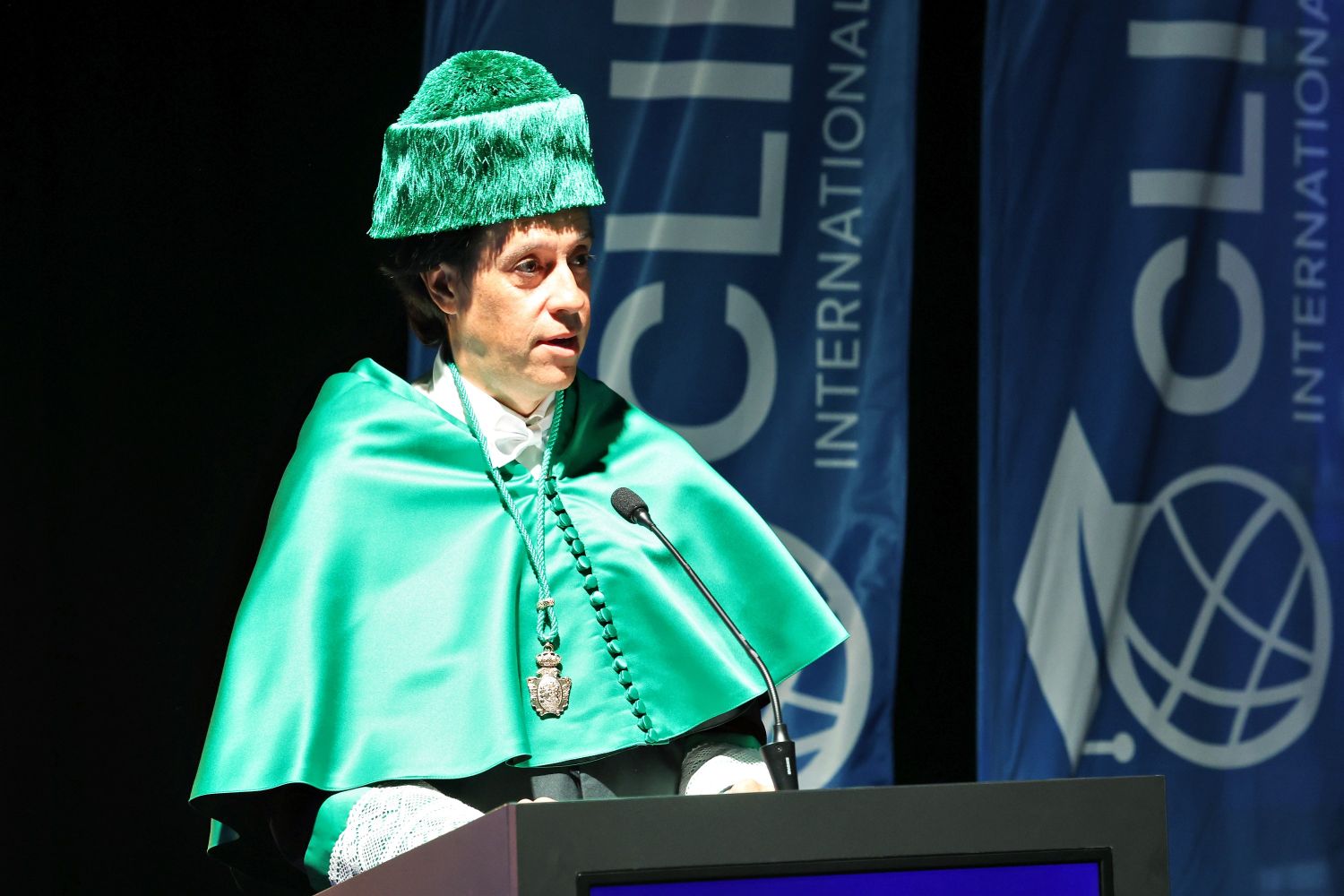
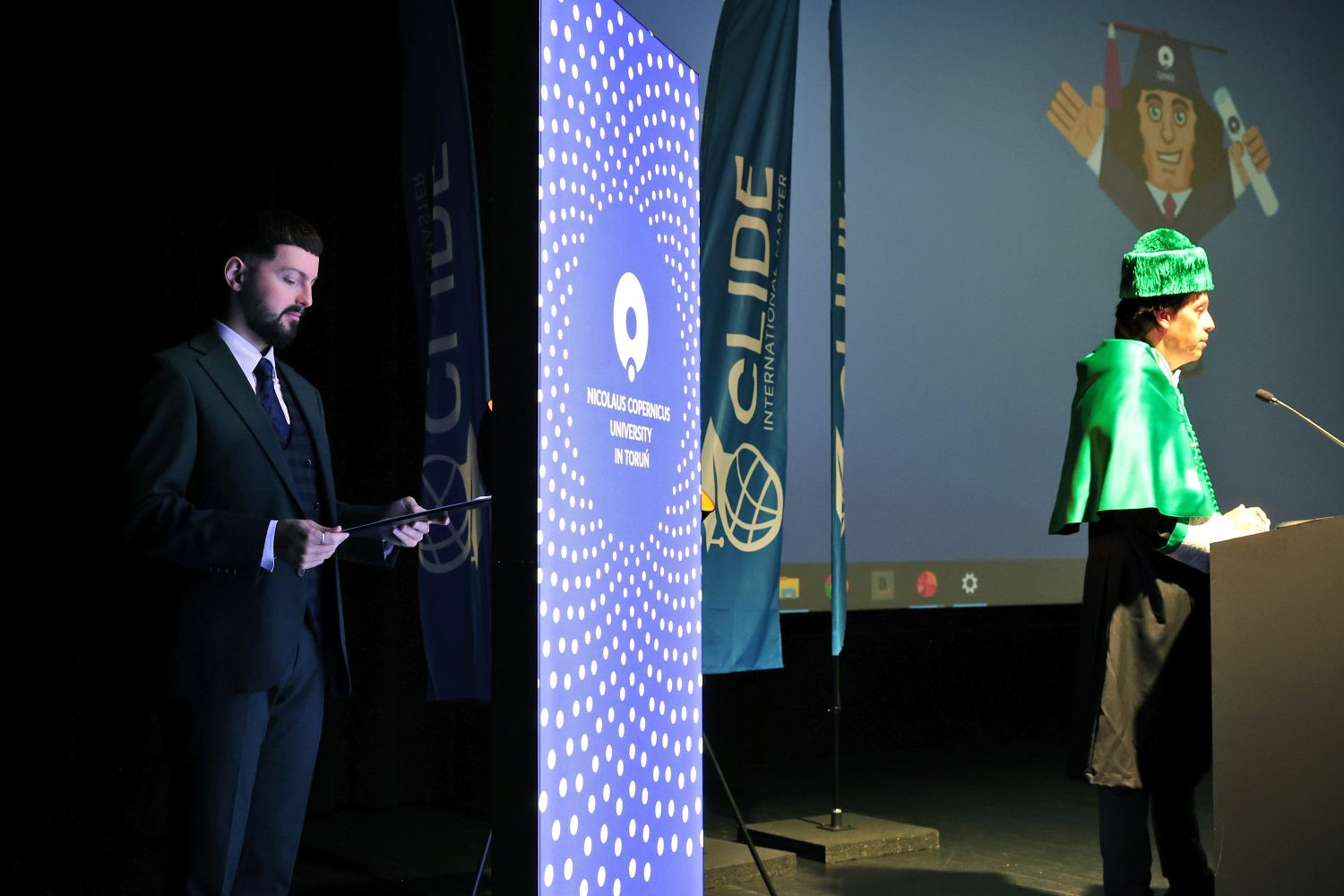
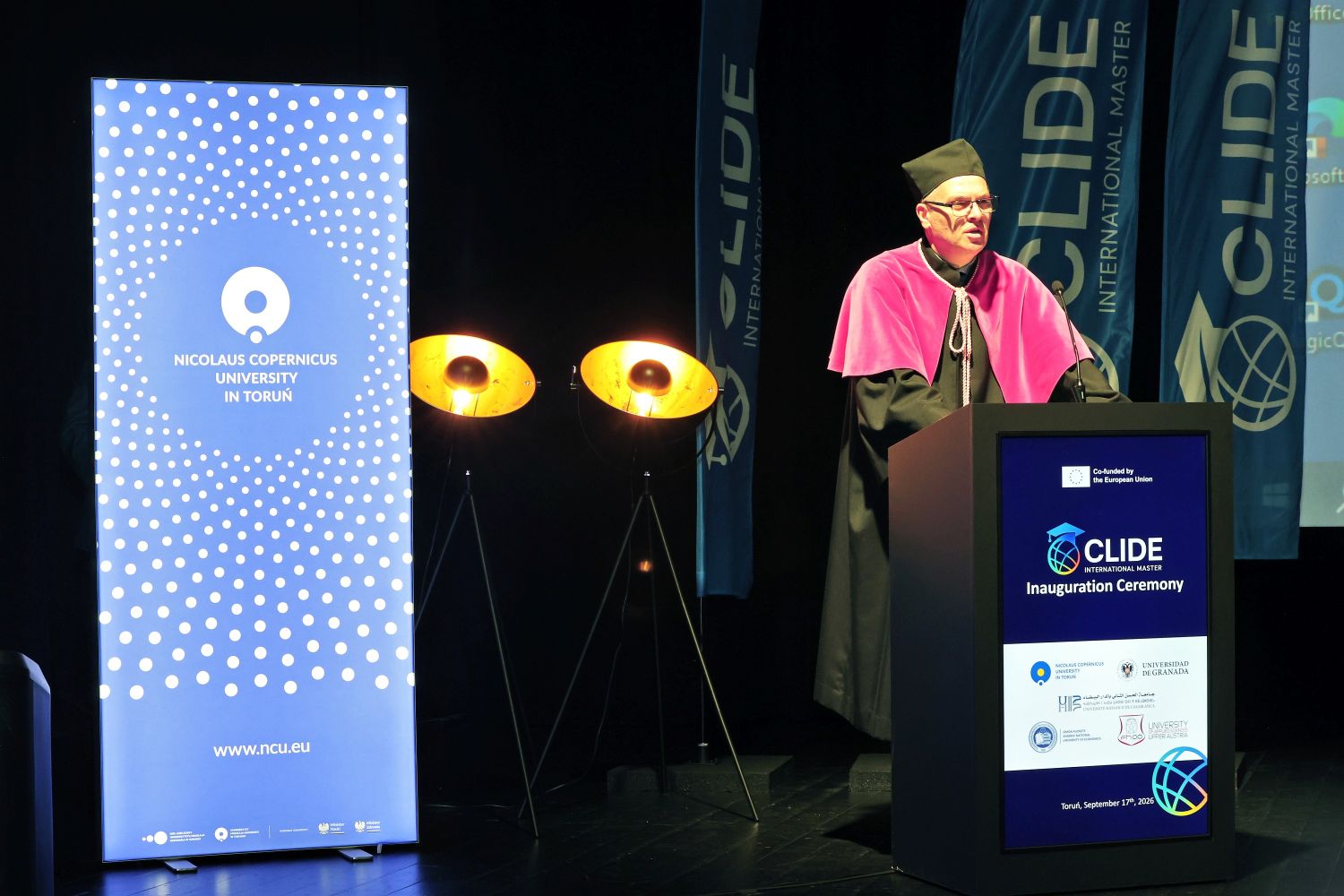
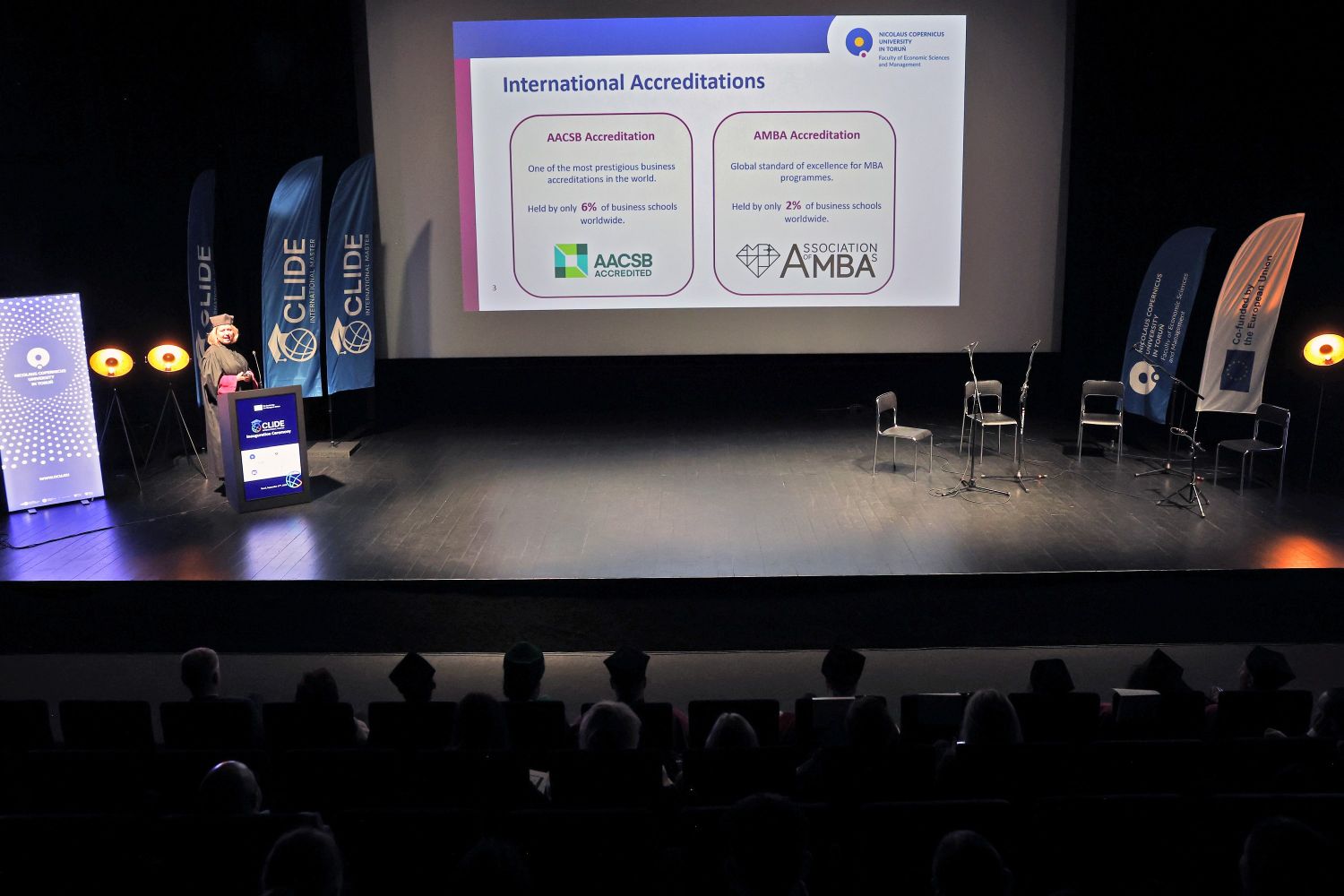
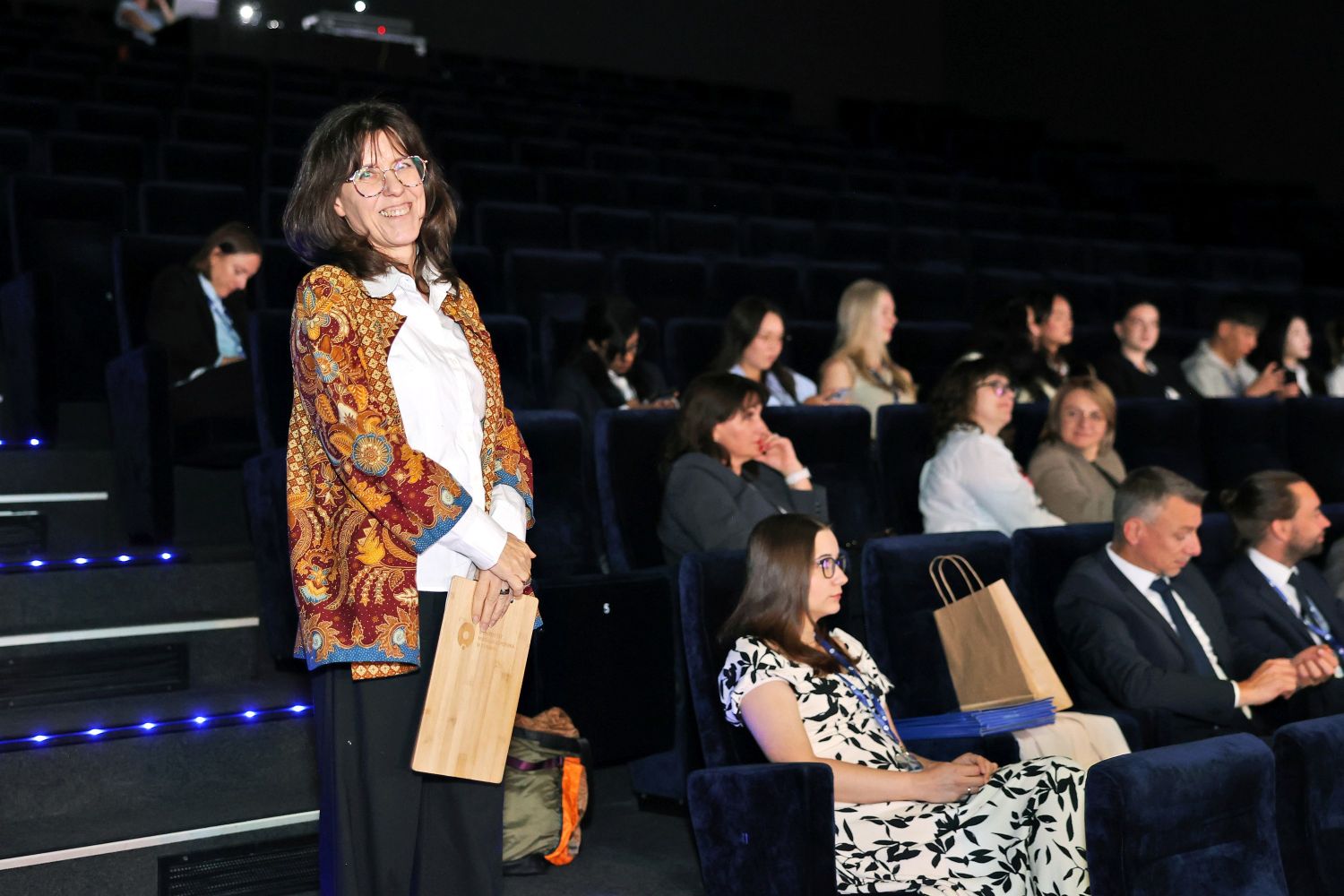
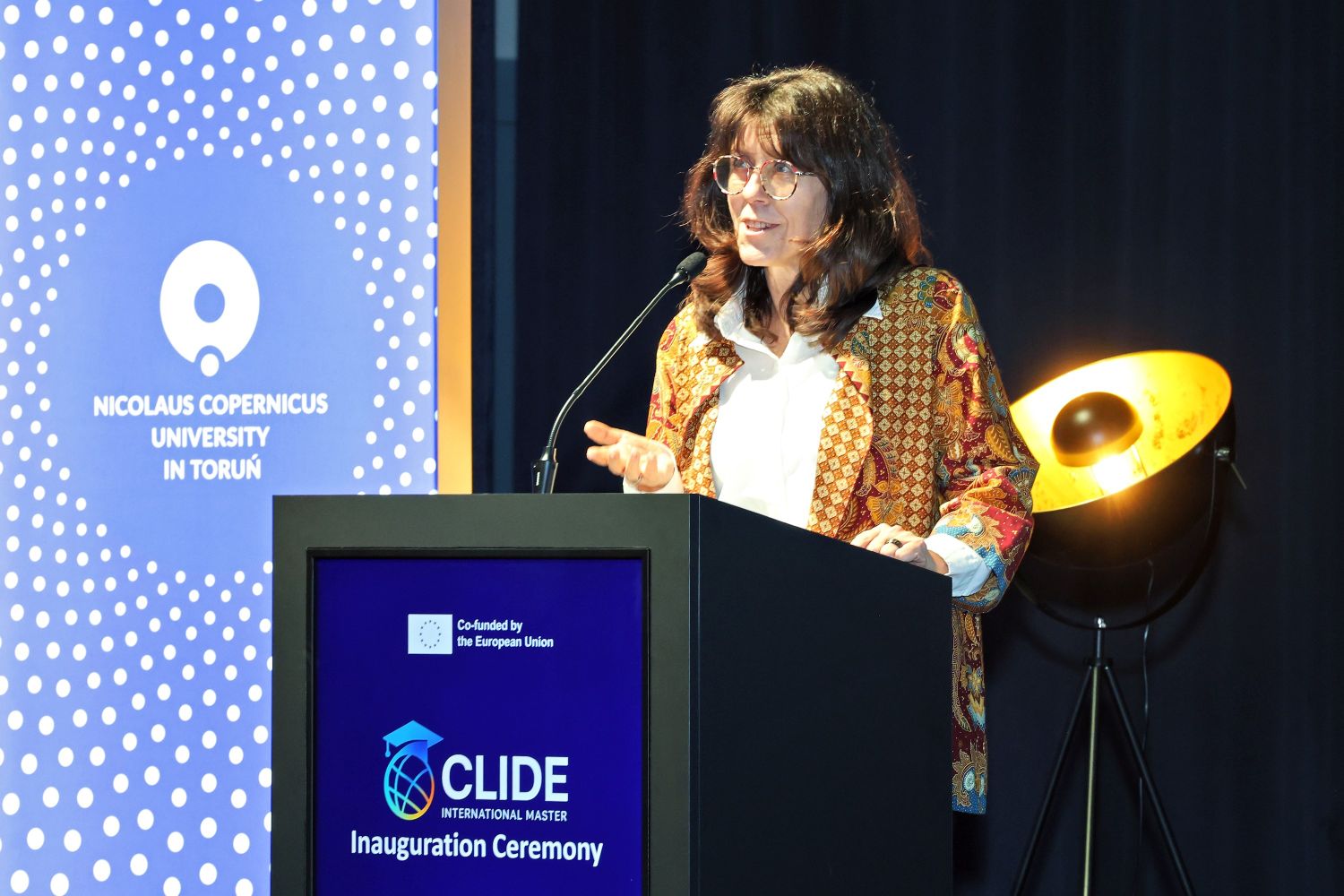
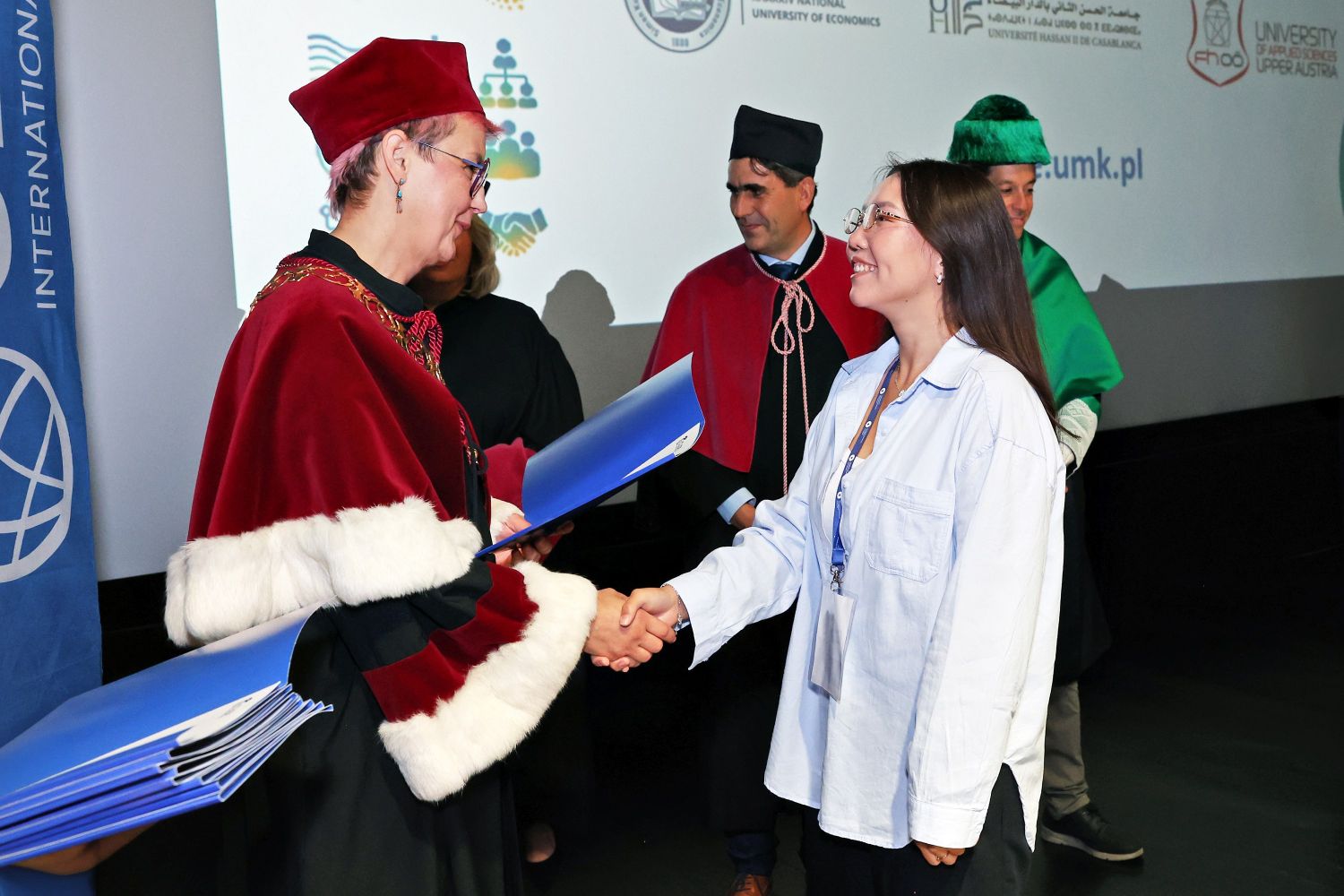
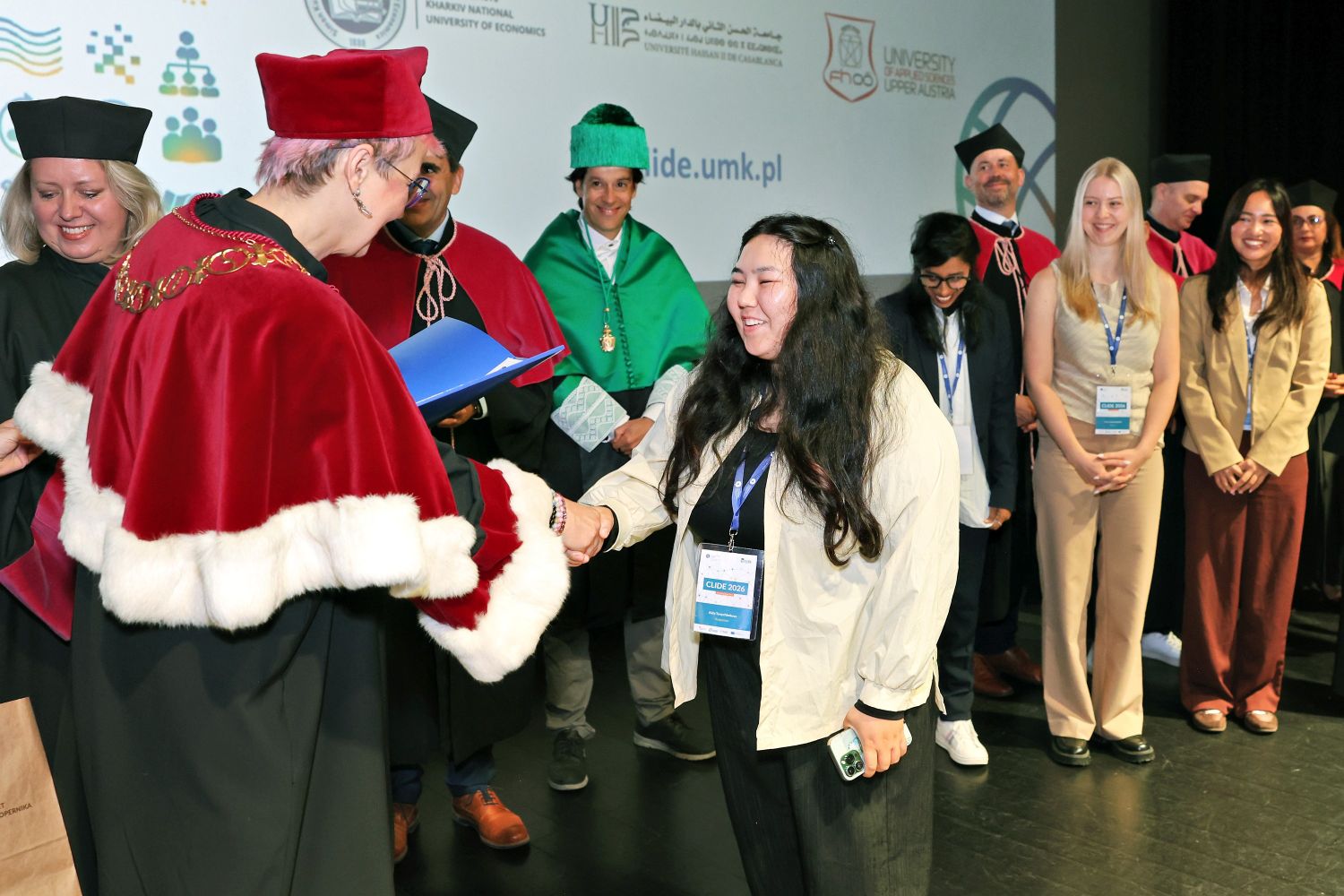
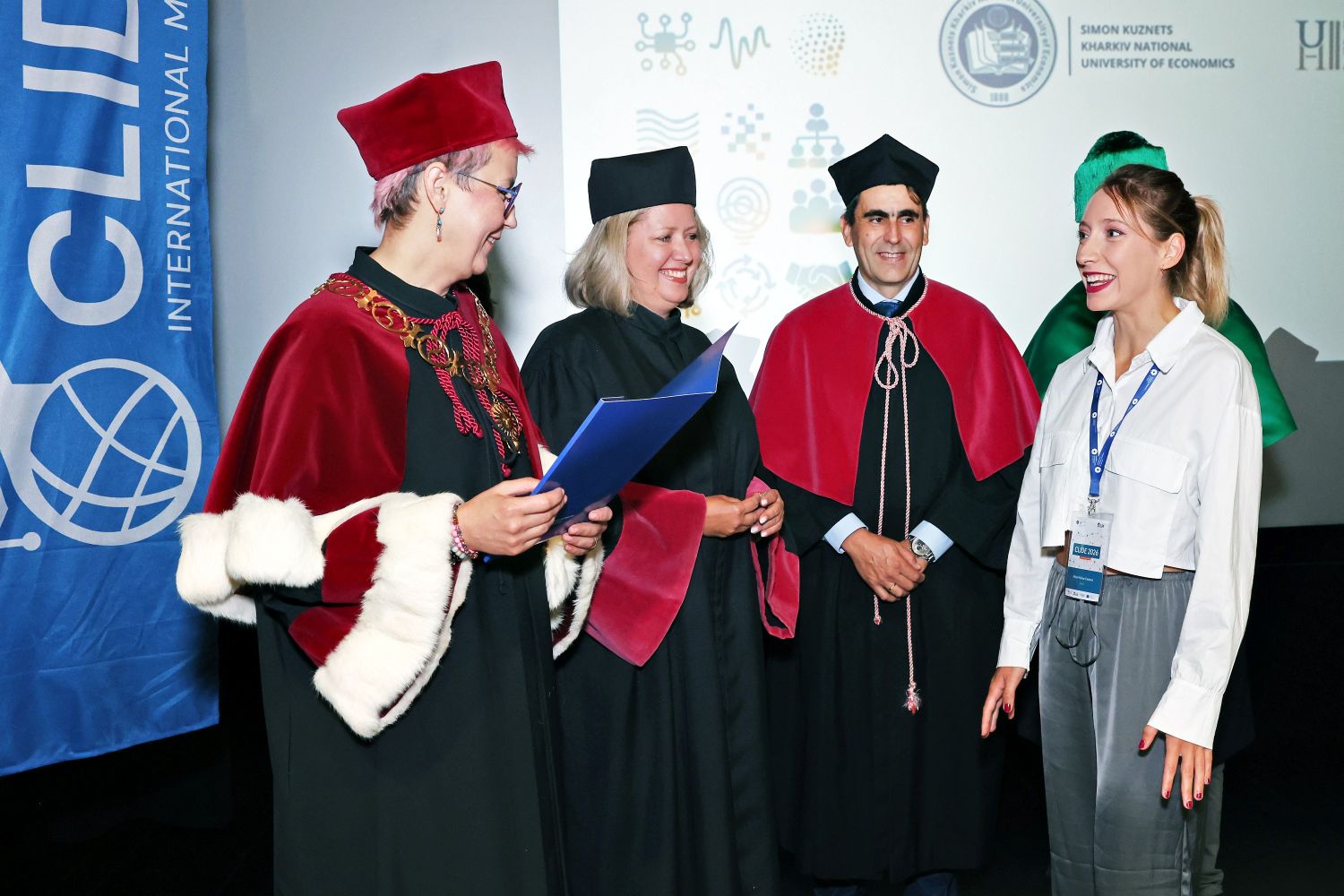
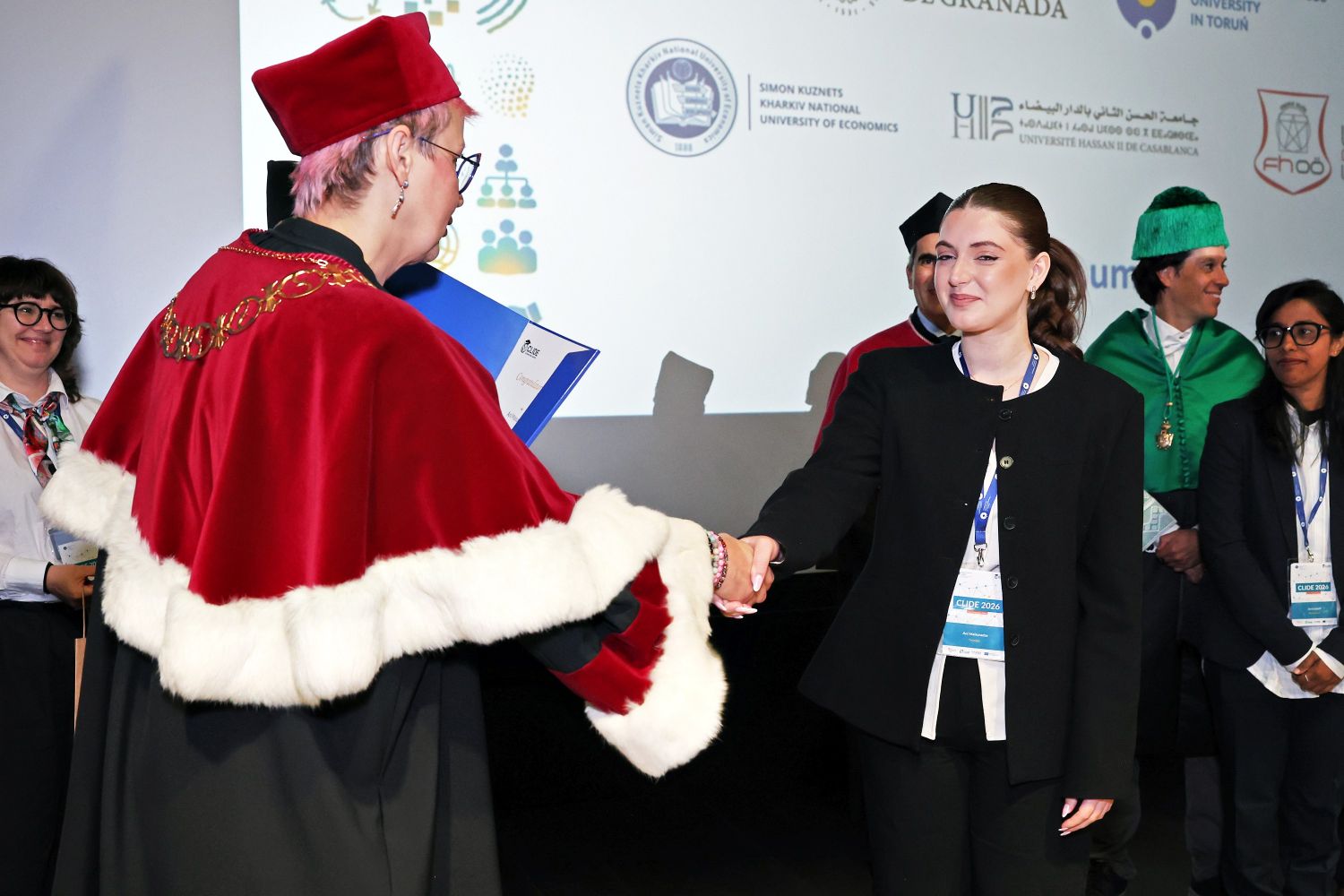
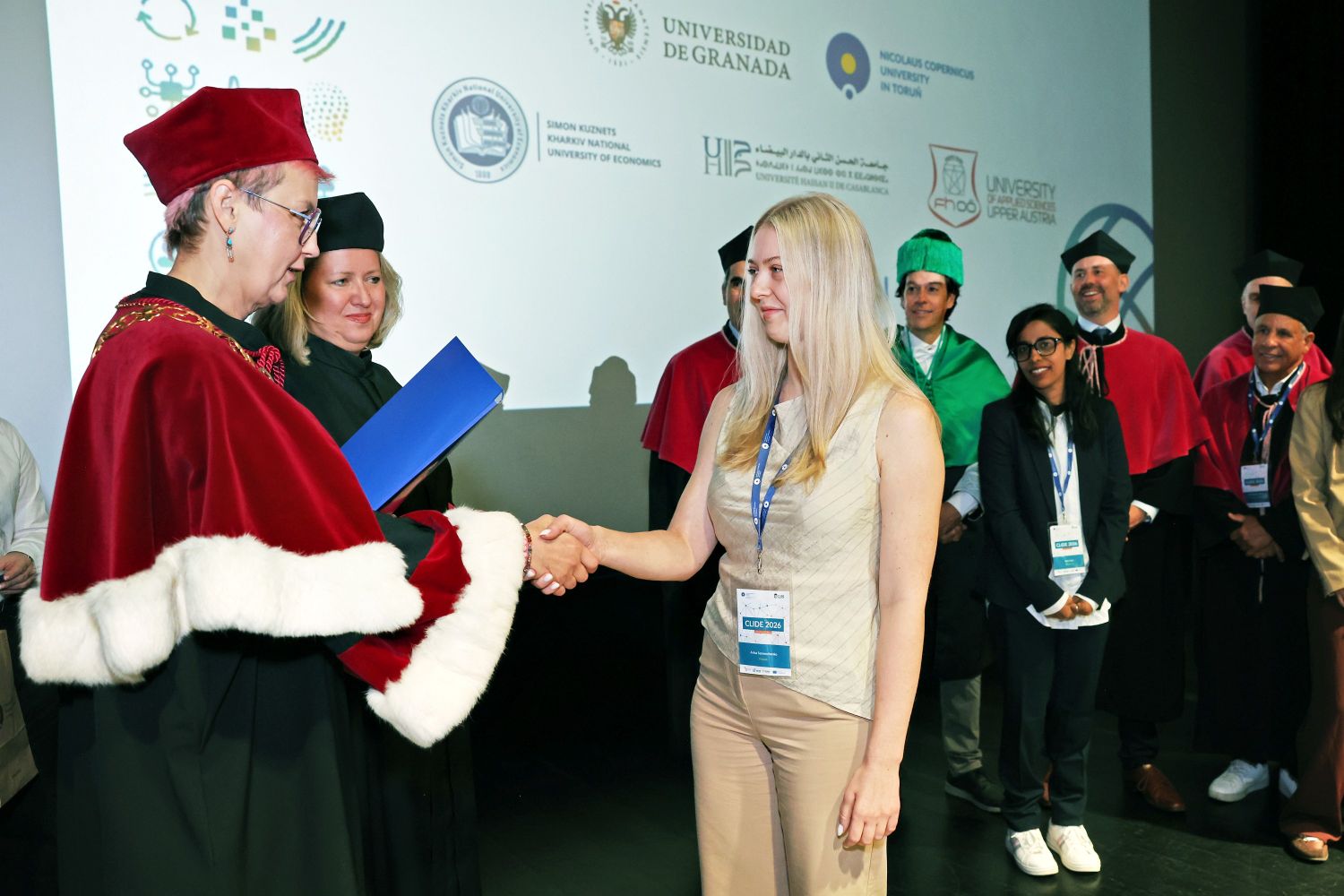
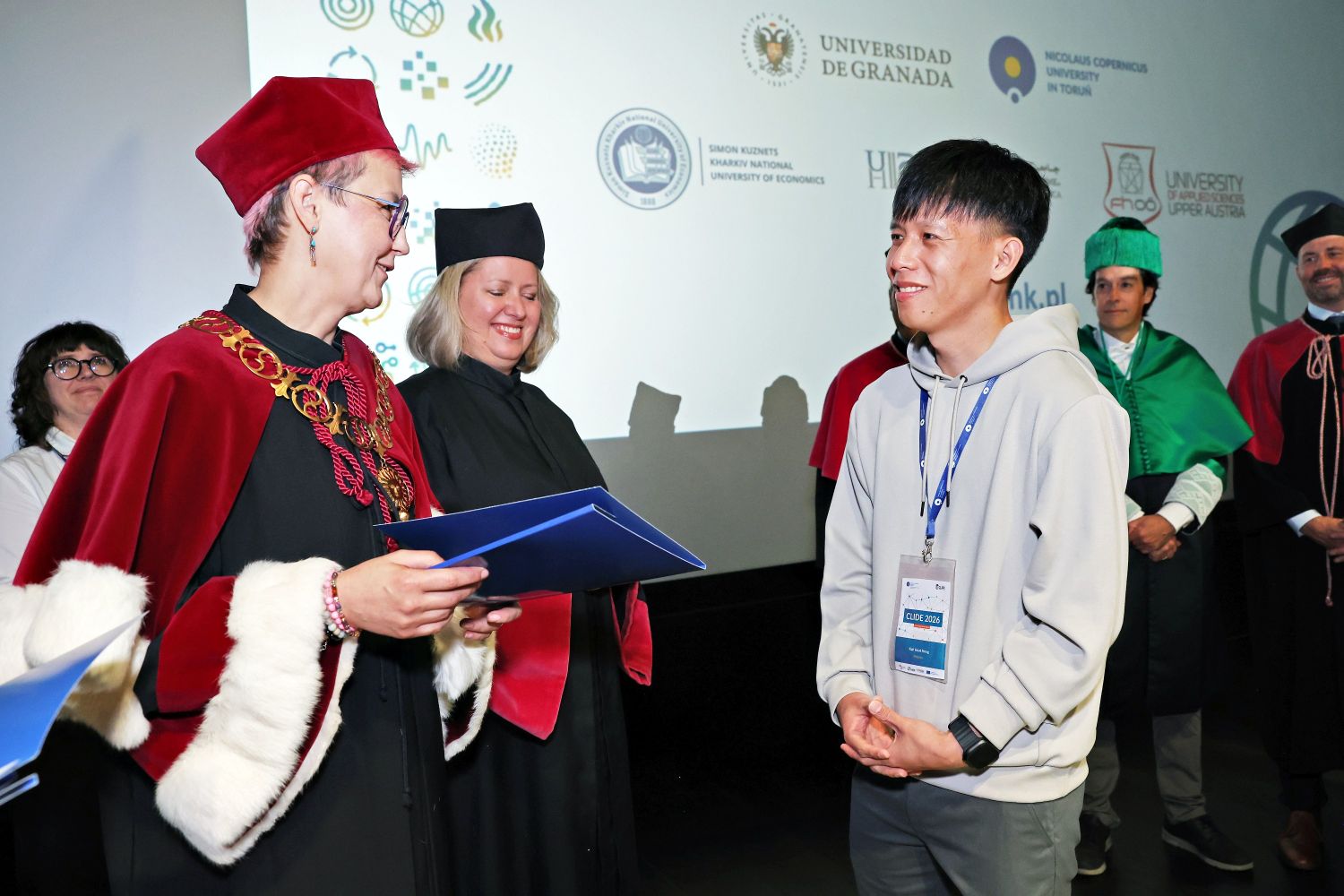
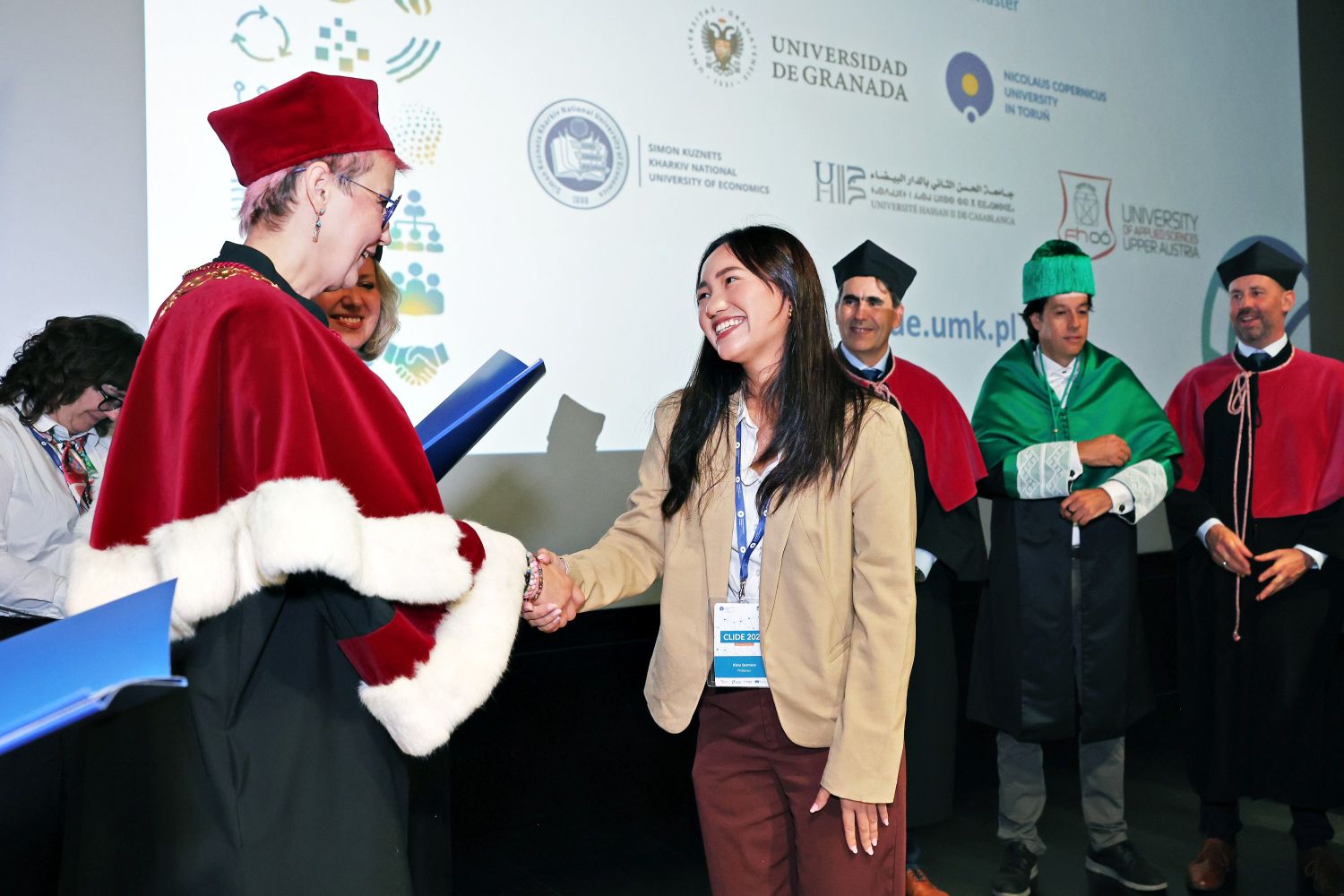
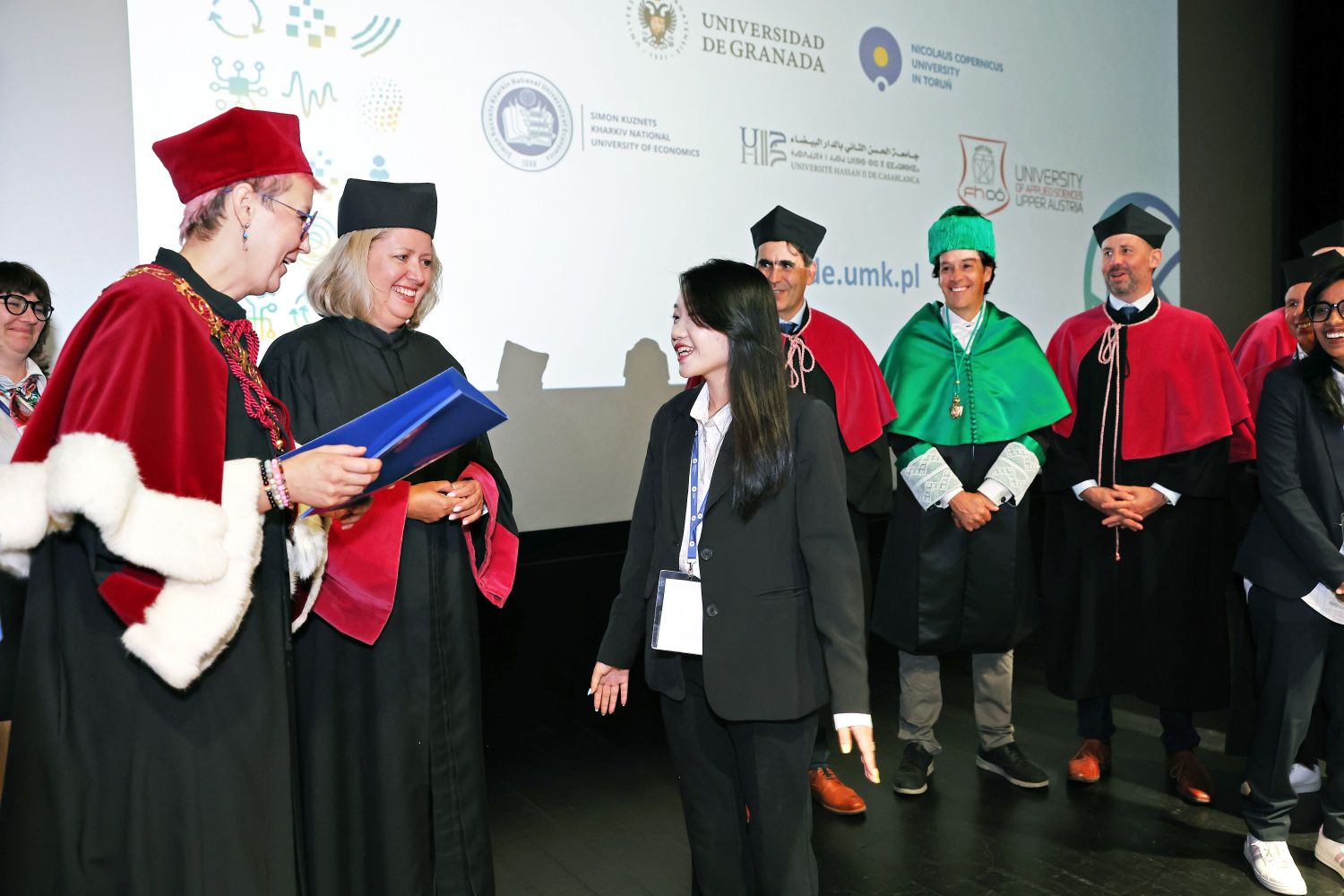
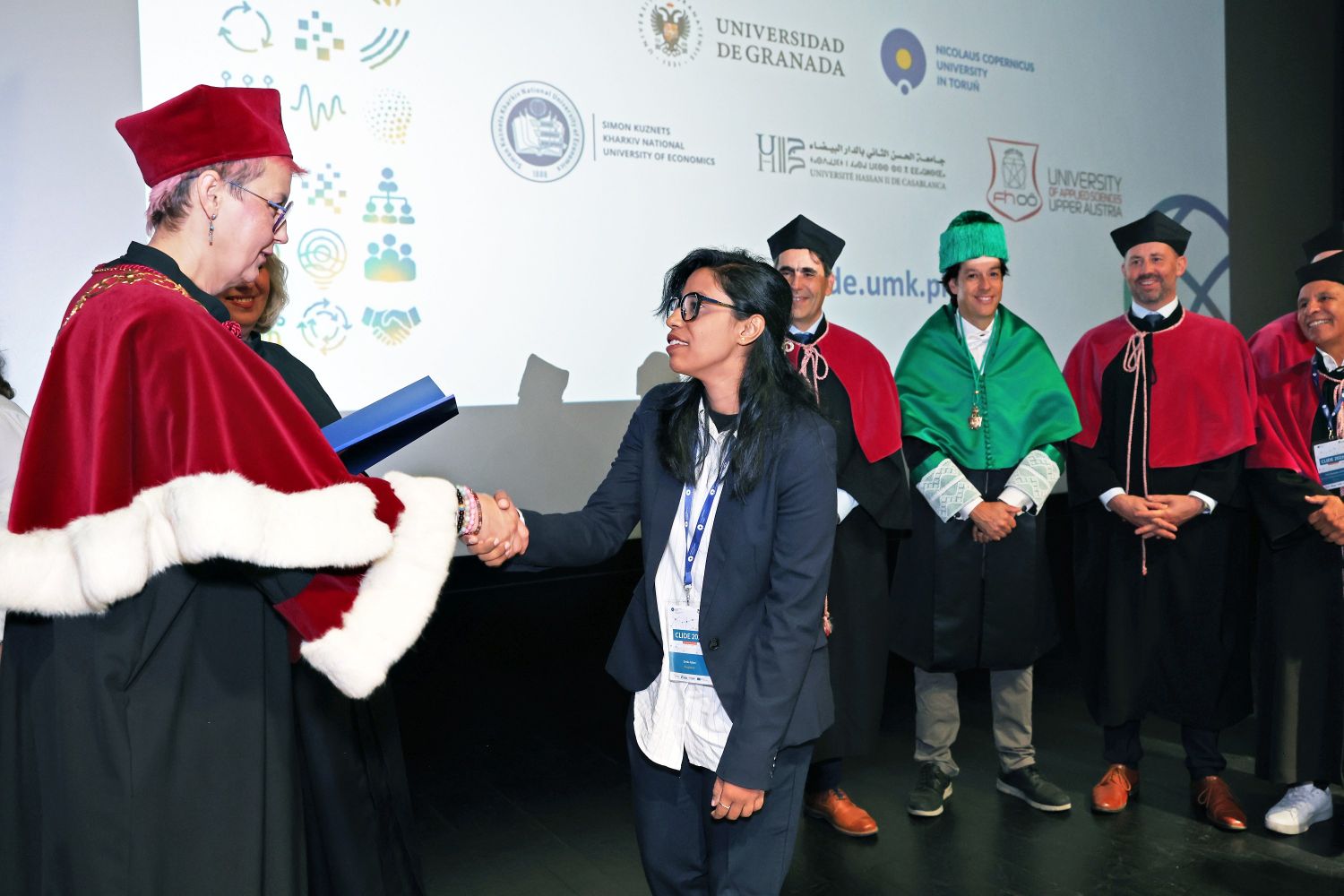
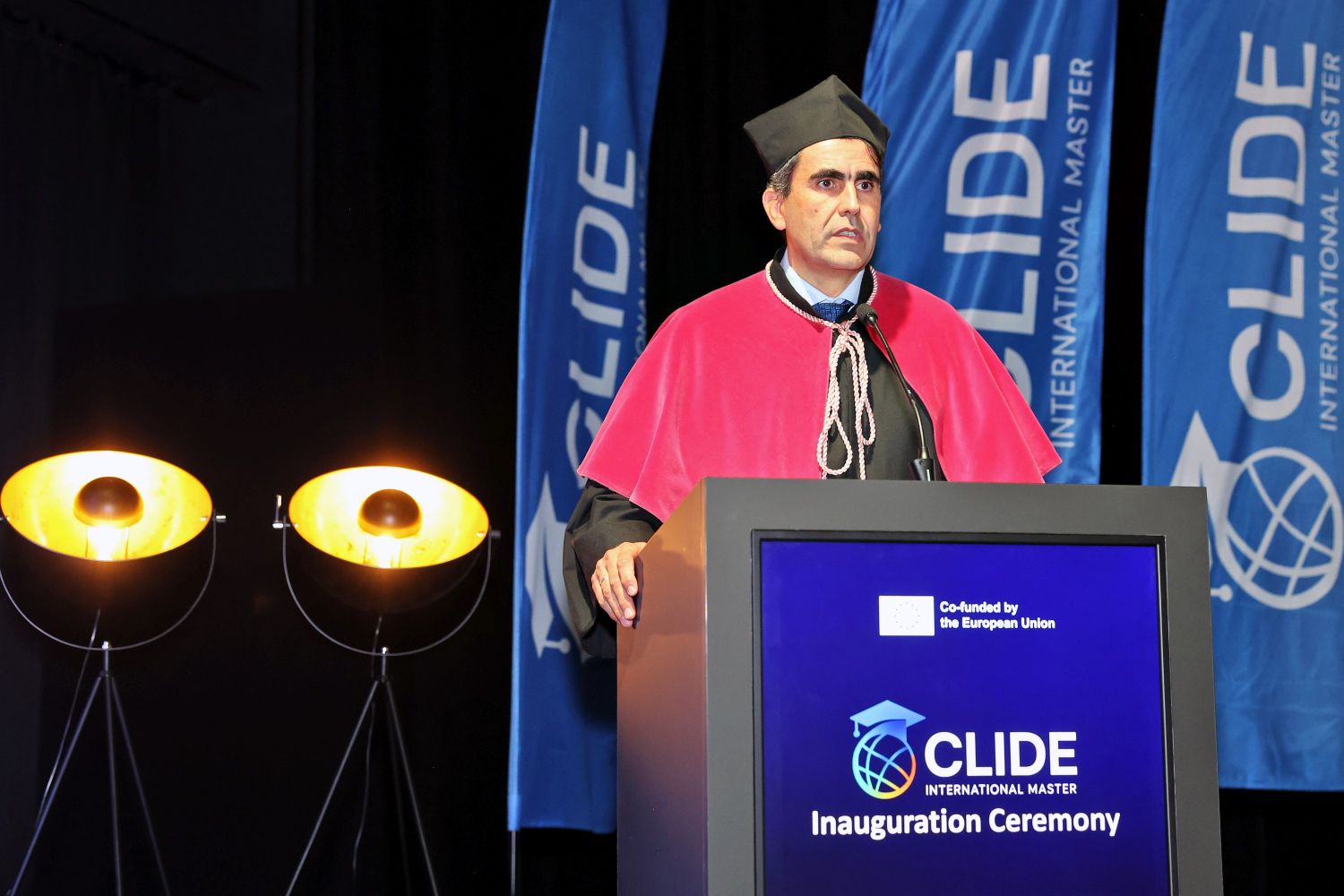
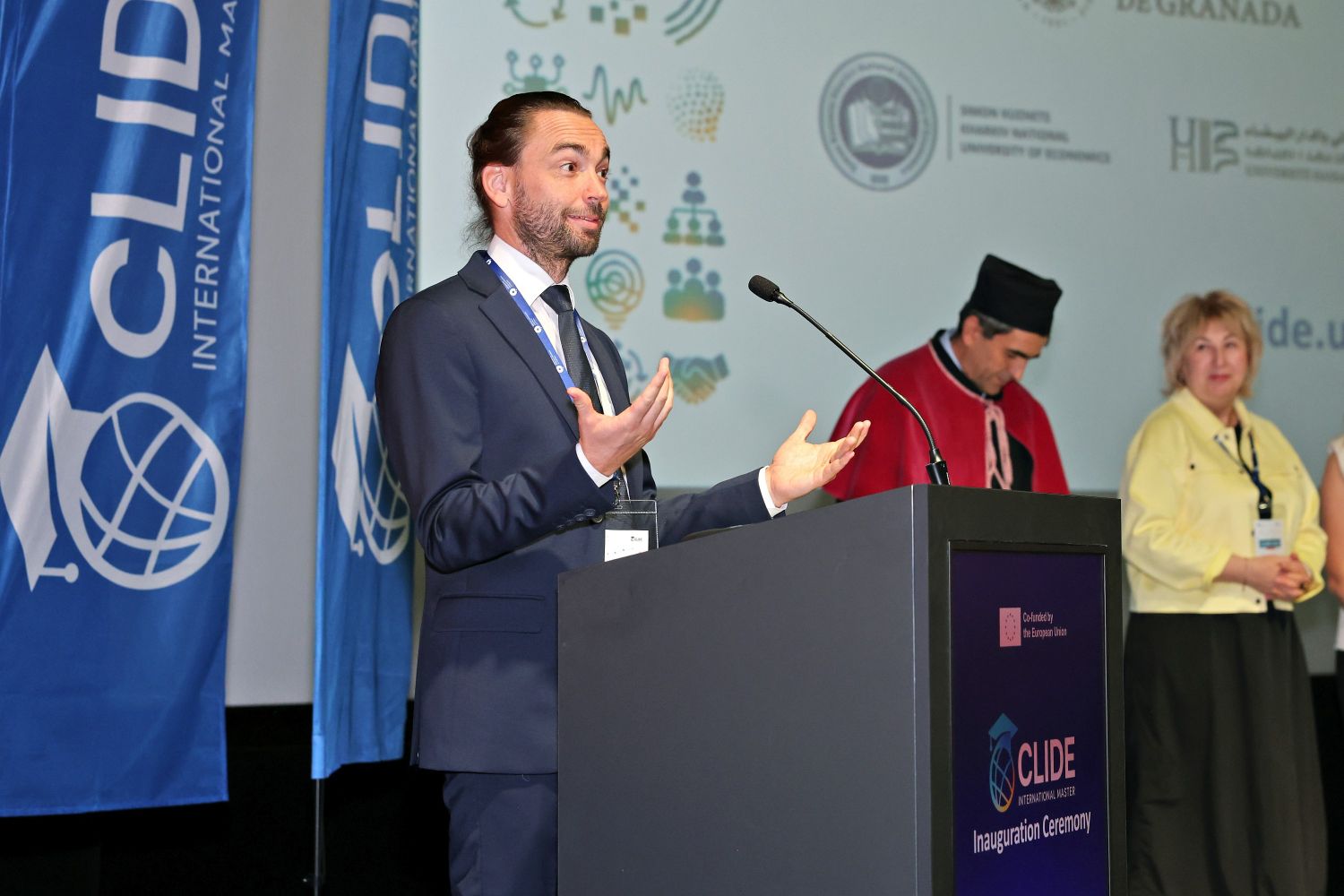
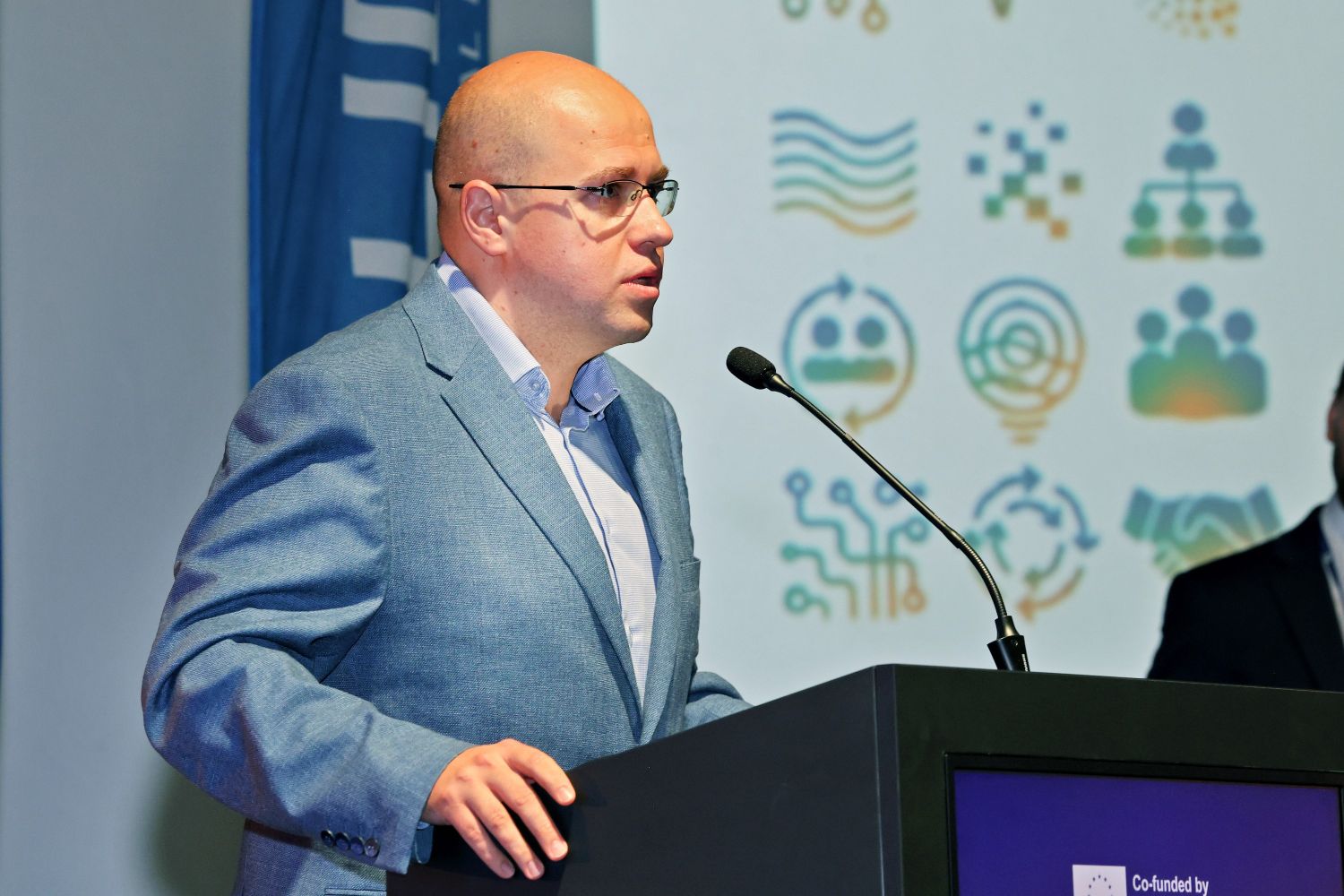
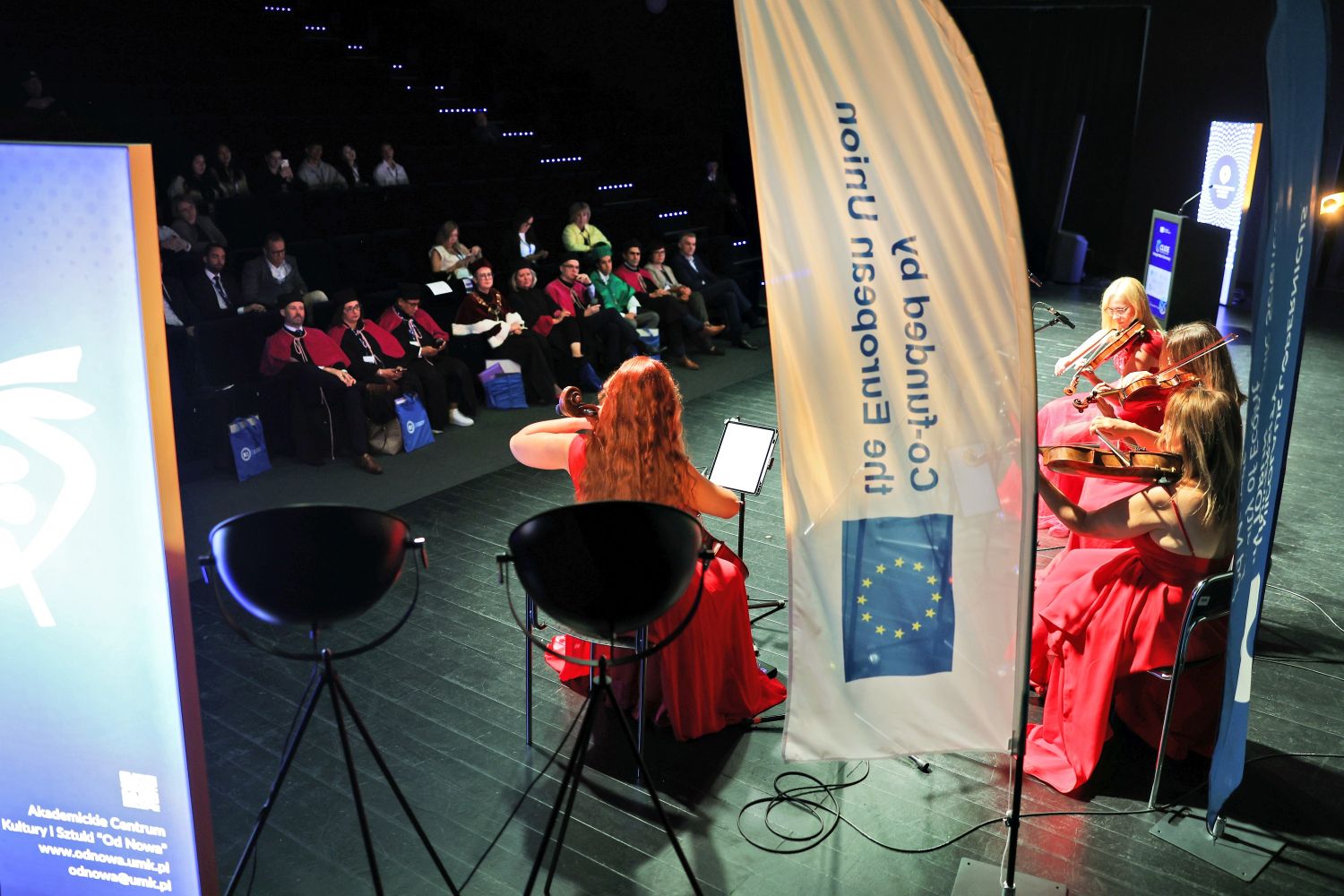
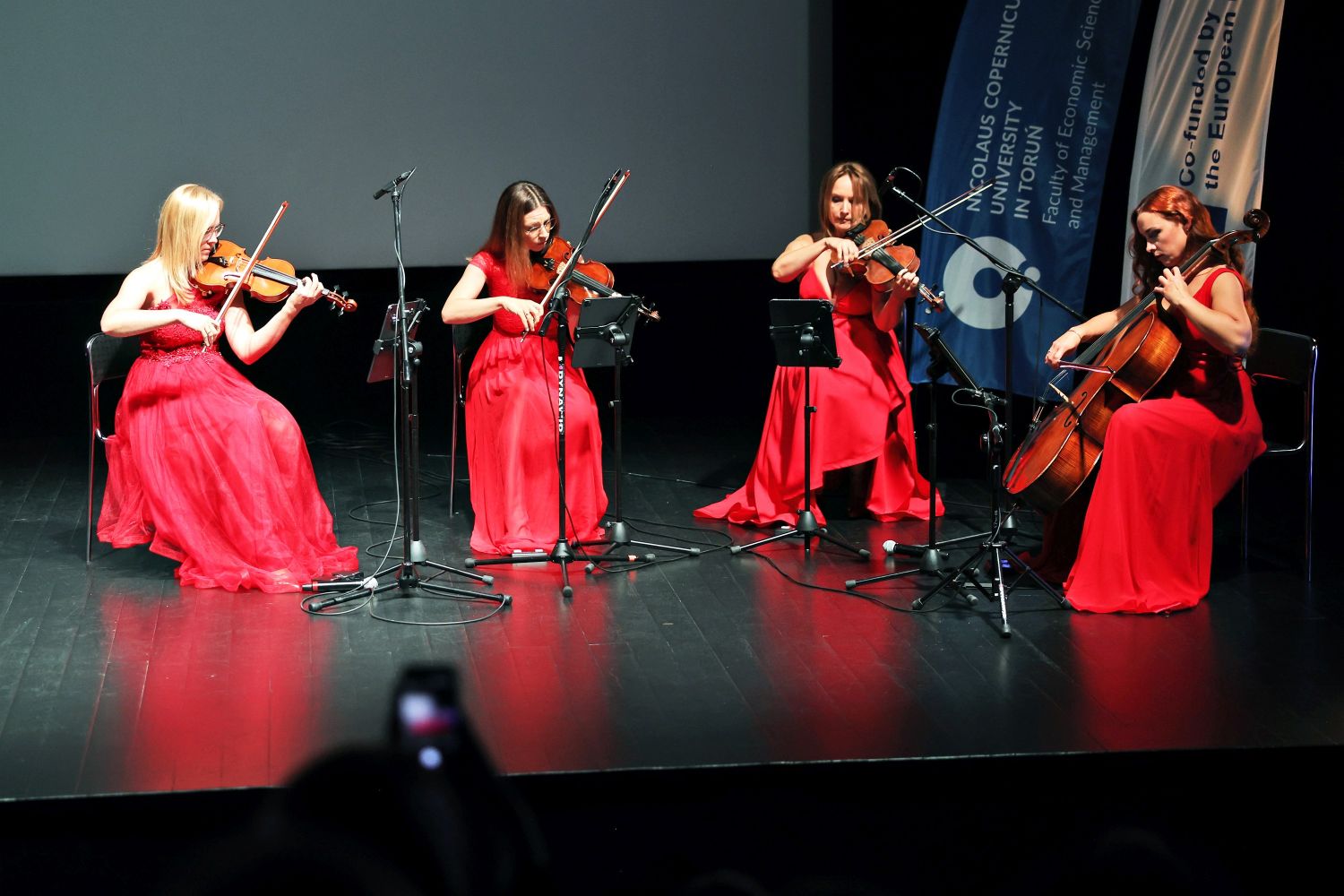
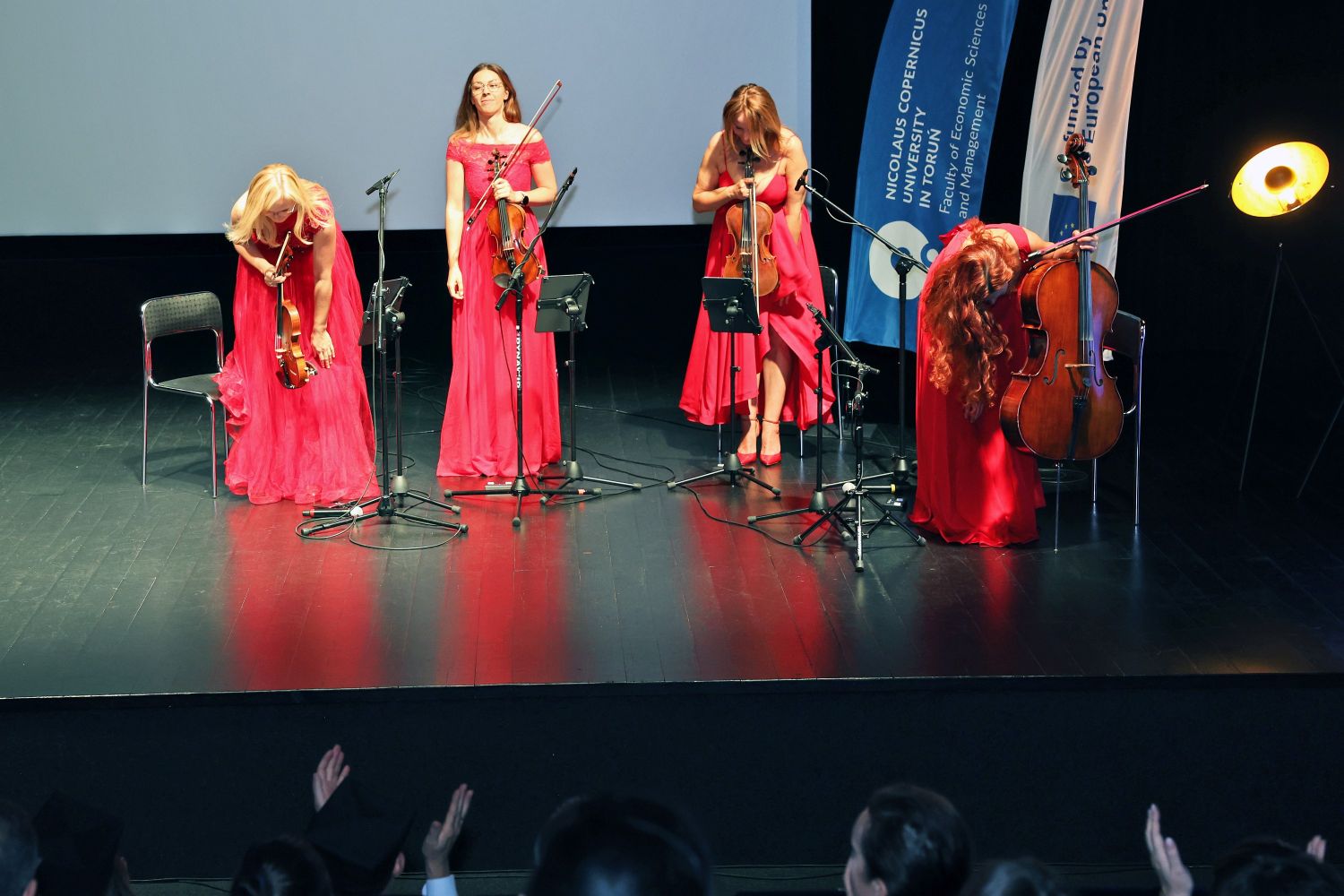
The official launch of the programme, which took place on 17 th September at the Od Nowa club, was a particularly festive occasion. The students were welcomed by, amongst others, dr habil. Magdalena Barwiołek, NCU Prof. and Vice-Rector for International Relations, and dr Aranka Ignasiak-Szulc, Vice-Dean for International Cooperation at the Faculty of Economic Sciences and Management. The partner universities were represented by: prof. Houssine Azeddoug, President of Hassan II University of Casablanca; prof. Mustapha Lkhider, Vice-President for Research, Cooperation and Partnerships at Hassan II University of Casablanca; prof. Fatima Zahra Alami, Dean of the Faculty of Law, Economics and Social Sciences at Hassan II University of Casablanca; prof. Andreas Auinger, Dean of the School of Business and Management at the University of Applied Sciences Upper Austria; prof. Emilio Berrocal de Luna, Head of the Master's Programme in Social and Legal Sciences, Arts and Humanities at the University of Granada; prof. Jose Alberto Castaneda Garcia, Dean of the Faculty of Economics and Management at the University of Granada, and prof. Volodymyr Vovk, Director of the Scientific and Educational Institution of Management and Marketing at Simon Kuznets Kharkiv National University of Economics.
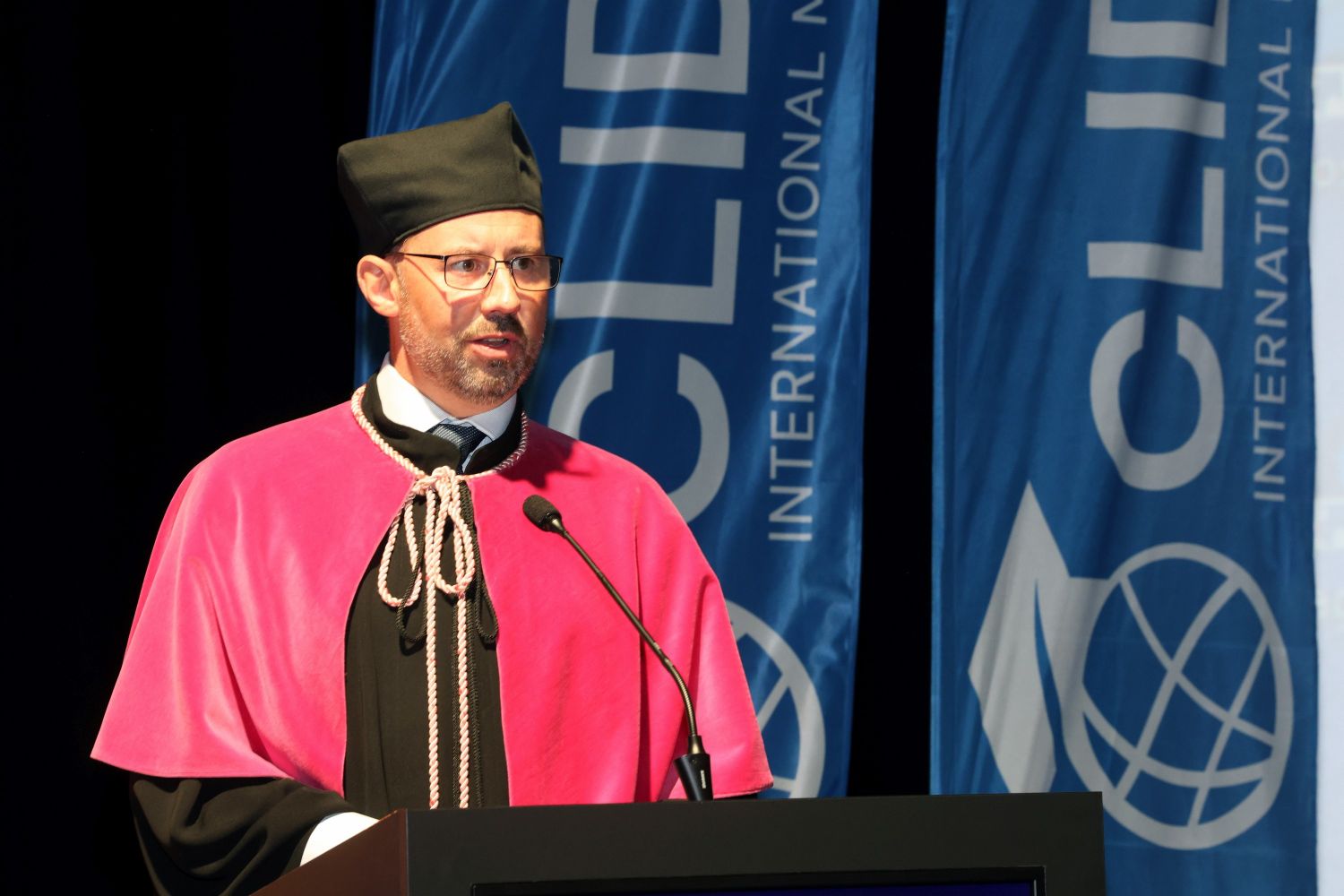
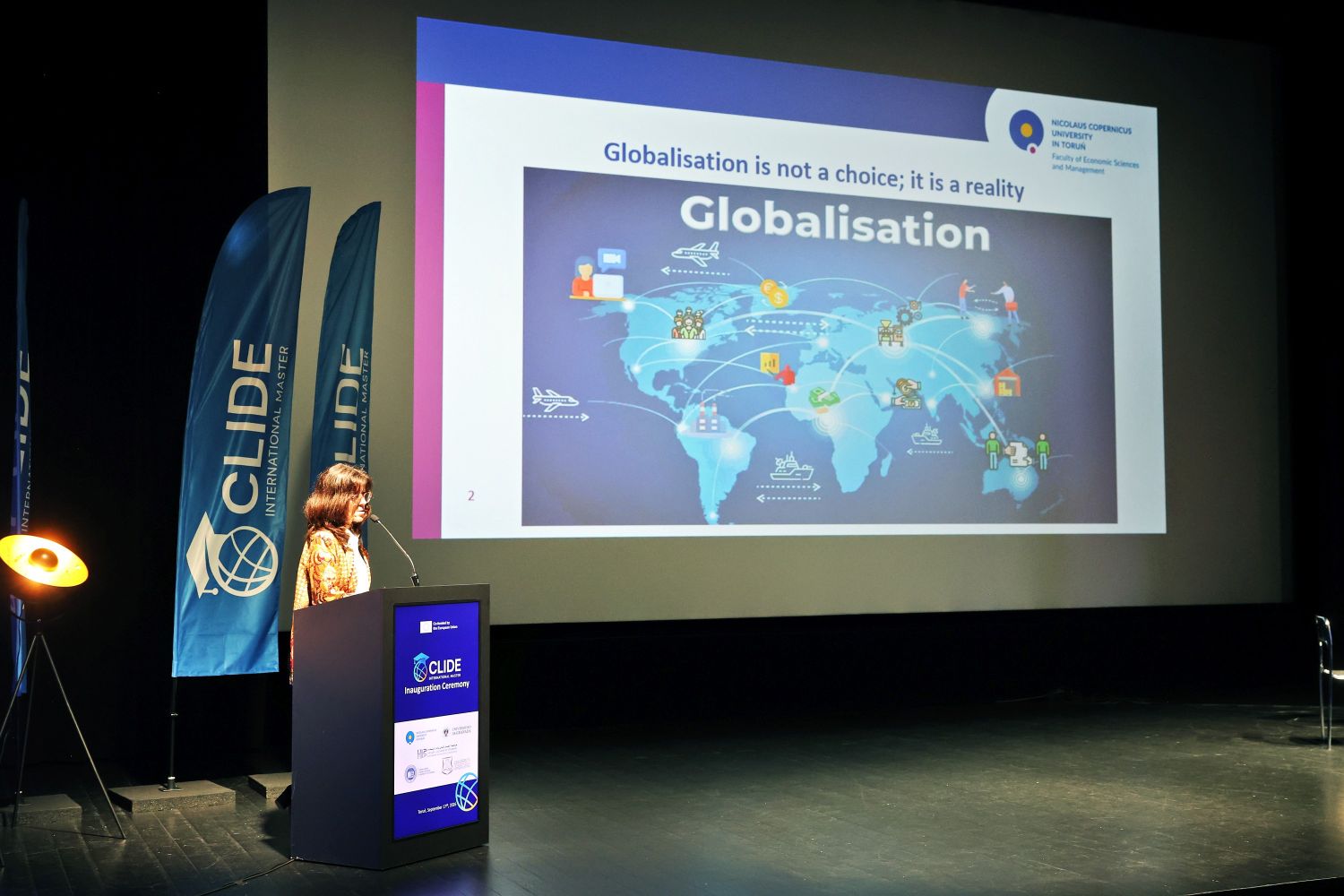
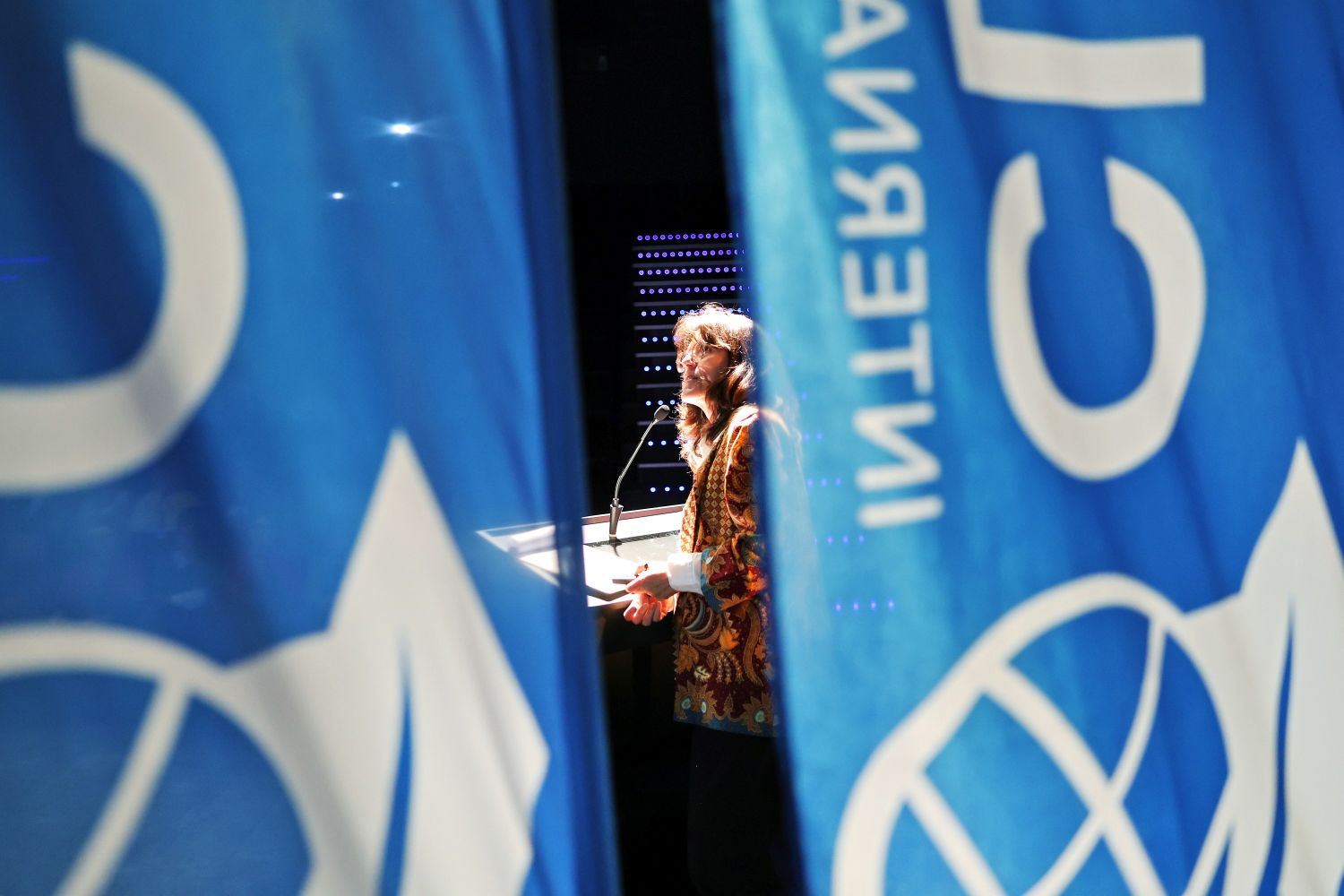
During the opening ceremony, several speakers emphasised that the CLIDE's strength lies in its diversity. International cooperation does not mean standardising experiences, but rather learning from one another and drawing on differences as a source of knowledge. The role of leadership in a world shaped by technology was also a key theme of the speeches. Digital transformation is making organisations increasingly international, with teams working across national borders and contact between people easier than ever before. Technology alone, however, is not enough to build understanding. Representatives from partner universities encouraged students not to view international mobility merely as a means of earning further credits. A stay in different countries should, above all, be an experience of encounter – an opportunity for conversation, for challenging one's own beliefs and for discovering other ways of understanding the world.
International joint degree programmes run under the Erasmus Mundus Joint Masters scheme are recognised worldwide. The best candidates compete for places on the programme, and some of them can count on generous scholarships provided by European funds. A hallmark of EMJM programmes is the compulsory mobility of students, which is why the courses take place at several universities.
The Intercultural Leadership programme within the CLIDE is designed to meet the needs of students as future professionals in various settings involving the management of dispersed, intercultural and international teams. In light of the ongoing digital transformation of organisations, there is a growing demand for specialists with the digital and leadership skills necessary to manage complex teams. The programme aims to enhance students' international experience in leadership and digital skills, and to improve their employability through a policy of compulsory work placements.
The Faculty of Economic Sciences and Management is the coordinator of the CLIDE programme at Nicolaus Copernicus University.