 NCU News
 Natural sciences
A space experiment involving Nicolaus Copernicus University


Nearly all the genes of algae taken into space by Dr Sławosz Uznański-Wiśniewski responded to stress conditions: transport to orbit and stay on the ISS under microgravity and cosmic radiation. Scientists are now determining why certain genomic changes were observed more frequently in samples from the station than in those from Earth.
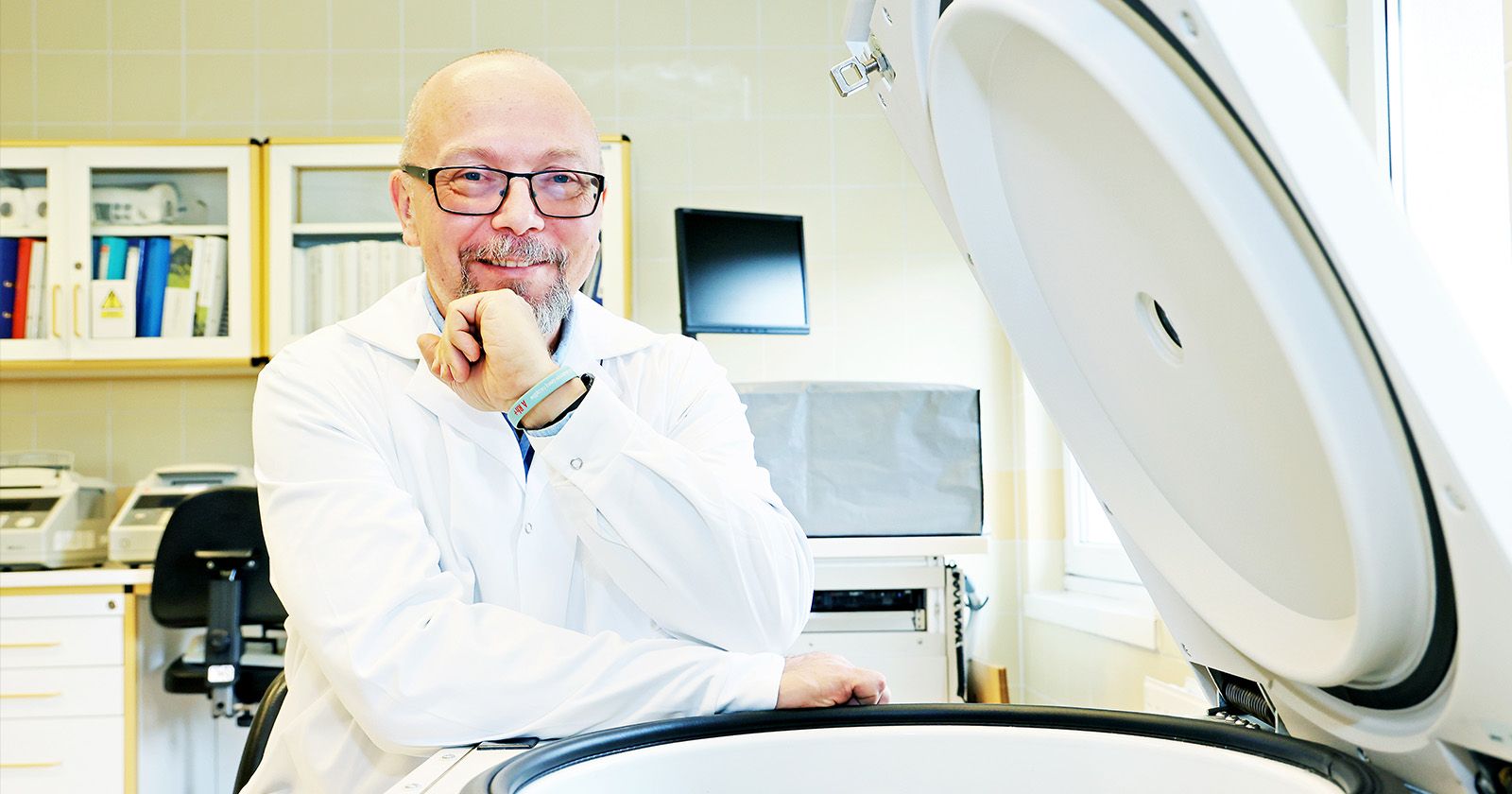
The initiator and coordinator of the algae research conducted on the International Space Station (ISS) is Extremo Technologies, a company based in Wrocław, which selected scientists from Poland and around the world for collaboration. Among them is Prof. Marcin Woźniak, Head of the Department of Forensic Medicine at the Faculty of Medicine of the Collegium Medicum of Nicolaus Copernicus University.
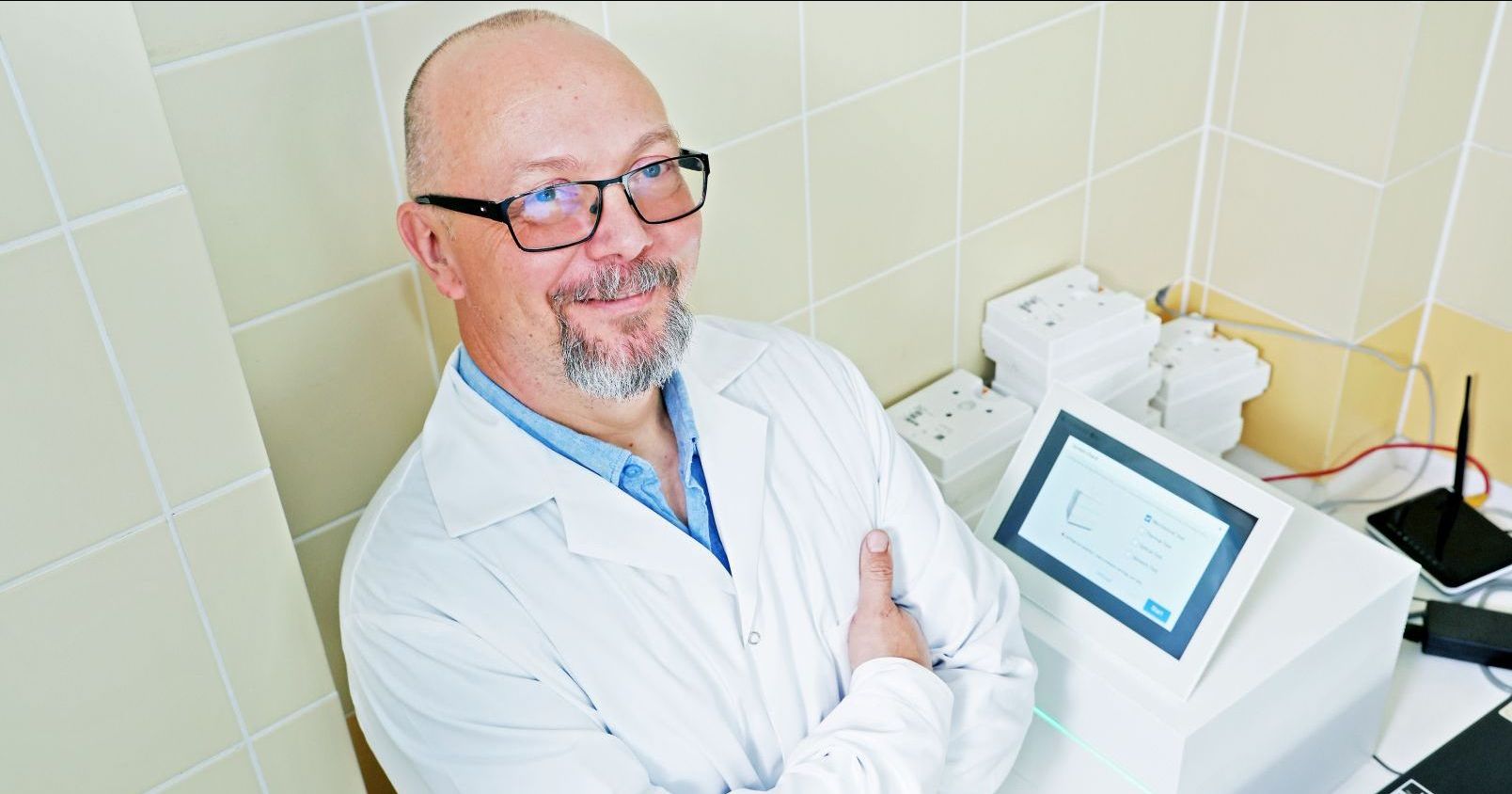
Prof. Woźniak is a forensic geneticist. This field of medicine increasingly focuses on genomic analyses which, based on the study of the human genome, make it possible to determine phenotypic traits such as hair or eye color. The Bydgoszcz-based scientist has been involved in genomics – comprehensive genome research – since the mid-1990s, which is why the management of Extremo Technologies became interested in collaborating with him during the Ignis space mission.
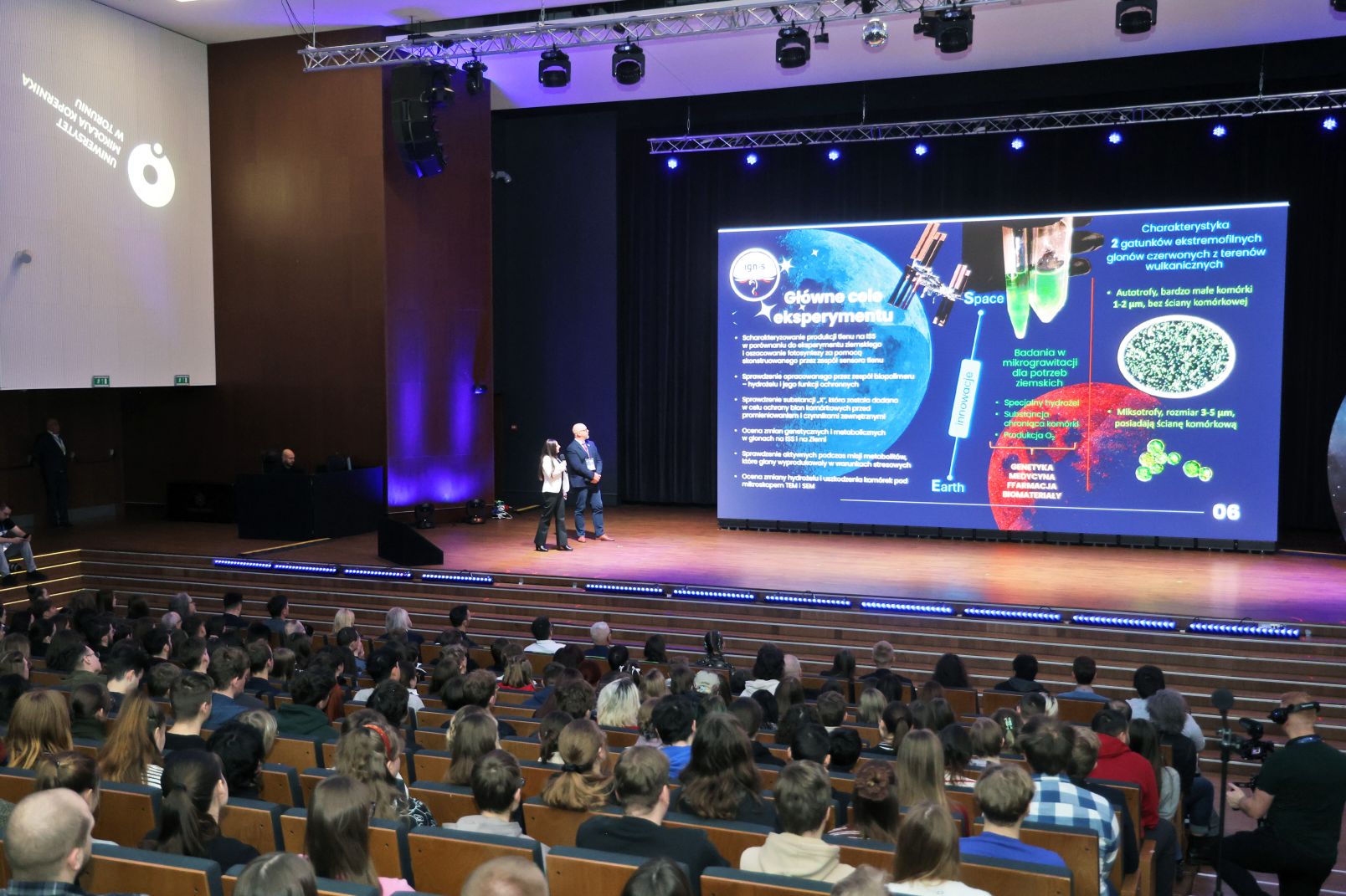
photo Andrzej Romański
As part of the experiment, extremophilic algae from volcanic areas were sent into space. They were placed in a specially designed mini-laboratory – an aluminum cube (the so-called Cube) – which was connected by a Polish astronaut to the ICE Cubes Facility in the Columbus module on the ISS. The project was divided into several parts, one of which involved testing the adaptation of algae to space conditions in terms of genetic changes. After the mission on the International Space Station was completed, the procedure was repeated on Earth (the so-called reference experiment) to compare the results of cultures conducted under terrestrial and space conditions. “Importantly, both experiments were carried out using the same cultivation device, so the conditions were similar, except that on the ISS we were dealing with microgravity and cosmic radiation," explains Prof. Woźniak. “After Dr. Sławosz Uznański-Wiśniewski returned to Earth, we examined both samples and performed identical analyses on them in order to compare the results."
Three research areas
Scientists conducted their research along three main lines. First, they measured oxygen production in real time using an innovative sensor installed in the Cube mini-laboratory, which had been specifically designed for this project. “From the preliminary results, we know that oxygen production in orbit, under weightless conditions, was higher than what we observed on Earth," confirmed the Extremo Technologies team. “We are currently trying to determine whether and which metabolic changes were responsible for this effect."
The second aspect of the research concerns changes in the structure of the algae cell wall. Observations using electron microscopes are being carried out by the Nencki Institute of Experimental Biology of the Polish Academy of Sciences. “Visible changes have occurred in the structure of cell walls and membranes, and we will continue to investigate their causes," reports Prof. Woźniak.
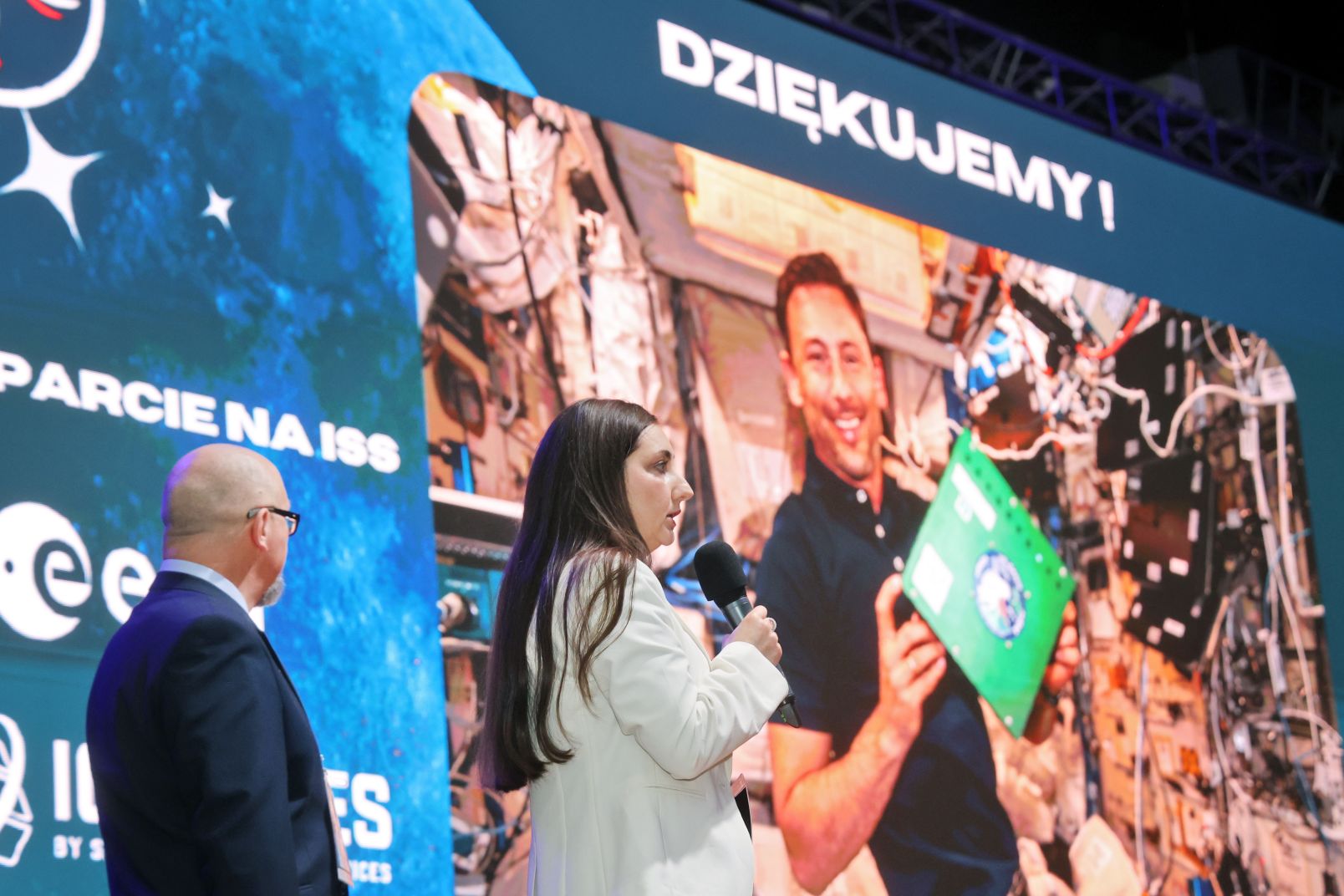
photo Andrzej Romański
Samples intended for genetic analysis were sent to the Collegium Medicum of Nicolaus Copernicus University. Prof. Woźniak explains that the analyzed algae are unicellular organisms with a genome structure that is highly simplified compared to other eukaryotes. The scientists studied two different species, one of which lacks a cell wall – an exceptional feature in the world of algae and plants. “In eukaryotic organisms, for example in humans, genetic information is highly dispersed – only a small fraction of the genome consists of genes, i.e. protein-coding sequences, while the rest comprises non-coding and regulatory regions," explains the Bydgoszcz-based researcher. “The genome of the algae used in our experiment is highly compact, consisting almost entirely of coding sequences, which makes it very similar to bacterial genomes. Our algae have around 5,000 genes, which is relatively few. For comparison, Escherichia coli, a bacterium commonly used in laboratories, has about 6,000 genes, while humans have approximately 20,000 genes (but these account for only about 2 percent of the entire human genome)."
Response to space conditions
An important aspect of genomic-level research involves changes in gene expression, that is, analyses of which genes were activated or deactivated and which produced more or less RNA. “Above all, we observed that nearly all genes responded in some way to the change in conditions," says Prof. Woźniak. “Out of 5,000 genes, around 4,000 showed differences in expression between orbital and terrestrial conditions, so we can say that we were dealing with a mass response. Detailed analyses are ongoing to determine which genes responded and to what extent. The strongest response was observed in genes associated with the synthesis of nucleic acids – DNA and RNA – as well as protein synthesis. The cells began to adjust their metabolism to the new conditions. And it was not the case that only one culture reacted – this occurred in several independent samples from the ISS in a highly reproducible manner. The key question now is to identify the molecular mechanisms underlying these changes, which is what we are currently investigating."
The research currently being conducted by the scientists is only the beginning of a series they intend to continue in cooperation with other centers that are also planning to send extremophilic algae into space in future missions.
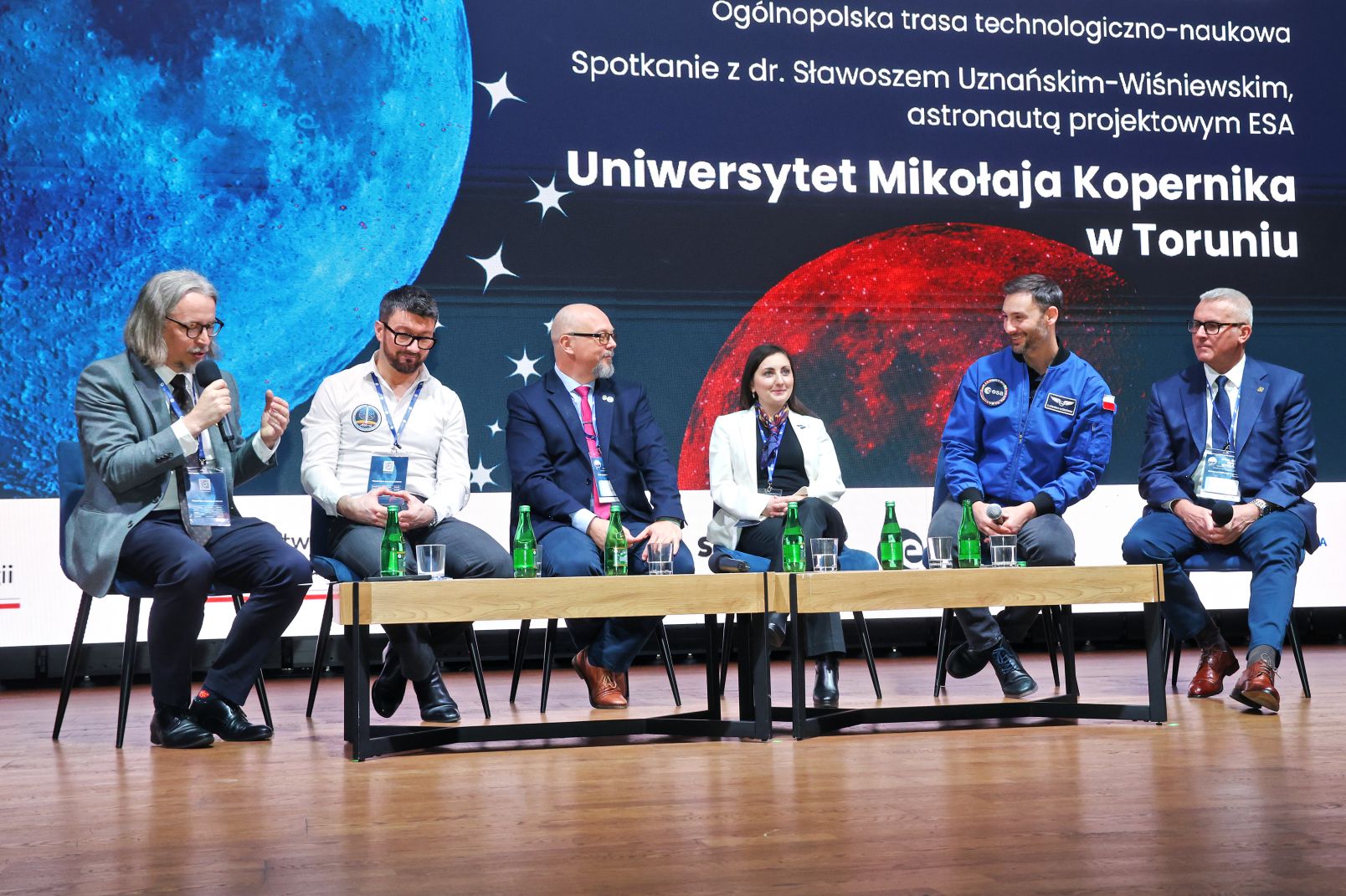
photo Andrzej Romański
One of the issues that certainly needs to be clarified is the impact of changing conditions during the algae's return to Earth. For technical reasons, it was not possible to freeze them in orbit, that is, to preserve them in the metabolic state they were in while in space. After the capsule landed, the algae were immediately transported to land and frozen. “We tried to minimize this window of gravitational influence as much as possible, but it could not be completely eliminated," explains Prof. Woźniak. “Despite this, the algae retained a cellular memory of the orbital environment and the changes that occurred in them on the ISS."
A challenging patient
It should be noted that the extremophilic algae sent into space are not well-studied organisms, particularly in terms of space conditions.
An additional challenge for the experiment was obtaining high-quality DNA and RNA. In the case of standard organisms commonly studied, such as the aforementioned Escherichia coli, scientists have well-developed and repeatedly tested protocols that allow genetic material to be obtained in a predictable and reproducible manner. Here, too, we were dealing with an experiment. “We had to carry out a series of tests and optimizations to obtain suitable material," explains Prof. Woźniak. “We were not certain whether methods developed on Earth would prove effective for algae returning from space."
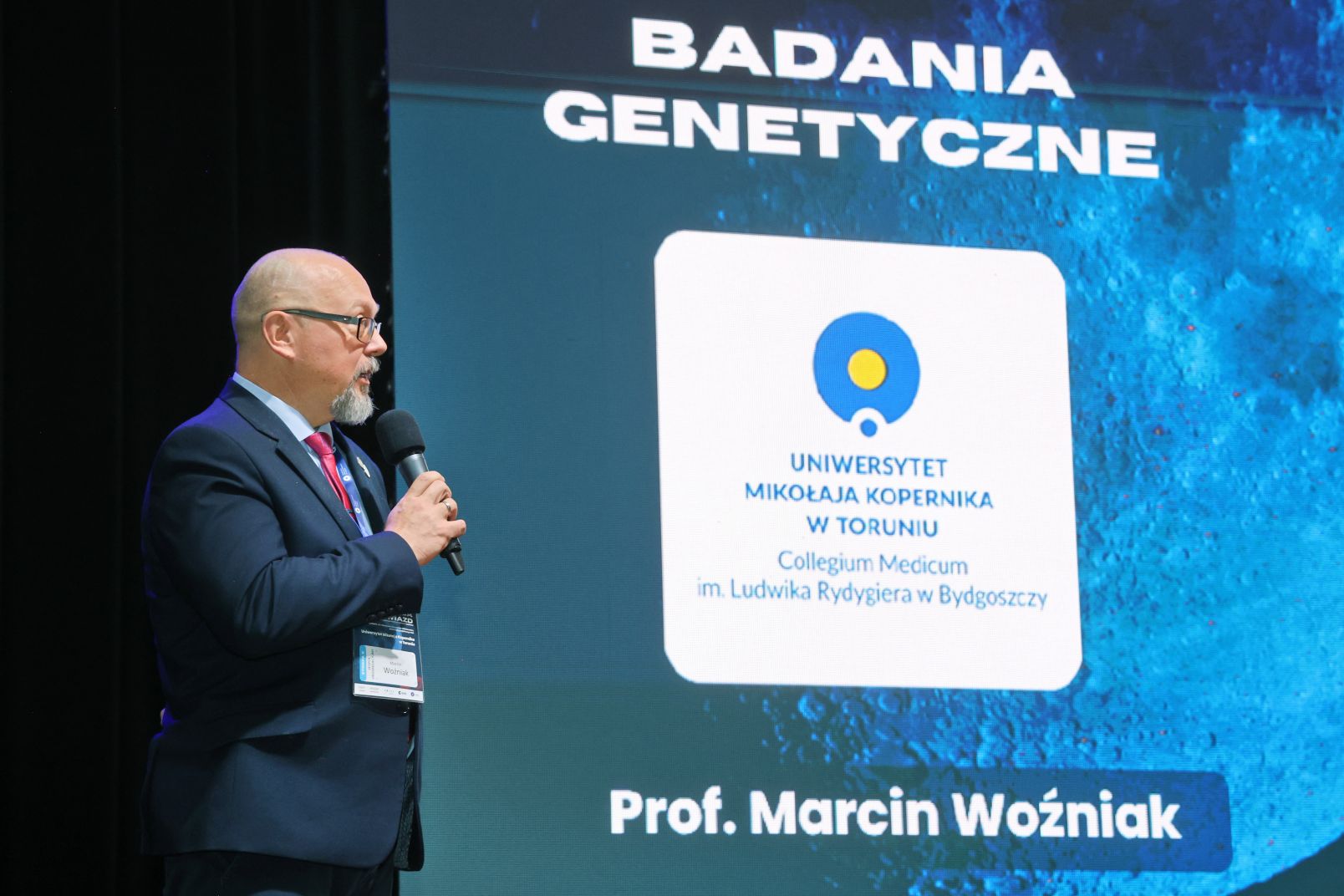
photo Andrzej Romański
The experiment has been designed with the future in mind – the microorganisms under study could be used to improve closed-loop life support systems, produce nutrients on spacecraft and in space bases, or participate in waste processing. Thanks to research conducted, among others, by Extremo Technologies, it is known that extremophilic algae possess a number of highly interesting properties that could already be utilized on Earth. This was also the aim of the experiment: to ensure that what has been tested under the most extreme conditions can enhance biotechnology applied under terrestrial conditions. On Earth, the natural habitats of the studied algae include volcanic fumes, rocks near volcanoes, water bodies containing dissolved heavy metals, and hot geysers. They can withstand high concentrations of toxic substances, hydrogen sulfide, and carbon dioxide. Owing to these traits, which enable them to survive in extreme environments, they represent potentially valuable material for applications in both terrestrial and space biotechnology. “I would also like to emphasize that the experiment was equally important from the perspective of medicine and pharmacology," says Prof. Woźniak. “In some of the samples, a substance was applied that protects algal cells against desiccation as well as UV and ionizing radiation. We are now investigating how this substance affected genome protection in orbit and on Earth."
In order for algae to be used on an industrial scale, their physiology and responses to various stress conditions – to which these simple organisms are particularly susceptible – must be thoroughly understood. The goal of the Extremo Technologies team is to harness the natural adaptations of extremophilic organisms to increase their usefulness in long-term space missions. An organism that adapts quickly and is genetically flexible will be better able to adjust to environmental changes through its defense mechanisms and metabolism, and consequently pass these traits on to subsequent generations – something that has already been partially demonstrated by the experiment in Earth orbit.
Ignis is the first Polish technological and scientific mission to the International Space Station. During a 19-day stay in space at the turn of June and July 2025, astronaut Dr. Sławosz Uznański-Wiśniewski conducted 13 scientific experiments and carried out an extensive educational program for children and young people. The Polish astronaut performed research under microgravity conditions on, among other topics, astronaut health, the microbiome, new materials and technologies, including the use of artificial intelligence.
Useful links:
• Extremo Technologies
• European Space Agency (ESA)
• Polish Space Agency (POLSA)
• Ministry of Development and Technology