 NCU News
 Social sciences
Academic colloquium with Harvard


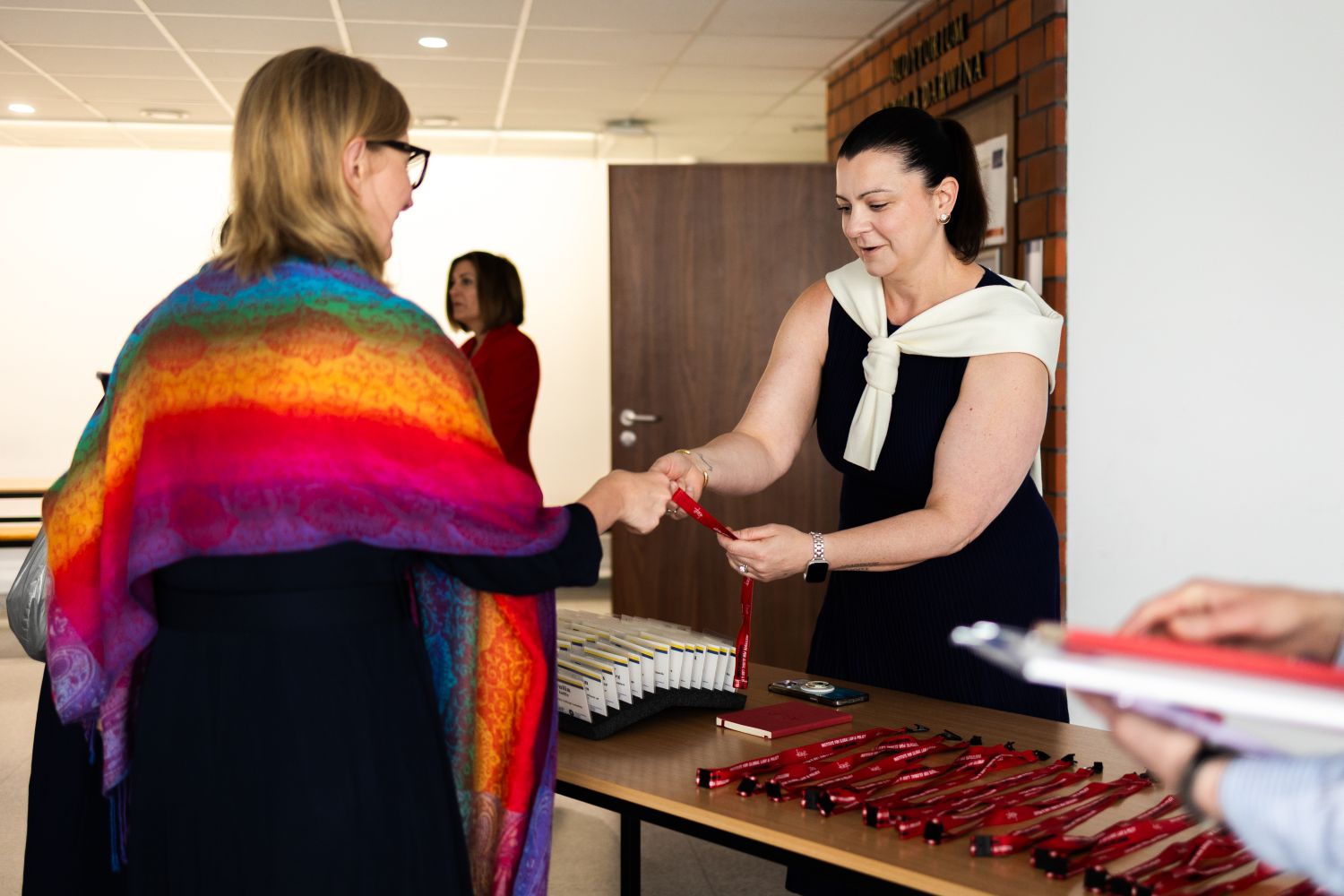
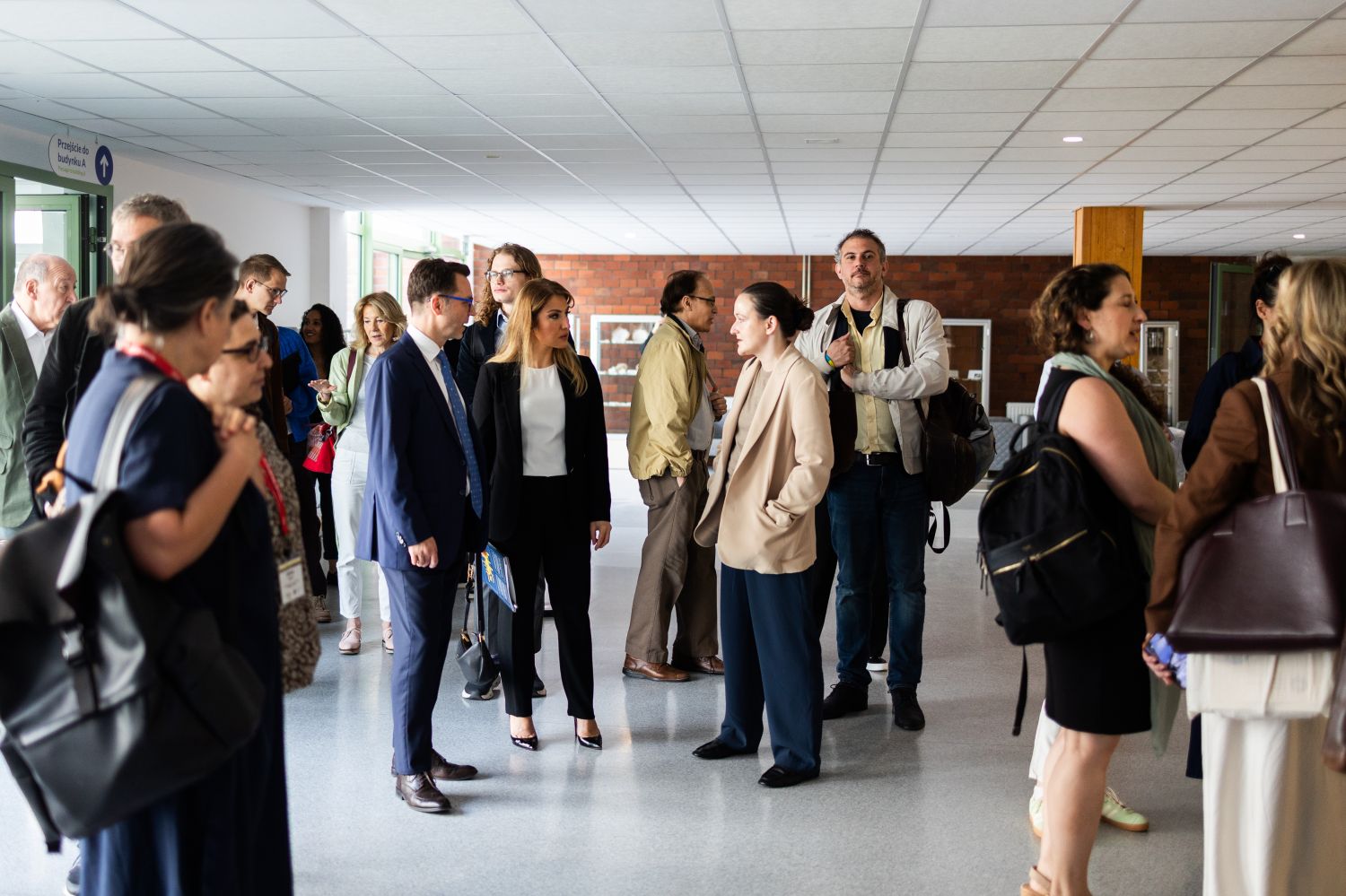
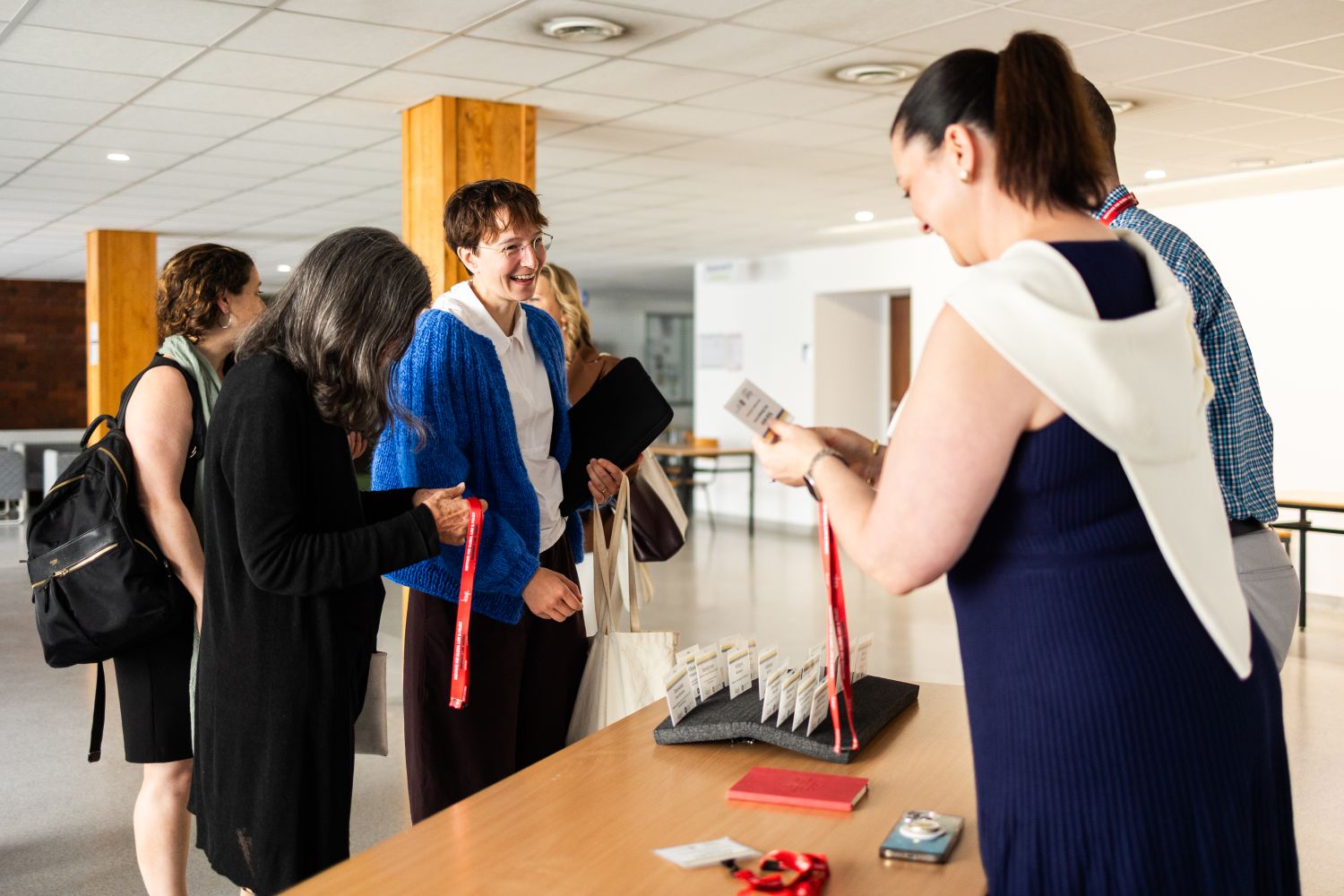
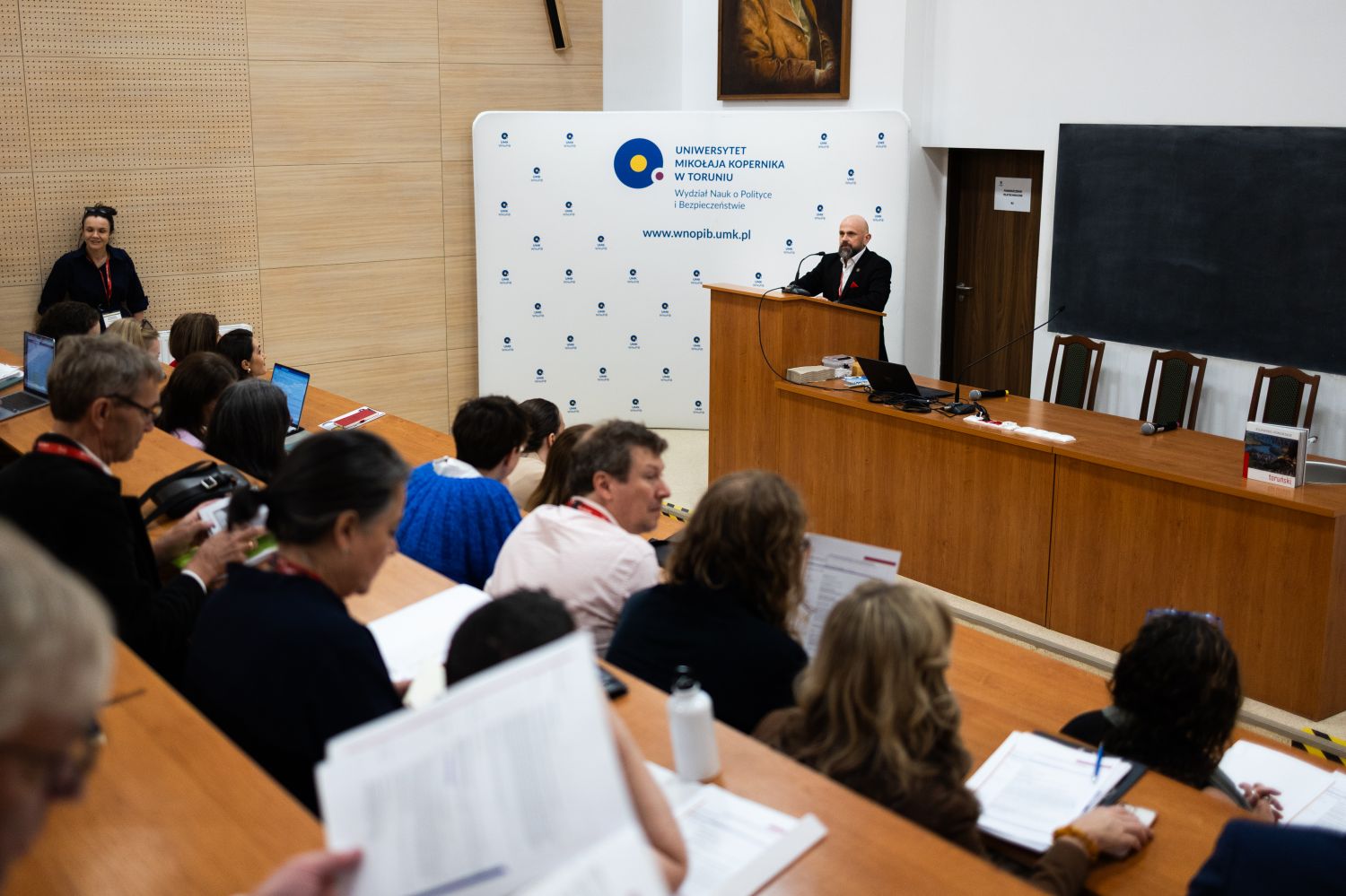
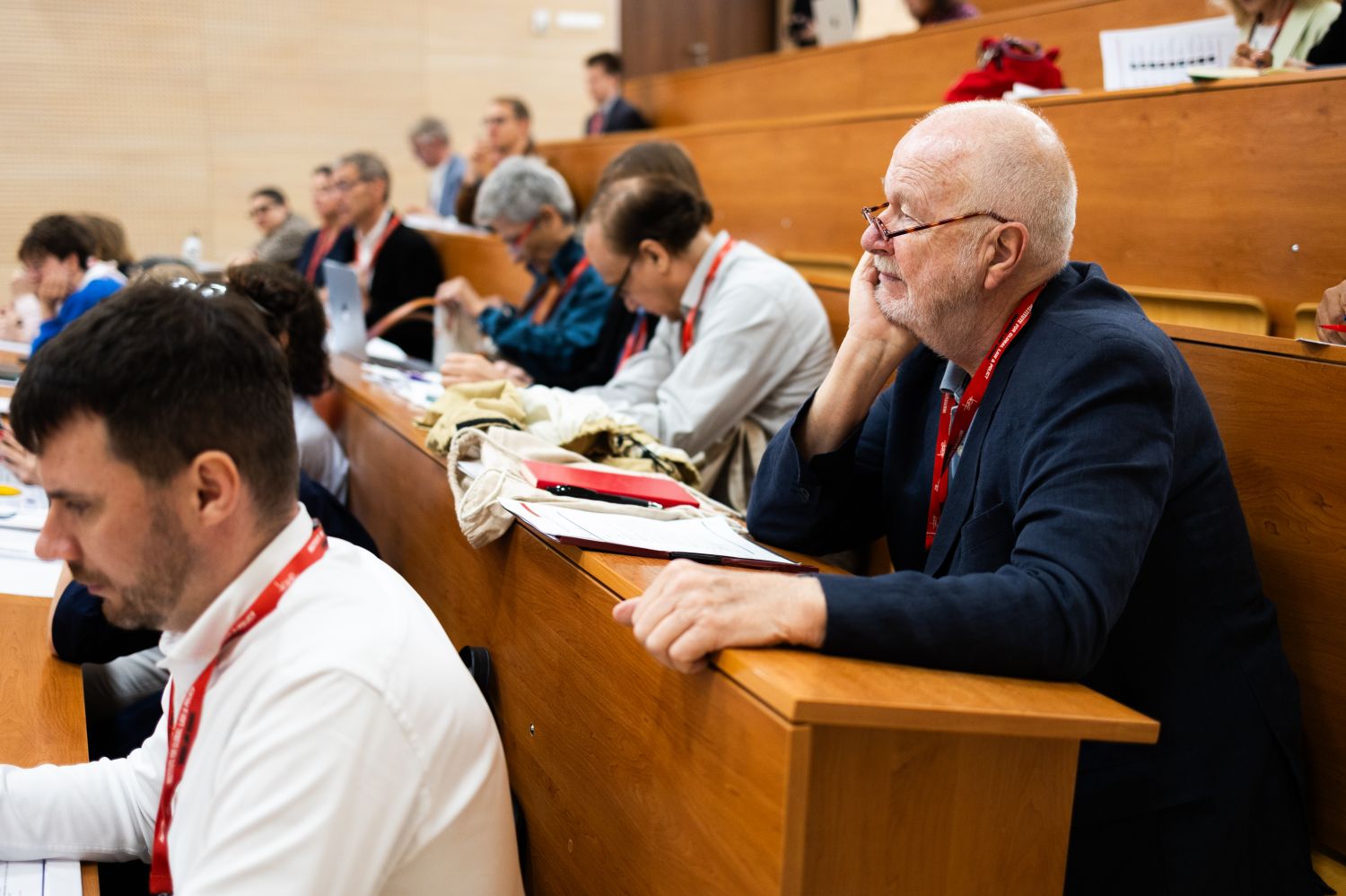
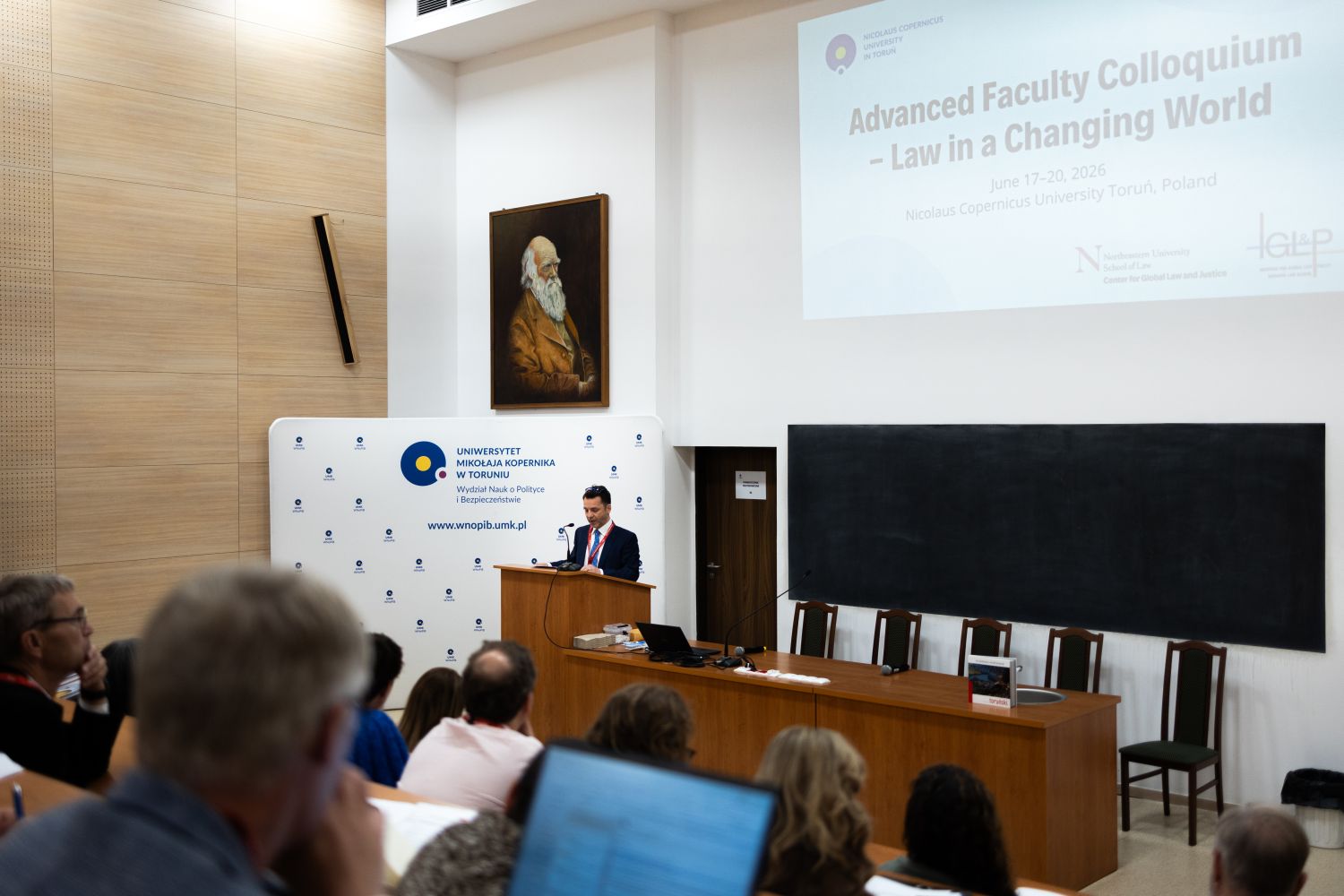
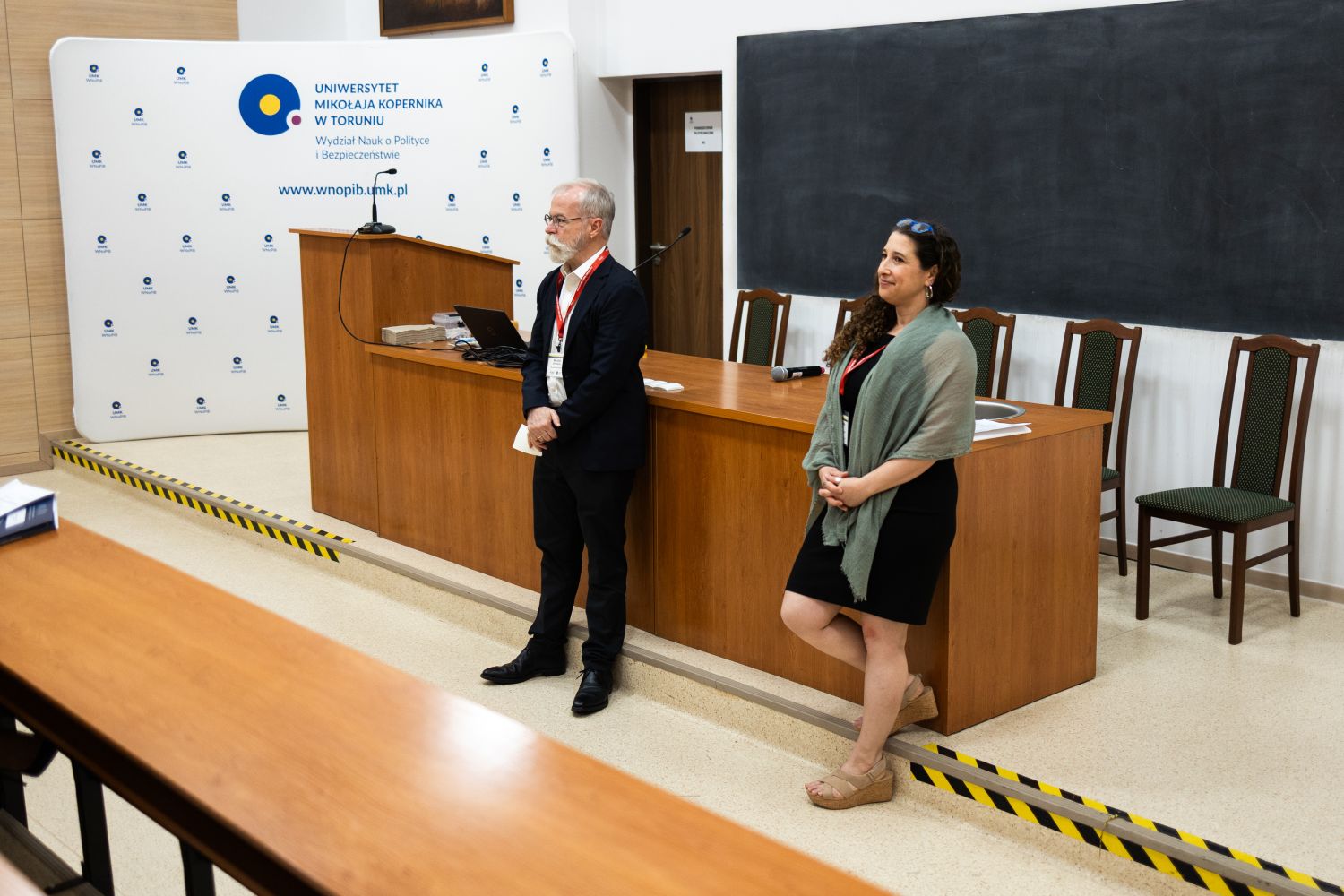
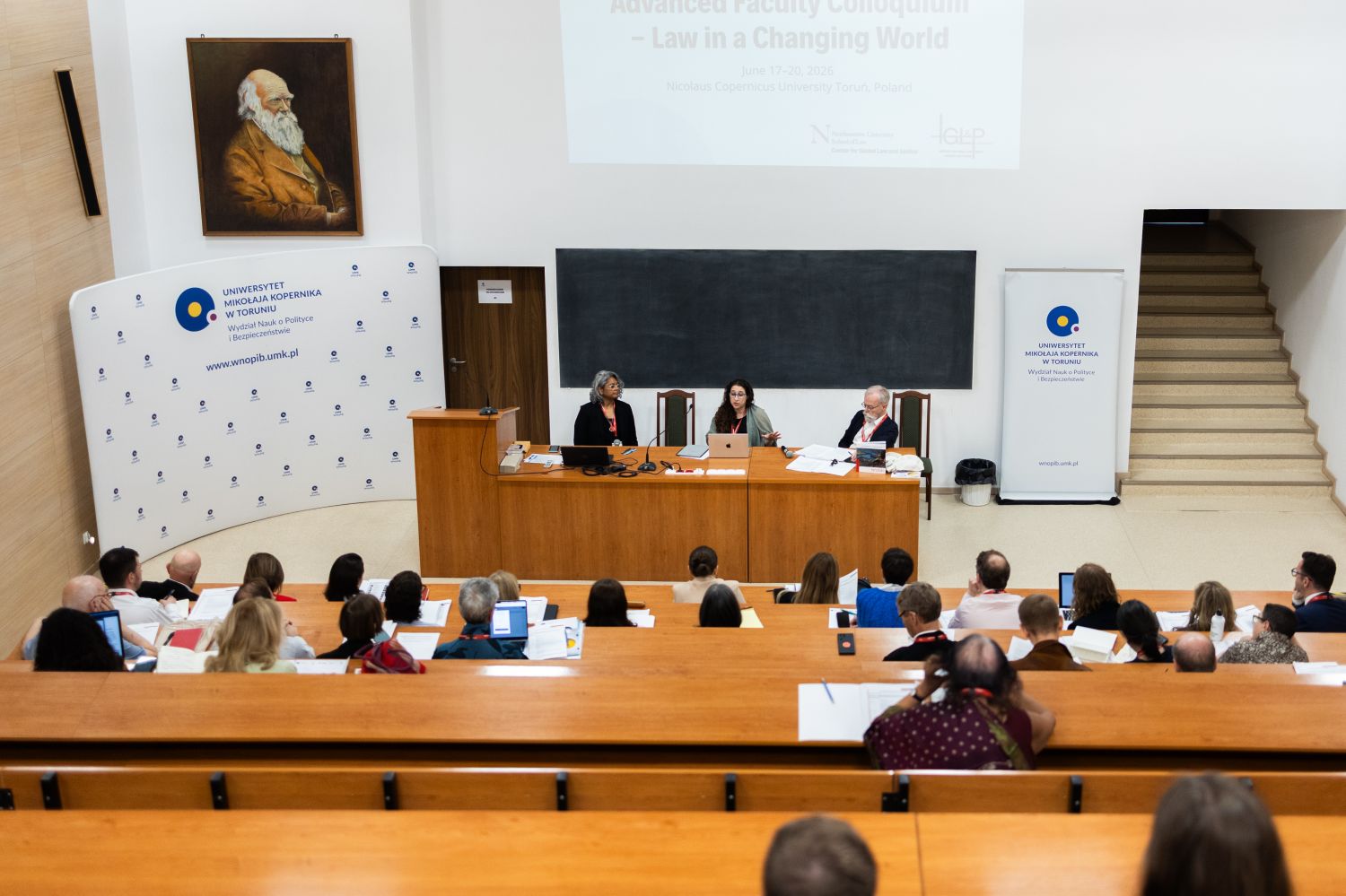
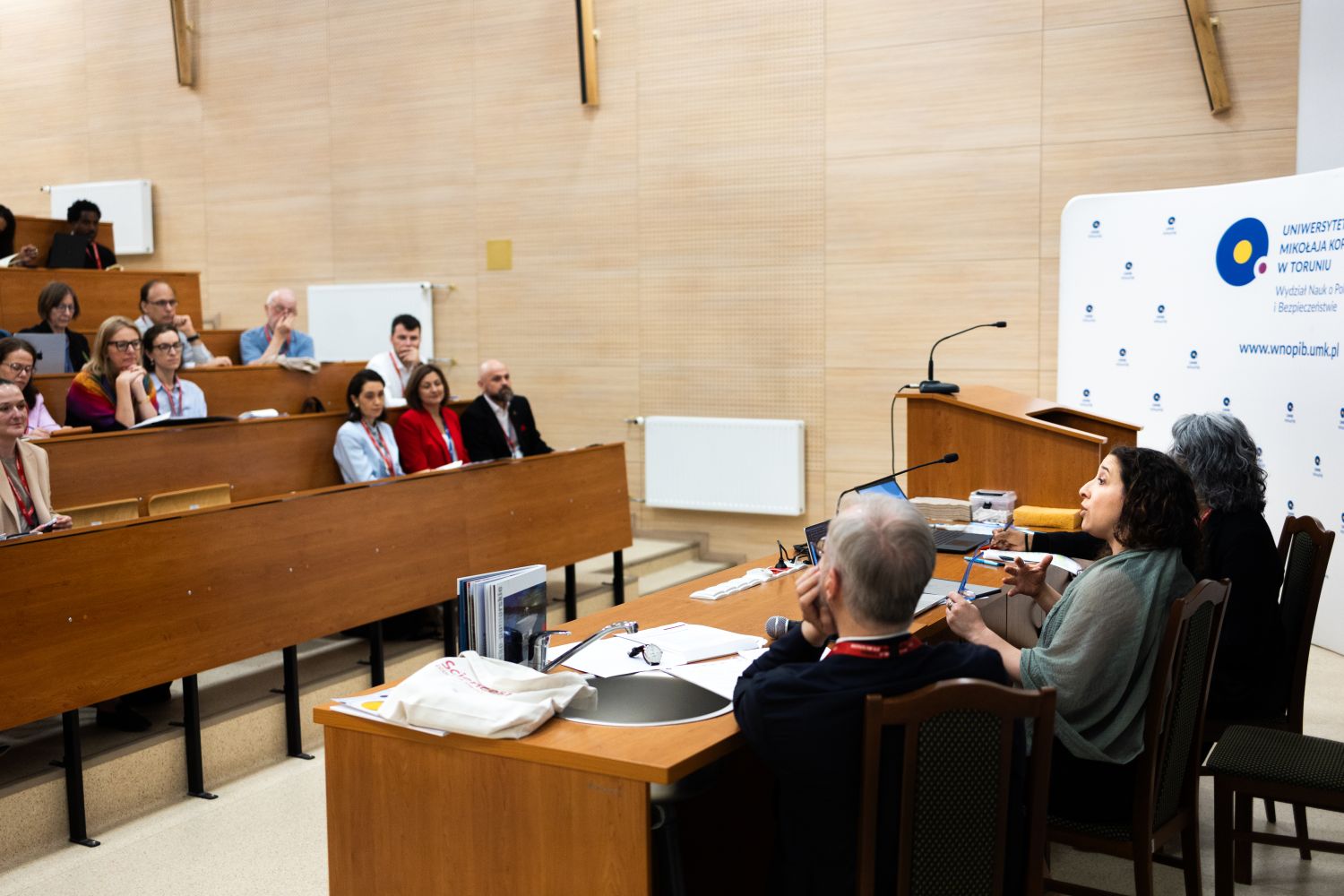
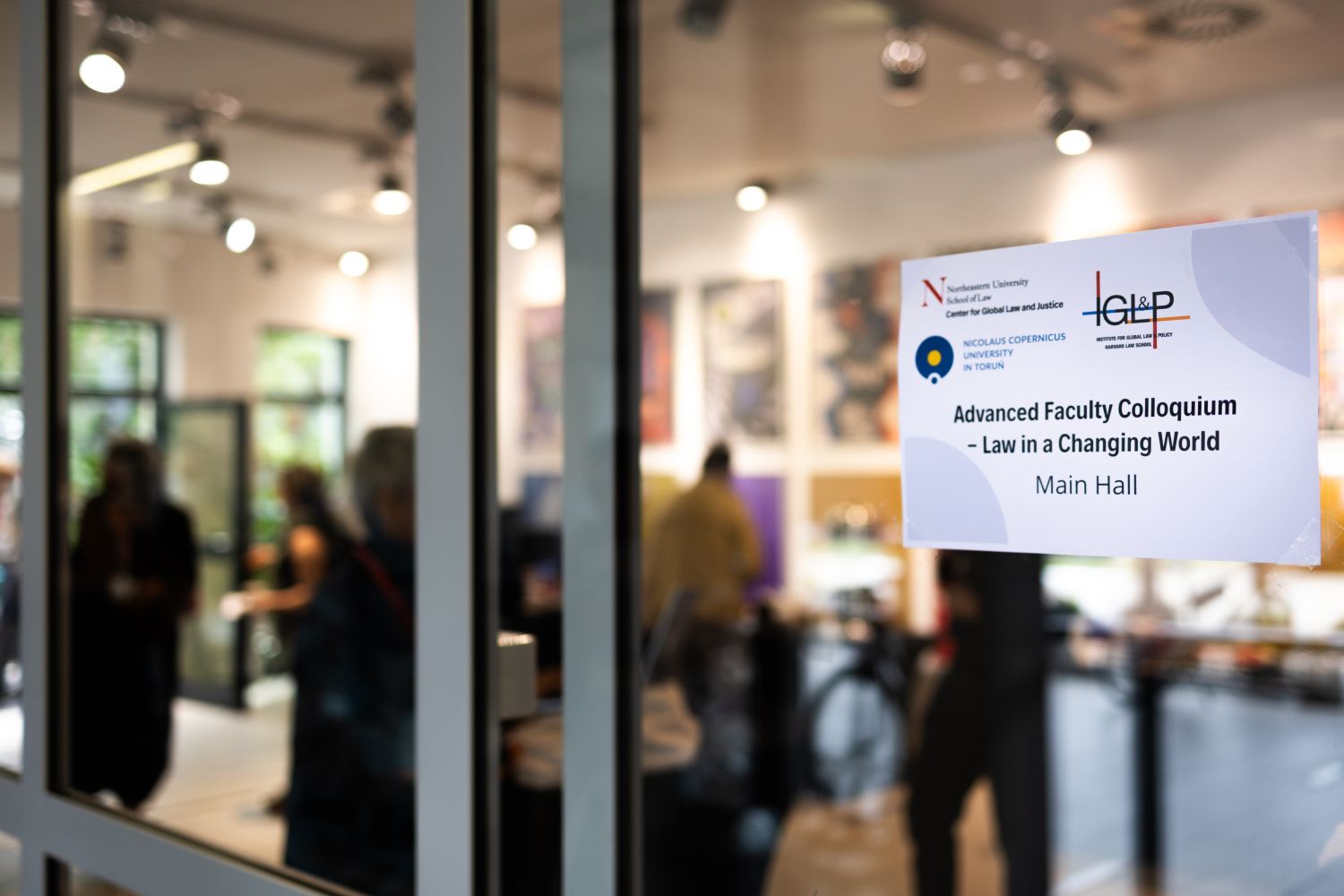
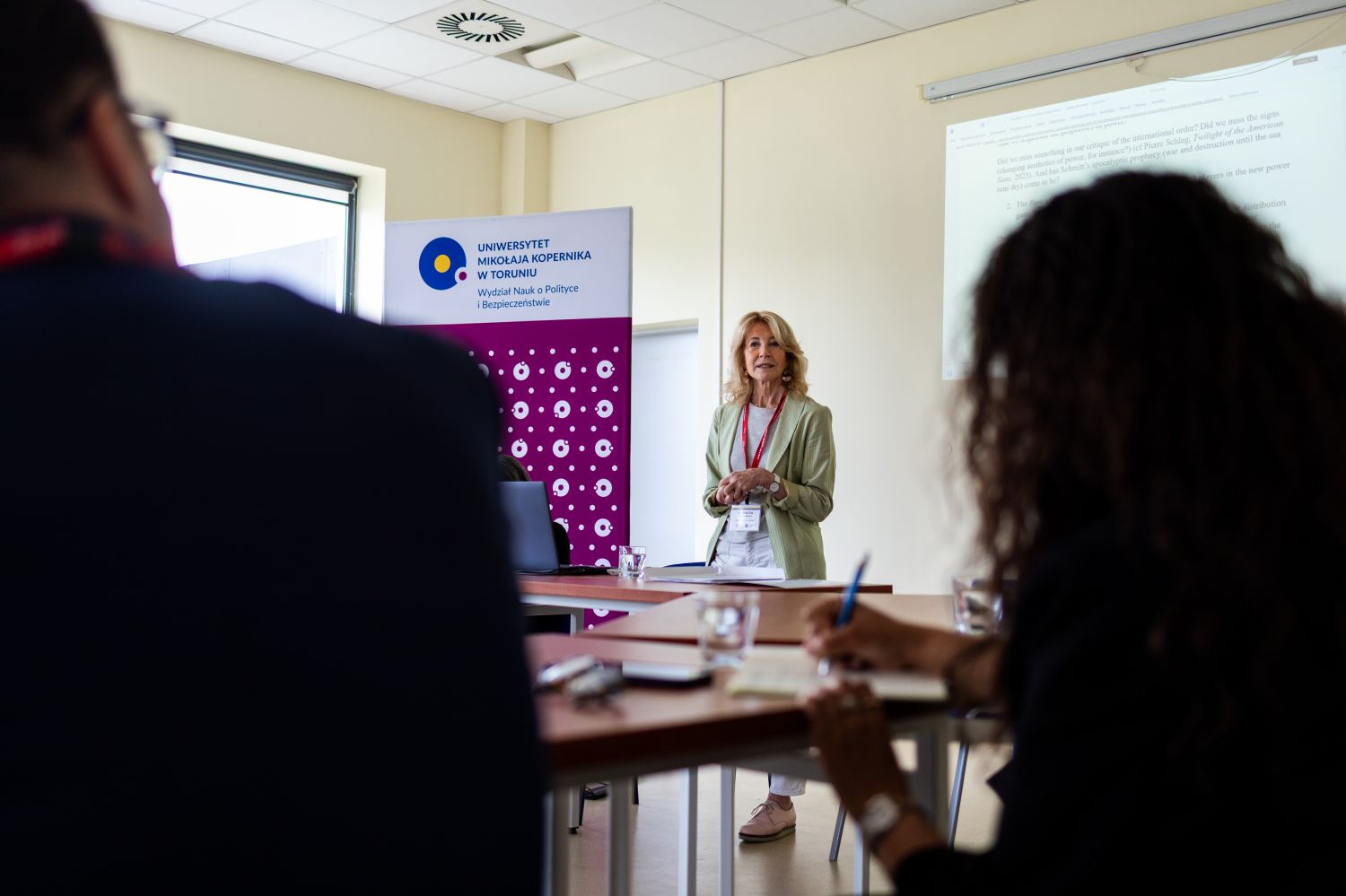
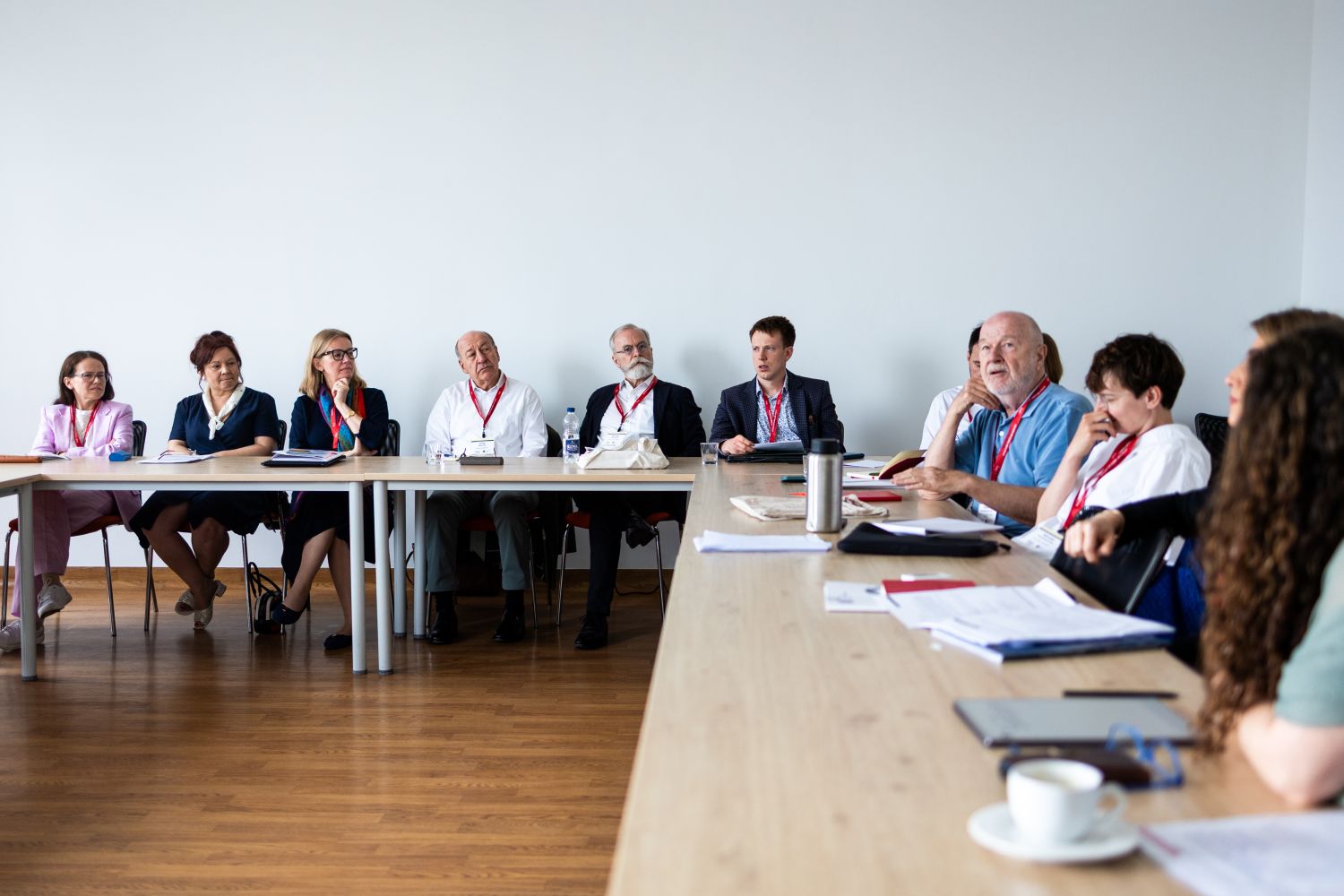
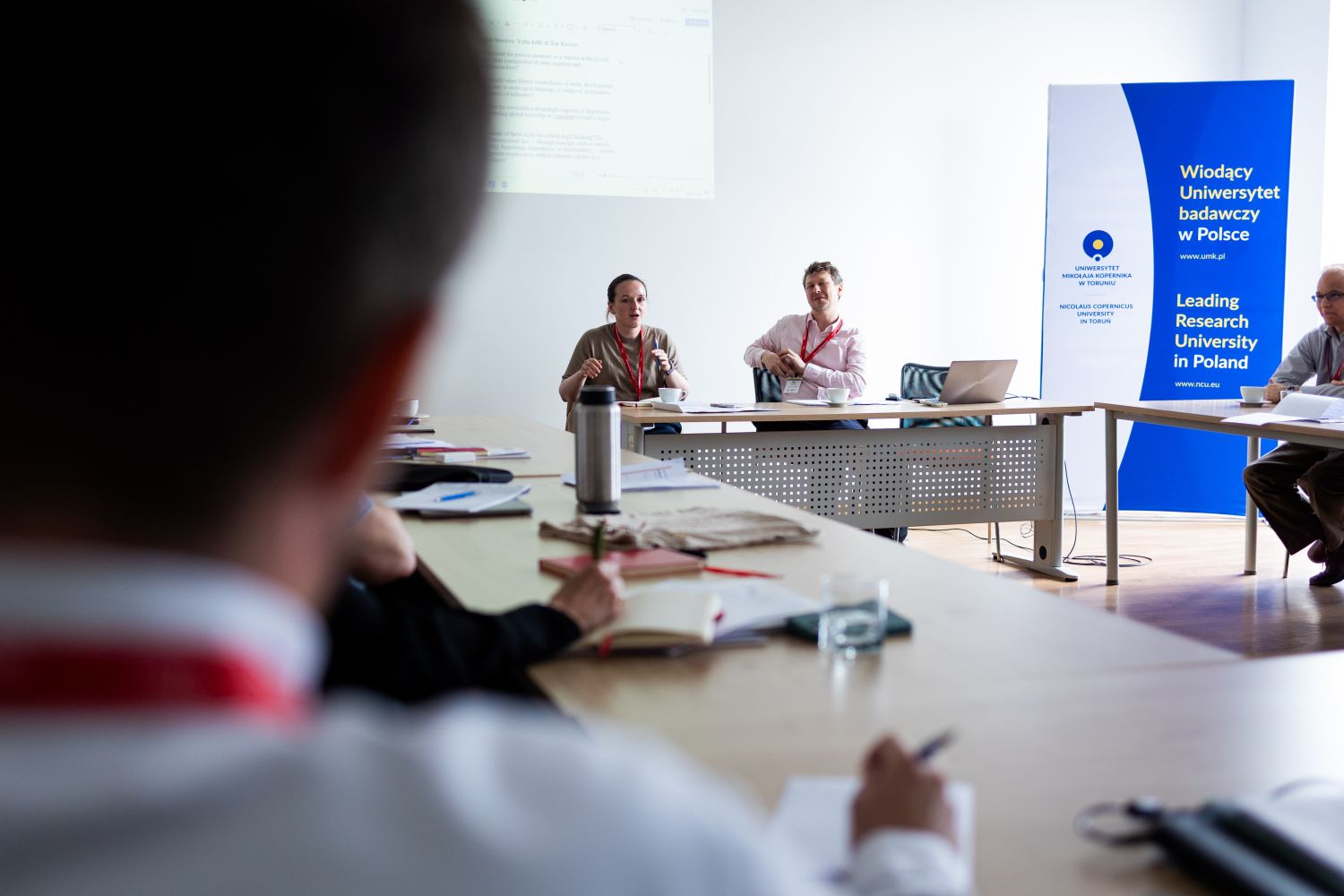
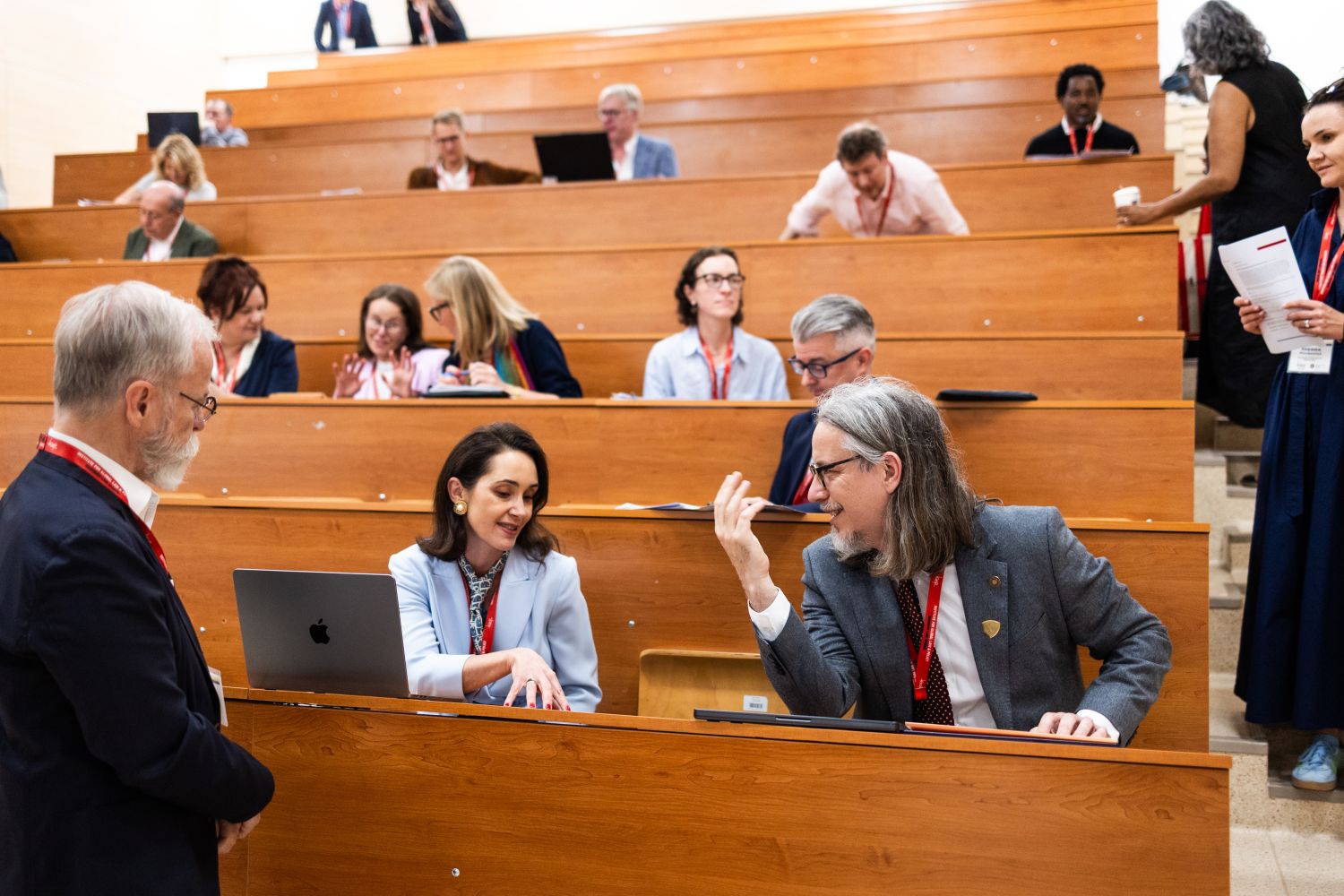
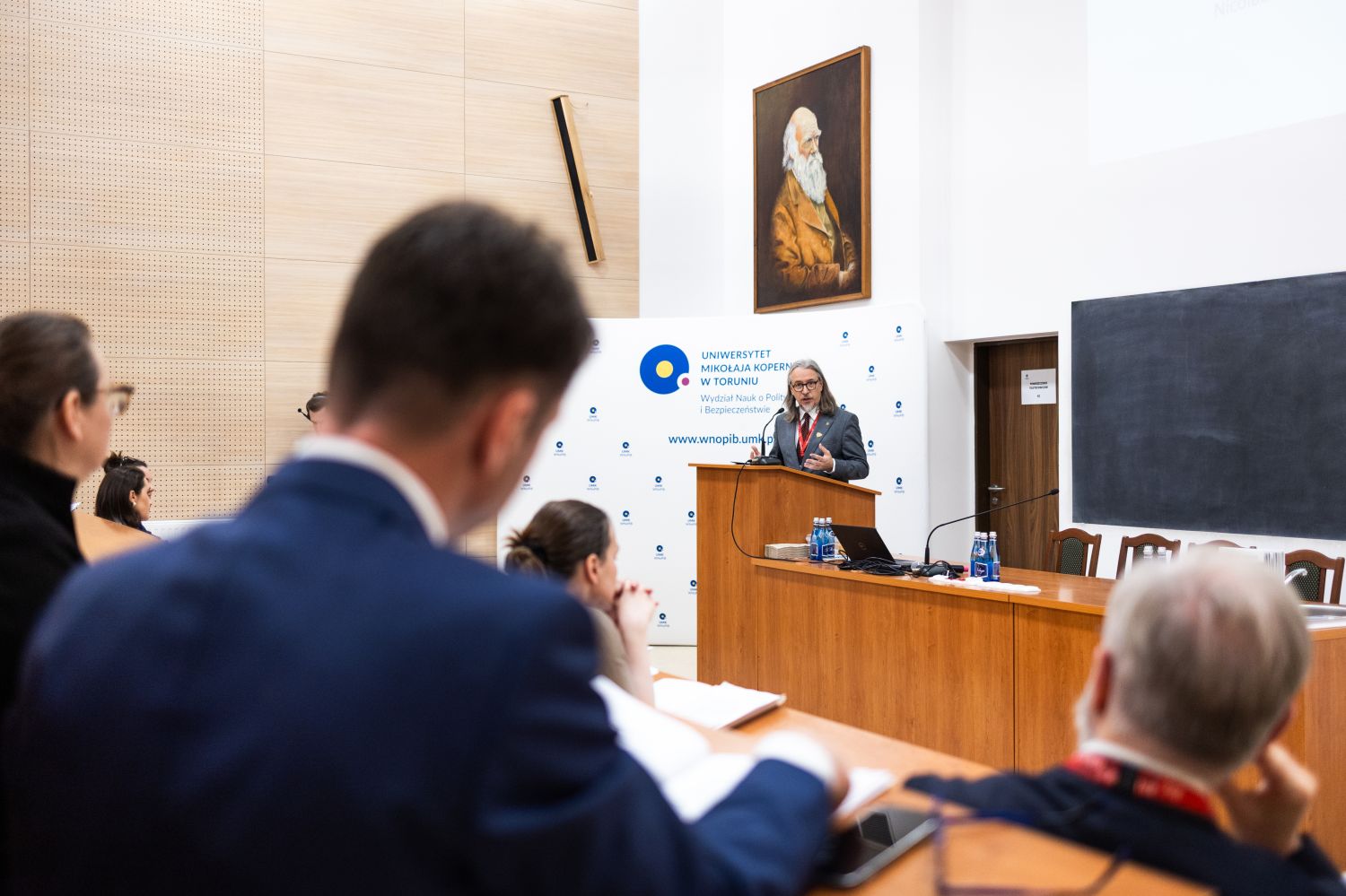
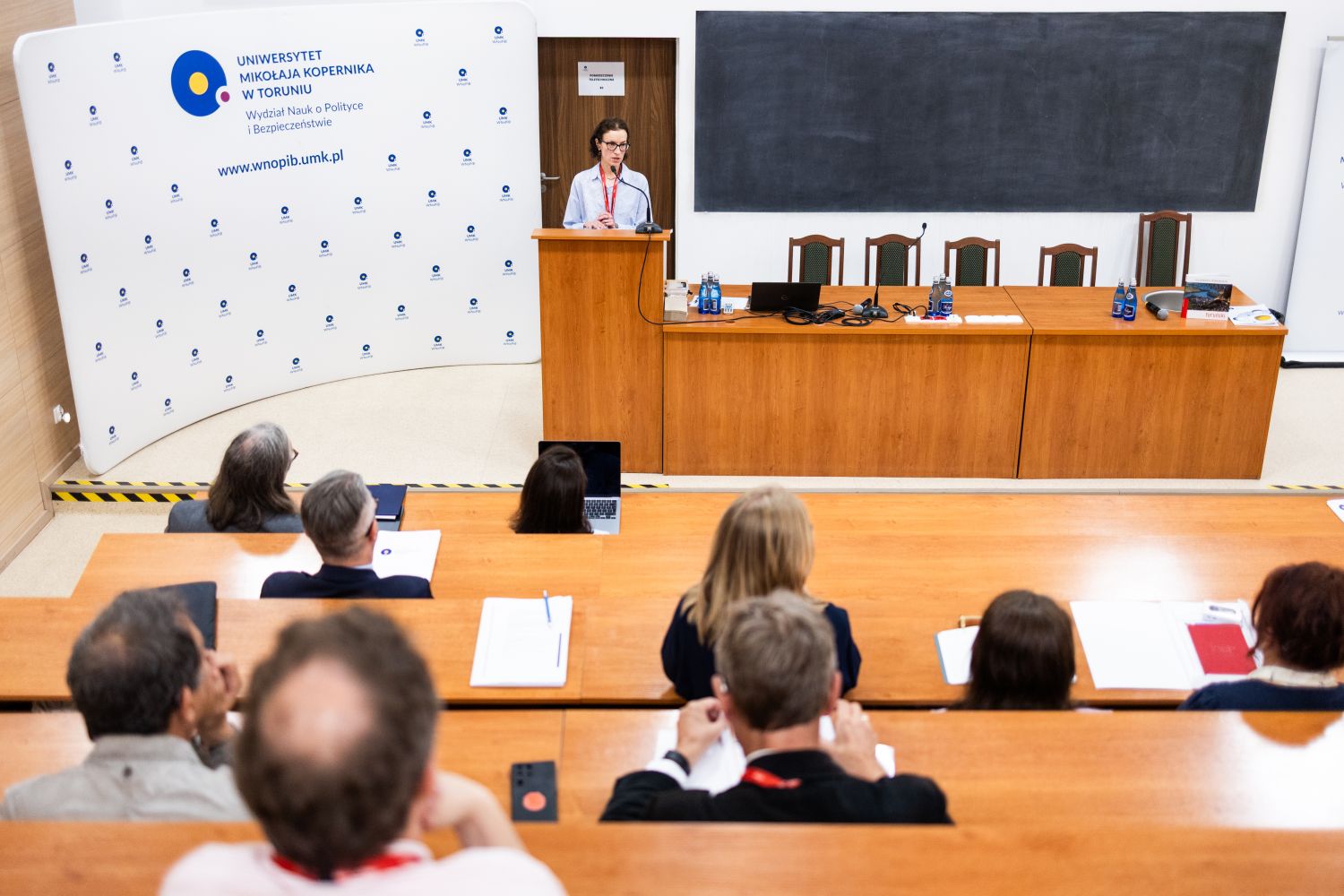
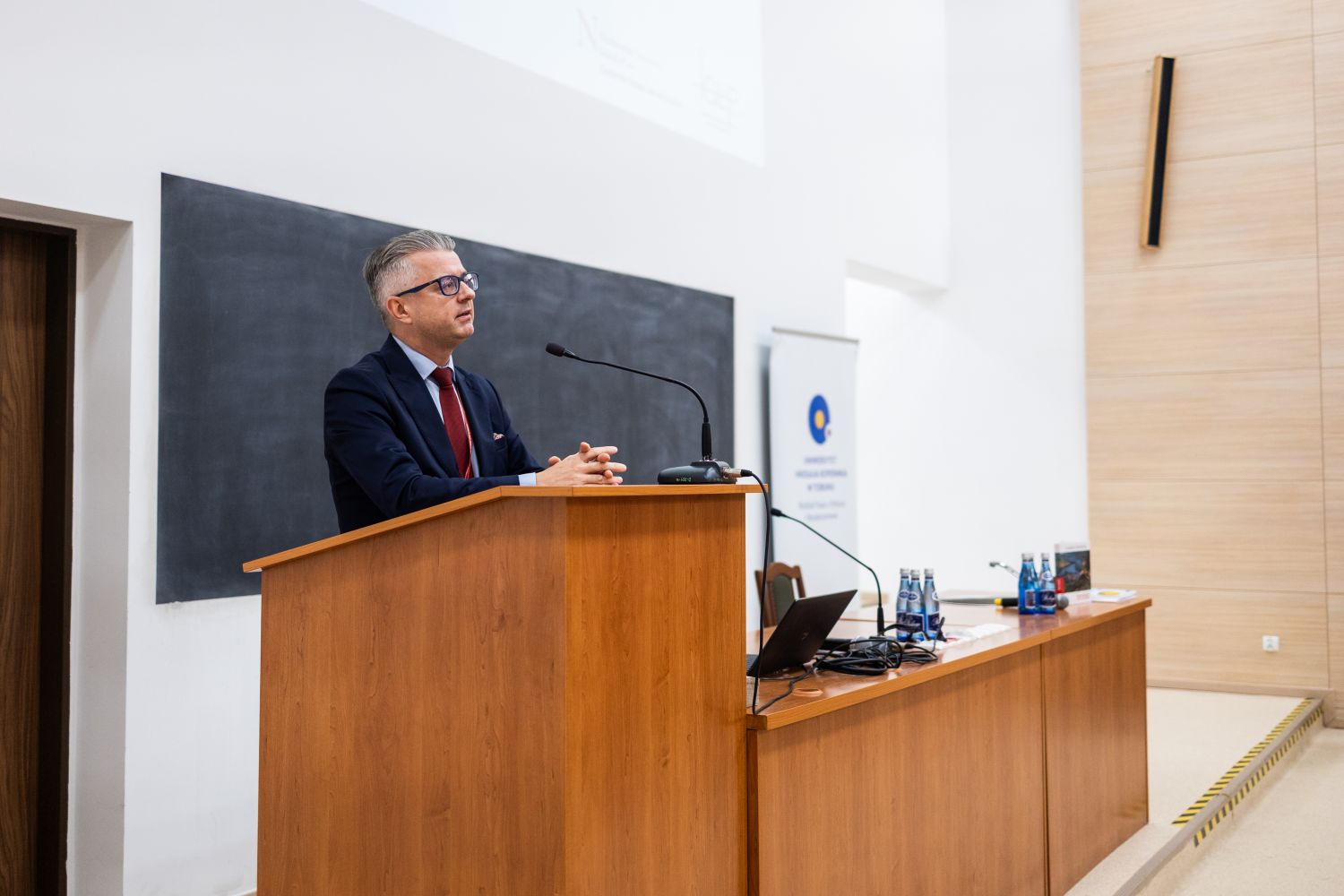
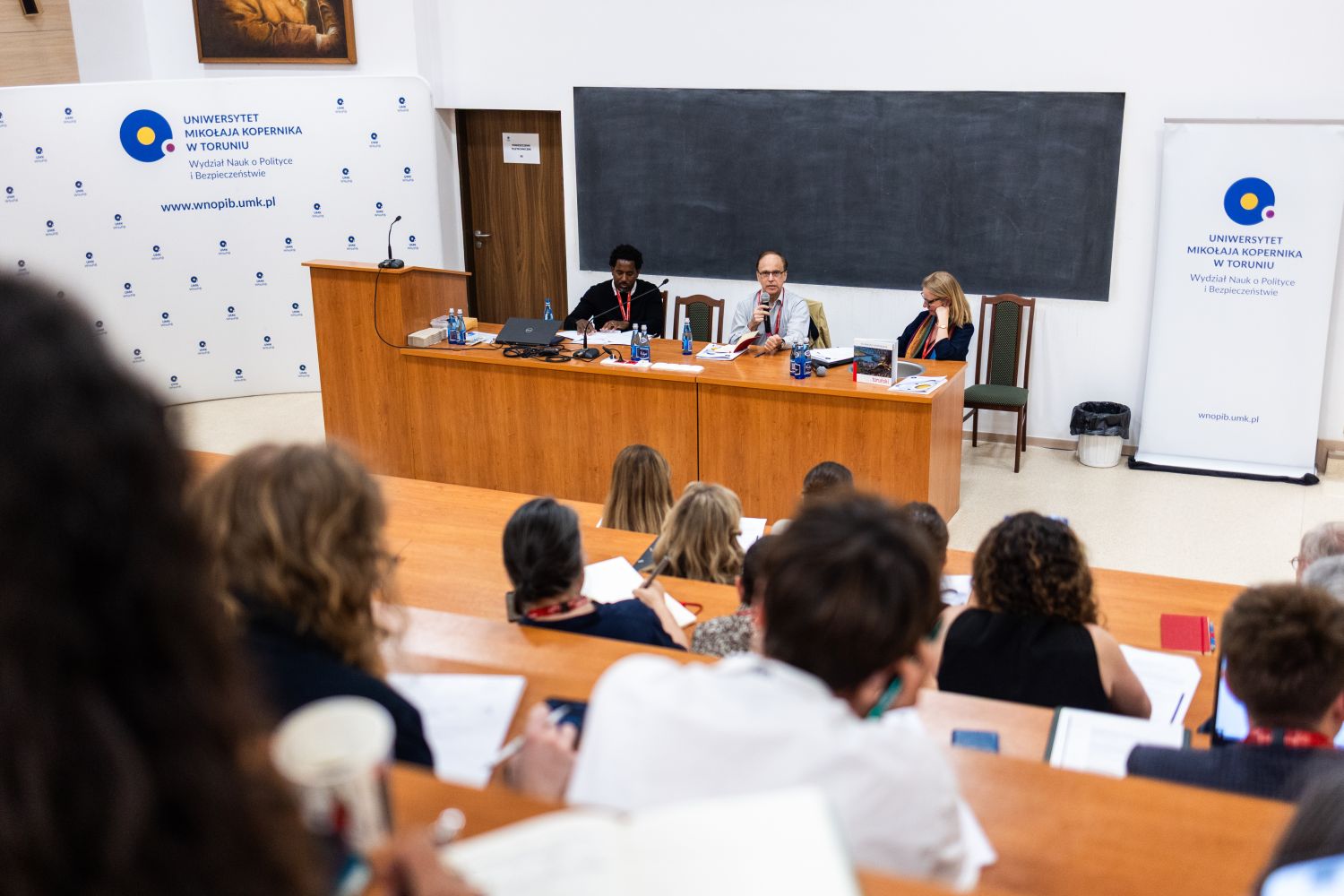
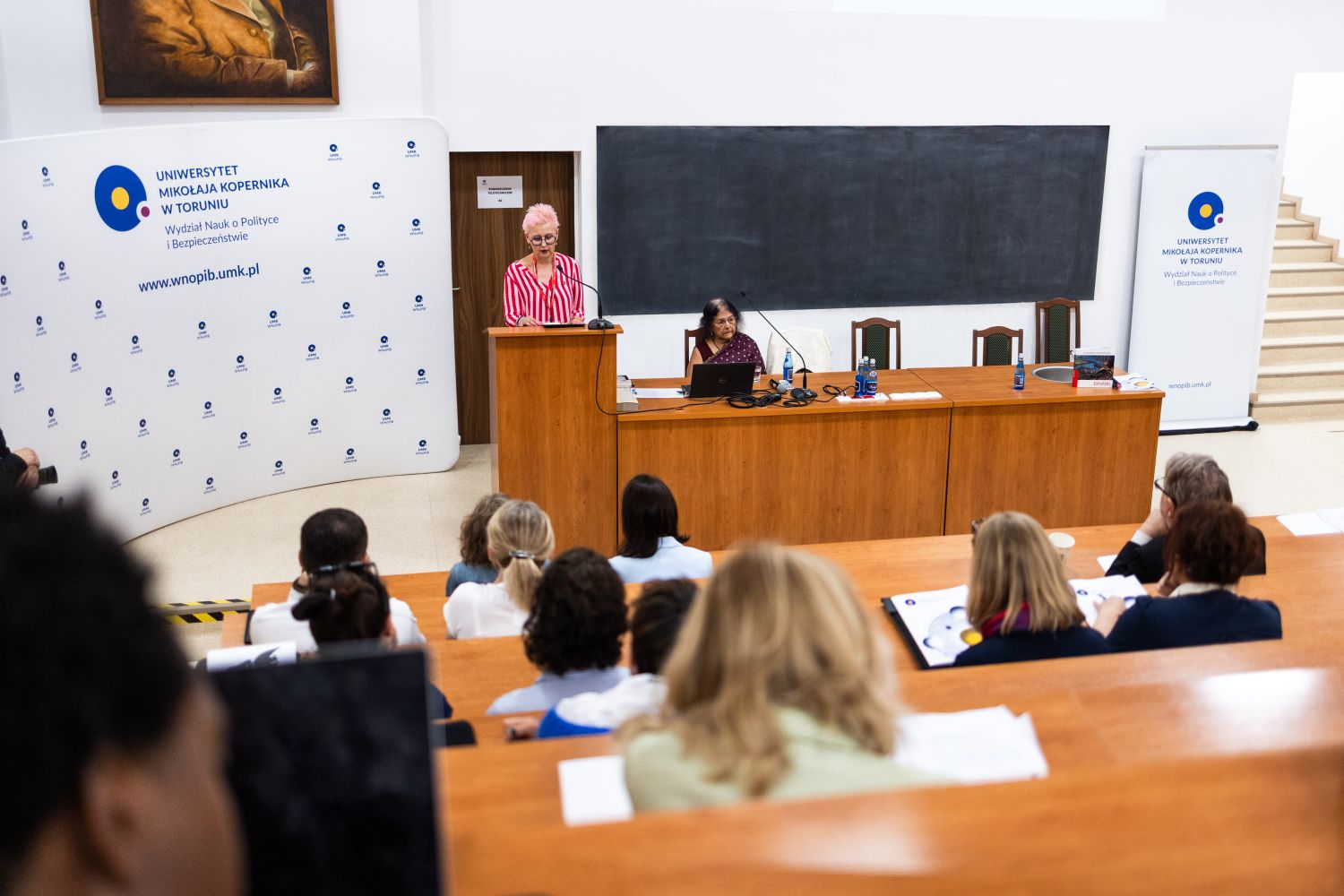
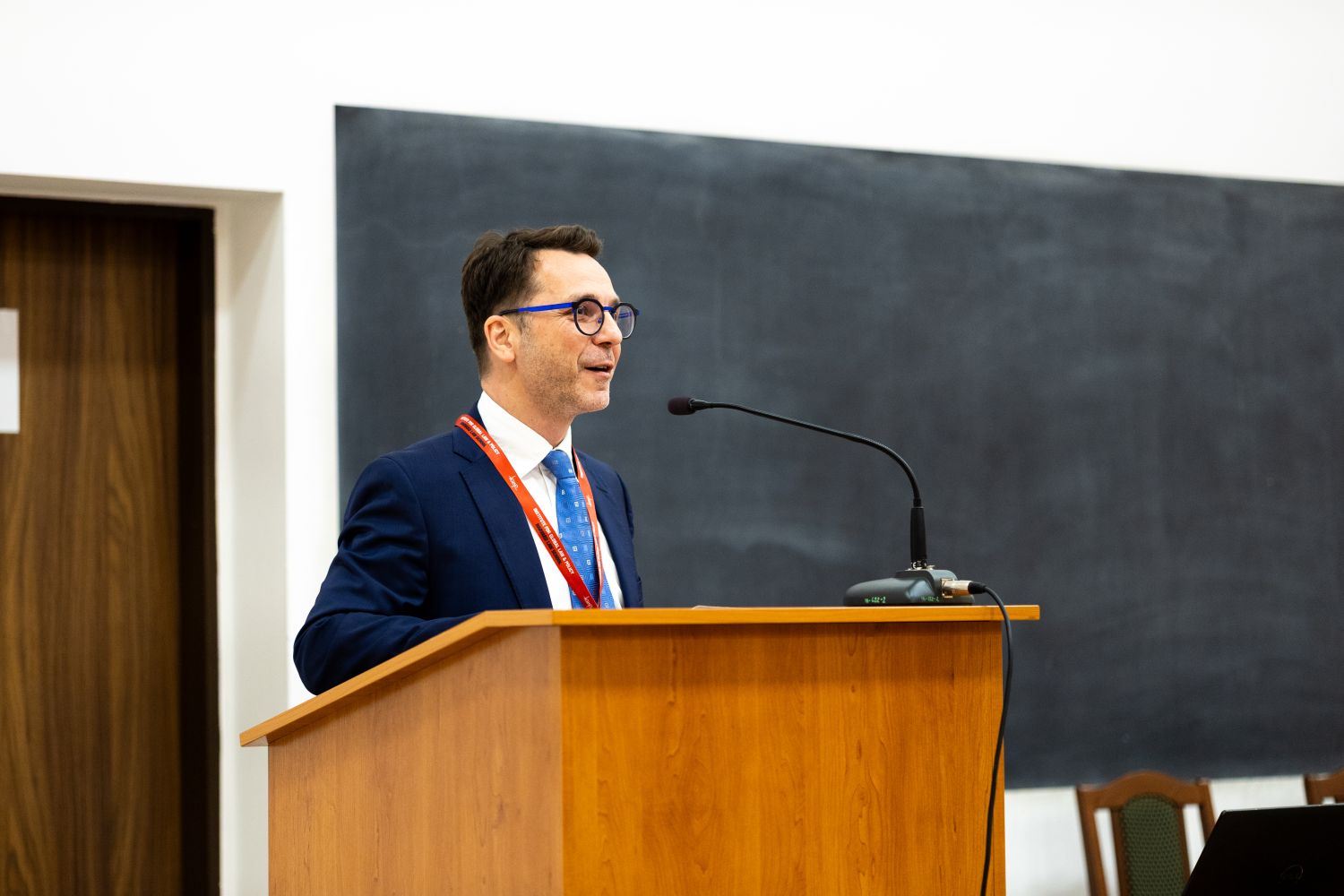
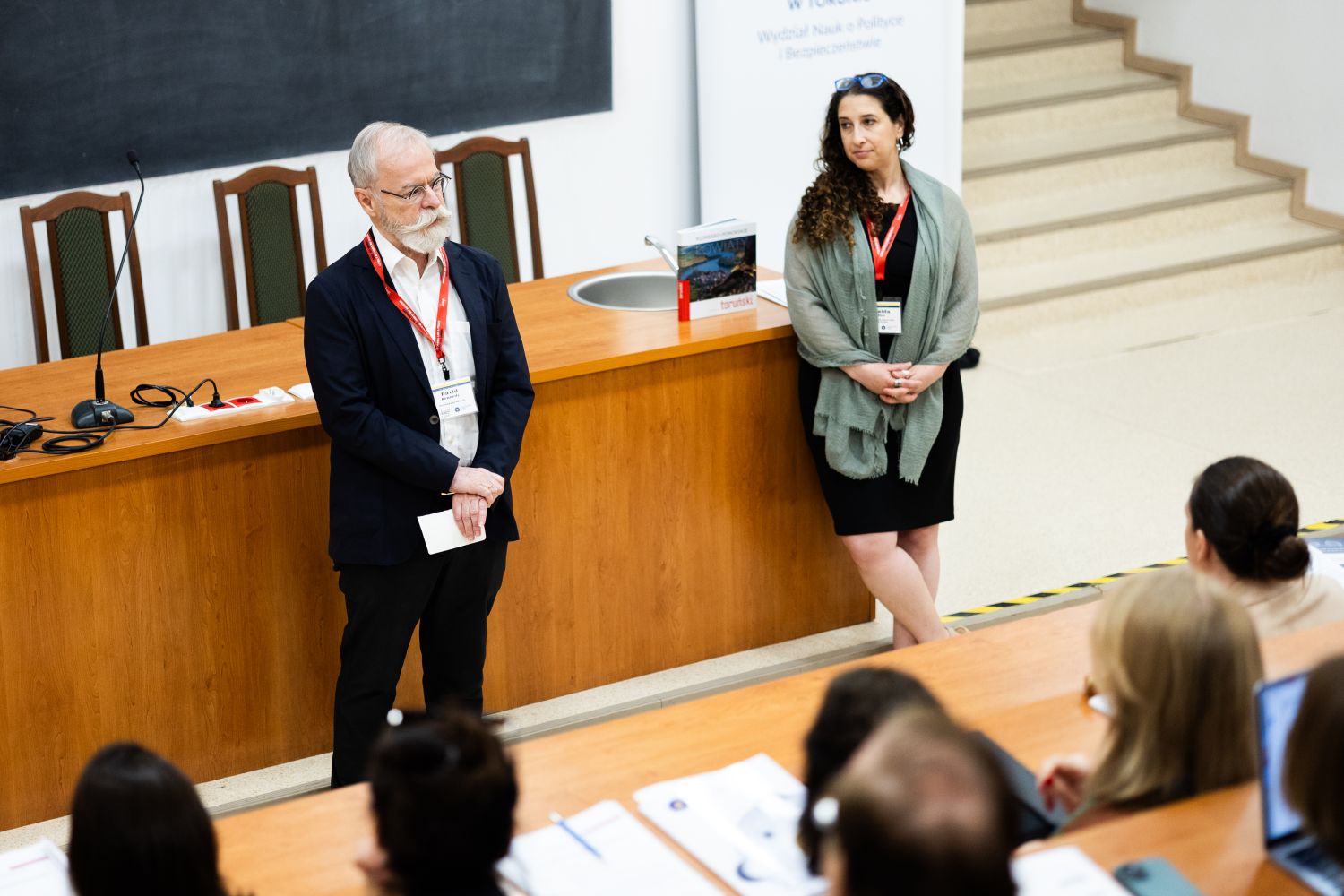
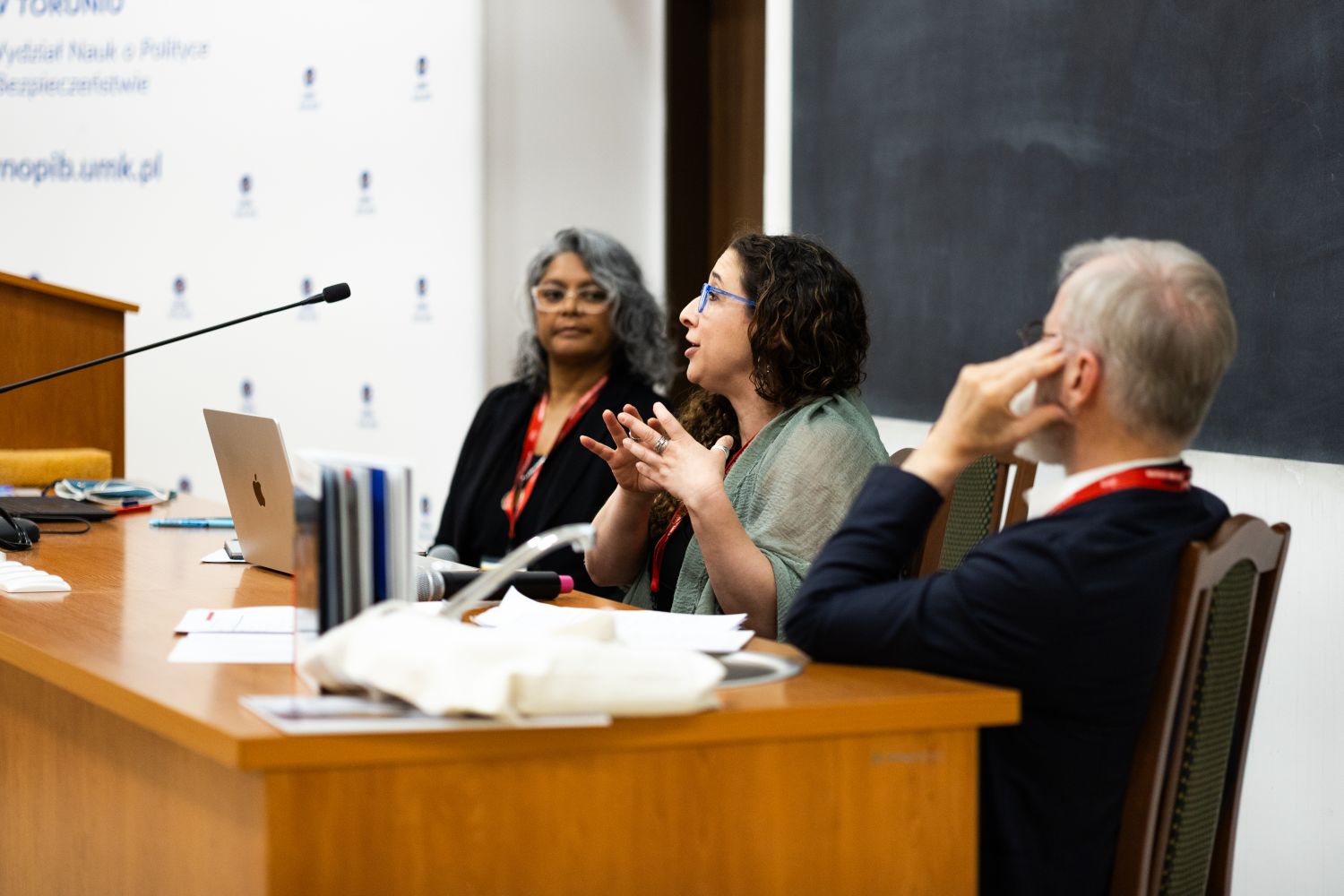
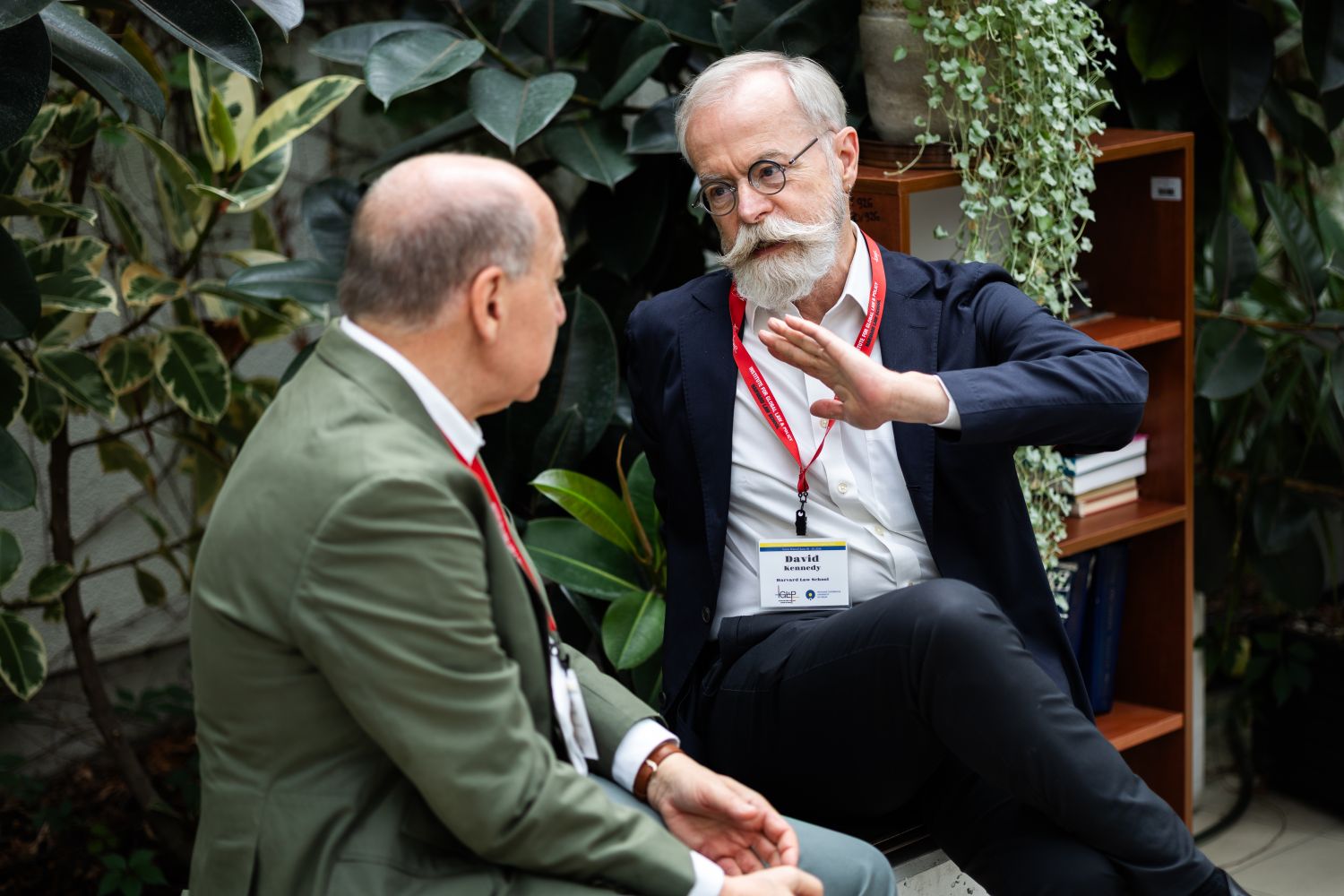
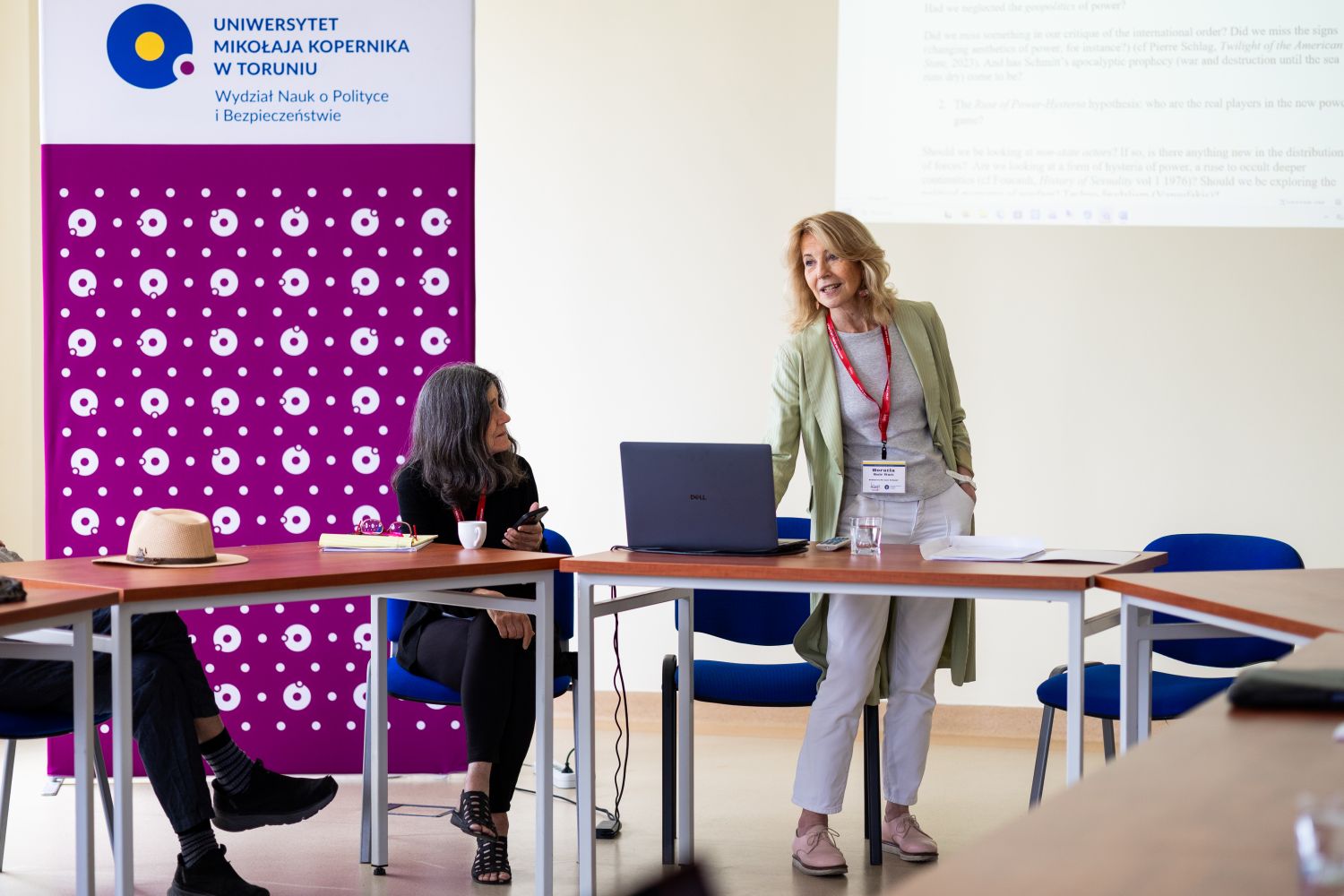
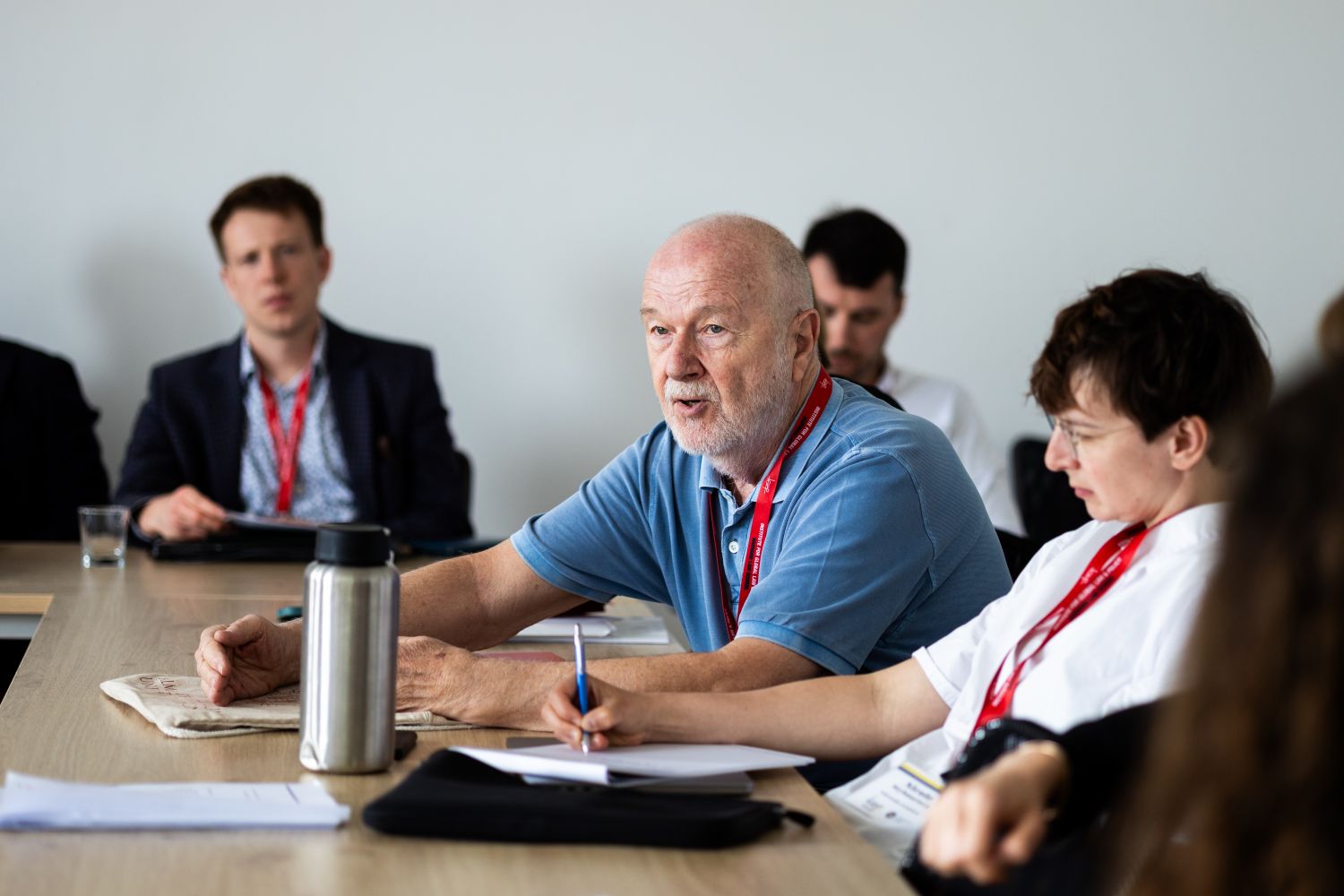
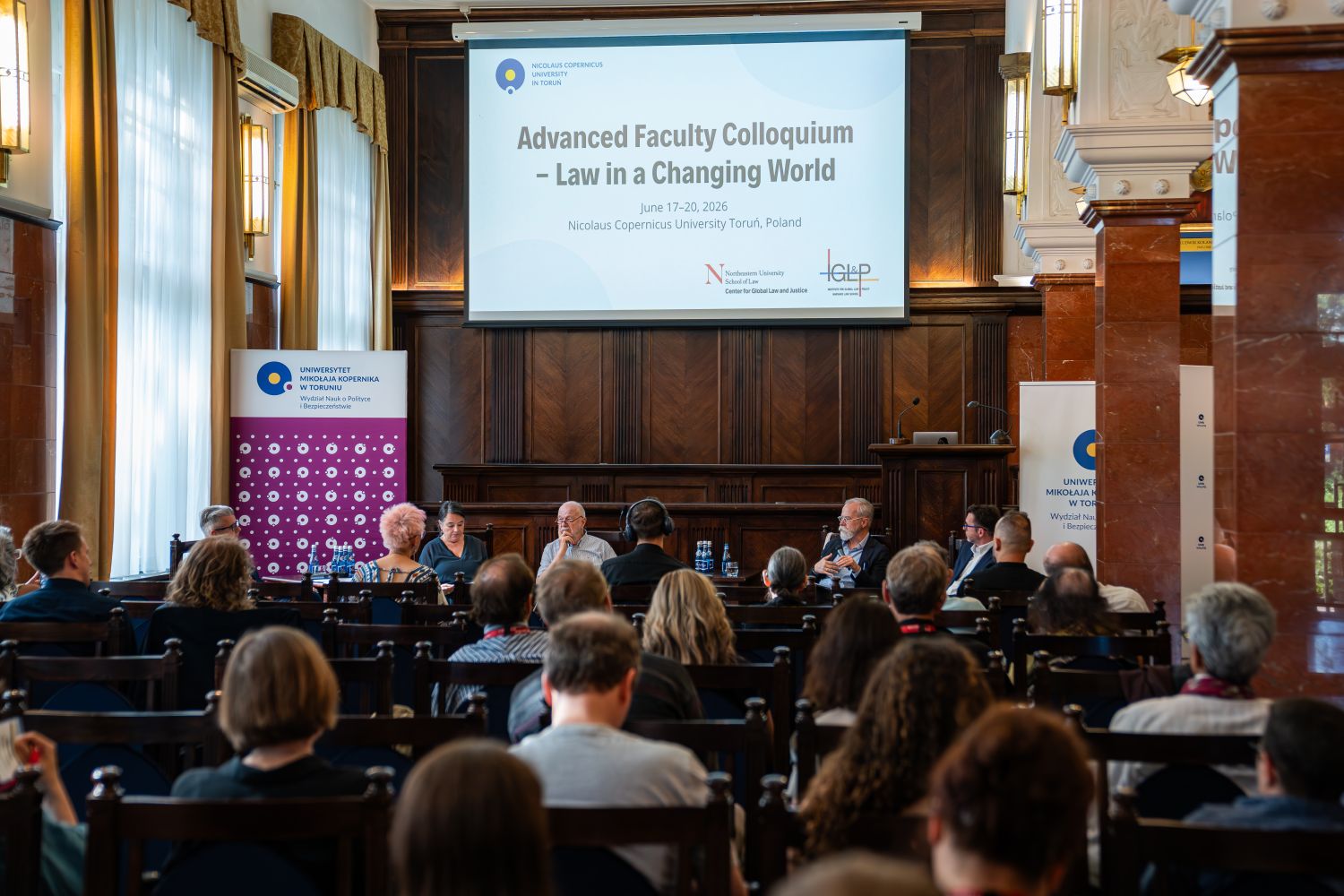
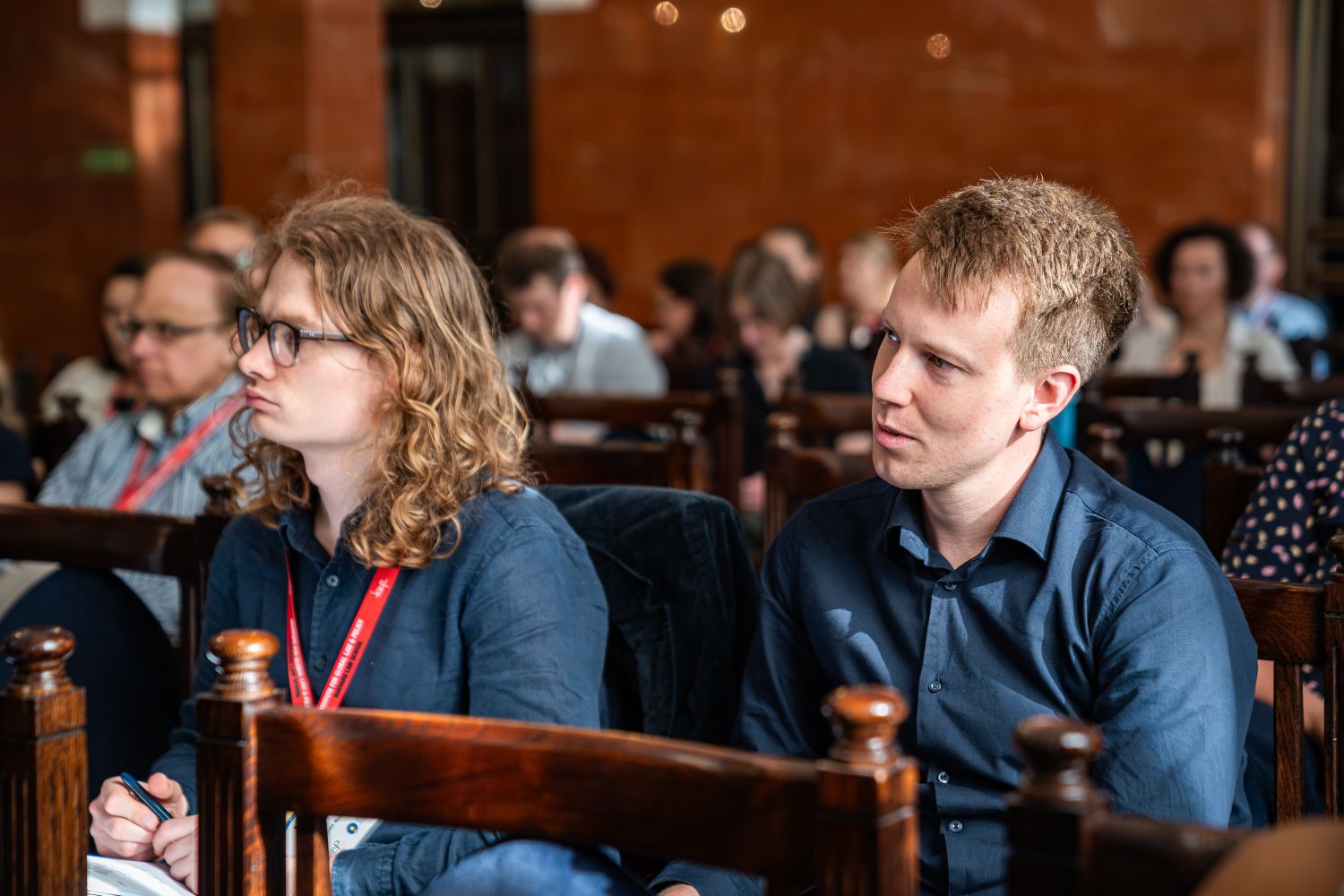
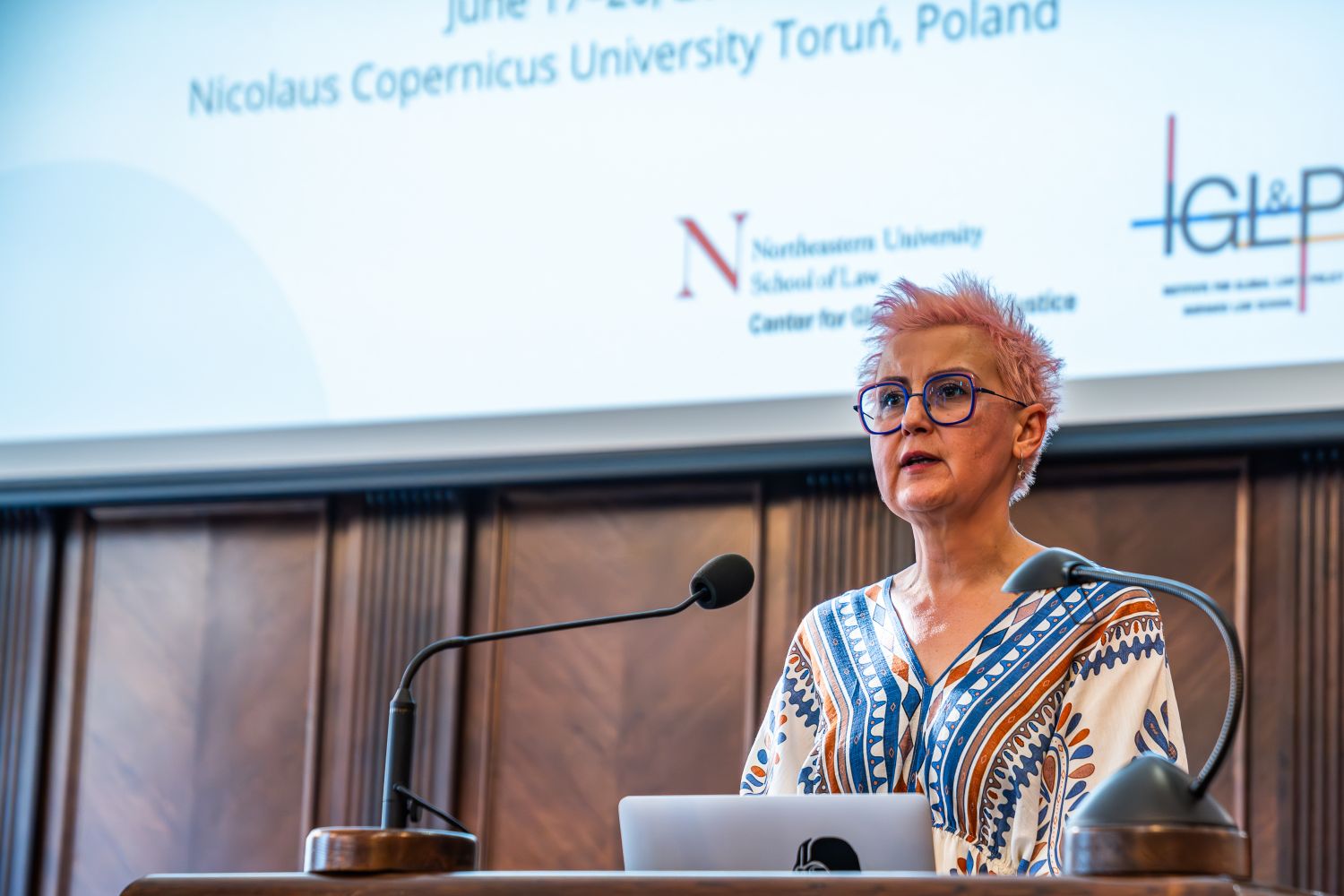
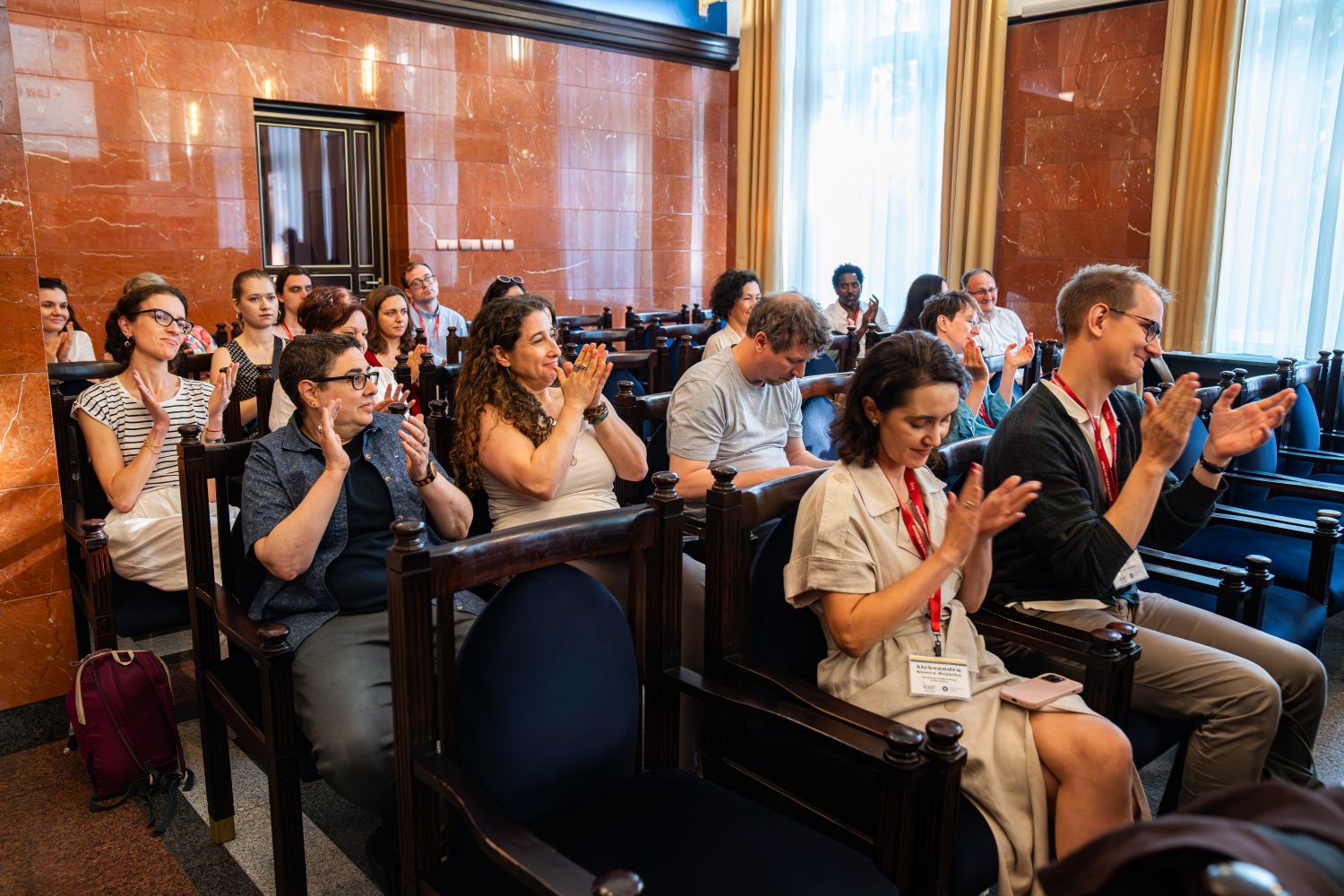
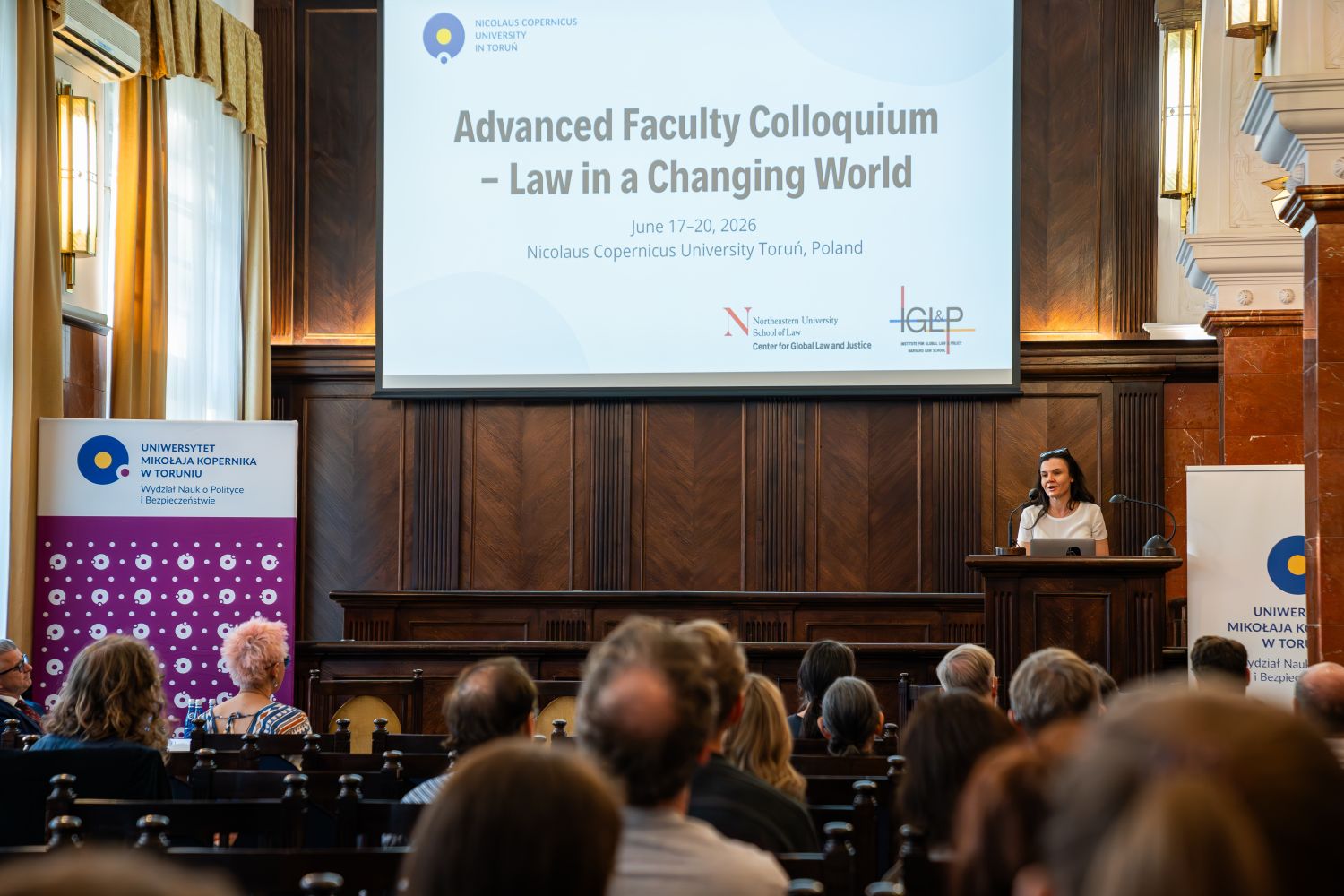
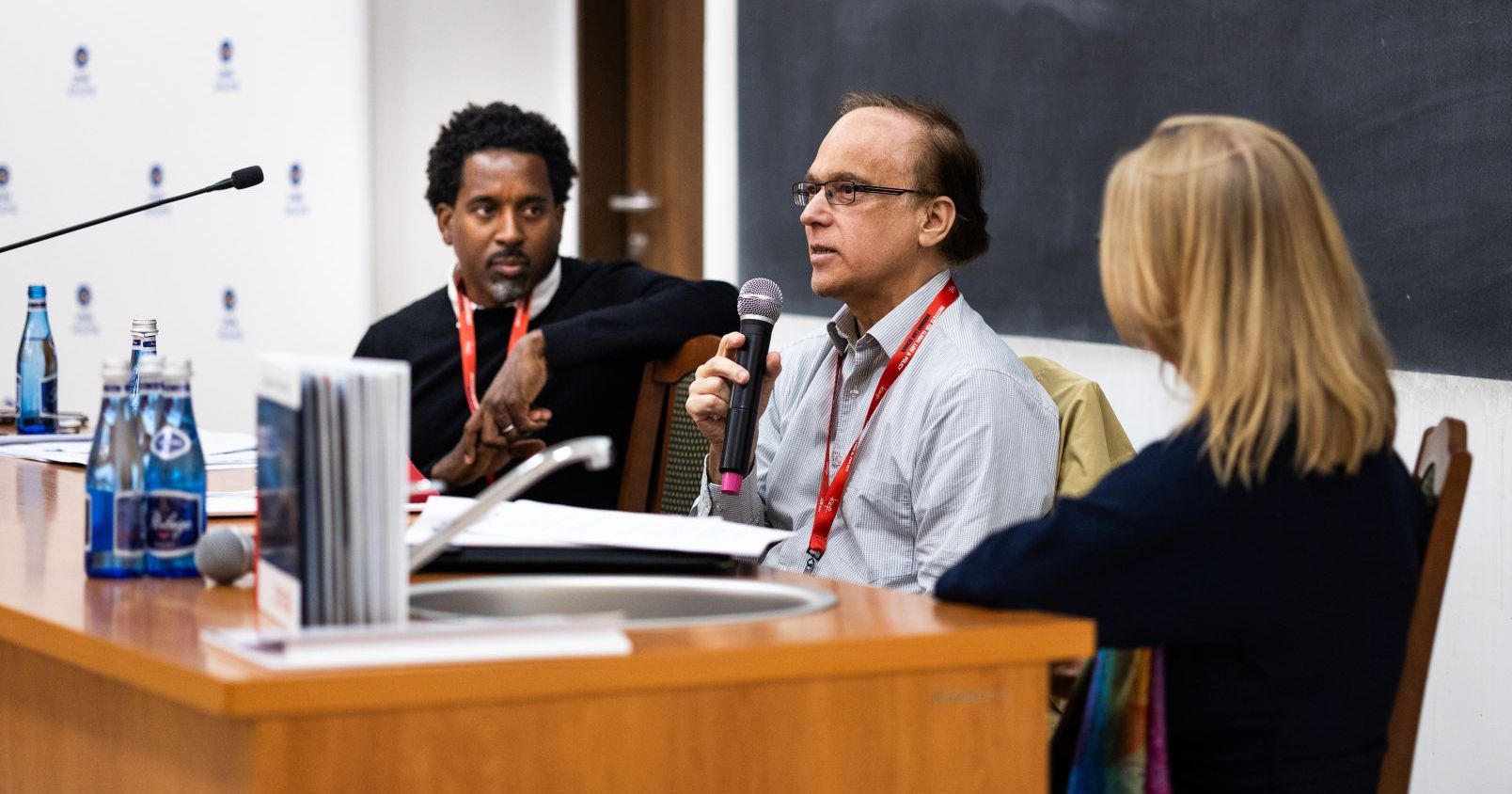
From June 17 to 20, the Institute for Advanced Studies at Nicolaus Copernicus University will host an international academic colloquium titled “Advanced Faculty Colloquium – Law in a Changing World." The event is organized by the Emerging Fields team “Centre for Global & Multi-level Governance" at IDUB, Nicolaus Copernicus University, in collaboration with the Institute for Global Law & Policy at Harvard Law School and the Center for Global Law and Justice at Northeastern University School of Law.
The event will focus on the most significant challenges facing contemporary law in the context of dynamic political, social, economic, and technological changes. Participants will discuss, among other topics, global hierarchies and the changing architecture of the world order, contemporary understandings of development, the relationship between law and politics, post-Soviet spaces, authoritarianism, and the role of identity in the analysis of contemporary socio-political processes.
The event will feature researchers representing renowned academic institutions from Europe, the United States, and other parts of the world, including Harvard Law School, the Harvard Kennedy School of Government, Northeastern University School of Law, SOAS University of London, the University of Cambridge, Sciences Po Law School, New York University, the University of Texas at Austin, Queen Mary University of London, and Nicolaus Copernicus University in Toruń.
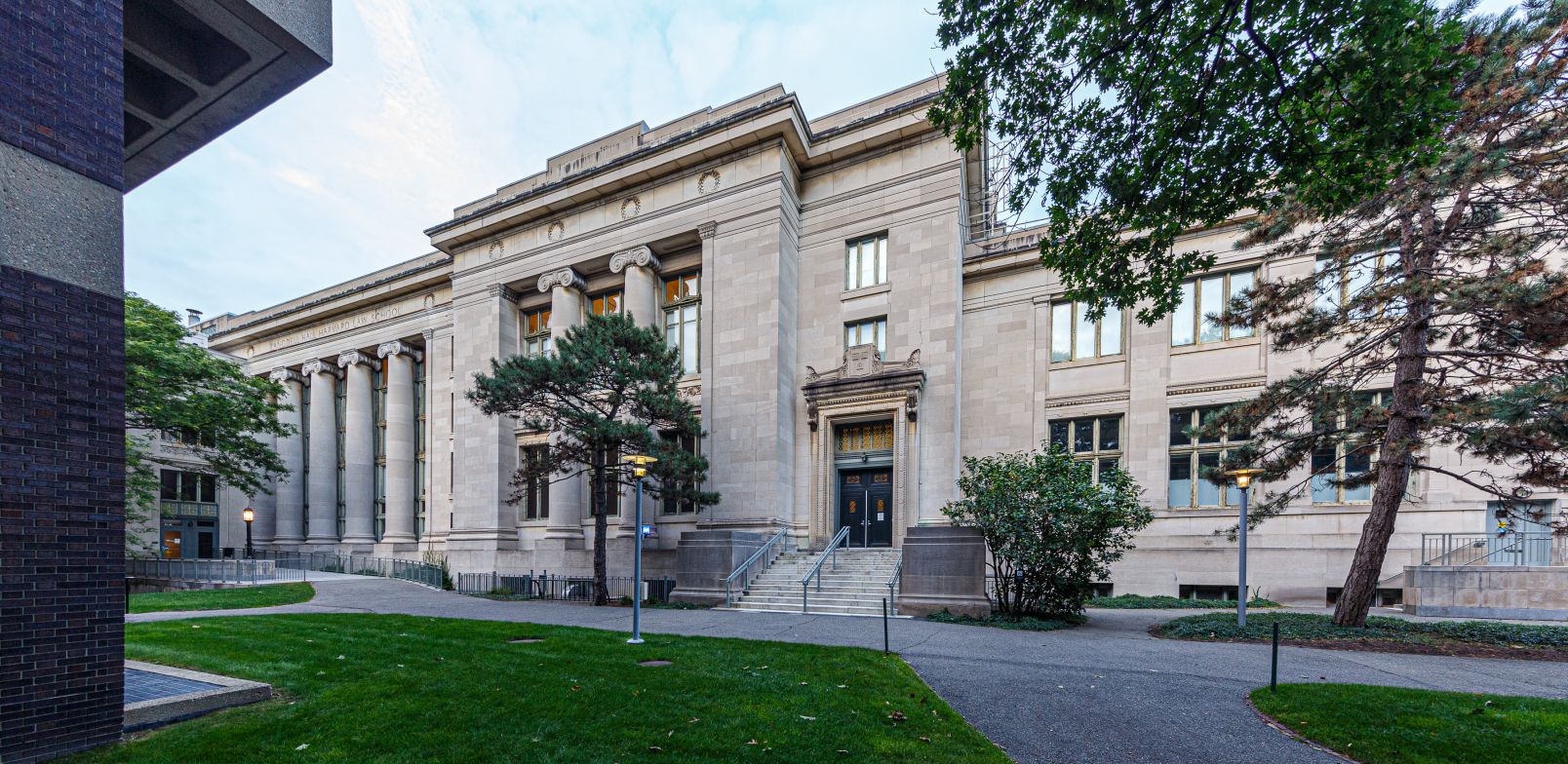
Fot. Kenneth C. Zirkel / Wikimedia Commons, CC BY 4.0
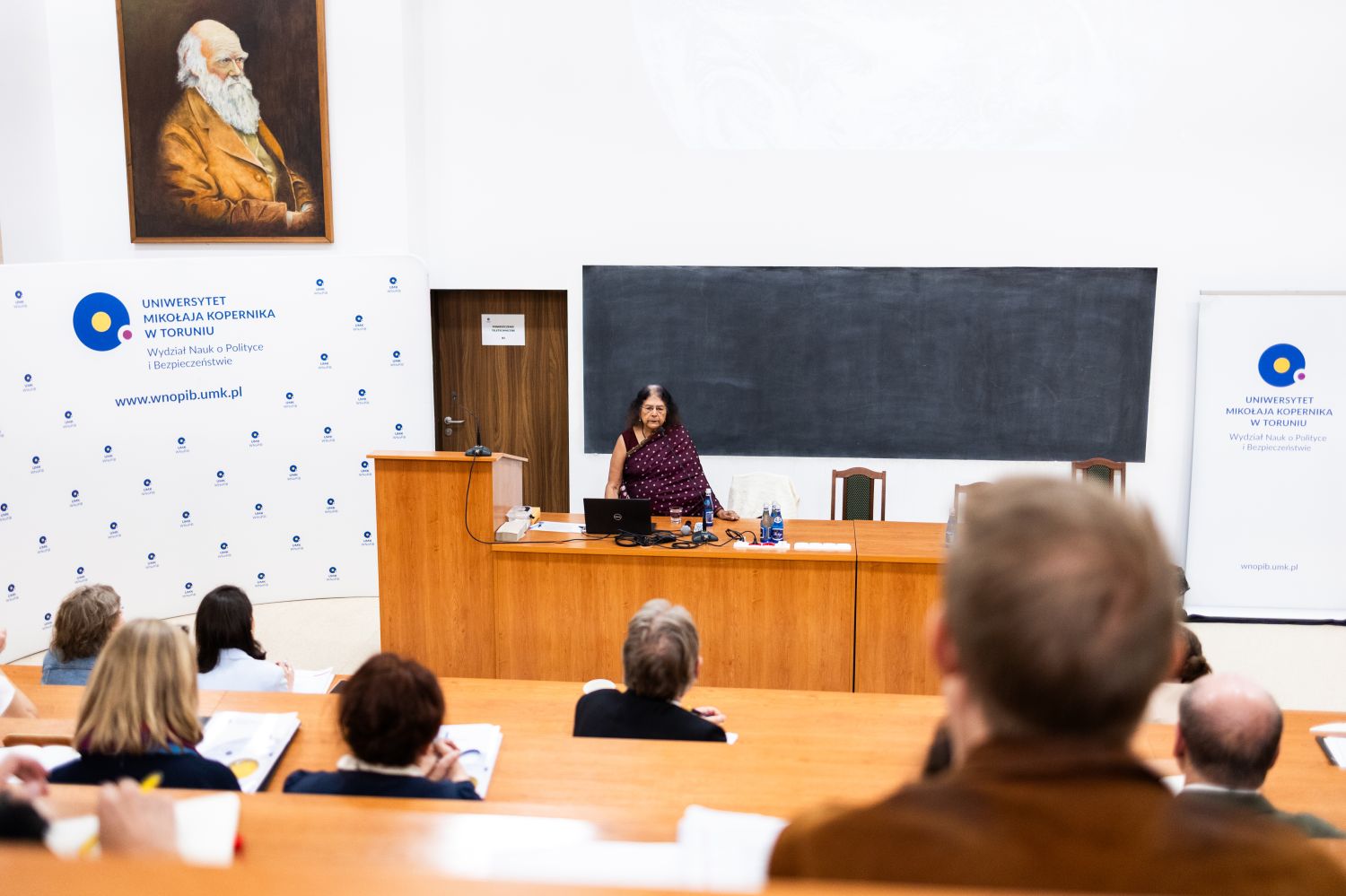
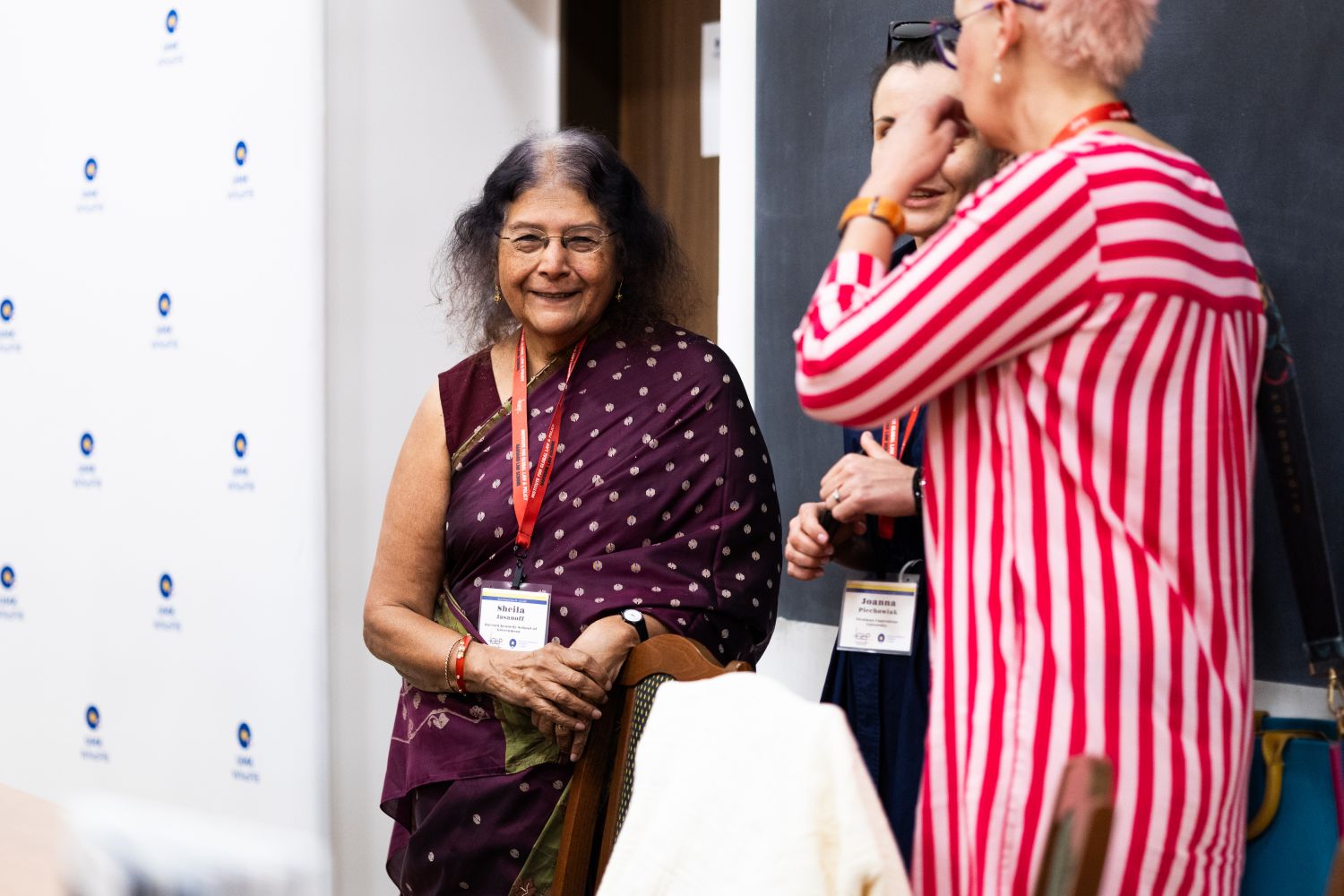
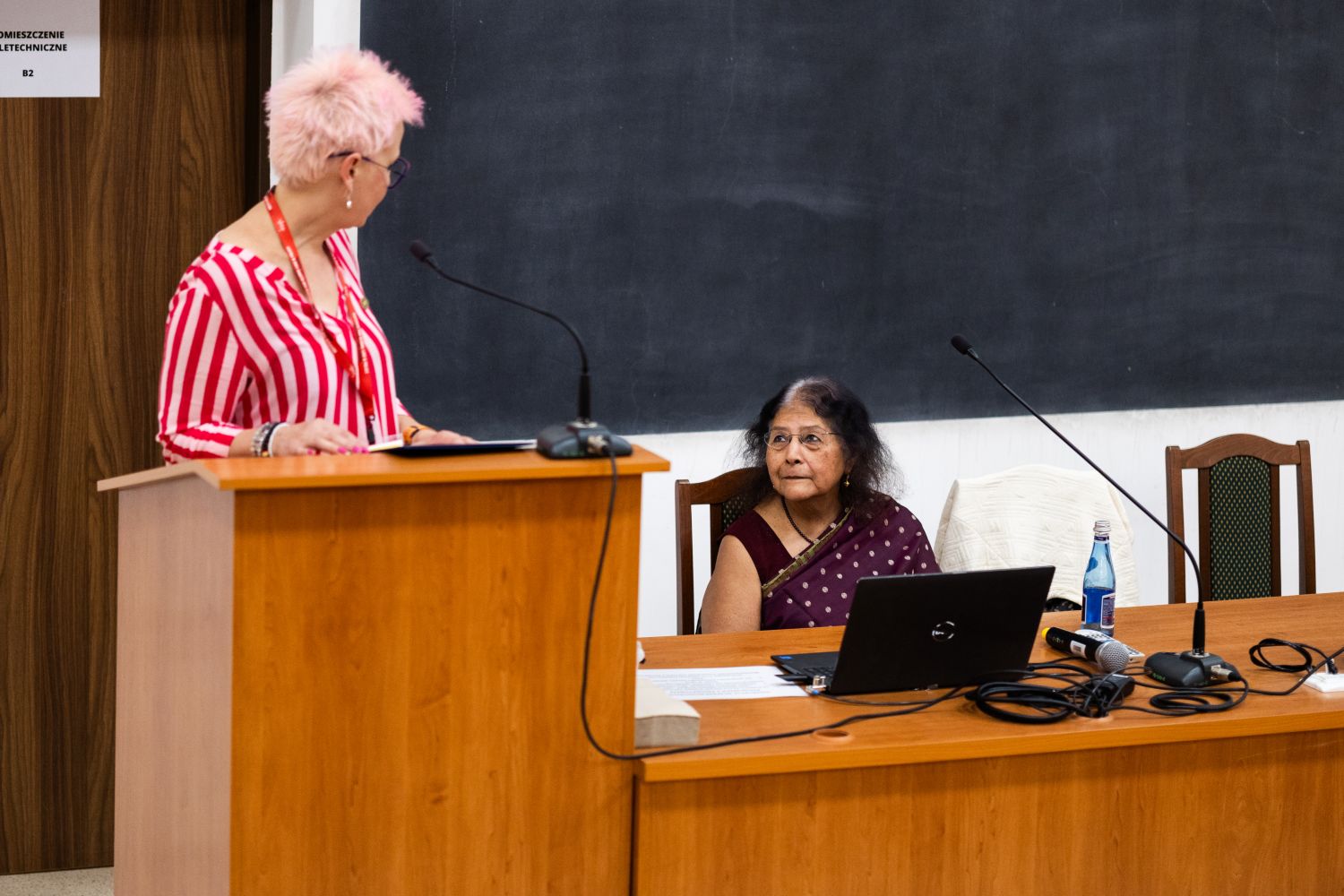
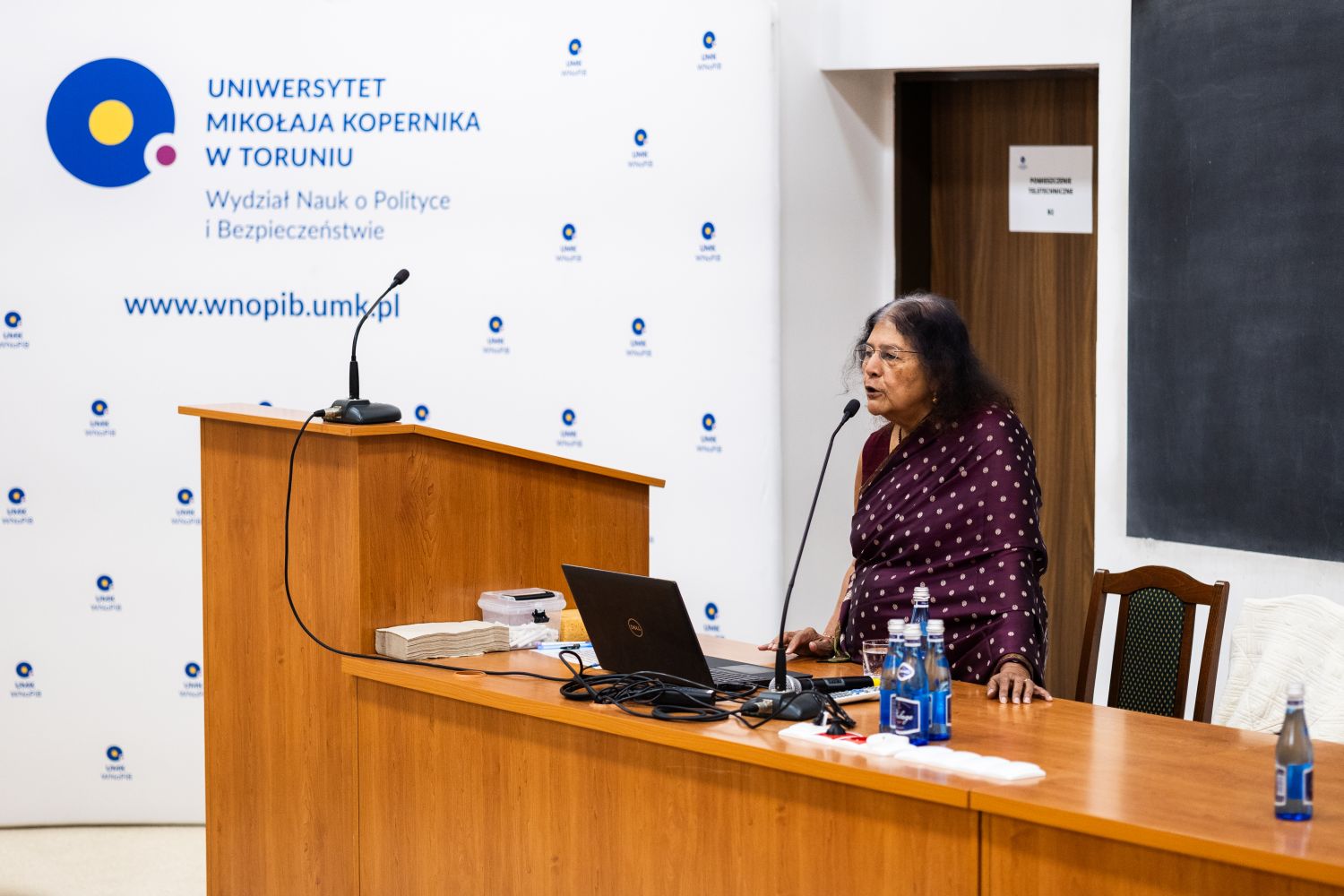
A highlight of the program will be the open lecture “Subjects of Change: Technology, Law, and Culture," to be delivered by Prof. Sheila Jasanoff of the Harvard Kennedy School of Government. The speaker is among the most influential researchers studying the social, legal, and political dimensions of science and technology. The lecture will take place on June 18, 2026, from 5:00 p.m. to 6:00 p.m. in Darwin Hall at the Faculty of Biological and Veterinary Sciences.
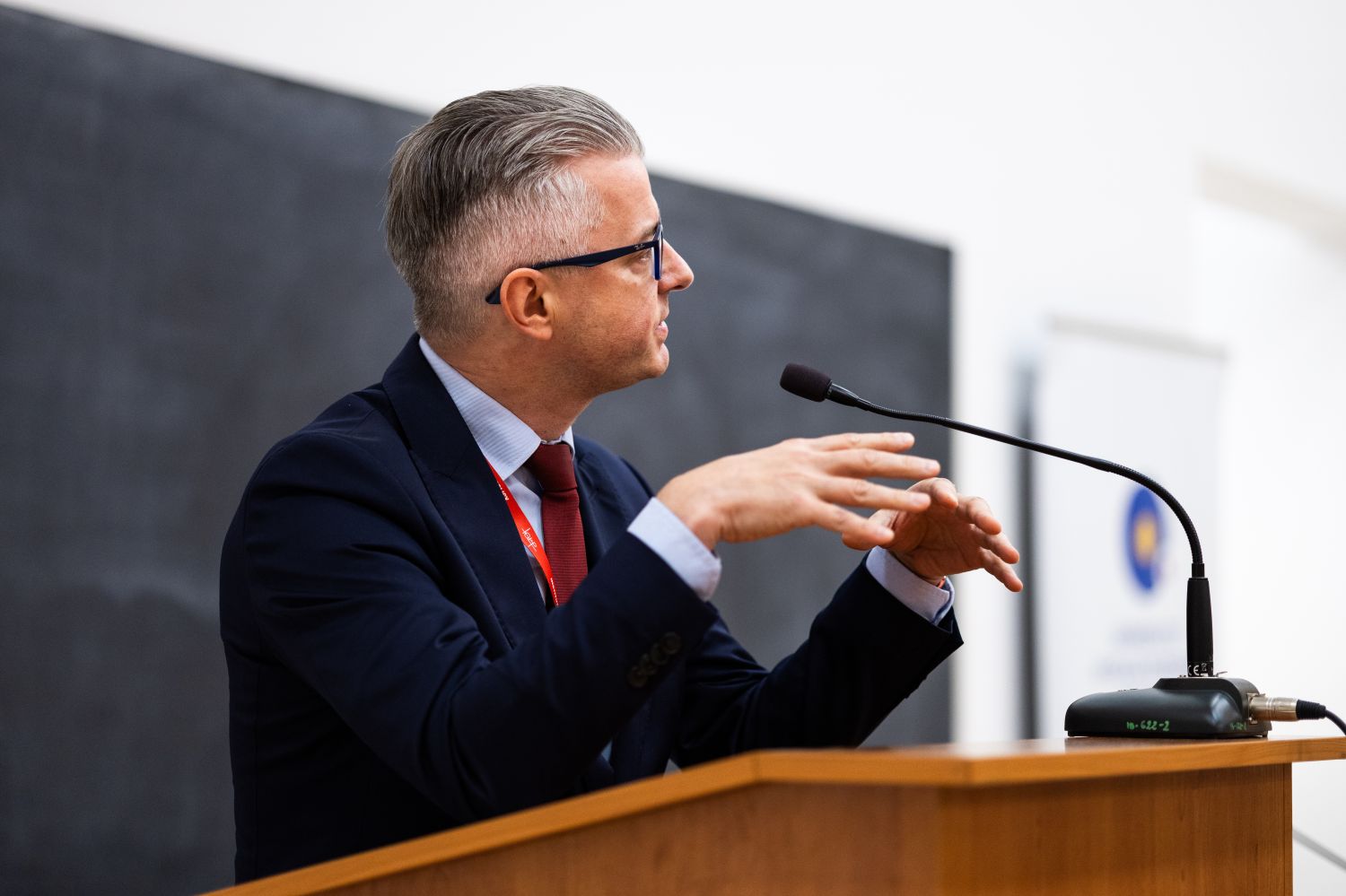
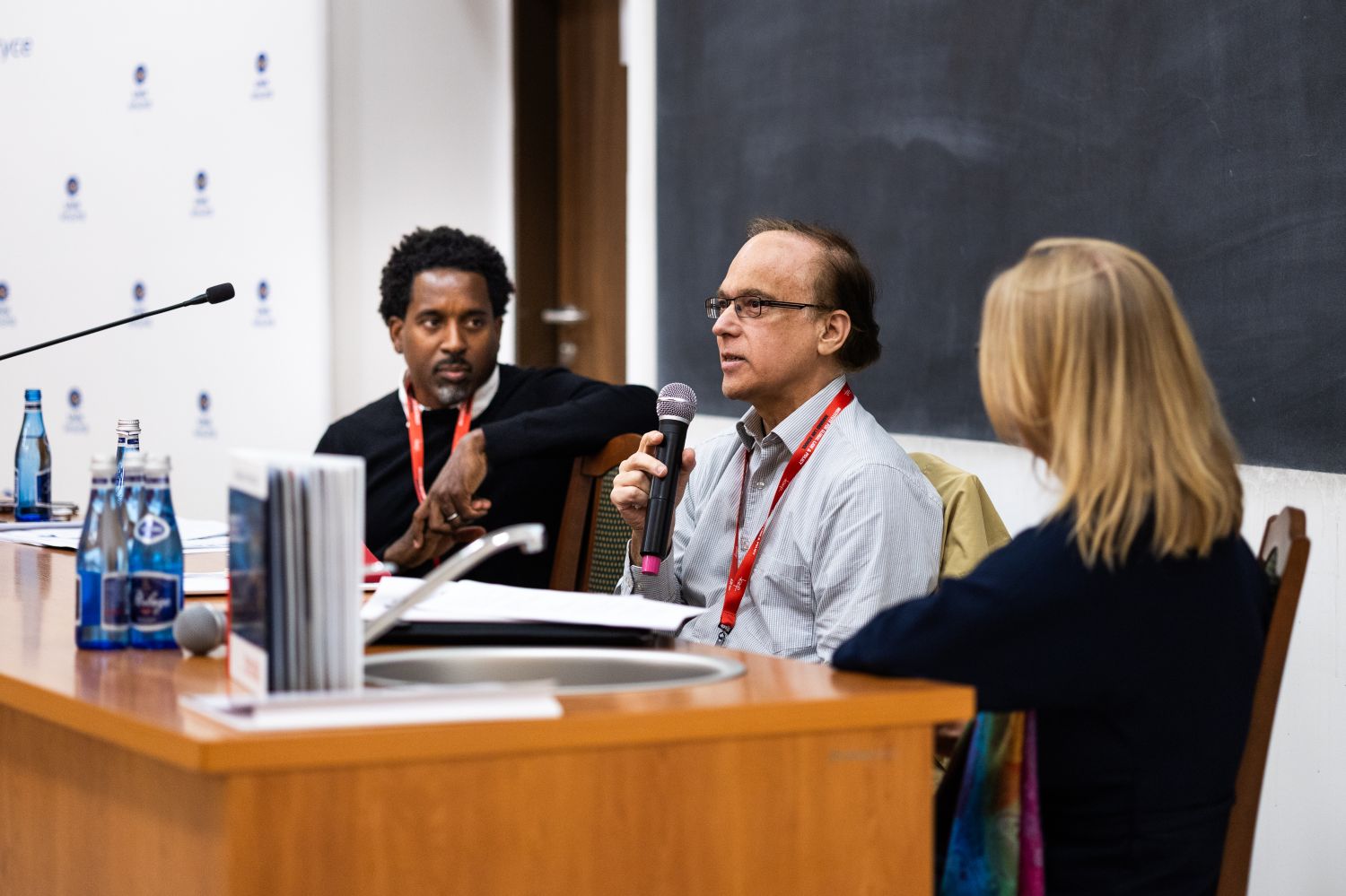
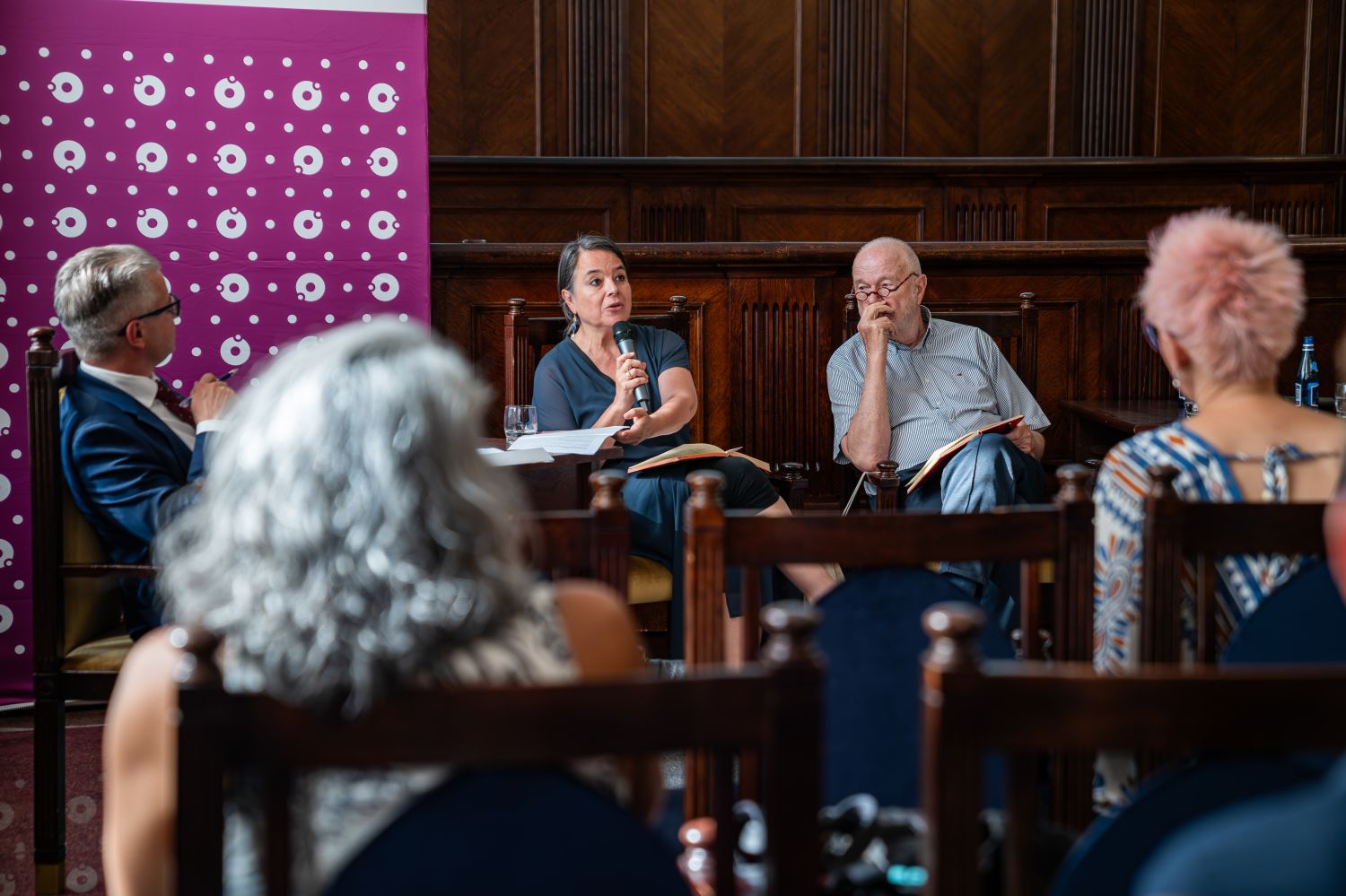
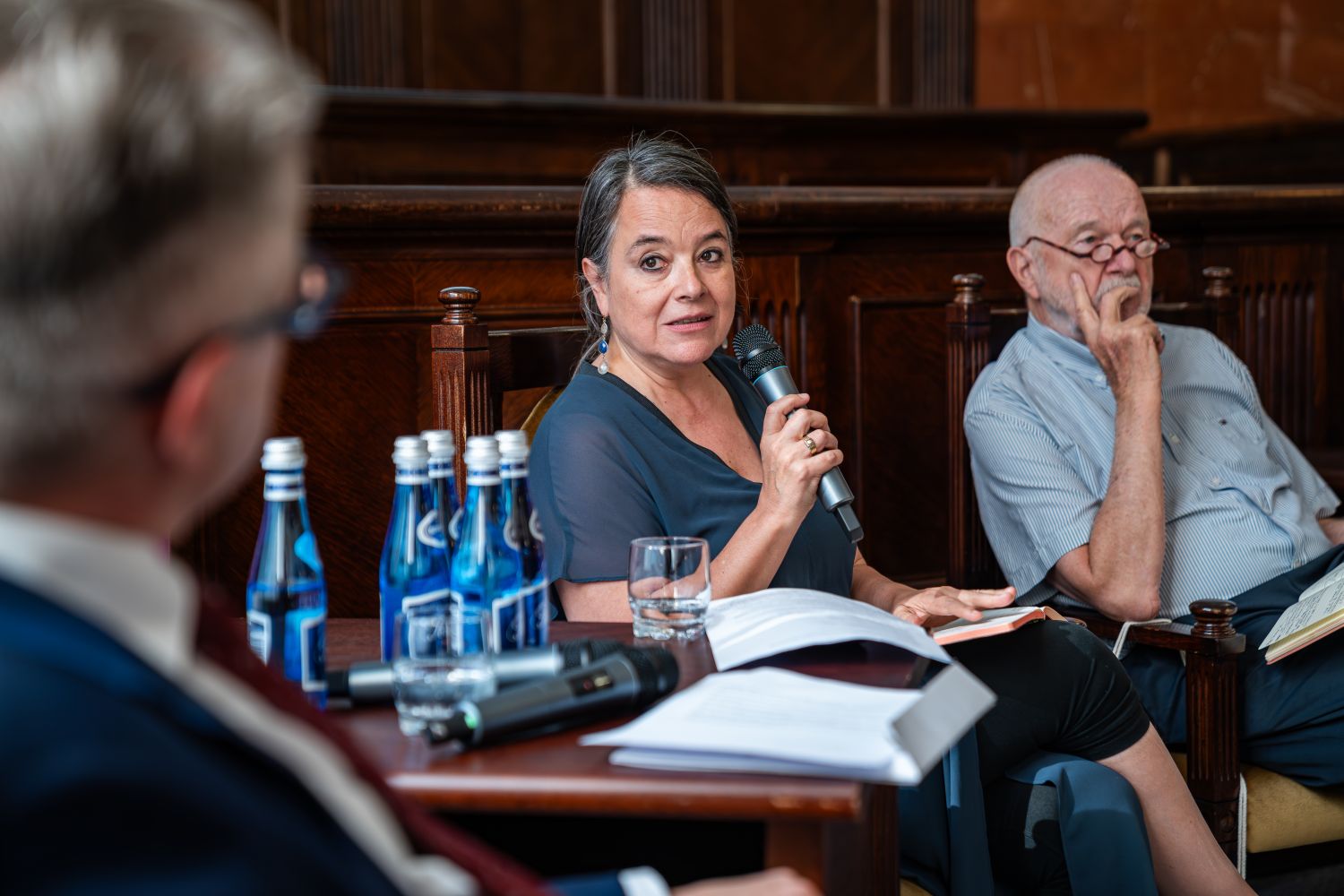
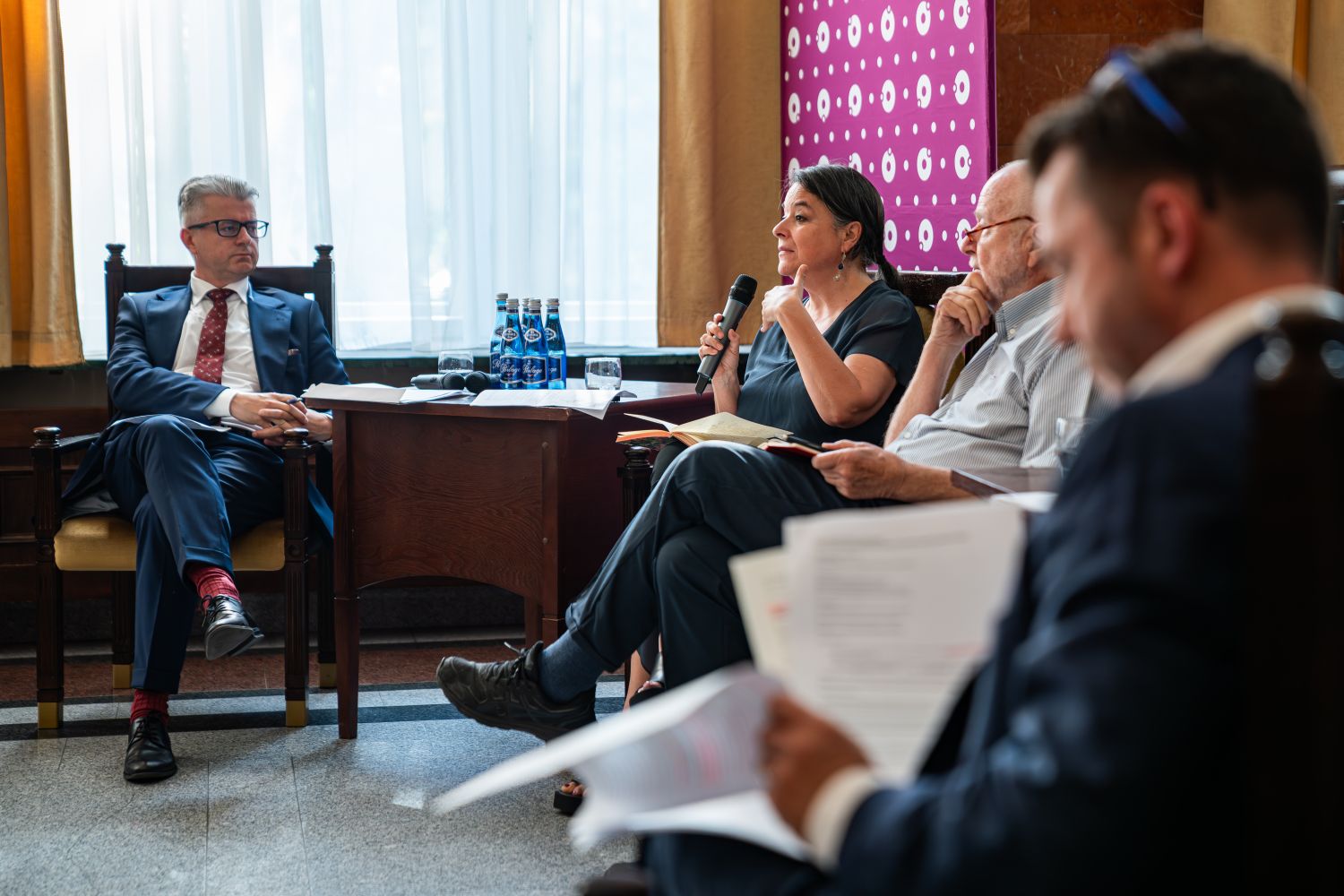
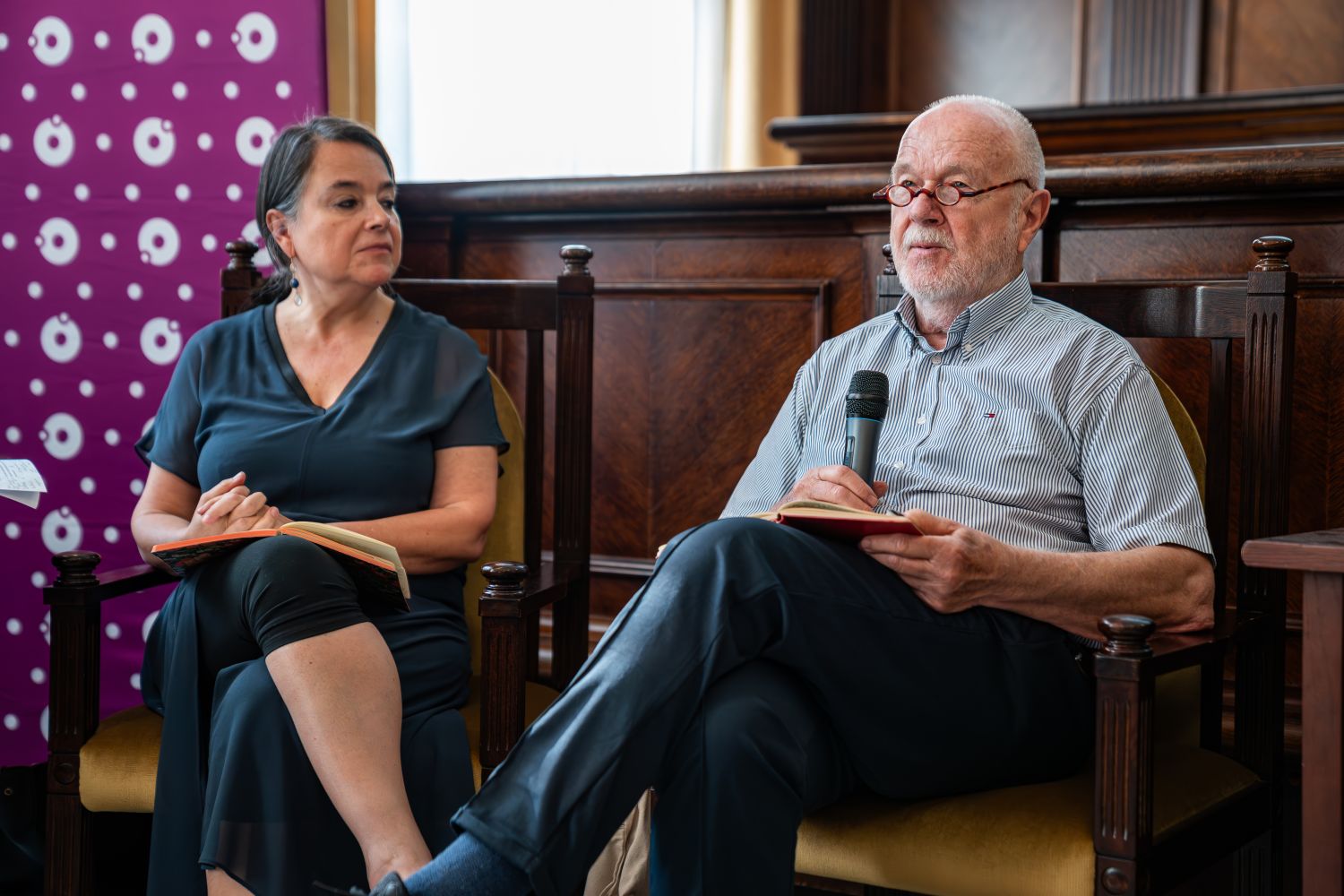
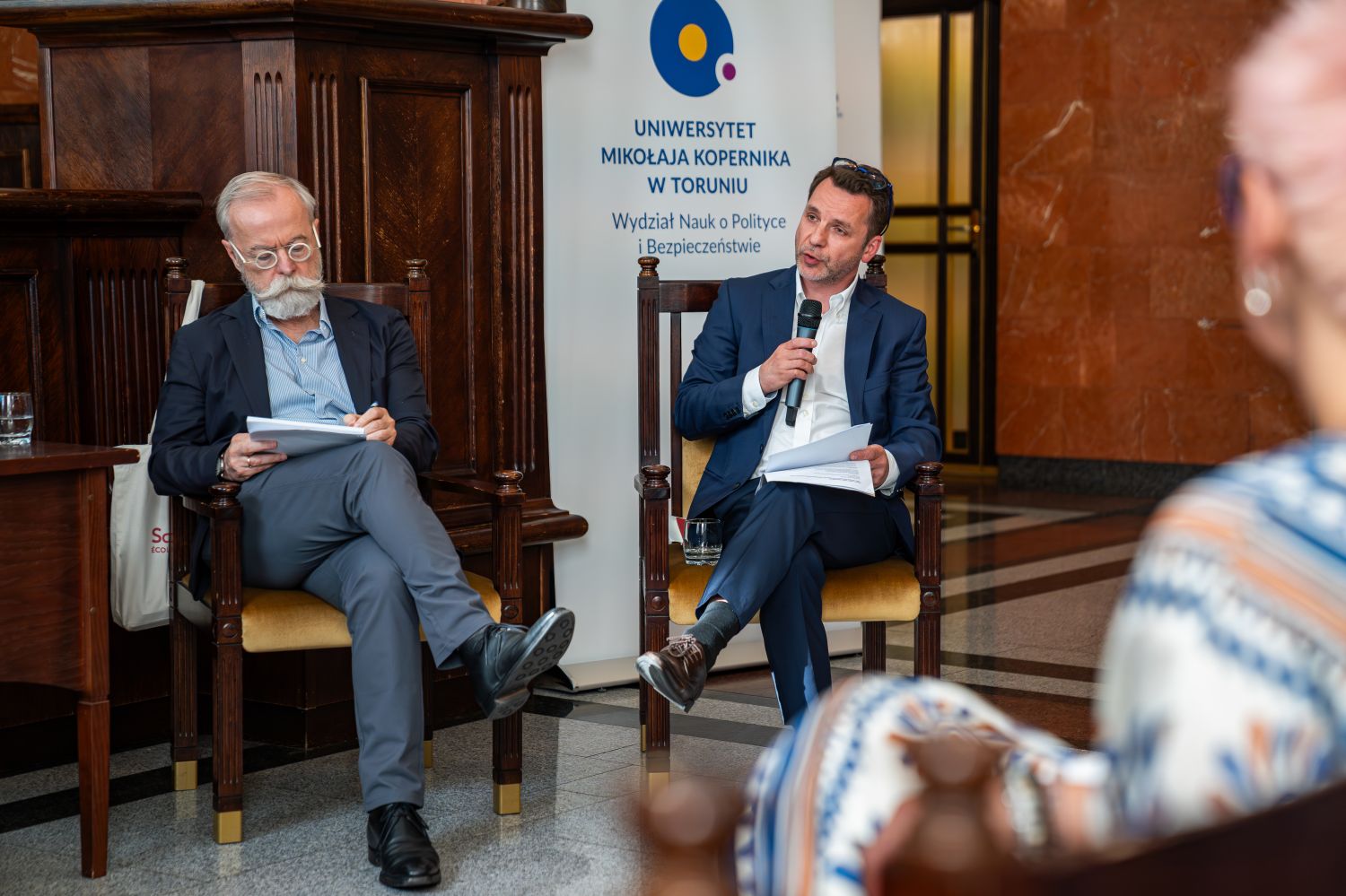
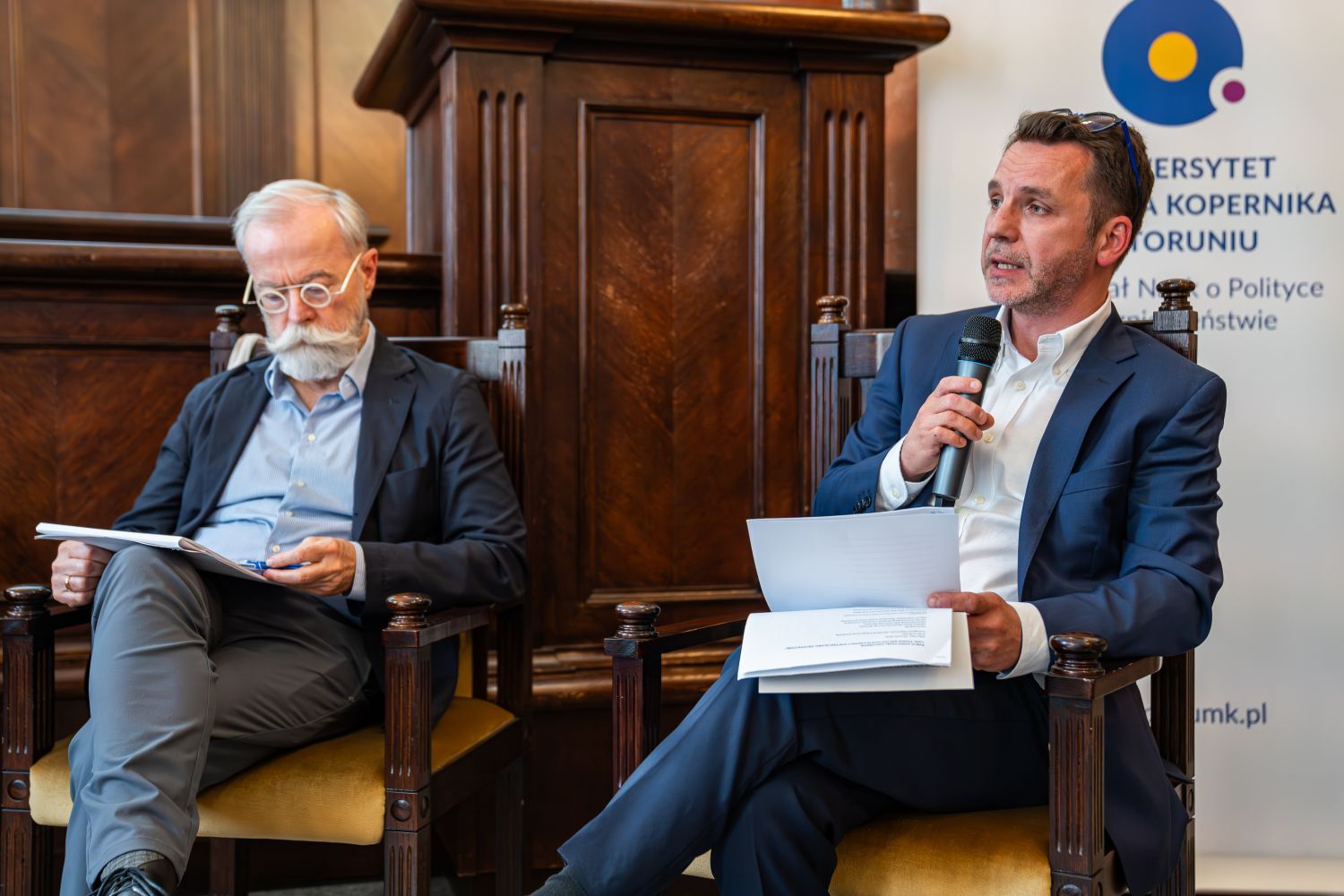
The colloquium will culminate in a panel discussion titled “Law, Power, and Politics in a Rapidly Shifting Global Architecture," scheduled for June 20, 2026, from 5:00 p.m. to 6:30 p.m. at the Collegium Maximum. The discussion will focus on the relationship between law, power, and politics in the context of a rapidly changing global architecture. Panelists will reflect on how law functions in the face of contemporary geopolitical tensions, shifts in the international order, growing inequalities, and challenges to democracy, human rights, and global governance institutions. Participants in the discussion will include Dr. hab. Marcin Kilanowski, professor at Nicolaus Copernicus University (NCU); Prof. Günter Frankenberg; Prof. David Kennedy; and Prof. Vasuki Nesiah. The discussion will be moderated by Dr. hab. Michał Balcerzak, professor at NCU. The event is open to the public.
The colloquium is funded by “Excellence Initiative – Research University" programme . The event is organized by the Faculty of Political Science and Security Studies at Nicolaus Copernicus University.
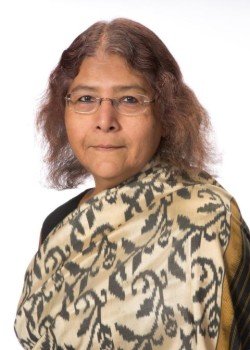 Sheila Jasanoff is Pforzheimer Professor of Science and Technology Studies at the Harvard Kennedy School. A pioneer in the social sciences, she explores the role of science and technology in the law, politics, and policy of modern democracies. Her books include The Fifth Branch, Science at the Bar, Designs on Nature, The Ethics of Invention, and Can Science Make Sense of Life? She founded and directs the STS Program at Harvard, where she also formed the Science and Democracy Network; previously, she was founding chair of the STS Department at Cornell. In 2022, she received the Government of Norway's Holberg Prize for law, humanities, and social sciences. Her other honors include the SSRC's Hirschman prize, the Humboldt Foundation's Reimar-Lüst award, a distinguished scholar award from ISA's Science, Technology and Art in International Relations, and a Guggenheim Fellowship. Jasanoff has held distinguished visiting professorships at leading universities in Europe, Asia, Australia, and the US. She is a member of the American Academy of Arts and Sciences and the American Philosophical Society, international member of the British Academy and the Royal Danish Academy, and member of the Council on Foreign Relations. She served on the AAAS Board of Directors and as President of the Society for Social Studies of Science. She holds AB, JD, and PhD degrees from Harvard, and honorary doctorates from the Universities of Twente and Liège.
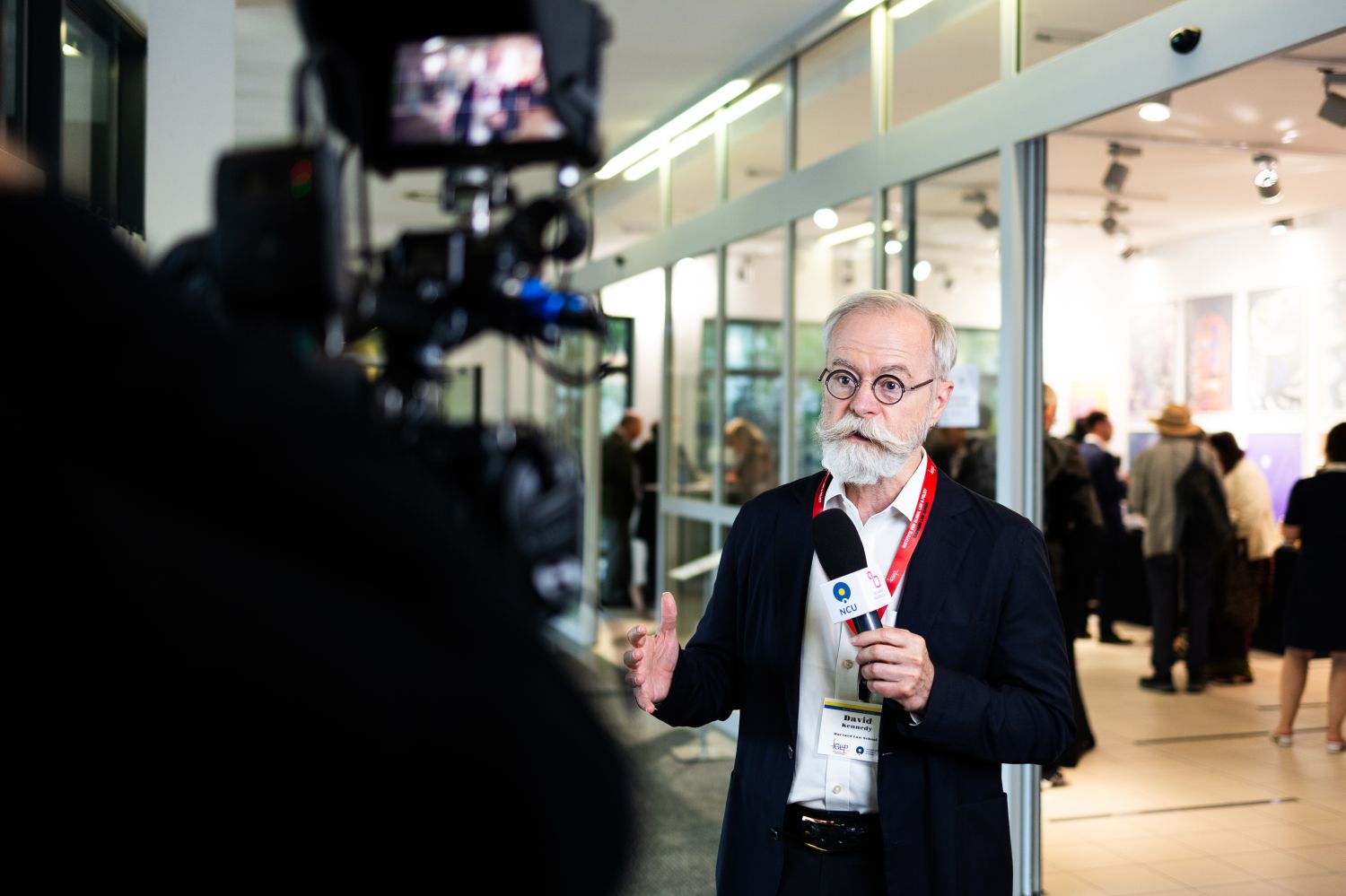
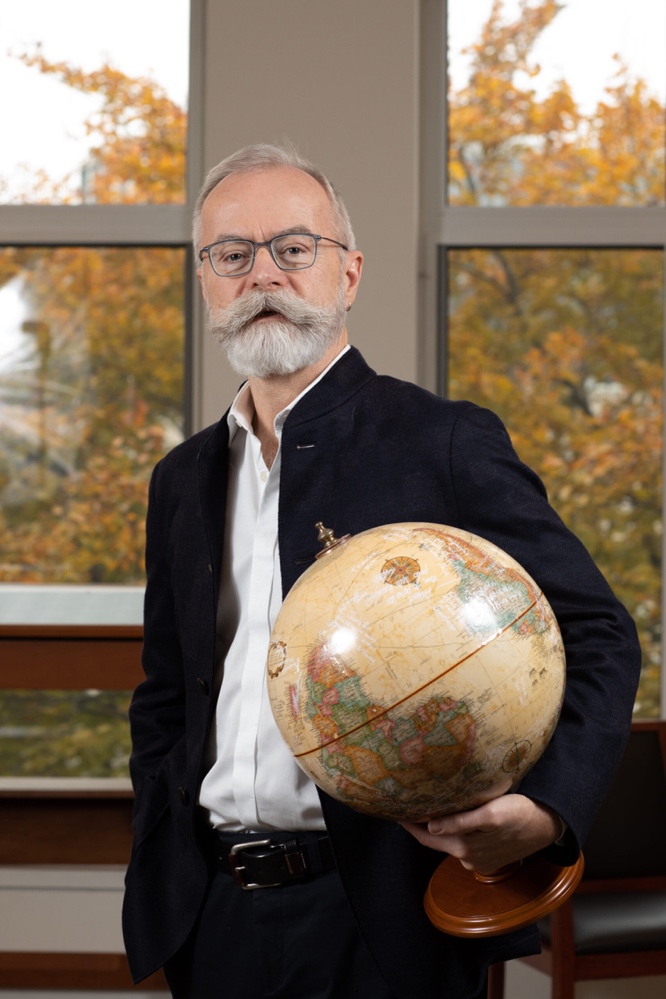 David Kennedy is Manley O. Hudson Professor of Law and Faculty Director of the Institute for Global Law and Policy at Harvard Law School where he teaches international law, international economic policy, legal theory, law and development, and European law. He joined the Harvard Law faculty in 1981 and holds a Ph.D. from the Fletcher School at Tufts University and a J.D. from Harvard. He is the author of numerous articles on international law and global governance. His research uses interdisciplinary materials from sociology and social theory, economics, and history to explore issues of global governance, development policy, and the nature of professional expertise. He has been particularly committed to developing new voices from the third world and among women in international affairs. As a practicing lawyer and consultant, Professor Kennedy has worked on numerous international projects, both commercial and public, including work with PricewaterhouseCoopers with their emerging markets and anti-corruption practice, with the United Nations, the Commission of the European Union, the Qatar Foundation, and with the private firm of Cleary, Gottlieb, Steen, and Hamilton in Brussels, where his work combined European antitrust litigation, government relations advising and general corporate law. A member of the U.S. Council on Foreign Relations, he is past Chair and Member of the World Economic Forum's Global Advisory Council on Global Governance. In 2011, he was appointed Foreign Advisor to Thailand's Truth for Reconciliation Commission and now serves as a member of the Asian Peace and Reconciliation Commission.
At Harvard, he served as Chair of the Graduate Committee and Faculty Director of International Legal Studies. He founded the European Law Research Center at Harvard in 1991 and served continuously as its Faculty Director. He has advised a number of educational institutions on their academic programs and lectured as a Visiting Professor at numerous universities across the world. In 2008-2009, he served as Vice President for International Affairs, University Professor of Law, and David and Marianna Fisher University Professor of International Relations at Brown University.
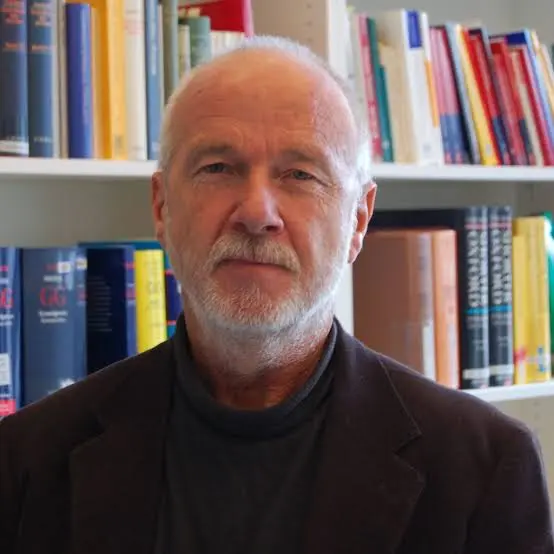 Günter Frankenberg is Emeritus Professor of Public Law, Legal Philosophy, and Comparative Law at the Faculty of Law of Goethe University Frankfurt. A leading scholar in constitutional theory and comparative constitutionalism, his work examines the relationship between law, politics, and society, with particular attention to constitutionalism, authoritarianism, democracy, migration, and the role of law in shaping social and political order. He is the author of numerous books and articles, including Authoritarianism: Constitutional Perspectives (2020), which explores the constitutional dimensions of contemporary authoritarian regimes. Throughout his career, Frankenberg has been recognized for his critical and interdisciplinary approach to legal scholarship, bridging public law, legal theory, and comparative constitutional studies.
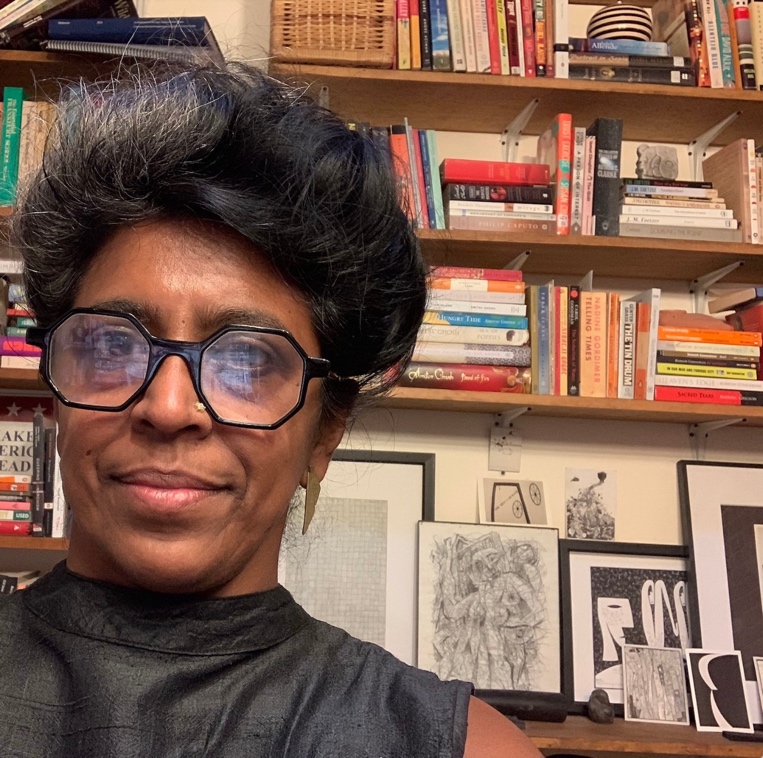 Vasuki Nesiah teaches human rights, legal and social theory at NYU Gallatin where she is also faculty director of the Gallatin Global Fellowship in Human Rights. She has published on the history and politics of human rights, humanitarianism, international criminal law, reparations, global feminisms, and decolonization. Nesiah was awarded the Gallatin Distinguished Teacher Award in 2021 and the NYU Dr. Martin Luther King Jr. Faculty Award in 2020. Her current book projects include International Conflict Feminism (forthcoming from University of Pennsylvania Press) and Reading the Ruins: Colonialism, Slavery, and International Law. A founding member of Third World Approaches to International Law (TWAIL), she is co-editing TWAIL: A Handbook with Anthony Anghie, Bhupinder Chimni, Michael Fakhri, and Karin Mickelson (forthcoming from Elgar). A selection of recent publications include: "A Double Take on Debt: Reparations Claims and Regimes of Visibility in a Politics of Refusal" forthcoming this month in the Osgoode Hall Law Journal (2022), "Feminist Approaches to International Law" with Karen Engle and Diane Otto in Jeffrey L Dunoff and Mark A Pollack, eds., International Legal Theory: Foundations and Frontiers, (Cambridge University Press 2022); "A Mad and Melancholy Record": The Crisis of International Law Histories, Notre Dame Journal of International & Comparative Law, Volume 11, Issue 2 (2021); "The Law of Humanity has a Canon: Translating Racialized World Order into 'Colorblind' Law", PoLAR: Political and Legal Anthropology Review, (November 2020), "Freedom at Sea", London Review of International Law, (July 2019) and the co-edited volume, A Global History of Bandung and Critical Traditions in International Law (Cambridge 2017).
Vasuki Nesiah teaches human rights, legal and social theory at NYU Gallatin where she is also faculty director of the Gallatin Global Fellowship in Human Rights. She has published on the history and politics of human rights, humanitarianism, international criminal law, reparations, global feminisms, and decolonization. Nesiah was awarded the Gallatin Distinguished Teacher Award in 2021 and the NYU Dr. Martin Luther King Jr. Faculty Award in 2020.
Her current focus is on a book project tentatively titled Reading the Ruins: Slavery, Colonialism and International Law. She recently completed International Conflict Feminism (UPenn 2024) and is co-editing the Handbook on Third World Approaches to International Law (under contract with Elgar). Her previous co-edited work also speaks to international law from a global south perspective: A Global History of Bandung and Critical Traditions in International Law (Cambridge 2017).
Nesiah continues as core faculty in Harvard Law School's Institute for Global Law and Policy (IGLP); In this capacity she has taught for over ten years in the IGLP summer and winter workshops in Cambridge, Doha, Cape Town, Madrid, Bangkok, and Geneva. She has also taught in different capacities at Brown University, Columbia University's School of Public and International Affairs, and the University of Melbourne Law School. In addition to being an active member of the editorial collective of the journal Humanity, she is also on the international advisory editorial committees of several journals, including Feminist Legal Studies, the London Review of International Law, Comparative Studies of South Asia, Africa, and the Middle East, the Third World Approaches to International Law Review (TWAILR) and the Jindal Law and Humanities Review. Before returning to full-time academia, Nesiah spent several years as a human rights lawyer working on law and policy issues in the field of post-conflict justice at the International Center for Transitional Justice (ICTJ). She founded and headed ICTJ's Gender Program and served as Senior Associate leading ICTJ's work in a number of countries, including South Africa, India, Ghana, Nepal, and the Philippines. She earned her BA at Cornell University, and her JD and SJD at Harvard Law School. She is originally from Sri Lanka.