 NCU News
 Campus life
Democracy Needs Science


“The world is becoming increasingly complex, and to understand it, we need reliable information from trusted experts," says prof. dr habil. Adam Izdebski from Nicolaus Copernicus University (NCU), co-author of the article “How Democracy Depends on Science — and Must Protect it", published by the journal Nature.
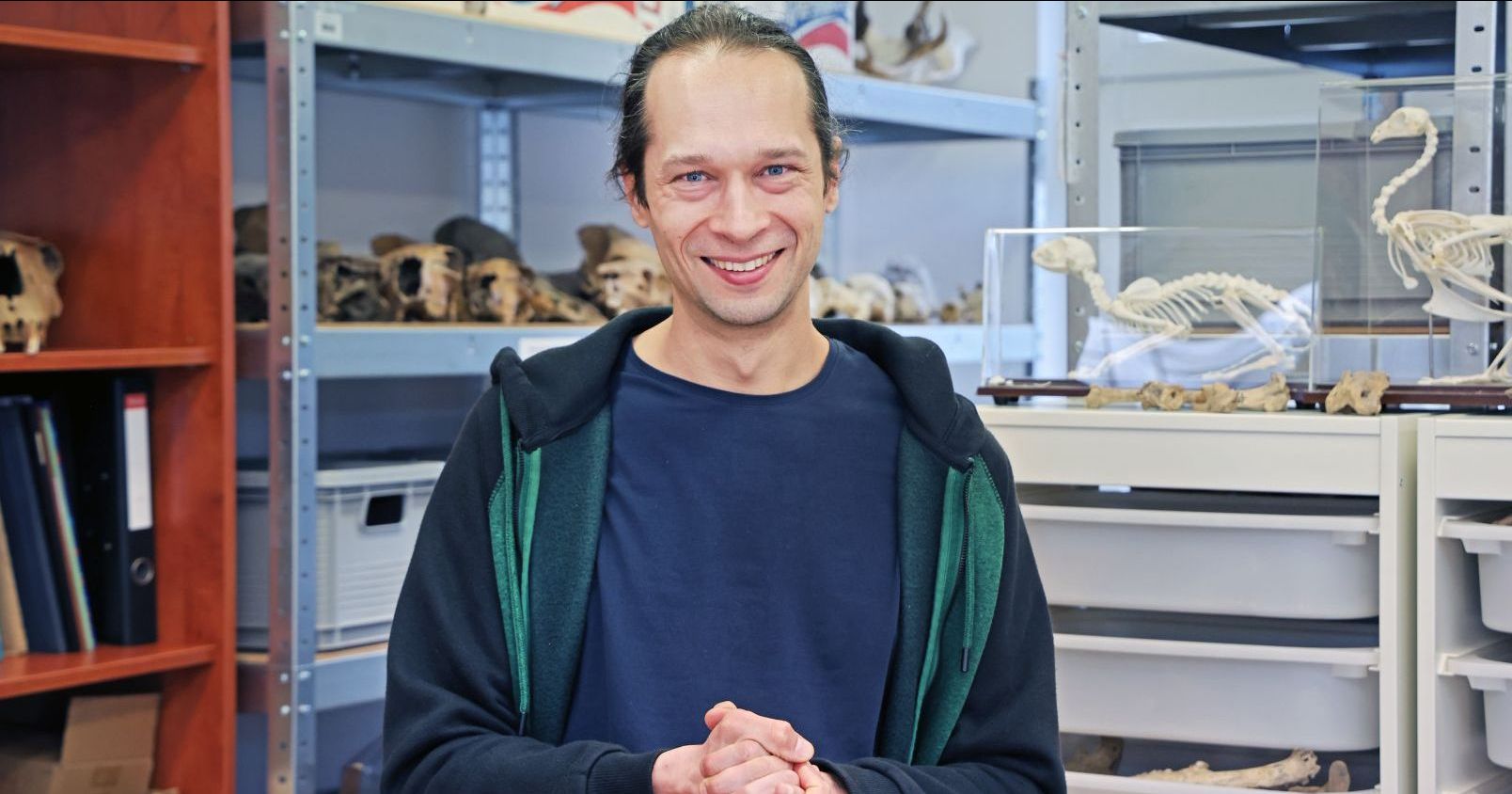
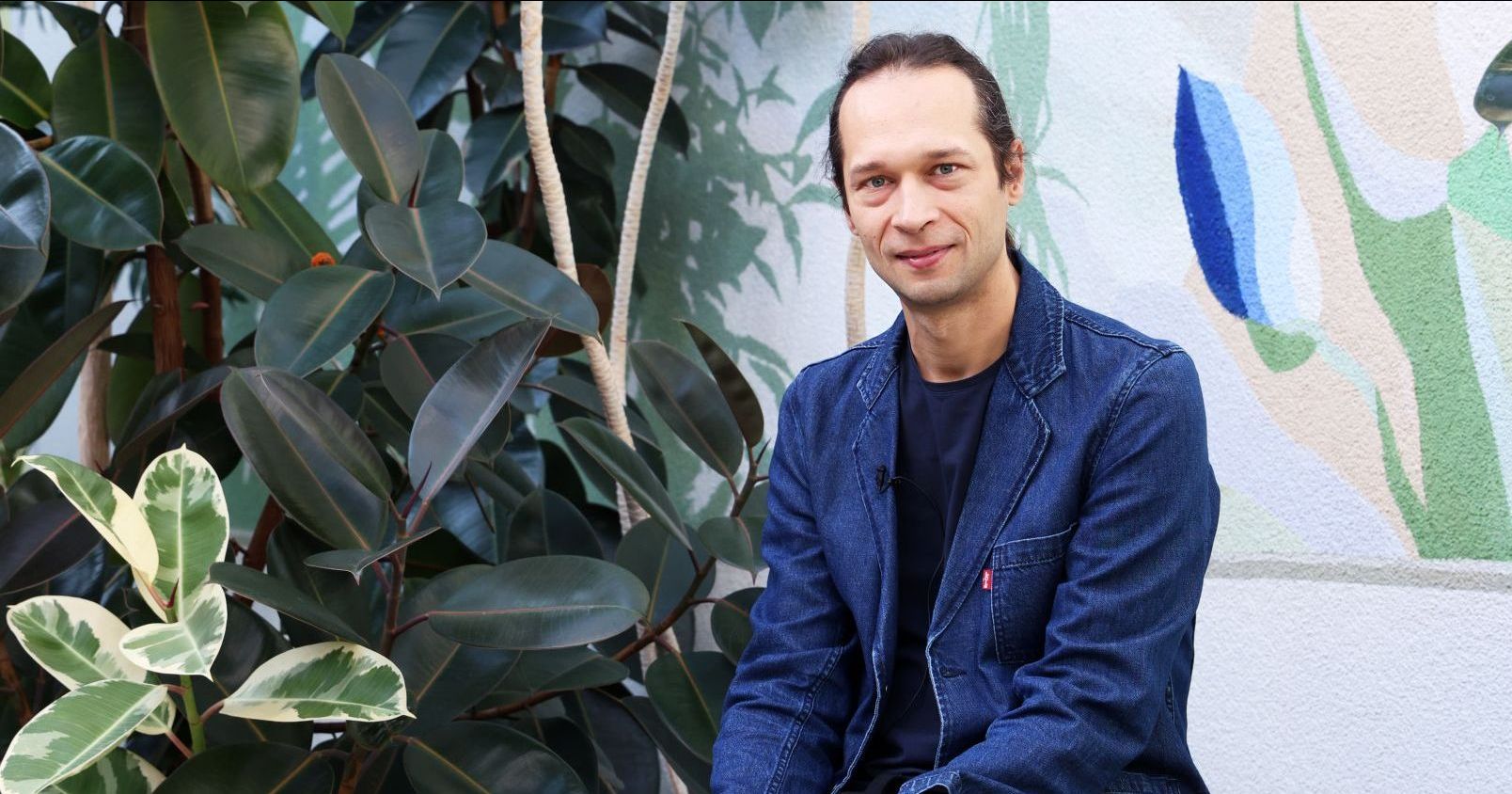
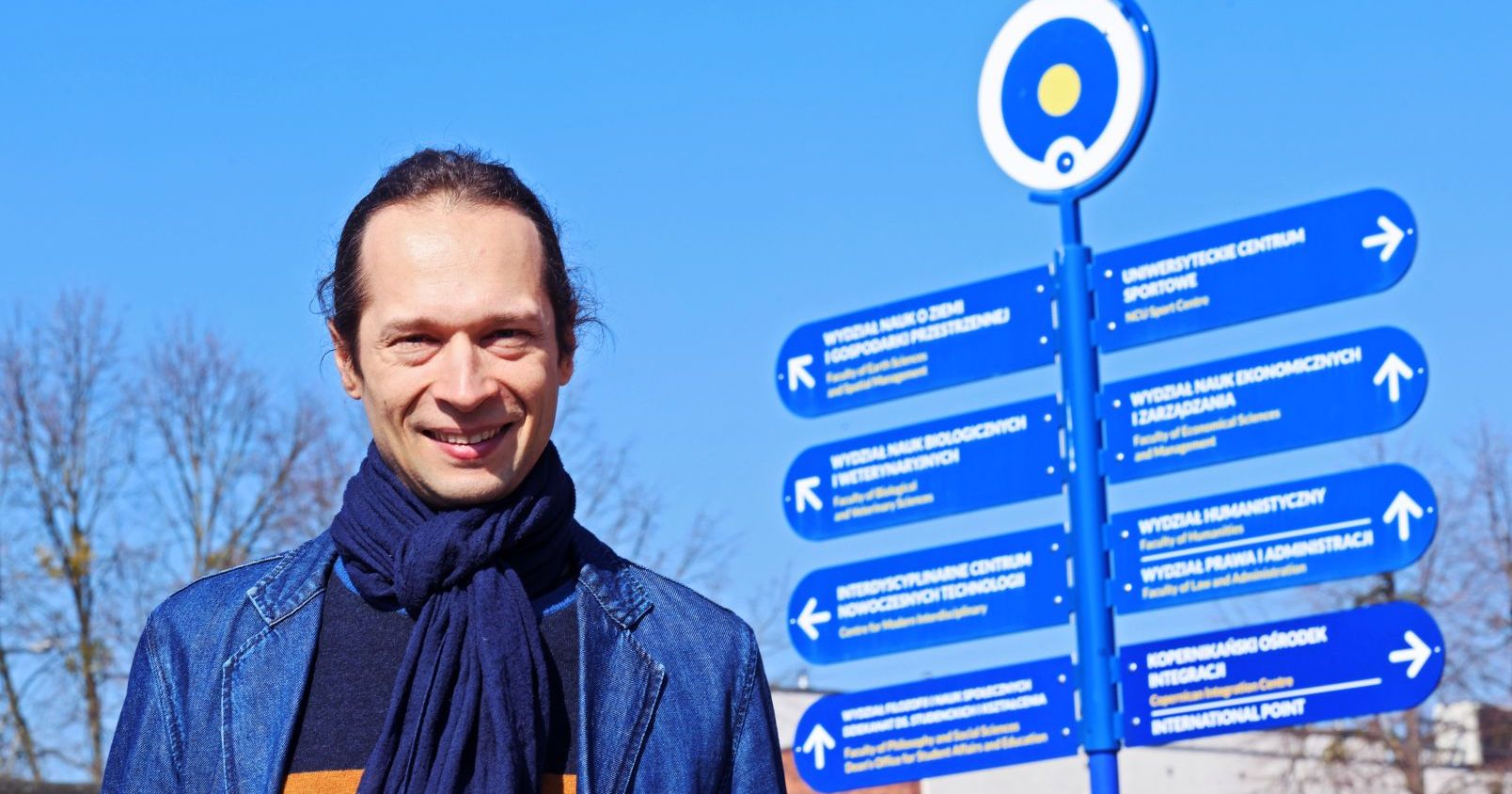
Prof. Adam Izdebski a historian and environmentalist from the Institute of Advanced Studies at Nicolaus Copernicus University in Toruń, is the chair of the European Commission's Group of Chief Scientific Advisors. The scientists on this panel have decided to remind governments and the public that science is one of the key foundations of democracy.
Governance requires knowledge. If you want to make effective decisions, you need to know what the reality is and what options you have for influencing it, says Prof. Izdebski. – And scientific methods can help with this.
In May this year, Ekaterina Zaharieva, the European Commissioner for Start-ups, Research and Innovation, asked a group – of which Prof. Izdebski is a member – to provide its views on how science can strengthen the democratic functioning and resilience of the European Union. As part of their response to this request, the group's members published an article in *Nature* in which they identified three pillars summarising how science supports democracy:
- Fact-sharing – democracy needs reliable, verified information so that citizens and governments can make informed decisions;
- Trust – the public must trust independent experts and scientific institutions, and science must be transparent and free from political pressure;
- Resilience – scientific knowledge enables governments to respond to new threats, assess the effectiveness of measures and adapt policies to changing circumstances.
Scientific advice for policy-making can be carried out in various settings – points out Prof. Izdebski. – Research may be carried out by people directly employed by ministries, but there is a risk that they will be afraid to convey inconvenient facts to those in power. And this is where we see the advantage of democratic systems over authoritarian ones, because in a democracy there are various institutions that enjoy autonomy. We must safeguard this autonomy so that researchers are not afraid to say that the facts do not always align with the vision of those in power. At the same time, it is not the role of researchers to tell politicians: 'you cannot pursue your objectives' or 'your objectives are wrong'. The role of scientists is to explain the available options, to draw attention to the consequences of certain actions and to the outcomes of the decisions taken.
On the other hand, researchers should popularise science and ensure that the public has access to facts, so as to enable them to engage more effectively with a highly complex reality, which lays the foundations for collective action. The authors of the article “How Democracy Depends on Science — and Must Protect it" emphasise that artificial intelligence and other digital platforms are changing the way people find information, form opinions and participate in public life. Not only does this create opportunities to broaden participation and increase transparency, but it also gives rise to increasingly complex or new threats, including disinformation, manipulation, bias, polarisation and the fragmentation of society. Furthermore, the development of these technologies reinforces the disproportionate influence of a small number of influential tech companies and their leaders, including their ability to 'sow doubt' and shape public opinion.
According to Prof. Izdebski, universities, other academic institutions and individual researchers should make an effort to explain their research on a day-to-day basis. It is not even a question of explaining individual projects, but of showing how science works in general, and how facts are discovered.
We often feel as though science is a pyramid to which we add bricks of facts and statements, constantly building it up. There's no going back down; you have to keep climbing upwards all the time – explains Prof. Izdebski. – But the nature of science is that, from time to time, someone will question the base, the foundations. In a chain reaction, we begin to shift our perspective and realise that certain things actually work differently. Science provides better tools for managing this complexity in order to achieve the greatest possible success. And the role of scientists is to cooperate with any democratically elected government.
The situation is complicated by differences in approach to advising and providing information. In his book *The Honest Broker: Making Sense of Science in Policy and Politics*, published in 2007 by Cambridge University Press, Professor Roger Pielke Jr. popularised the concepts of the 'honest broker' and the 'issue advocate'. The former seeks to broaden or clarify the full spectrum of available policy options, whilst the latter uses their expertise to narrow down the range of choices and persuade others to adopt one specific solution. “Perhaps this is the most important point to clarify: scientists are needed in both these roles, although this may lead to ambiguity in how the role of science is perceived," says Prof. Izdebski. 'On the one hand, there are impartial, transparent scientists; on the other, there are those who collaborate, for example, with conservationists or consumer organisations and try to put pressure on politicians. But that is the role of science: to provide facts in both cases. It is important that scientists, the public and those in power know what they are getting involved in. The strength of science does not lie in individual discoveries, but in the fact that scientists have a way of reaching and revising consensus.
Science is a critical backbone of democracy: it provides independent knowledge, develops critical thinking skills and enables the public to participate in decision-making in an informed manner – explains dr habil. Adam Kola, NCU Prof., Vice-Rector for Research. – For Nicolaus Copernicus University, as a non-metropolitan research university, this is a particularly important message: sustained investment in independent research outside the major centres strengthens both research excellence and the democratic resilience of society, whilst broadening access to knowledge and opportunities for development.
The authors of the article published in *Nature* – Professors Martin Kahanec, Naomi Ellemers, Adam Izdebski, Rafal M. Łukasik, Dimitra Simeonidou, Rémy Slama and Mangala Srinivas – point out that every democratic society should treat the protection of academic freedom as a priority. Governments must ensure stable funding for independent research and support open science, access to research findings, peer-reviewed publications, freedom of research and public access to reliable information. They must also strengthen channels of dialogue between scientific institutions and decision-makers, whilst respecting the autonomy and complementary roles and responsibilities of all parties involved.