 NCU News
 Campus life
EXPOsed in Japan


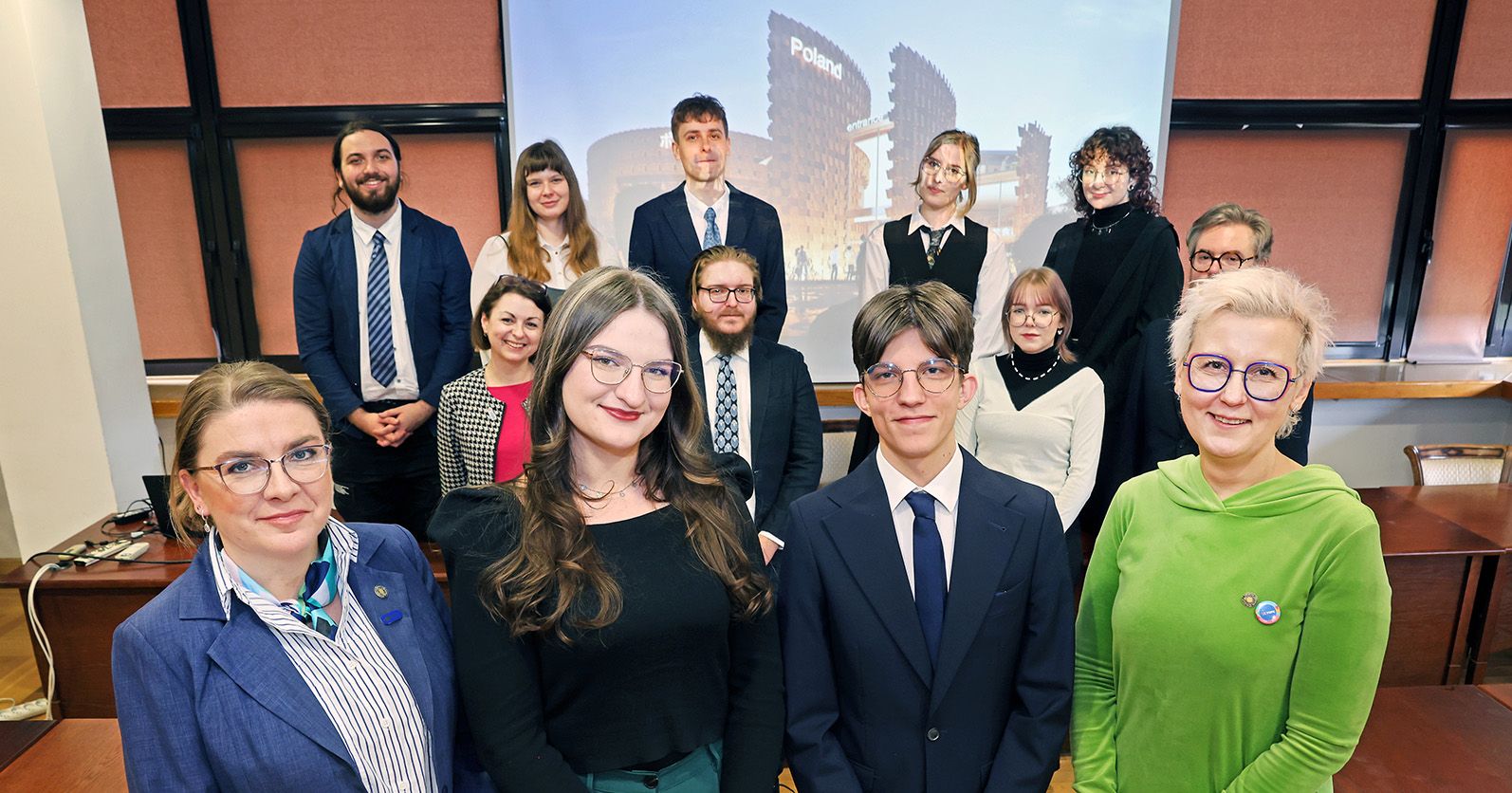
Working at the Poland Pavilion at the Expo in Osaka, Kansai (Japan) was not only a professional challenge for them, but also a unique lesson in intercultural communication and an opportunity to learn about the behind-the-scenes of this global event. The students of Japanese studies at the Nicolaus Copernicus University returned to Toruń with a wealth of diverse experiences.
They gained experience that cannot be compared to any academic internship – from serving international delegations, through cooperation with Japanese teams, to getting to know the ins and outs of a major event that combines technology, art and business. Not only did they improve their Japanese language skills and learn about the country's culture, but they also strengthened their soft skills, above all by gaining self-confidence.
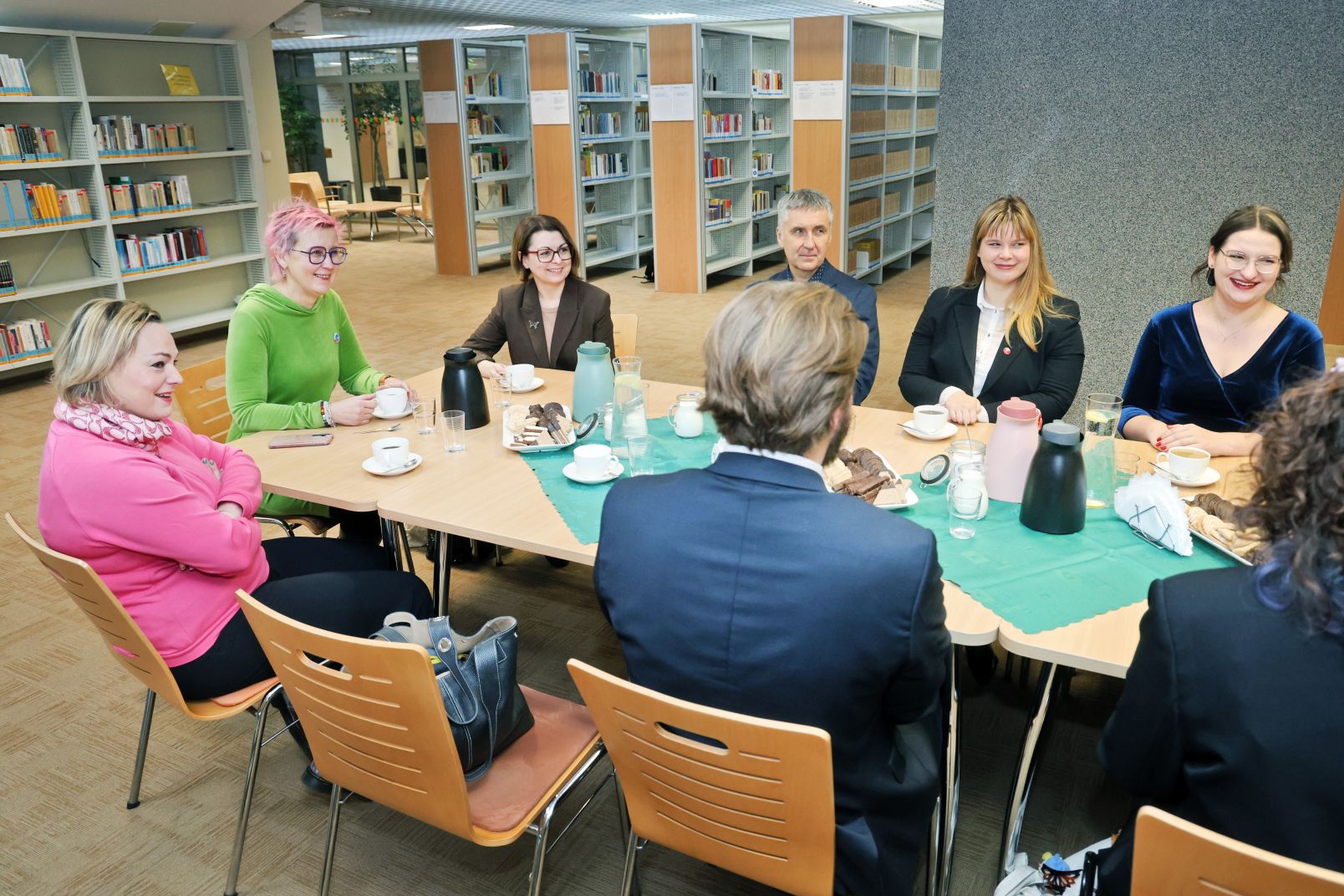
Before their departure to Japan, and upon their return, the students were seen off and welcomed by the Vice-Rector for International Relations, dr habil. Magdalena Barwiołek, NCU Prof.
Photo: Andrzej Romański
We have confirmed our belief that the path we have chosen is the right one. We have the skills, we are capable, and we can cope even in the most difficult conditions, says Magdalena Żak, one of nine students of Japanese studies at the Nicolaus Copernicus University who worked for six months in the Poland Pavilion at this year's Expo in Osaka, Kansai, as part of their internship.
A One-in-a-Million Opportunity
The EXPO 2025 was the third World Exposition hosted by Japan. It is the largest and most prestigious event of economic, cultural, and tourism-related significance. The exhibition took place on the artificial island of Yumeshima, covering an area of 155 hectares. It opened on 13 April and concluded on 13 October. According to the organizer's data, the Expo was visited by more than 29 million people.
During this time, more than 160 countries and regions presented their economic, tourist, and cultural offerings, including Poland, which was among the 40 countries to present its own autonomous pavilion. Within an area of nearly 1,000 square meters, our country was showcased as a place whose principal asset is its people - creative, open-minded, educated, innovative, and bold in their thoughts and actions. Poland's programmatic concept for its participation in the Expo was built around the slogan: "Poland. Heritage that Drives the Future."
- It was a once-in-a-lifetime opportunity. I felt that if I did not go, I would miss something truly important, significant, and simply unrepeatable. Setting aside the value of the Expo itself, the entire experience - the connections, the skills I acquired there - would have simply passed me by, says Weronika Sadowska, another student who qualified for the trip to Japan.
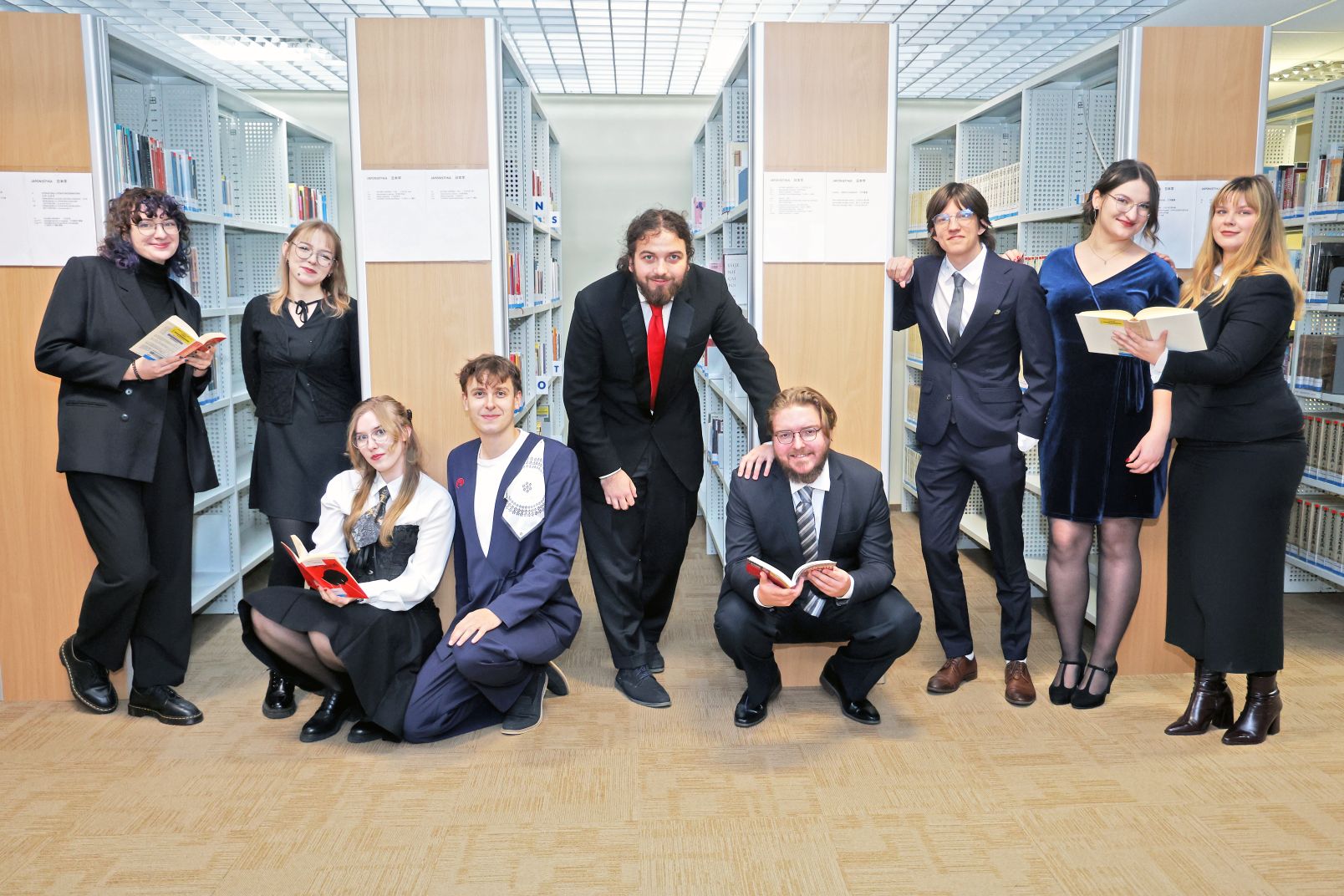
I wanted to make full use of my time at university, to take advantage of everything it could offer me. I cannot imagine completing Japanese Studies without ever having been to Japan, so the prospect of going immediately caught my attention. I will not hide that it was difficult to leave my loved ones here for six months - there was homesickness and concern about whether everything was all right - but the prospect of working at the Expo was highly promising, explains Bartłomiej Sowa, a member of the NCU group participating in the Expo. - What made it appealing was that we were not going there to study what we learn here, only in Japanese, nor merely to meet peers or travel around Japan - this was not a student exchange. At the Expo we met people from all over the world - of all ages, from various social groups and cultures. We faced dozens of diverse situations and tasks in which we had to prove ourselves. That was an immense value of the trip.
– We confronted our expectations with reality, theory with practice. What we had been learning at the University, we could put to the test on site, adds Dominika Pospieszyńska, who also took part in the trip. - Six months may not seem like a long time, but so much happened that under other circumstances we would not have experienced it even over the course of two years.
From Toruń to Osaka
The Poland Pavilion was among the most frequently visited - more than 1.3 million guests passed through its doors. From April to October, it hosted over 100 events promoting Polish economy, culture, and technology. It also received three international distinctions. The Bureau International des Expositions (BIE) in Paris, which oversees the organization of World Expositions, awarded Poland the Gold Medal in the “Exhibition Design" category for self-built pavilions up to 1,500 square meters. The pavilion was also recognized in the World Expolympics competition, receiving a Silver Award for the Best Exhibition/Display for the "Plantation of Ideas" installation and a Bronze Award in the Best Medium Pavilion category.
An important element of Poland's presence at the Expo was the programme promoting Polish science, prepared by the Ministry of Science and Higher Education, the Polish Investment and Trade Agency, the National Agency for Academic Exchange (NAWA), and the Ministry of National Education. Cooperation with Polish universities was of key importance - 48 students participated in the Expo, nine of whom were Japanese studies students from the Nicolaus Copernicus University in Toruń. The students who travelled to Osaka were: Jakub Narkun, Bartłomiej Sowa, Dominika Pospieszyńska, Andrzej Korkosz, Magdalena Żak, Emilia Kilanowska, Weronika Sadowska, Weronika Frątczak, and Tomasz Zieliński.
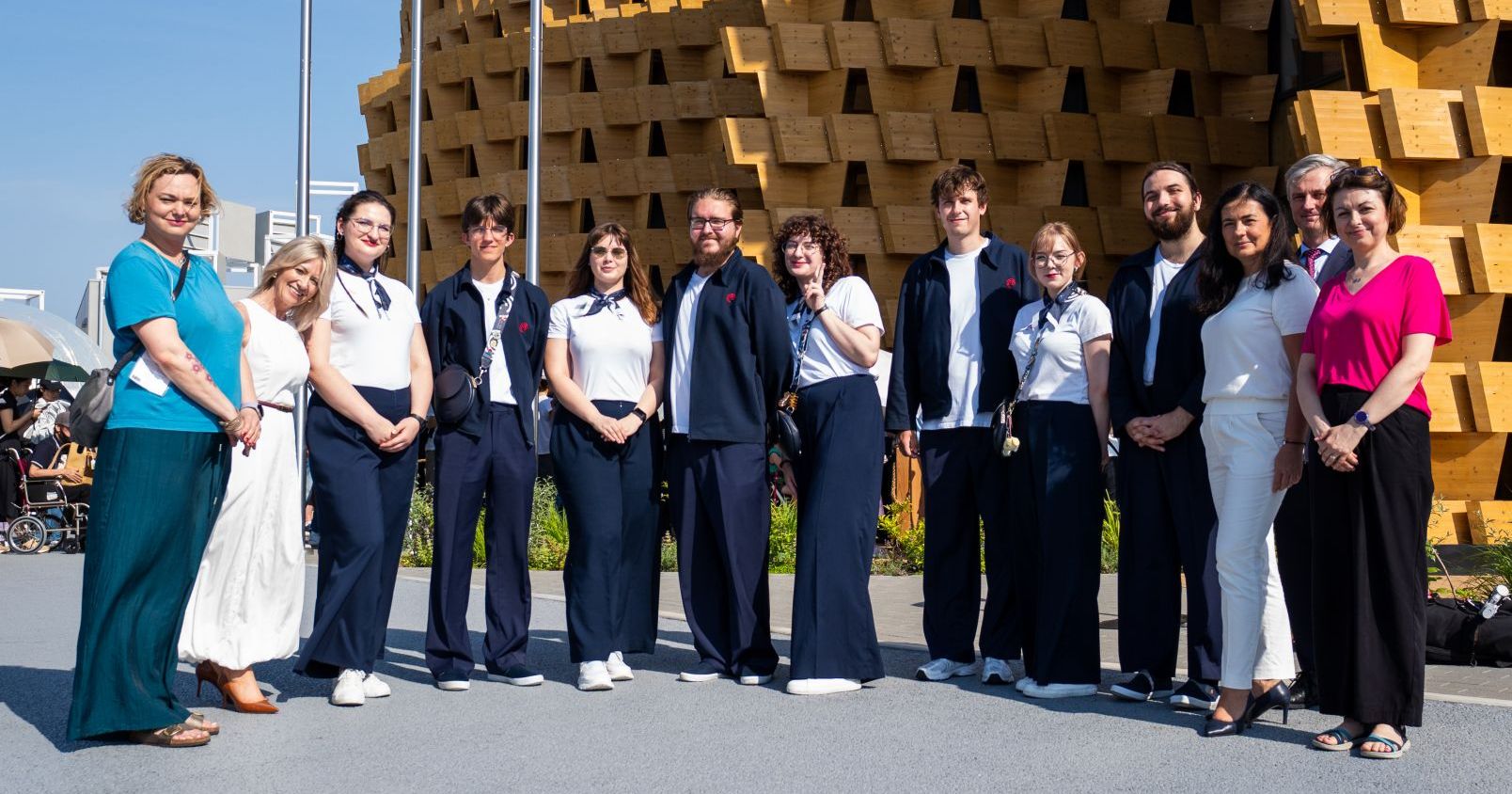
It was probably the best of all possible opportunities to go abroad. We were in the right place at the right time - having the Expo in Japan coincide with our studies was like a one-in-a-million chance, says student Andrzej Korkosz. - A major advantage was that we could go as a group: we study together, we know one another, we get along, so it was simply easier. In more difficult moments, we could help and support one another.
The favourable timing of the Expo with the students' degree programme was not enough - qualifying for the program required navigating a demanding recruitment process. The students had to meet numerous criteria; among other requirements, they needed to demonstrate fluency in Japanese and English, experience in promotional activities and work in an international environment, as well as successfully complete intercultural competence assessments.
- Already at one of the first meetings promoting the programme, I felt its energy and sense of mission. I knew that such a trip could bring me many benefits: it would allow me not only to refine my language skills, but also to acquire new competencies, build connections, and significantly strengthen my prospects for a good future career in the field, says Weronika Frątczak. - Of course, I had no certainty that I would be accepted, but I applied without hesitation so that I would have no regrets.
- I faced a choice: a student exchange or the Expo. I chose the latter because I knew it was an exceptional opportunity, adds Tomasz Zieliński. - The Expo carries enormous prestige, and the skills I gained - both hard and soft - enhance my professional prospects for the future. Plus, it was an adventure that simply cannot be repeated.
Hard work pays off
They managed exceptionally well. I believed from the very beginning that they would. This is a group of talented young people who diligently participated in all the trainings and workshops, so the outcome could hardly have been different, says Dr. Marcelina de Zoete-Leśniczak from the Faculty of Humanities, the programme coordinator at the NCU. - Participation in the programme was extremely valuable for them, and it also allowed the NCU to present itself as a university open to international cooperation and to academic and cultural exchange.
For six months, the students were actively involved in the operation of the Poland Pavilion, working in a shift system (two days on, one day off), assisting tens of thousands of guests each week, and participating in the coordination of academic, cultural, and promotional events. They supported concerts, workshops, and various activities held at the pavilion, such as those organized during the "Tourism and Sports Week" - and also coordinated thematic presentations of different regions of Poland. In addition, they balanced their Expo duties with their university studies in Toruń.
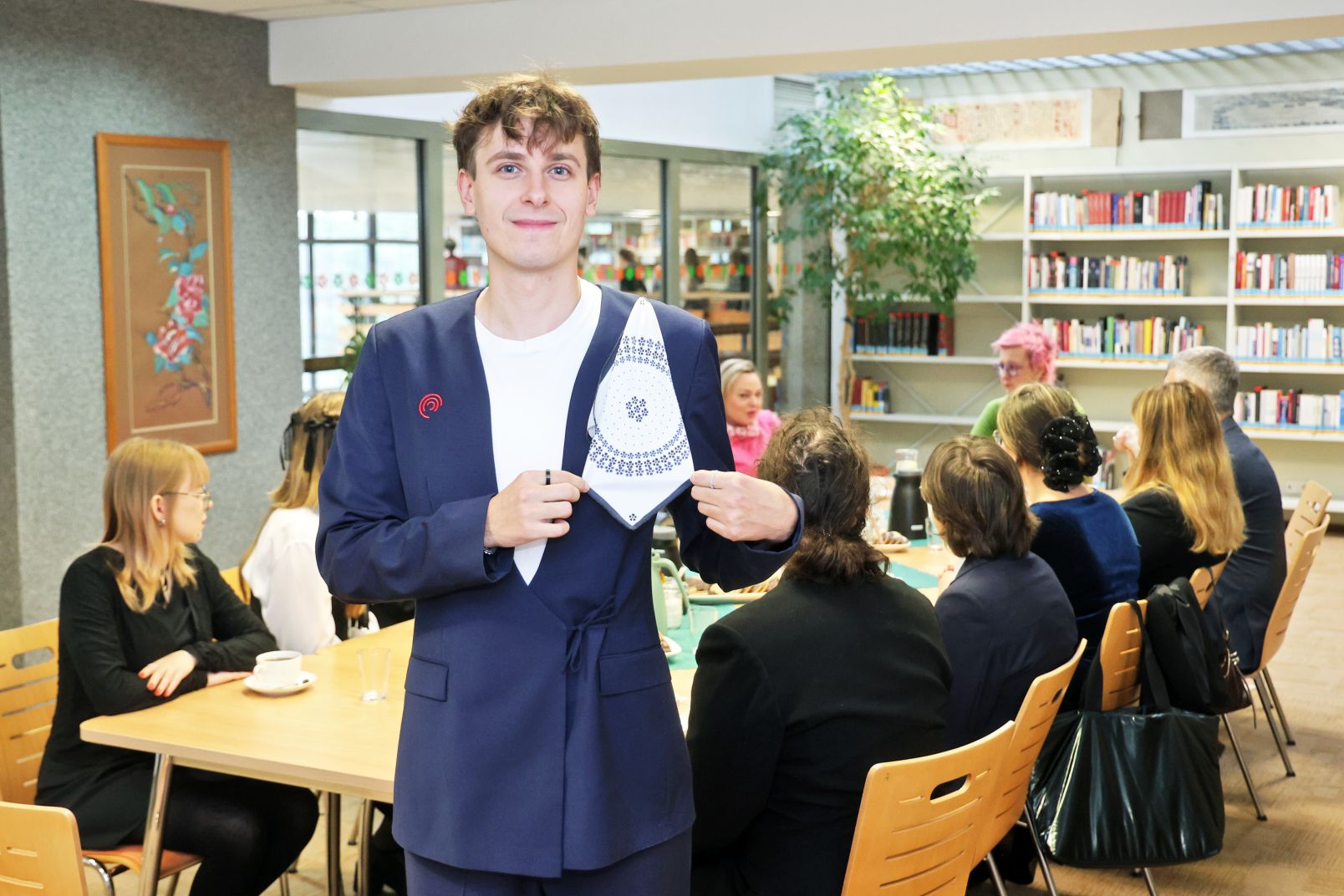
– It was an extremely intense time: we met thousands of people and had to orient ourselves and respond in many unusual situations - something was always happening in the Poland Pavilion, explains Jakub Narkun. - Had we been on a traditional student exchange, we certainly would not have experienced this side of life in Japan.
On the one hand, we were well prepared for what awaited us; on the other hand, every day brought something unexpected. Going as a group helped us enormously, especially at the beginning, when the stress of the new environment and responsibilities was at its highest. We could rely on one another in every situation, adds Emilia Kilanowska. - None of us regrets going - each one of us would gladly do it again. The memories we made there, will stay with us forever.
A Japanese Future
The students returned to Toruń and settled back into the academic routine. Most of them are now focused on their master's theses and… searching for new opportunities to return to Japan.
They have undergone a transformation. They are the same young people, but now equipped with a wealth of experiences that many would envy, says dr. Marcelina de Zoete-Leśniczak. - In a short period, they significantly improved their proficiency in Japanese and built an academic and professional social network with international reach. This will undoubtedly yield long-term benefits.
- It was beautiful, though at times challenging, says Magdalena Żak. - I see the Expo as the beginning of our adult lives. I am very curious and cannot wait to see where all of this will lead us: where we will be in ten years, and whether the Expo will have played a role in shaping that future. I believe it will.