 NCU News
 Campus life
Pioneering research with support from the NCN


Prof. Piotr Wcisło from the Faculty of Physics, Astronomy and Applied Computer Science has been named among the winners of the MAESTRO 17 competition of the National Science Centre (NCN), which supports pioneering research crucial for the development of science. The results of the 15th edition of SONATA BIS have also been announced, in which three researchers from Nicolaus Copernicus University (NCU) received grants: Dr Marta Sibierska, Dr Joanna Walewska-Choptiany, and Dr Katarzyna Siudzińska, Associate Professor at NCU.
MAESTRO is the NCN's flagship programme that funds pioneering research conducted by experienced scientists, including interdisciplinary projects of importance for the advancement of science, going beyond the current state of knowledge and potentially leading to scientific discoveries. The competition is open to researchers holding at least a doctoral degree who have an outstanding scientific record documented by publications in reputable journals as well as experience in managing major research grants.
In the seventeenth edition of the MAESTRO competition, the NCN received 83 applications, of which seven were selected for funding with a total value of nearly PLN 26.6 million.
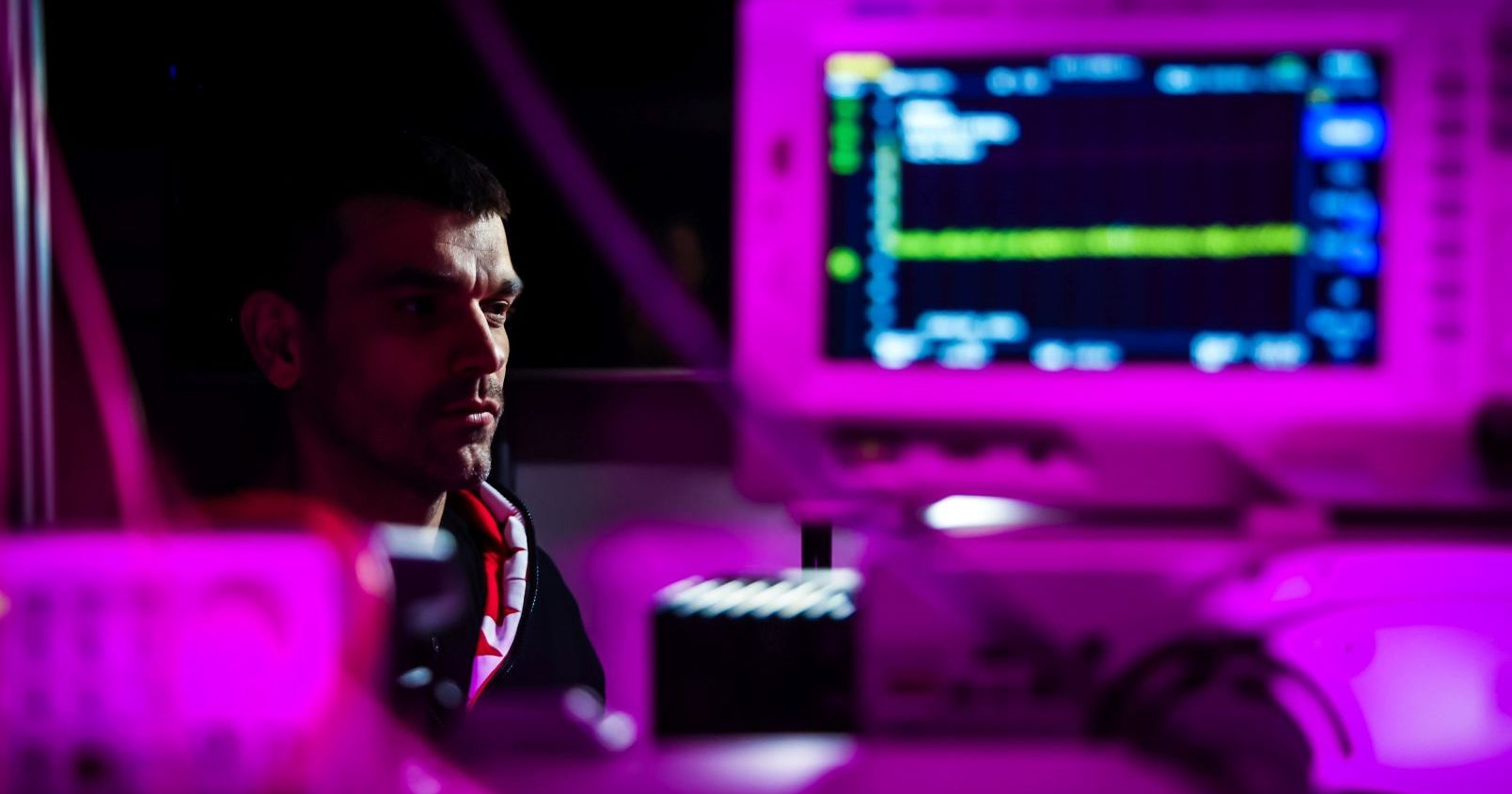
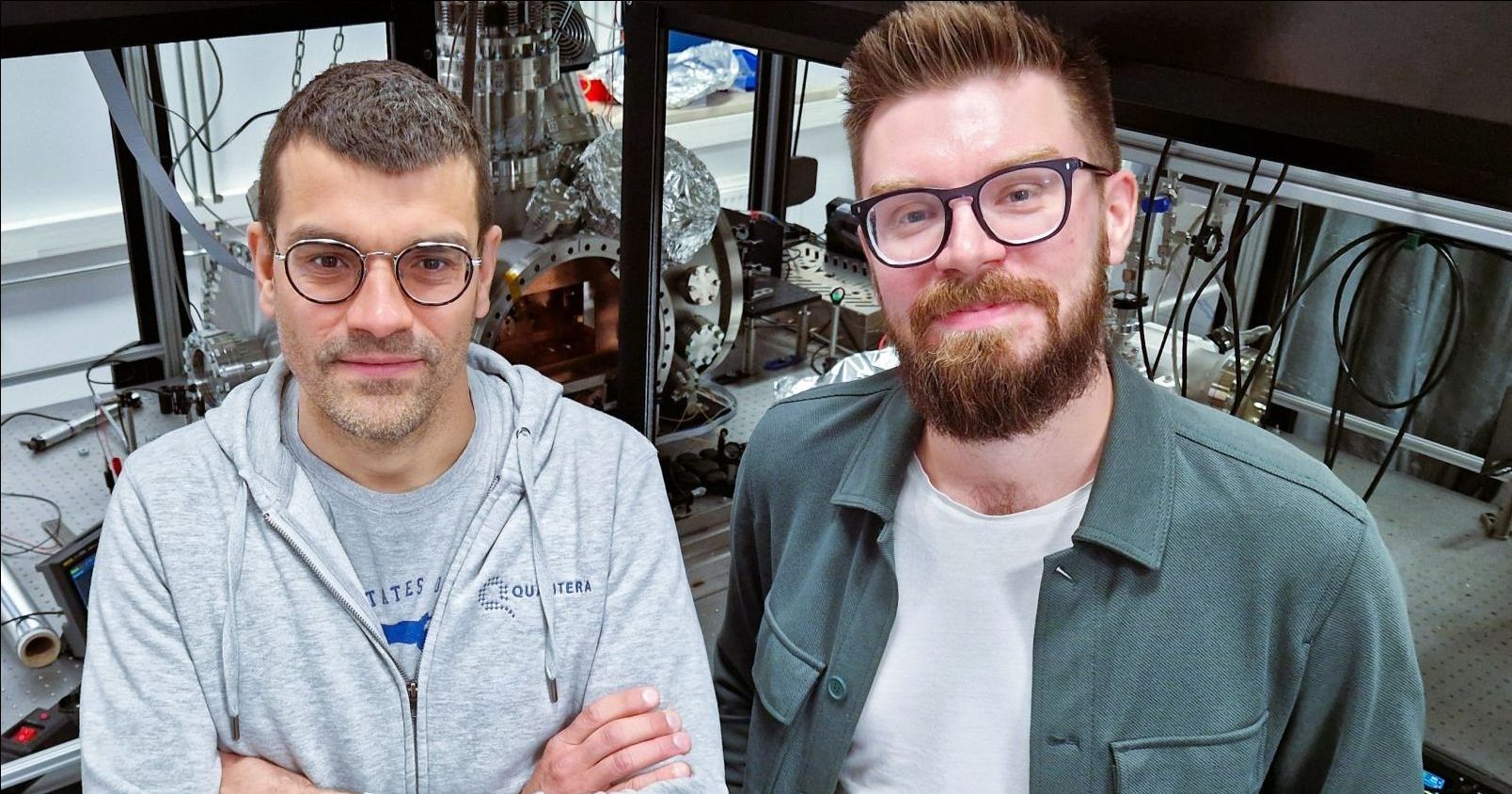
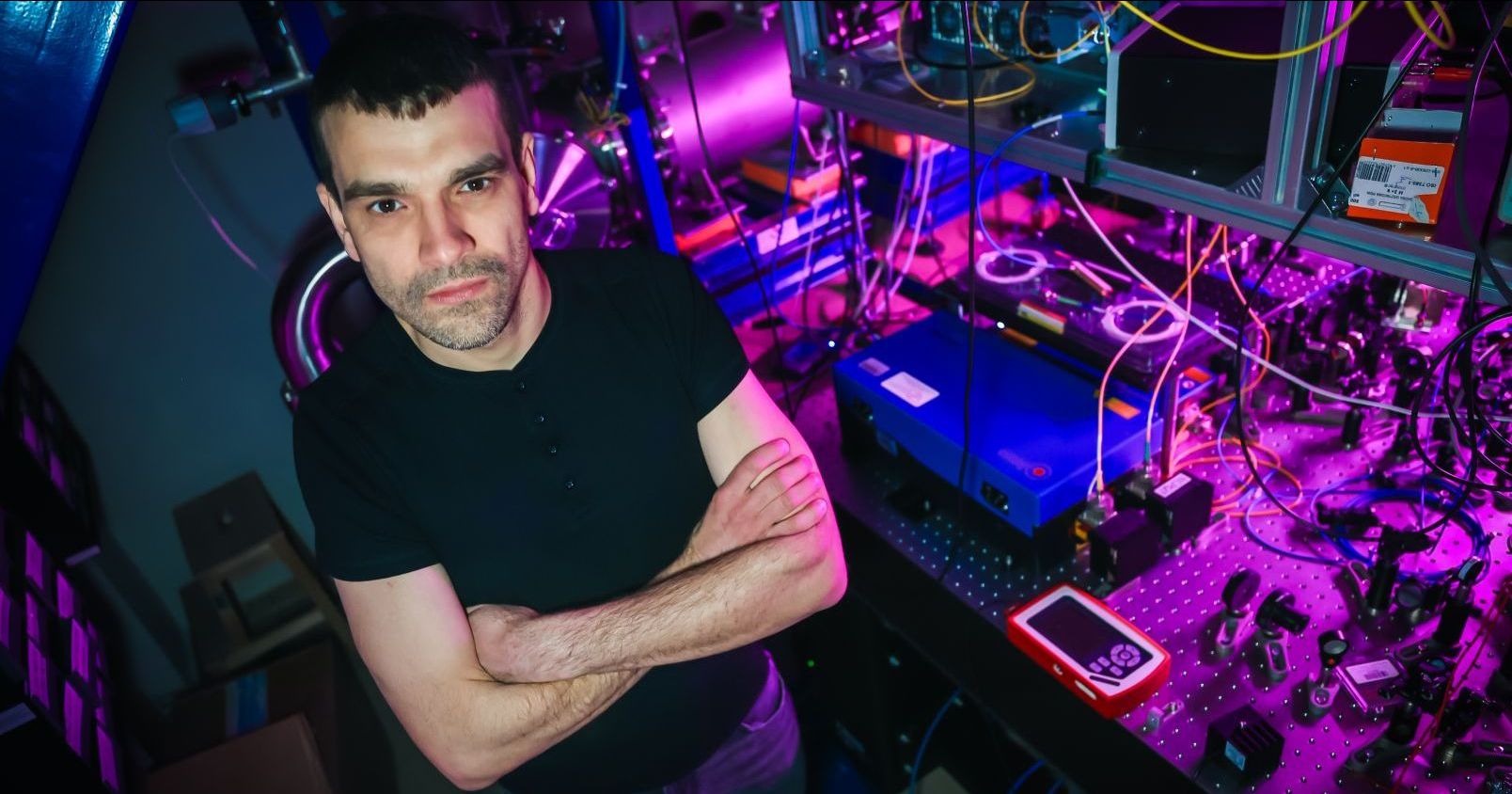
Among the awardees is Prof. Piotr Wcisło from the Faculty of Physics, Astronomy and Applied Computer Science, whose five-year project entitled “Ultrahigh-Precision Laser Spectroscopy – Testing the Limits of Quantum Theory" will receive funding from the NCN in the amount of PLN 5,683,980.
The research envisages the creation of an experimental system combining some of the most advanced technologies of modern physics, such as lasers of extraordinary precision, devices enabling the trapping of light known as optical cavities, and extremely cold environments that will make it possible to study molecules with greater accuracy than ever before.
“At the core of our research lies a fundamental question: how well does our current understanding of quantum physics hold when we examine the smallest and simplest molecules at an extremely high level of precision?" – we read in the project description. “For example, the hydrogen molecule is the simplest molecule in nature, whose structure can be calculated from the first principles of quantum theory with remarkable accuracy. By measuring the vibrational and rotational energy of the hydrogen molecule with unprecedented precision, we can directly test these predictions. If the theory perfectly agrees with the measurements, we will have tested quantum physics for molecules at a level of precision never achieved before. If not, it may point to new physics waiting to be discovered."
More information about the research of Prof. Piotr Wcisło's team
The National Science Centre has also announced the results of the SONATA BIS 15 competition, which enables researchers who are 5 to 12 years after obtaining their doctoral degree to establish their own independent research group and carry out ambitious basic research projects. The grant budget may include funding for the salaries of project leaders and team members, the purchase of research apparatus, equipment, software, materials and supplies, external services, travel, consultations, and other costs necessary for the implementation of the projects.
In the 15th edition of the competition, 481 proposals were submitted with a total requested funding of more than PLN 1.3 billion. Funding was awarded to 70 projects with a total value exceeding PLN 223.7 million, including three projects led by researchers from Nicolaus Copernicus University in Toruń:
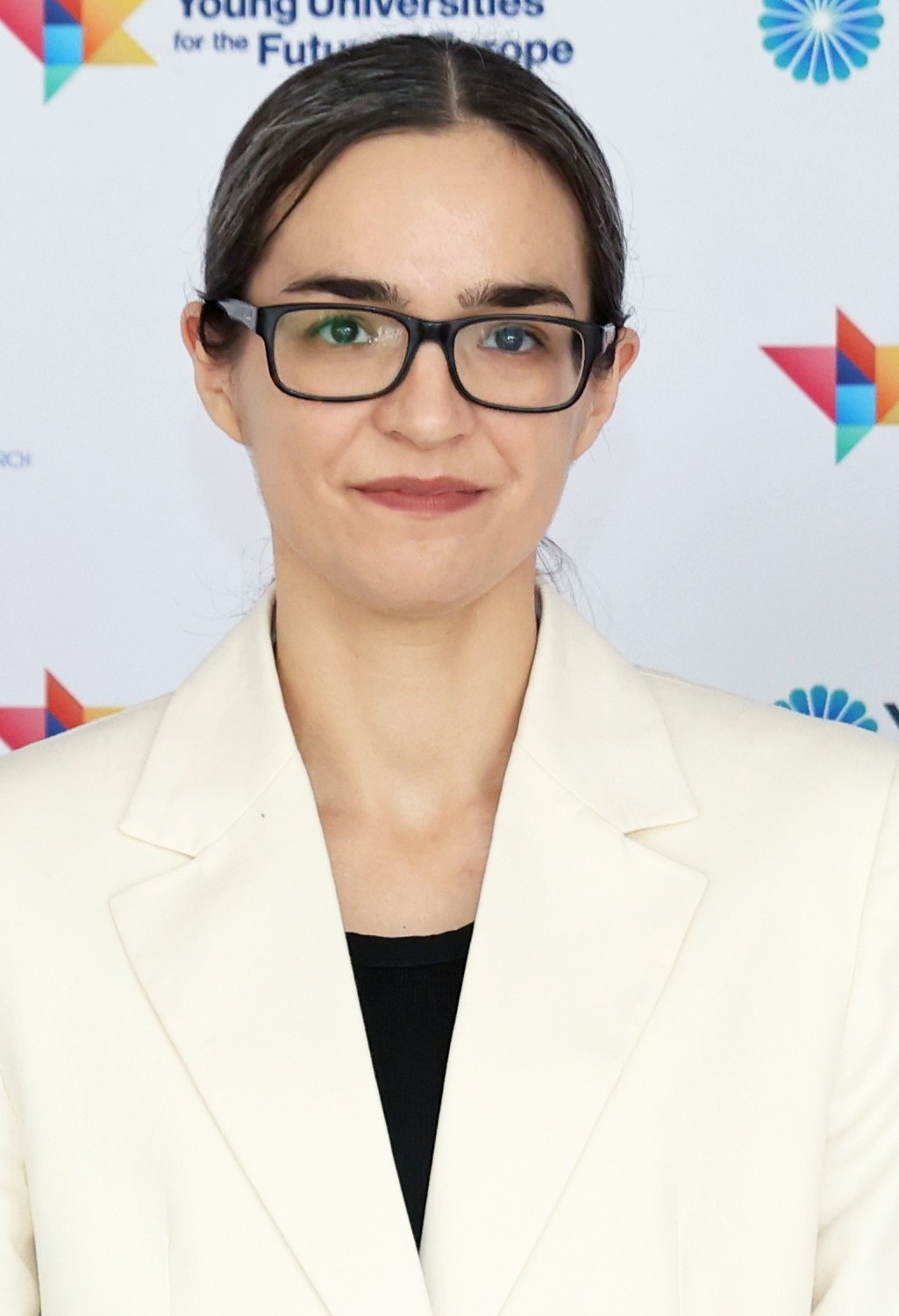 Dr Marta Sibierska from the Faculty of Humanities will receive PLN 1,237,516 for the project “RIECS: The Role of Indices in Emerging Communication Systems." The project involves a series of experiments in which participants will be required to communicate without using words. The researchers will use video analysis and AI-based motion tracking to investigate how indices differ from icons—how long they last, how fast they are, how much space they occupy, and which parts of the body are involved in producing them. The knowledge gained may provide new insights into the evolution of language and the ways in which children learn to communicate, and may also enhance the possibilities of designing better communication tools in various environments—from classrooms to virtual reality.
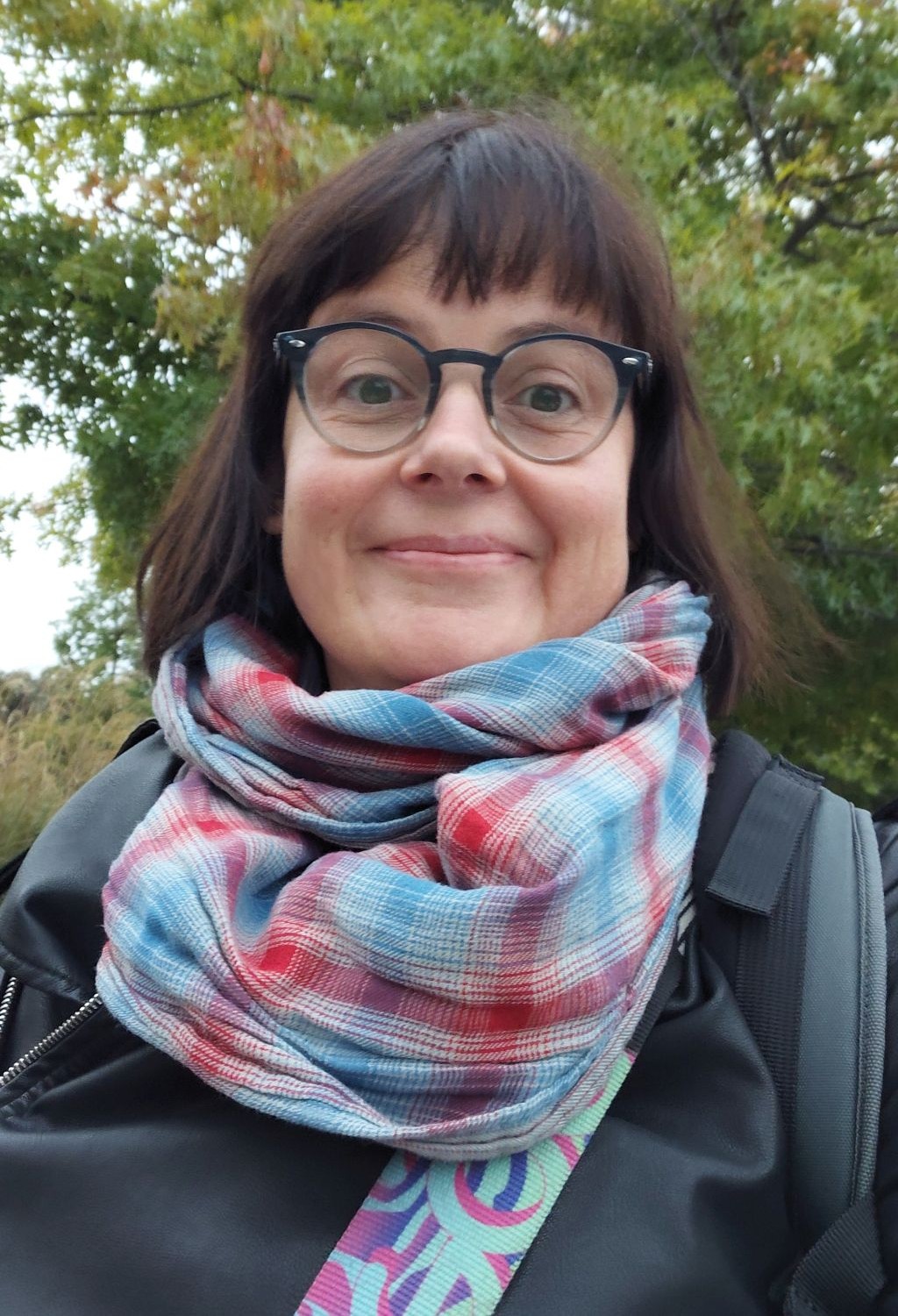 Dr Joanna Walewska-Choptiany from the Faculty of Humanities will receive PLN 2,572,406 for the project “Cold War Feedback between Polish Radio and Radio Free Europe in the Years 1952–1990." The research aims to present Polish Radio and Radio Free Europe as equal actors in the Cold War information space who closely listened to one another across the Iron Curtain, since so-called “white propaganda" was one of the most important sources of information. The project will take into account state documents regulating the activities of both institutions; however, the main focus will be on moments when the institutions' actions diverged from official top-down guidelines.
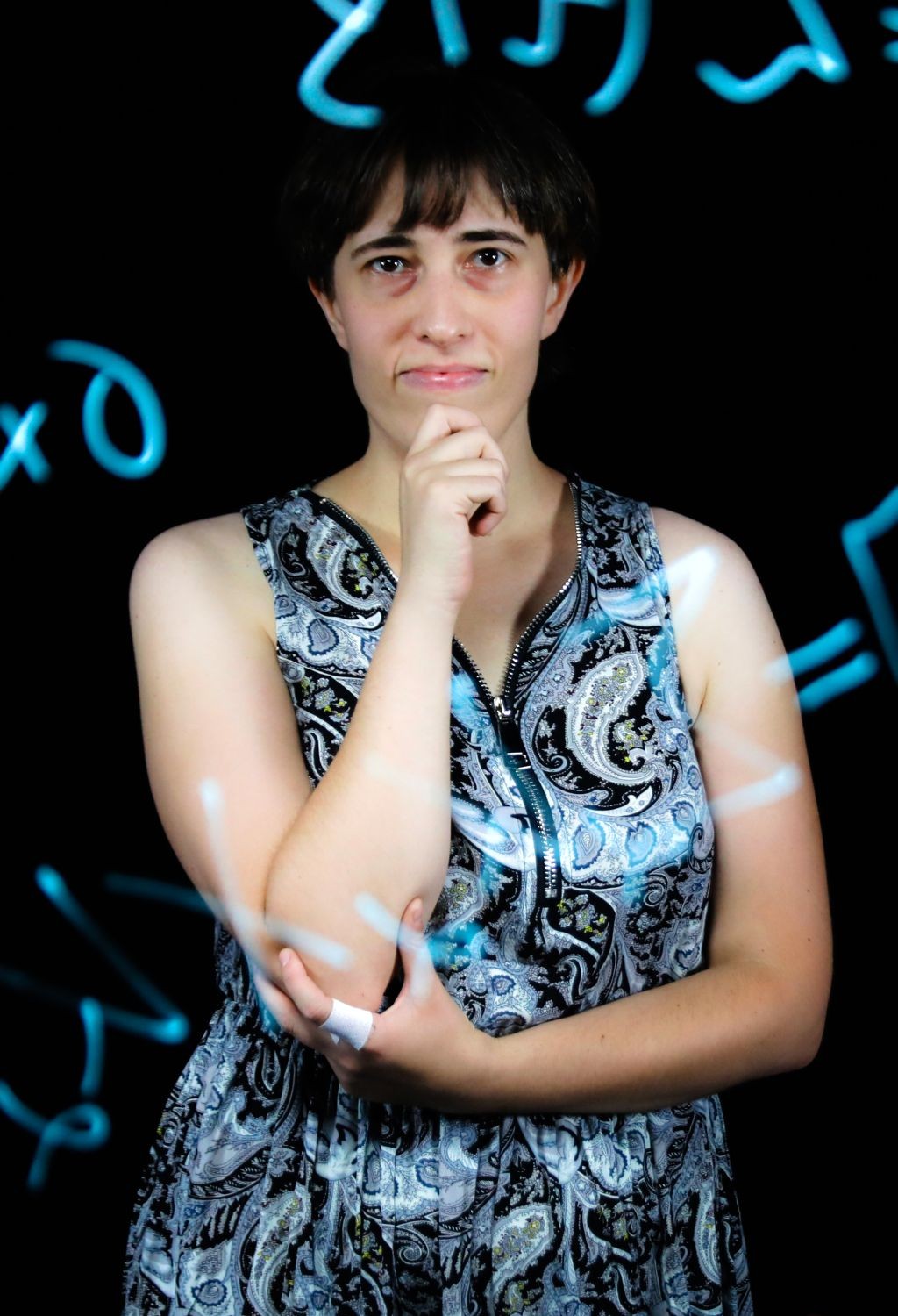 Dr Katarzyna Siudzińska, Associate Professor at NCU, from the Faculty of Physics, Astronomy and Applied Computer Science will receive PLN 1,035,170 for the project “Symmetric Quantum Measurements: Definition, Analysis and Applications." The aim of the research is to define, analyse and construct measurement operators (used to obtain information about quantum states) with weaker symmetry constraints but analogous properties and applications. In preliminary results, the researcher shows that SIC POVMs and MUBs are special cases of a more general concept: equally sized sets of mutually unbiased symmetric measurements that are informationally complete.