 NCU News
 Campus life
Tribute to Spitsbergen explorers


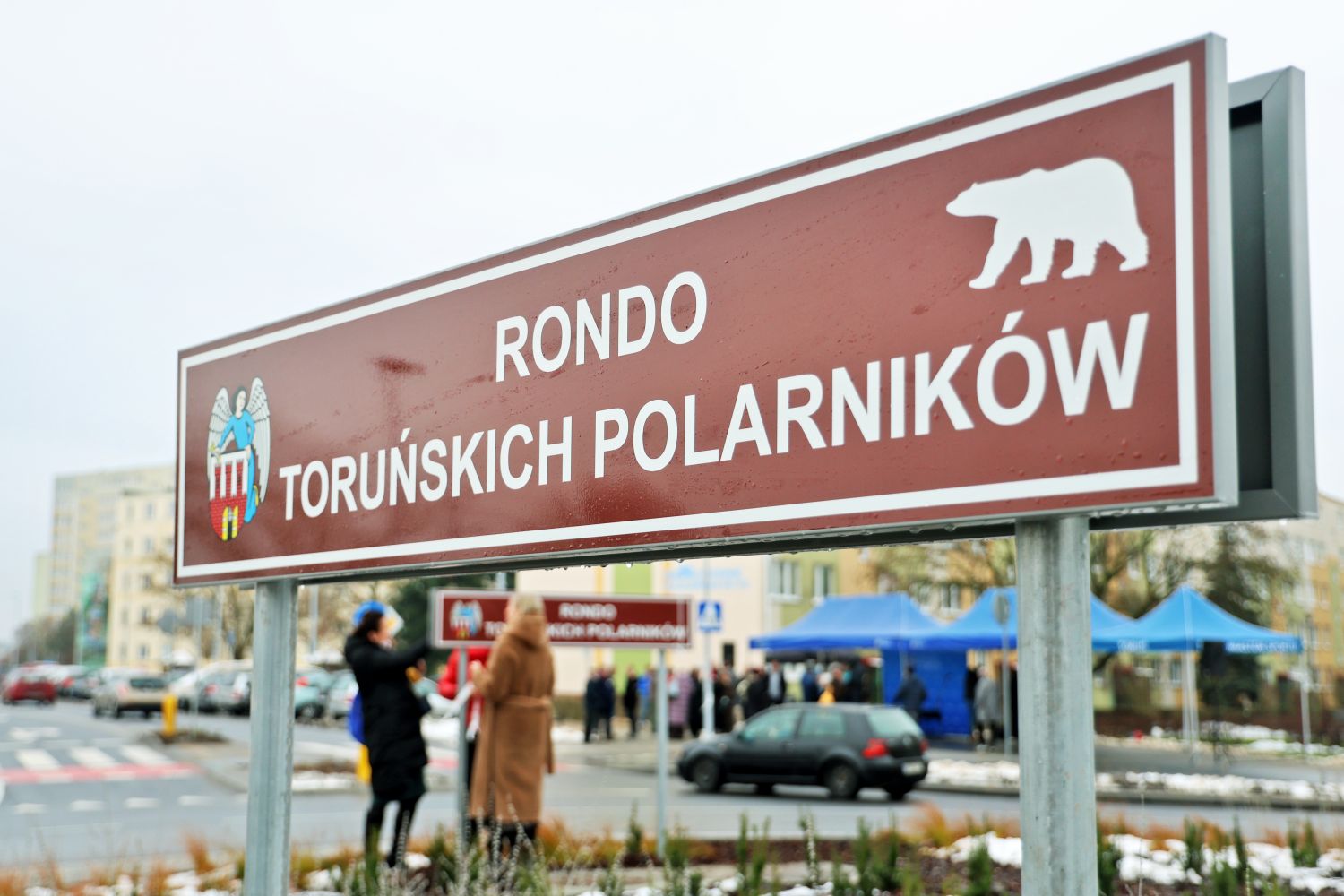
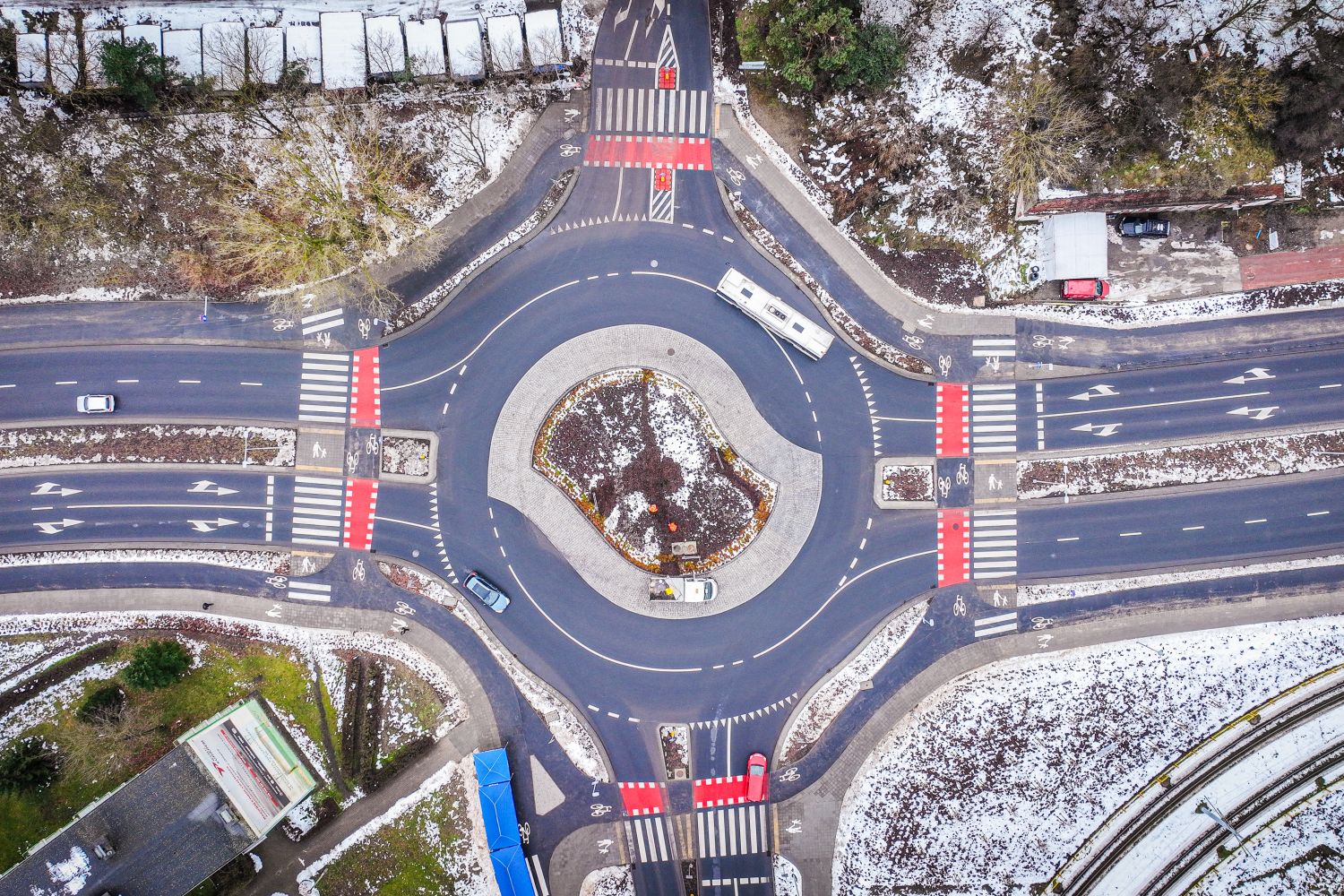
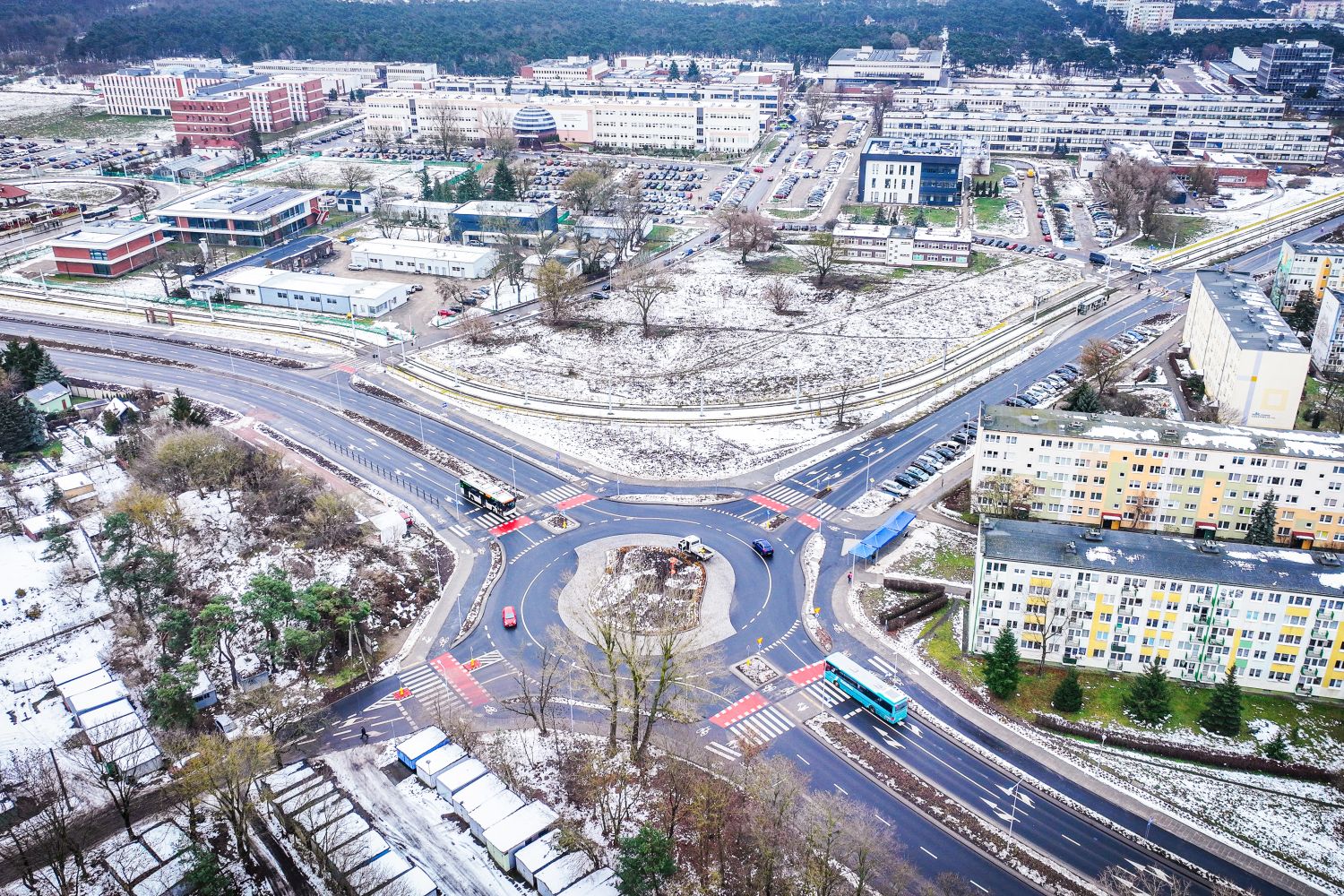
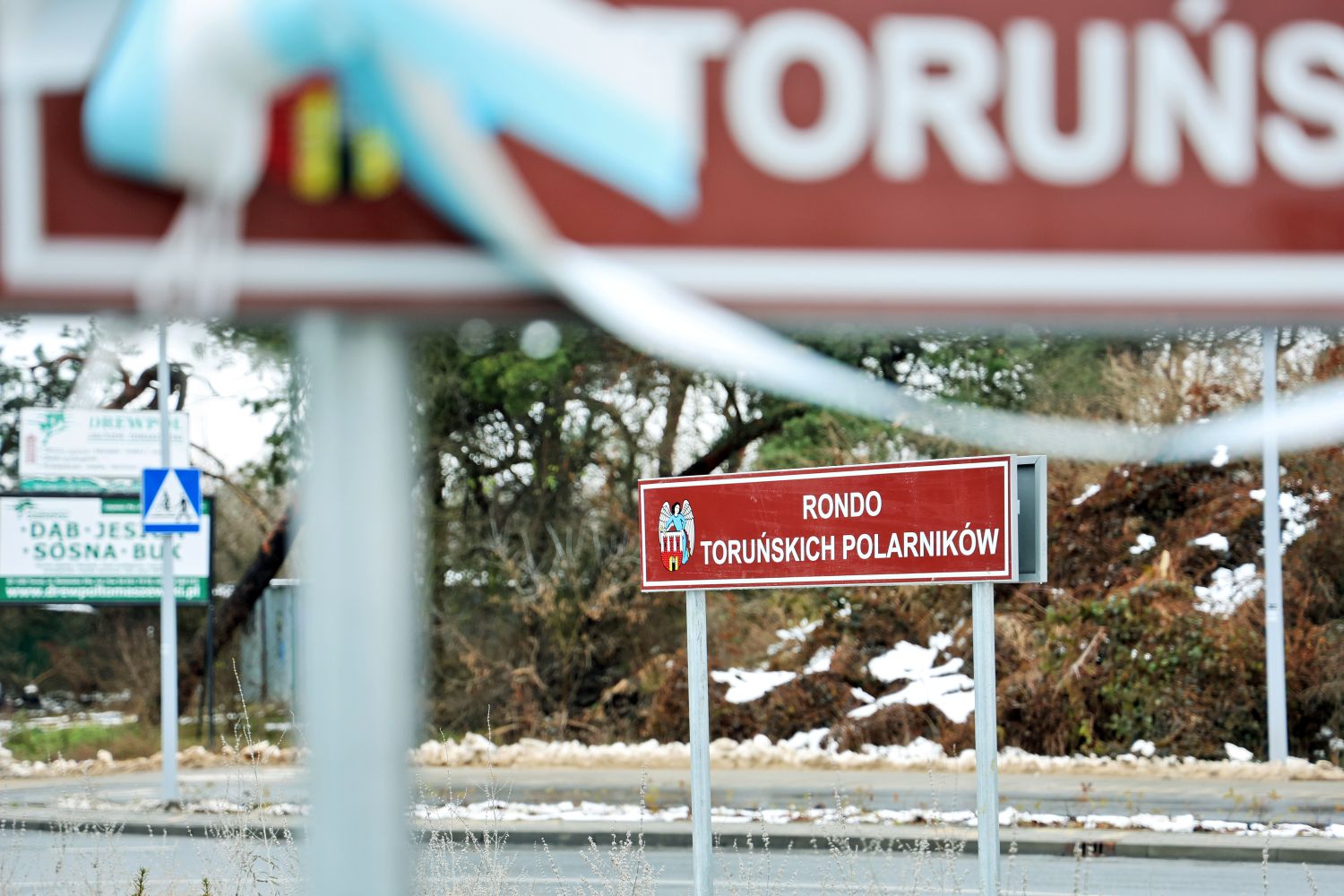
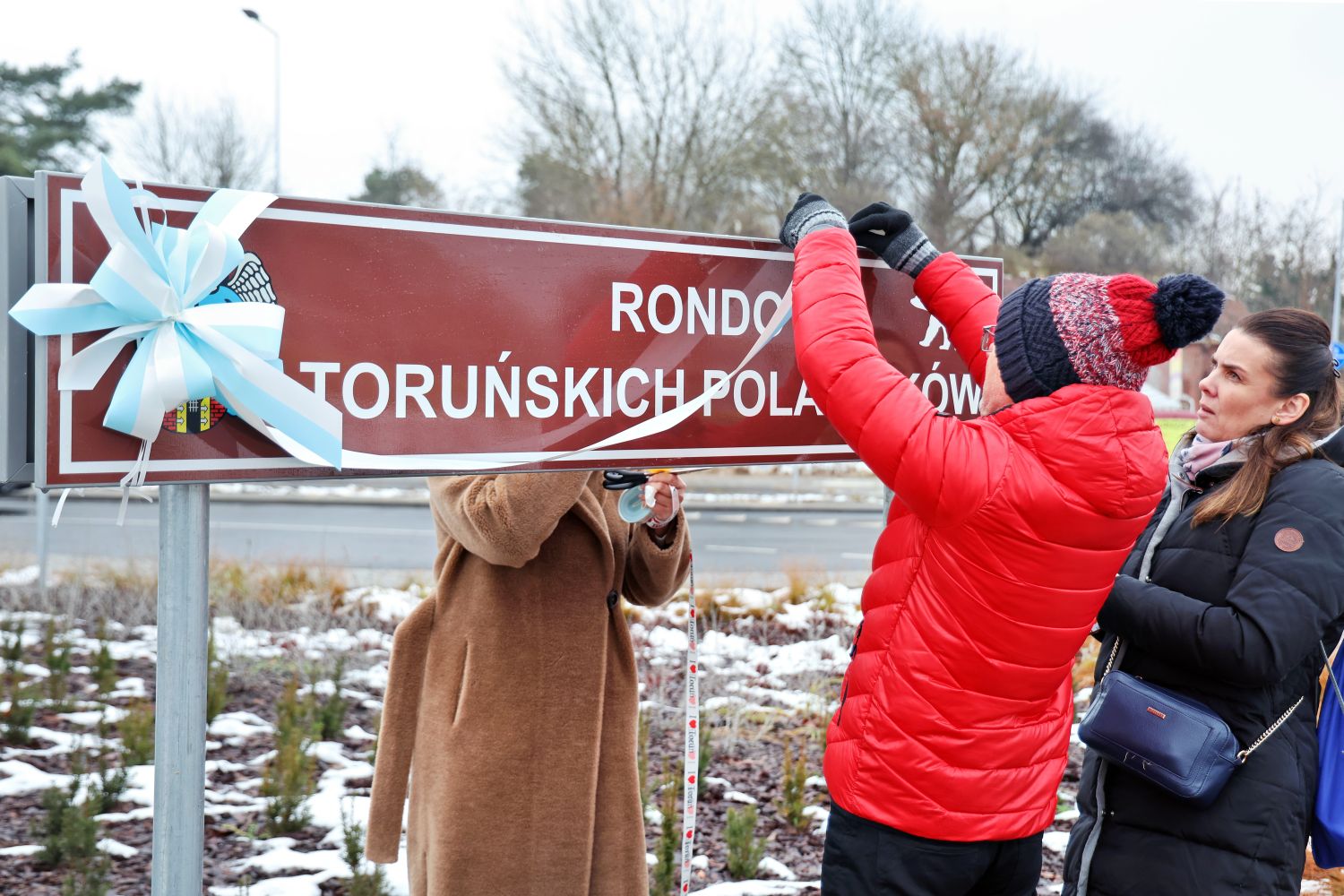
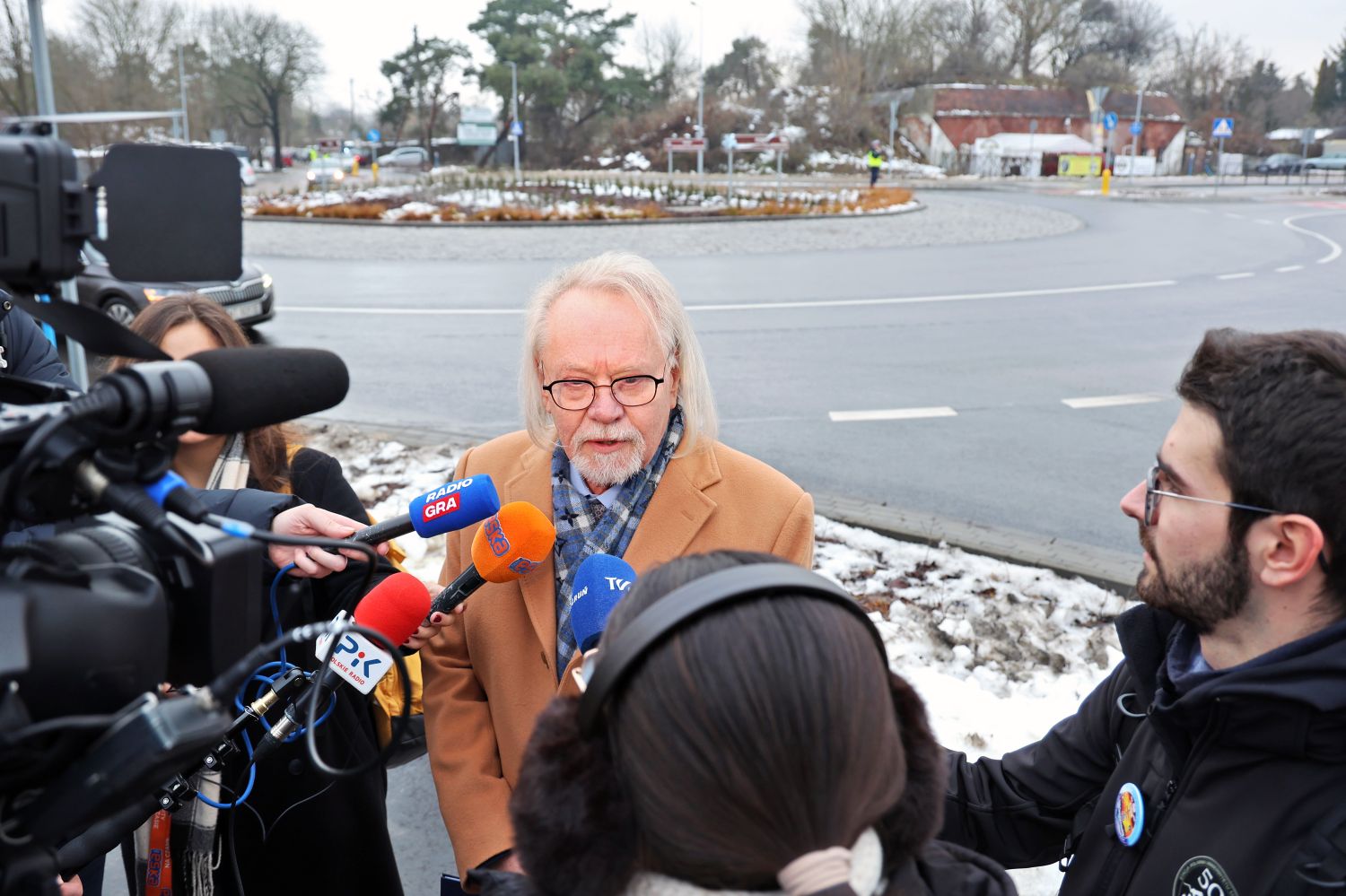
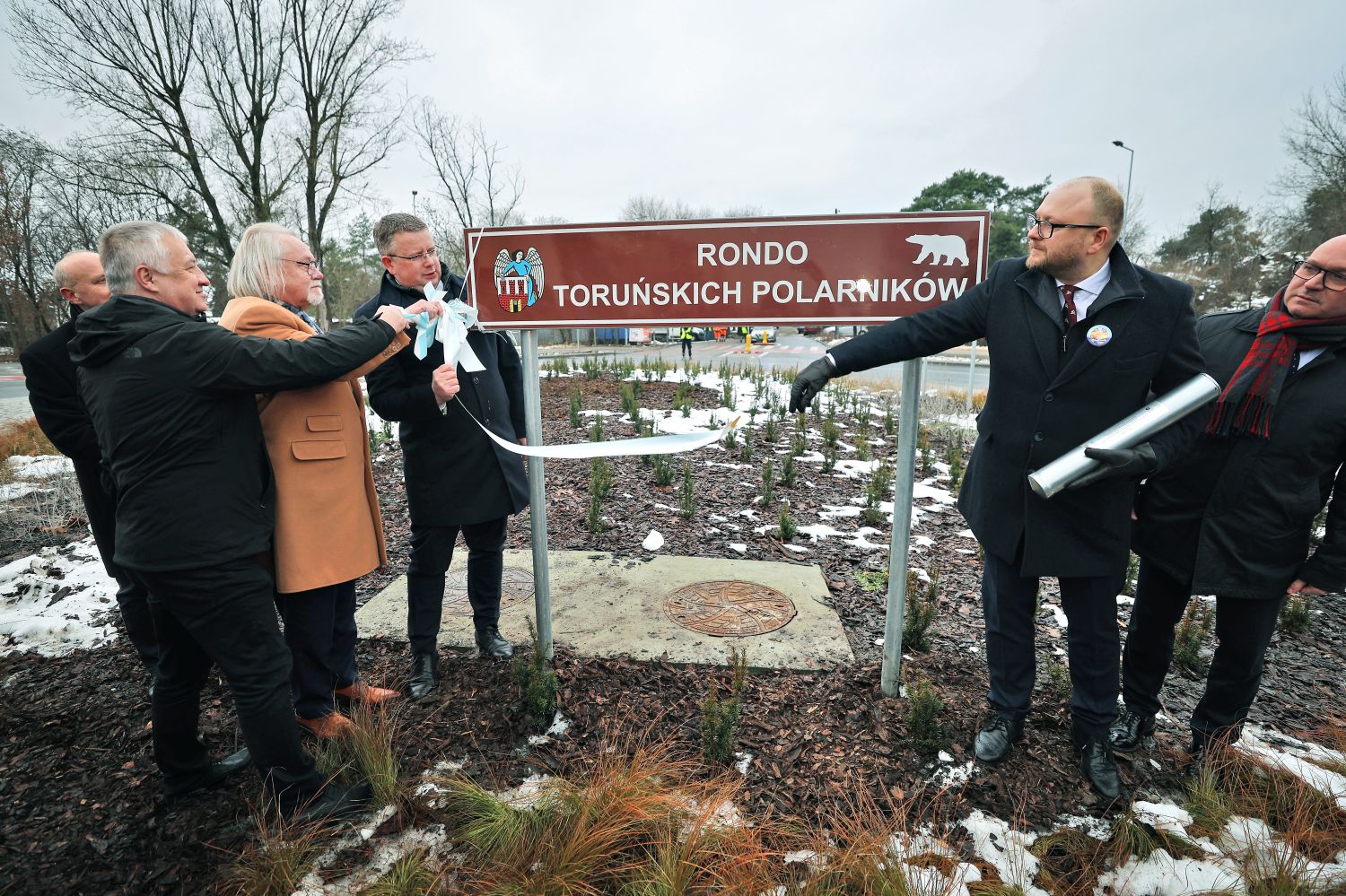
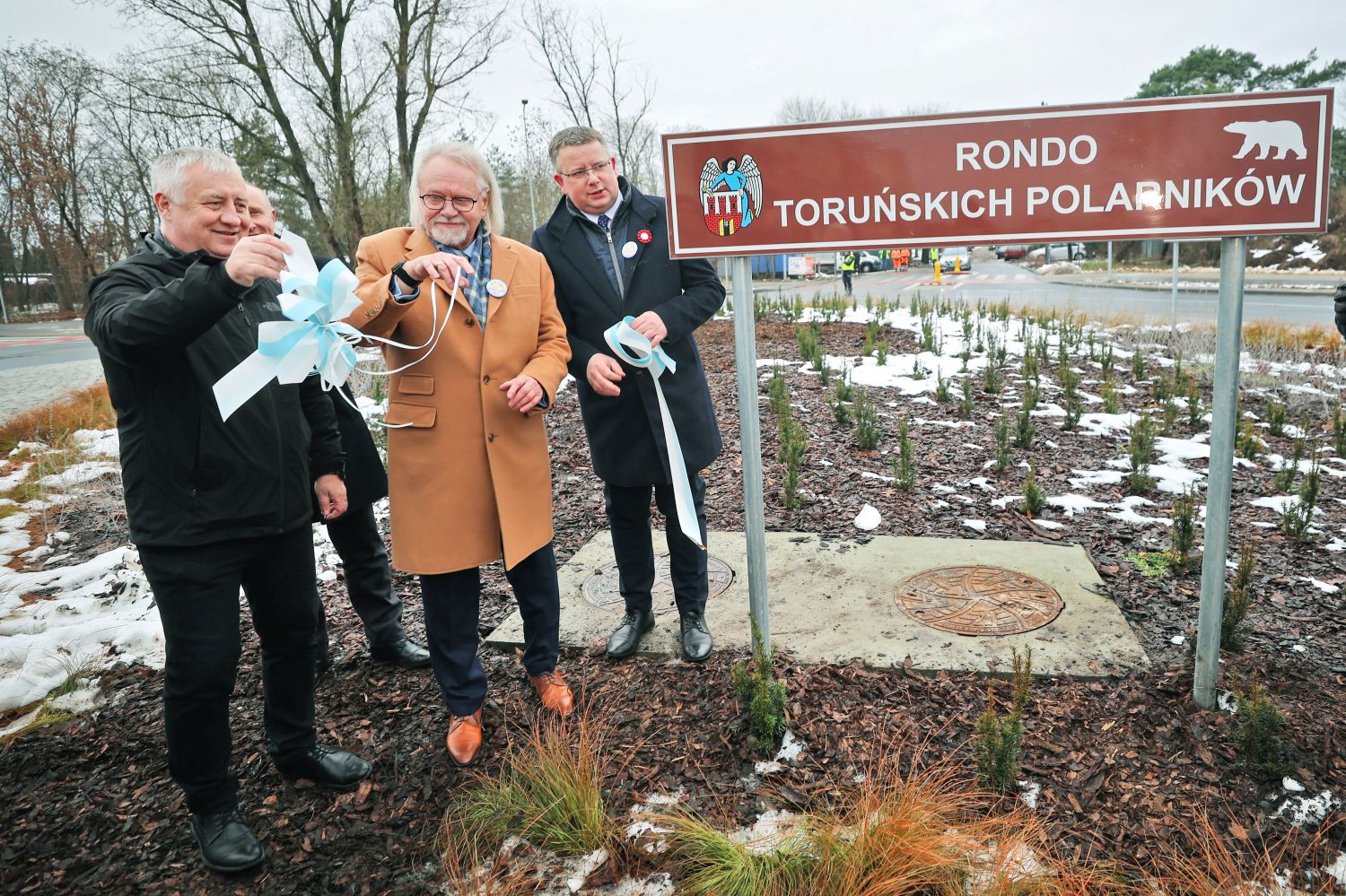
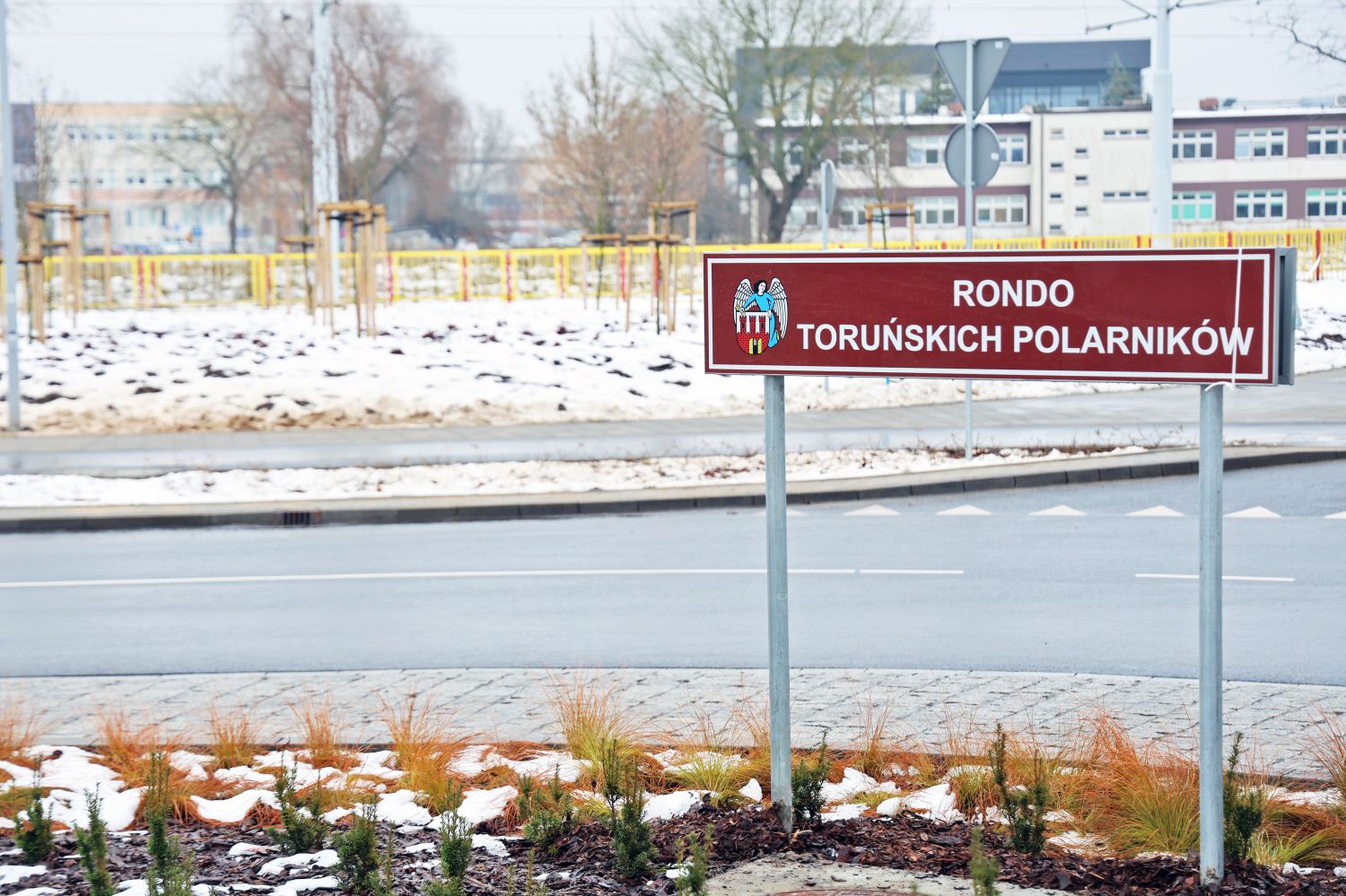
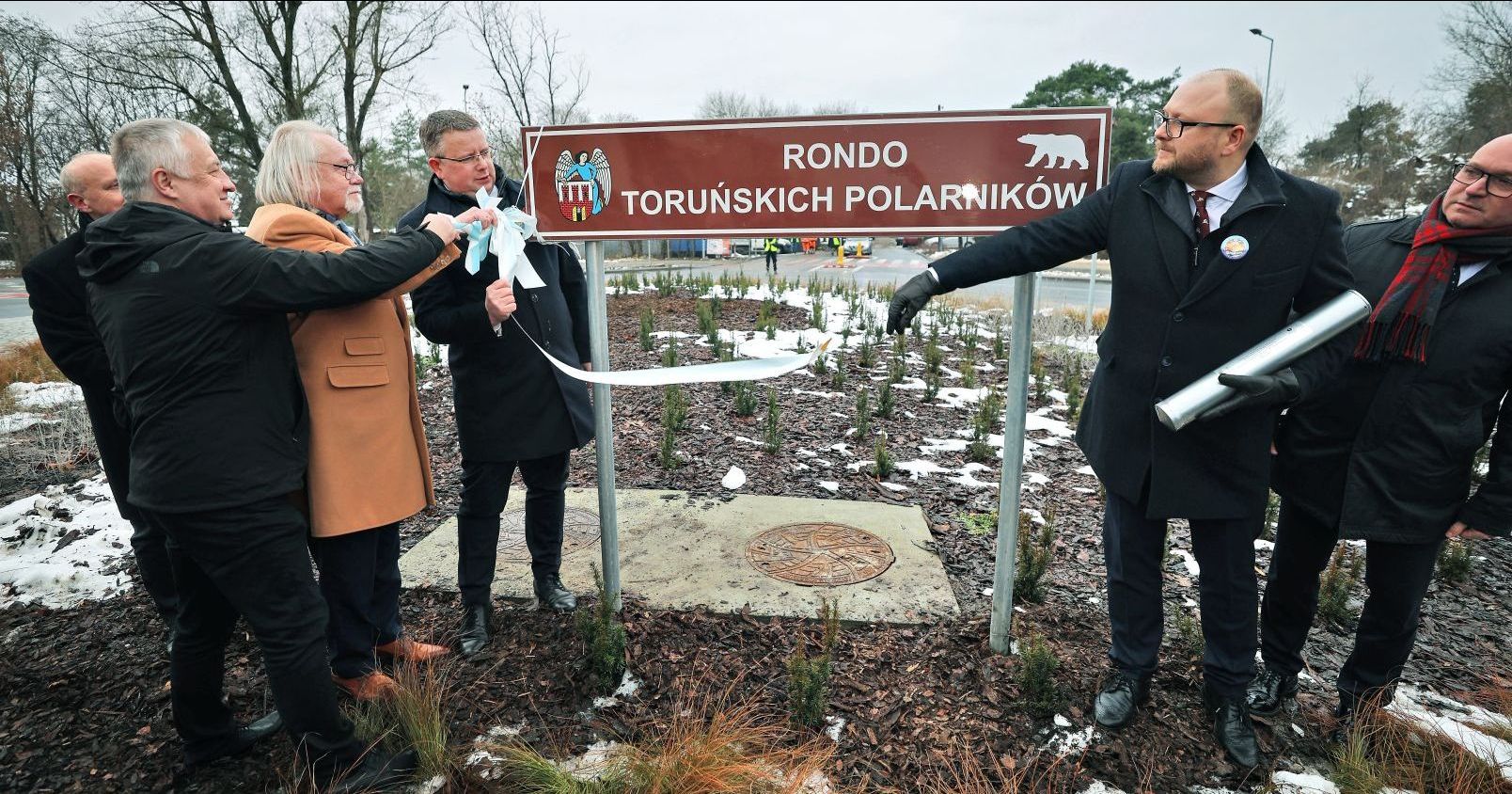
A sign with the inscription 'Rondo Toruńskich Polarników' (Roundabout of Toruń Polar Explorers) was erected at the intersection of Szosa Okrężna and Gagarina streets. The decision to commemorate the achievements of the researchers of the Kaffiøyra lowlands was made in June by Toruń city councillors at the request of the rector of the Nicolaus Copernicus University and the marshal of the voivodeship.
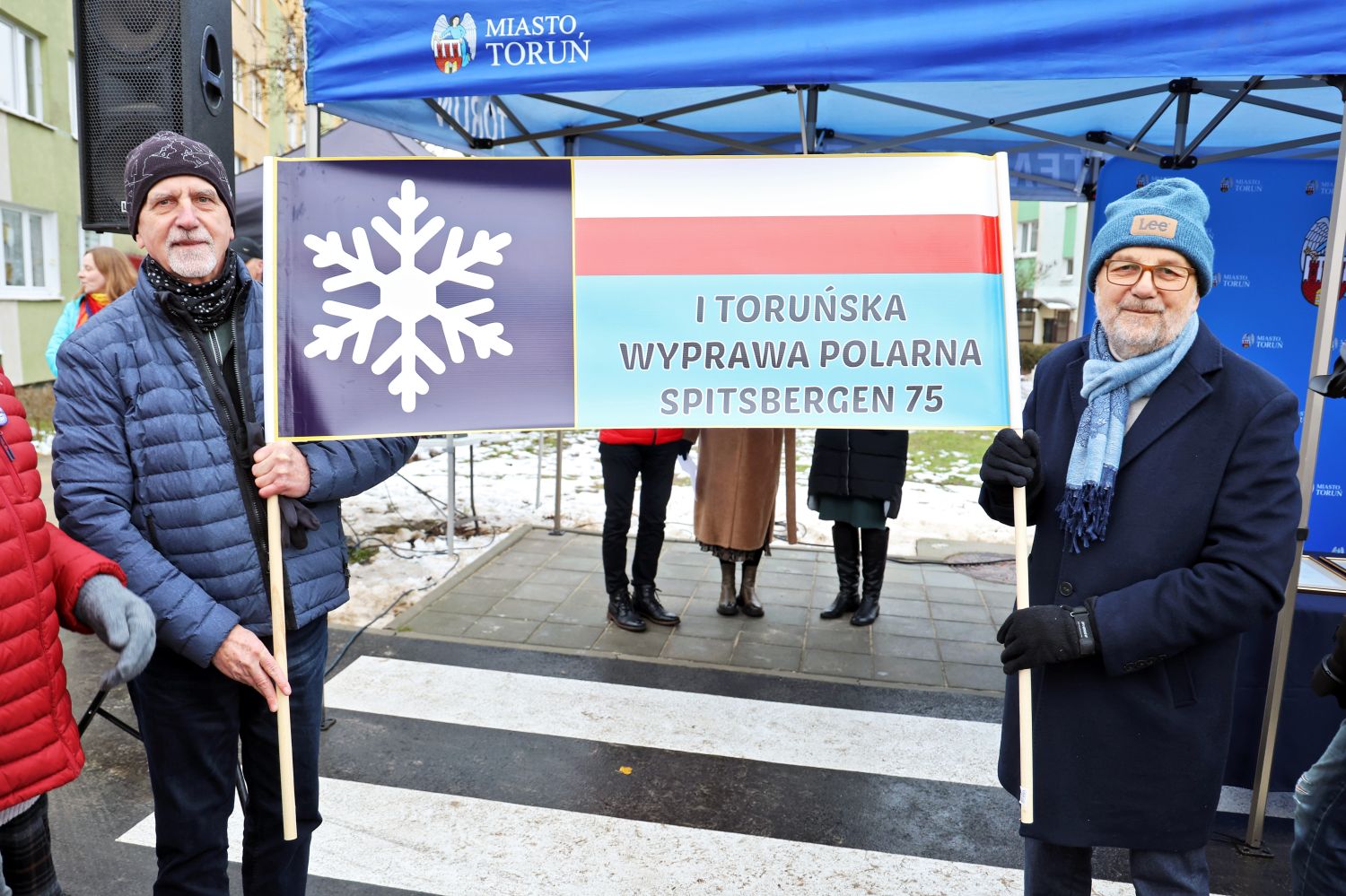
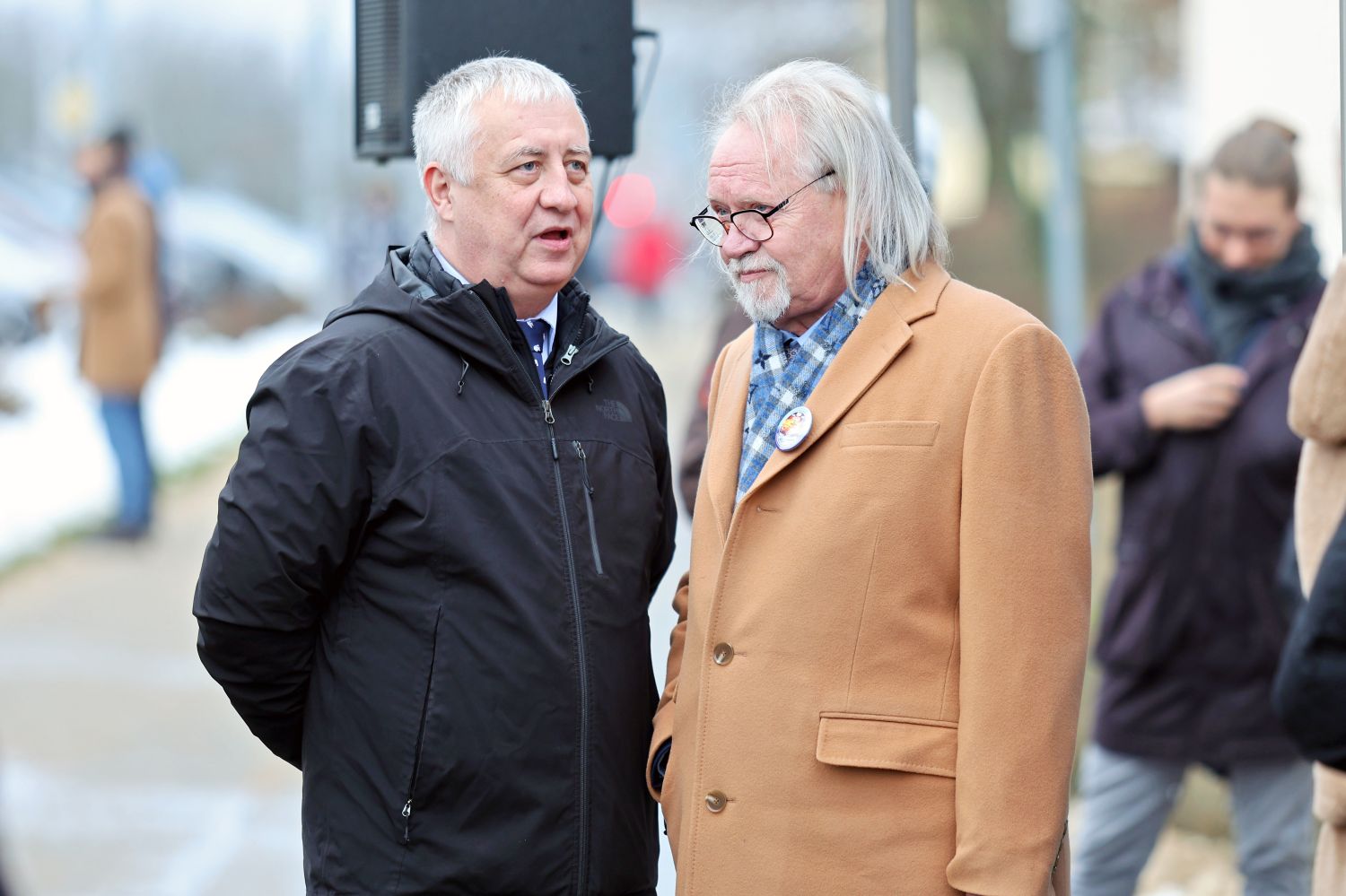
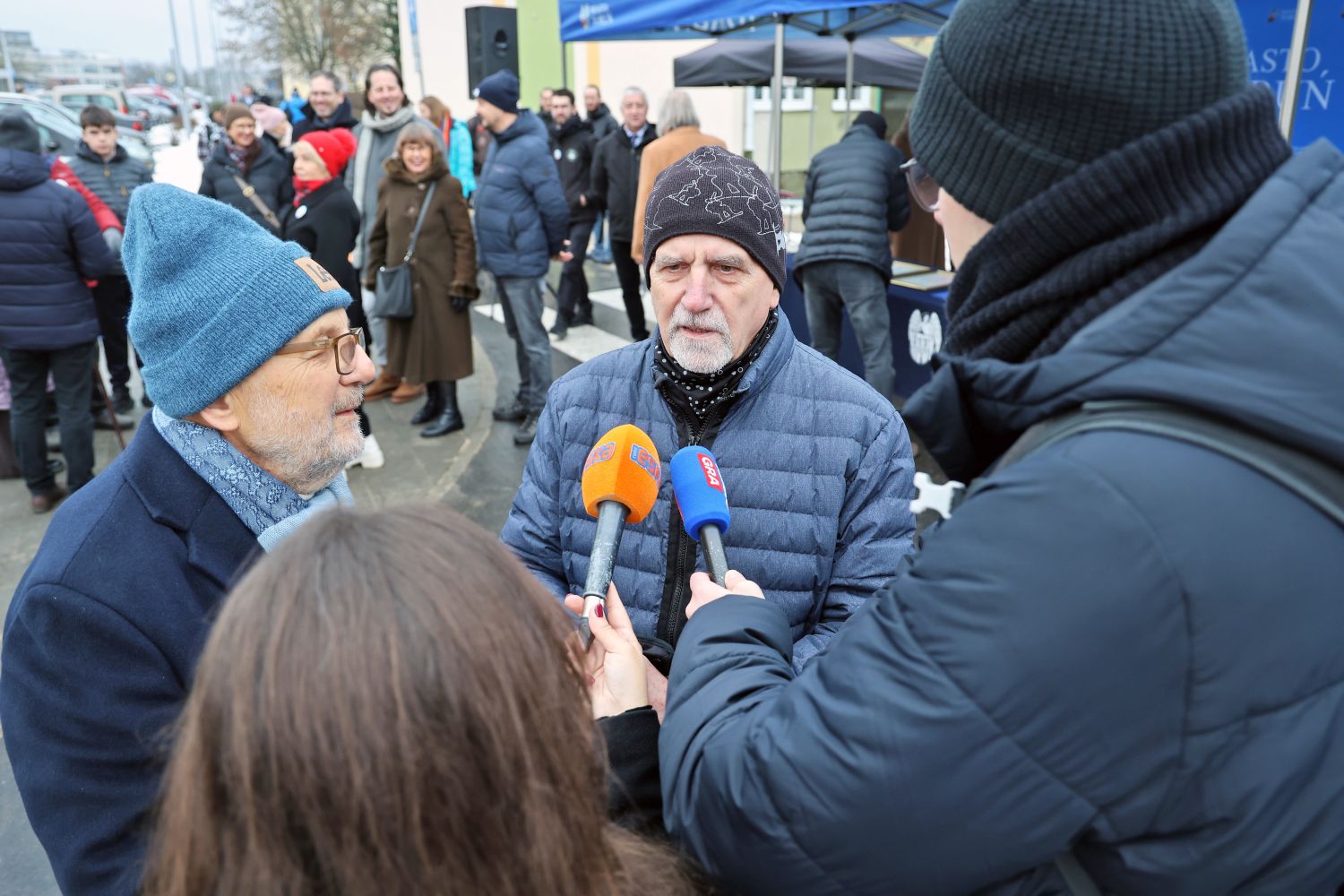
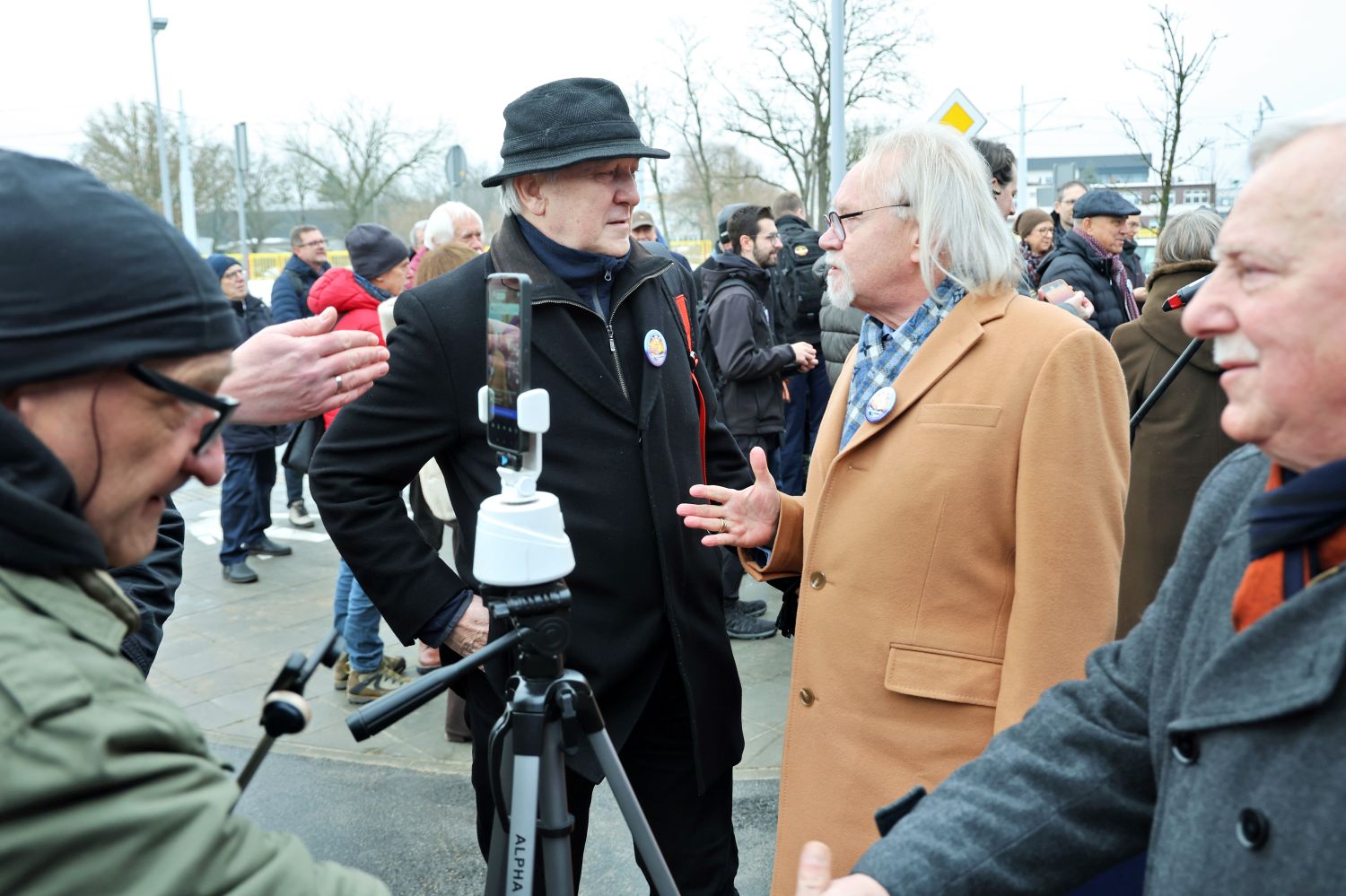
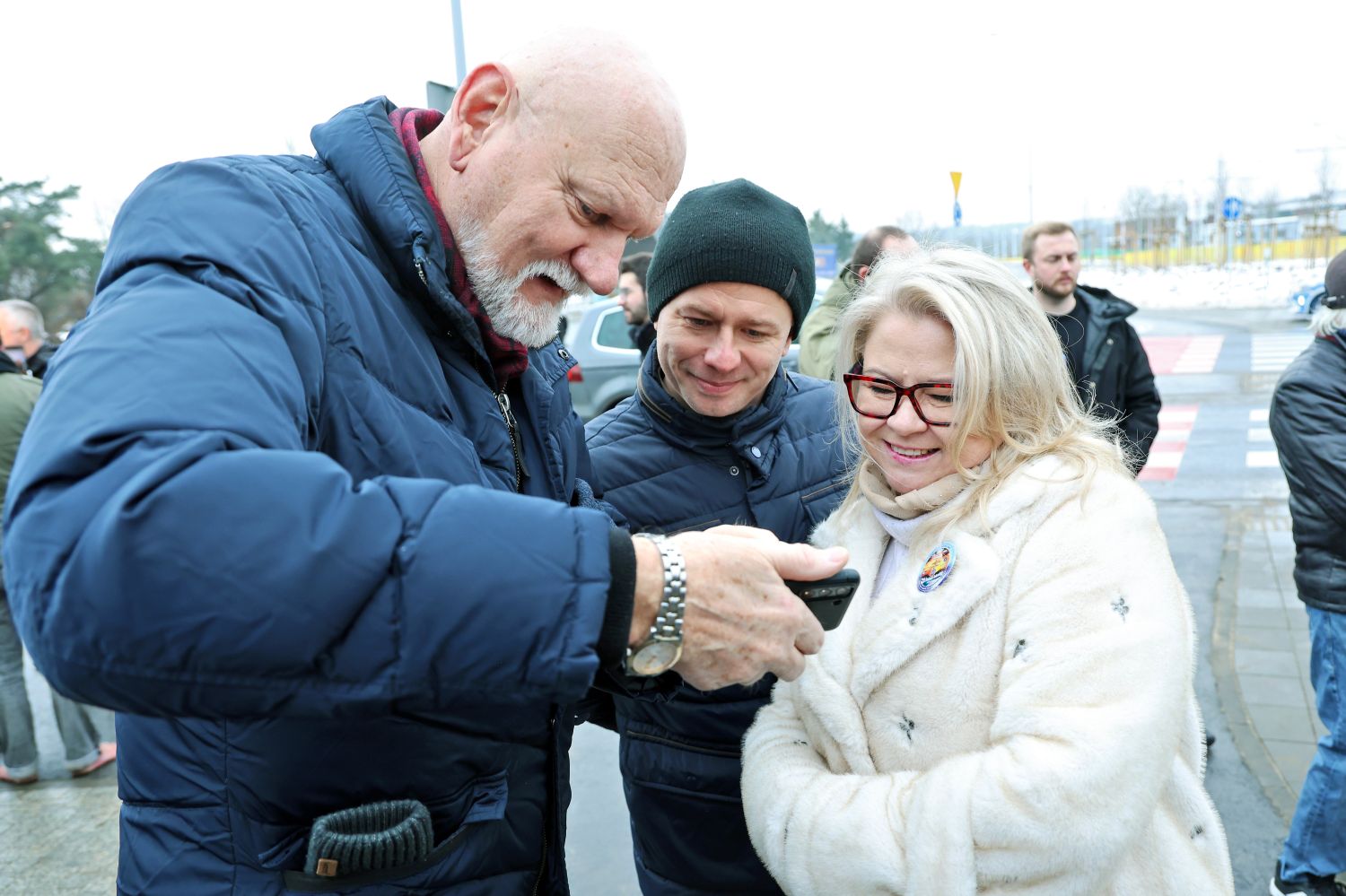
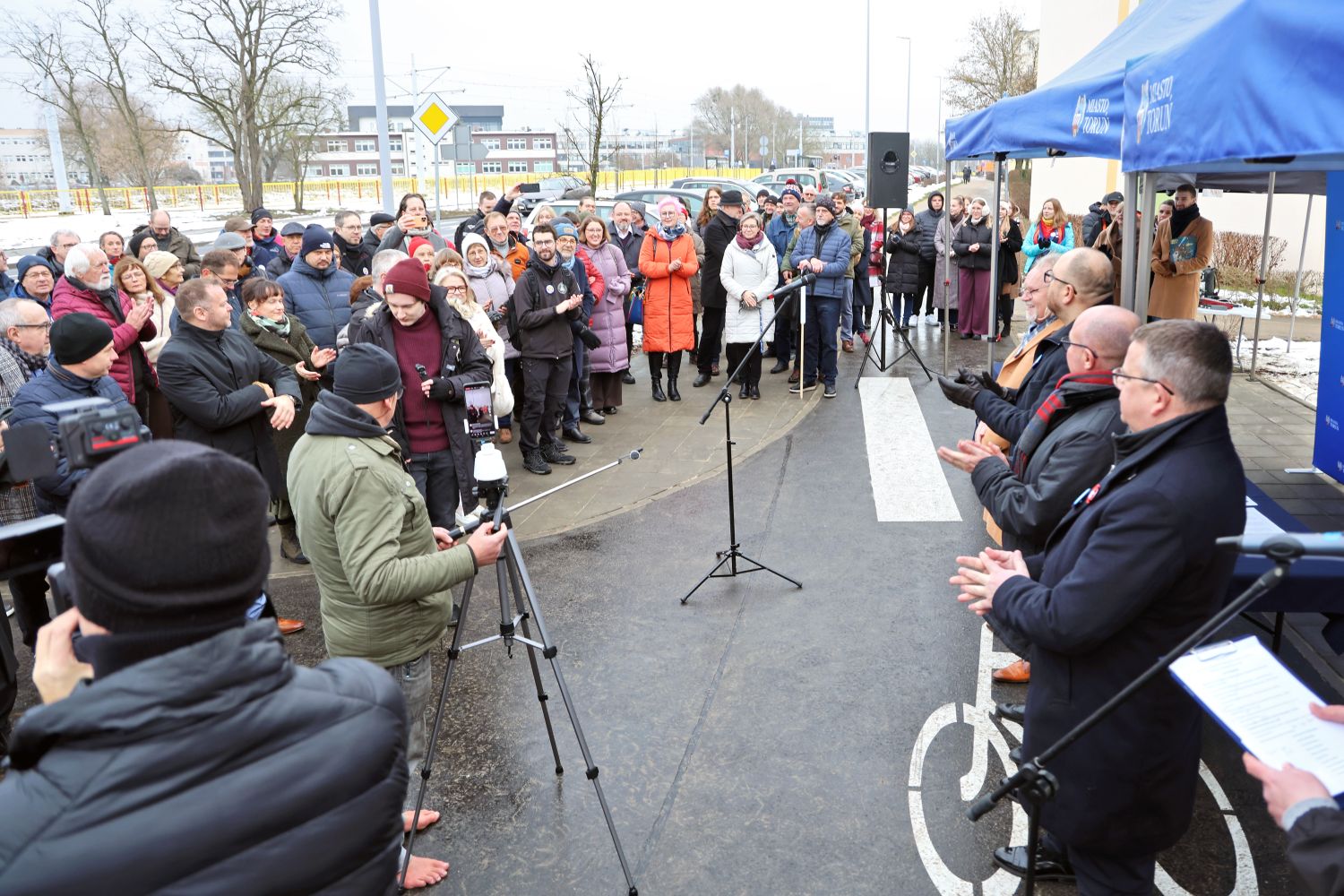
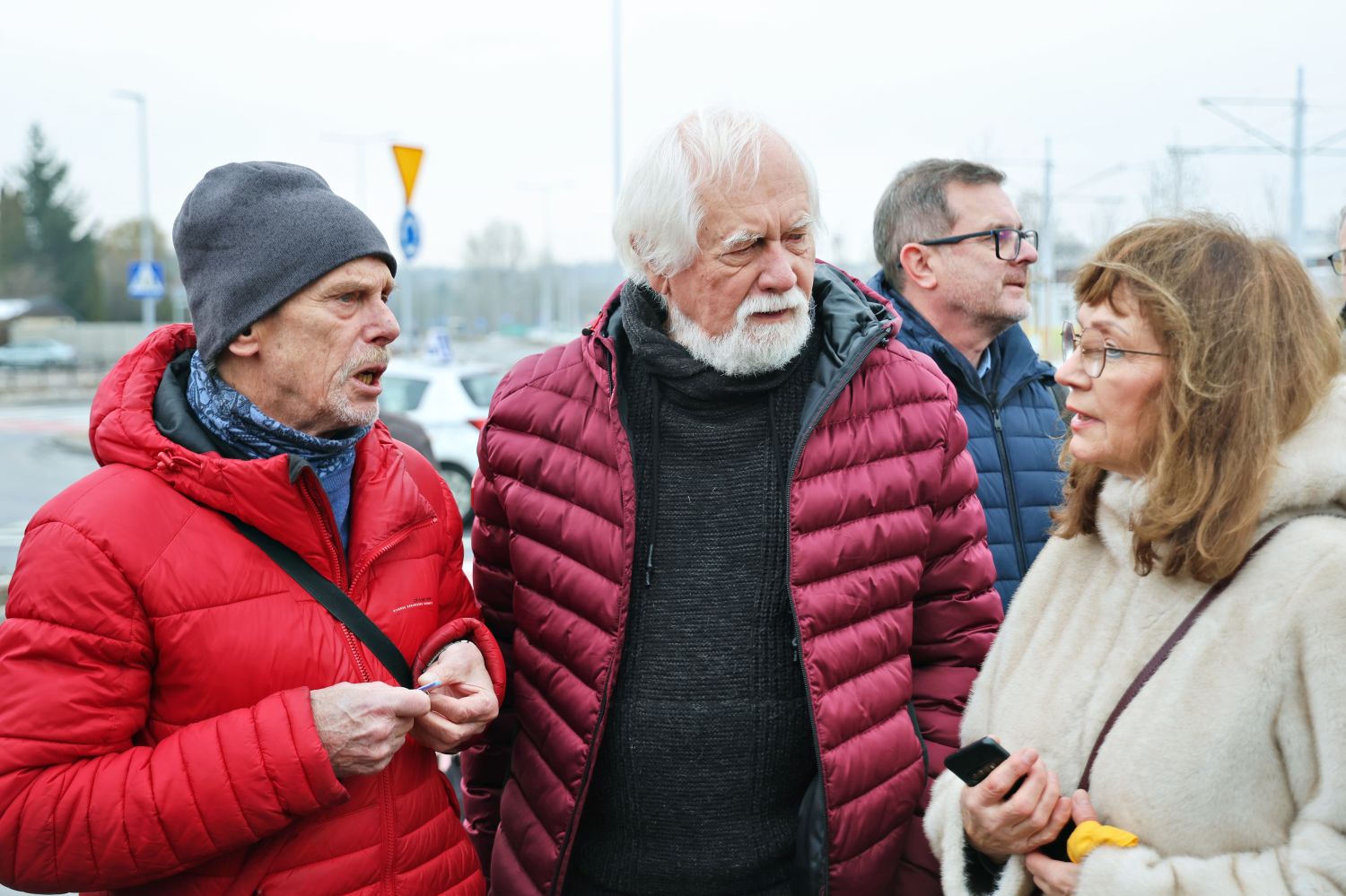
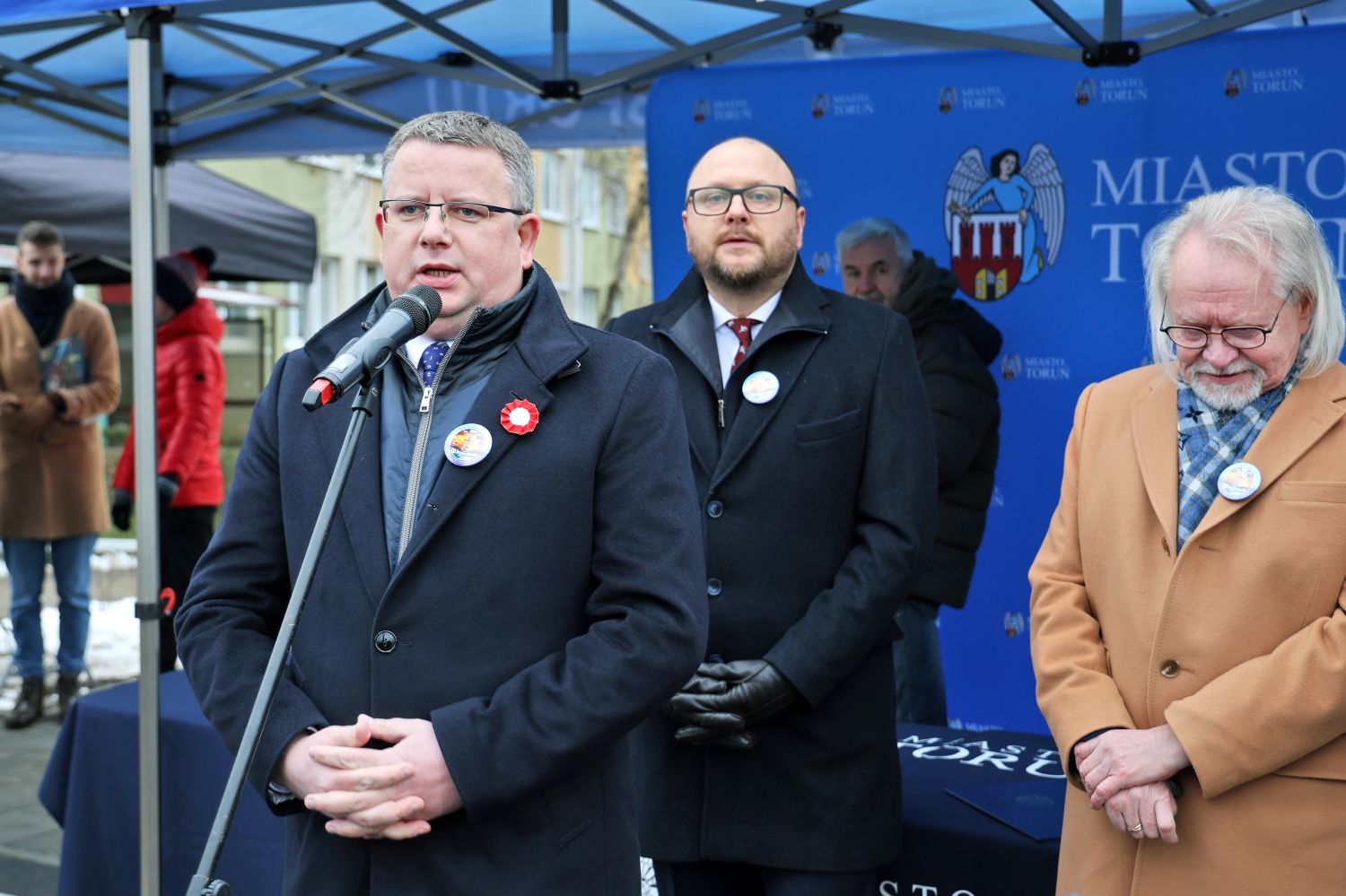
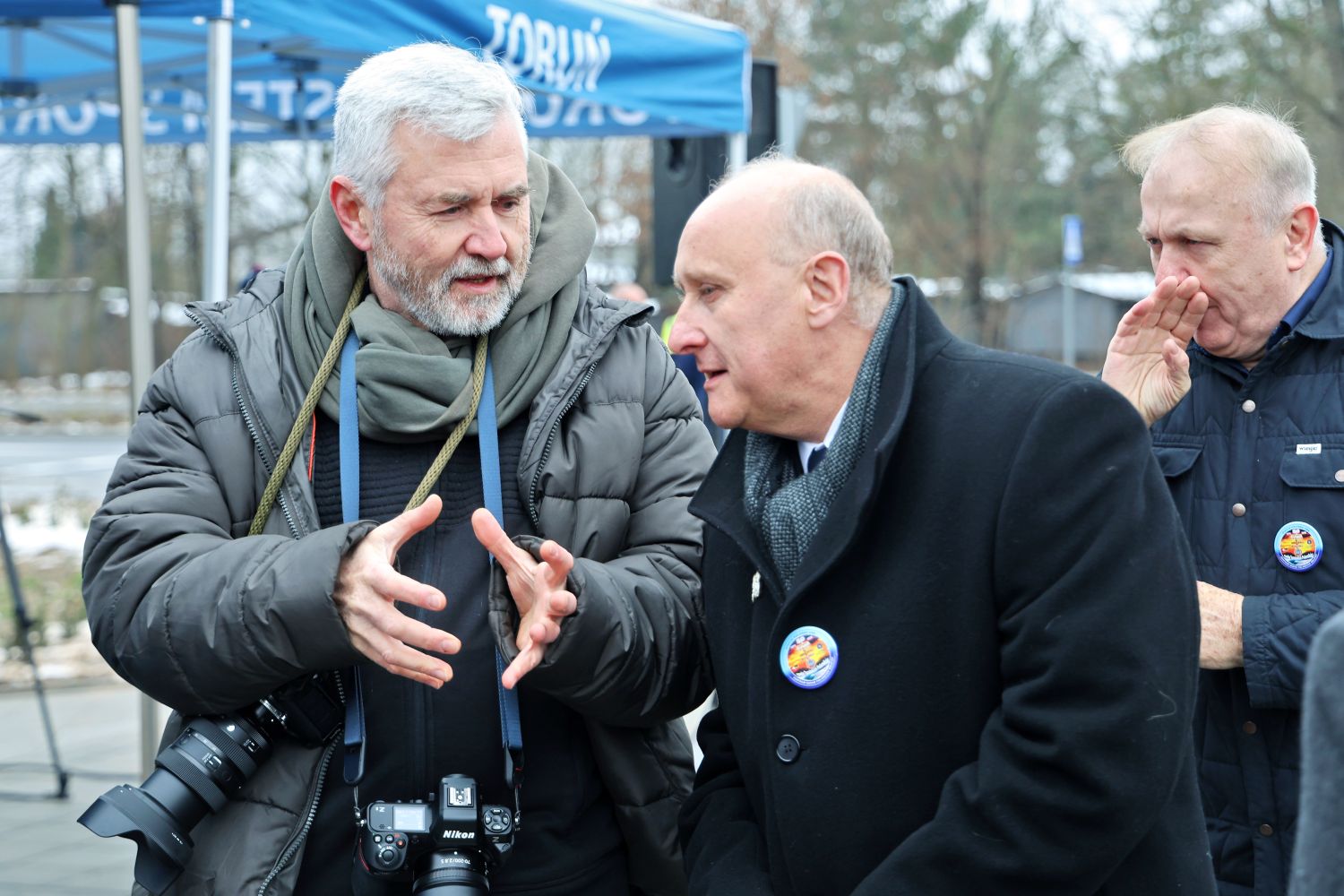
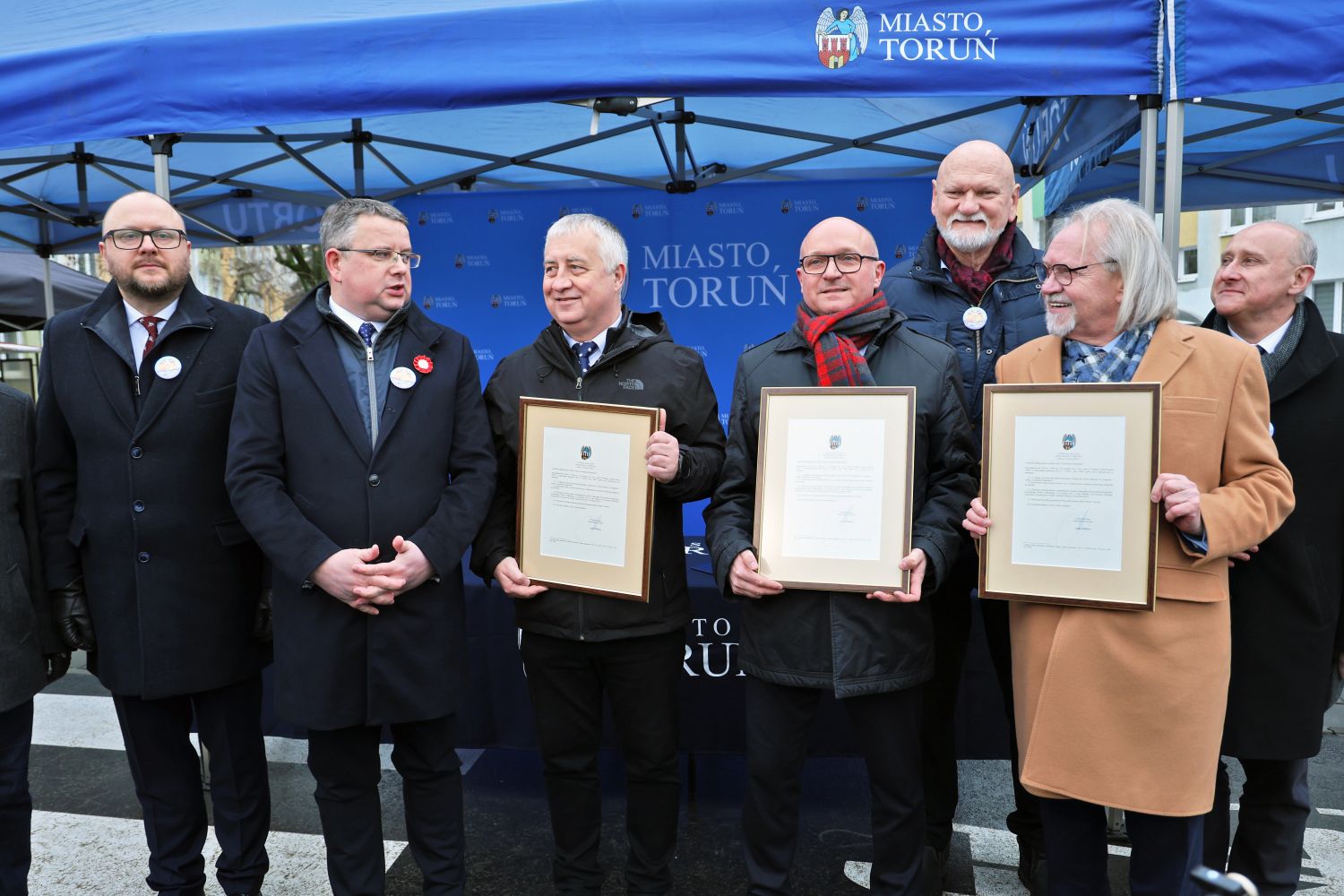
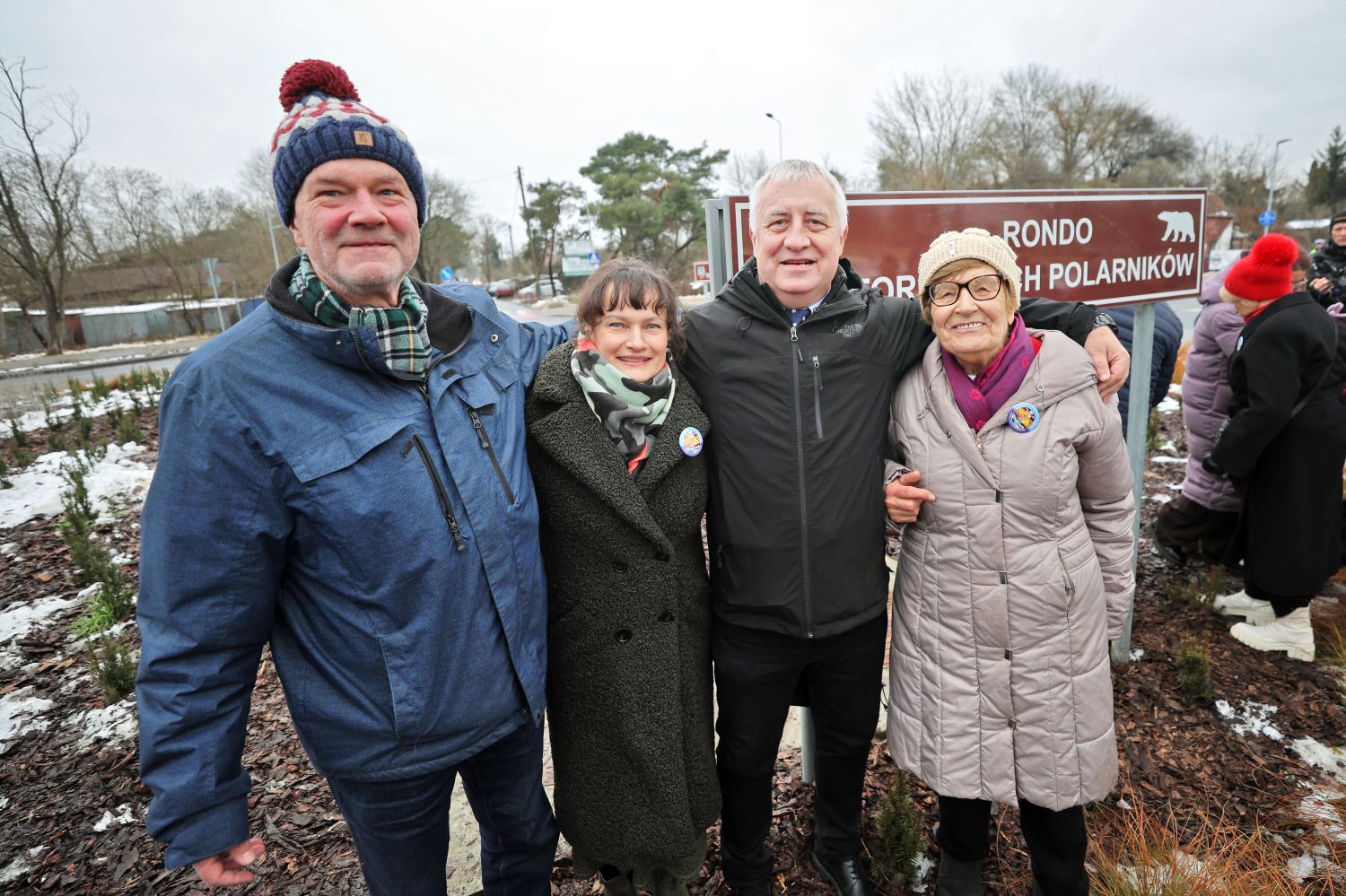
The ceremony of naming the roundabout was attended by the authorities of the Nicolaus Copernicus University, the city and the voivodeship, as well as scientists and students from our university, and participants of the polar expeditions to Spitsbergen.
In the Year of Jubilees celebrated by the Nicolaus Copernicus University, it is worth remembering the 50th anniversary of the establishment of the polar station on Spitsbergen, said prof. dr habil. Andrzej Tretyn, Rector of the Nicolaus Copernicus University. Winter is a good time to return to this topic, and today's ceremony is the crowning achievement of the celebrations of this event.
During his speech, Prof. Andrzej Tretyn reminded the audience that he had visited the polar station run by the Nicolaus Copernicus University twice. He added that, as vice-rector in Prof. Andrzej Jamiołkowski's team, he had had a significant influence on the decision to expand the station. 'The impressions from my stay in the North are difficult to describe,' recalled the NCU Rector. 'I had the opportunity to fly in a helicopter in beautiful weather, and the views were stunning. And besides, standing near seals, seeing reindeer up close and feeling fear of bears – you can't describe it, you have to experience it.'
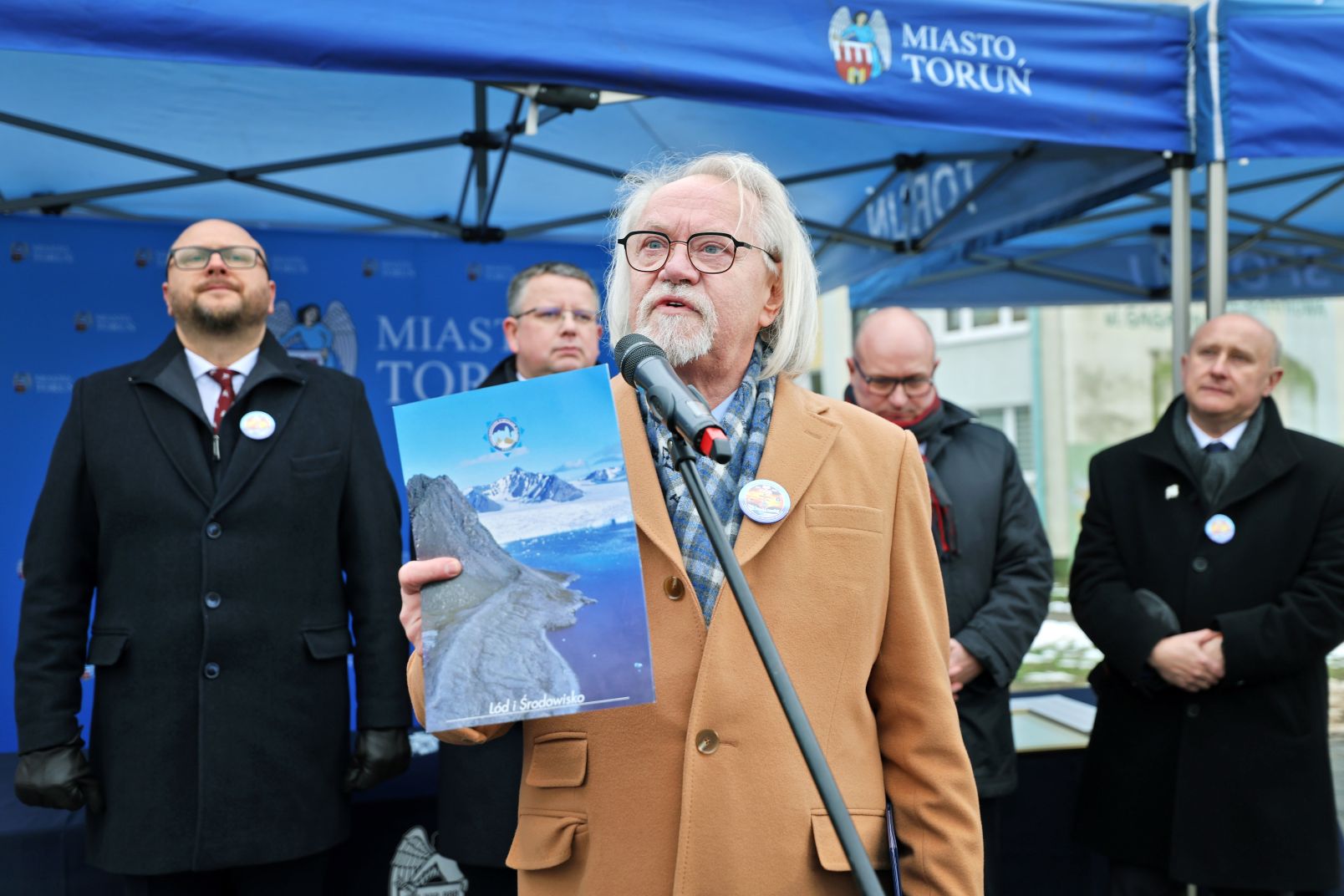
photo Andrzej Romański
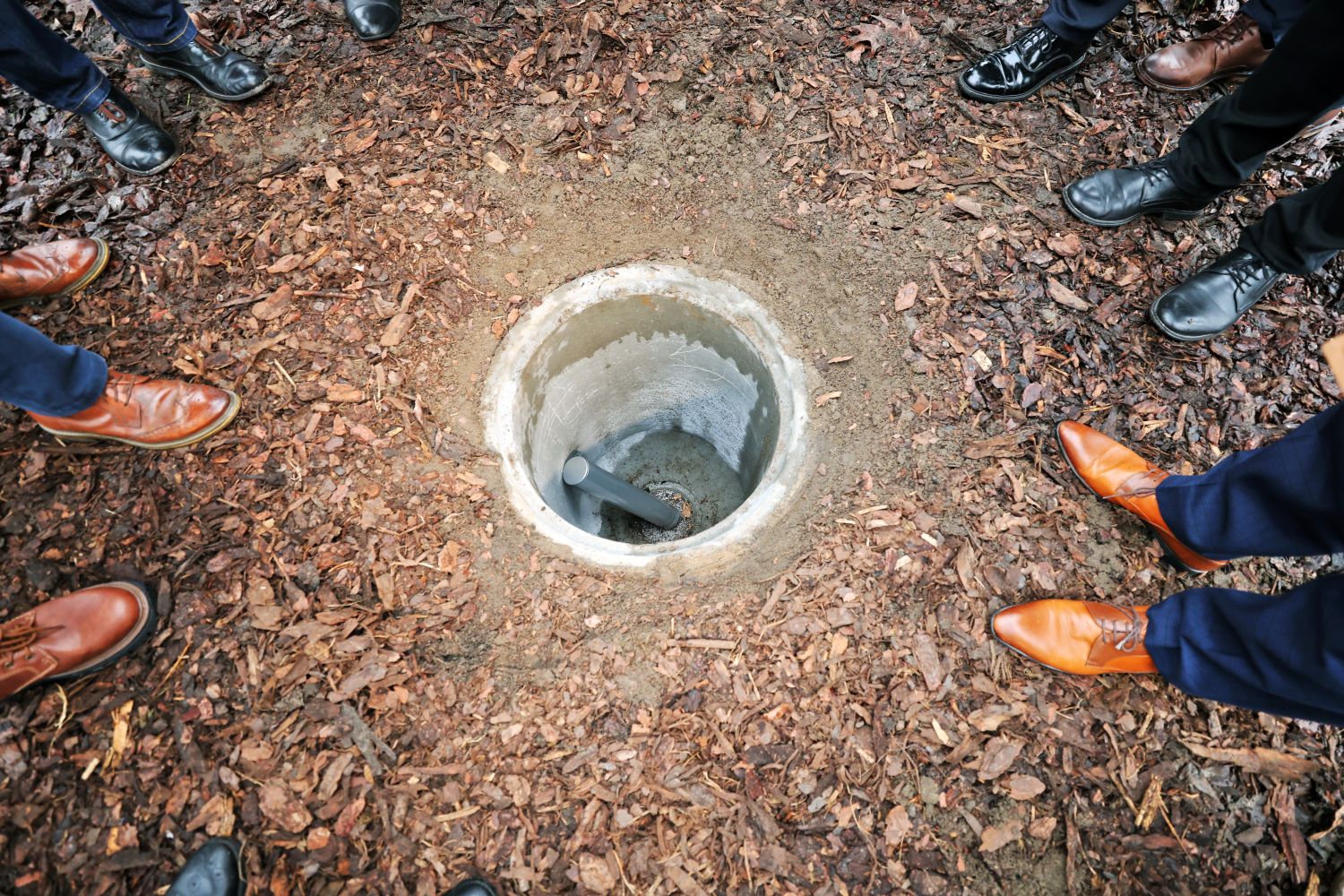
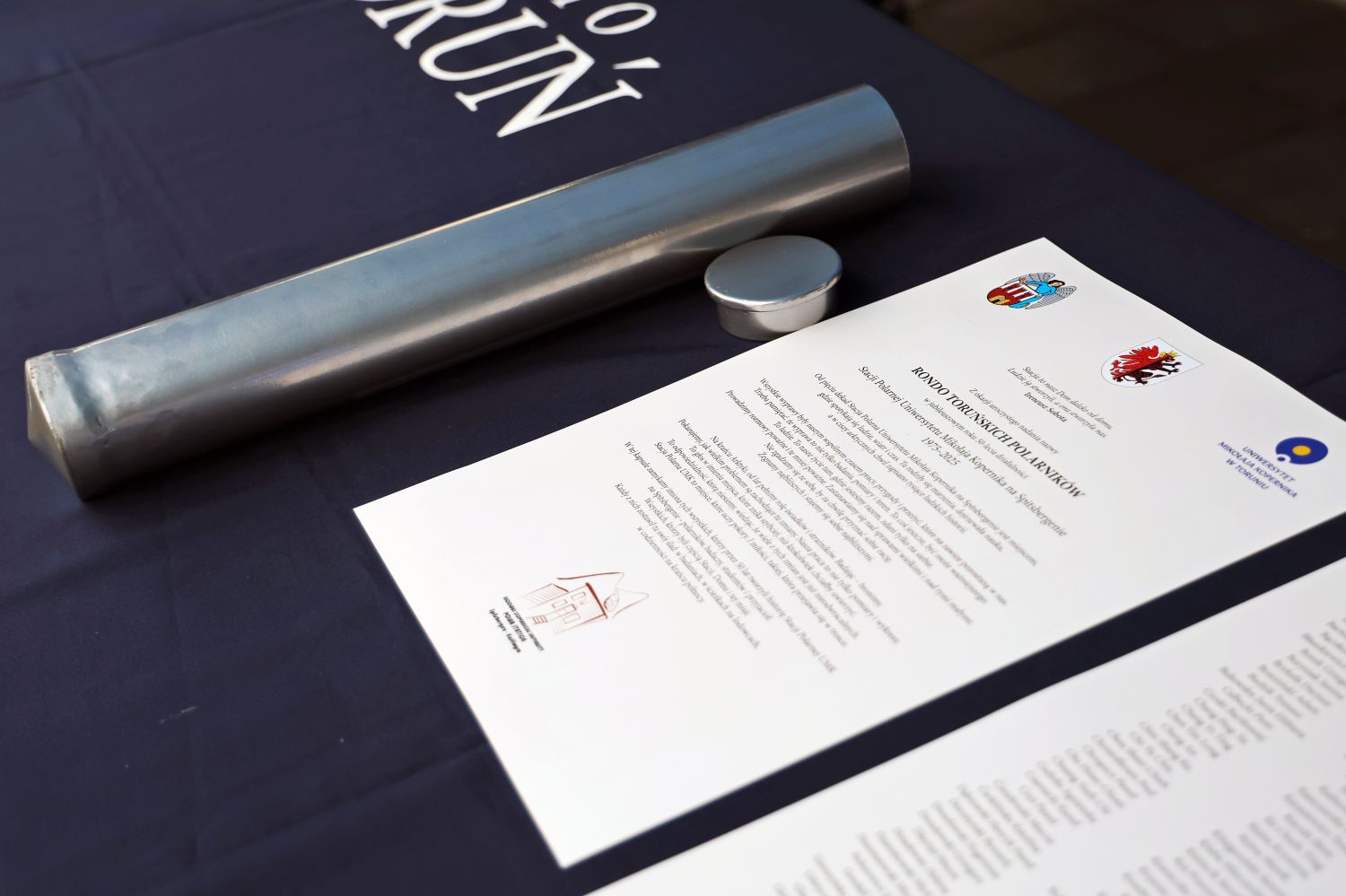
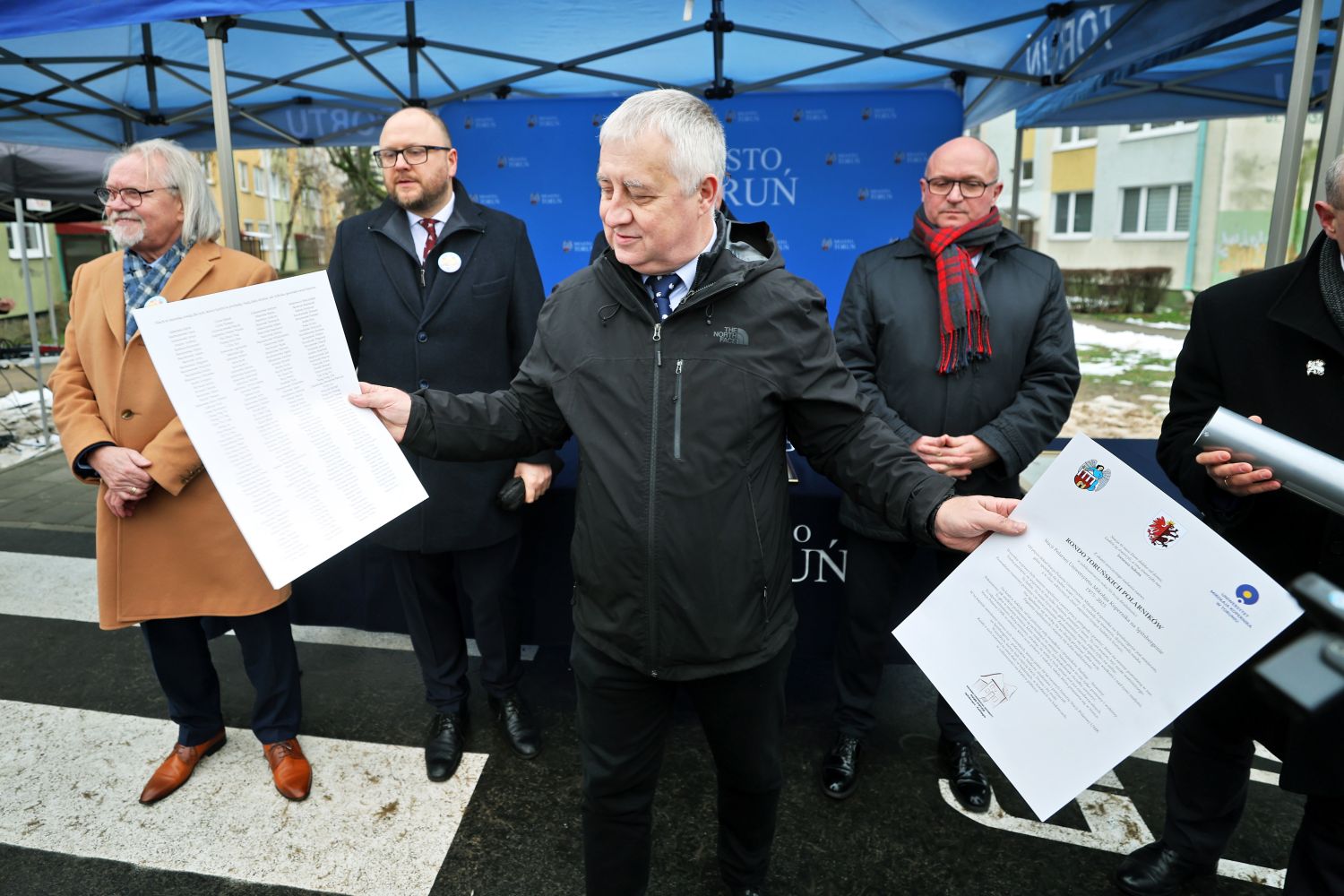
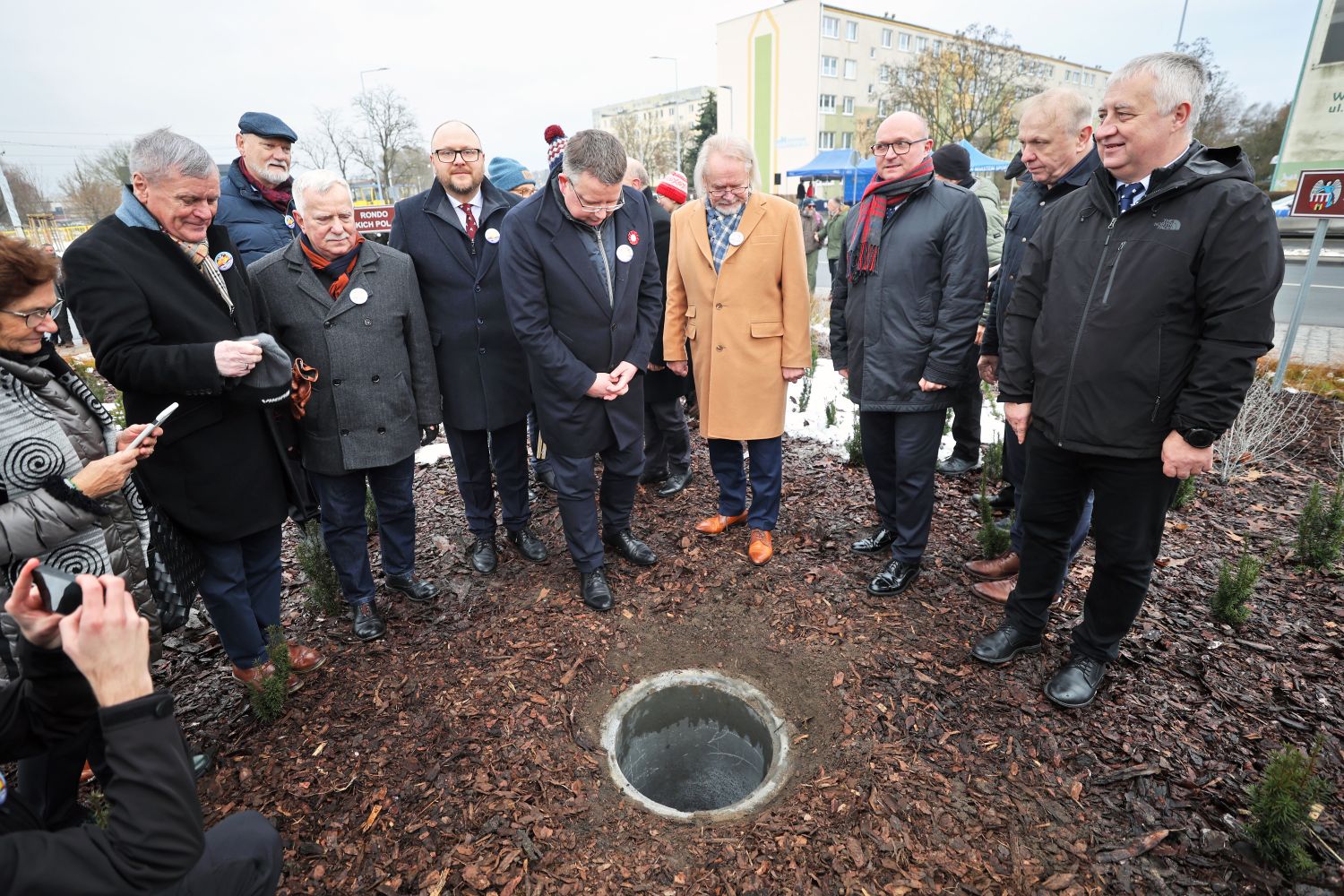
During the ceremony, in addition to unveiling the plaque at the roundabout, a tube containing 225 names of people who contributed to the start of Toruń's scientific research on Spitsbergen in 1975, which continues to this day, was buried nearby.
Today, we all bow our heads to polar explorers and remember their contribution to the development of science, said Paweł Gulewski, Mayor of Toruń. “The Nicolaus Copernicus University base in the far north is not only a research outpost, but also an outpost for our city. We appreciate the contribution of the generations who have built this base. They have done something phenomenal, because they have involved the Nicolaus Copernicus University in international programmes and projects carried out there."
The decision to name the roundabout after Toruń Polar Explorers was made by Toruń councillors at their June session, following a proposal by the Rector of the Nicolaus Copernicus University and Piotr Całbecki, Marshal of the Voivodeship. 'I am extremely pleased because finally the disputes about where it is coldest in Toruń will cease,' joked Łukasz Walkusz, chairman of the Toruń City Council. 'I am glad that the decision was unanimous, because it is a symbolic gesture of gratitude from all of us to generations of polar explorers who have been conducting research in this area for 50 years.'
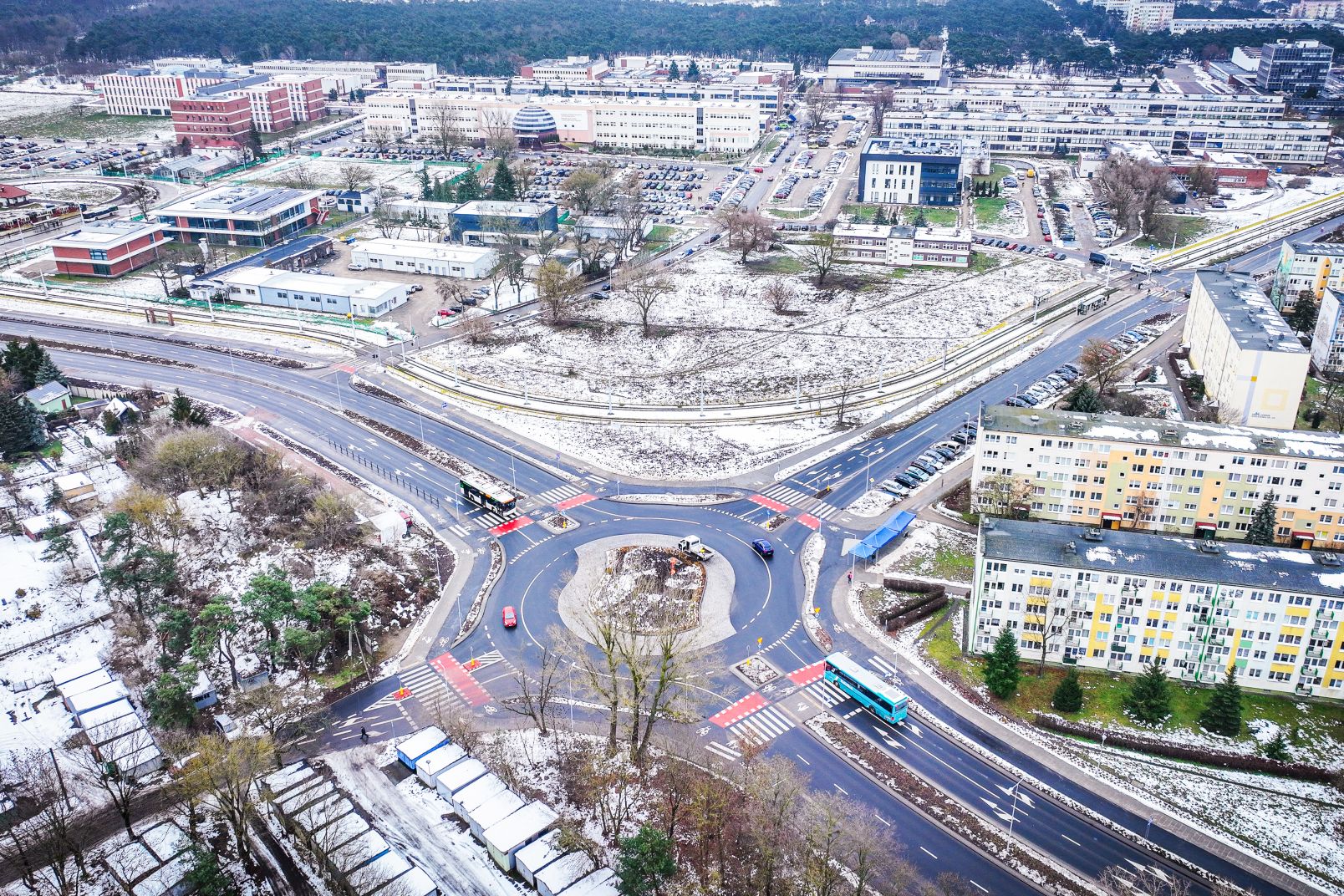
photo Andrzej Romański
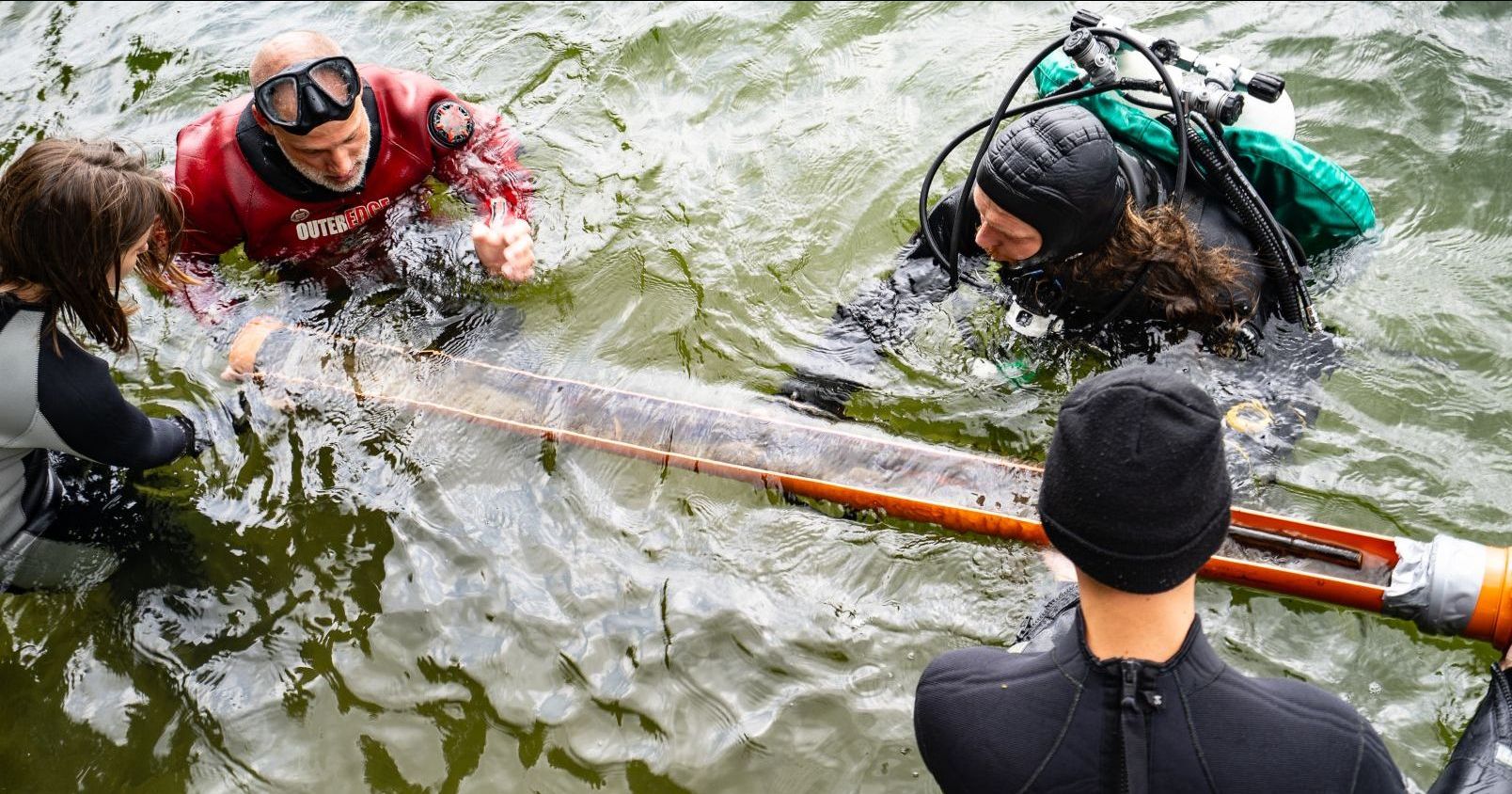
The first Toruń polar expedition set off in 1975. On the initiative of Professor Czesław Pietrucien, a specially designed cabin was built under the moraines of the Aavatsmark glacier, which became the beginnings of the station that is still in operation today. It is primarily a place of work for researchers, doctoral students and students of the Nicolaus Copernicus University, mainly geographers and biologists. Many expeditions have also involved researchers from other Polish and foreign institutions, as well as specialists from other professions, including mountaineers, speleologists and scuba divers.
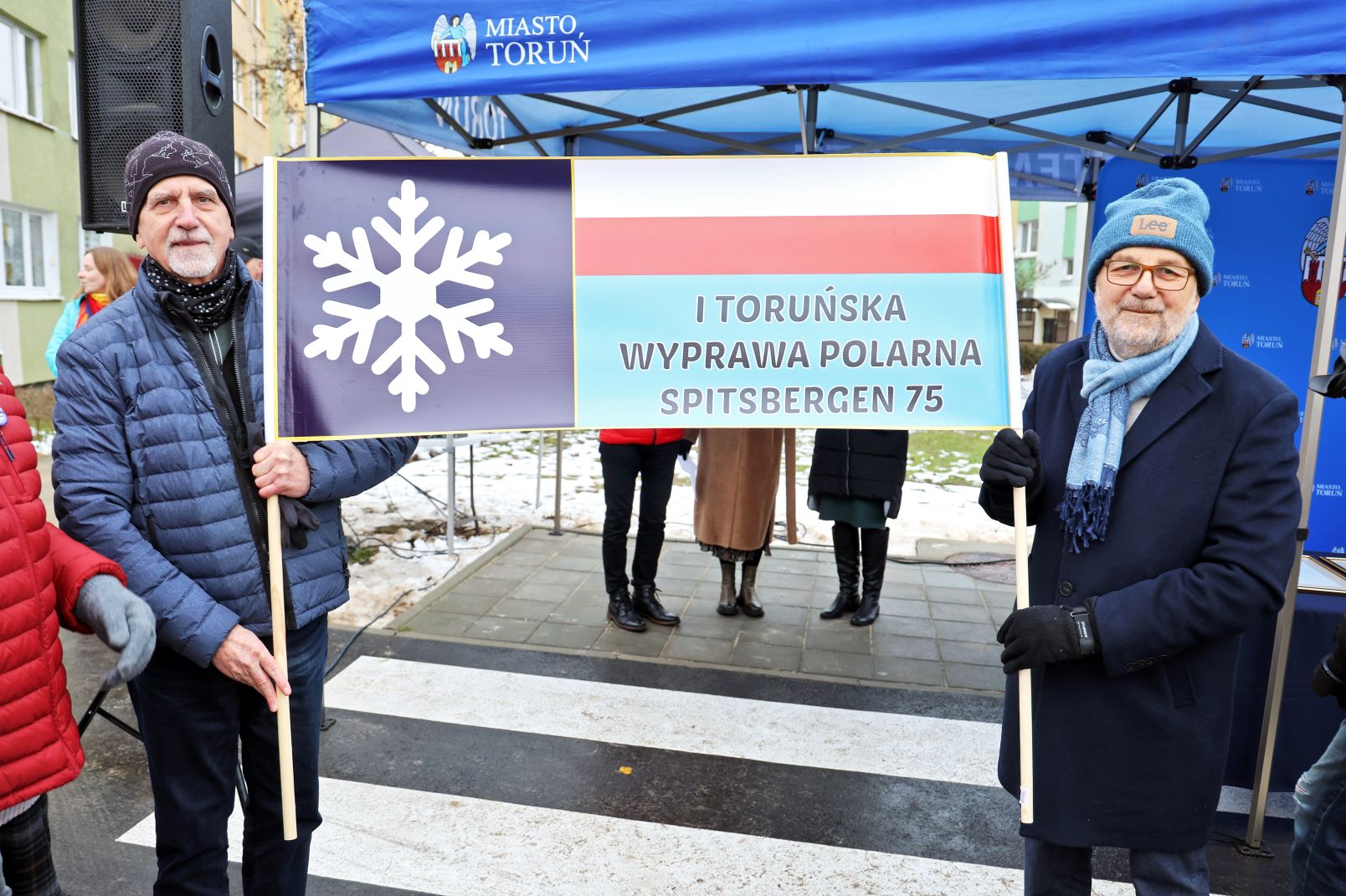
photo Andrzej Romański
In the region of the Nicolaus Copernicus University Polar Station, research has covered almost all components of the geographical environment, with the greatest emphasis placed on research in the fields of glaciology, glacial geomorphology, permafrost (seasonal thawing of various types of soil) and periglacial processes, as well as climatological and biological research. One of the main objectives of the activities is to understand changes in the cryosphere, which are a very important indicator of contemporary changes in the polar environment and climate change.
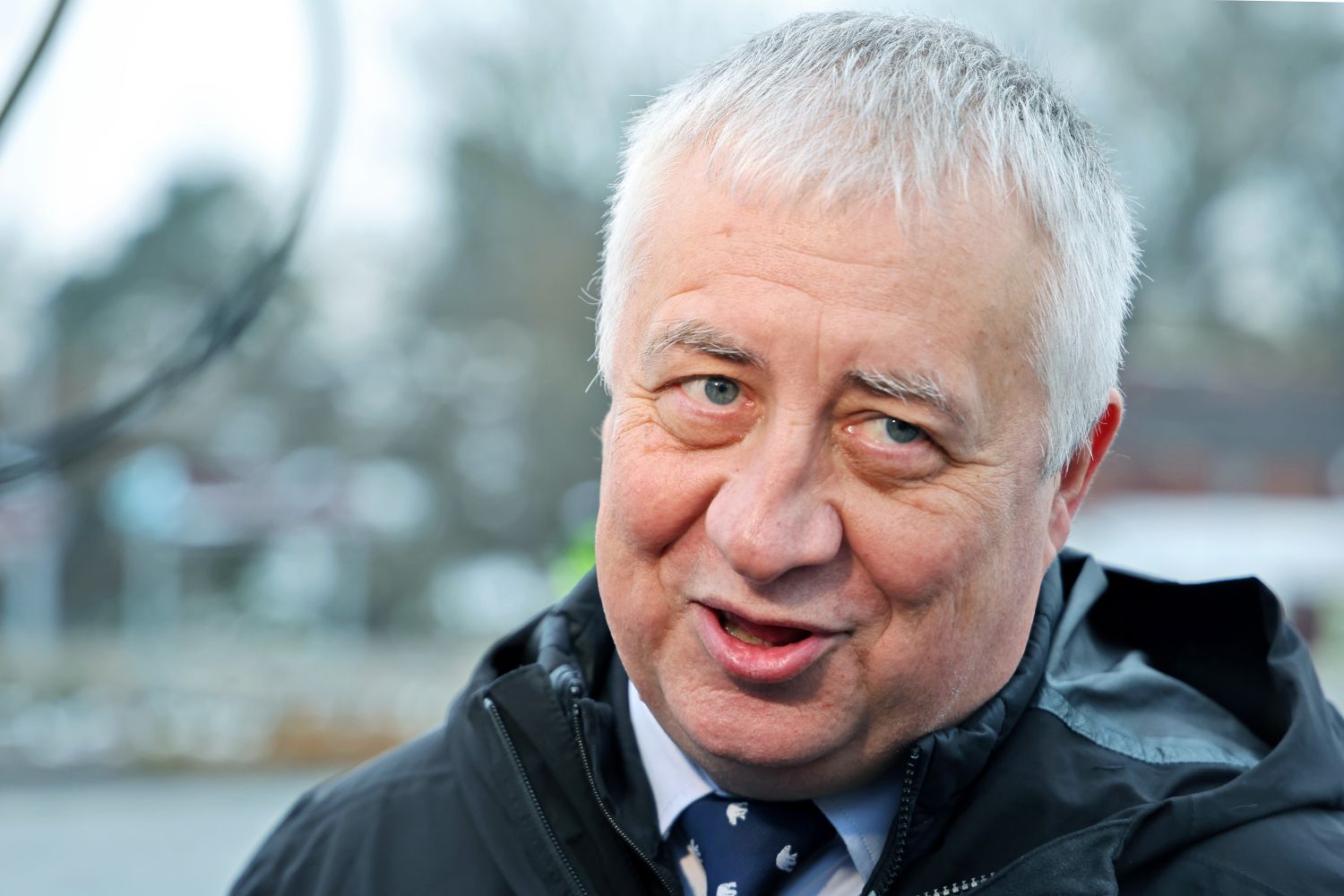
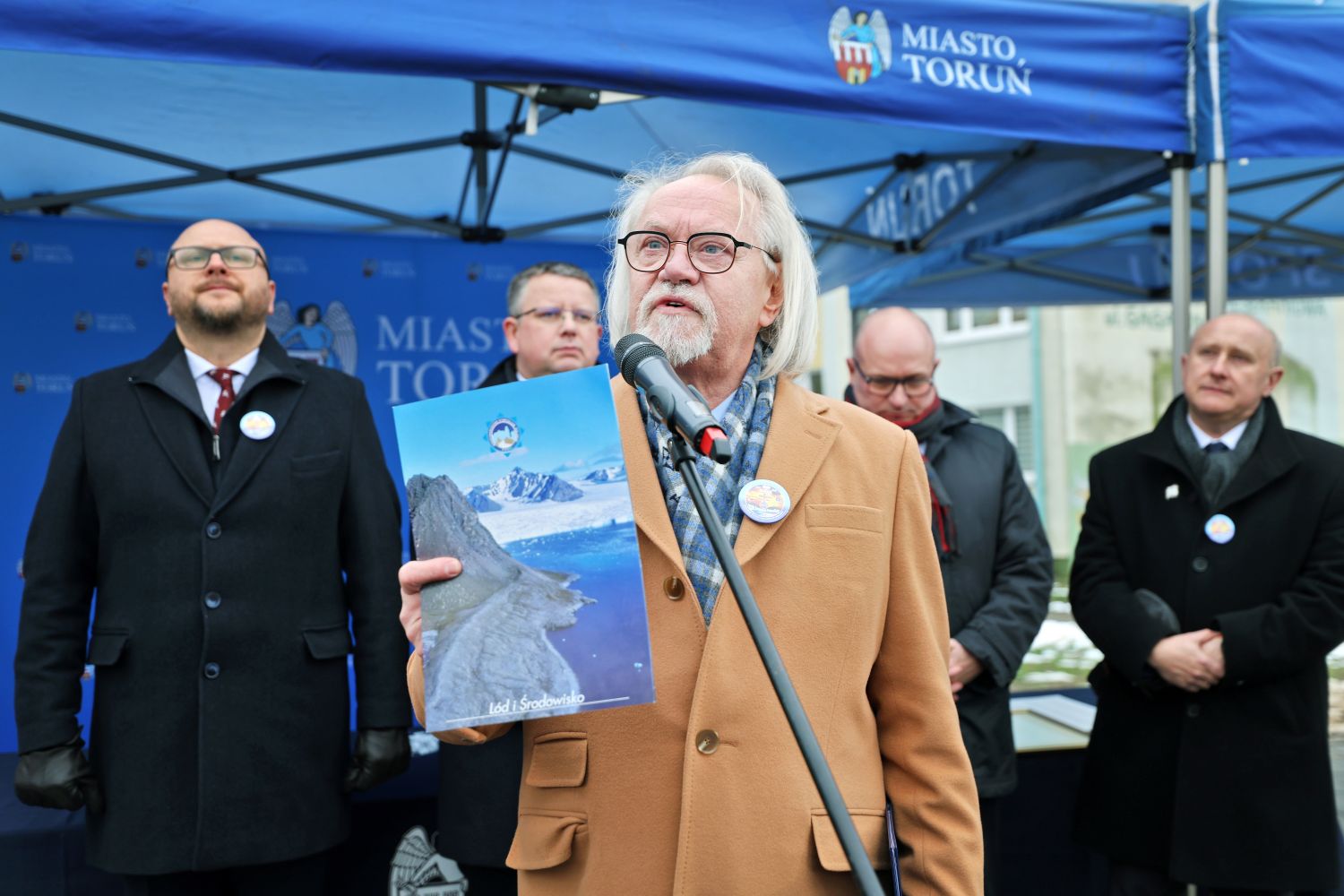
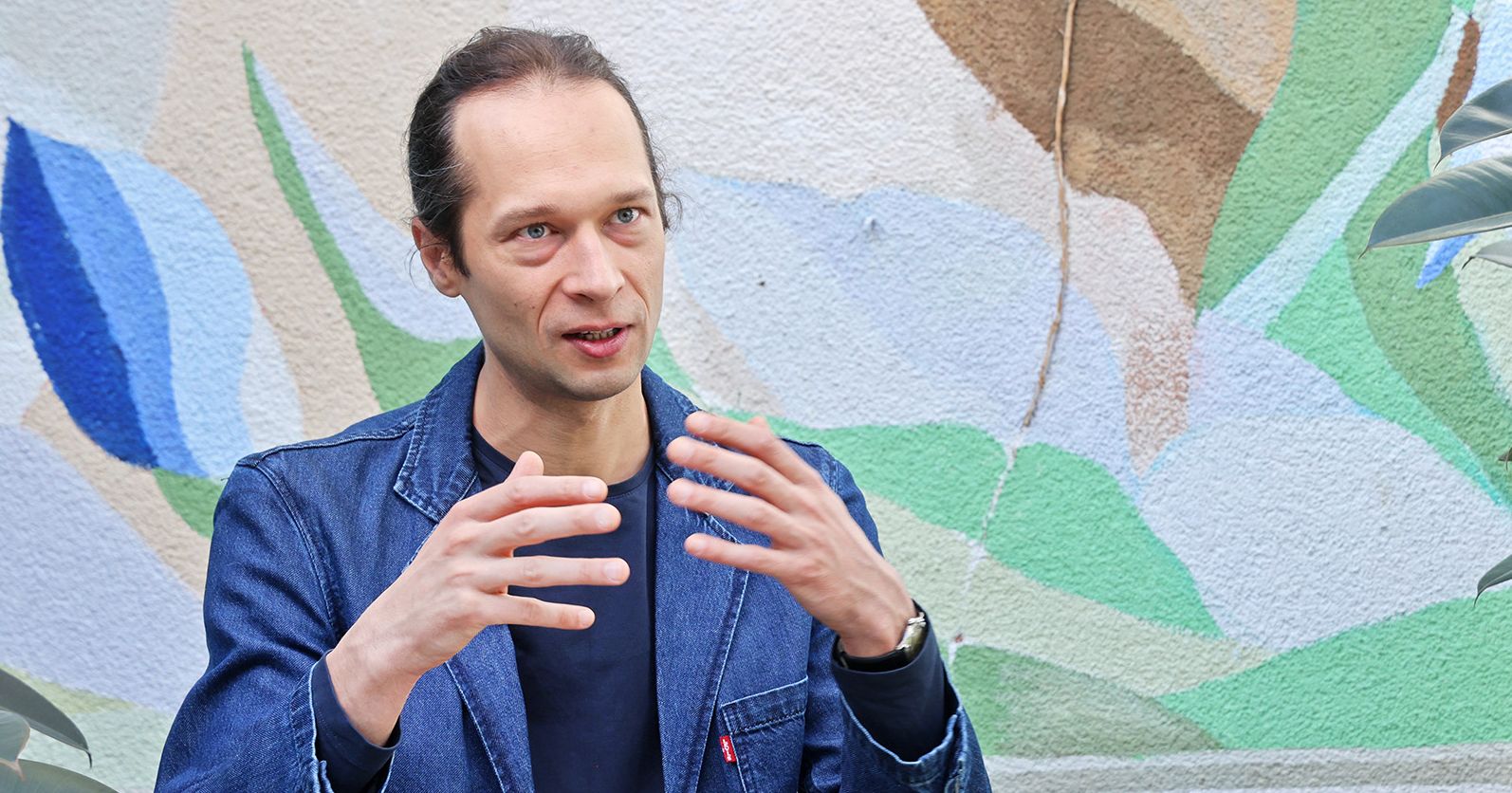
Currently, for us polar explorers in Toruń, there is no place more important than this roundabout, said dr habil. Ireneusz Sobota, NCU Prof. and current head of the Nicolaus Copernicus University Polar Station on Spitsbergen. There are the participants of the first polar expeditions among us today, which is a great thrill and honour for all of us.