 NCU News
 Campus life
YERUN at NCU: Young People as the Driving Force Behind European Science


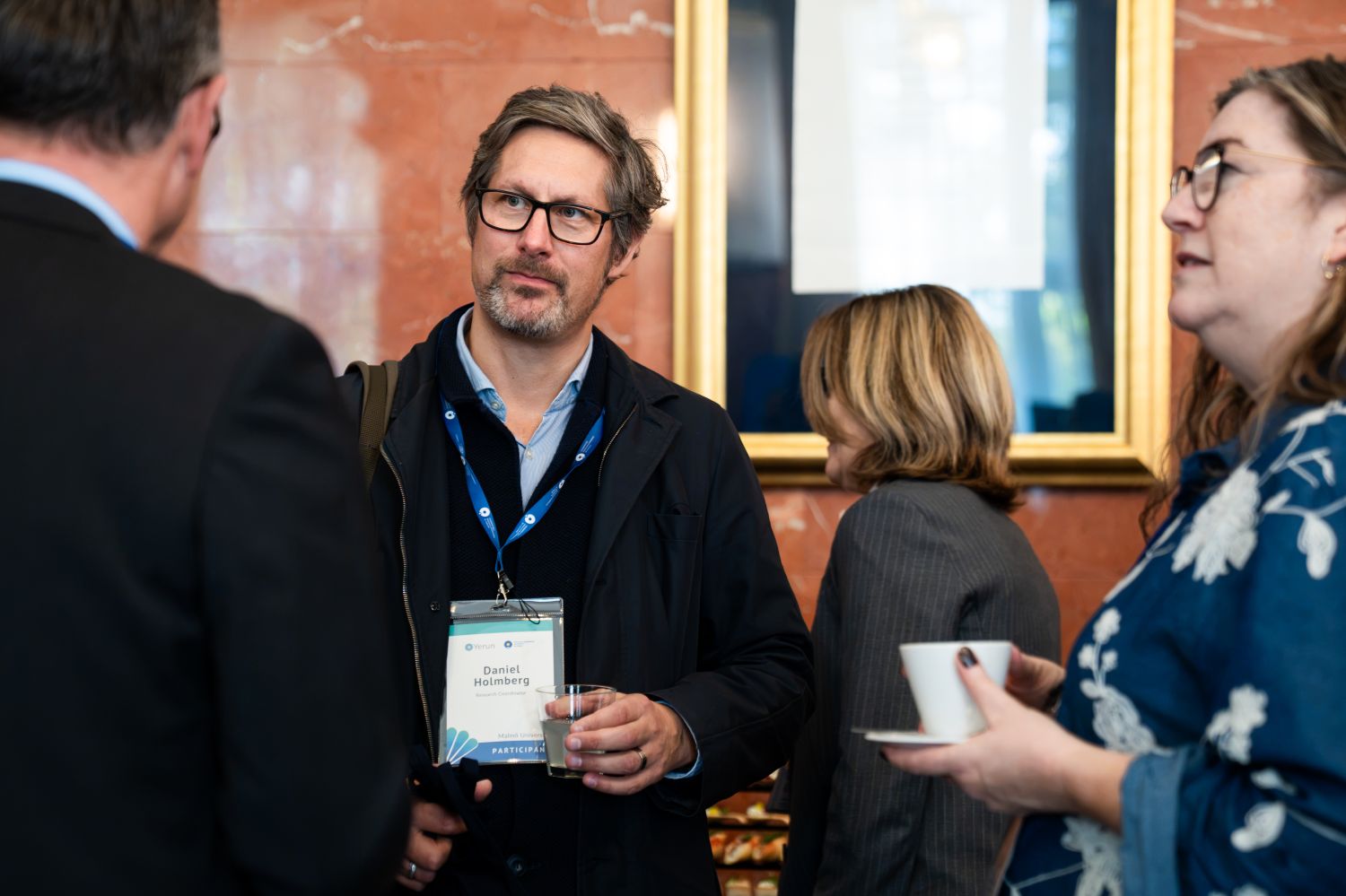
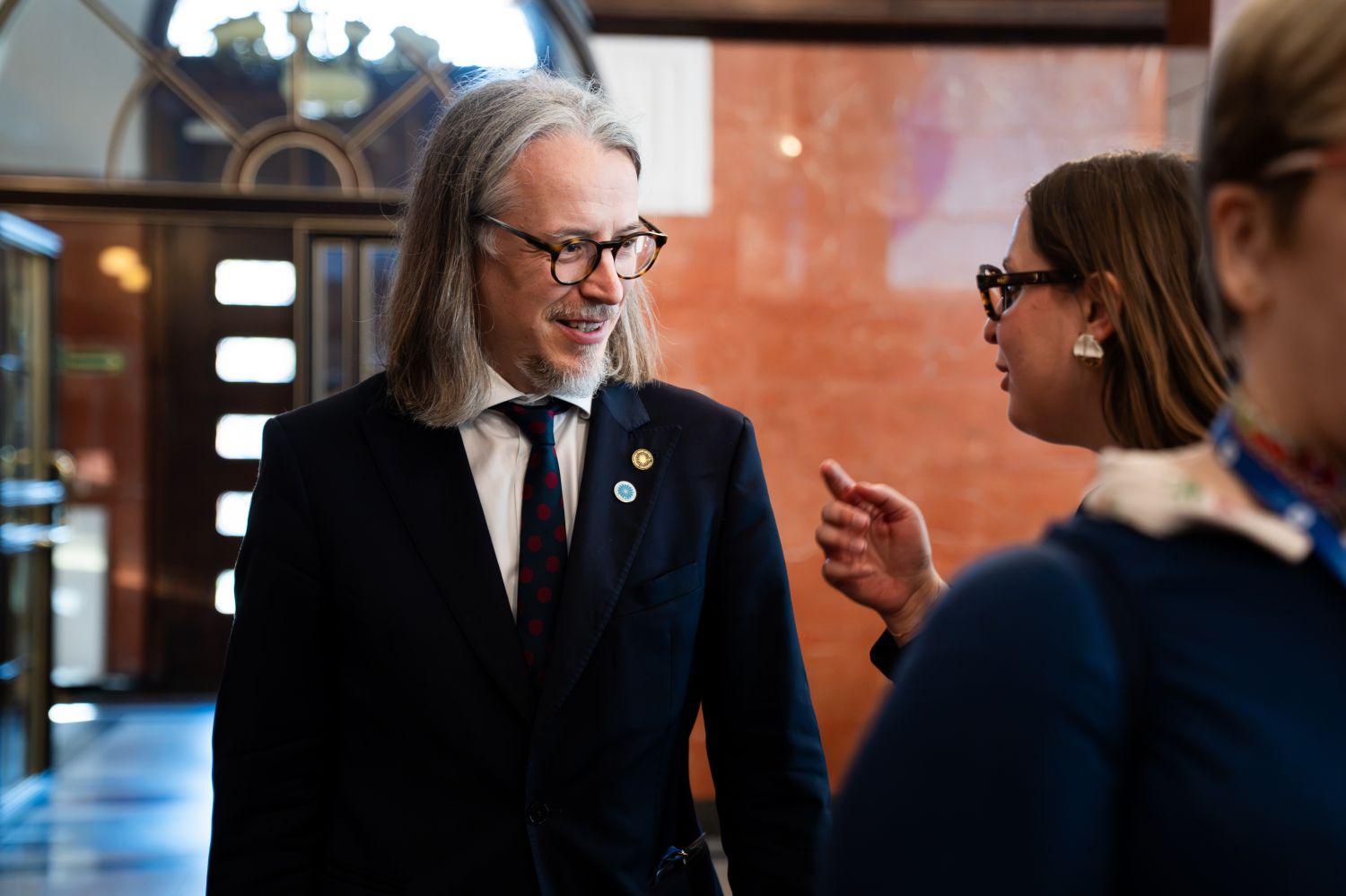
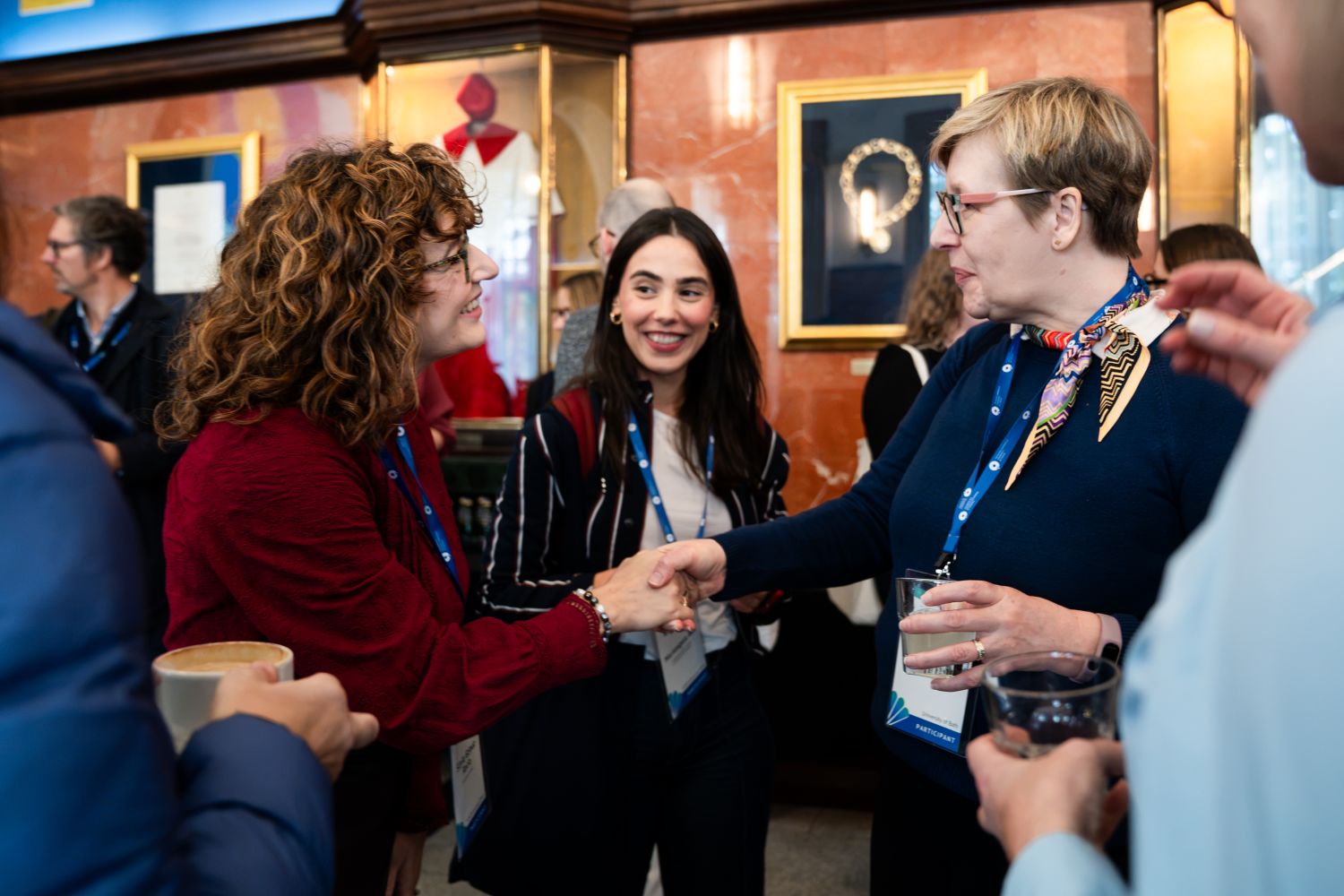
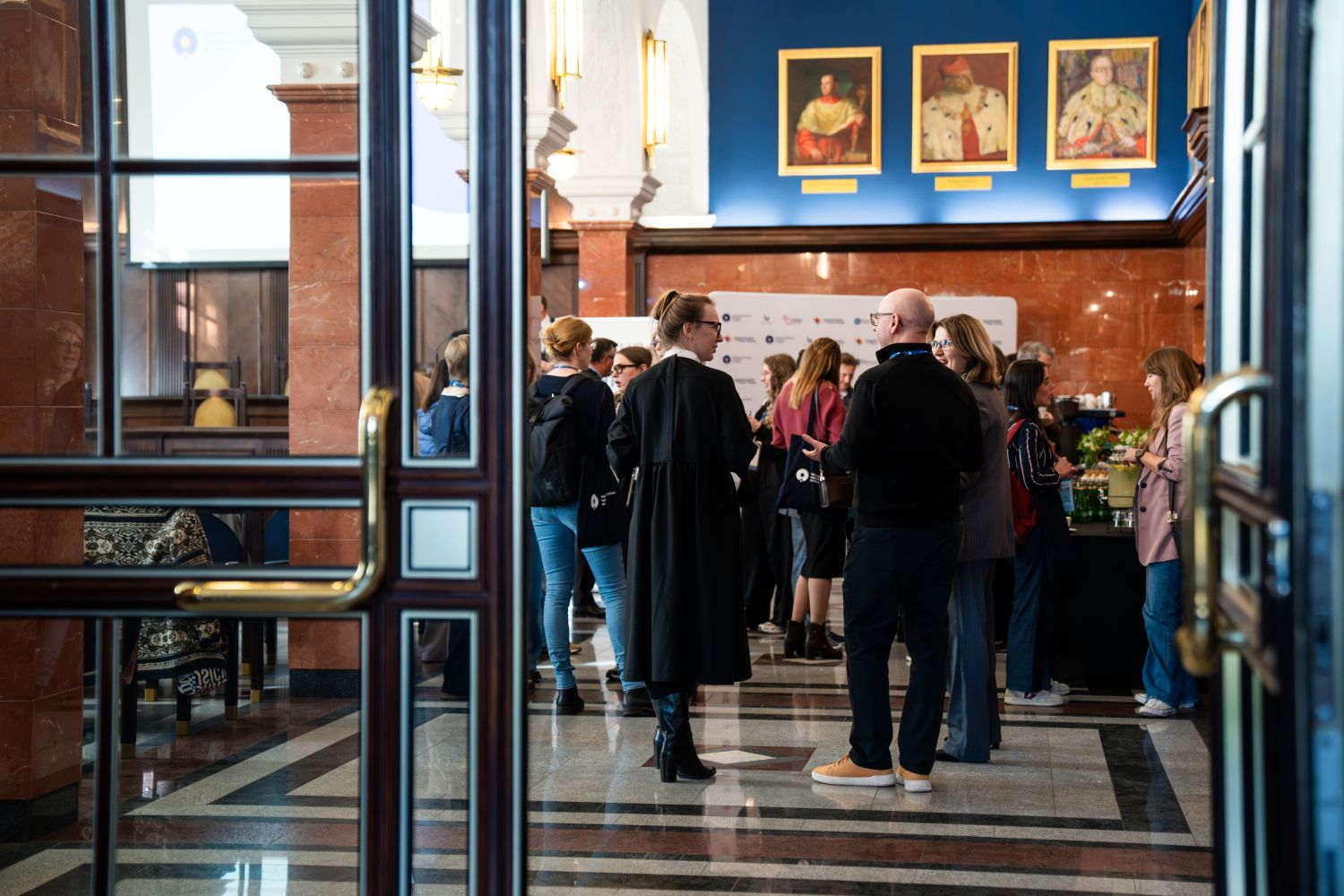
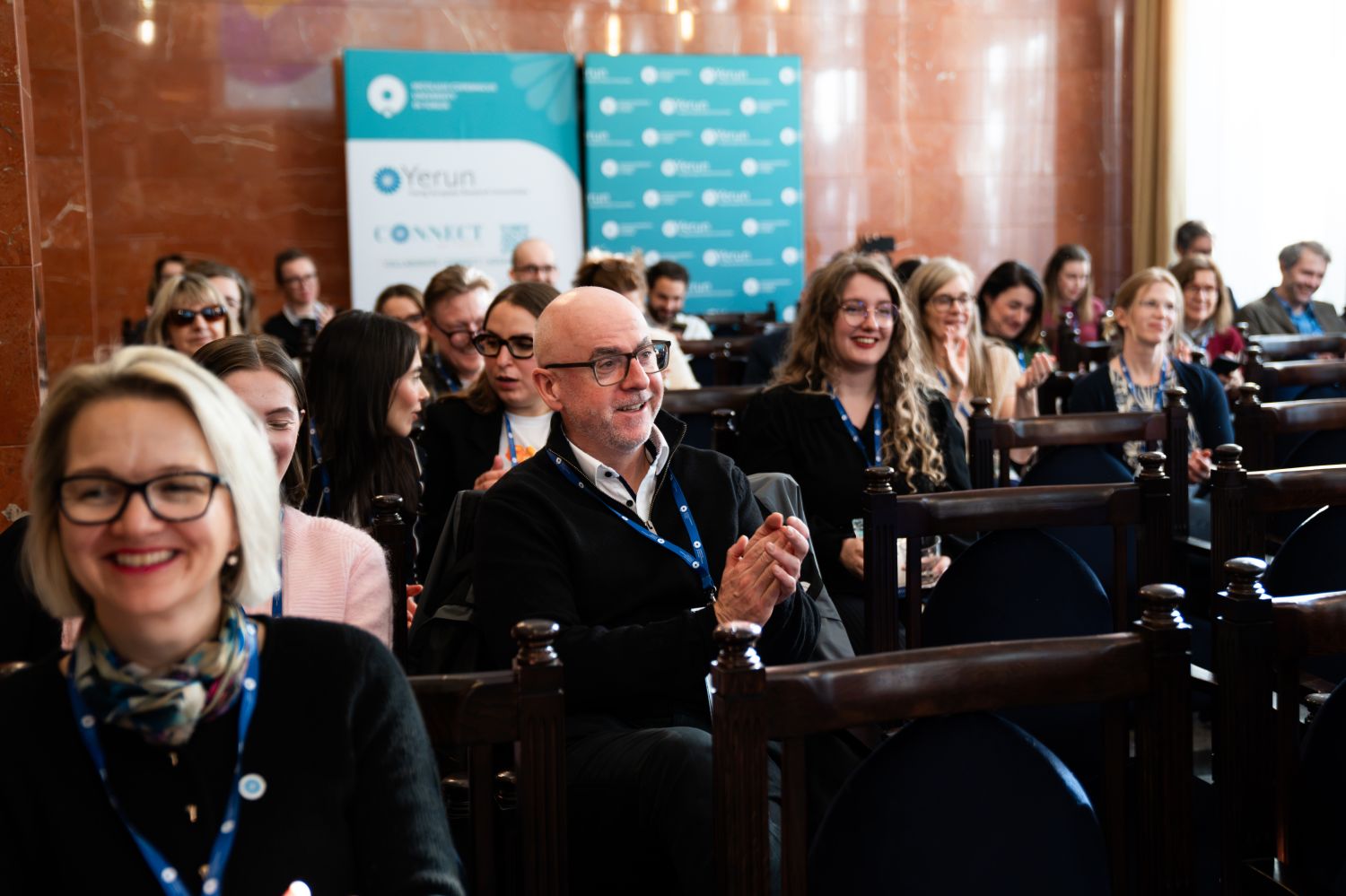
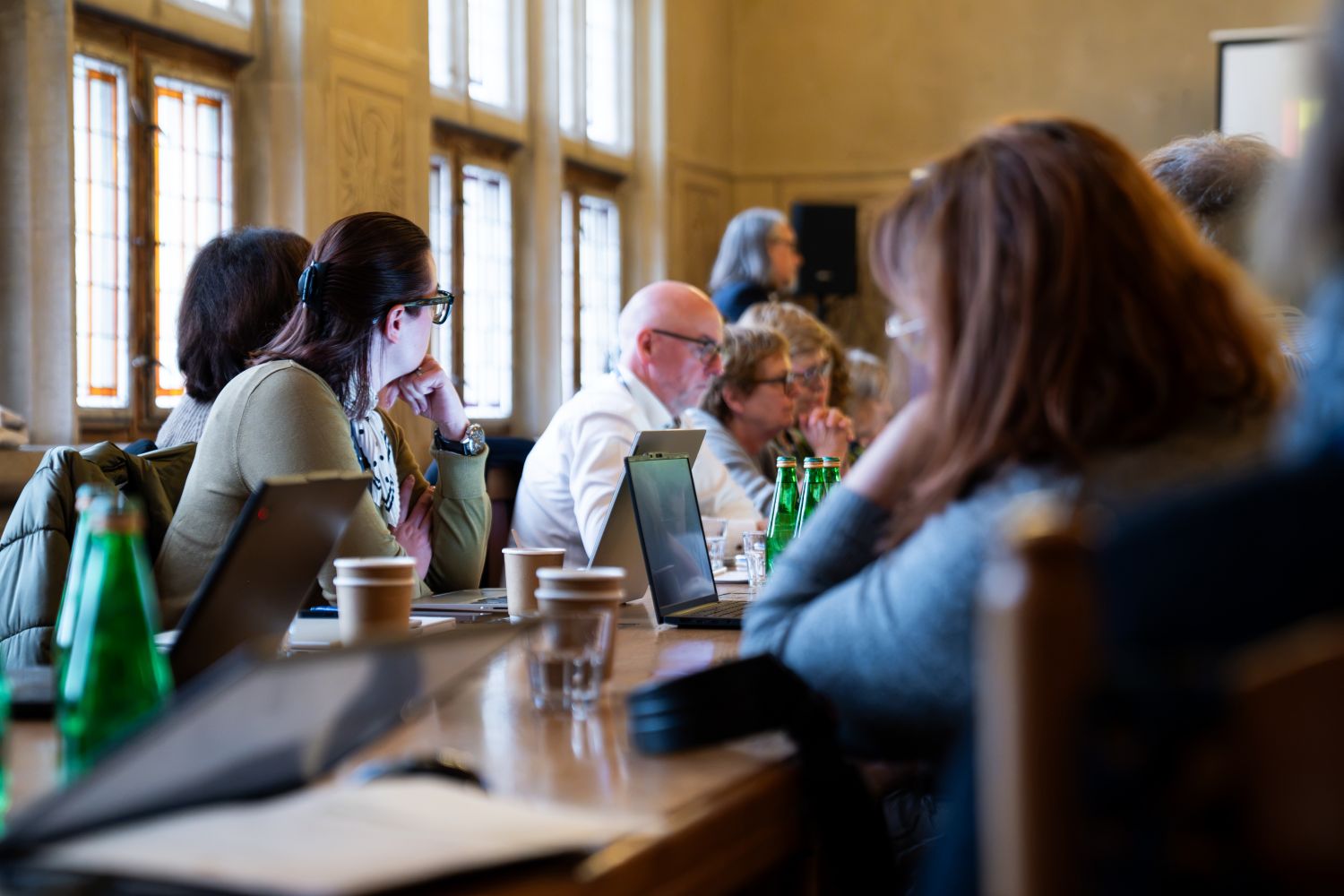
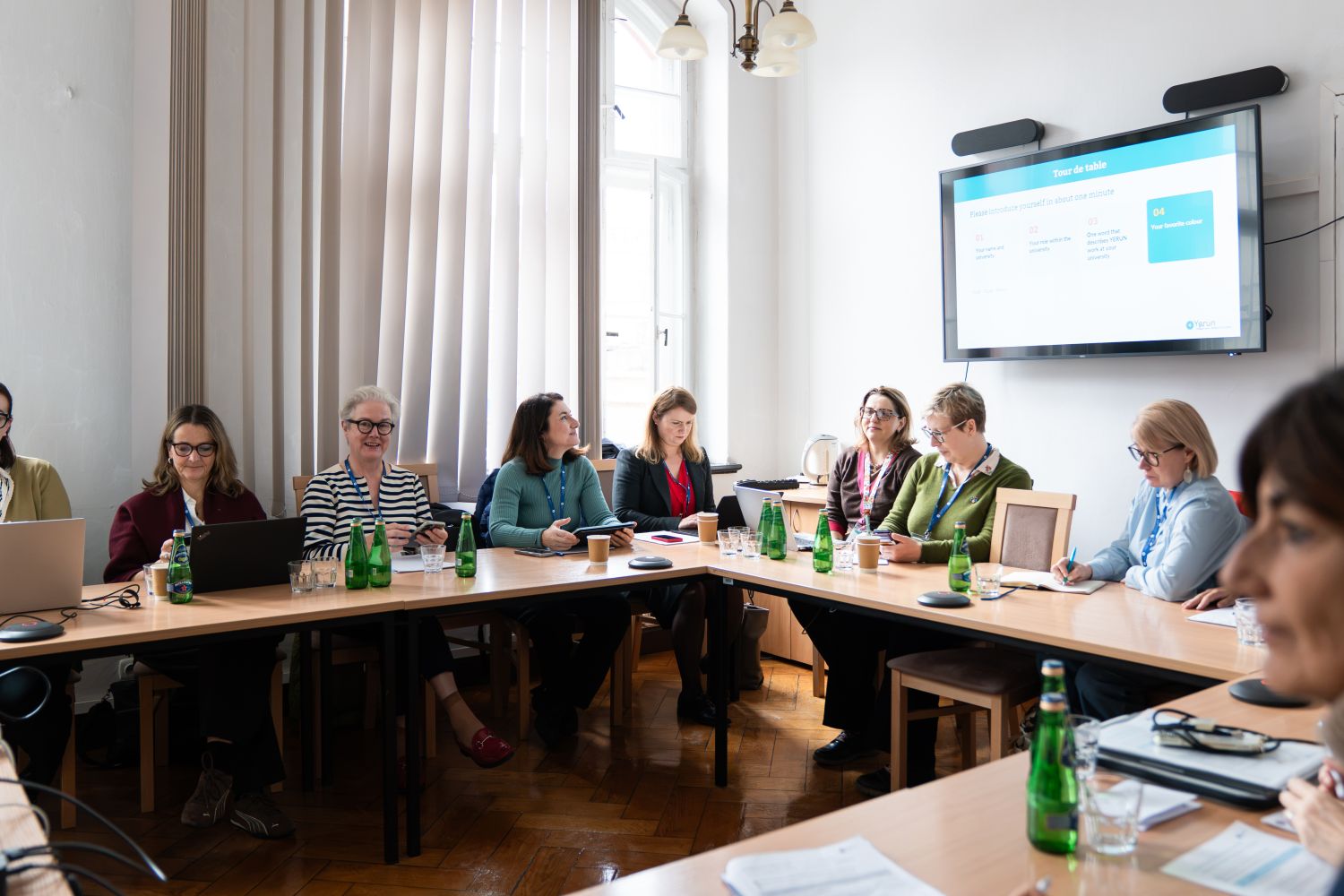
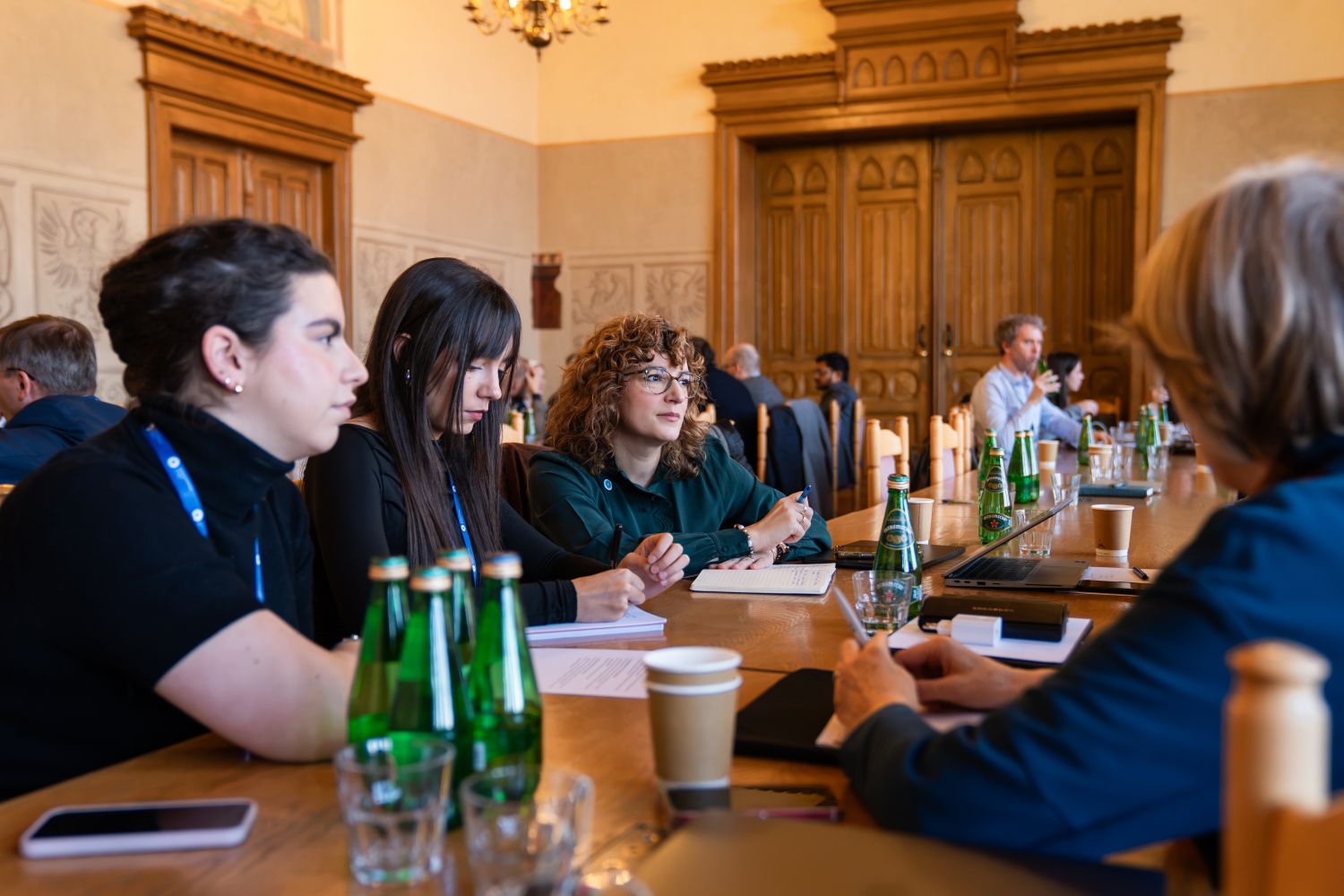
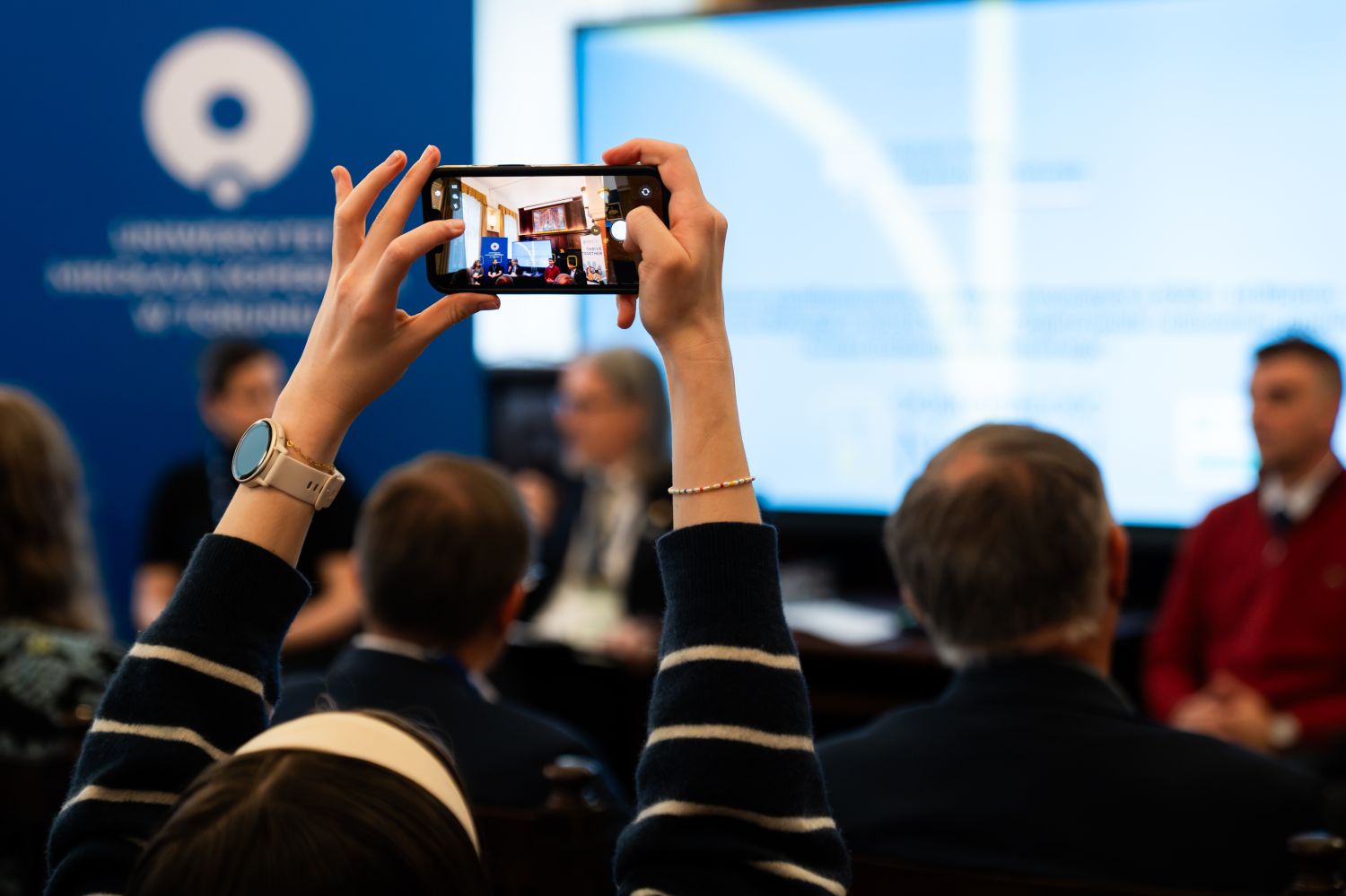
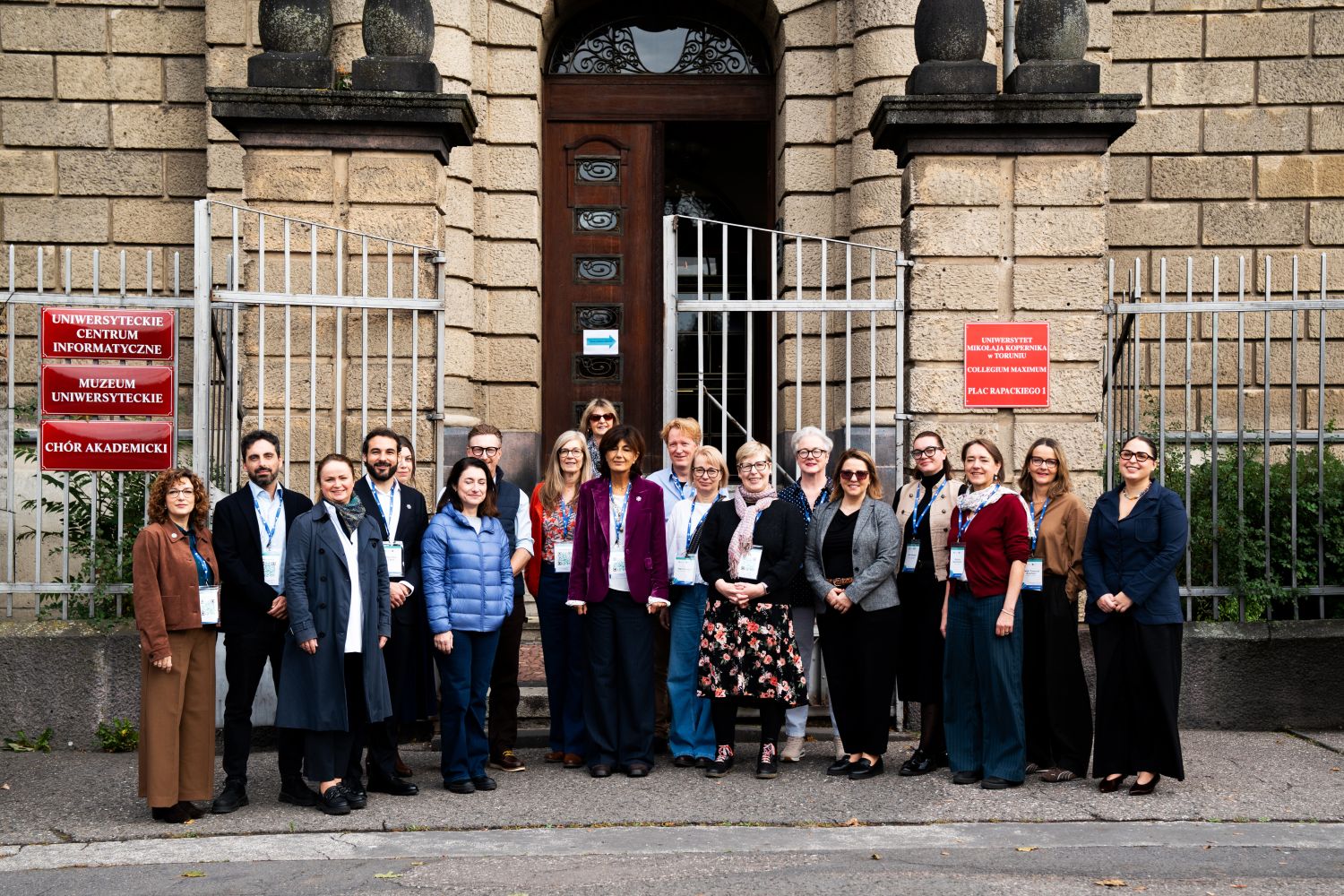
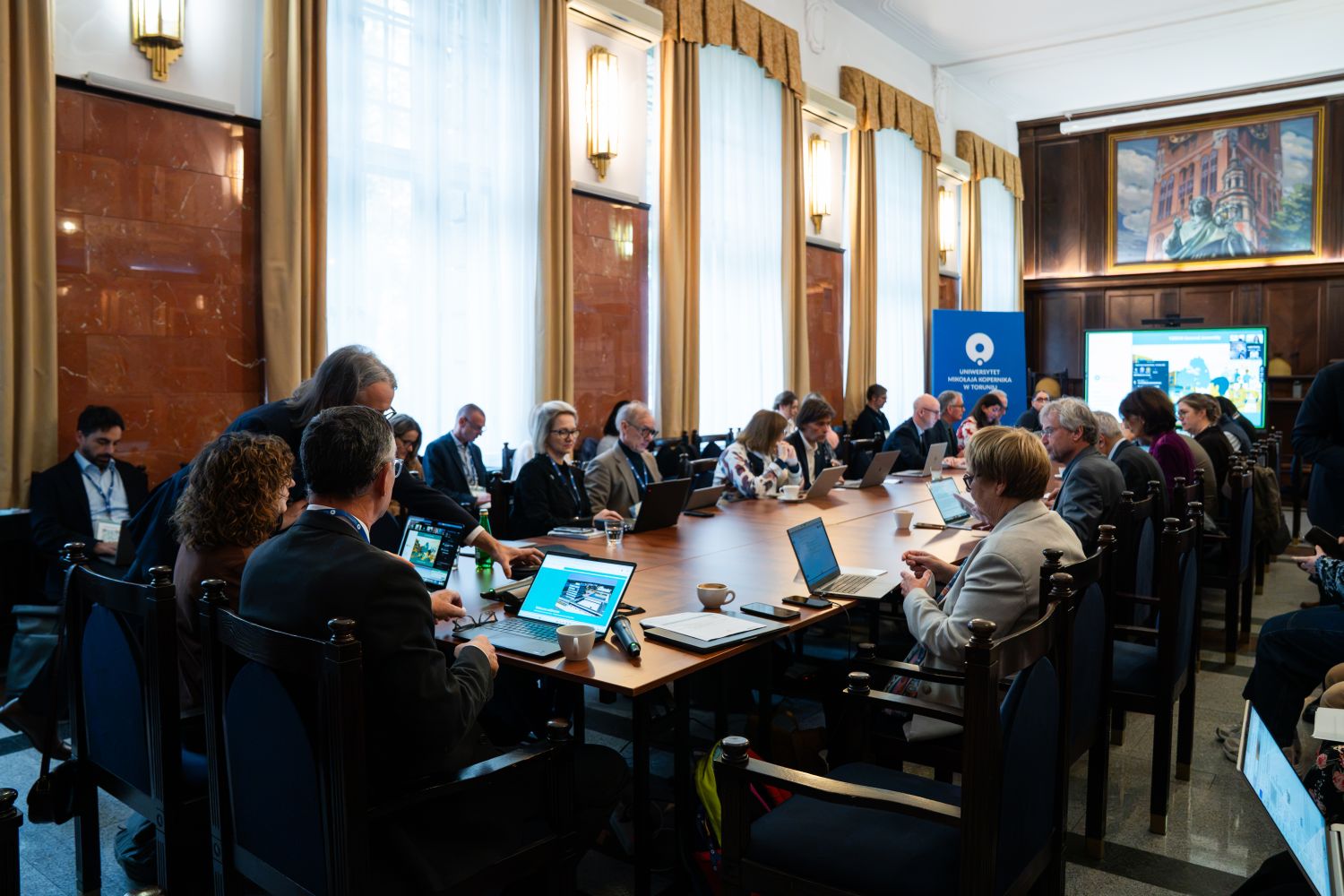
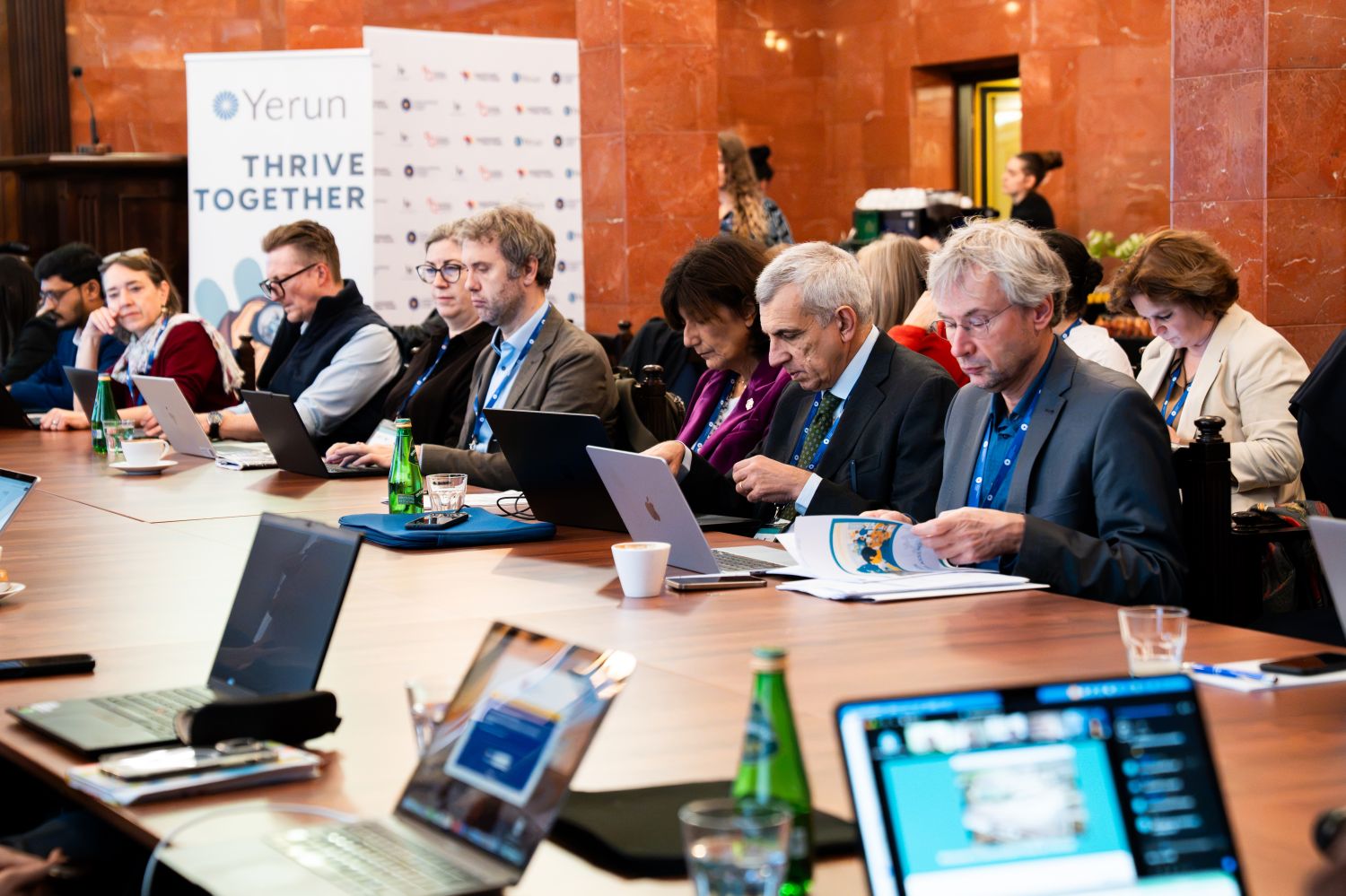
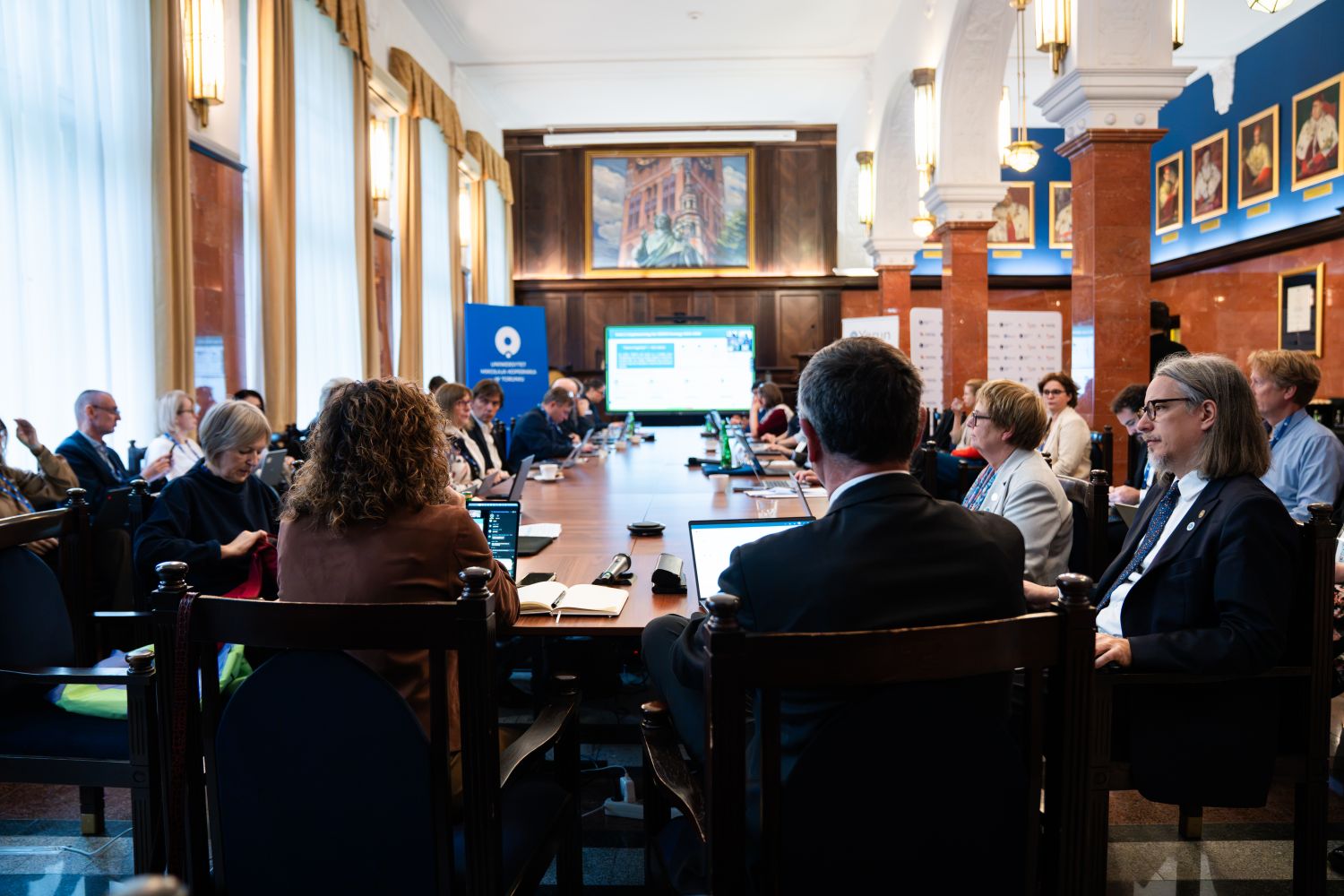
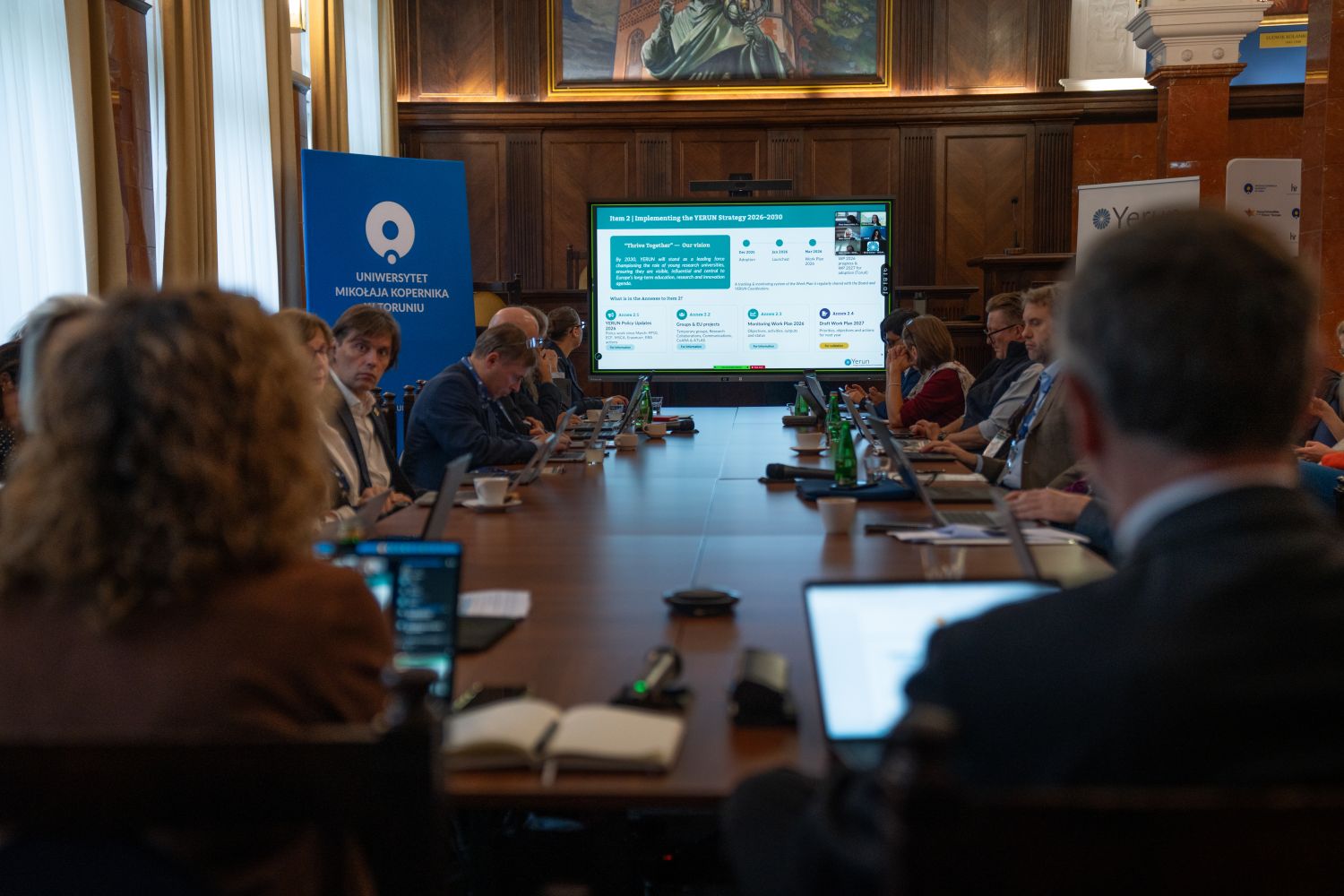
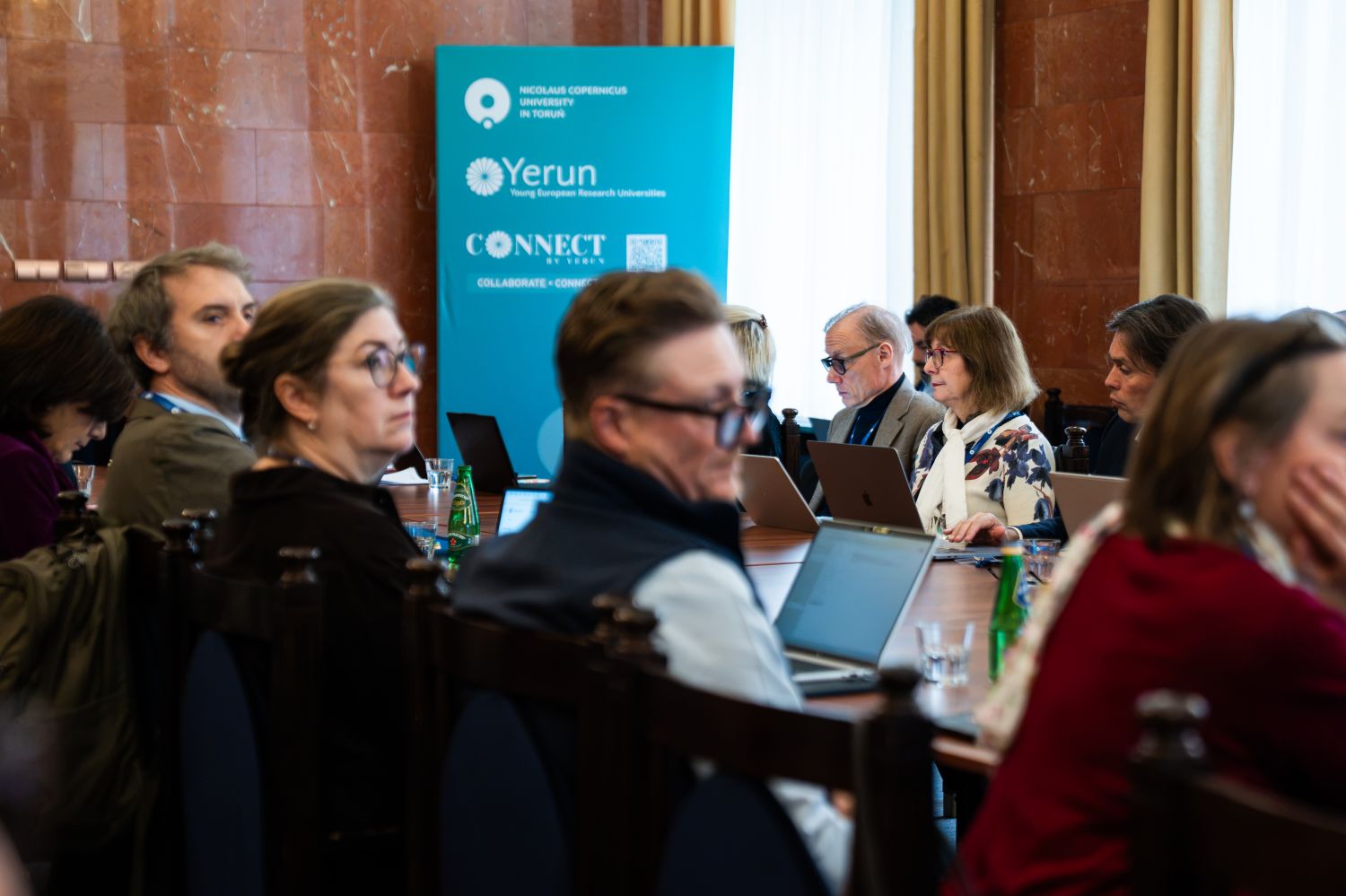
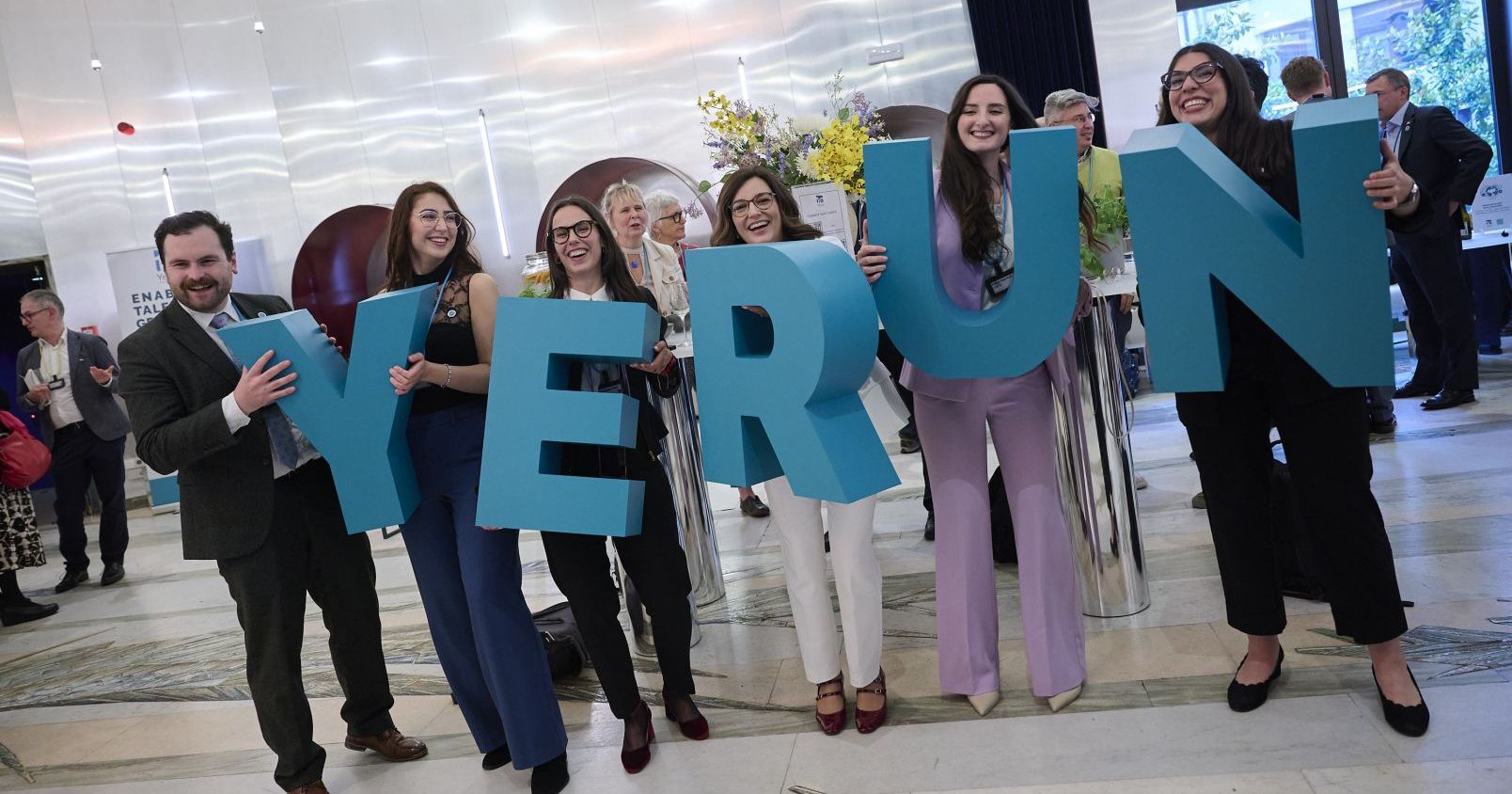
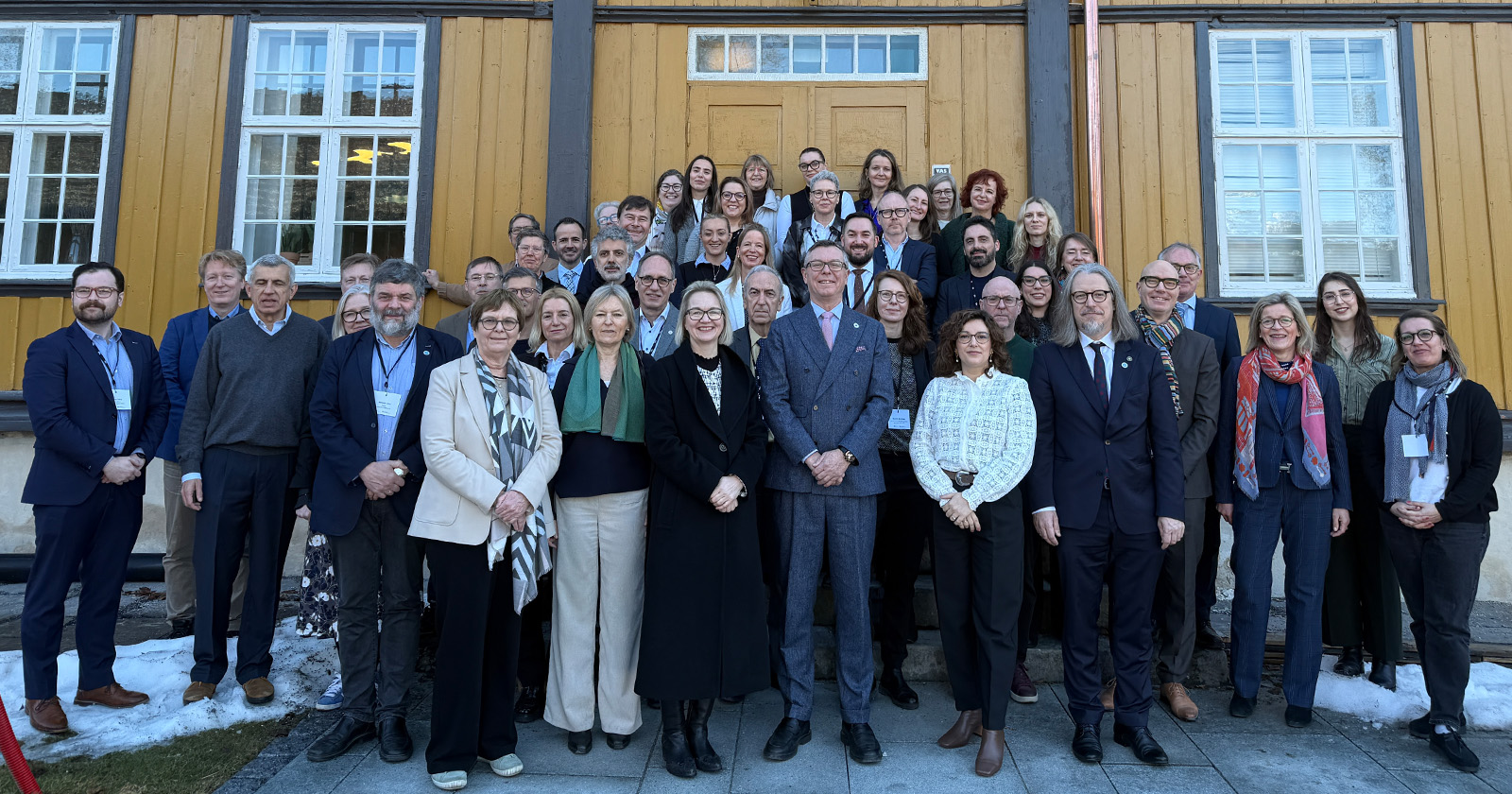
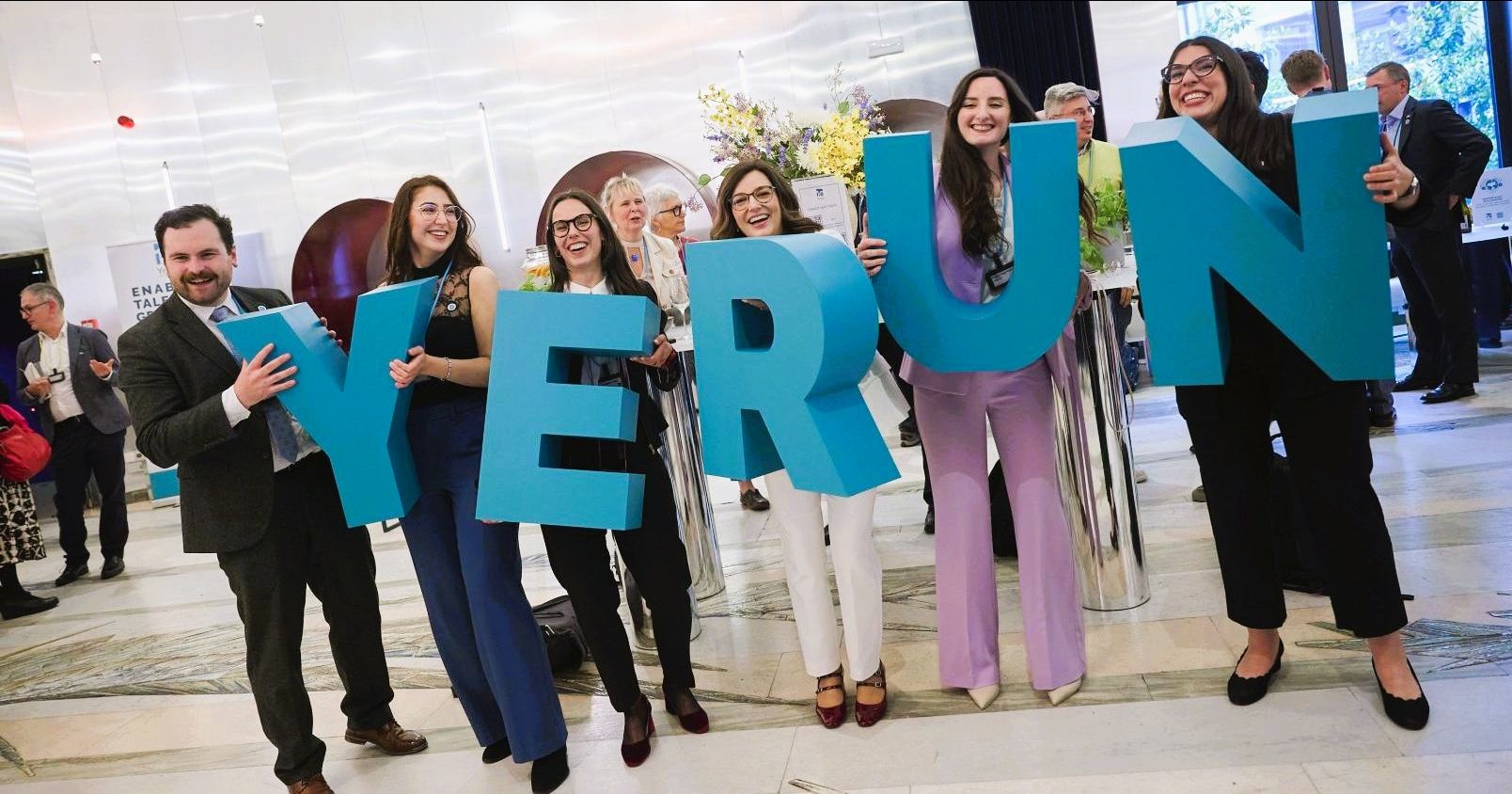
How can we support undergraduate and graduate students in their academic development and involve them in research? This was the topic of discussion among participants at the YERUN General Assembly, which took place October 13–15 at Nicolaus Copernicus University in Toruń.
YERUN (Young European Research Universities Network) brings together young European universities with a strong research profile. This year's meeting focused primarily on young researchers, their contribution to the creation of knowledge, and the role of universities in preparing future generations for the challenges of the modern world. The new YERUN Strategy for 2026–2030 served as the framework for the discussions.
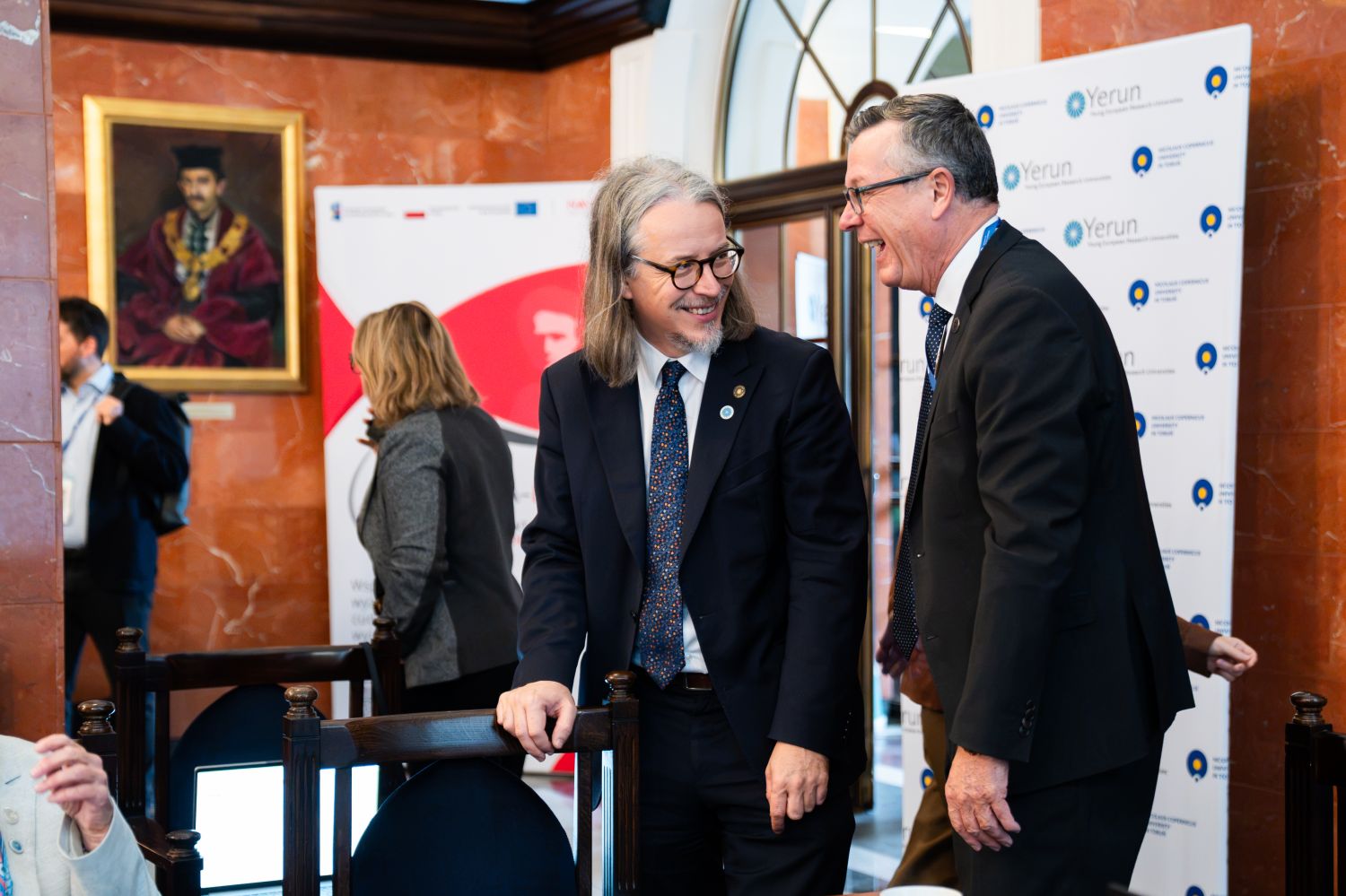
The assembly opened with remarks by the Rector of Nicolaus Copernicus University (NCU), Prof. Andrzej Tretyn; the Vice Rector for Research, Dr hab. Adam Kola, NCU Prof.; and the Vice Mayor of Toruń, Adam Szponka. The proceedings took place at Collegium Maximum and Collegium Maius.
Our university's membership in the YERUN network is a great honor for us, and at the same time a real opportunity to create modern research universities capable of change and of responding responsibly to the various challenges of the present day, emphasized NCU Rector Prof. Andrzej Tretyn. He also highlighted the need to create a space where students and doctoral candidates can develop their research interests, pursue ambitious ideas, and actively help shape the future of science.
Young Science at the Center of the Discussion
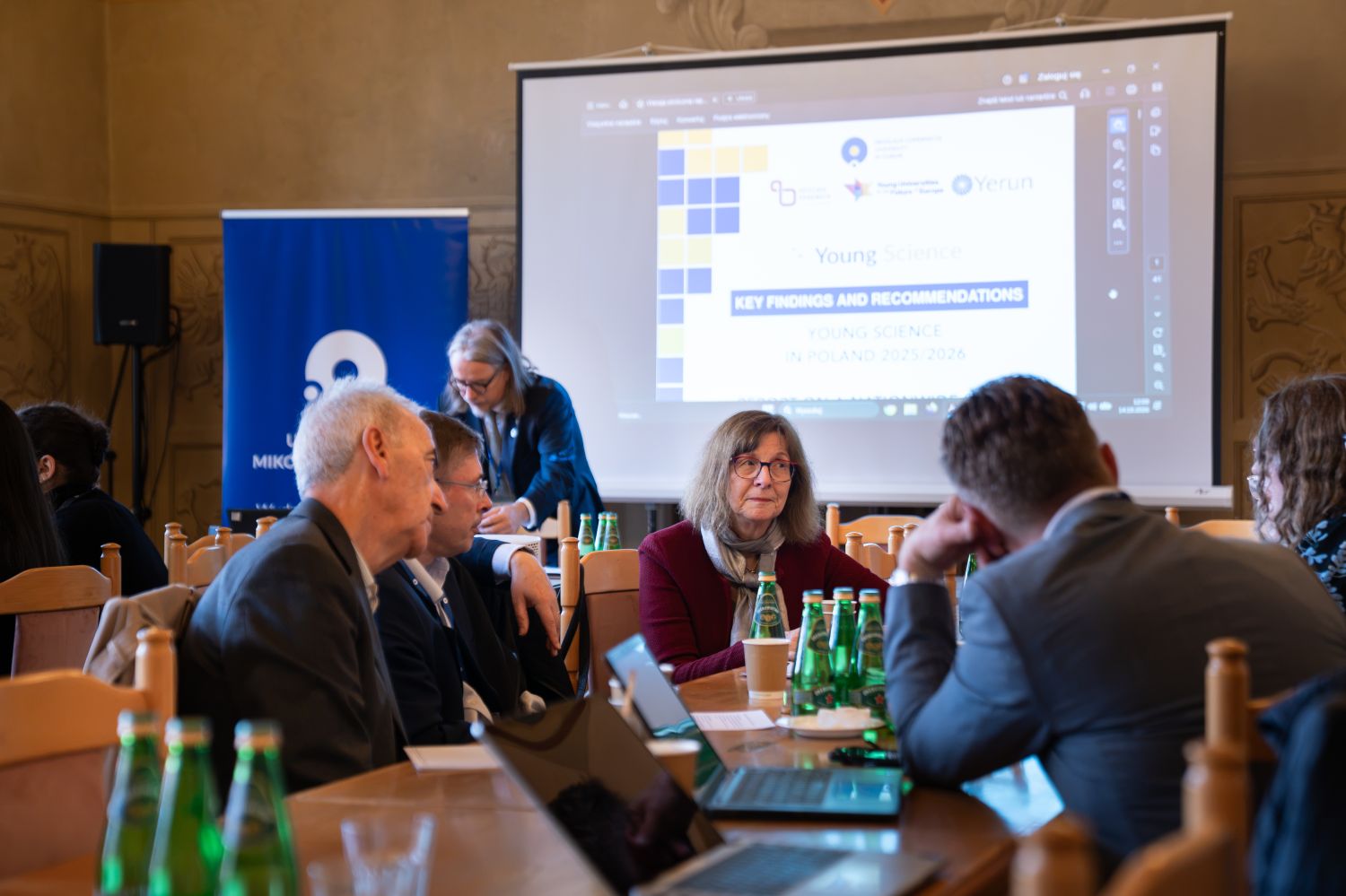
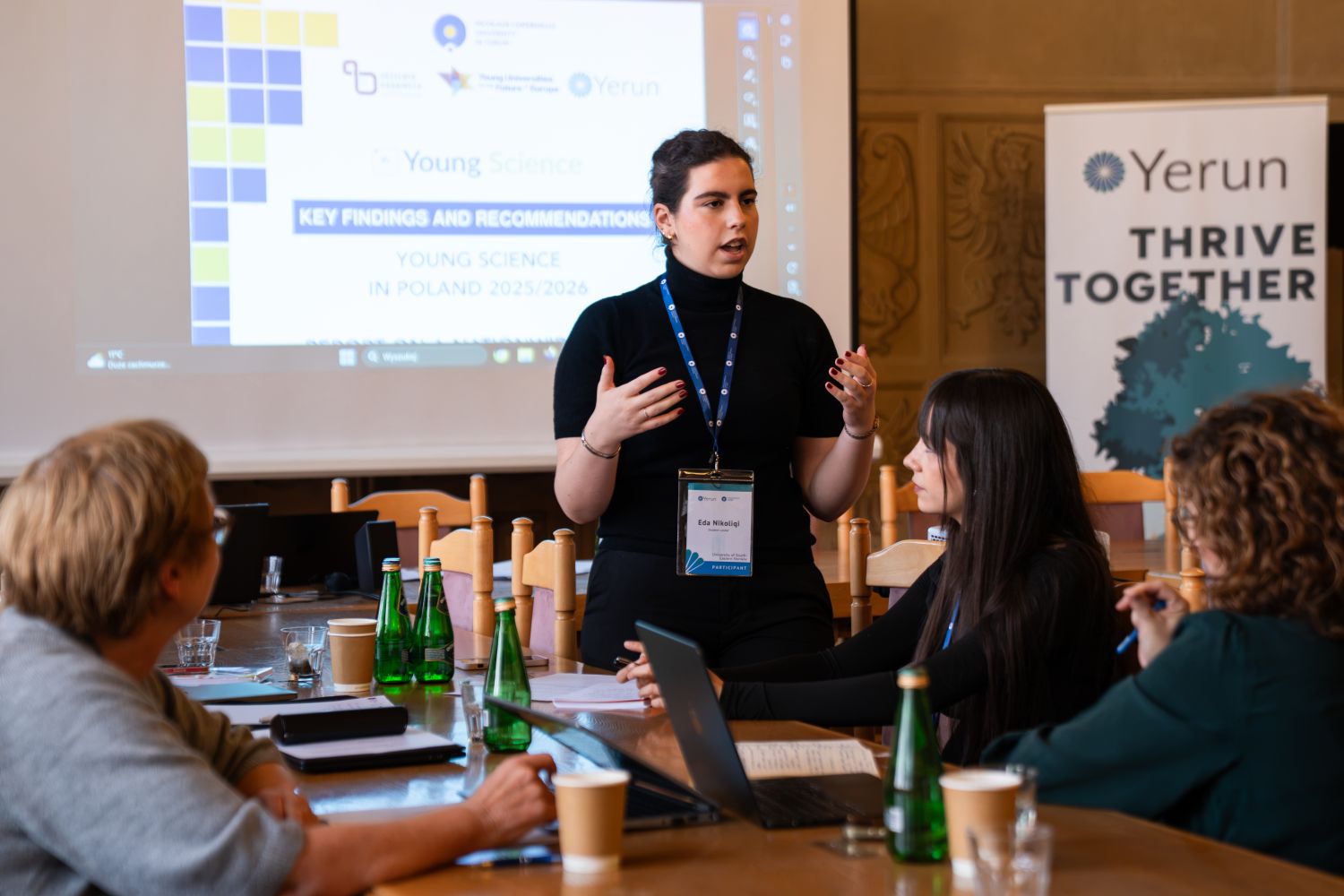
An important part of the proceedings was the presentation of the "Young Science" report, prepared by Wojciech Kiełbasiński's team based on a nationwide survey of undergraduate and graduate students. The project focused on the needs of young researchers, the barriers hindering their development, and solutions that could more effectively support their scientific activities.
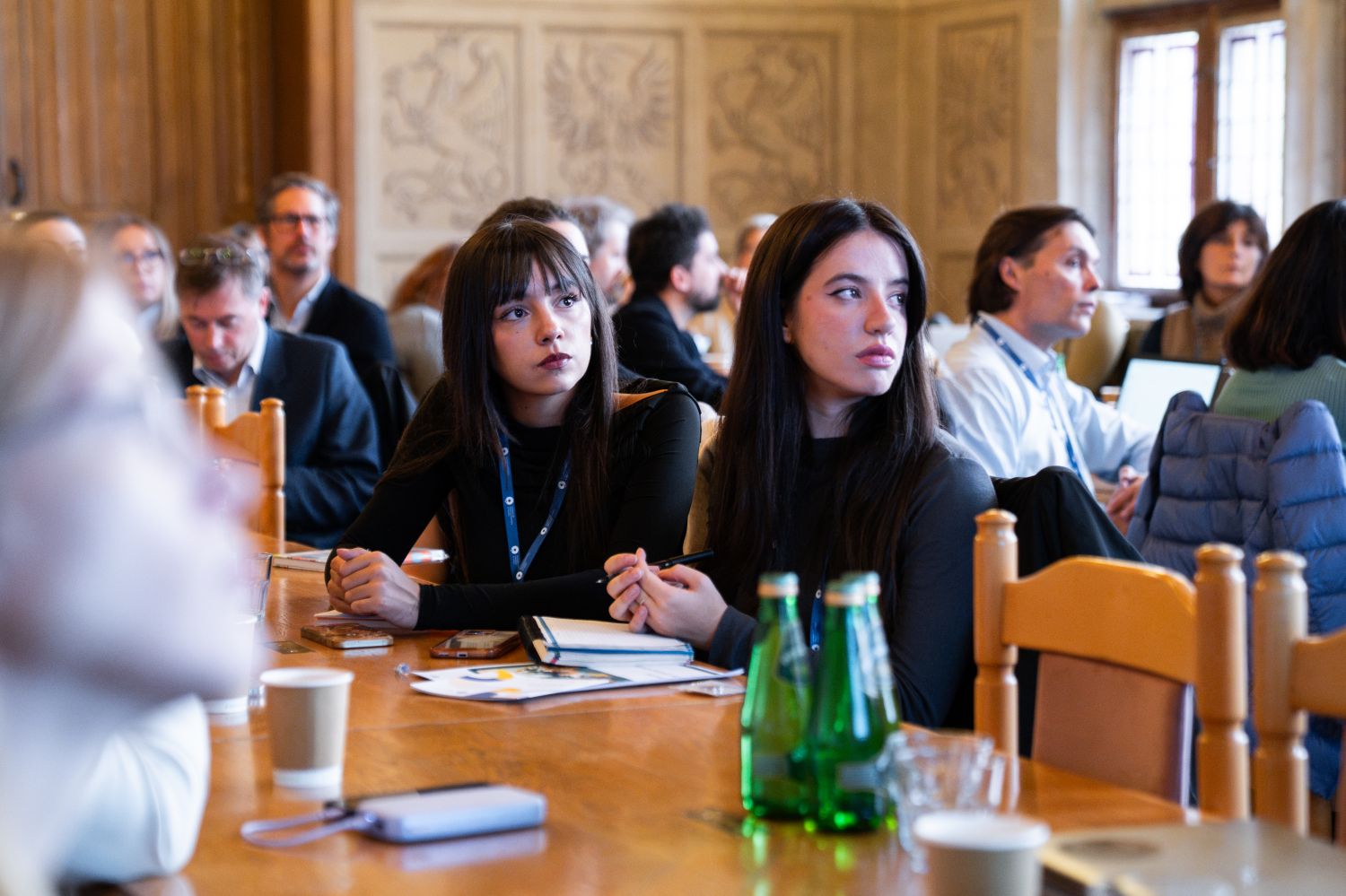
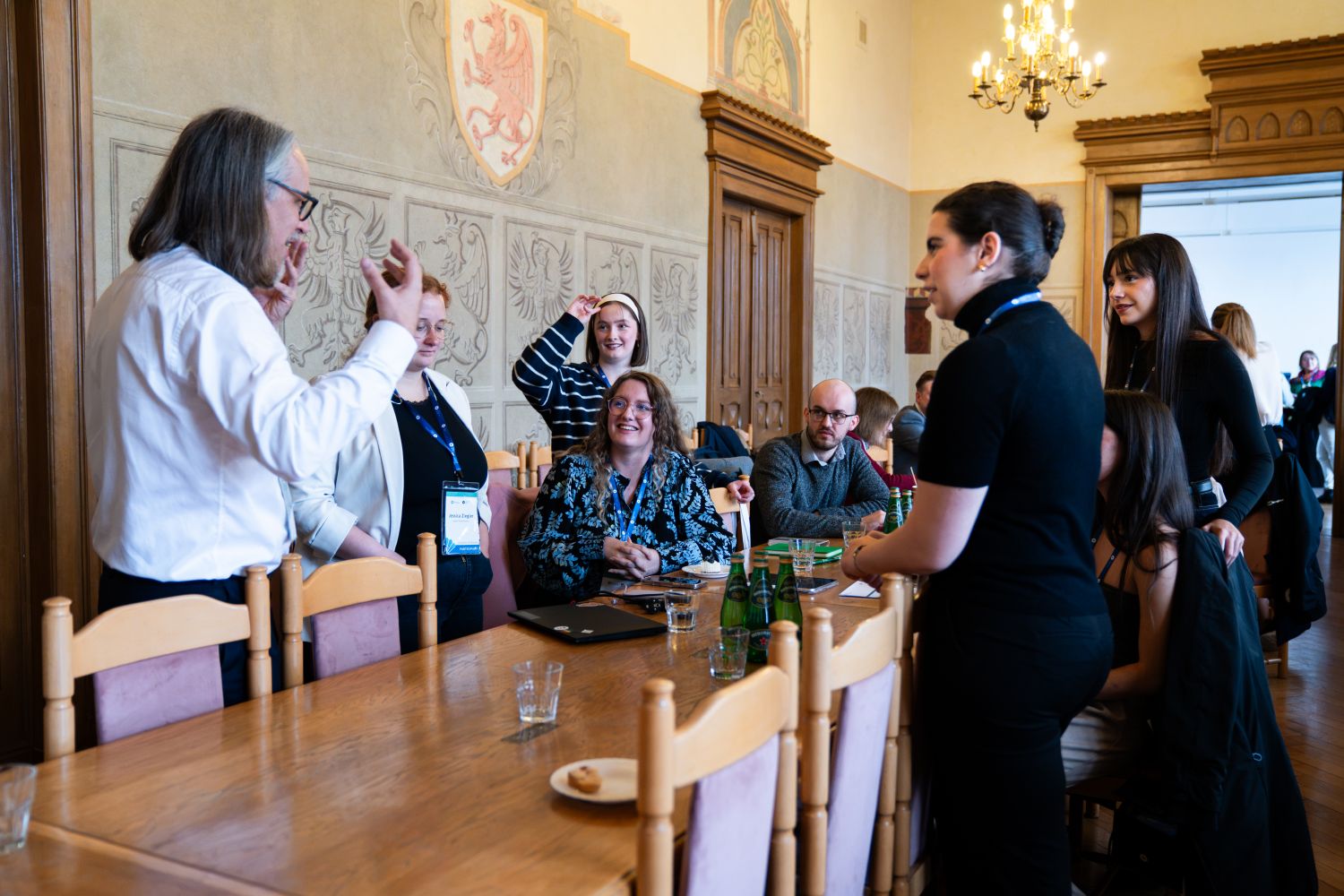
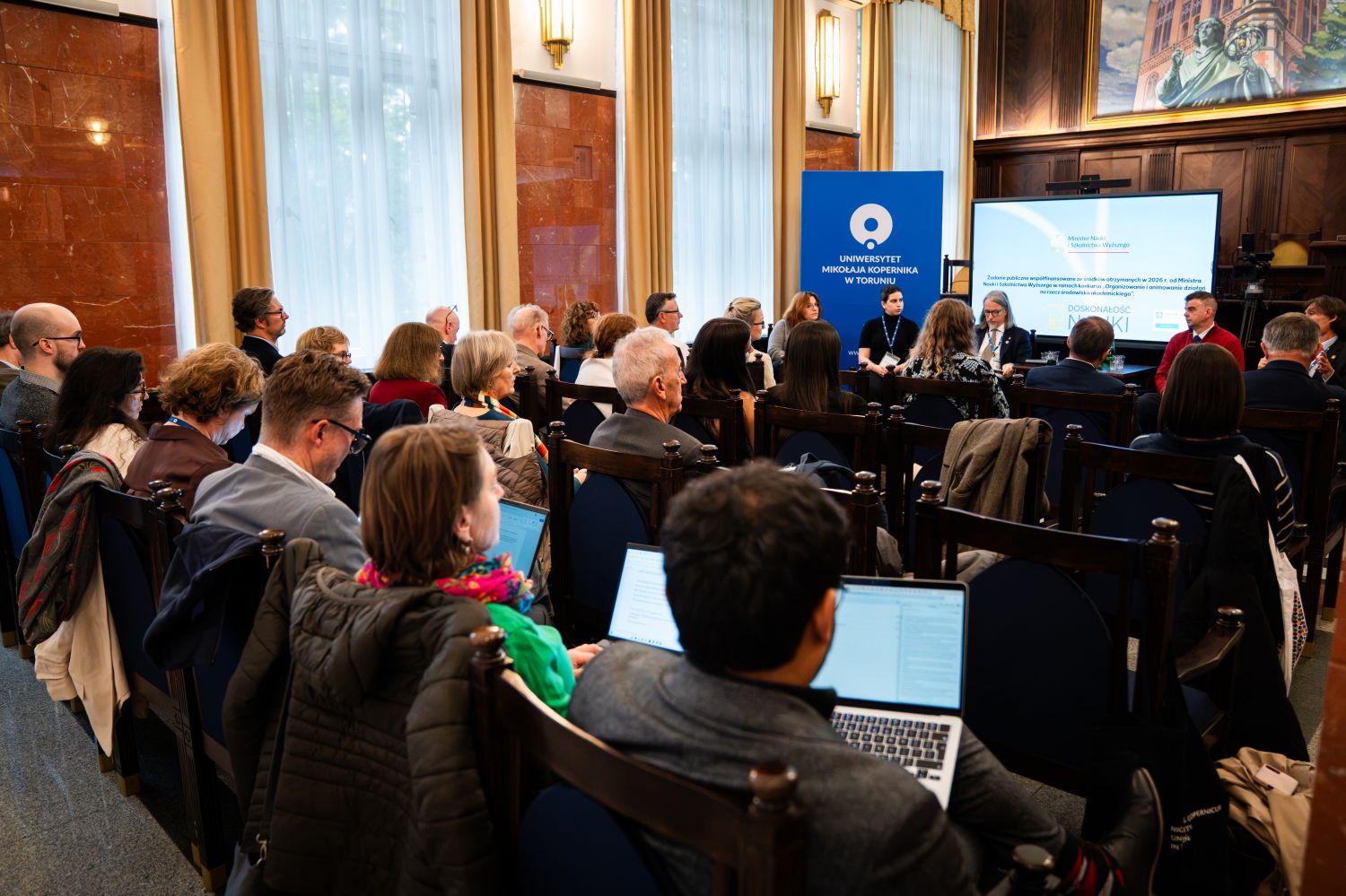
These issues were also presented by Dr hab. Dominik Antonowicz, professor at Nicolaus Copernicus University (NCU) and head of the Department of Research on Science and Higher Education at NCU's Institute of Sociology. The presentations served as a starting point for workshops and a roundtable discussion attended by university rectors and representatives of student and doctoral communities from various European countries.
YERUN President Prof. Dag Rune Olsen noted that European universities today face many challenges: from economic problems and demographic changes to the need to protect democracy and the responsible use of new technologies and artificial intelligence.
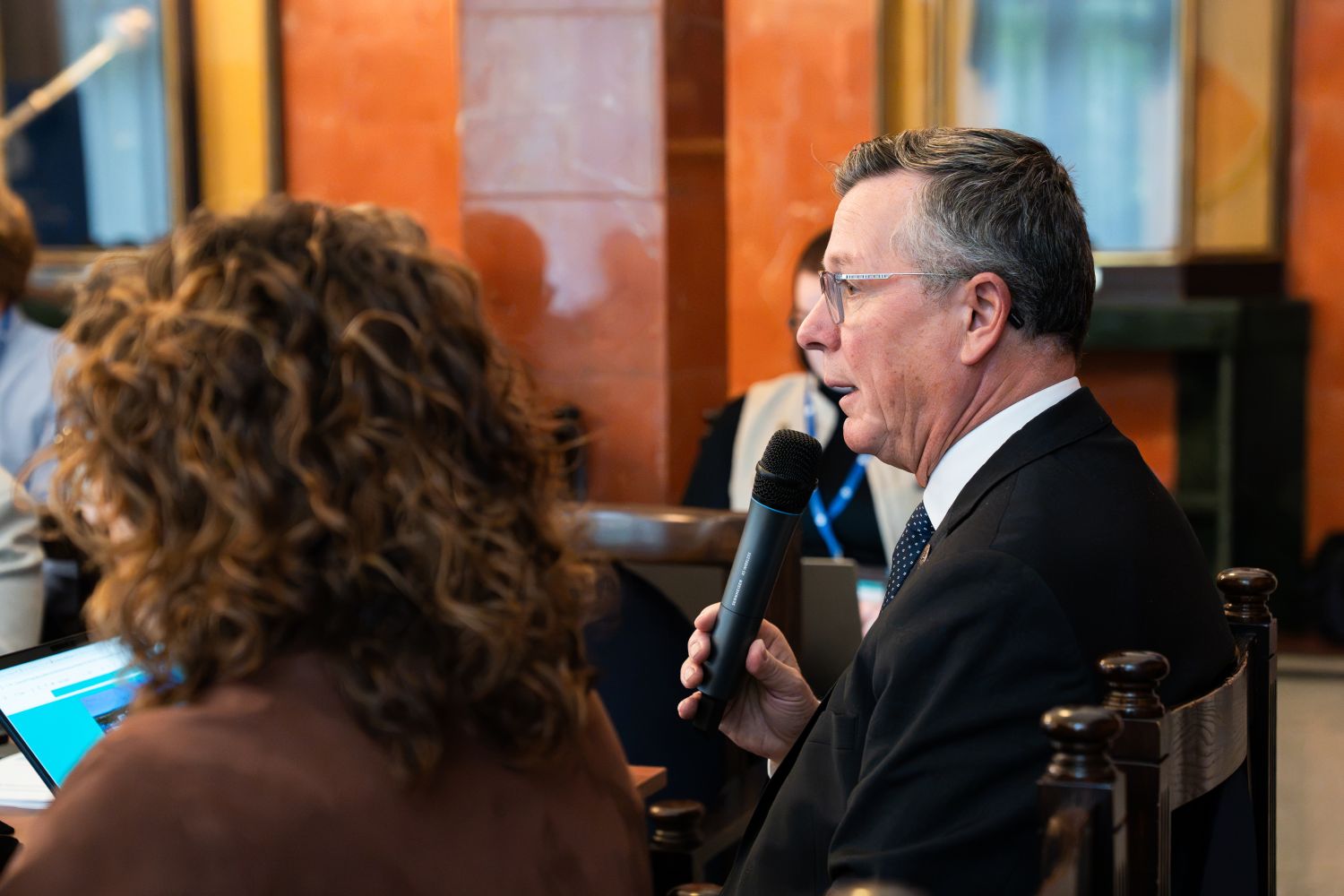
We lack resources, that's true, but what we have at our disposal is the most valuable resource we can have, and that is young people," said Prof. Olsen. He emphasized that the task of European university leaders is to support the younger generation in developing critical thinking skills, seeking solutions, and gaining a better understanding of contemporary issues. It is young people who can make a significant contribution to Europe's development, provided that universities create the right conditions for them to study and conduct research. During the YERUN leaders' workshop, Prof. Olsen also highlighted the special role of young European universities in promoting research activities carried out by students and doctoral candidates.
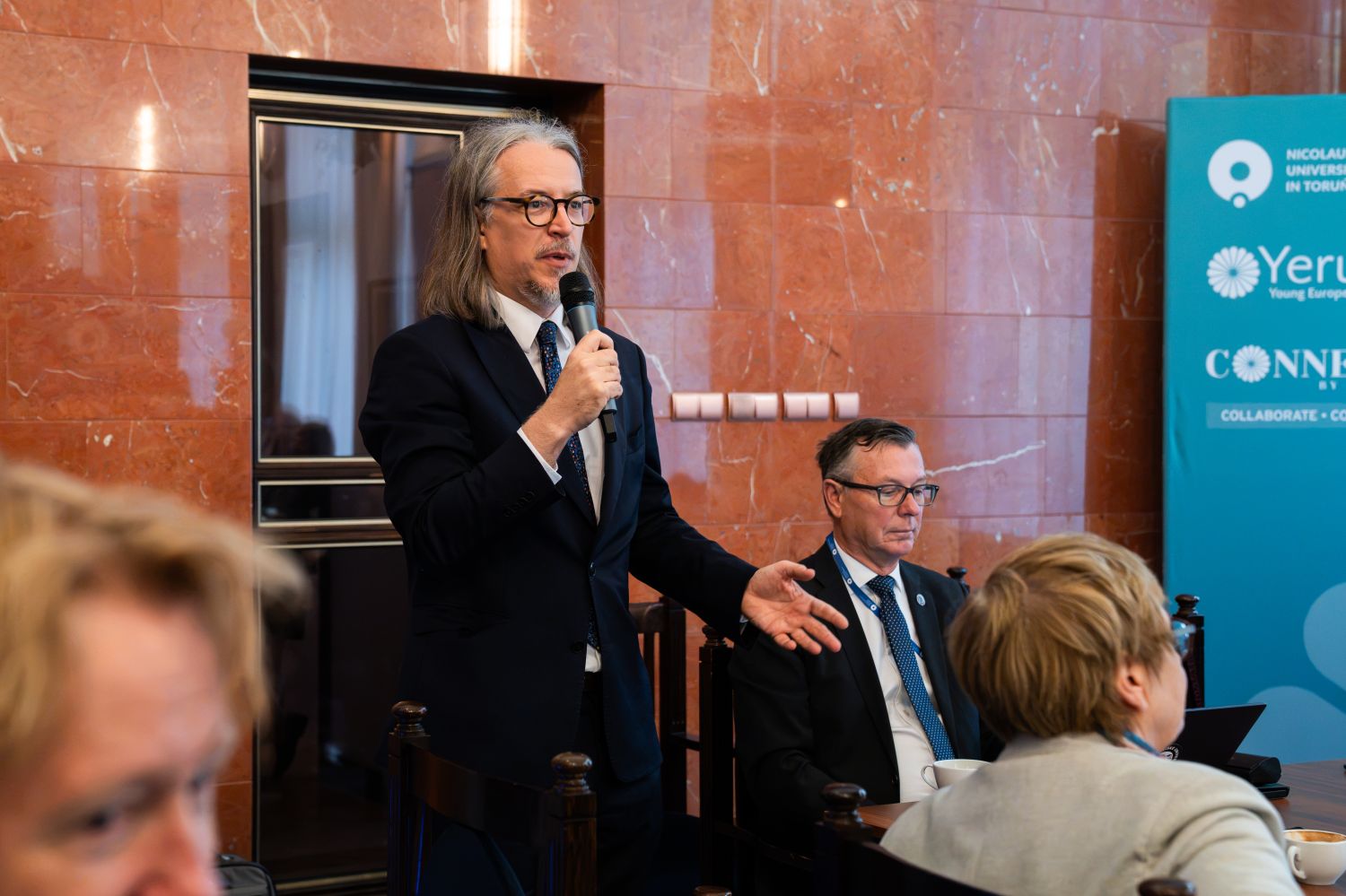
Undergraduate and graduate students should already have the opportunity to fully participate in research and help shape academic life, from the initial idea all the way to the publication of results. We would like to invite YERUN universities to conduct research similar to our "Young Science" project so that, together, we can identify barriers, develop recommendations, and create better conditions for the development of young researchers. It is precisely on them that the future of our universities and the further development of their research potential depend," emphasized Dr hab. Adam Kola, NCU Prof., Vice Rector for Research, and Vice President of YERUN.
The discussions held during the meeting clearly demonstrated that this is an important issue for all universities, particularly in light of the demographic and financial challenges currently facing the higher education sector.
Science and Collaboration in Practice
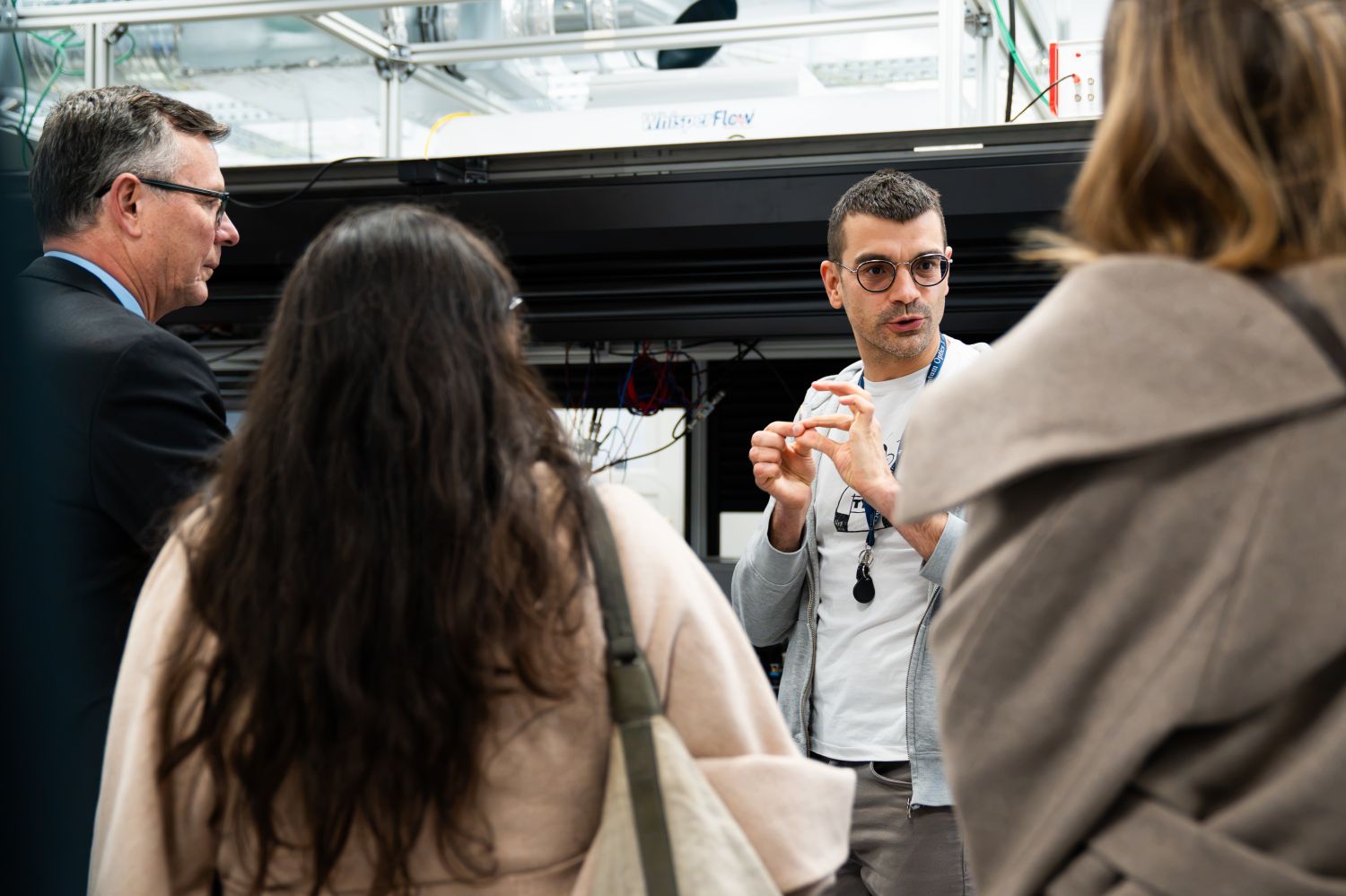
The YERUN General Assembly programme also included a visit to the laboratories of the Nicolaus Copernicus University Institute of Physics. The guests learned about the activities of the National Laboratory of Atomic, Molecular, and Optical Physics (FAMO), as well as the university's research on quantum technologies and projects funded by the European Research Council (ERC).
The final day of the meeting was devoted to organizational matters and the further development of the network, including work plans for 2027, elections to the YERUN Executive Board, and a discussion on expanding the organization. The following were elected to the Executive Board: Prof. Barbara Höhle, Vice-President for Research, Early Career Researchers, and Equal Opportunities, University of Potsdam; Prof. Adam Kola, Vice Rector for Research at Nicolaus Copernicus University in Toruń; Prof. Christine Neuhold, Professor of EU Democratic Governance at Maastricht University; and Prof. Jussi Pihlajamäki, Vice Rector for Research and Innovation at the University of Eastern Finland. Prof. Dag Rune Olsen, Rector of UiT – The Arctic University of Norway, remains in the position of Chair.

The meeting at Nicolaus Copernicus University provided an opportunity for European universities to exchange experiences and reflect together on how to combine research development with education and better harness the potential of young researchers. The discussions centered on the belief that the future of European science depends not only on available funding and infrastructure, but also on the opportunities that universities provide to students and doctoral candidates.