 NCU News
 Campus life
Academic support network


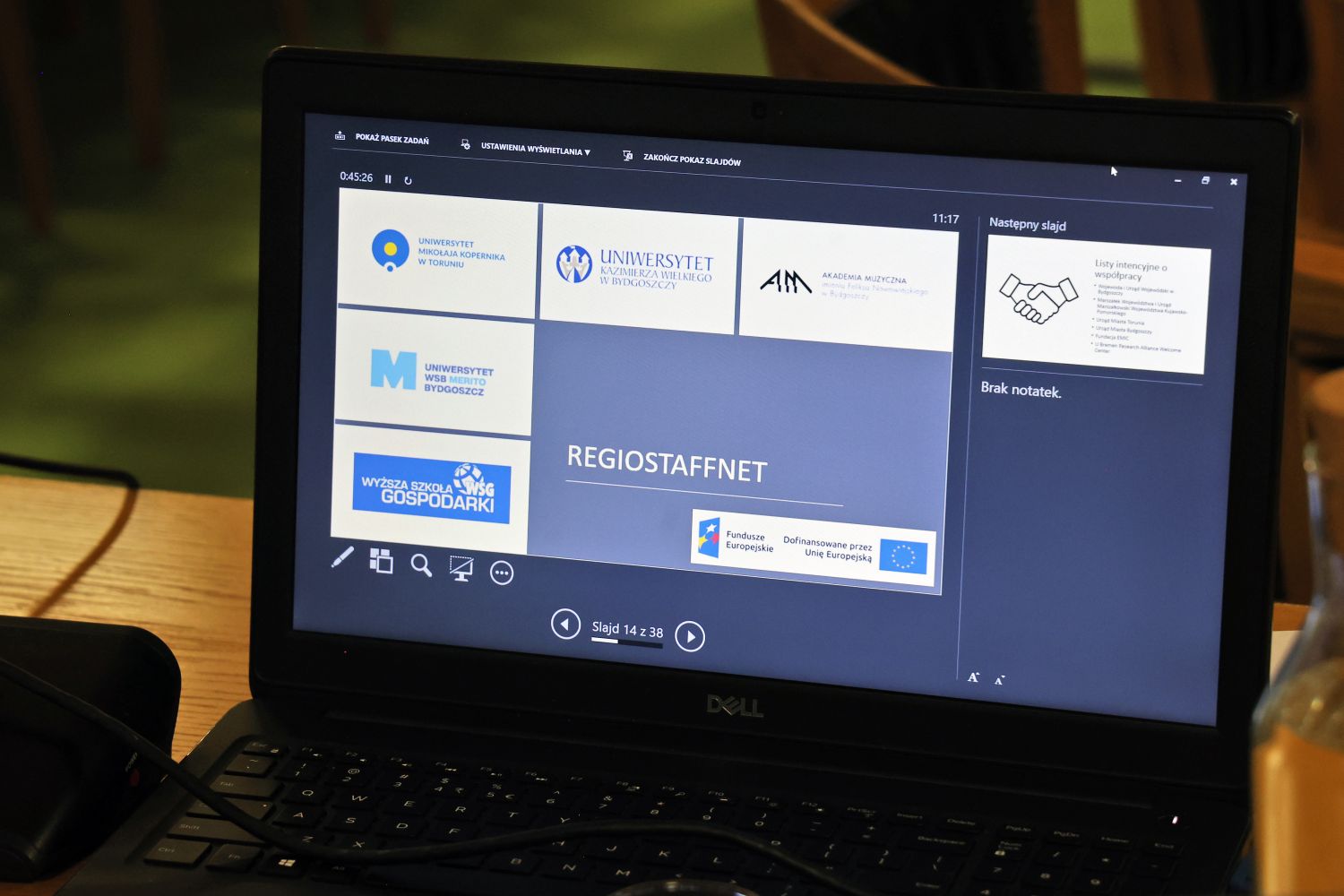
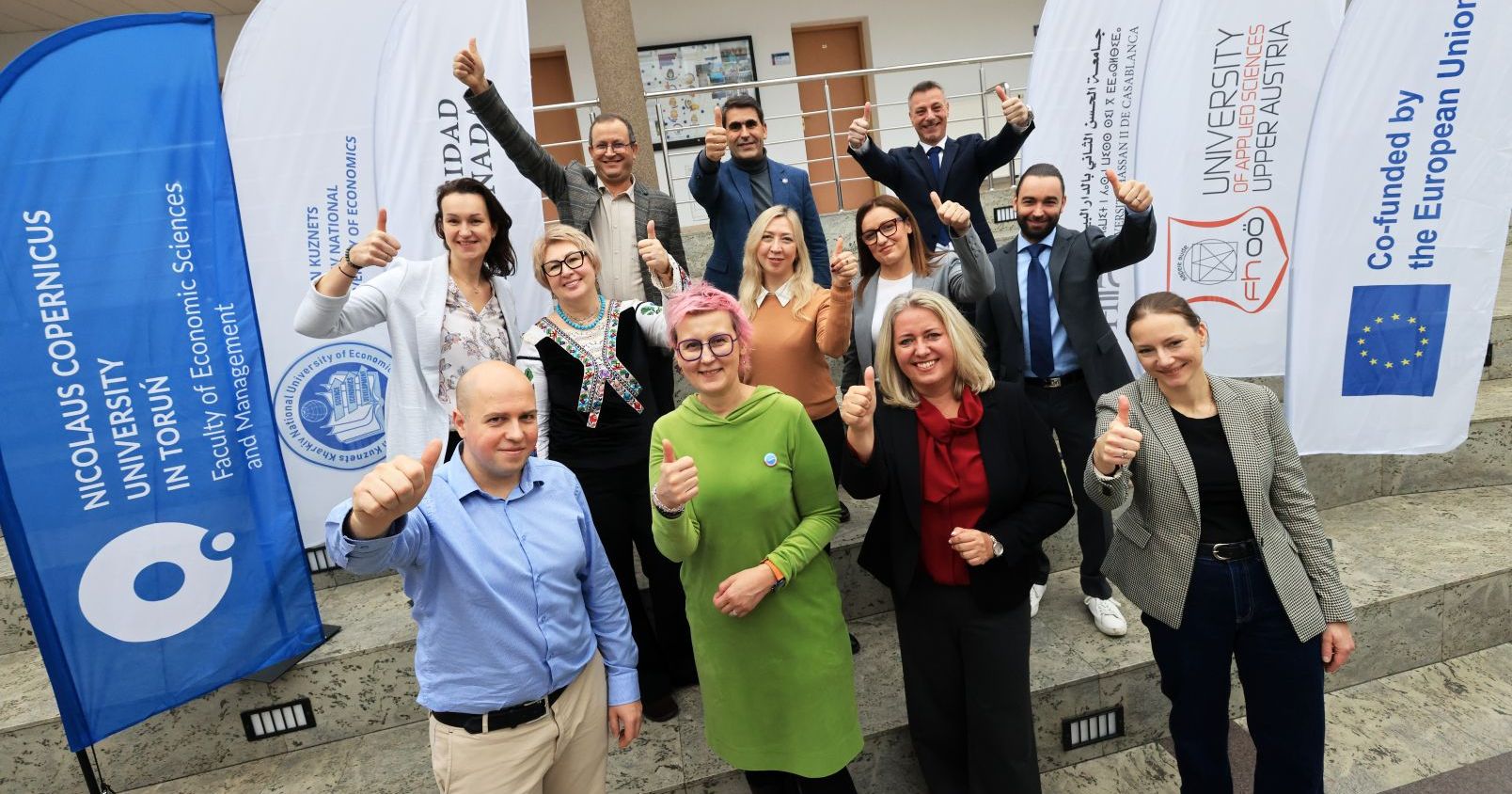
Integration and support for foreigners in the academic community in the region, promotion of the voivodeship, exchange of experiences and training – these are the main objectives of the REGIOSTAFFNET project, coordinated by the Nicolaus Copernicus University in Toruń.
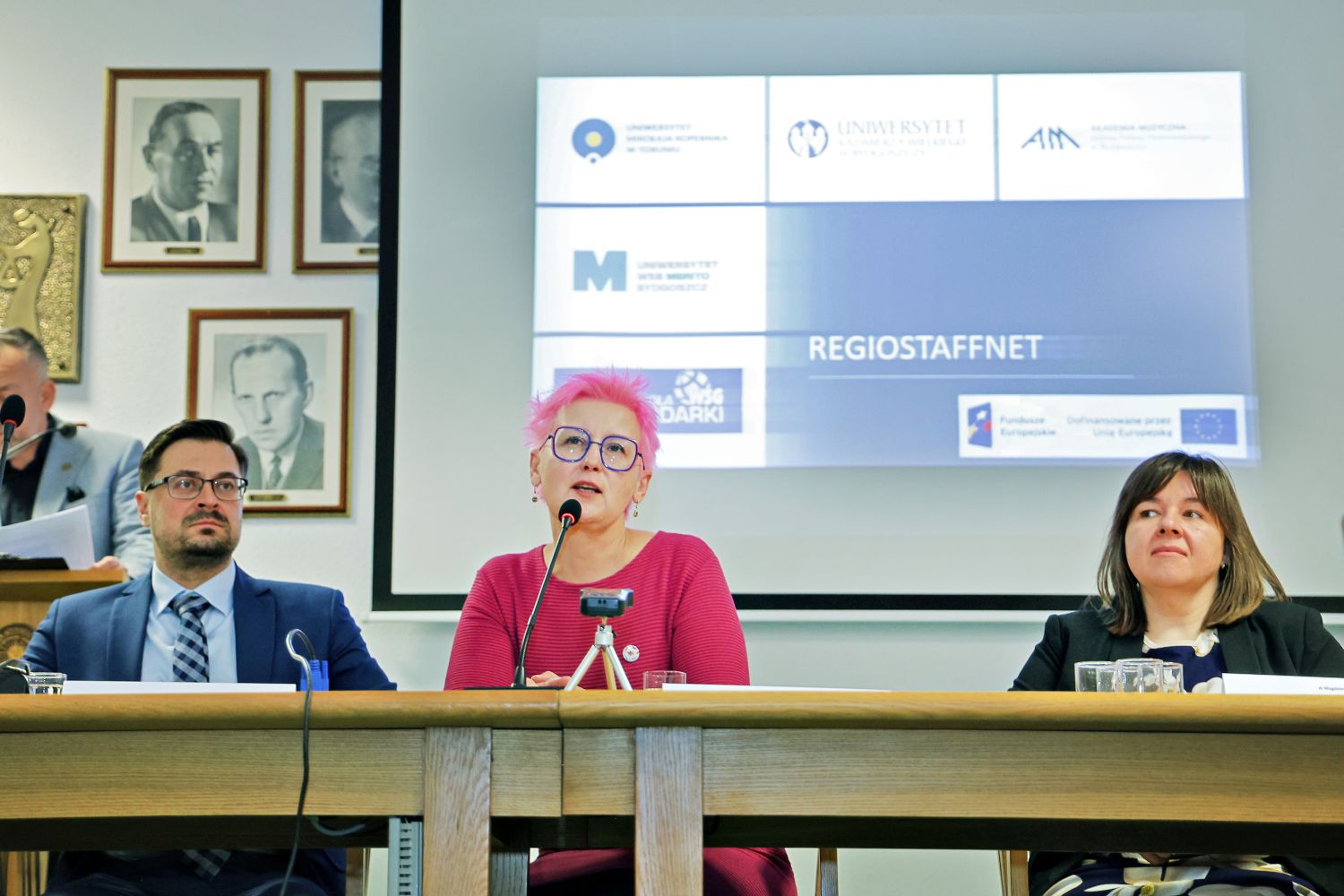
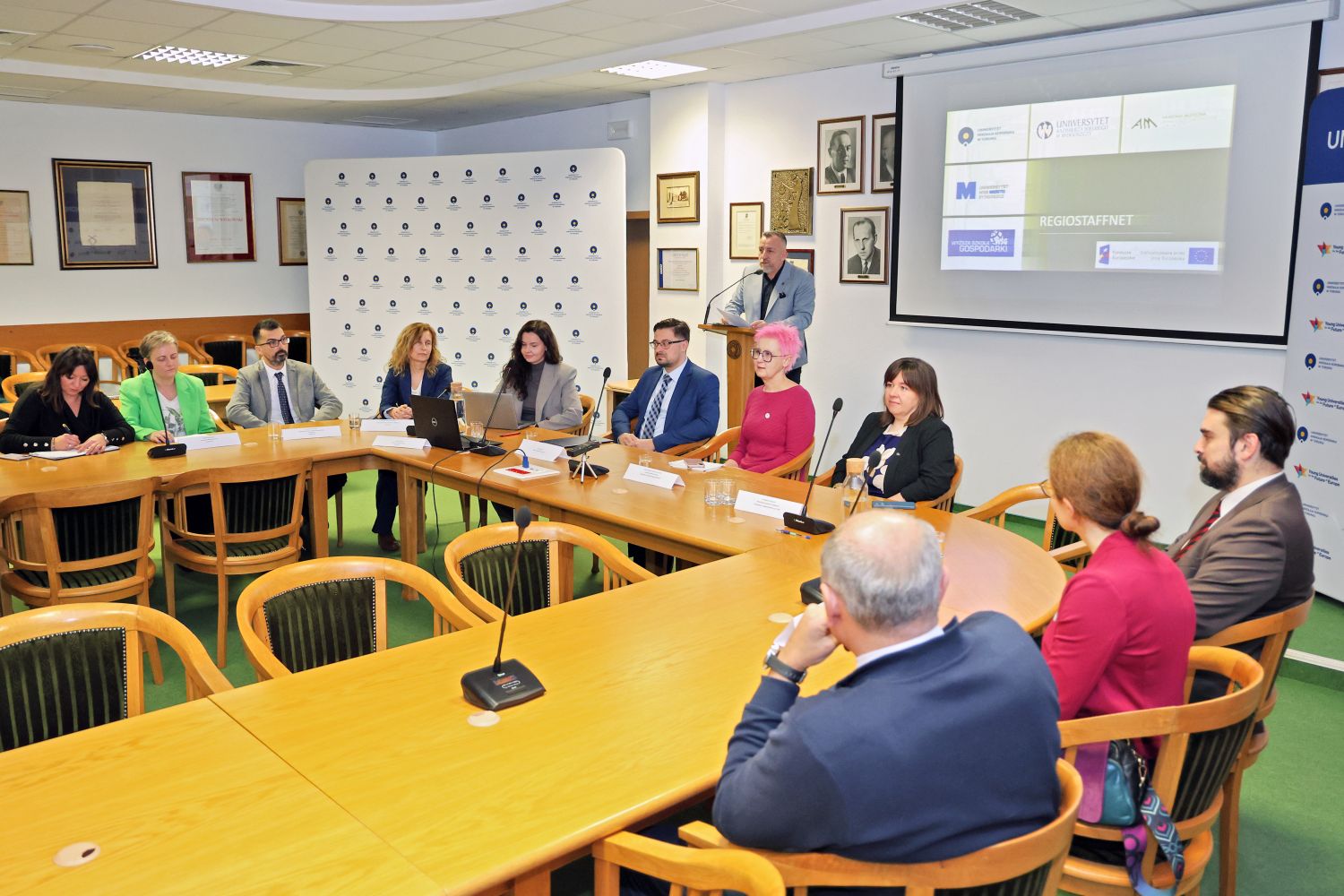
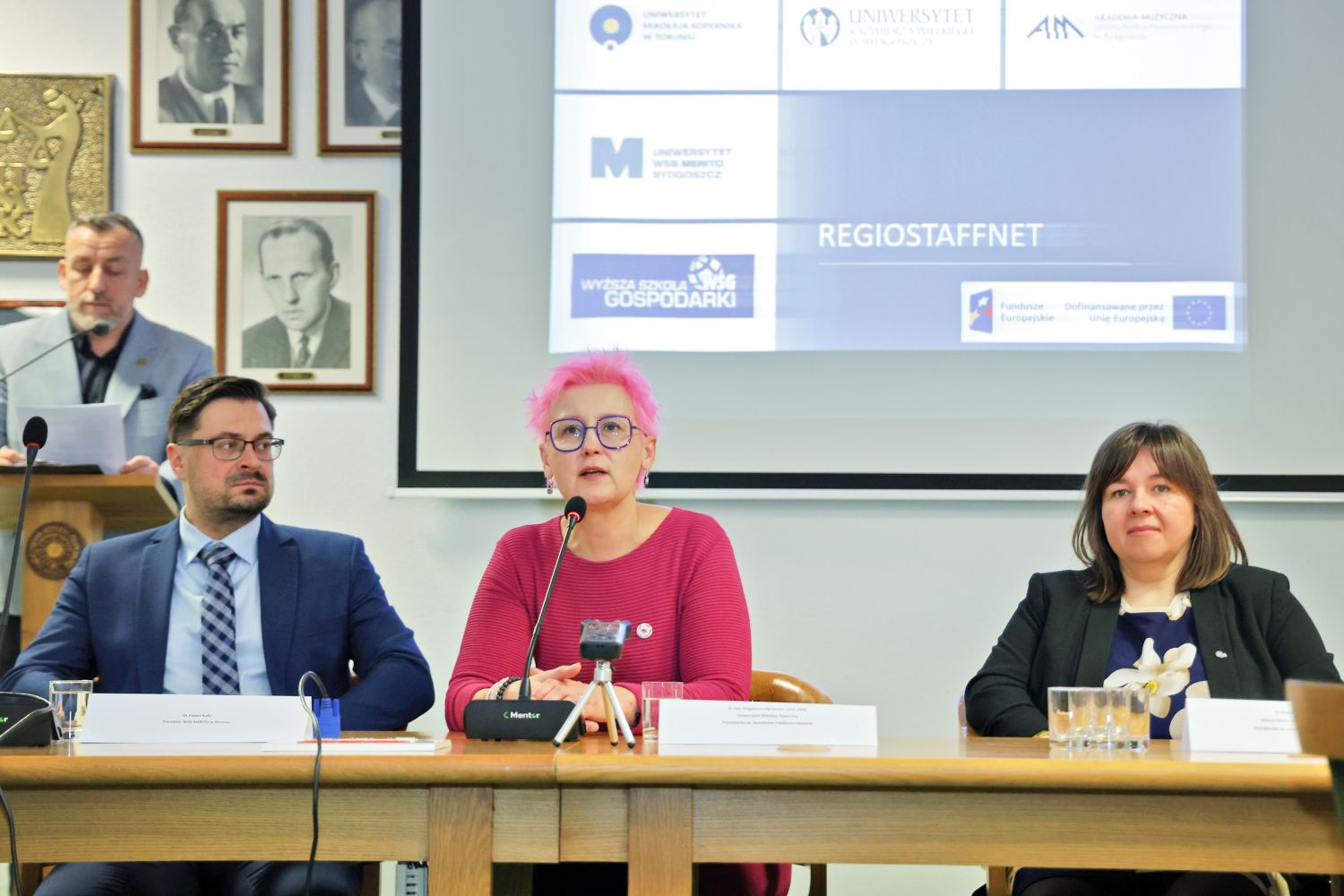
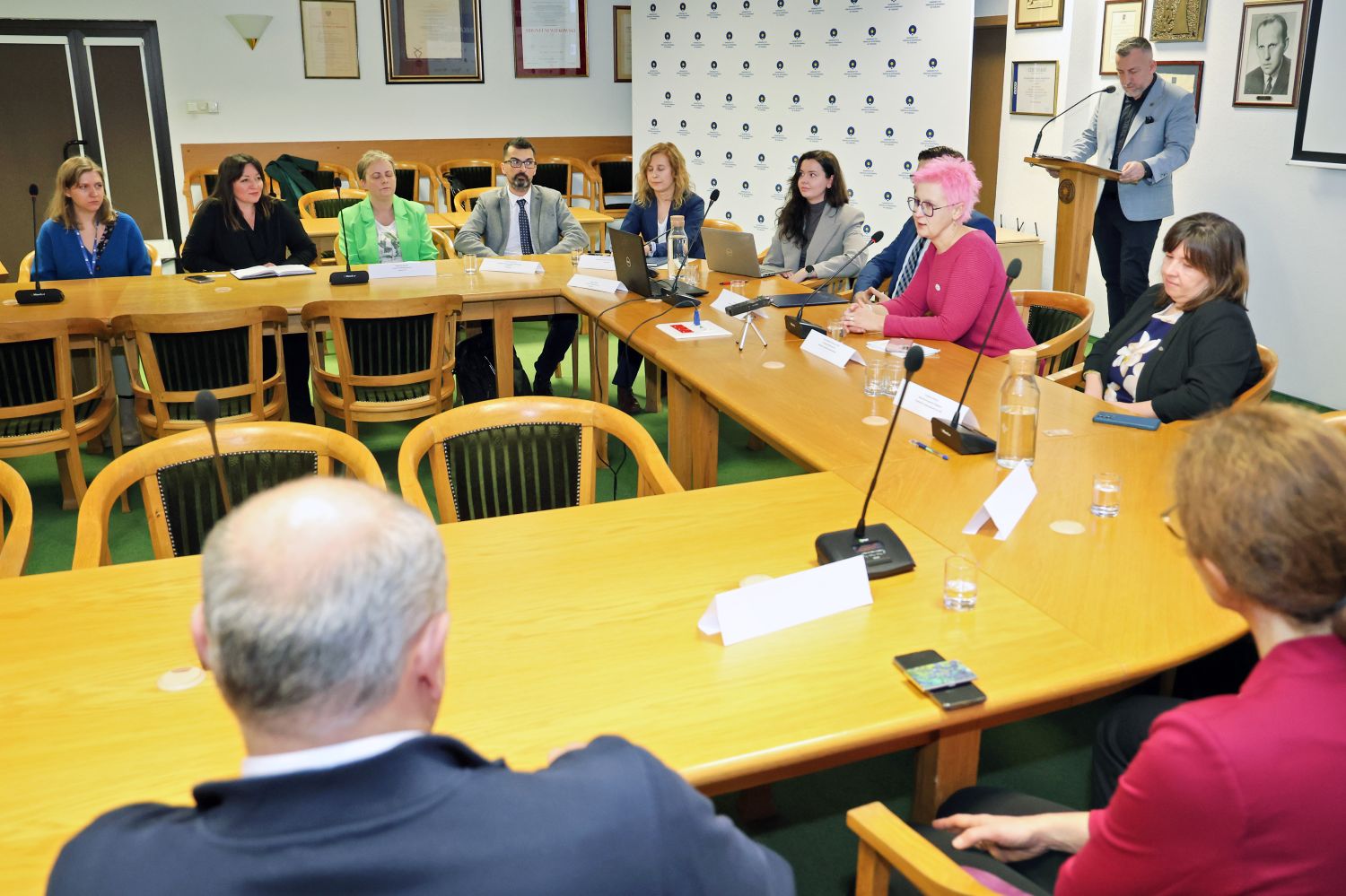
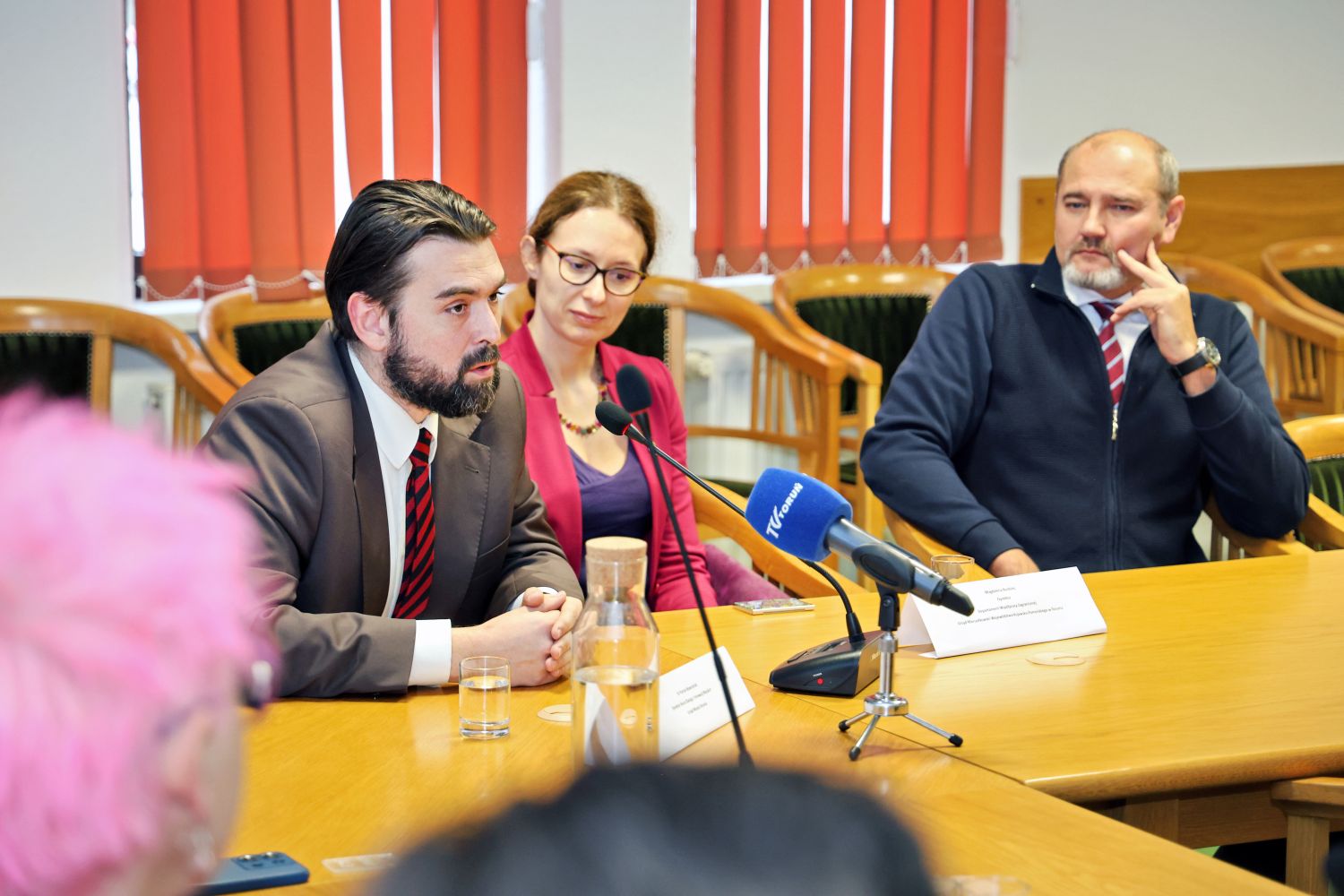
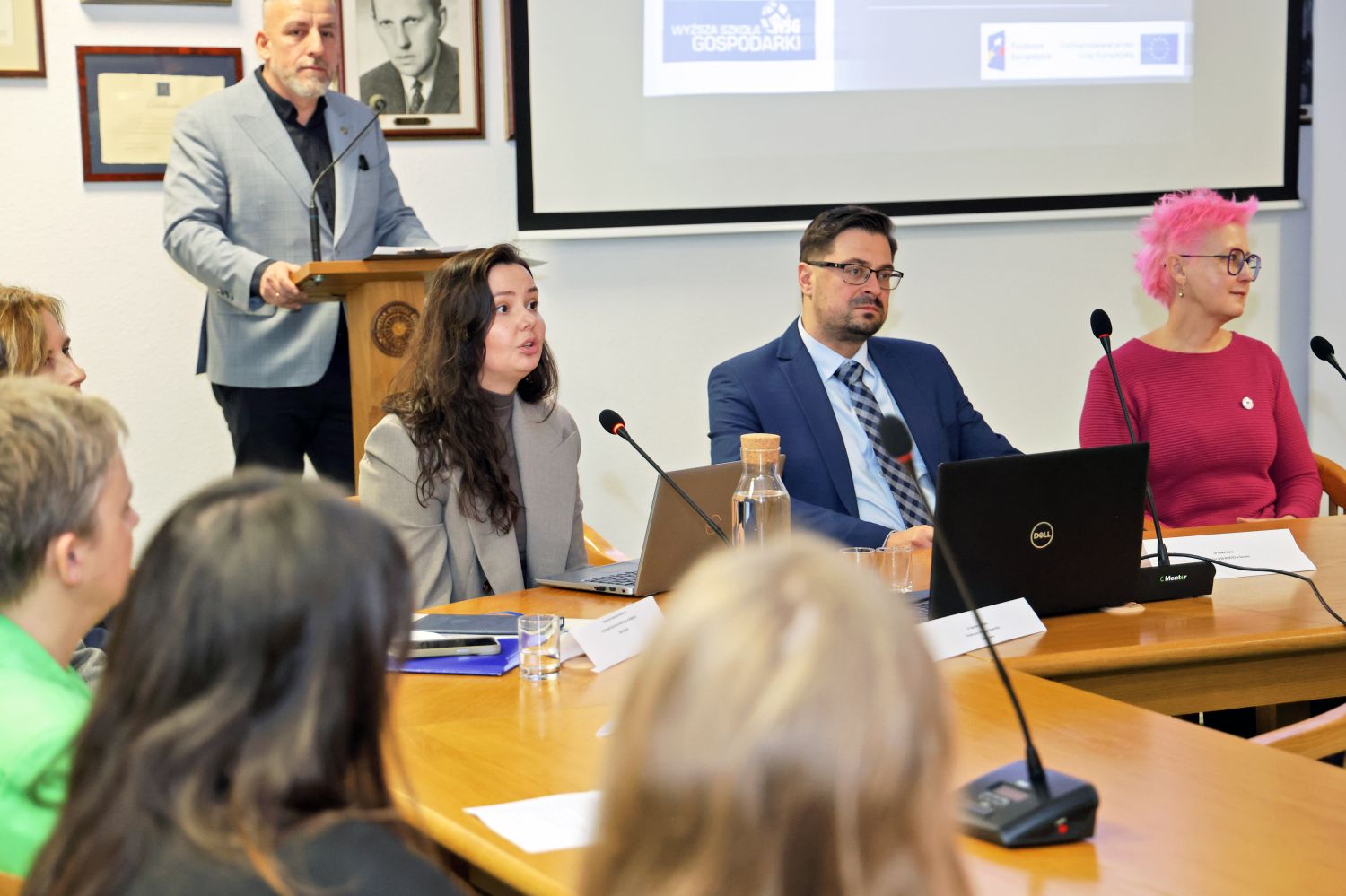
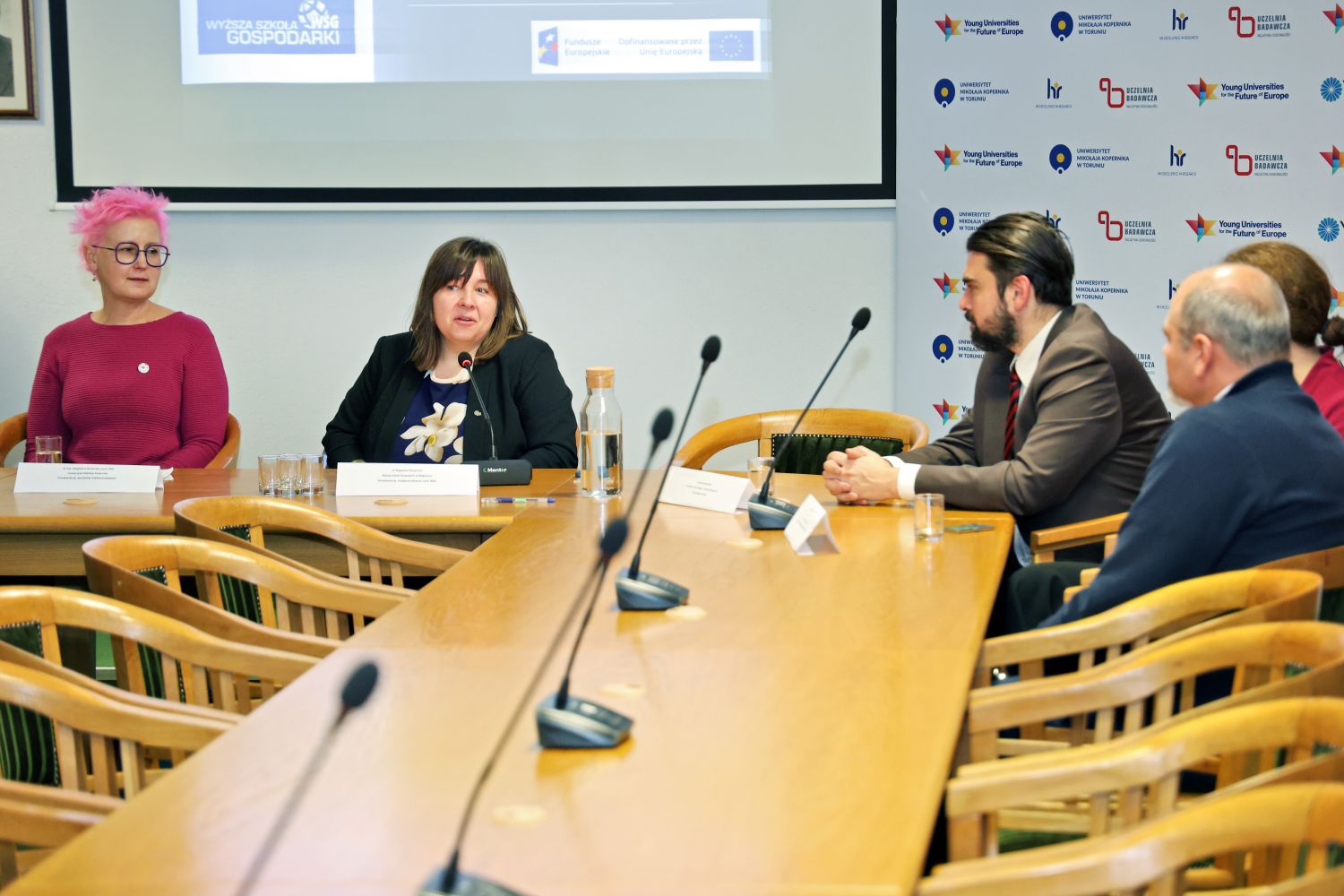
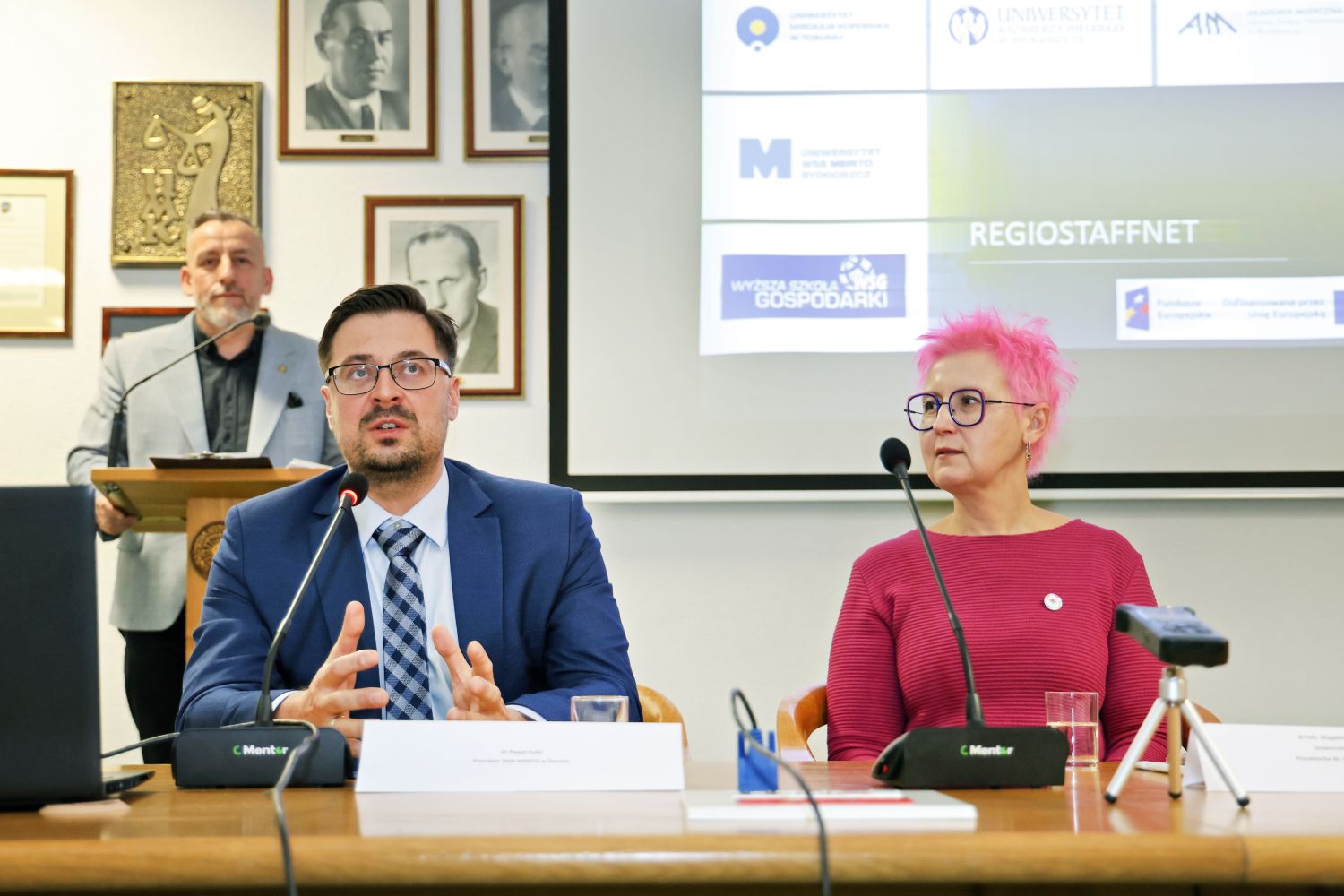
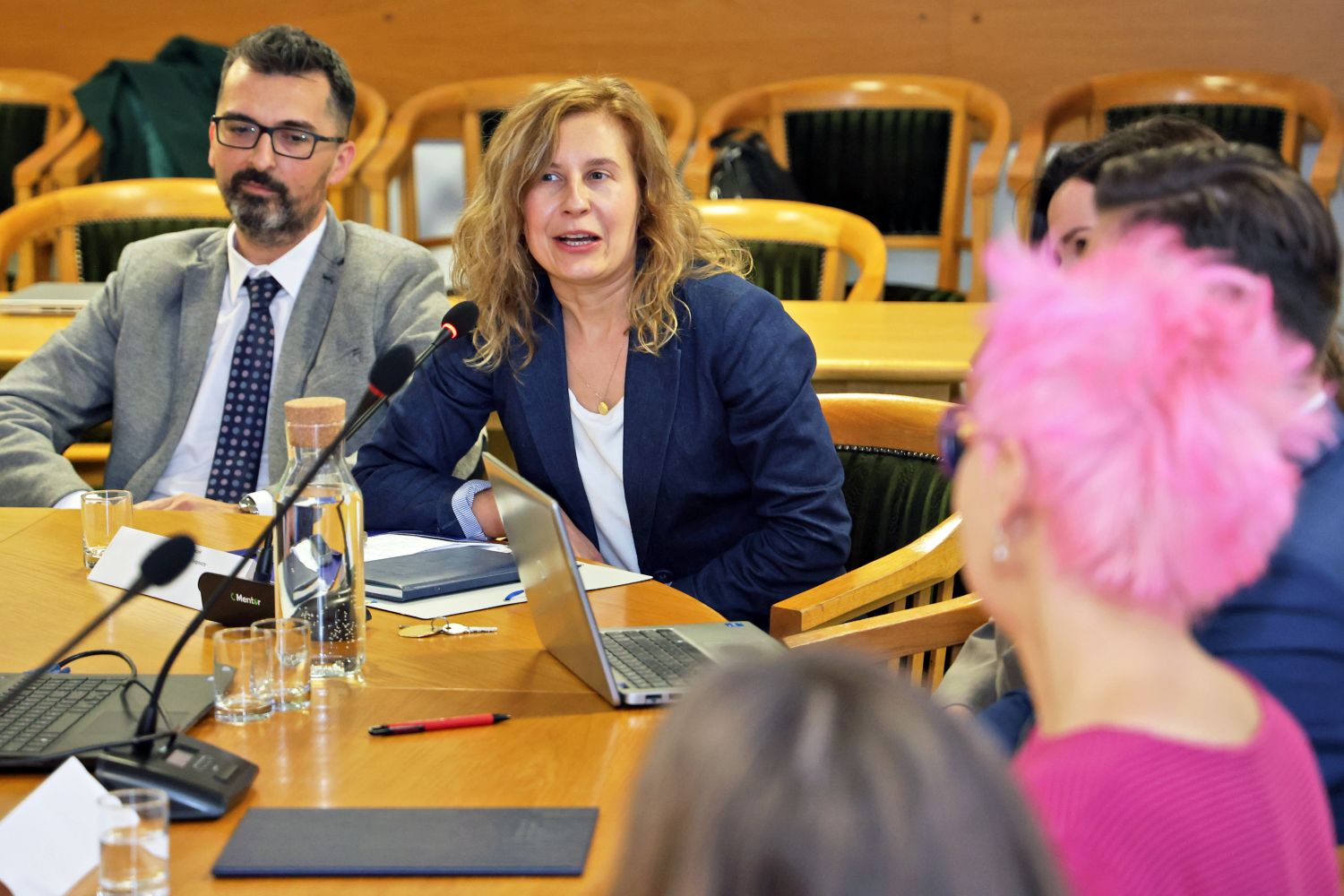
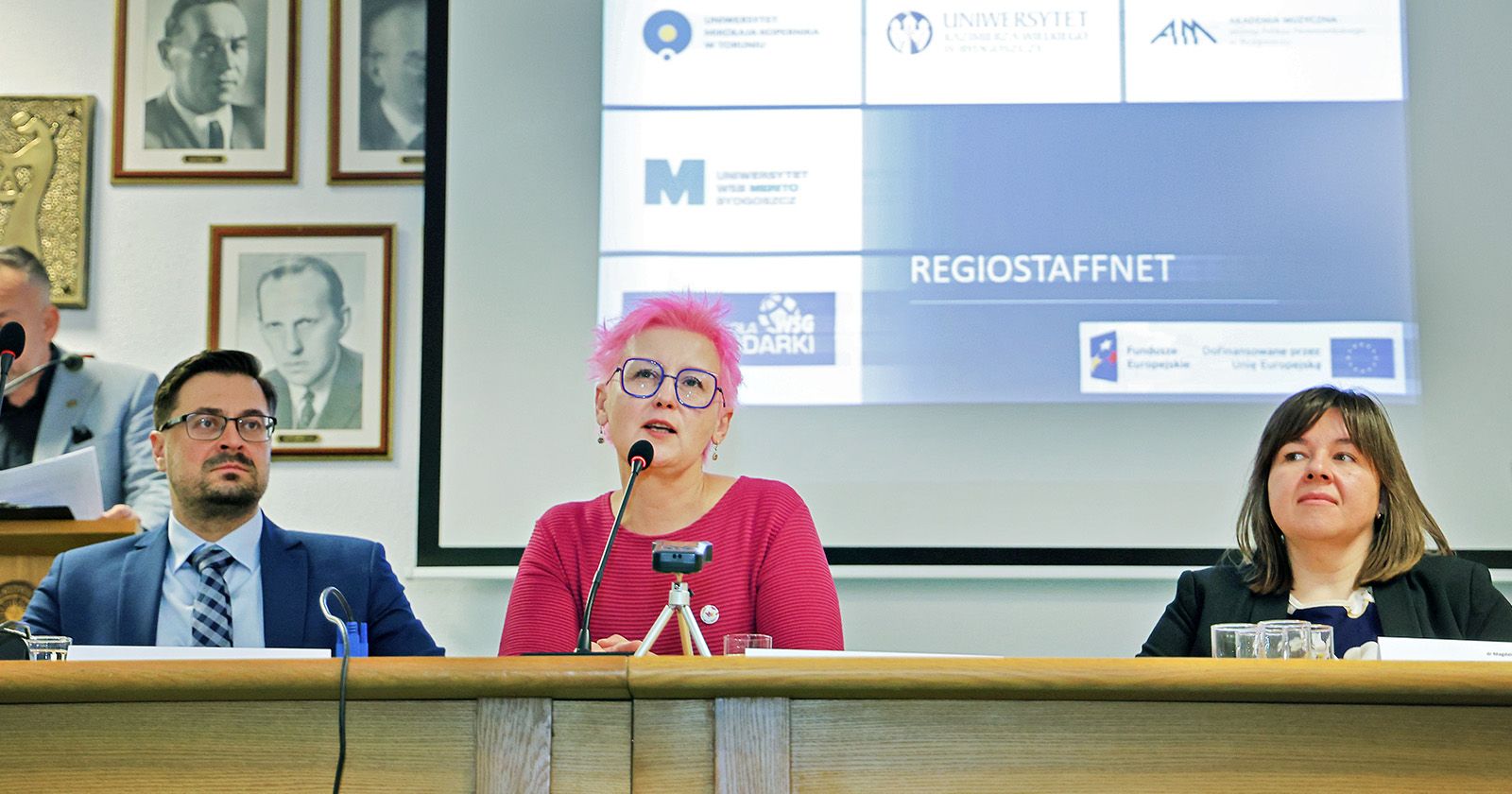
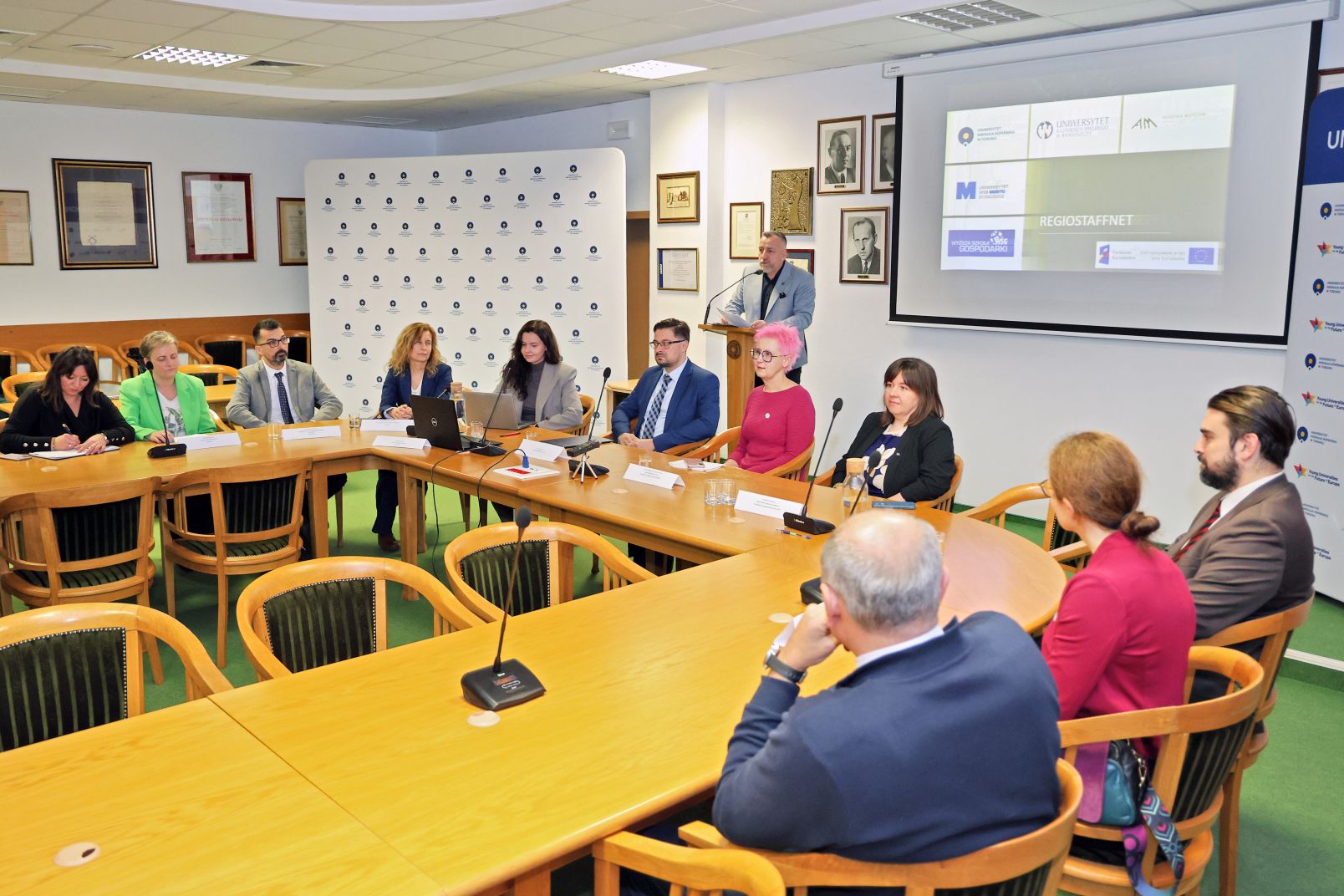
The activities of the REGIOSTAFFNET, the first network in the Kujawsko-Pomorskie voivodeship of institutions supporting doctoral students and researchers from abroad and their families, were officially launched during a press conference held on Wednesday at the Faculty of Law and Administration of the Nicolaus Copernicus University.
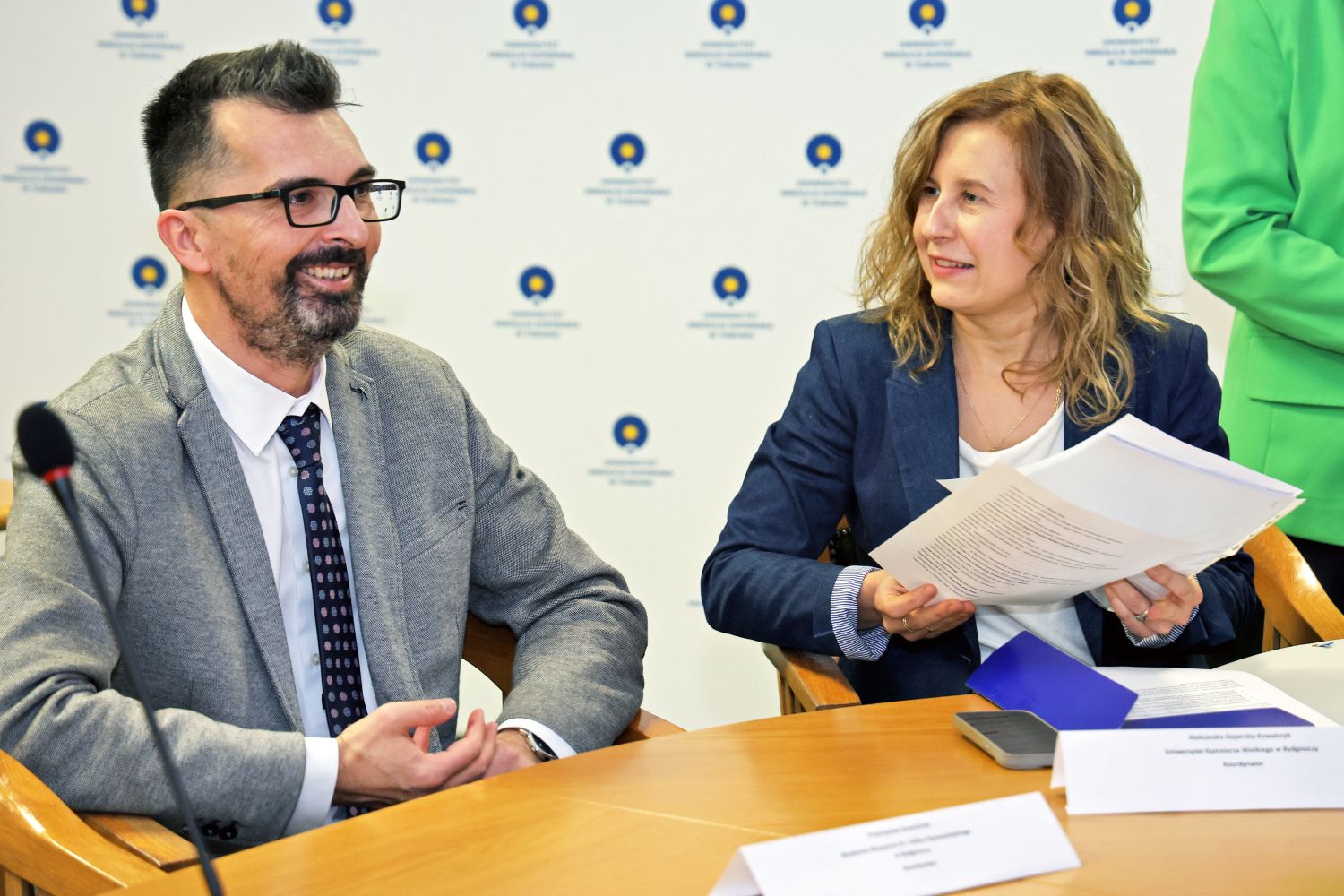
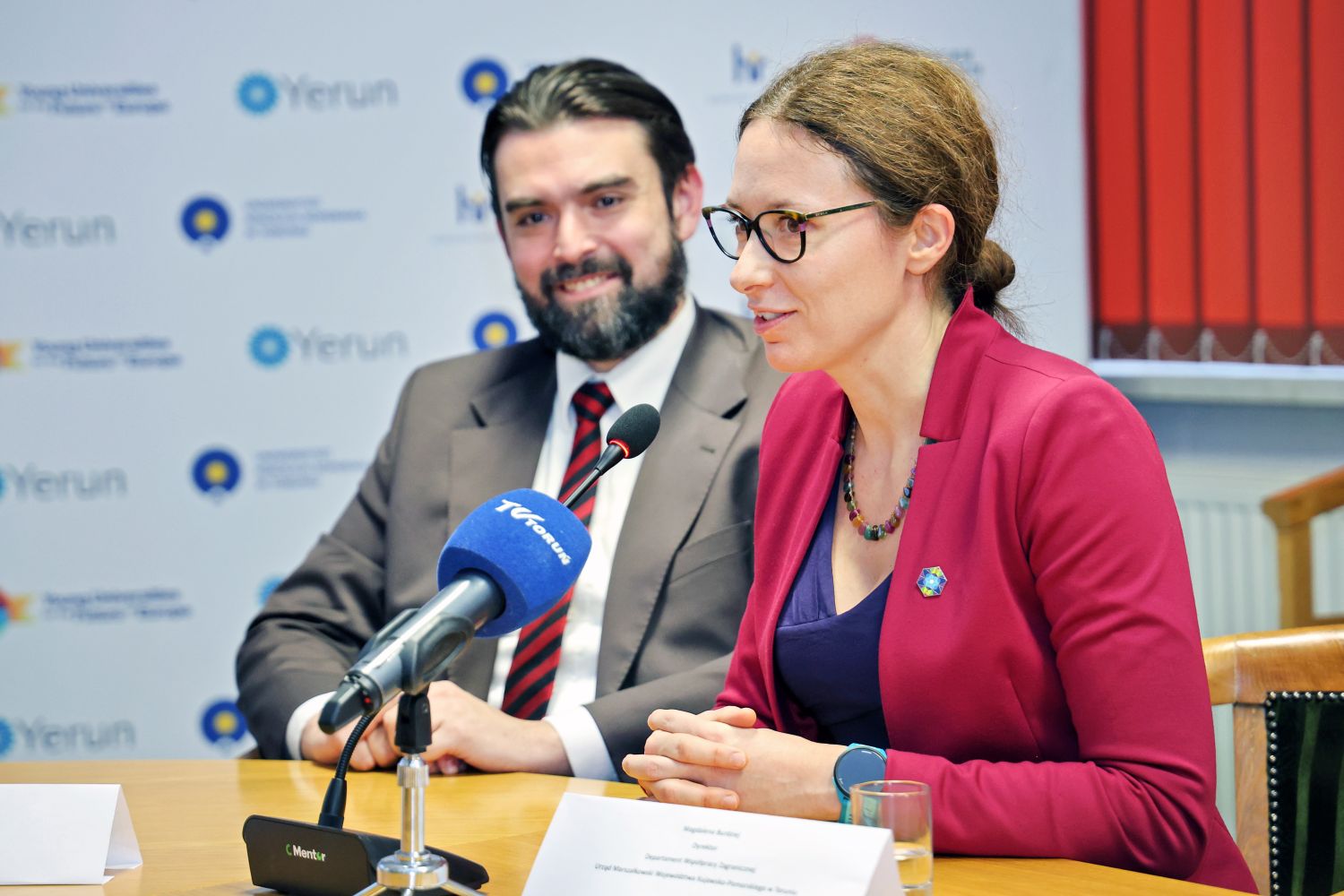
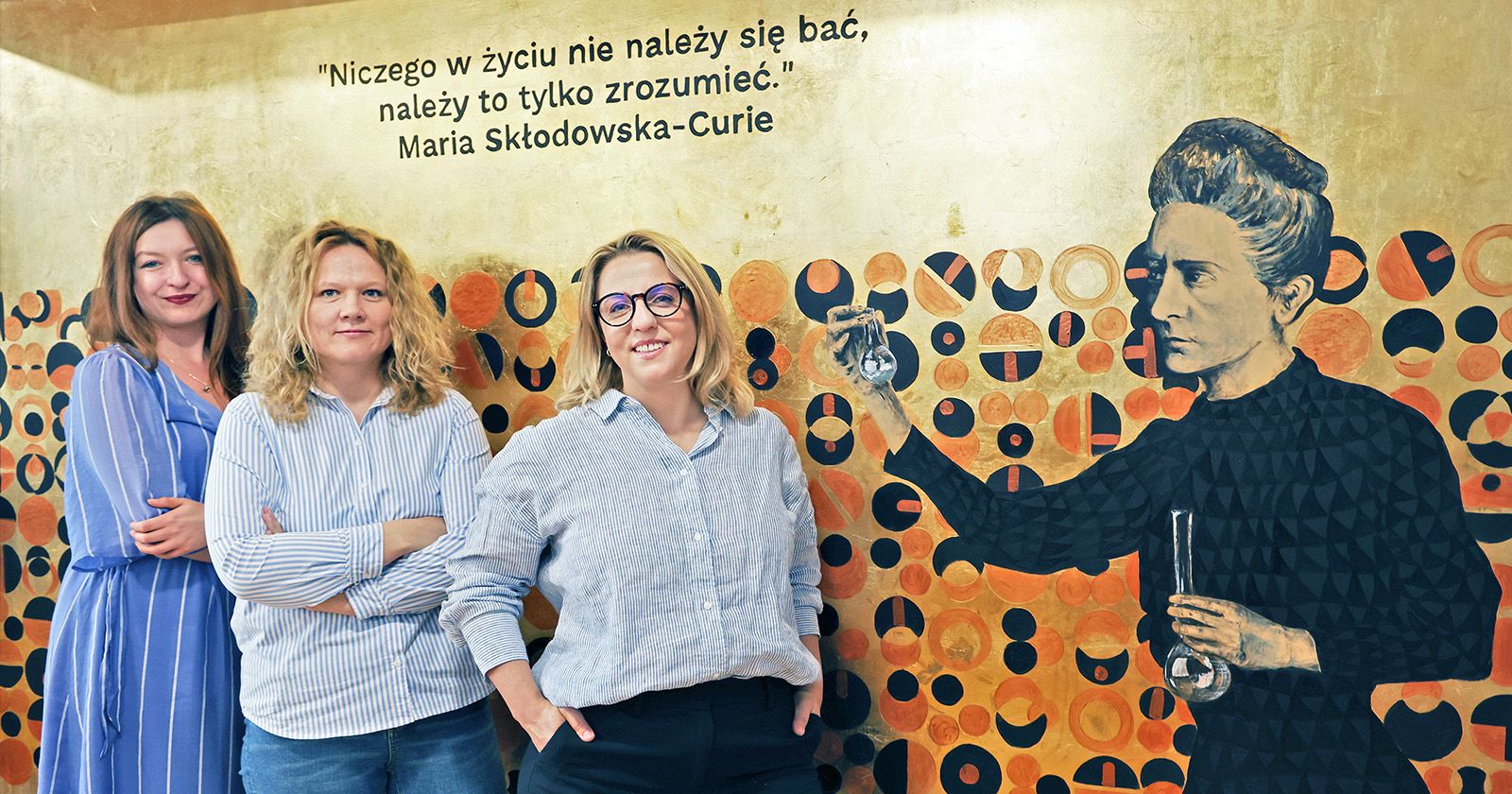
The good news was announced by the representatives of the universities that are part of the consortium: dr habil. Magdalena Barwiołek, NCU Prof. and Vice-Rector for International Relations at the Nicolaus Copernicus University; dr Jagoda Jaskulska, Vice-Dean for Development and Organisation at the NCU Faculty of Law and Administration; dr Magdalena Bergmann, WSG Prof. Vice-Rector for International Affairs at the Higher School of Economy in Bydgoszcz, dr Paweł Kufel, Vice-Rector at WSB Merito University in Toruń, mgr Przemysław Krzemiński, a representative of the Feliks Nowowiejski Academy of Music in Bydgoszcz, and mgr Aleksandra Koperska-Kowalczyk, Head at the International Cooperation Office of the Kazimierz Wielki University in Bydgoszcz. Also present were dr Patryk Wawrzyński, Director of the Office for Dialogue and Urban Innovation at the Toruń City Hall, and mgr Magdalena Burdziej, Director of the Department of Foreign Cooperation at the Marshal's Office of the Kujawsko-Pomorskie Voivodeship – institutions with which the universities intend to cooperate in implementing the project.
The REGIOSTAFFNET project was developed in response to the growing number of international researchers in the region and the need to create consistent and professional standards for their support.
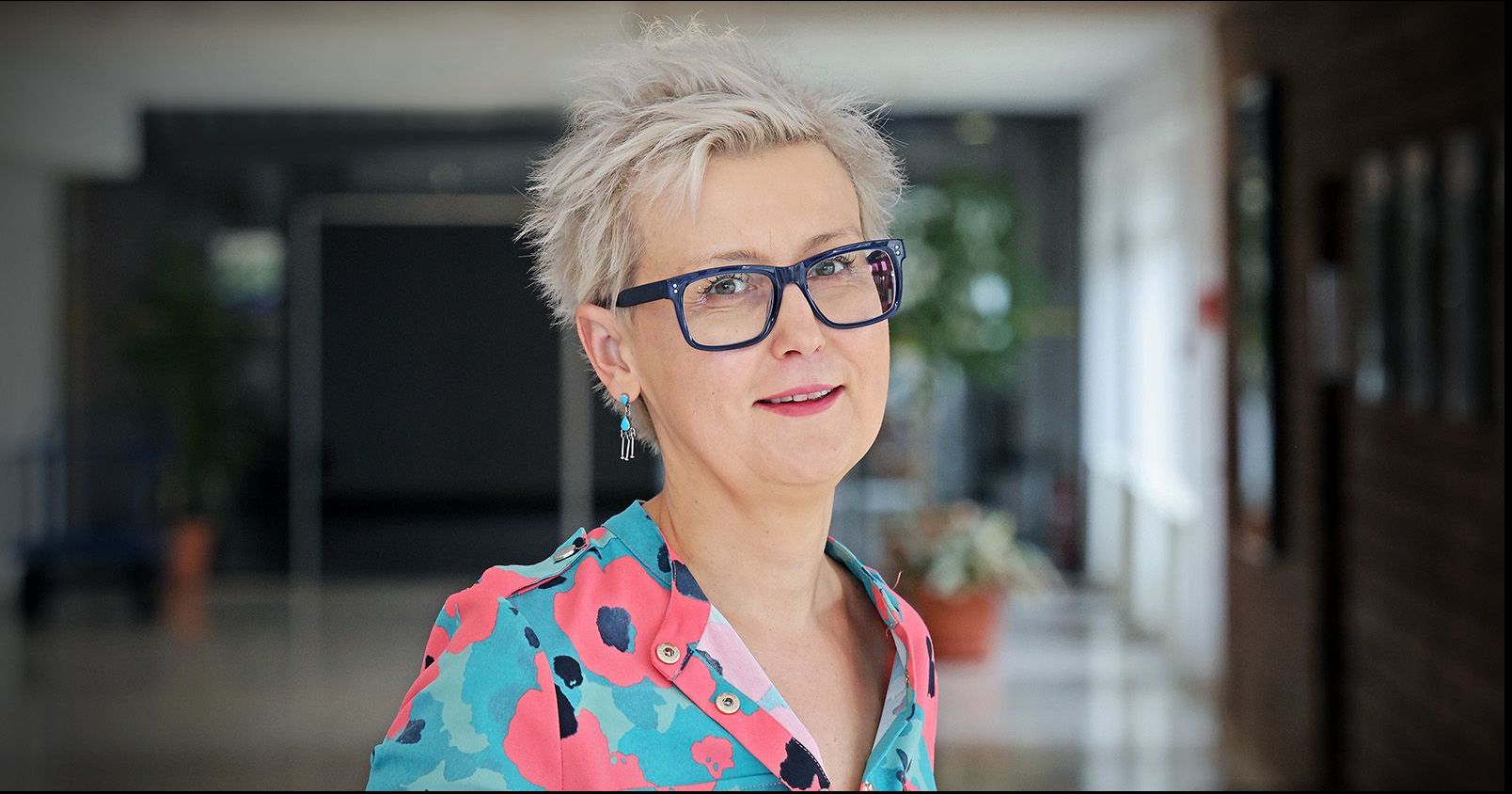
Internationalisation is important for every university, and it is also one of the strategic areas of activity for the Nicolaus Copernicus University, says dr habil. Magdalena Barwiołek, NCU Prof. and Vice-Rector for International Relations at the Nicolaus Copernicus University. The project concerns the onboarding of people coming to us from abroad, not only doctoral students and researchers, but also their families. It is important that they receive appropriate support and care from us – in order to work well in research, you need to have your social needs taken care of. I am glad that we will be working in a consortium, that we have managed to reach an agreement within the region – cooperation always takes us further than acting alone.
Work on the proposal took several months. The universities shared their experiences, highlighting the challenges faced by academic and administrative staff and people from abroad.
We are very diverse and have different experiences, but I am convinced that students, doctoral students and researchers will find a place and scope for developing their research interests in each of our institutions, explains dr Jagoda Jaskulska, Vice-Dean for Development and Organisation at the NCU Faculty of Law and Administration and project leader. We are planning a series of measures that will standardise and streamline the process of serving people from abroad in various fields. Above all, we want to help them with organisational issues related to moving their centre of life to our region. We will also, of course, try to take care of their families.
The plans include training courses, primarily for administrative staff: linguistic and cultural training, training on the legal aspects of authorising the residence and work of foreigners in Poland, and promotional and marketing activities using AI in social media.
– I am glad that administration has been recognised as an important group of internationalisation processes taking place at universities. Administrative staff are often the first people that foreigners turn to for help or advice related to their new place of residence, says mgr Aleksandra Koperska-Kowalczyk from the Kazimierz Wielki University in Bydgoszcz. – We are already looking forward to the training sessions that await us.
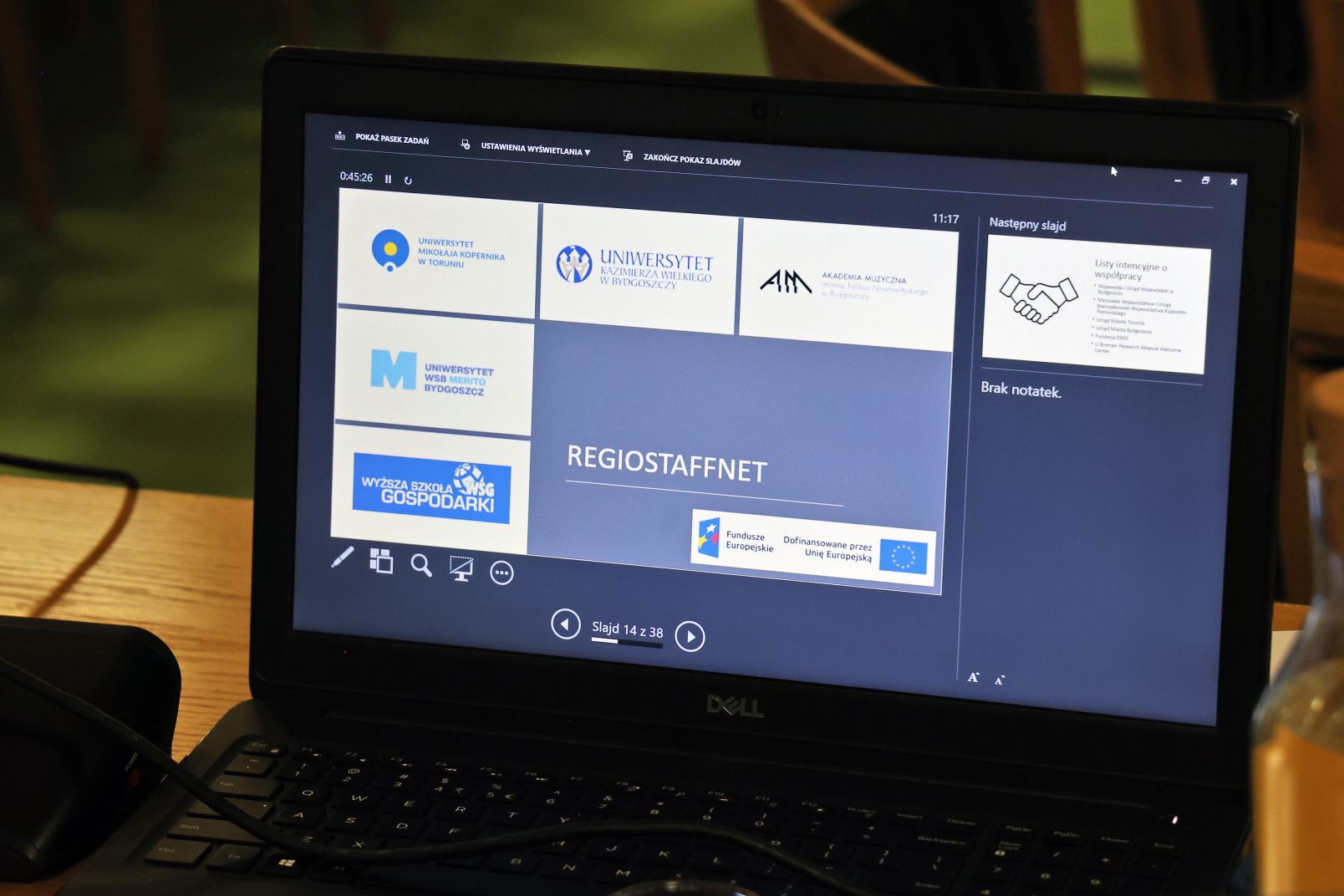
The project also includes two study visits (domestic and foreign), the creation of materials promoting the network and presenting our region as an attractive place to live and work for foreigners. Another important aspect of the project is establishing cooperation with public institutions and organisations. Good results can already be seen here – both the Toruń City Council and the Marshal's Office of the Kujawsko-Pomorskie Voivodeship are looking forward to joint activities.
– The project is extremely important from the point of view of our city's strategic development. Toruń needs highly qualified staff. We must create conditions in which talented young people can develop in the best possible way and build their future in our city and region. The idea is that, on the one hand, they can benefit from our resources and, on the other hand, they can build new resources, encouraging more people from abroad to choose Toruń and the surrounding region as a place to pursue their careers, live and raise families, says dr Patryk Wawrzyński, director of the Office for Dialogue and Urban Innovation at the Toruń City Hall.
The long-term effect of the consortium's activities will be the accession of all its member institutions to the European EURAXESS network, which will enable universities to promote their academic programmes and attract foreign staff. Another very important point will be the development of an internationalisation strategy that will set the direction for future activities.
The REGIOSTAFFNET project is financed by the NAWA–EURAXESS programme, which aims to strengthen the internationalisation of Polish higher education, develop services supporting scientific mobility, and professionalise the support provided to international researchers. The project will run until 30 September 2028 and is worth PLN 451,992.