 NCU News
 Social sciences
Toruń in the eyes of its residents


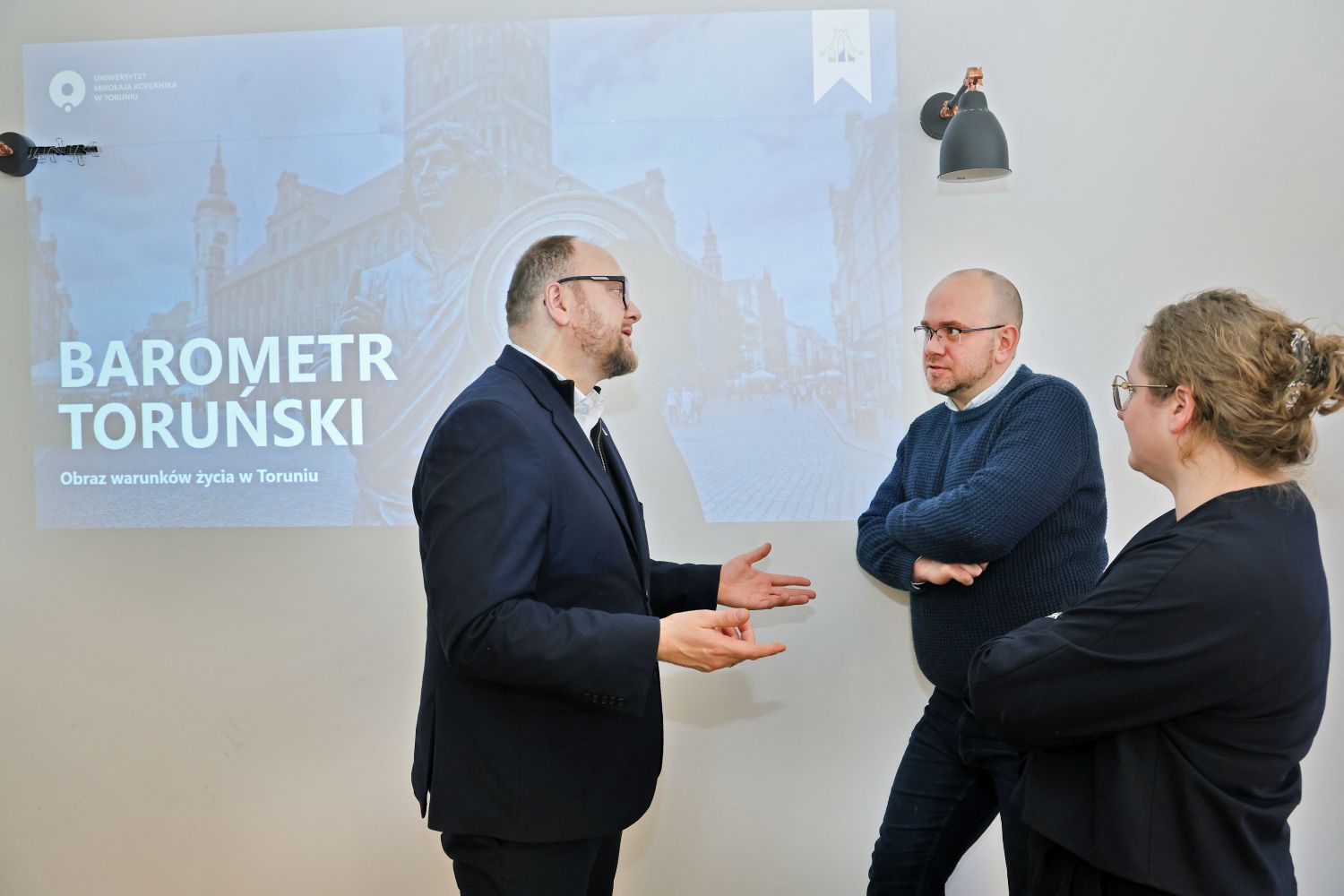
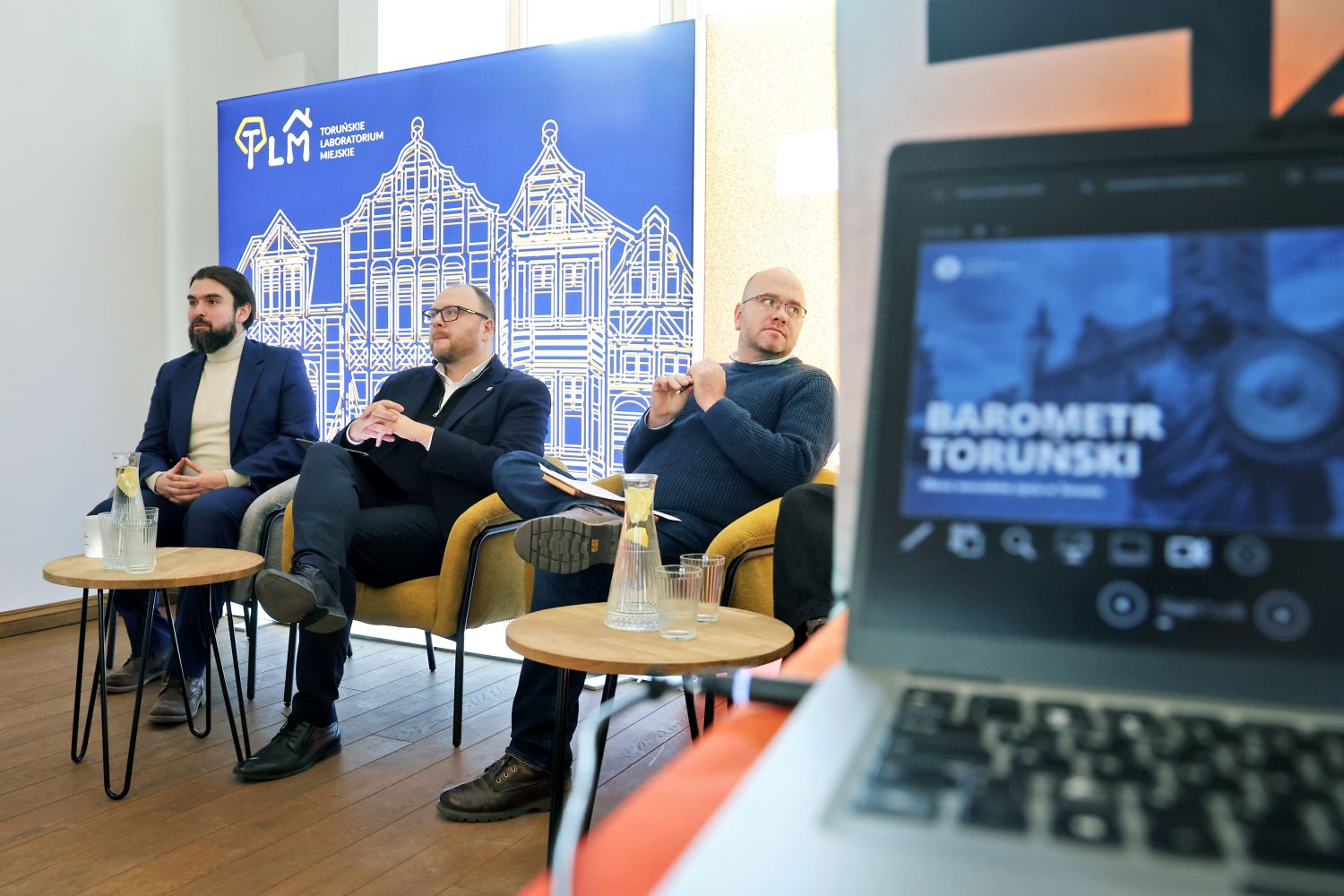
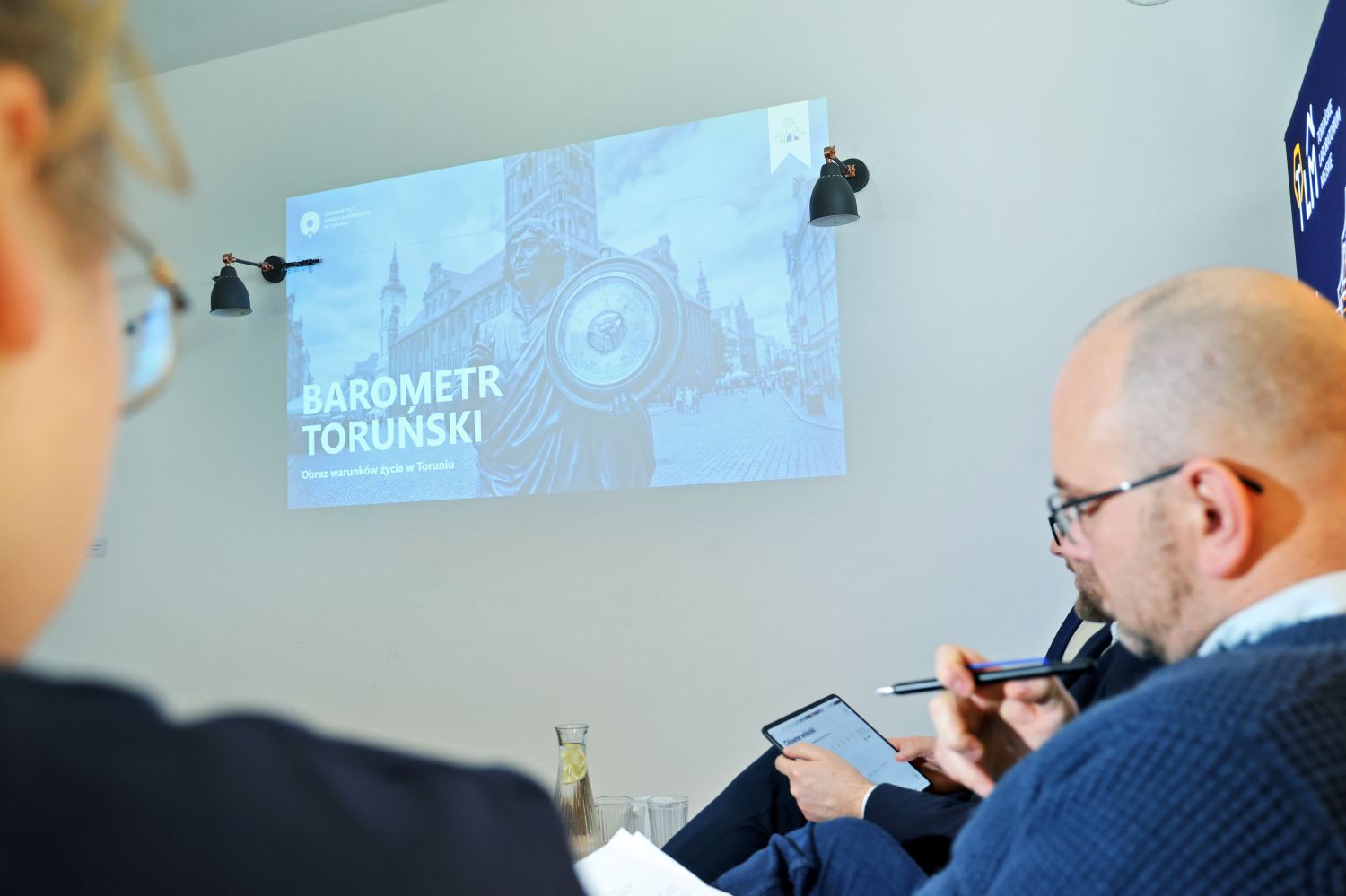
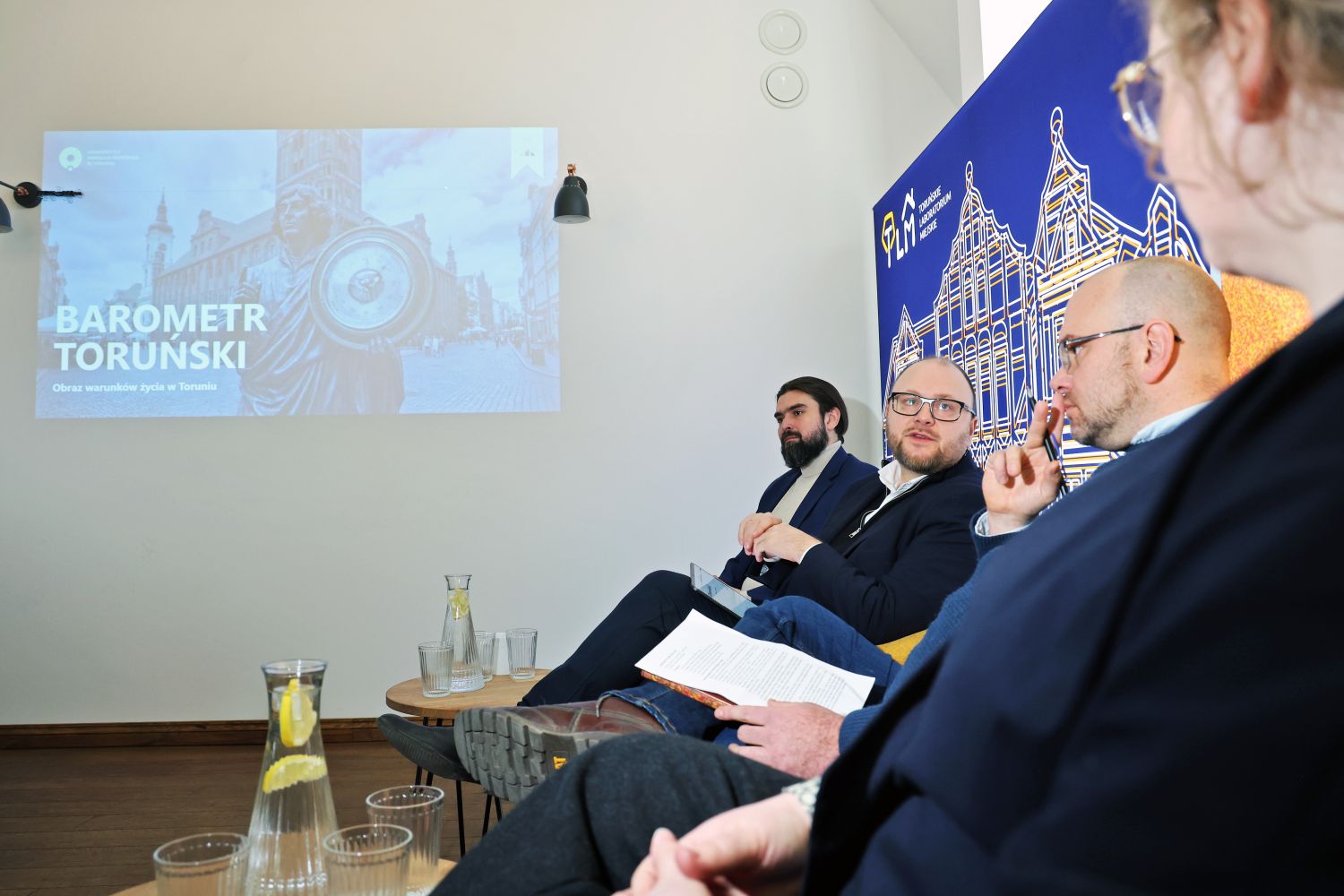
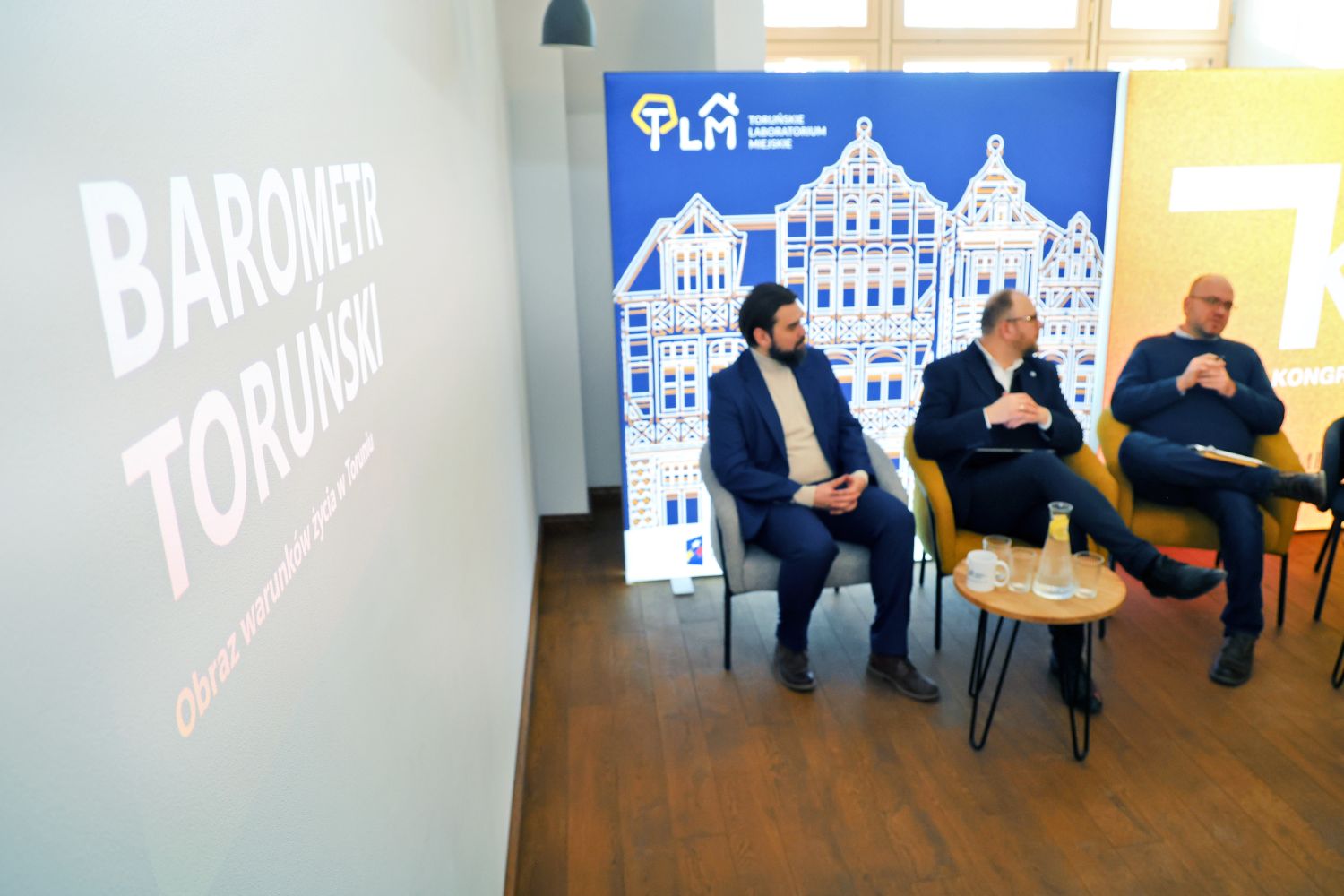
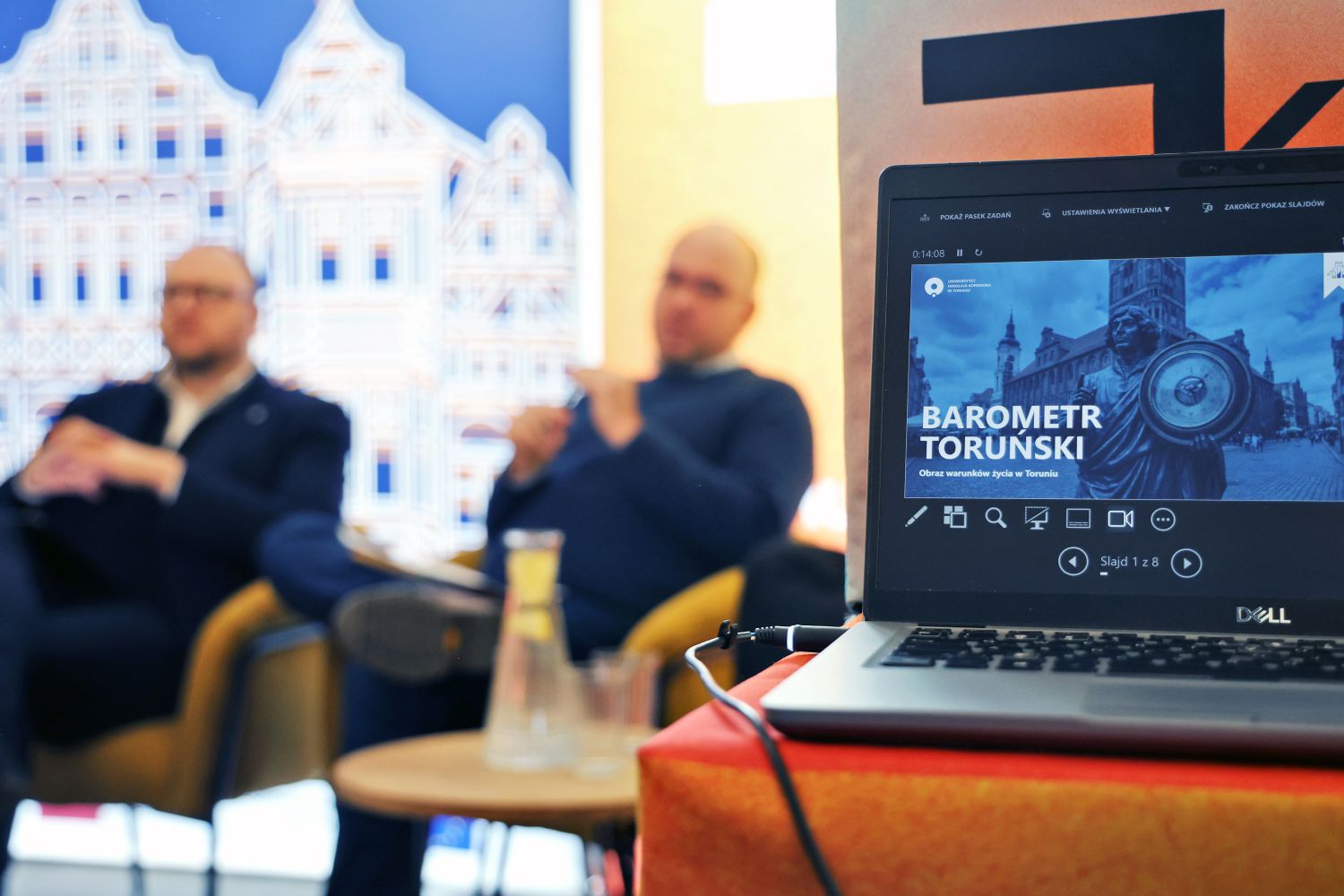
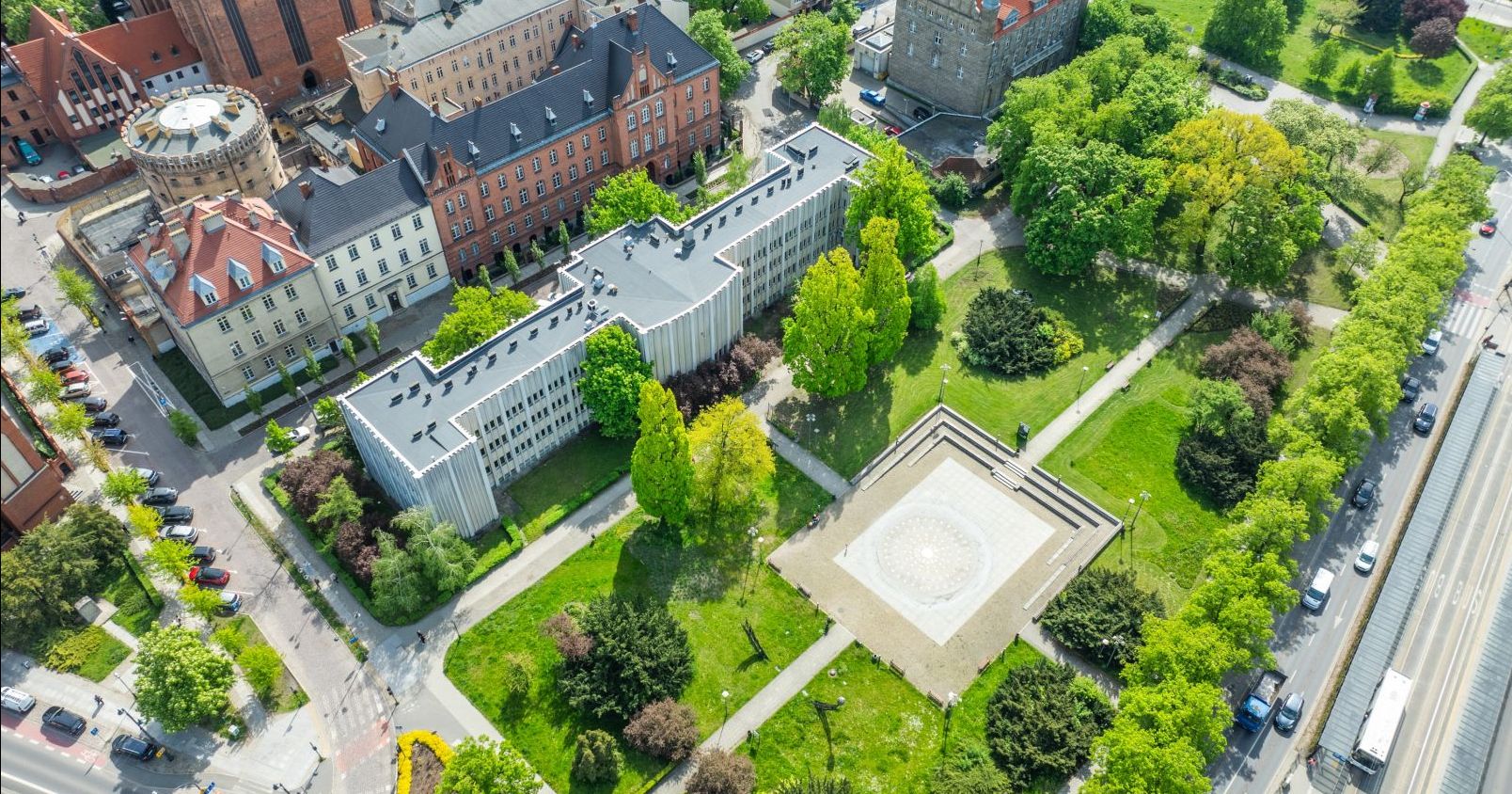
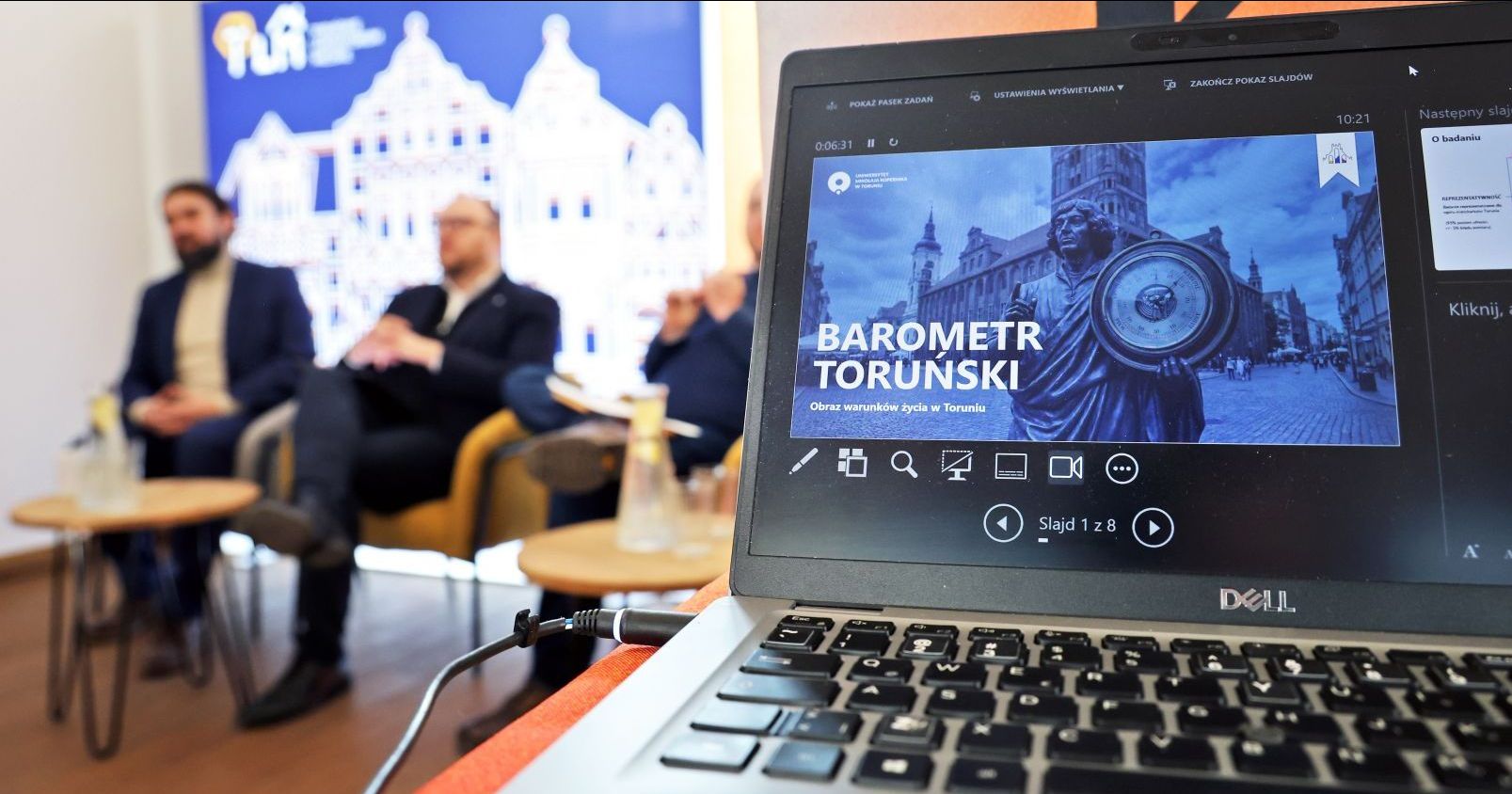
Toruń is a compact, green and pleasant city to live in, but with limited economic potential, a small labour market and traffic congestion, according to the 'Toruń Barometer', a study conducted by sociologists from the Nicolaus Copernicus University in collaboration with the City Council.
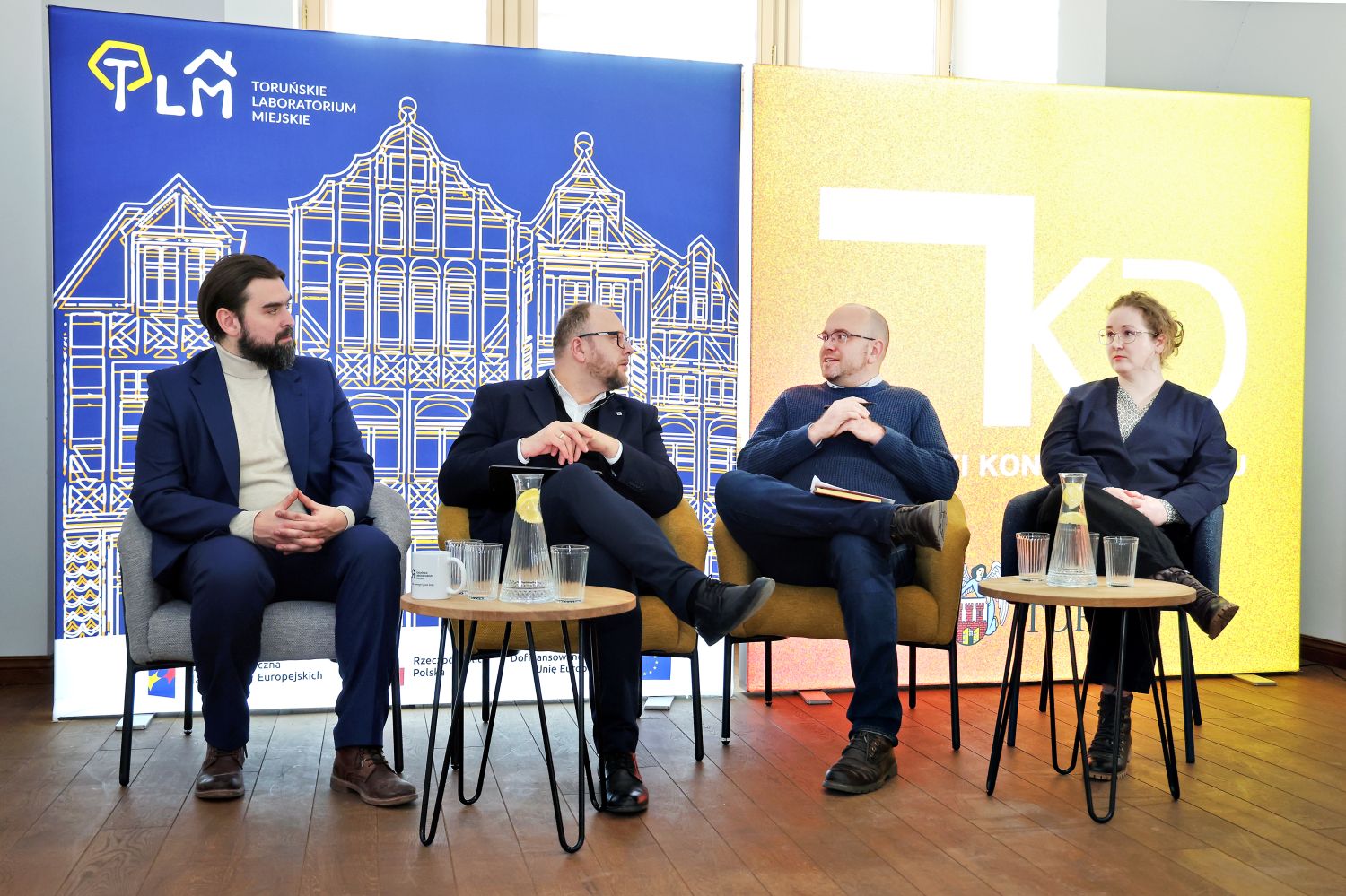
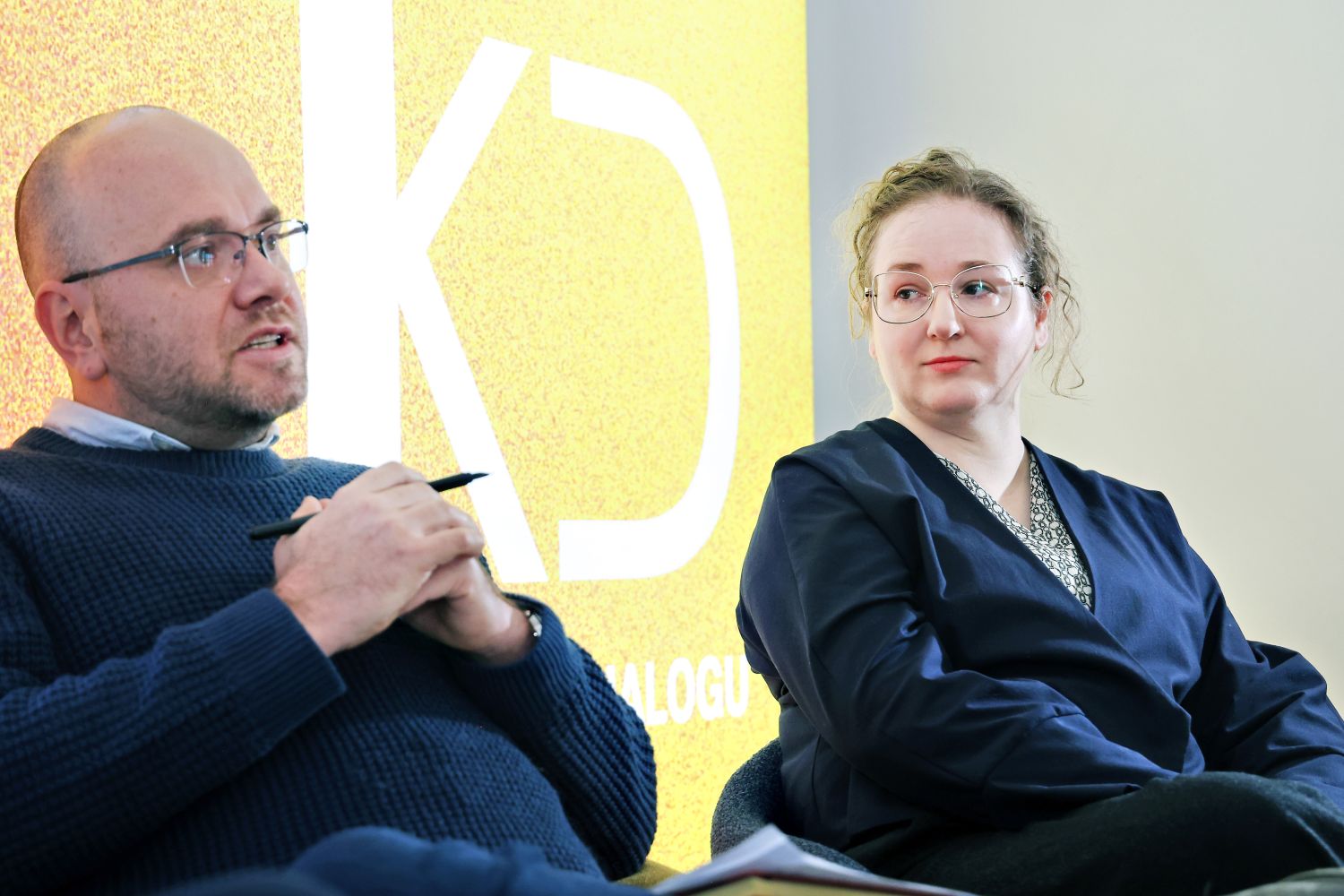
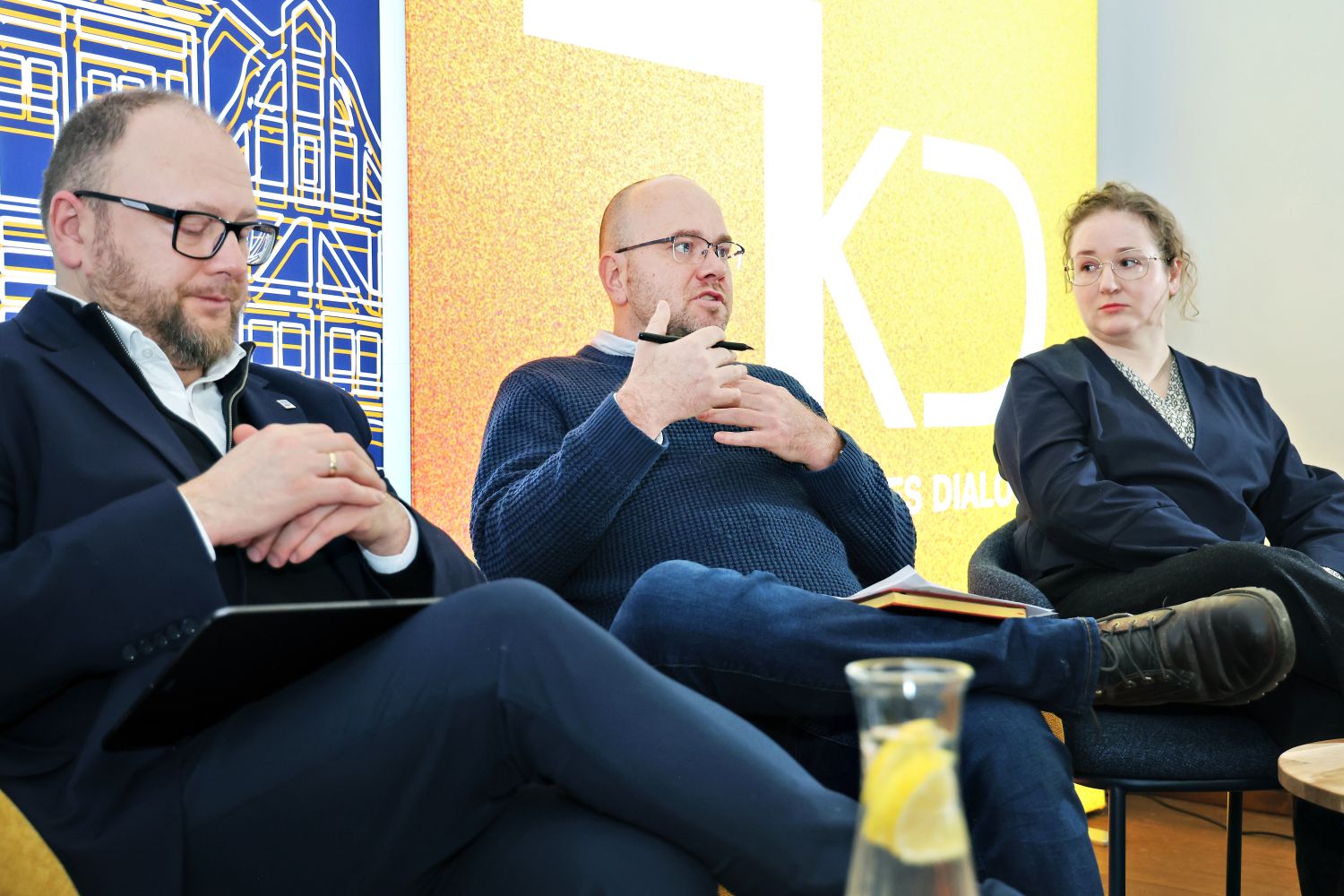
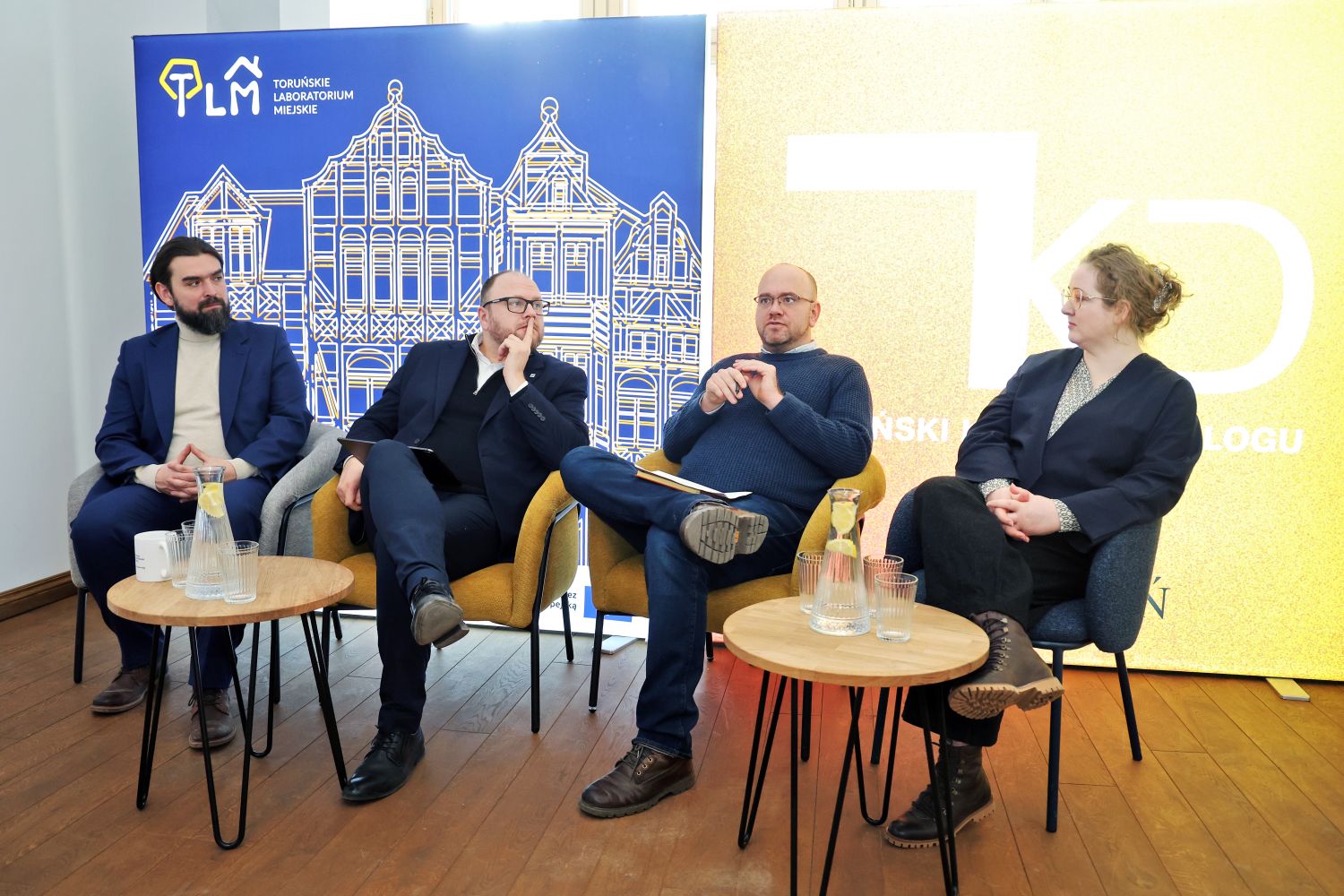
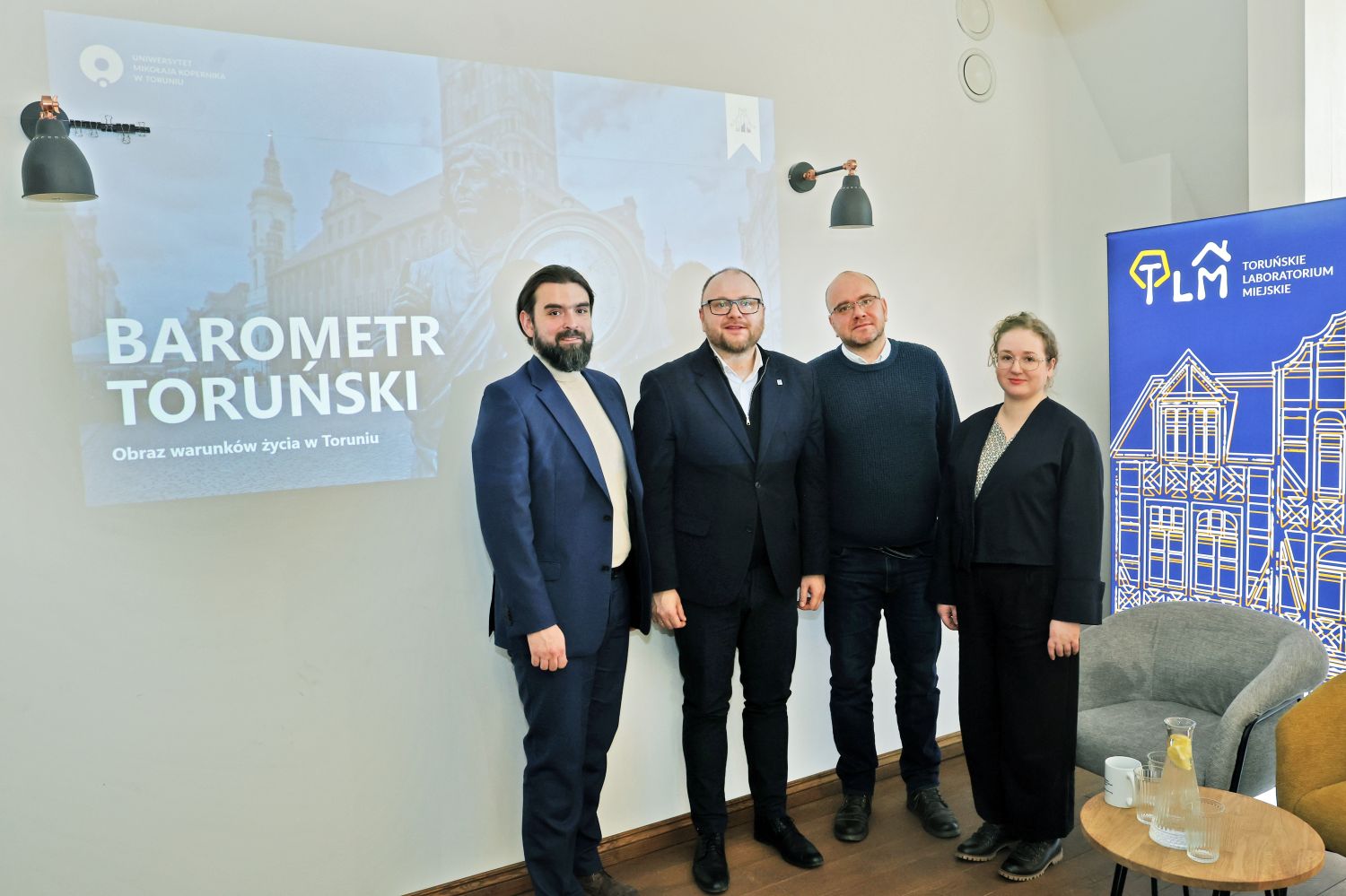
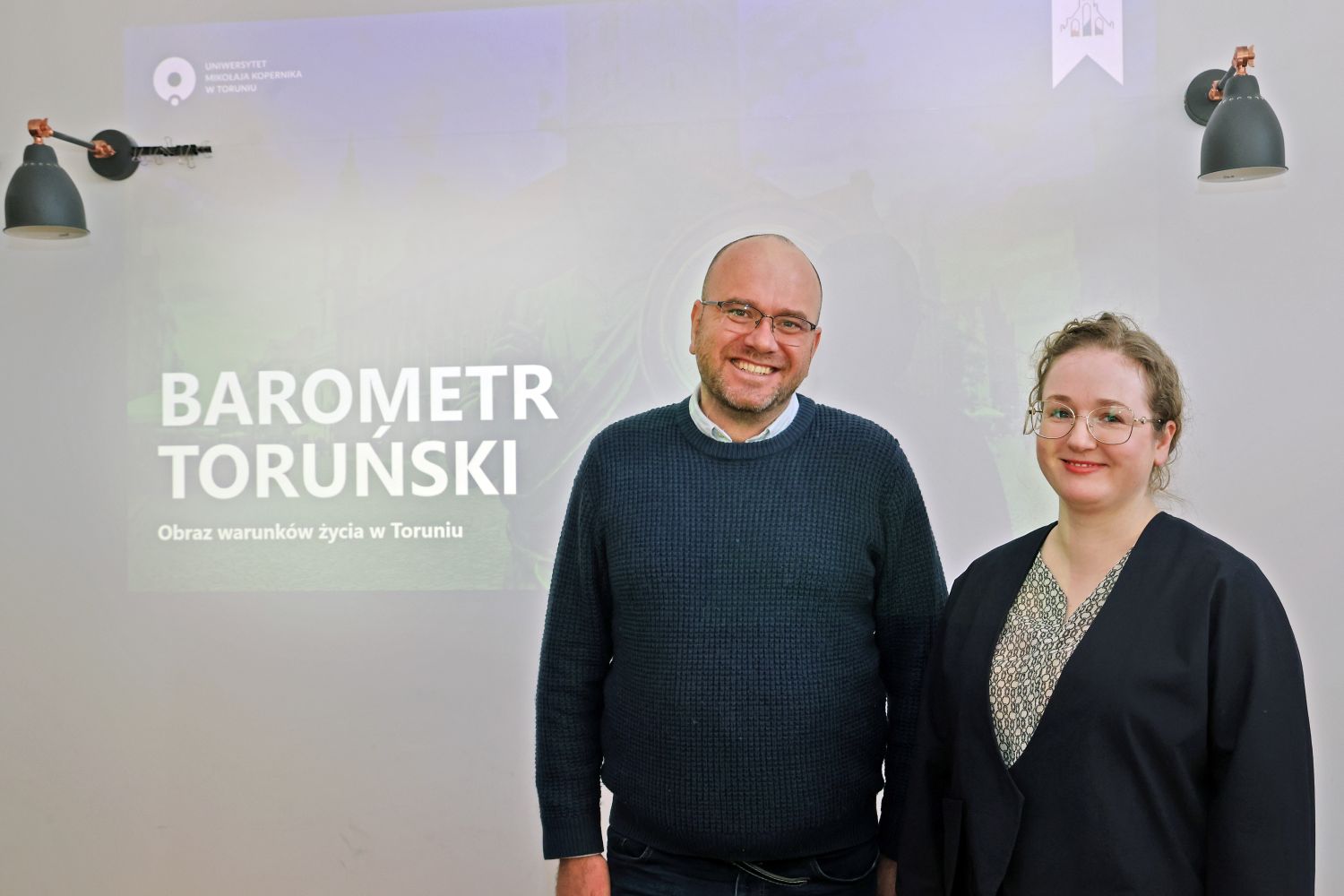
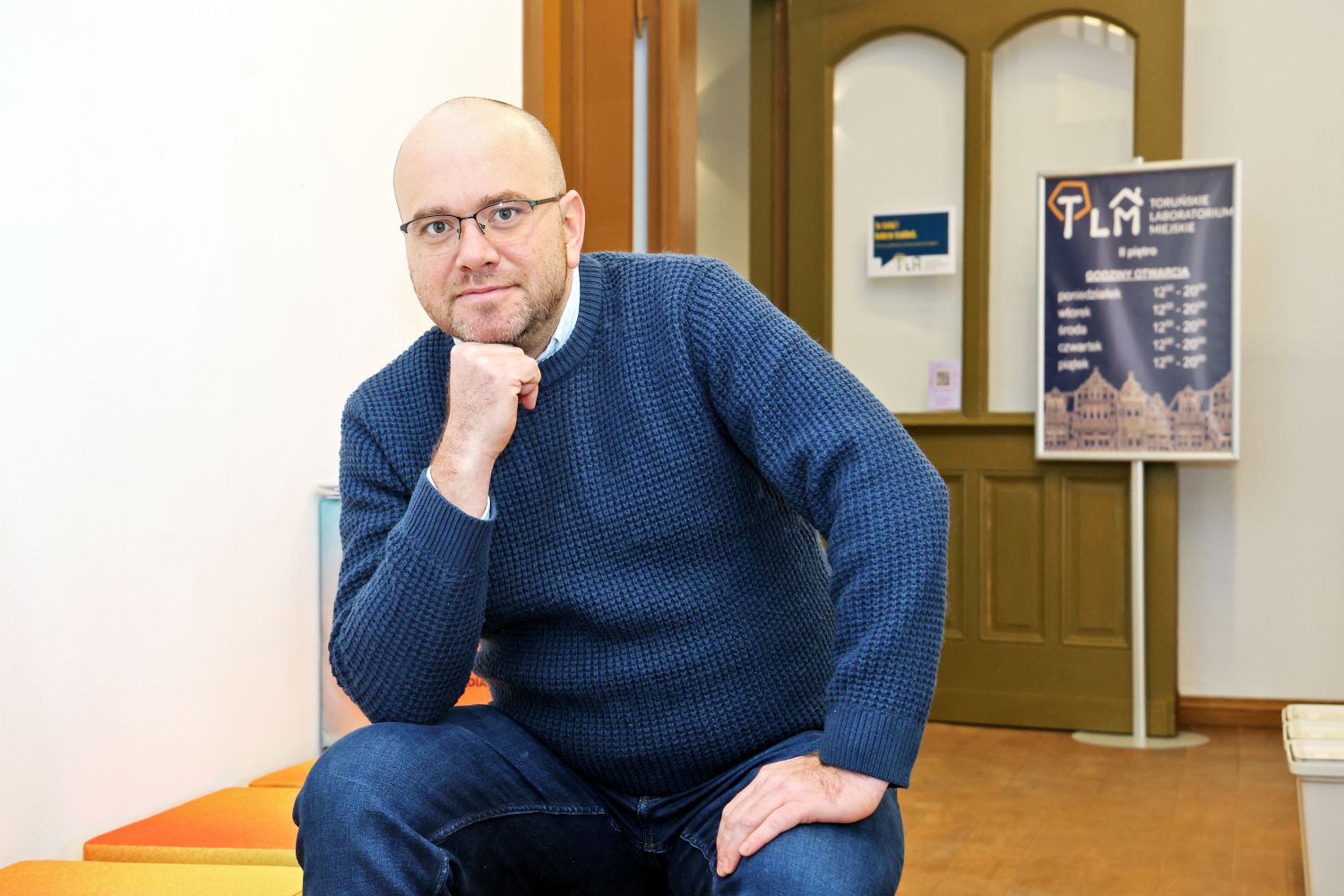
The "Toruń Barometer" is the result of the joint efforts of researchers affiliated with the Institute of Sociology at the NCU Faculty of Philosophy and Social Sciences: dr habil. Wojciech Goszczyński, NCU Prof., mgr Joanna Suchomska, and mgr Joanna Stankowska, employees of the Toruń City Council, and residents who agreed to participate in the study.
Measuring public opinion
Our assumption was to take into account many perspectives that contribute to a broad picture of living conditions in Toruń. The barometer was planned and prepared in such a way as to enable a reliable and accurate analysis. Identifying the city's strengths and weaknesses should be considered the first step in determining those areas that require further development and intervention - says dr hab. Wojciech Goszczyński, NCU Prof.
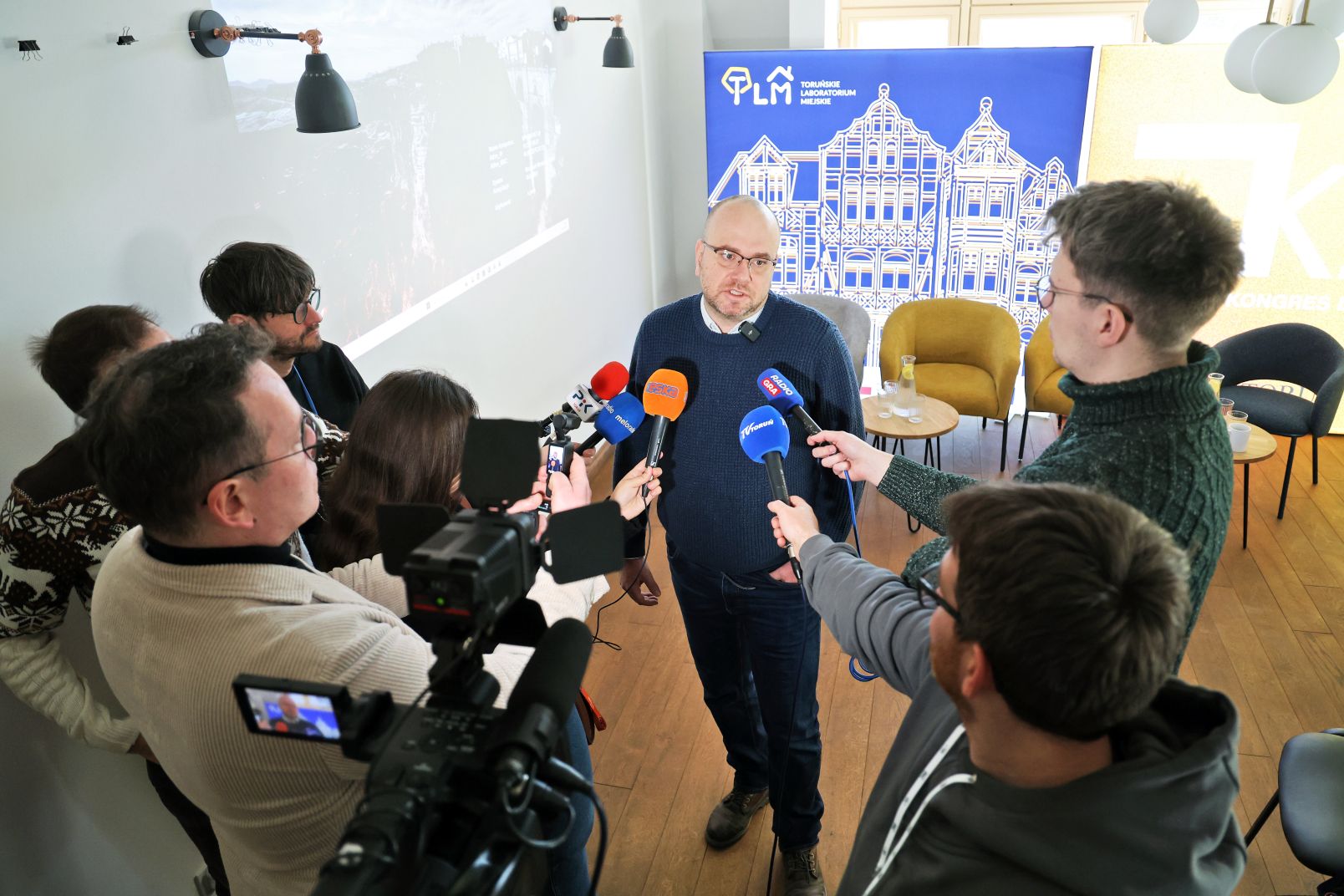
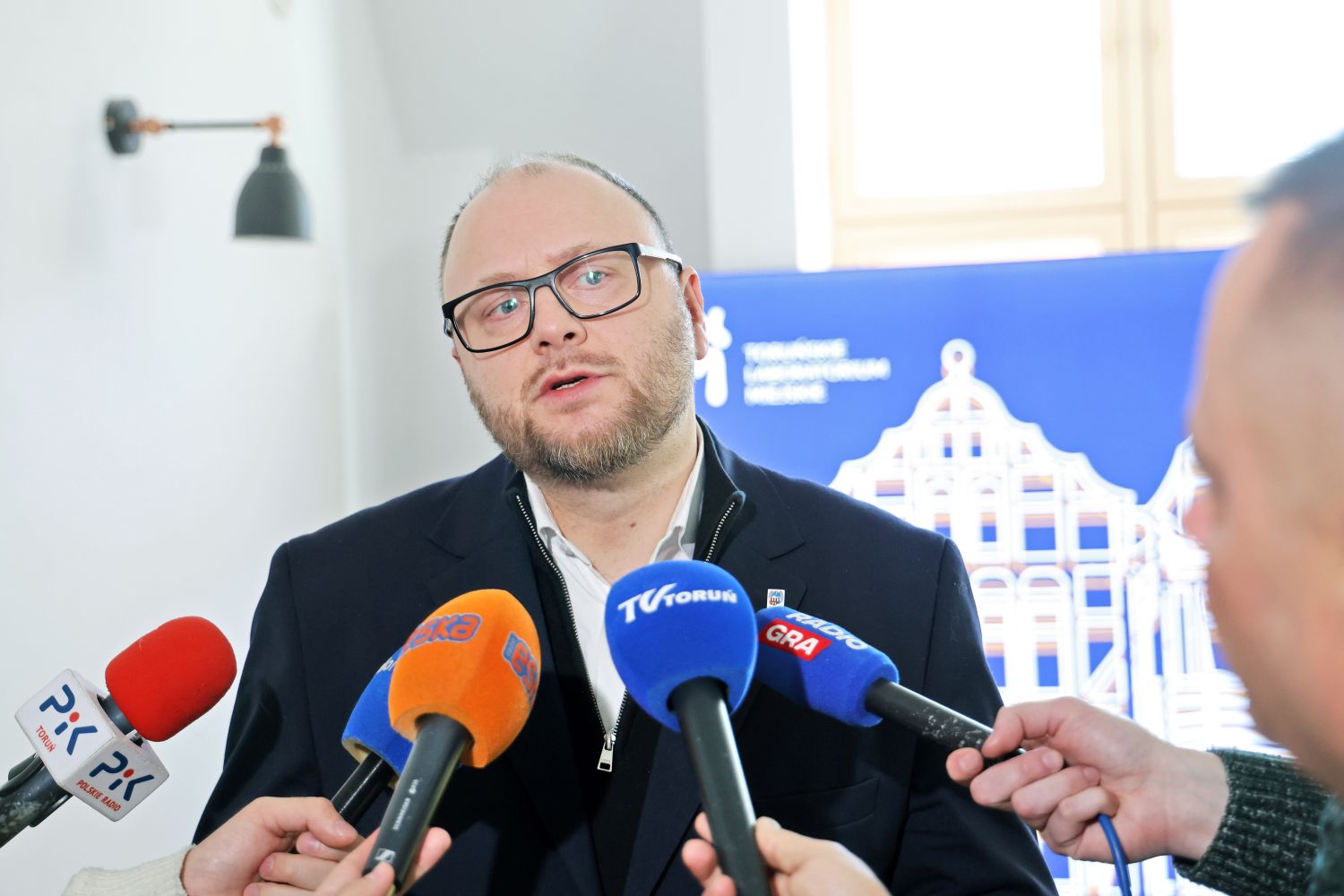
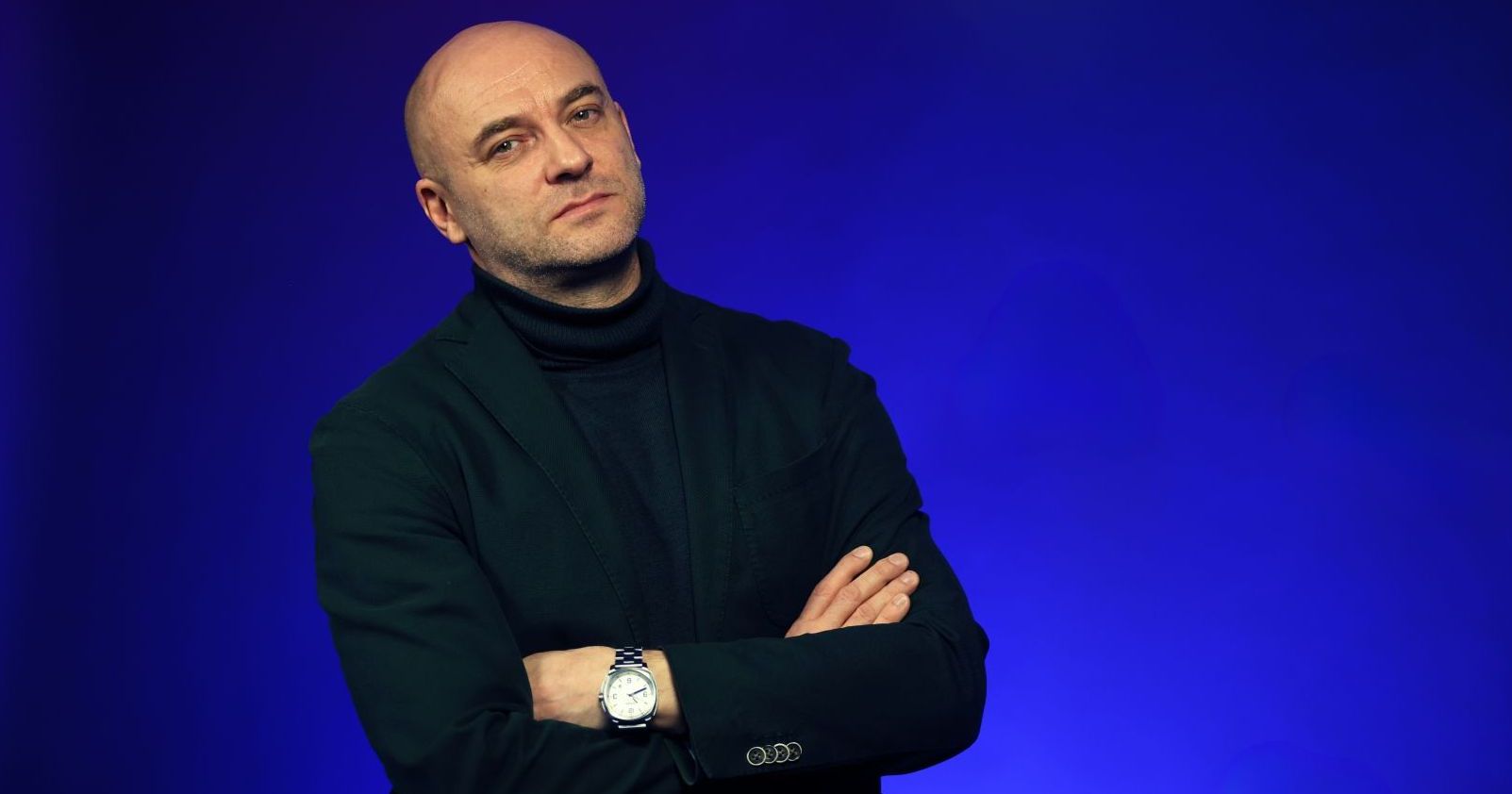
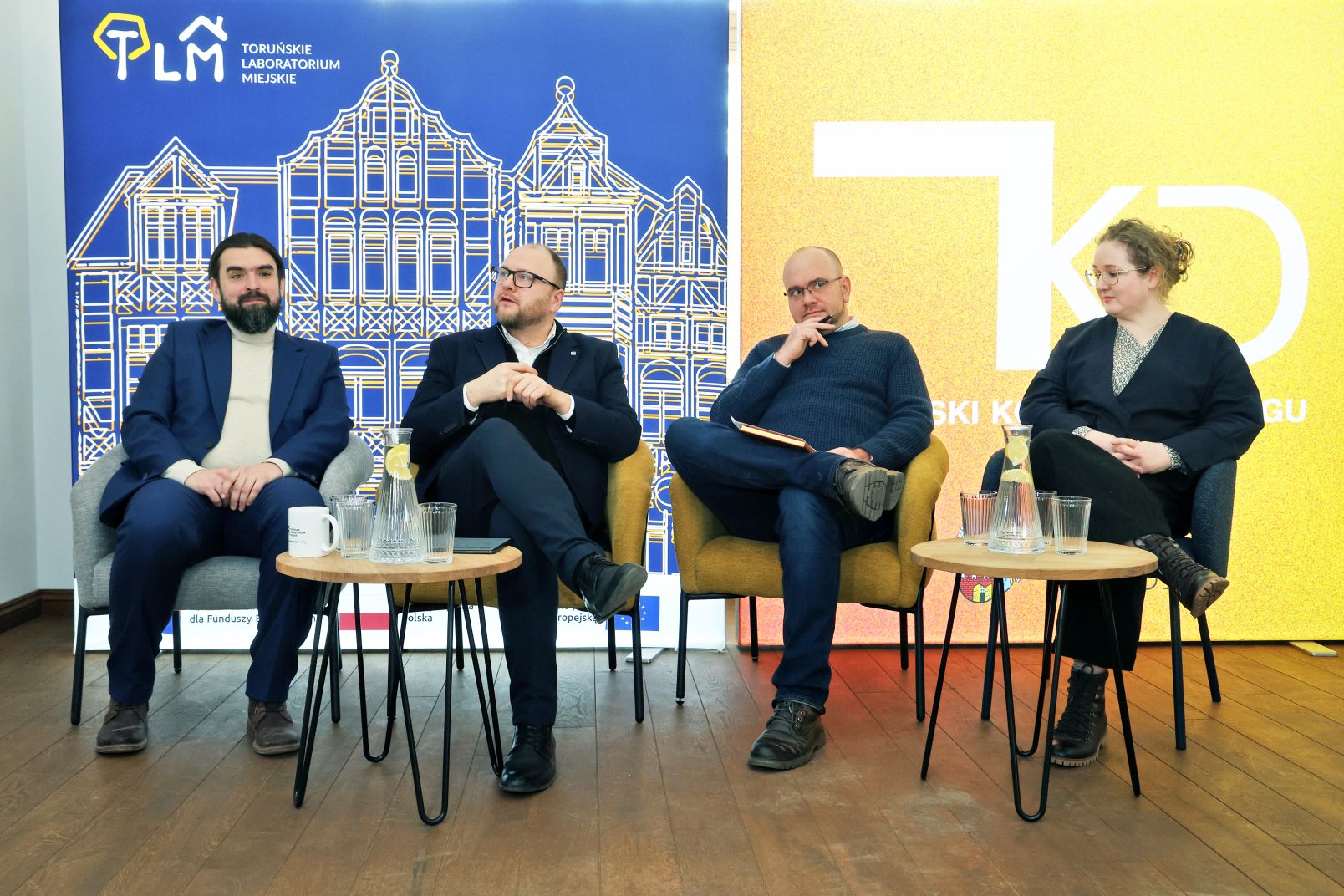
- You cannot build a good city without knowing what its residents think about it - says Paweł Gulewski, Mayor of Toruń. - In order to make the best decisions, we must consider the needs of all Toruń residents – including those who are reluctant to participate in discussions about the city on a daily basis. This perspective is provided by the "Toruń Barometer" – a unique survey showing how residents assess their quality of life."
The mayor also emphasises that the study conducted by our sociologists is in line with Toruń's vision of supporting cooperation between the local government and the university community. At the same time, it is an important tool for planning urban policies, both current and long-term, and for making budgetary decisions.
Living urban tissue
The survey began in August 2025. It took the form of a direct questionnaire interview with adult residents (taking into account gender, age and education – so that the sample would reflect the population of Toruń as accurately as possible), conducted in their homes. Respondents answered 52 questions covering nine areas of city functioning: green spaces and areas, cleanliness and municipal services, roads and mobility, public transport, sport and recreation, culture, professional development and prospects, communication with local government and social participation, and overall quality of life. The interview lasted approximately 40 minutes.
This is very interesting research for us sociologists, because we rarely have the opportunity to work on living urban tissue. We wanted to meet and talk directly with residents to learn their perspective - explains Prof. Goszczyński. -We conducted a total of 420 interviews in the four districts into which we divided the city. We were able to identify areas that require further intervention and Toruń's strengths. The respondents rated the city's functioning best in the areas of culture, public transport, public space and green areas. The lowest ratings were given to the overall quality of life, the city's development and road infrastructure.
Pros and cons of Toruń
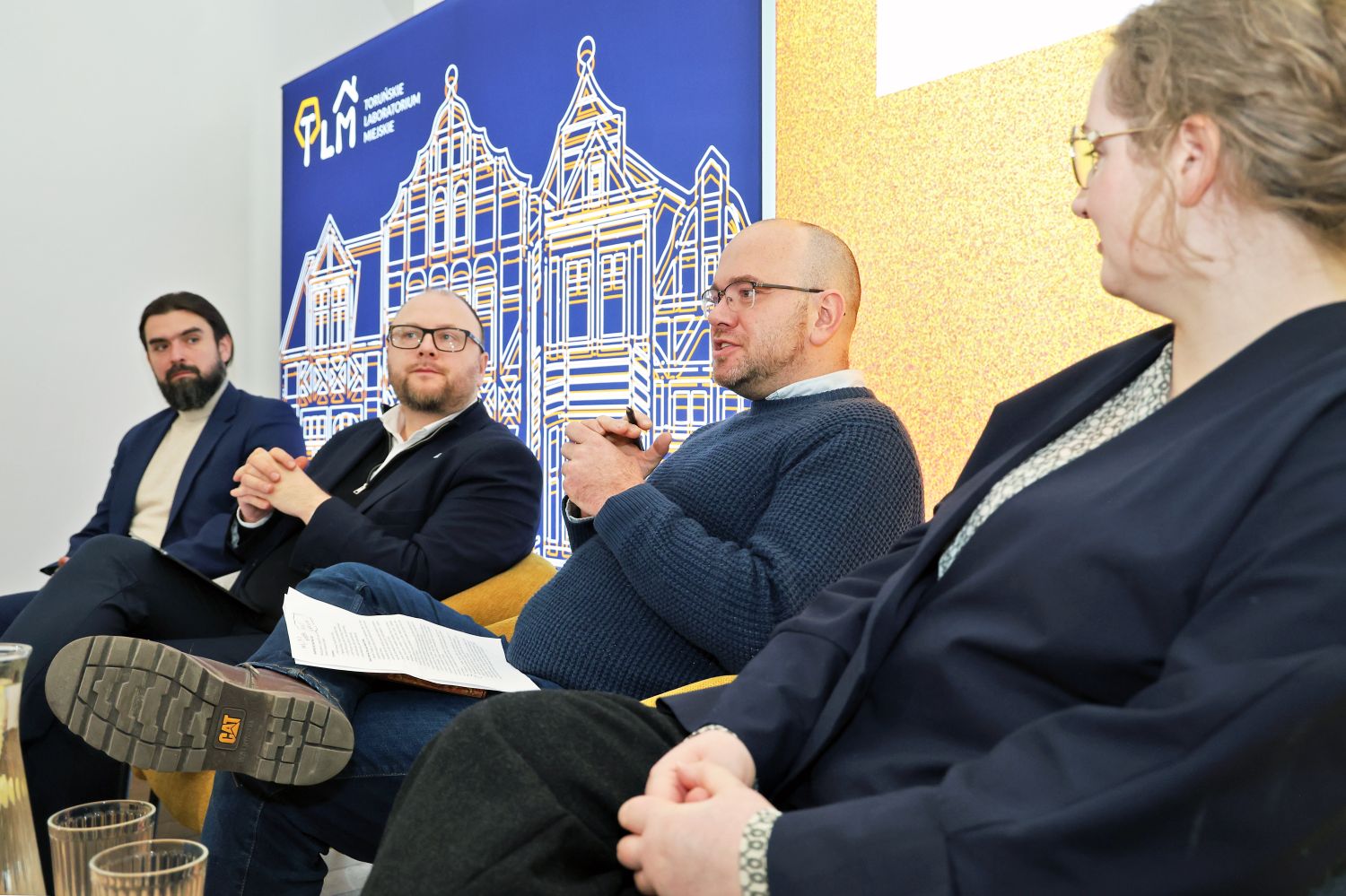
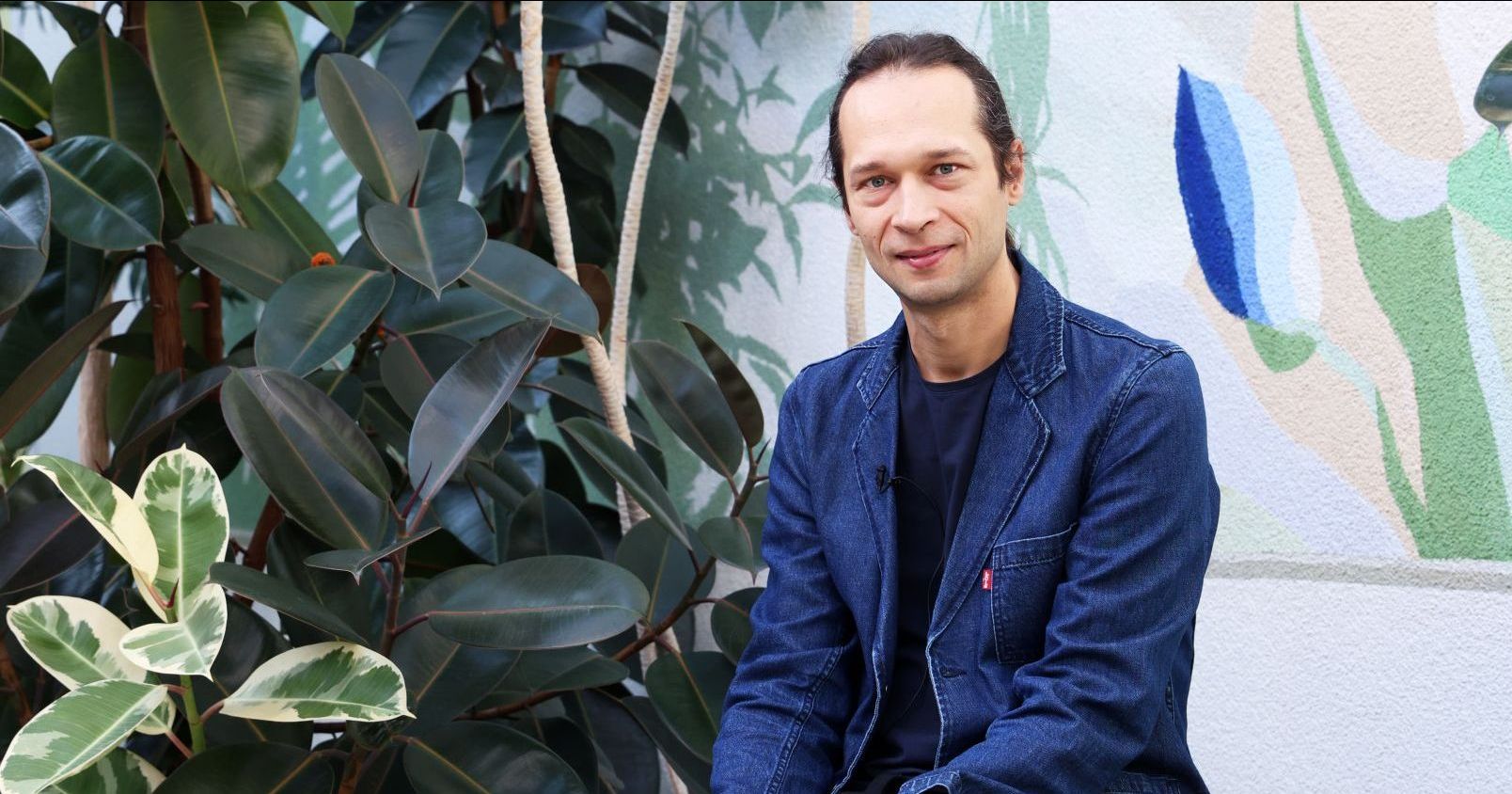
- Thanks to the survey, we have a fascinating report presenting Toruń as seen through the eyes of its residents: younger and older, from the city centre and more distant neighbourhoods, wealthier and less wealthy, parents and people living alone. Thanks to it, we can see a picture of the city that we are creating together - explains dr Patryk Wawrzyński, director of the Office for Dialogue and Urban Innovation.
The residents of Toruń are particularly concerned about the availability and quality of green areas. The greatest challenges are in the eastern and northern parts of the city. Residents expect visible improvements in cleanliness in their neighbourhoods, with the strongest calls for change coming from the left bank of Toruń. The quality of roads is an important issue, especially in the expanding parts of the city. The report also includes comments on the impact of roadworks on daily commuting and the need for better information about traffic disruptions. For many parents and working people, private car transport is essential – only about a quarter of residents regularly use public transport. Passengers generally rate it positively, but report shortcomings in the frequency of services and punctuality, with clear demands for an increase in the frequency of trams in Bydgoskie Przedmieście.
In the area of sport and recreation, it is worrying that almost two-thirds of residents do not engage in regular physical activity, and overcrowding at popular facilities is a significant barrier. Access to culture, on the other hand, is rated relatively well, with around two-thirds of Toruń residents taking advantage of what is on offer. However, respondents point to the need to spread events outside the old town, where most of them tend to be concentrated.
In terms of development and the labour market, Toruń is perceived as less attractive professionally for people coming from other regions, and an excessive focus on tourism may limit career prospects. Interestingly, the study reveals a large reserve in the area of social participation. Less than one in ten residents participate in public consultations, and less than a quarter use the participatory budget, with residents of the left bank indicating greater difficulties in dealing with official matters. The most important challenges related to quality of life include rising living costs and limited availability of affordable housing. Access to specialist doctors also remains a problem, where the local government's options are limited, and lower ratings of neighbourly support suggest the need for measures to strengthen the integration of the local community.
Cyclical measurements
This is the first edition of the "Toruń Barometer" – a similar survey is to be conducted every year so that the knowledge base about the city provided by its residents is constantly growing and as up-to-date as possible.
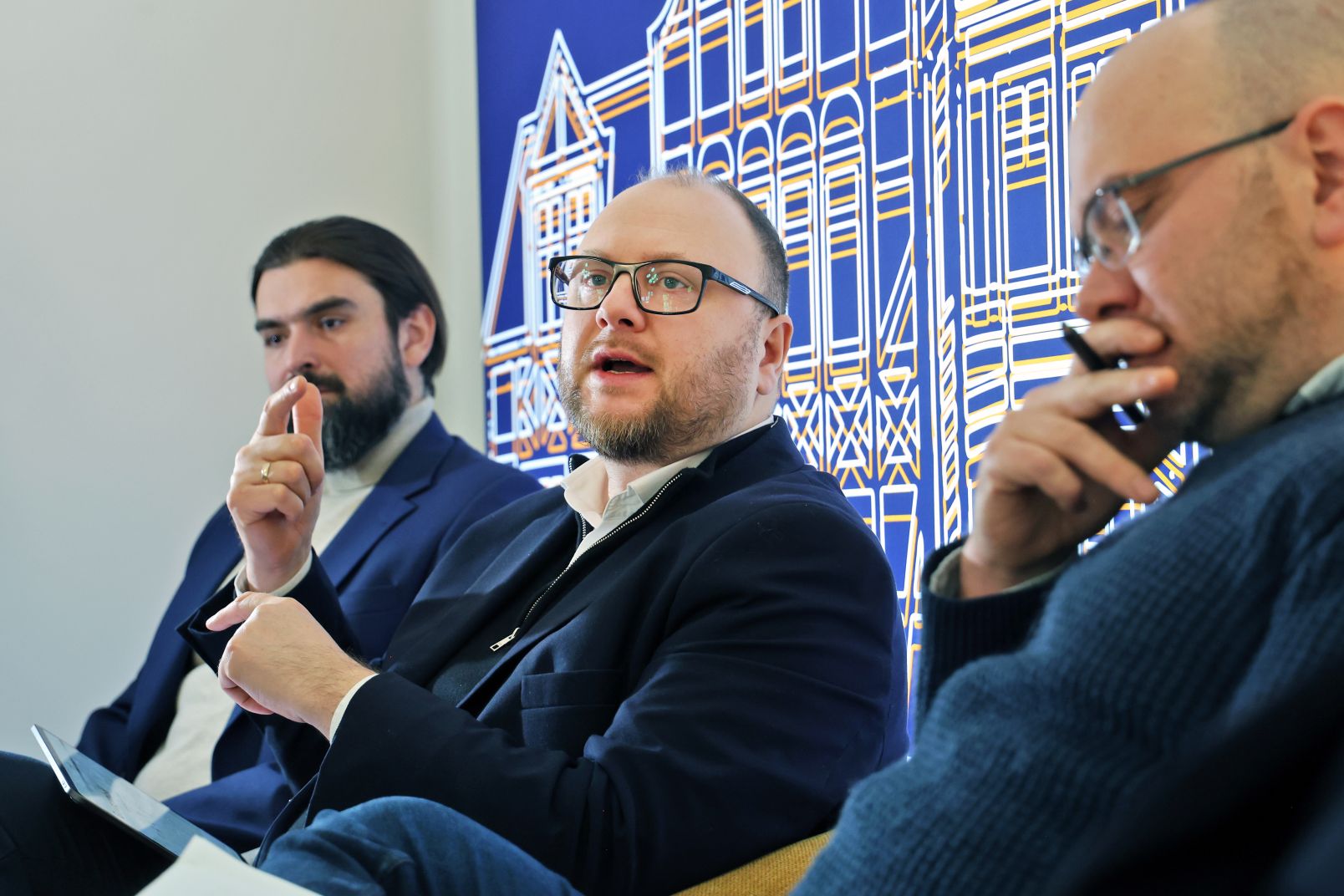
We have received a report that describes our city from the perspective of the everyday experiences of its residents – it is a valuable map of needs and expectations - emphasises Mayor Paweł Gulewski. - The barometer will be a document on the basis of which we will design urban policies. The conclusions from this study will help us to better plan our budget, investments and current activities, as well as to respond more quickly where immediate improvement is expected.